


Ladybugs
Worried they'll fly off?
(I mean... they will... but more on that below)
If the thought of ladybugs taking a scenic tour of your living room or neighborhood is keeping you up at night, you've got two flightless options. For a ladybug that stays, go with Coleomegilla maculata larvae — same family, but the larvae can't fly, so they crawl your plants and hunt where you put them. Or try green lacewing eggs — same aphid-demolishing appetite, and the larvae are grounded too. Either way: no aerial defection.
10% off your first 4 orders, then 15% off every order after.
Heads up—this is just an estimate. We only ship when the bugs are happy and ready to travel (Mon–Thurs). If a colony needs a beat to peak, or we're propagating a fresh batch, your order might hold up to a week. Treatment bottles jump the line when you've got an active infestation.
Ladybugs
At A Glance
The Convergent Lady Beetle (Hippodamia convergens) is the original broad-spectrum predator of the North American garden. While specialized predatory mites work like scalpels on specific problems, ladybugs are your cleanup crew — generalist hunters that will work through aphid colonies, soft scale, and anything else soft-bodied and slow enough to catch.
We carry Hippodamia convergens specifically because it's the species that belongs here. It evolved alongside the pest pressure you're dealing with, handles the climate, and doesn't create the secondary problems that come with releasing non-native species into your garden or greenhouse.
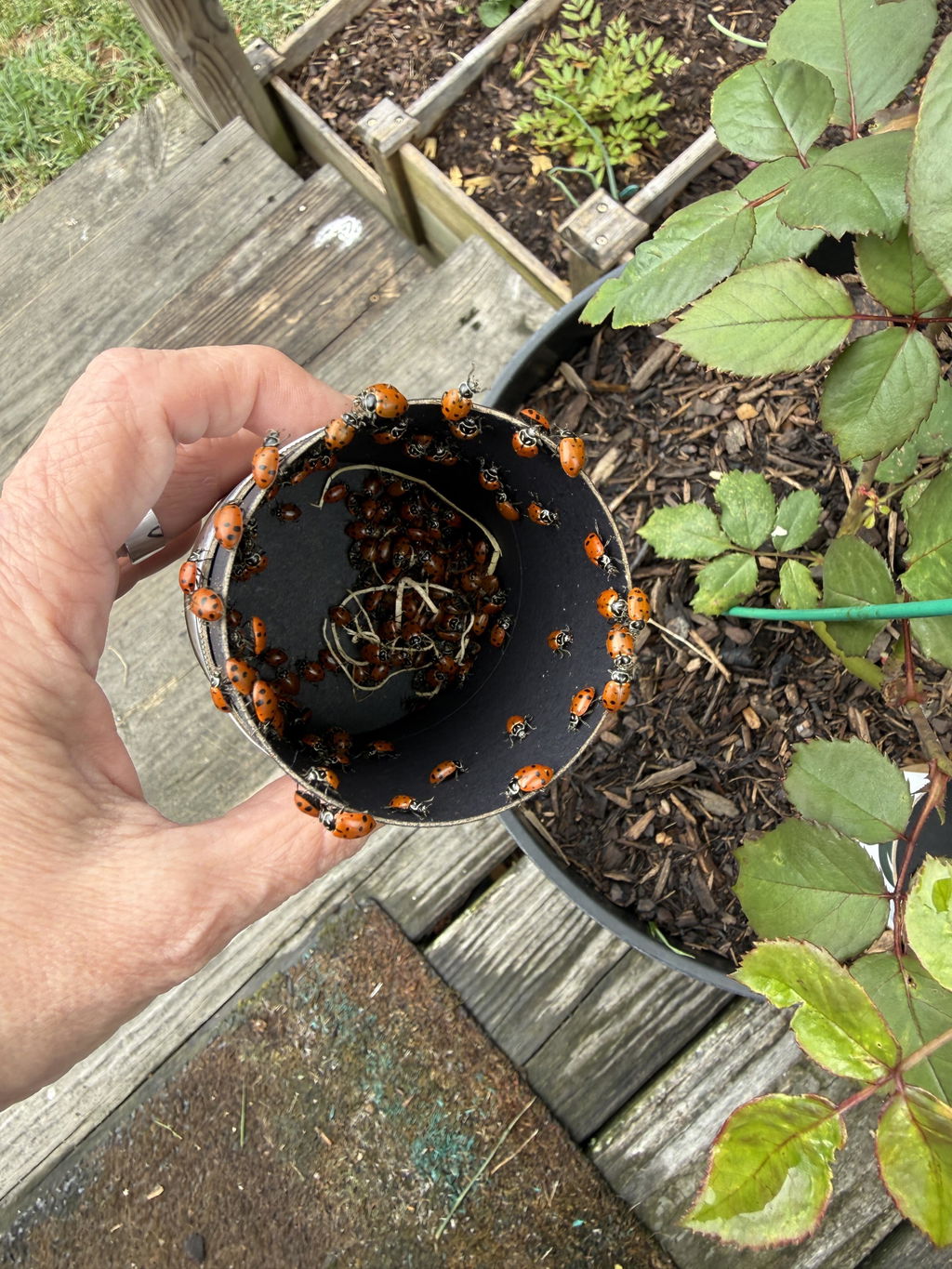
Not sure where to get ladybugs that actually work? We've been doing this for 20 years. Smaller orders ship in kraft paper tubes — ladybugs are gregarious and settle better clustered together. Bulk ladybugs available for larger grows. Same-week dispatch, Monday through Thursday.
Best For: Fast knock-down of heavy aphid and soft-bodied pest populations.
Speed: They start hunting as soon as they warm up.
The FGMN Standard: Healthy, active, and triple-screened for vigor.
Target Pests
Environmental Needs
Selection Guide
How to Use
How They're Shipped
Ladybugs have wings, and they know how to use them.
Ladybugs are wild-collected from their overwintering sites. When they wake up, their instinct is to disperse — that's the biology you're working with. Here's how to keep as many as possible right where you released them.
Before you release
- Release within 24–48 hours of arrival when you can. They've already been through cold storage in transit — extra time in your fridge adds up.
- If you need to delay, refrigerate at 35–40°F for no more than 2–3 days. Keep the container lightly humid.
- Mist the container with water 30 minutes before release. Thirsty ladybugs stop to drink instead of flying off.
- Water the release site first. Wet foliage gives them a reason to land and linger.
Release at dusk, never dawn
- Release in the evening, after the sun is off the plants. They won't fly at night — by morning, they've settled and started hunting.
- Skip the release if it's windy or rain is in the next 24 hours.
- Release at the base of plants with visible aphid colonies. Hungry ladybugs that find food stay.
- Spread them across multiple spots, not one pile. You're seeding a population, not staging an army.
What success looks like
- Expect 30–50% to leave within 48 hours even when you do everything right. That's biology, not failure.
- The ones that stay will breed. Their larvae — the spiky alligator-shaped ones — do most of the actual pest control.
- Plant yarrow, dill, fennel, or alyssum nearby. Pollen and nectar keep them around between aphid booms.
- Address ants first. Ants farm aphids and will actively defend them from ladybugs.
Ladybugs are the most romantic beneficial and the most misused. They're effective against aphids, soft-bodied larvae, and scale crawlers — but not adult mealybugs, despite what the internet says. Your job isn't to make them stay forever; it's to give them a reason to feed, breed, and leave their kids behind. The larvae are where the real work happens.
Join Karen's Live Shows — Pests, Plants & Predators on PalmStreet.
Every Friday at 7pm EST — plus additional shows throughout the week. Ask your pest questions in real time — we answer everything.














The Weekly Newsletter
A weekly excuse to be weird about bugs at parties.
Weekly dispatches on the quietly alarming things happening in your soil. All of it real.
No spam. Leave whenever.
You're in
The first strange true thing arrives next week.
FAQ
What is your Live Delivery Guarantee?
We guarantee that your beneficial insects will arrive healthy and ready to work. Because we are shipping live organisms, we use packaging and expedited shipping to ensure their safety. In the rare event that your order is compromised during transit, please take a photo of the package and contact us within 24 hours of delivery so we can make it right.
Why should I choose Native US Ladybugs over other species?
My ladybugs are all huddling together—is something wrong?
Can I use ladybugs alongside my predatory mites?
How long will the ladybugs stay on my plants?
Why is it so important to release them at night?
Is it safe to buy ladybugs online during the summer?
Help! I'm overwhelmed
Yeah, it's a lot the first time you're using predatory mites. Please email us at info@fgmnnursery.com and we'll be happy to help!
I don’t see anything moving in my bottle or sachet. Does that mean they’re dead?
Not at all! In fact, go ahead and deploy them.
Predatory mites are microscopic (often less than 0.5mm) and naturally blend into their carrier medium (bran or vermiculite).
- For Bottles: The mites often huddle in the center of the bottle for insulation during transit.
- For Sachets: These are "slow-release" nurseries. The mites stay tucked deep inside the breeding media and emerge one by one over 2–4 weeks. Seeing an "empty-looking" sachet or bottle is not proof of a loss; it is simply how they are packaged for maximum survival.
I wish I would have known about this place sooner! I have a rose bush that has been on the property for at least 30 years from my understanding. Maybe more. The aphids got it this year and were out of control. Thousands of aphids covering almost every inch of the rose bush and spreading to other plants. I bought the ladybugs. 800 of them. I placed the container deep in the middle of the bush. Yes some flew away. But most of them stayed. The lady bugs almost completely wiped out the aphids in just a few days. I might have to buy one more package, but they definitely are handling business. Fast shipping, the bugs came alive and well. Definitely buying from here again.
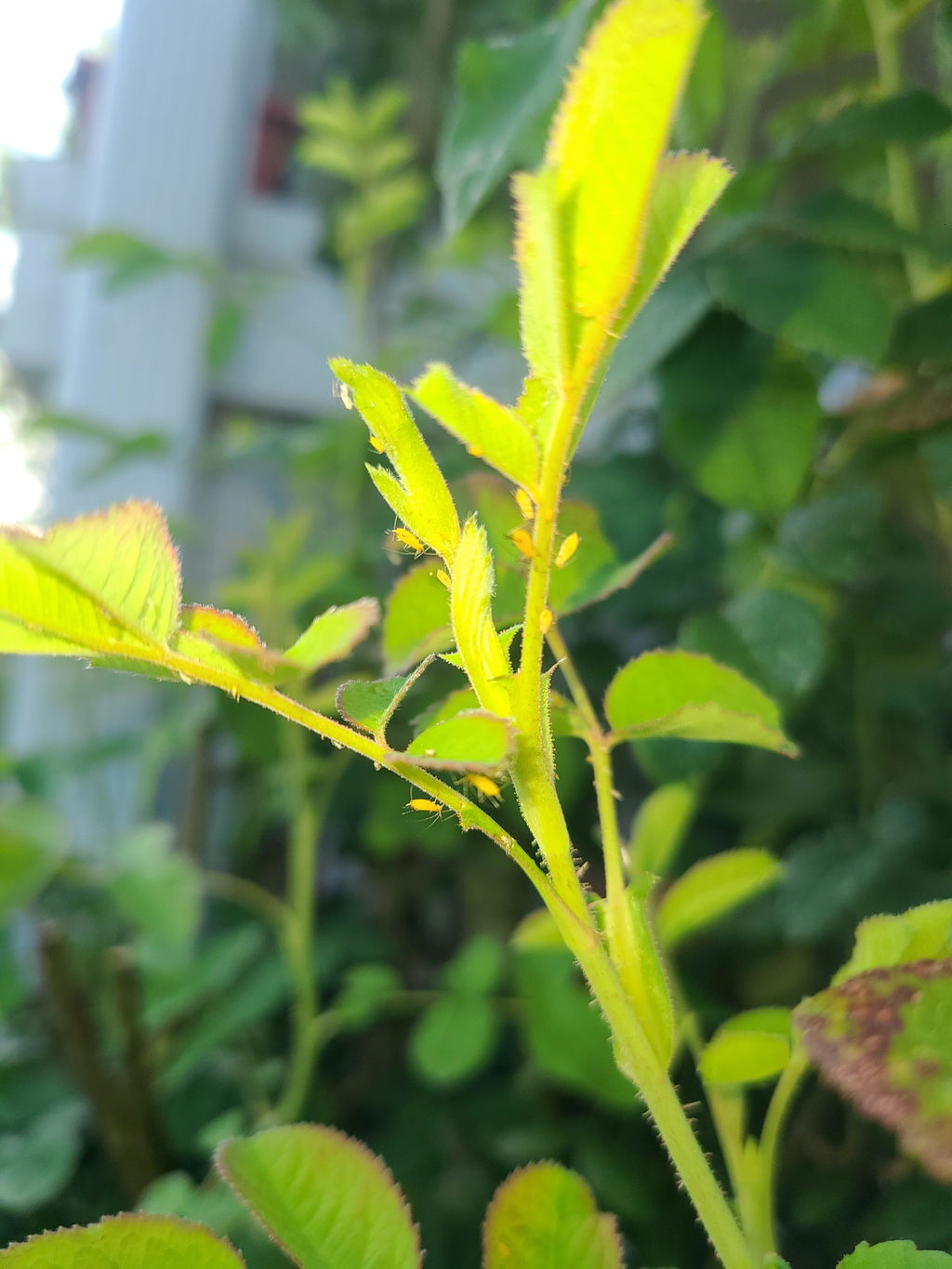
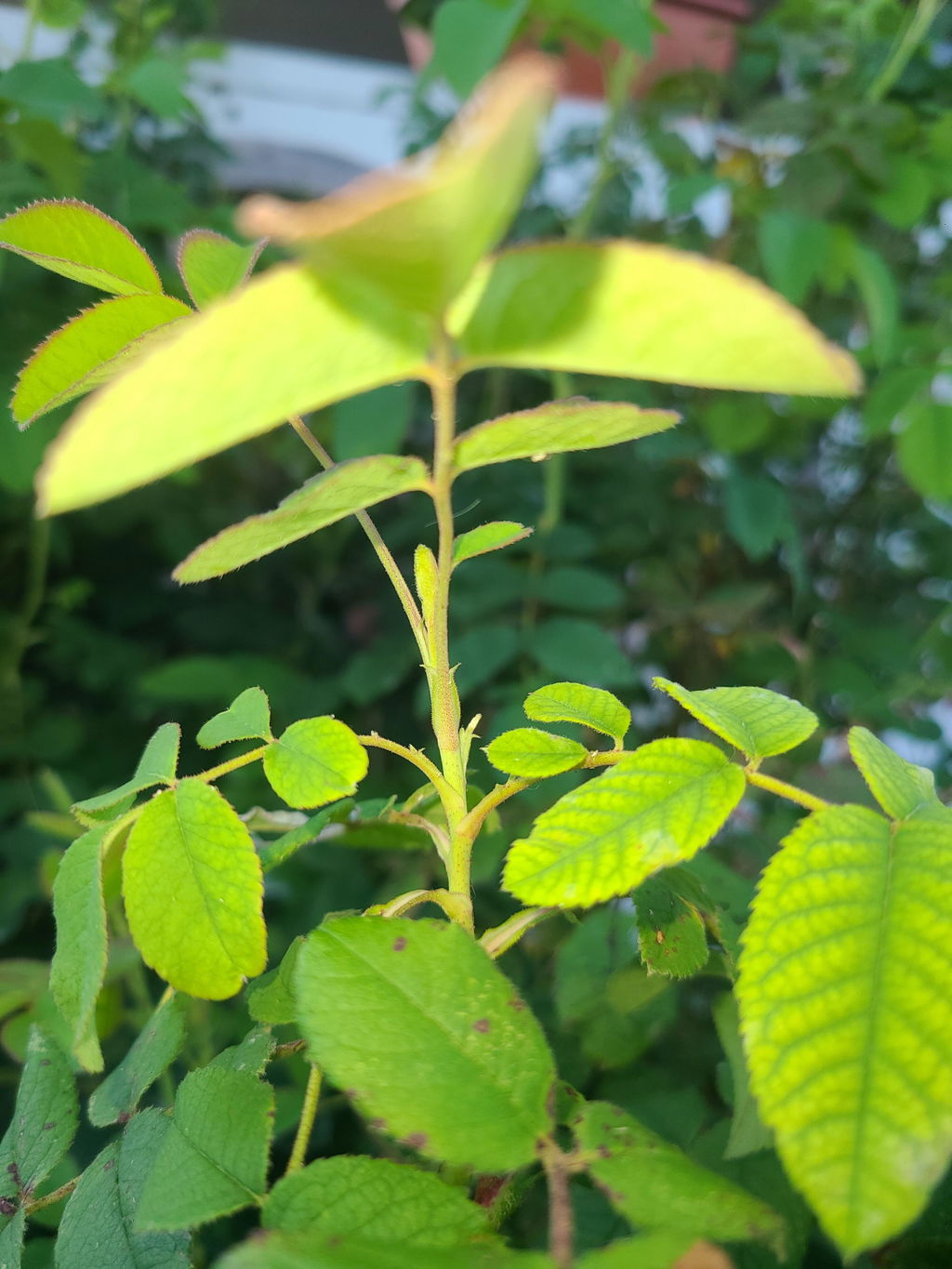
These hungry ladies absolutely went to town on an aphid infestation that I'd been fighting for days. They made short work of it!
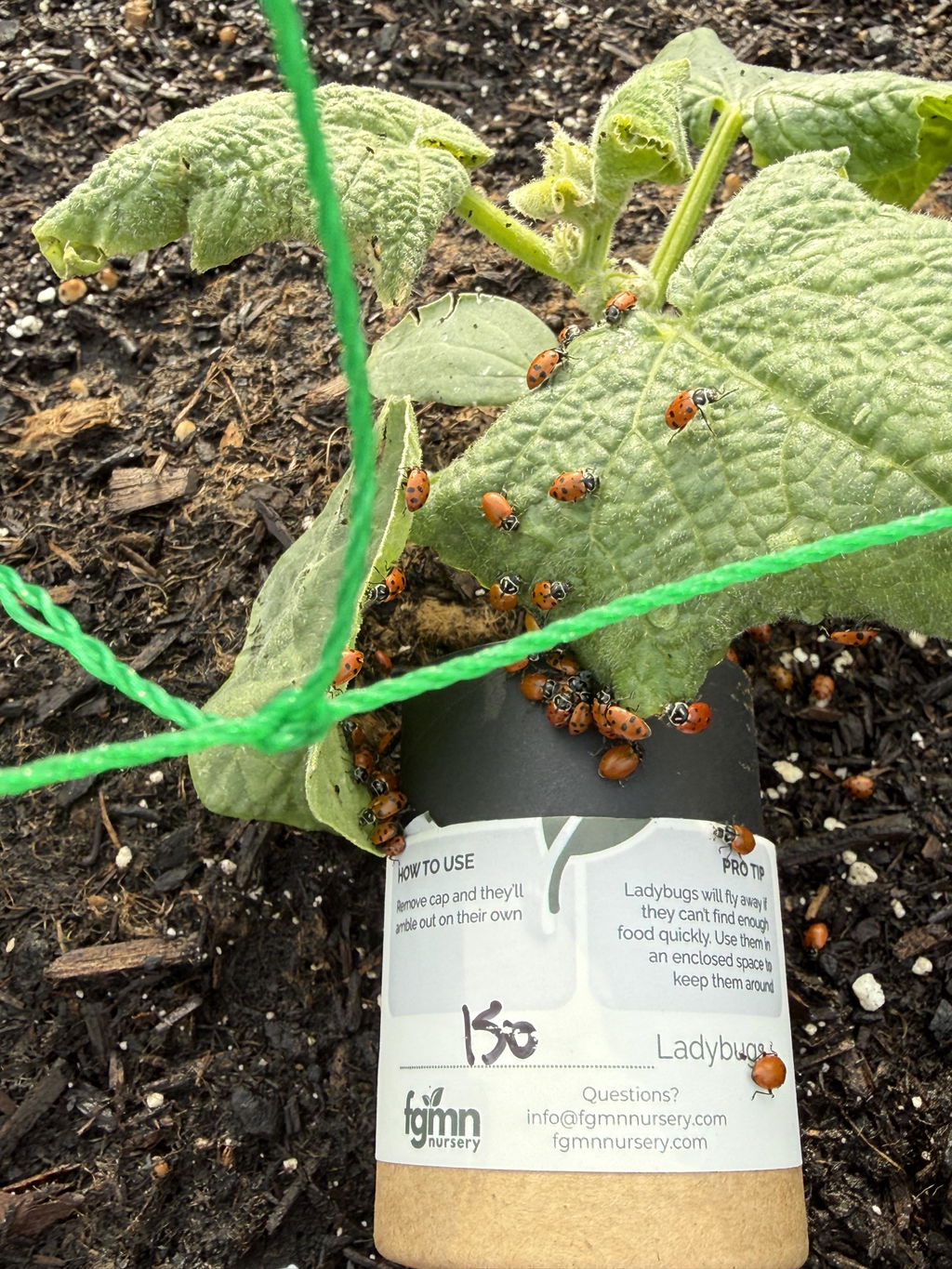
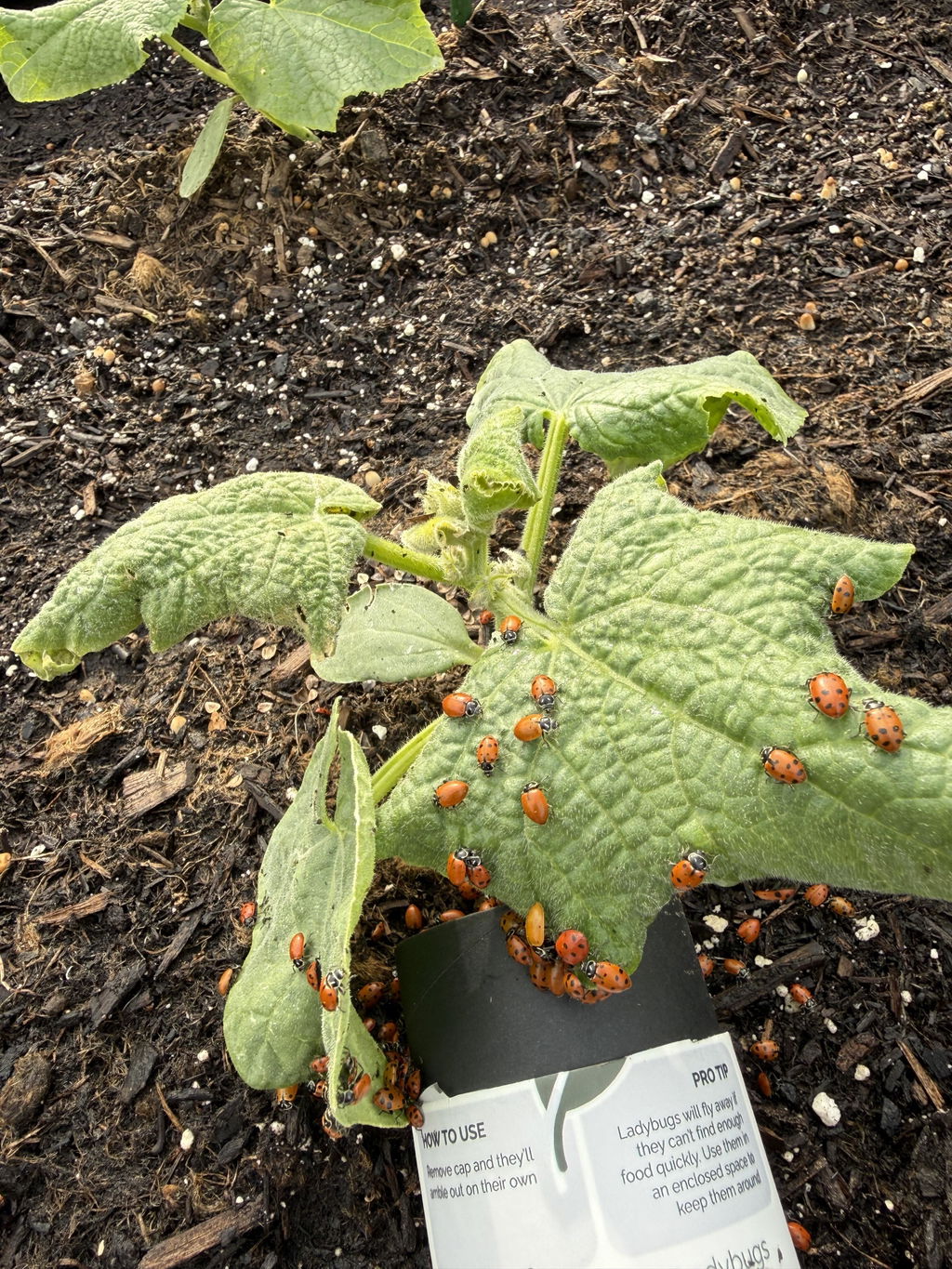
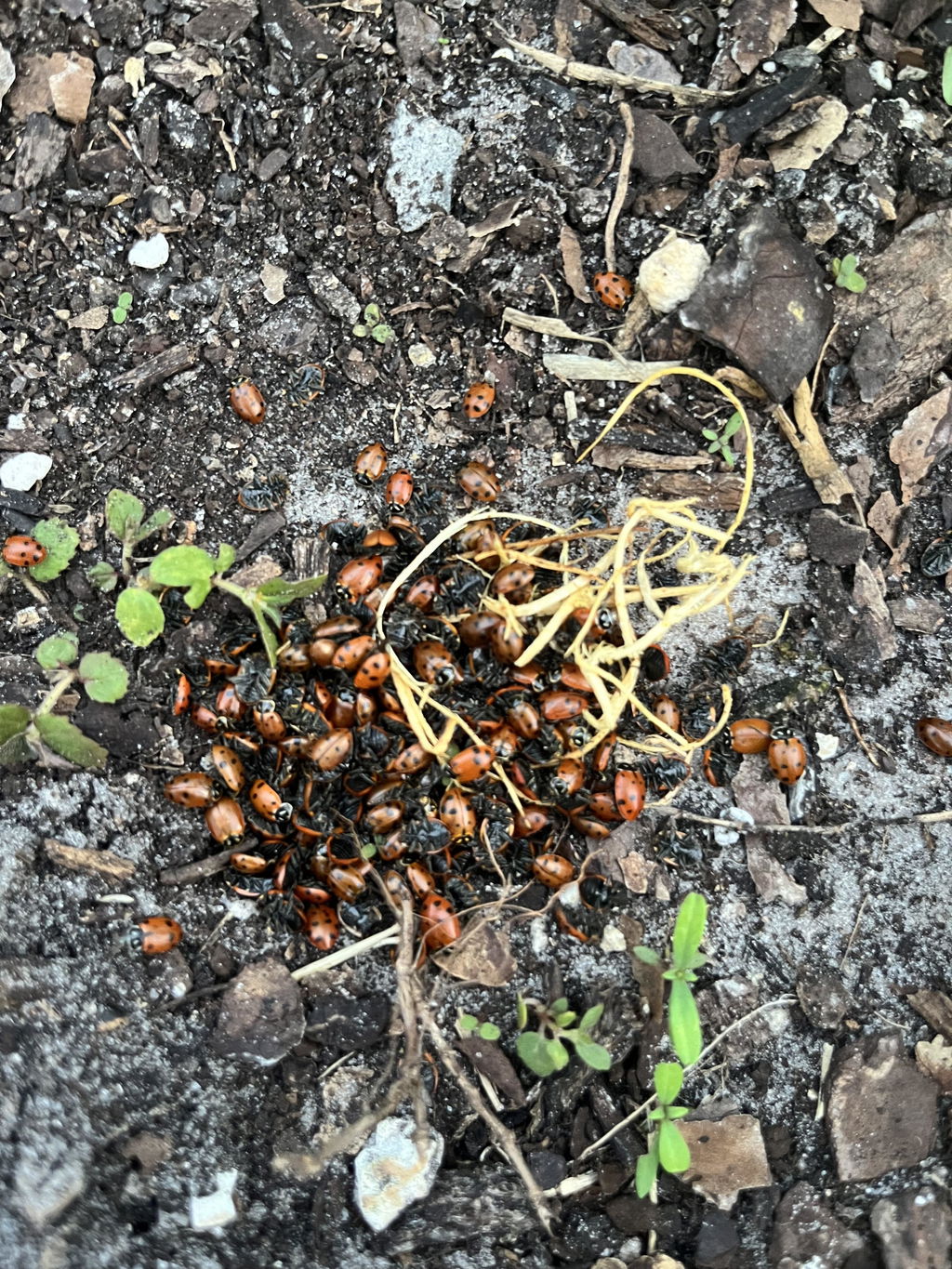
I ordered 1,500 lady bugs. Everything sounds great on the website ... but then.... I received what looked like several hundred and many dead ones in the mix. Attached picture shows a bunch on the soil not moving, so it was rather significant amount. What a disappointment. Wife just came in and first thing she said is, "Looks like half are dead."
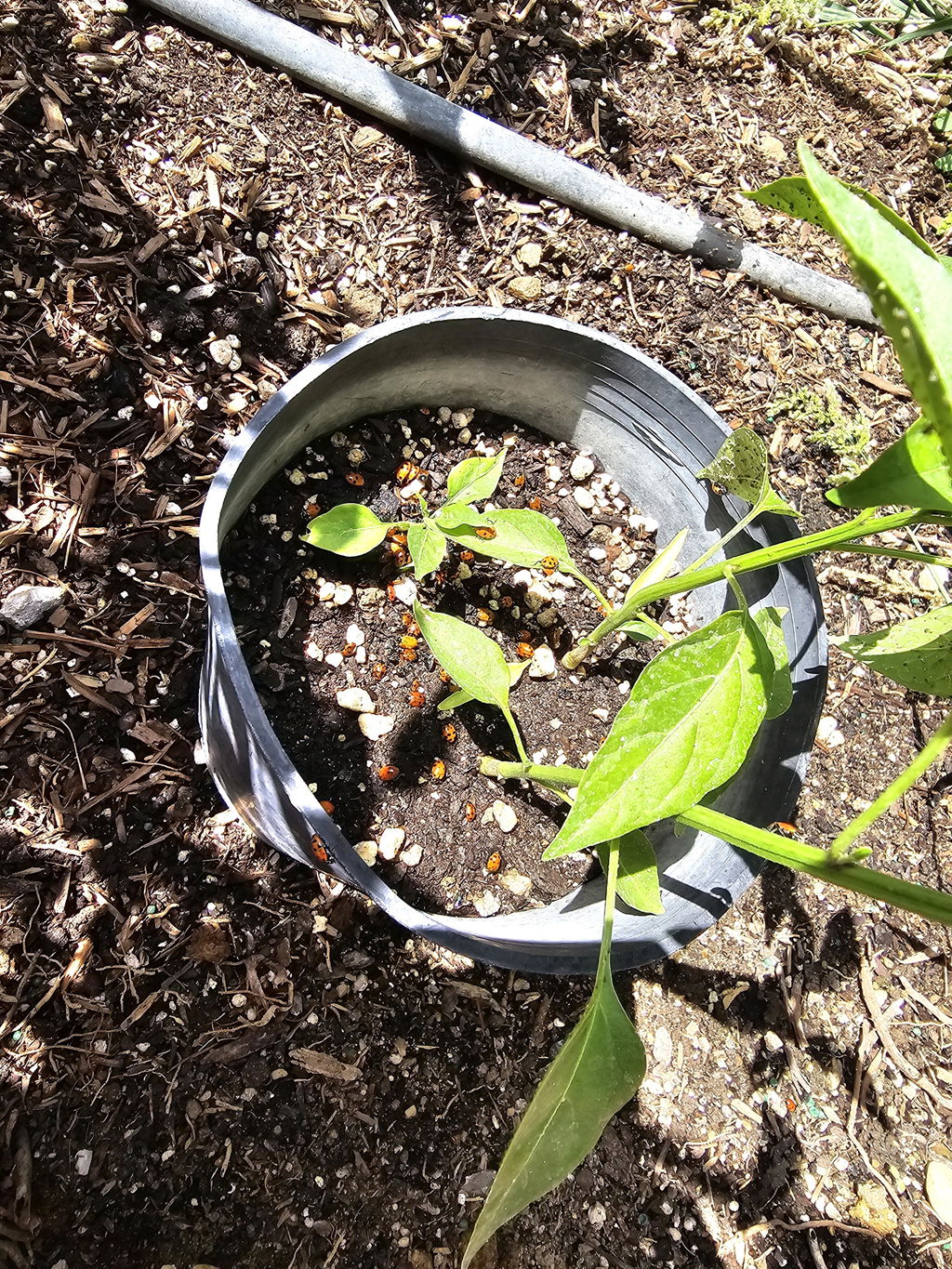
Hi Omar, we're really sorry to hear about your experience and the condition of the ladybugs. Unfortunately I can't help you here, and will need to send you to the customer service team but we do have a live guarantee. If you haven't already reached out (and this occured in the last few days), you should email them at info@fgmnnursery.com
So, we had a huge aphid problem on our honeysuckle. I ordered 300 ladybugs, and when they arrived, I watered our vines at dusk, and released the ladybugs per instructions.
And then the next day, there were no signs of ladybugs. Couldn't figure it out - there's a freaking aphid buffet here! Why don't we see any ladybugs eating them?
And then after a bit, there were two or three little ladybug alligator larvae crawling around on the honeysuckle. And then, no aphids.
I don't see any ladybugs now, or larvae. But I also don't see any aphids. So... didn't see the thing happening, but apparently, it happened.
No aphids now. Money well spent, and I didn't have to use chemicals. Godspeed, ladybugs, wherever you may be.
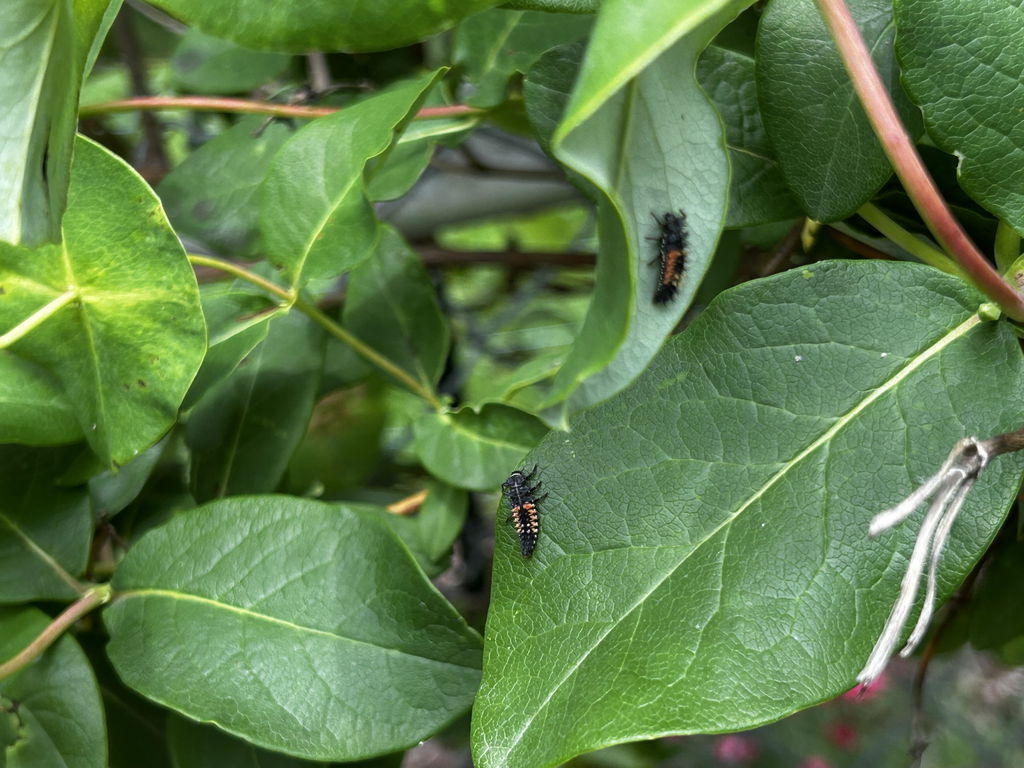
Very easy ordering process with great communication. The lady bugs feasted on the aphids that were plaguing my rose bush. Haven’t seen any more aphids and see an occasional lady bug in the garden. Hopefully they stuck around.
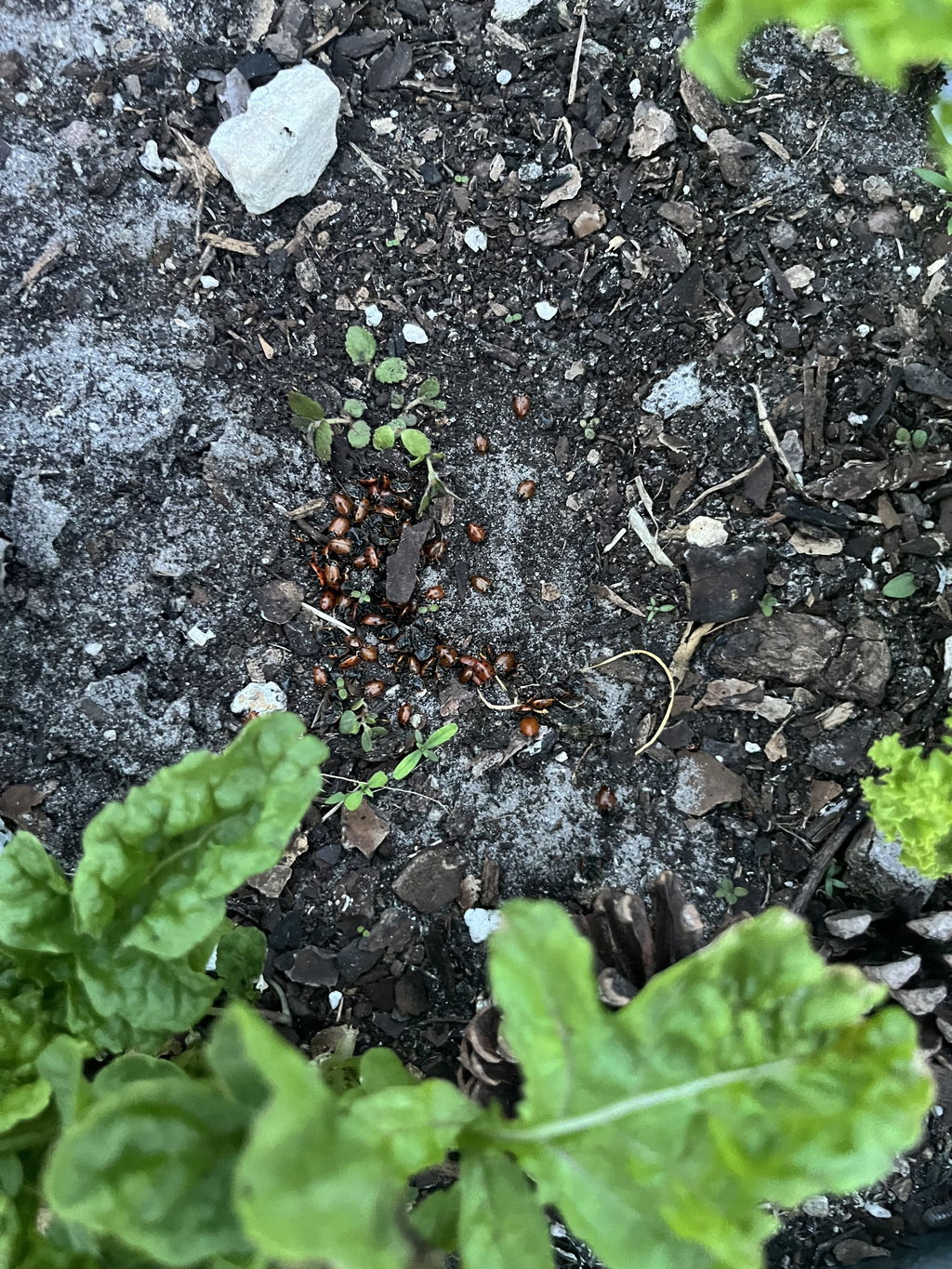
About half of them were dead. They didn’t wake up - I took photos when I released them & the next day. The same group of ladybugs was unresponsive unfortunately. I would expect some to not make it but not this many.
Hi Taryn,
Alas... that can happen! But it's also why we have the Live Guarantee. :) If it's within 24 hours of shipment, please send this picture to the support team and even if it's not 100% dead, they'll at least give you some store credit toward another order. You can reach them at info@fgmnnursery.com
I’ve been interested in biological pest control for awhile but was totally overwhelmed with options and logistics. I found FGMN on PalmStreet and sat in on a live sale. I loved getting my questions answered in real time, and it was a fun and informative way to determine what was right for me.
Shipping was timely as promised, and my little ladies were raring to go when I unboxed.
It’s been 48hr and they’re munching their way through our aphids. I hope they’ll be happy enough to stick around and lay eggs. I do see some dead bugs in the dirt, but I expected there would be a percentage that didn’t survive; it’s definitely not enough to warrant concern, and I will happily order again as needed.
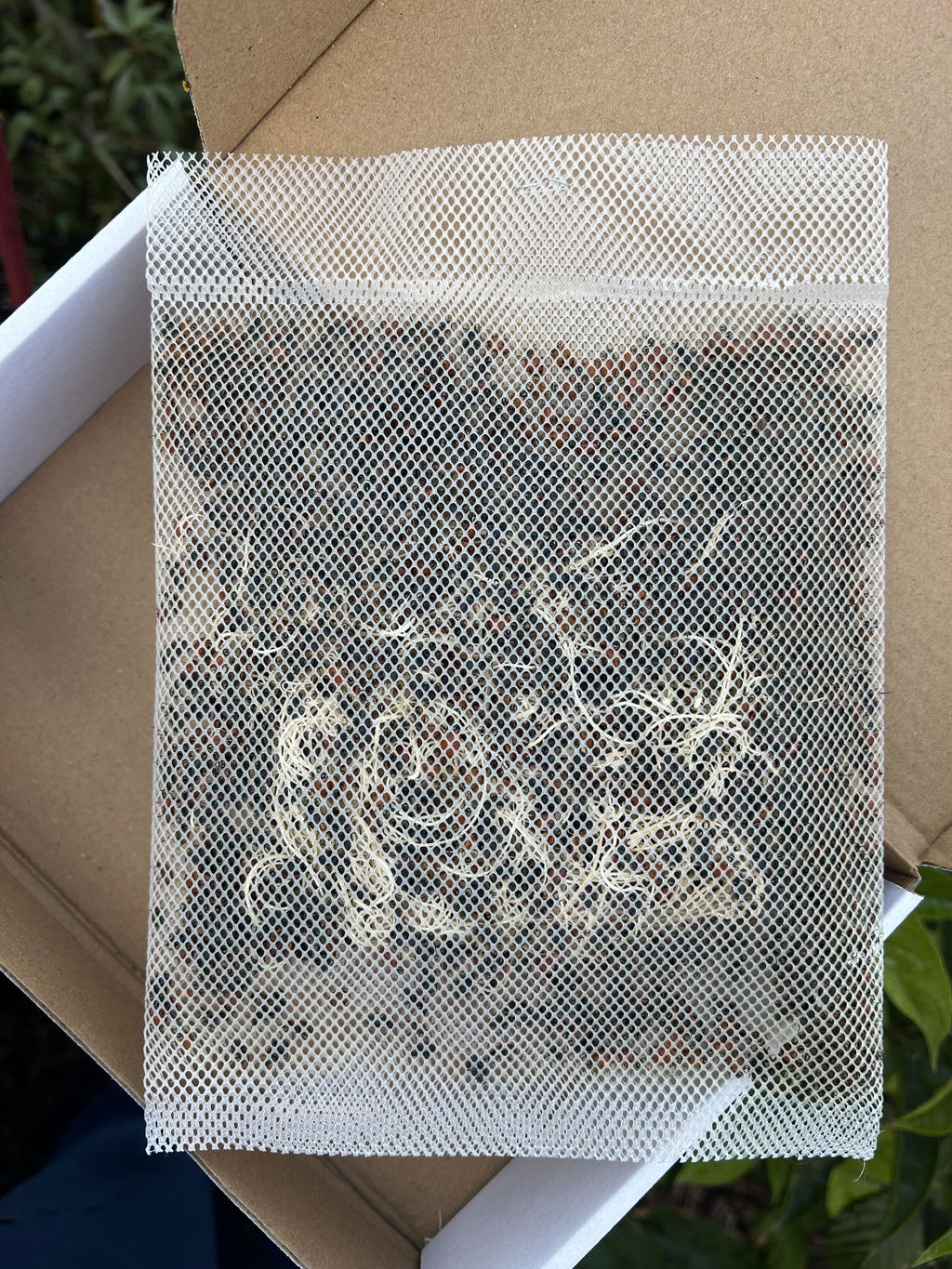
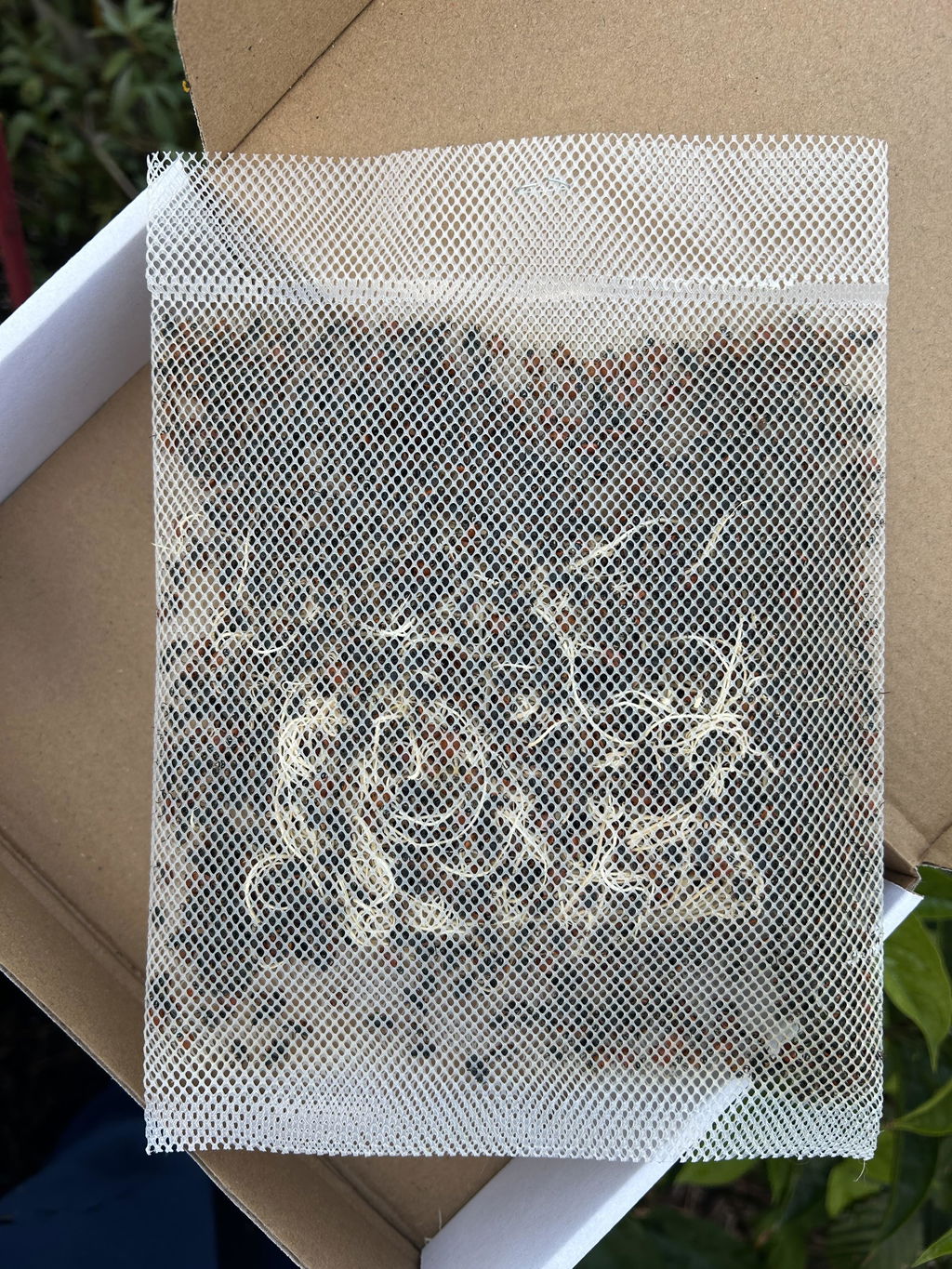
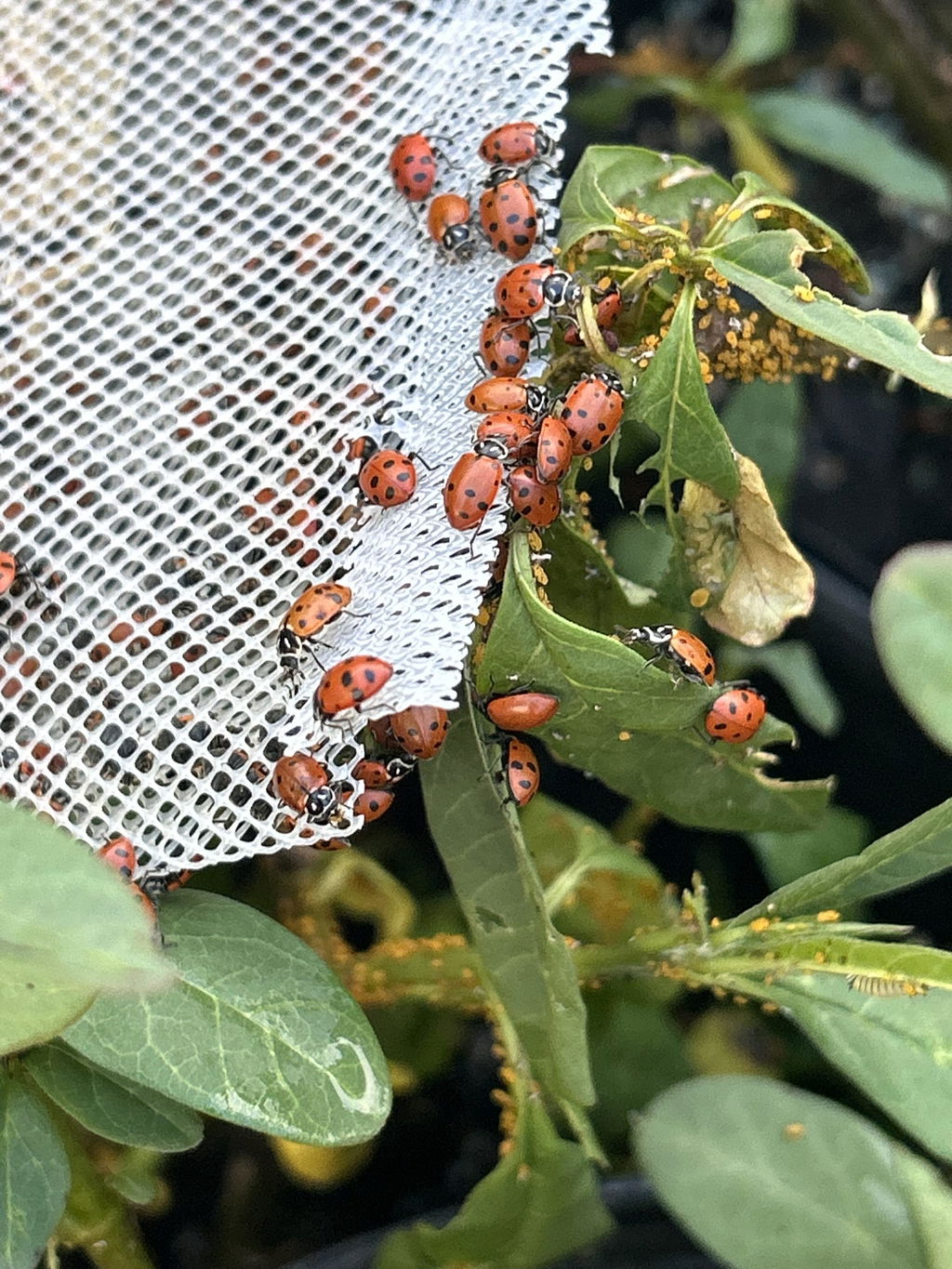
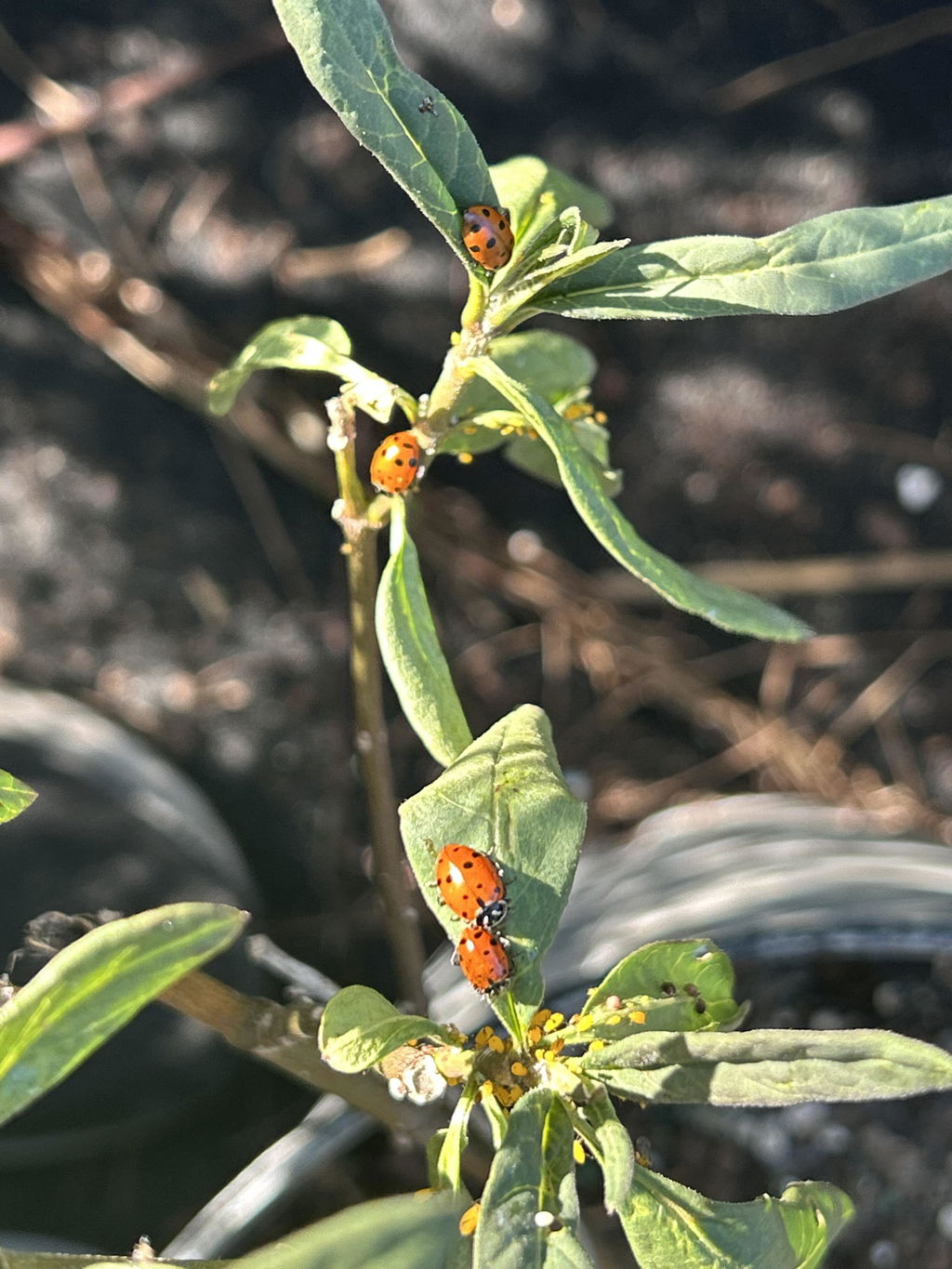
The ladybugs cleaned up all the visible aphids within 12 hours! I am amazed!
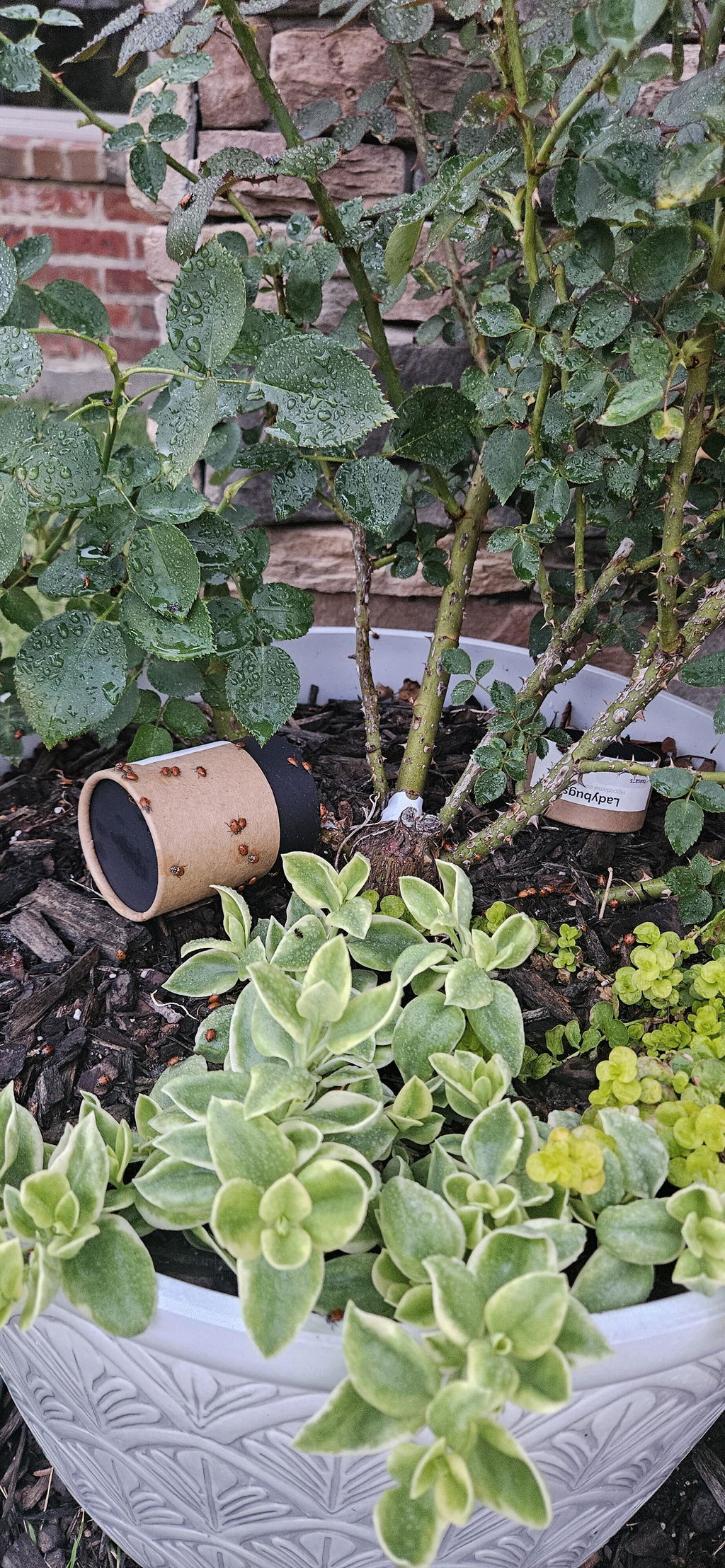
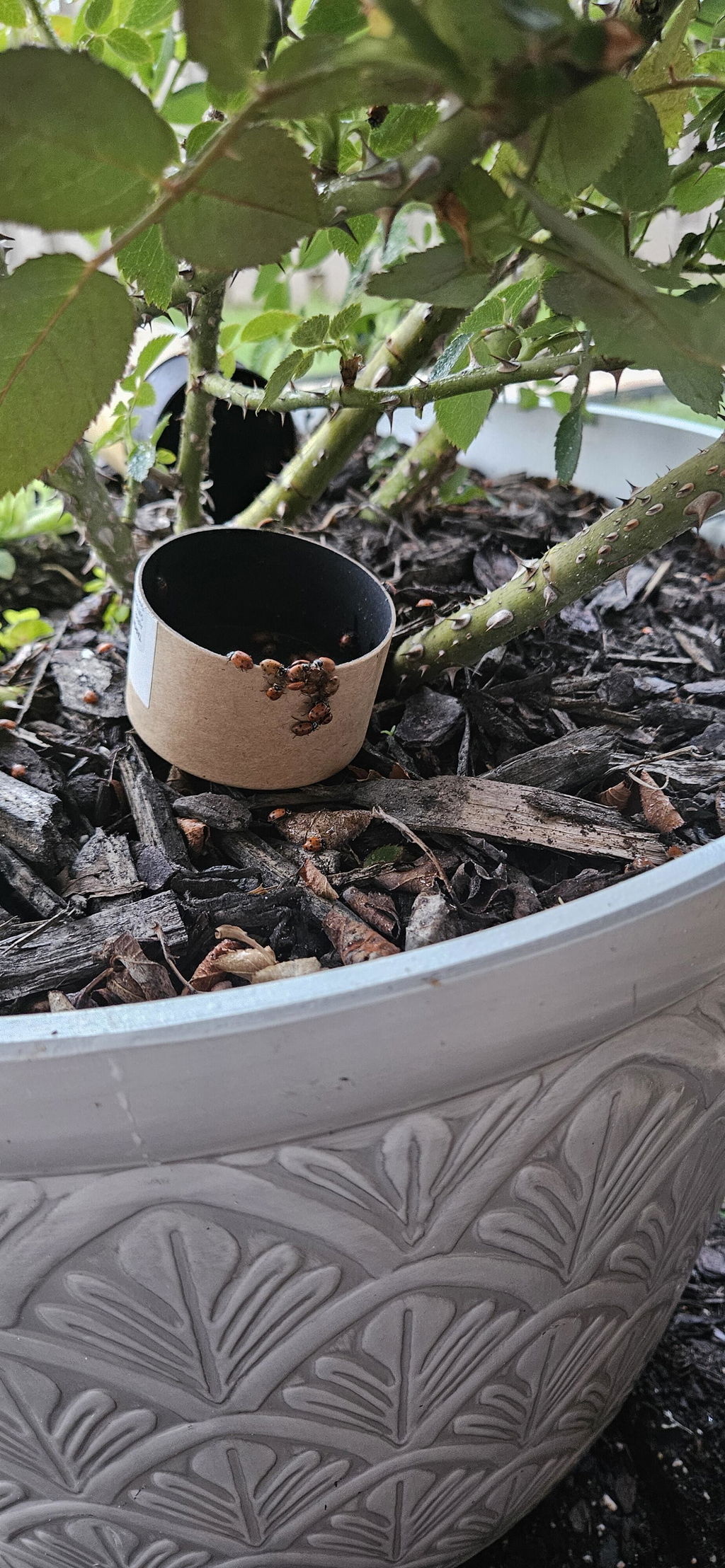
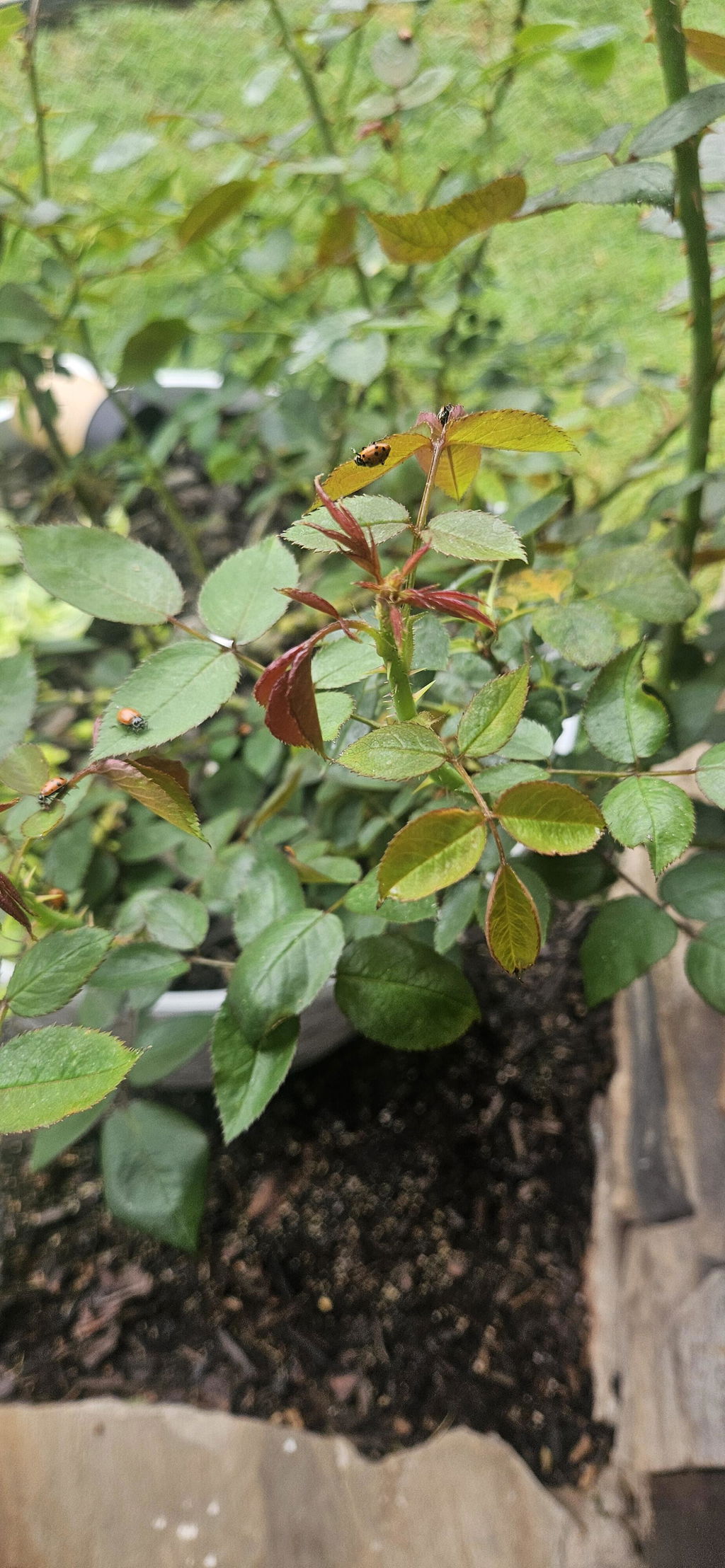
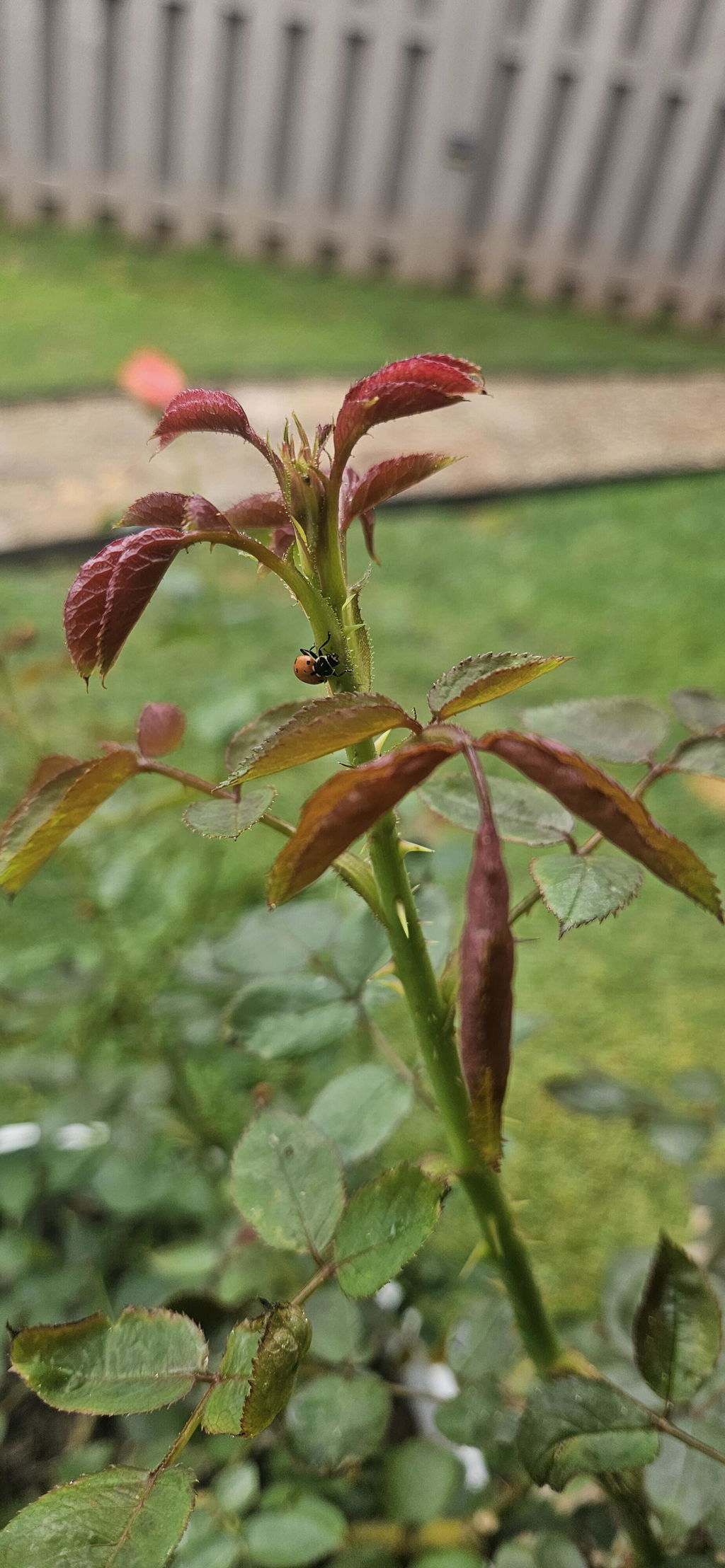
Easy process. All my lady bugs were alive upon arrival (the best I could tell anyway lol). Would definitely order again
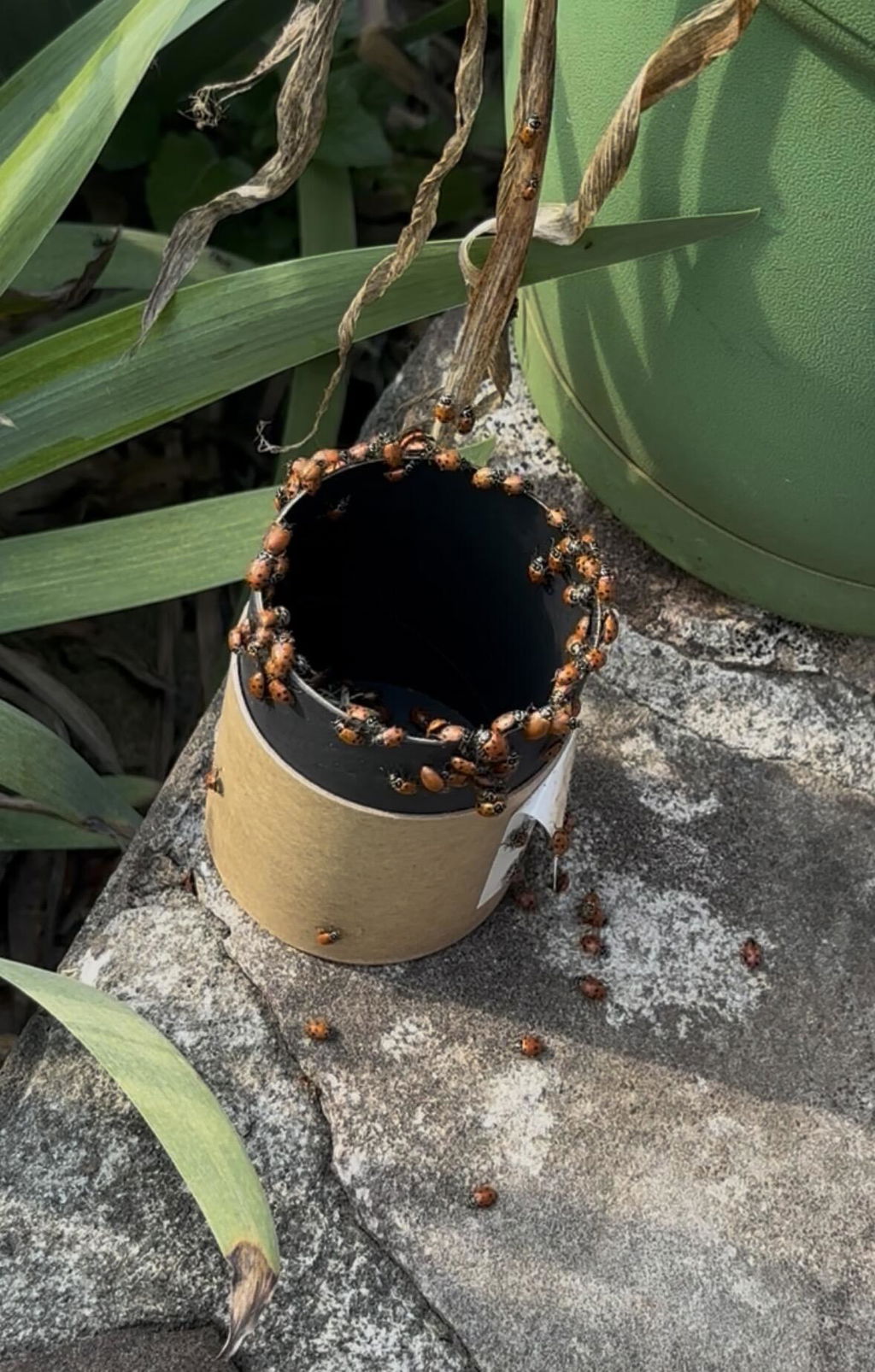
All 150 were crawling around waiting to start eating the white flies that have been attacking my greenhouse plants. Happyme!
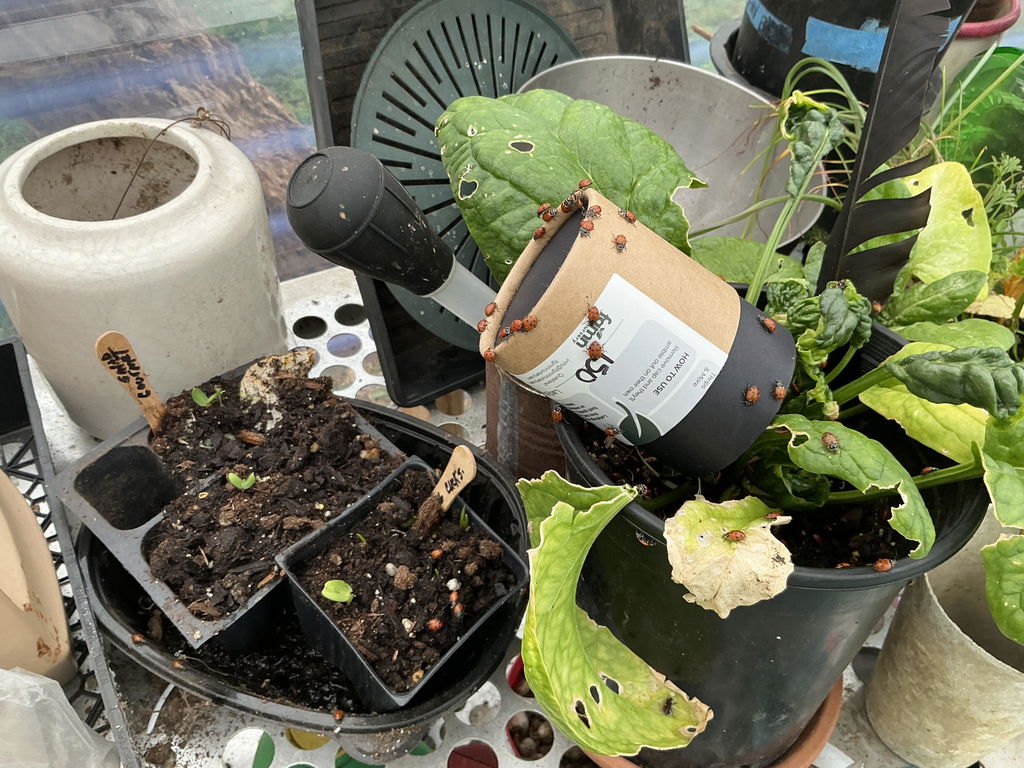
Cute little bug friends arrived ready to get to work and eat the evil aphids that have taken over my plants. They arrived quickly and healthy. The notes on the package and the info card are witty and made me smile. It’s small humorous friendly touches like that- that will make me choose this vendor over others.
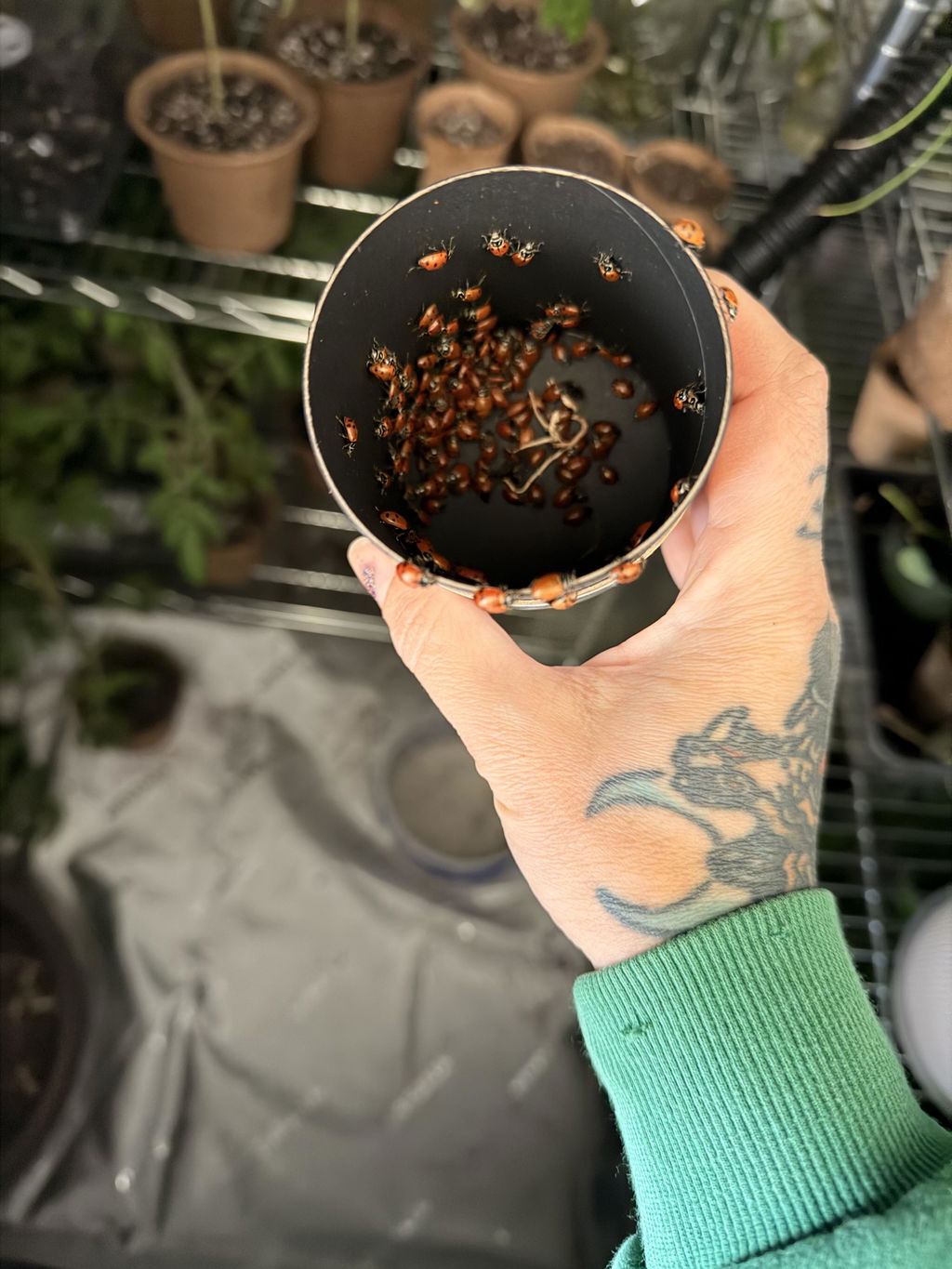
The box had a lot less than 150 ladybugs, we counted maybe 40-50and did take pictures. Unfortunately, they did not do much for the aphid infestetion. I did not see any ladybugs go to those plants after they day were released on them. I have moved back to systemics.
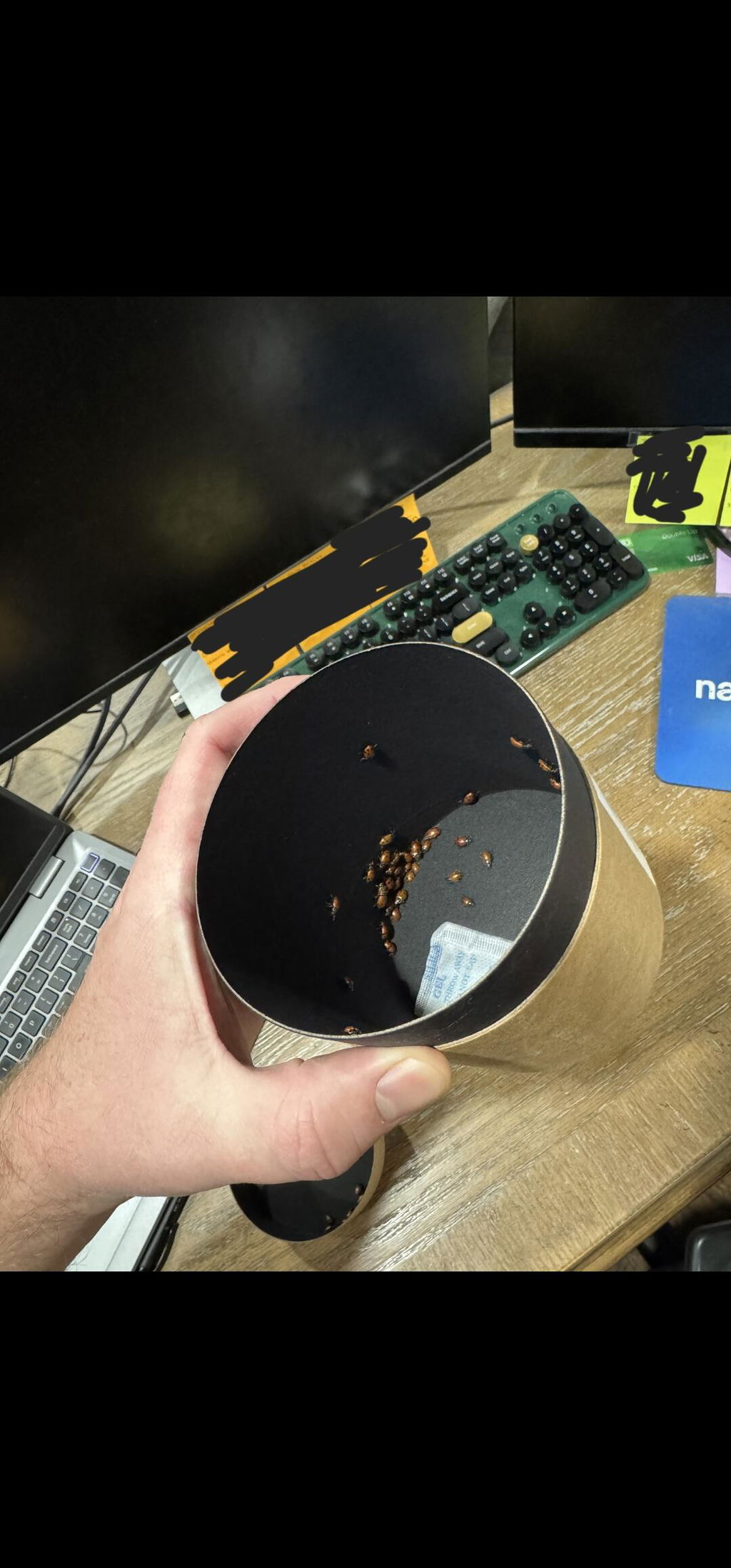
Hi! Honestly it looks like you were sent the tube we use for scooping by accident. It did go missing and the pack at the bottom tells me that might be it. Did you reach out to our customer service? They would have absolutely refunded or replaced this. You can easily do that by replying to any of the emails you've received from us, or emailing info@fgmnnursery.com
I don't know what conversations you've had with us, but I'm sorry if it was our mistake! We do make them.
Love these ladybugs, they are now my soldiers and I have launched my attack on the war against the spider mites in my garden. I released them last night and this morning still chowing down.
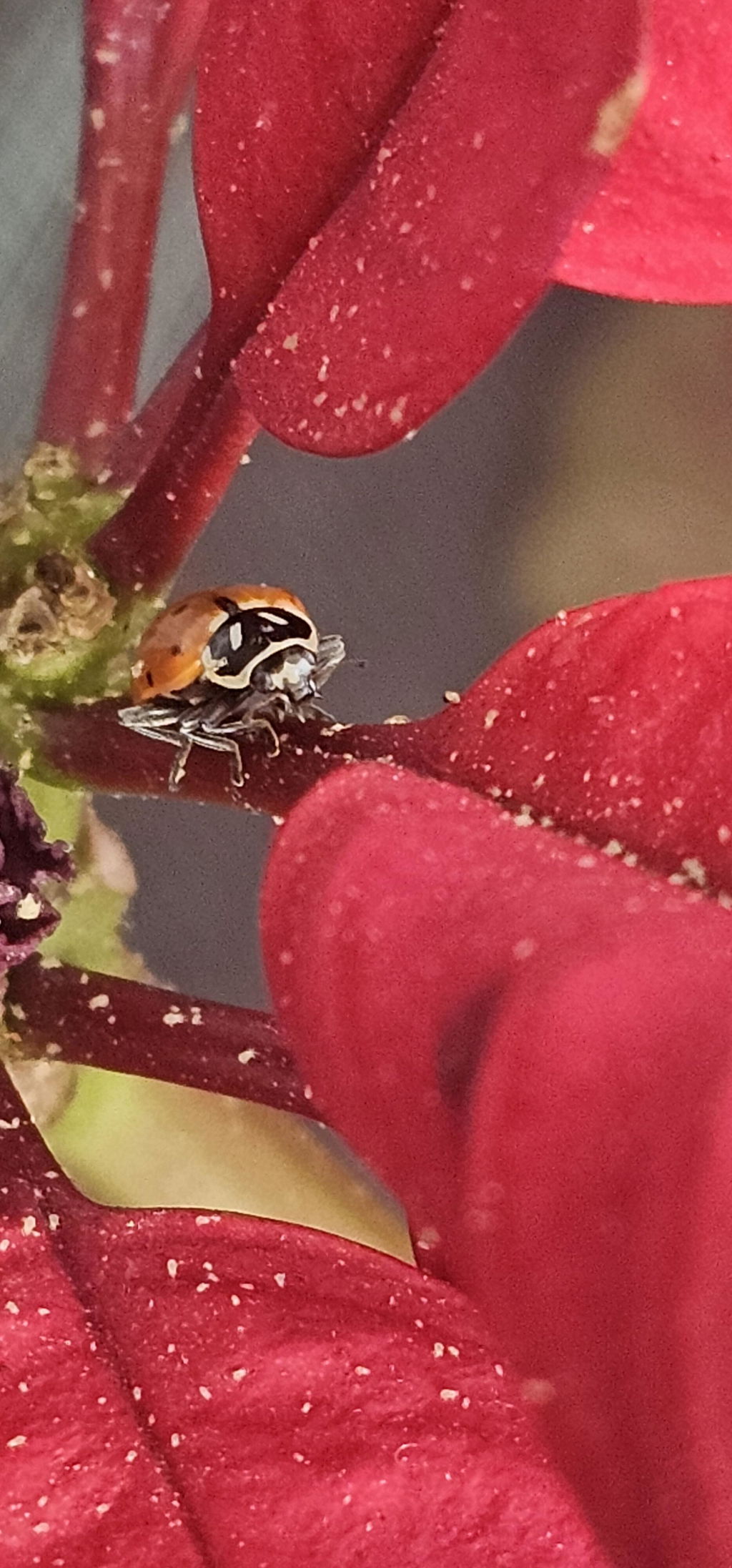
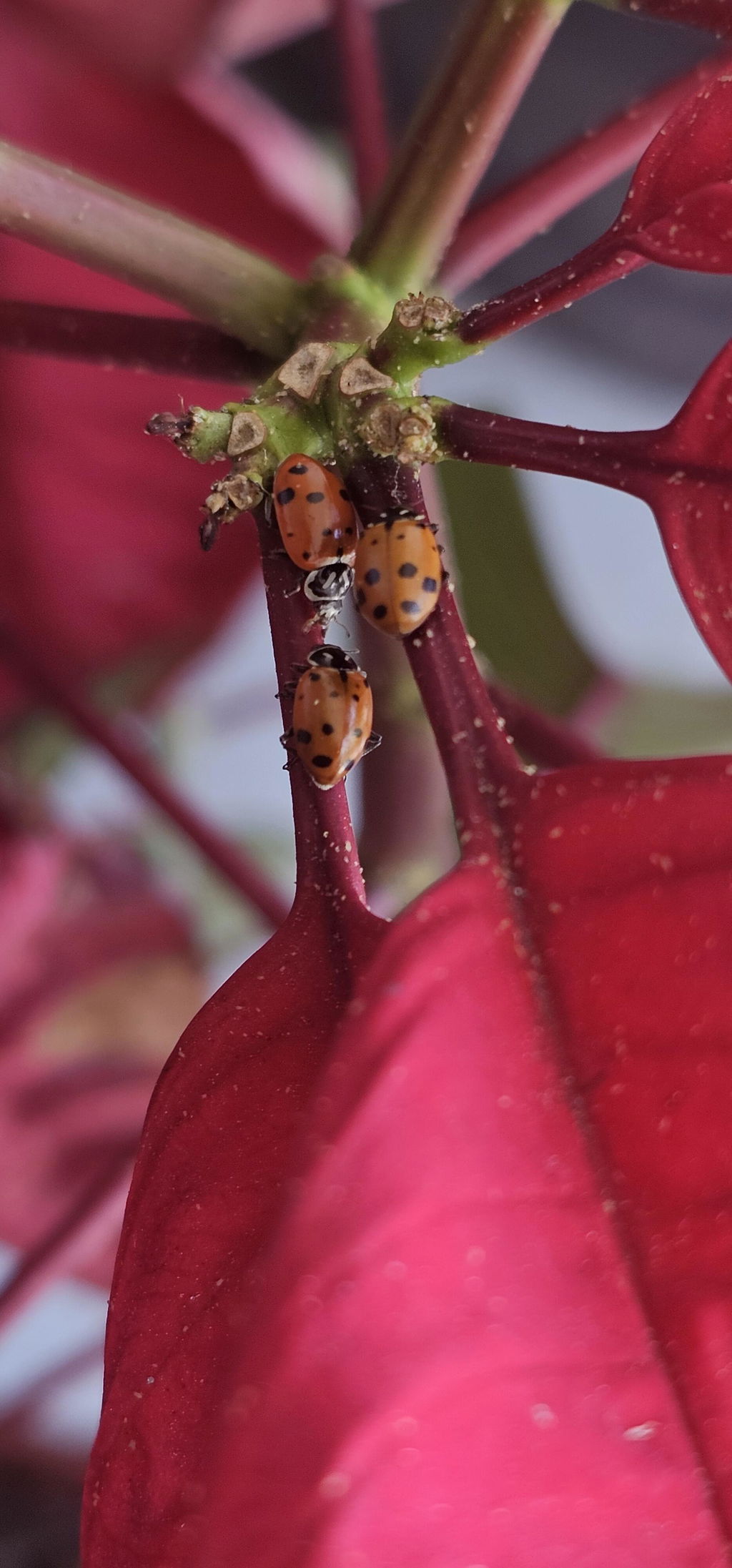
There were a lot of them in here. I put them next to some plants thinking they would need to be contained for a bit... but they climbed up on those and started eating right away. I've put these on auto-order.
Thanks!
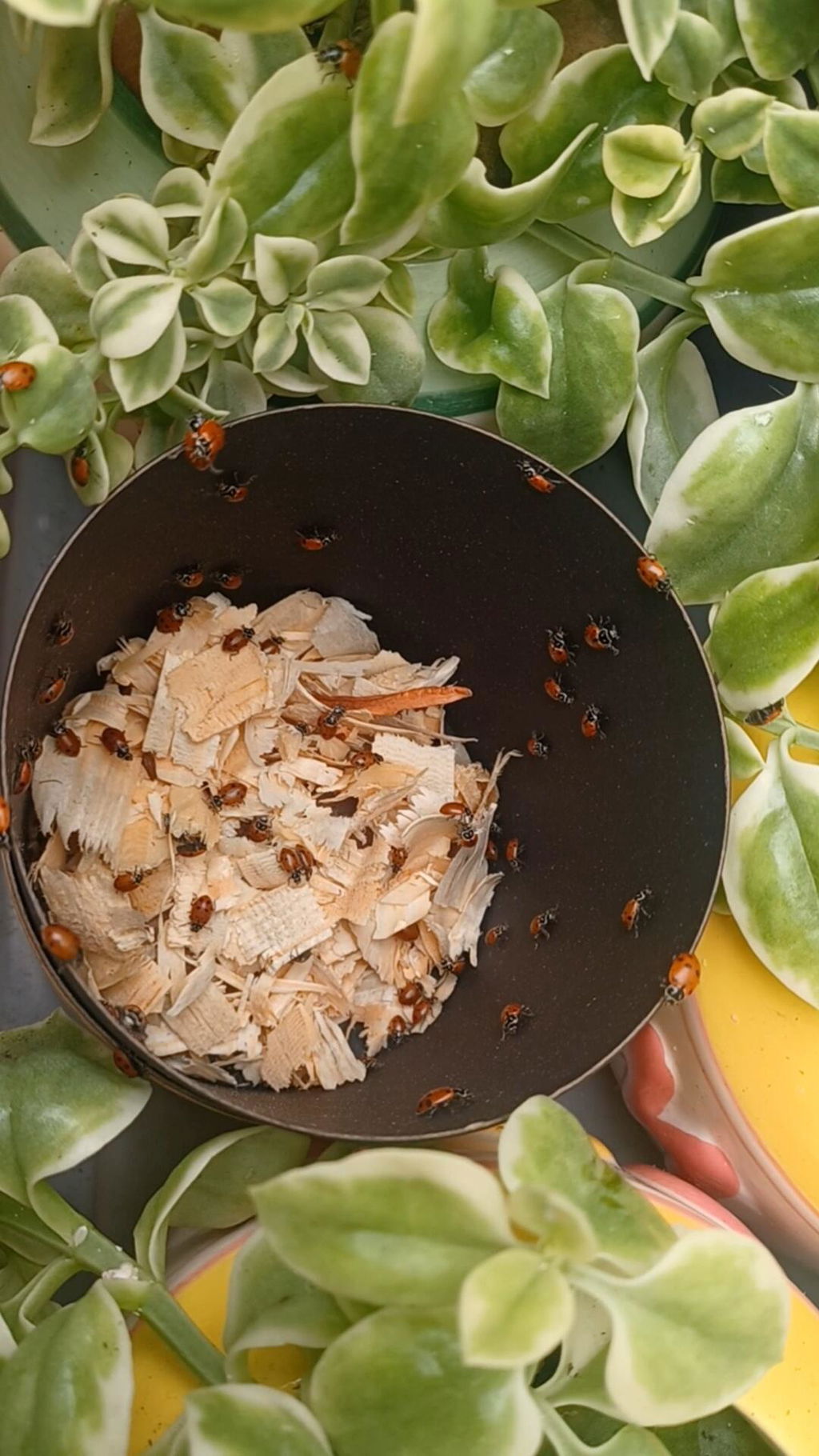
Everything is great so far. I released the ladybugs the evening I received them and they seemed to like their new home right away. A few even started slurping up aphids right away. There’s plenty of food for them so they should be happy and quite full. Hopefully they set up shop and have some babies too. Thank you!
They didnt stay long cause there werent many prey but I still loved it. Hadnt seen ladybugs since I was a kid and this brought me great joy. I see them in the neighbors plants now so I am still benefitting from them since they previnting the aphids from spreading
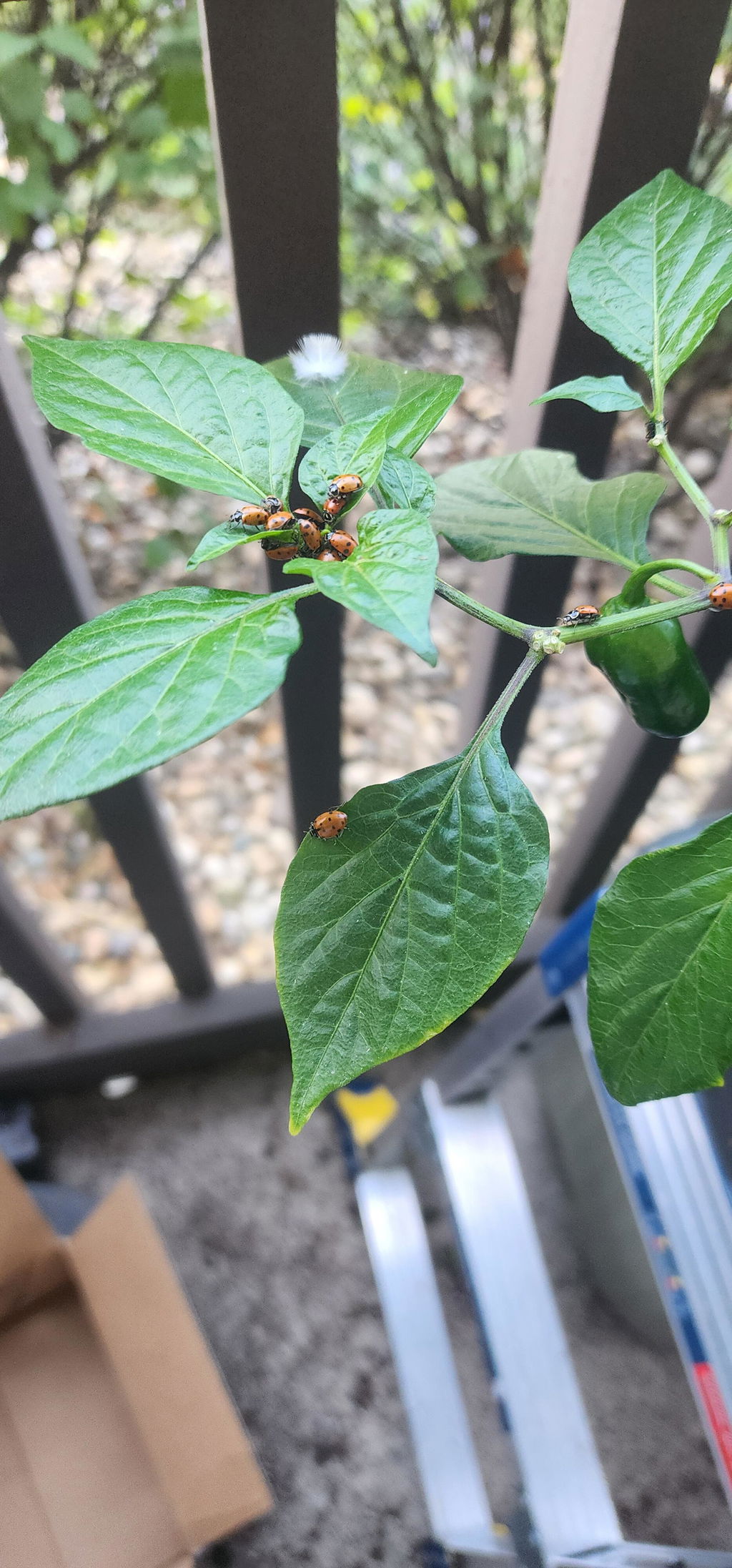
We released these at Alamo in memory of a friend! They were perfect! Fast shipping and ALIVE! Great service and made our day perfect!
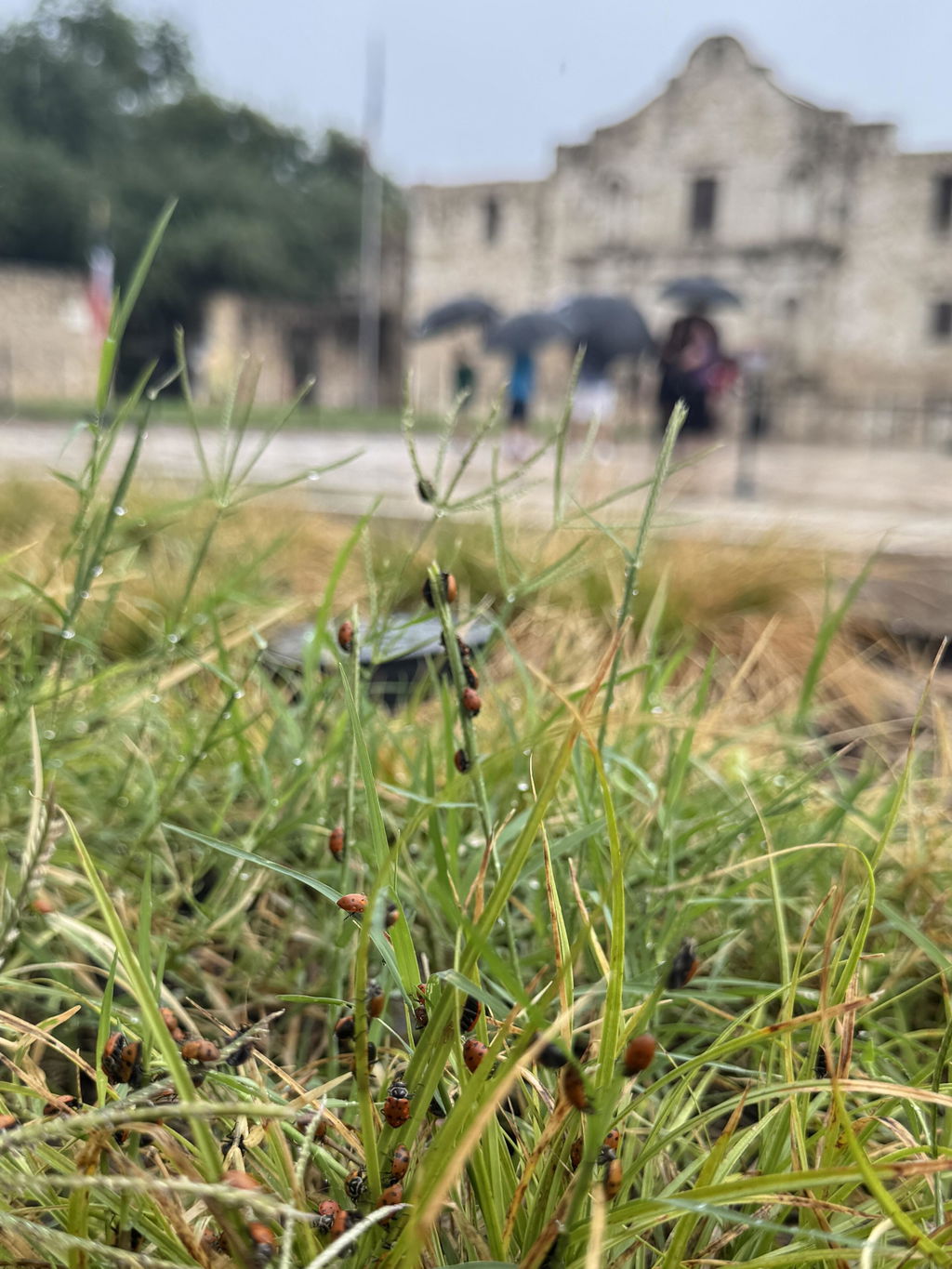
They were all alive which is good. It just didn’t seem like 150 but hey, who knows what 150 ladybugs look like? They didn’t stick around too long. I waited until dusk and watered first. It was worth a try.
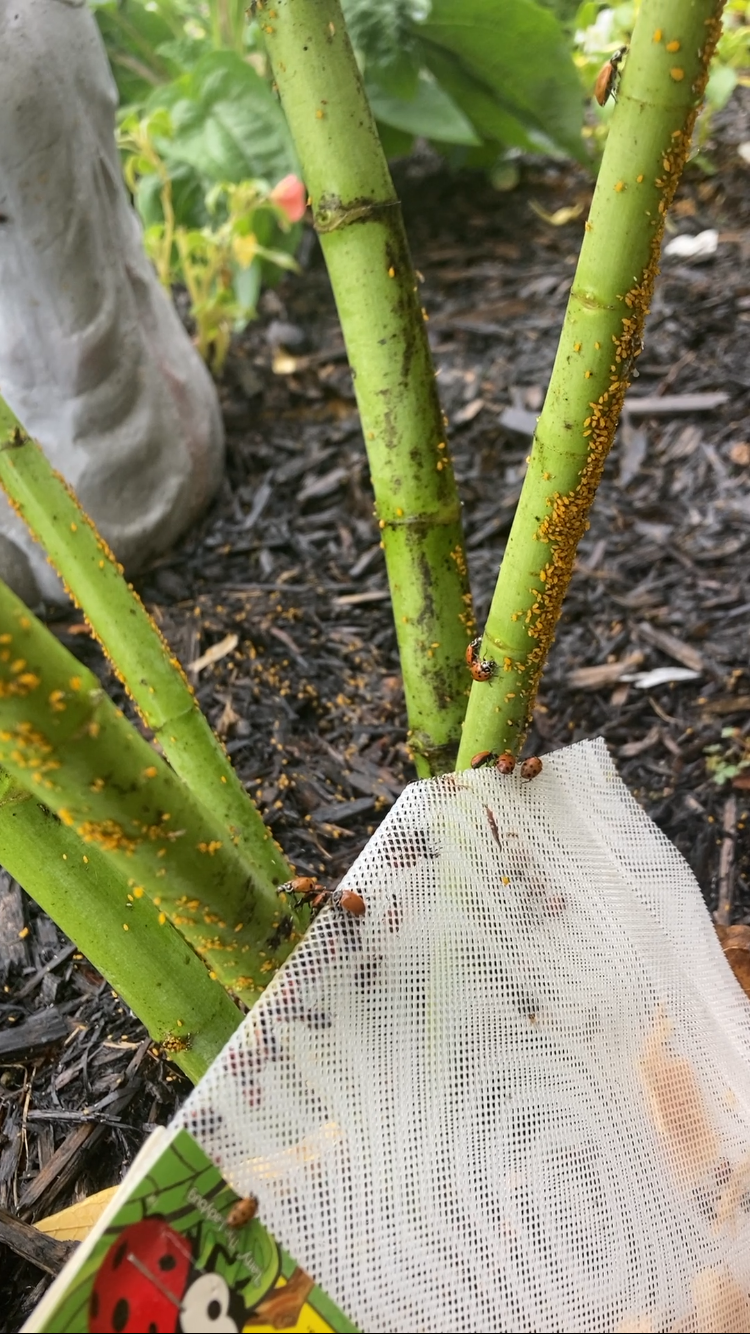
I'm shocked with that many aphids they'd wander away! They didn't know how good they had it. If you ever try again, throw a sheet over them for a day. That can force them to settle in (still not a perfect solution). Thank you for your order!
The order arrived in a very timely fashion, and the ladybugs were very healthy and vigorous

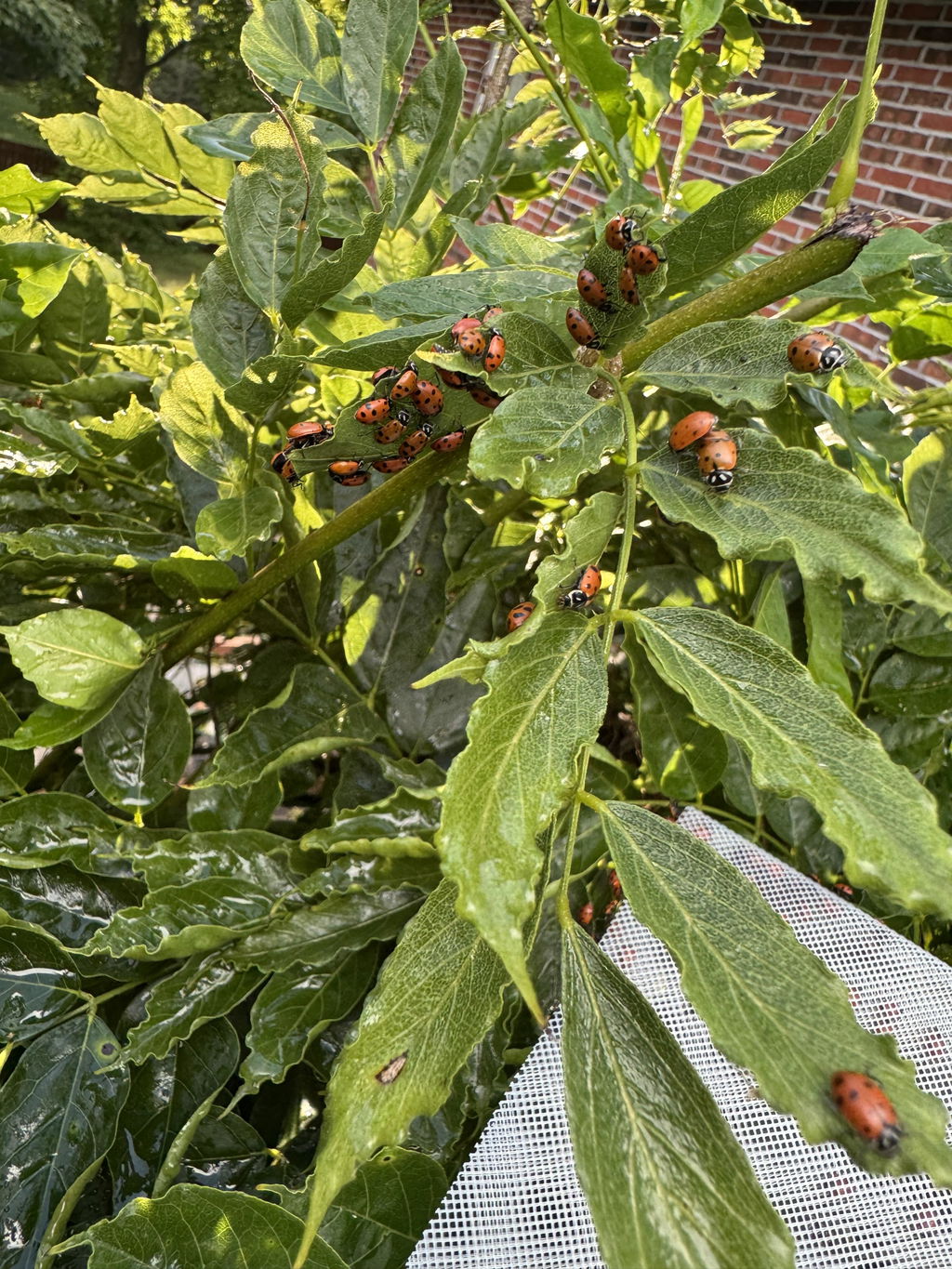
These little guys are earning their keep! My wisteria was covered in aphids and in just a few days they’ve made a huge difference!
Mite Matters

Cucumeris: Why It Works (and Why It Fails)
Cucumeris is reliable, widely researched, and genuinely effective — within a specific set of conditions. Here's what it actually does, what it won't do, and how to tell if it's the right species for your situation.

My Plant Has Webbing. Help.
Webbing on a plant isn't always spider mites — and the mite that causes the most damage indoors doesn't produce webbing at all. Here's how to tell what you're actually looking at before you treat.

Native vs Invasive Ladybugs
Most ladybugs you'll encounter are red with black dots — and that description fits native, introduced, and invasive species equally. Here's how to actually tell them apart, what the harlequin ladybug has been doing to native populations, and where the real ecological concerns are.