




Biological pest control · since 2005
Hire the bugs that eat your bugs.
Predatory mites, beneficial insects and nematodes, matched to the pest you've got. Safe around people, pets, plants and food crops.
Shop prevention →New here? Start with one of these
I know my pest
 Something's wrong, not sure whatSend a photo, we'll tell you →
I want to stop it before it starts
Slow-release sachets keep predators on patrol →
Something's wrong, not sure whatSend a photo, we'll tell you →
I want to stop it before it starts
Slow-release sachets keep predators on patrol →
“These guys SAVED my collection. The benes arrived quickly and went into action immediately.”
Shop · beneficials
Put beneficials to work.
Live predators, shipped fresh. Each card says what it’s for, whether it treats or prevents, and what the starting size gets you.
Shop all beneficials →Not sure which one? →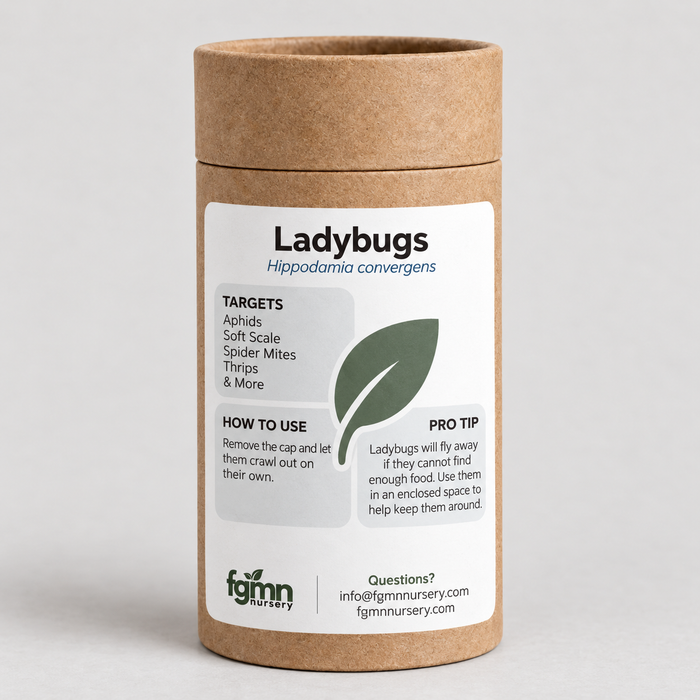 Generalist · Aphids
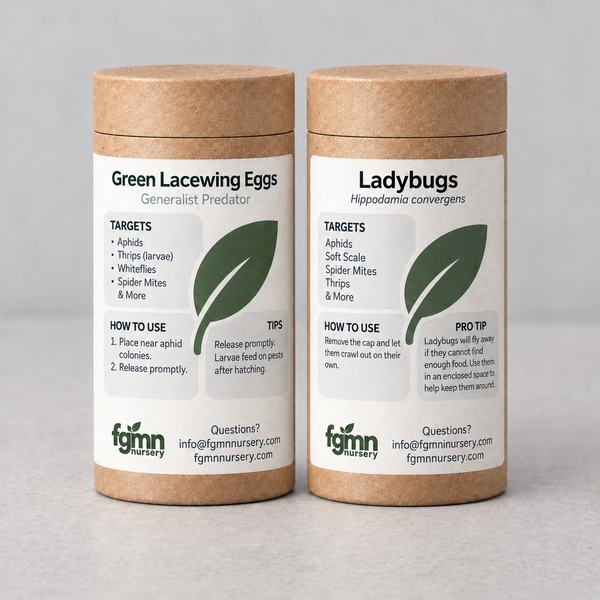
Ladybugs
For aphidsTreatmentShips as a tube ★★★★★186 reviews From$25for 150 ladybugs Generalist · Fungus Gnats
Sf Nematodes
For fungus gnatsTreatmentShips as a pack ★★★★★51 reviews From$15for up to 15 plants (5 million nematodes)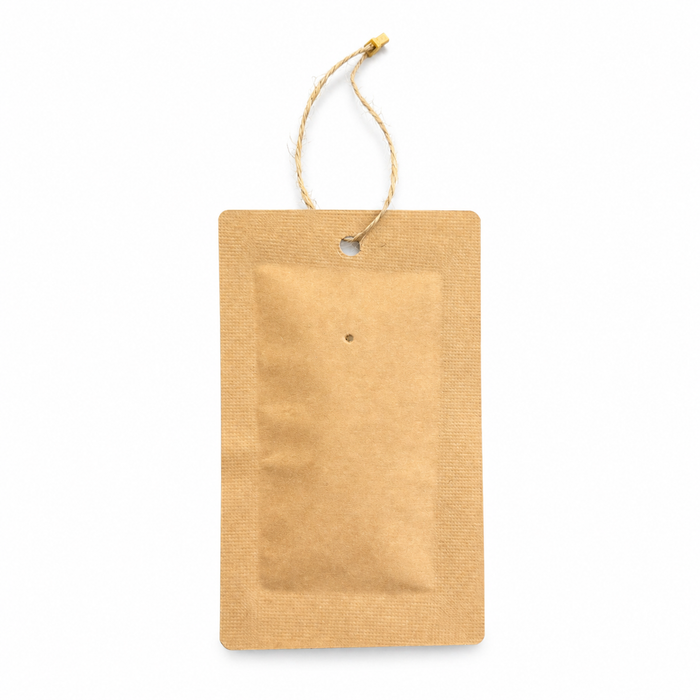 Generalist · Mixed Mites
Special Blend Prevention Sachets
For mixed mitesPreventionShips as a sachet ★★★★★54 reviews $5for 1 sachet Generalist · Mixed Mites
Special Blend Predatory Mite Mix
For mixed mitesTreatmentShips as a bottle ★★★★☆41 reviews From$75for 500 mitesKnow your enemy. We know theirs.
All pests →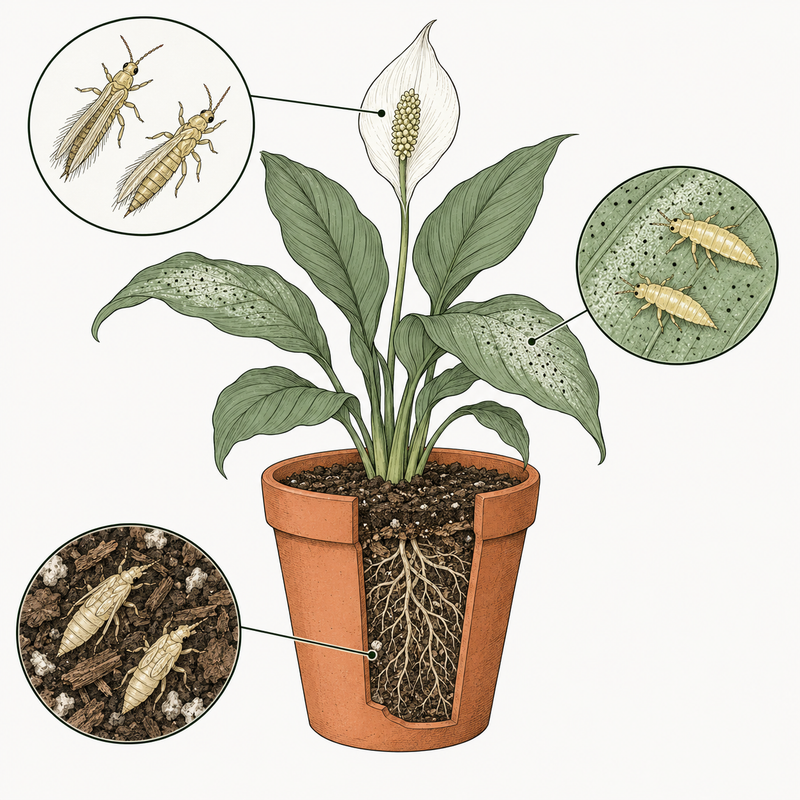

Learn · at your level
Know your plant. Then your pest.

New growth
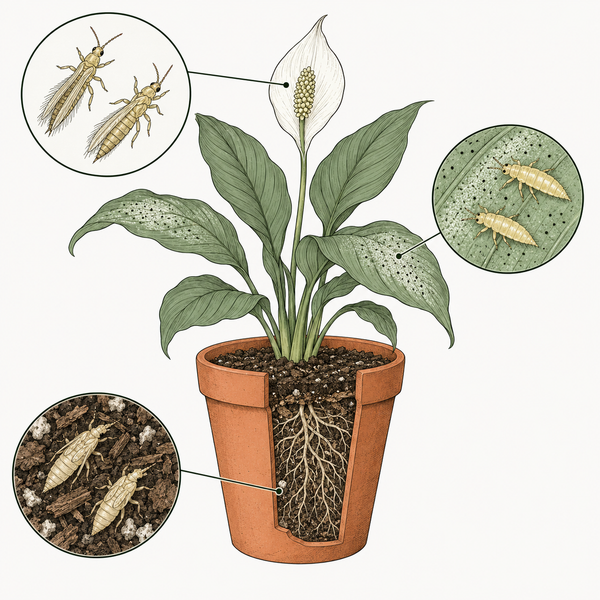
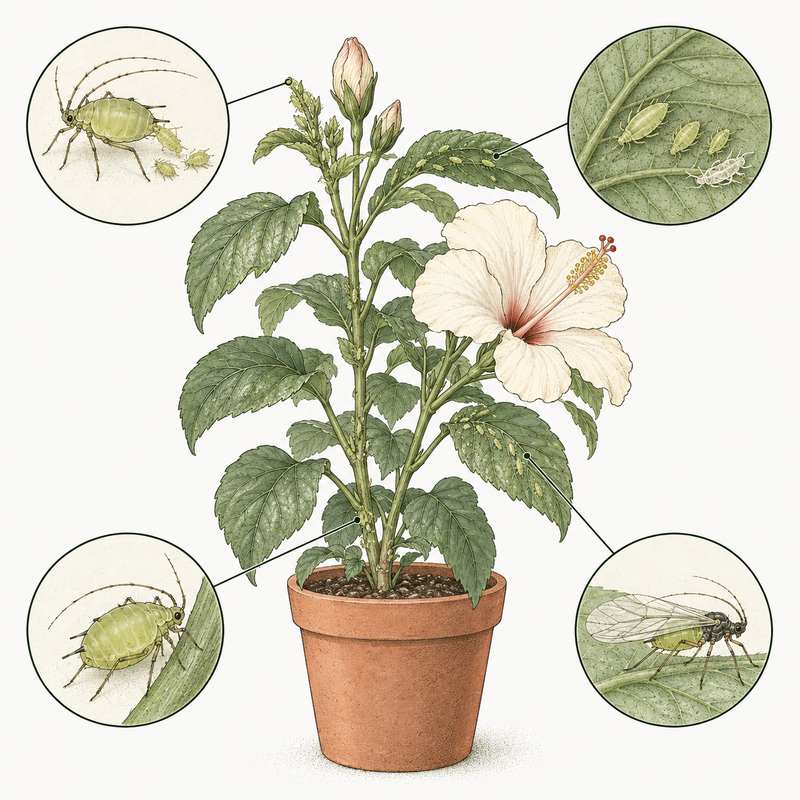
The newest leaves. Thrips and aphids love this soft, tender spot, so check here first.
New growth is where the plant puts its energy. Twisted or misshapen new leaves are an early sign of thrips, aphids or broad mites.
The growing tip (apical meristem) makes every new stem and leaf. Feeding here shows up later, as scarred or distorted leaves once they open.
Apical meristem and expanding leaves: soft, nitrogen-rich tissue where phloem feeders (aphids) and cell-content feeders (thrips, broad mites) concentrate. Scout and release here first.
Leaf, top side
This is where the plant makes its food from light. Silvery streaks or tiny pale dots mean something is feeding.
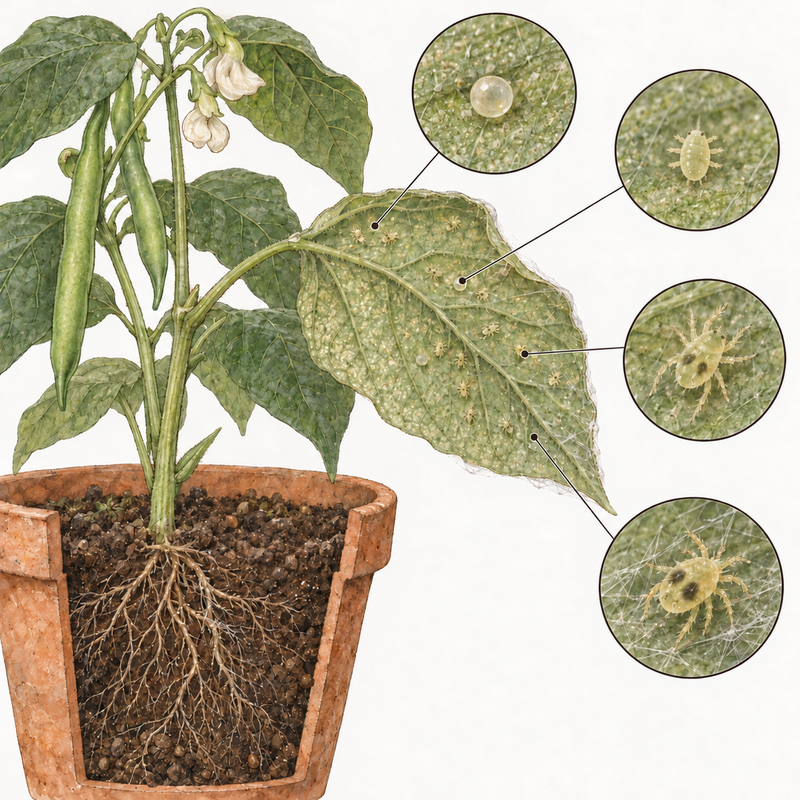
Tiny pale specks (stippling) usually mean spider mites. Silvery patches with black specks usually mean thrips.
Most photosynthesis happens in the palisade cells just under the top surface. Pests that empty those cells leave stippling or silvering behind.
Upper epidermis over palisade mesophyll. Read the damage to name the feeder: stippling (mites), silvering with frass specks (thrips), honeydew and sooty mold under aphid or scale colonies.
Leaf underside
Flip the leaf over. Most pests hide here, out of sight.
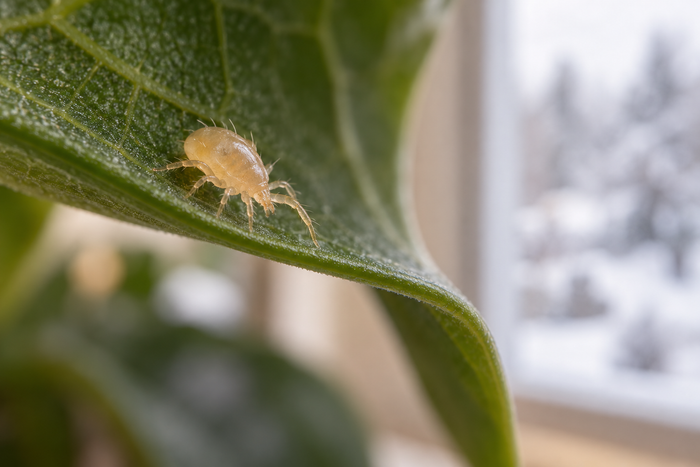
Spider mites, whiteflies and their eggs sit on the underside. It’s also where predatory mites go to work.
The underside holds most of the stomata, the pores the leaf breathes through, and a calmer, more humid pocket of air that many pests prefer.
Abaxial surface: highest stomatal density and boundary-layer humidity. Spider mites, whitefly nymphs and phytoseiid predators all work here, so aim releases and inspections underneath.
Stem & nodes
The stem carries water up and food down. The little joints where leaves attach are called nodes.
Mealybugs and scale tuck into nodes and leaf joints. Check where each leaf stalk meets the stem.
Nodes hold buds that can grow new shoots, which is why cuttings root there. Their crevices also shelter mealybugs and scale.
Xylem carries water up, phloem carries sugars. Phloem feeders (mealybugs, soft scale, aphids) settle at nodes and petiole bases, where tissue is reachable and sheltered.
Soil surface
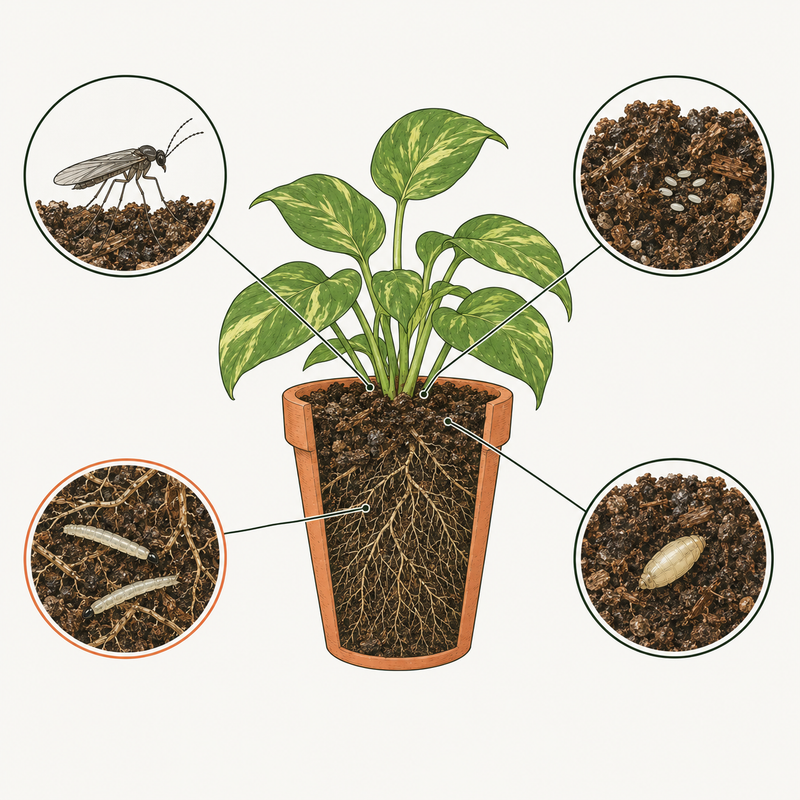
The top layer of soil. If little flies hang around here, you probably have fungus gnats.
Fungus gnats lay their eggs in the top of damp soil. Letting it dry out between waterings helps.
The top layer of mix is where gnats lay eggs and where many thrips drop to pupate, so soil predators do their work here.
Upper few centimeters of media: egg-laying zone for fungus gnats and pupation site for western flower thrips. Target with Sf nematodes, Stratiolaelaps or Dalotia.
Roots
Roots drink water and hold the plant in place. Healthy roots are firm, not mushy.
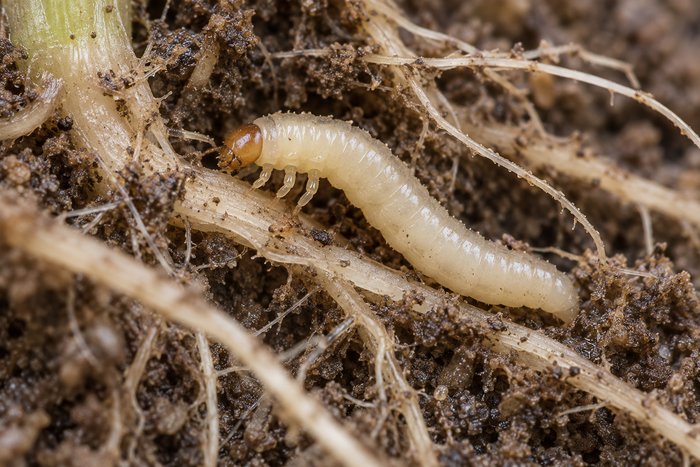
Mushy brown roots usually mean rot. Fungus gnat larvae and root aphids feed down here too.
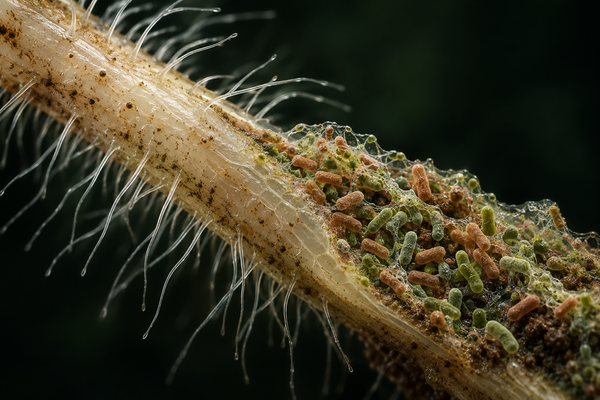
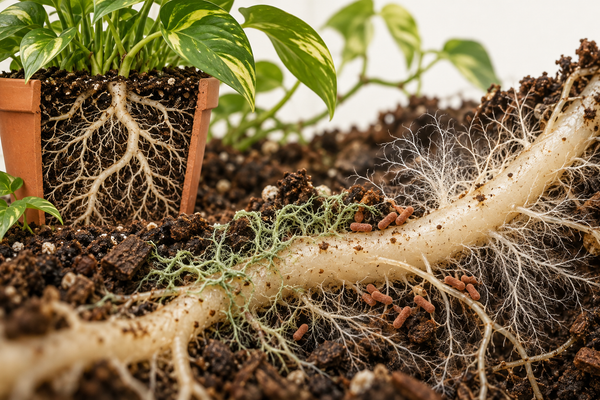
Fine root hairs do most of the water uptake. Mycorrhizal fungi extend that reach, which is what Root Network adds.
Rhizosphere: the zone around roots shaped by root exudates. Mycorrhizae, Trichoderma and root bacteria colonize it (Root Network); Pythium and root aphids compete for it.

New · Soil beneficials
Root Network
It isn't a fertilizer. It's who lives down there. One gram per gallon, at repotting and once a month after.
- Mycorrhizae · extend the reach
- Trichoderma · works the root surface
- 5 root bacteria · support growth
Pest seasons where you live
October.
Loading the season calendar…
Learn · why not just spray?
Beneficials vs. the spray bottle.
Commercial greenhouses and farms have built their pest plans on predators for decades. Here's why.
Field Notes · picked for you
What do you grow?
Pick everything that fits. We'll show you the reading that matters for it, and remember it for next time.
Where most people start
All of Field Notes →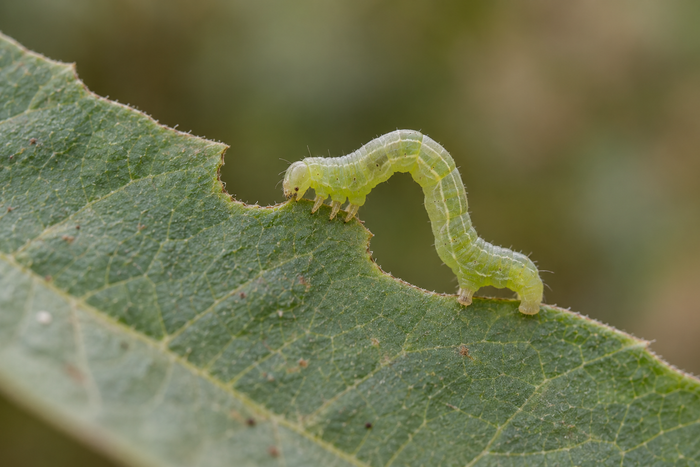
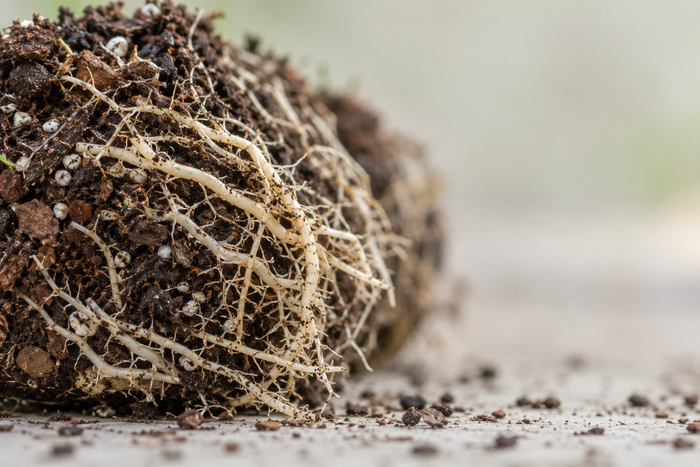
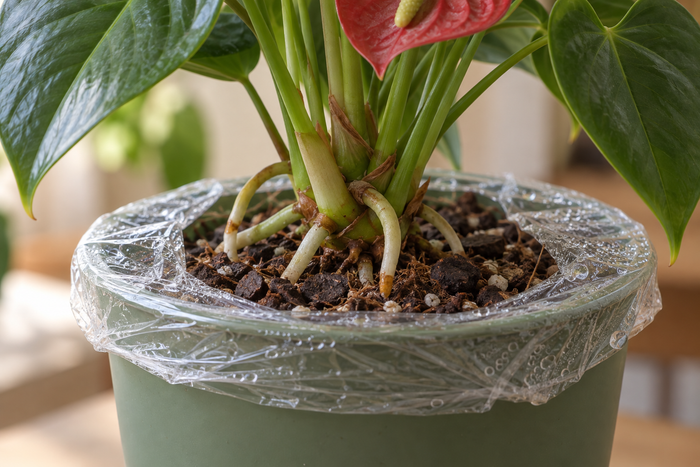
Reading for general plant health
All of Field Notes →Reading for gardening
All of Field Notes →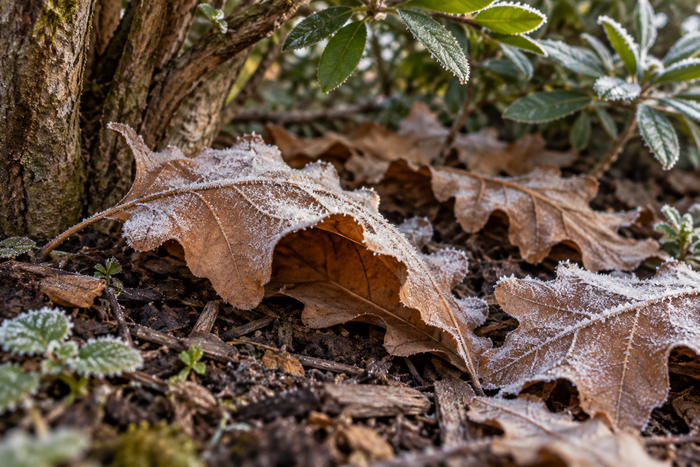
Reading for plant collecting
All of Field Notes →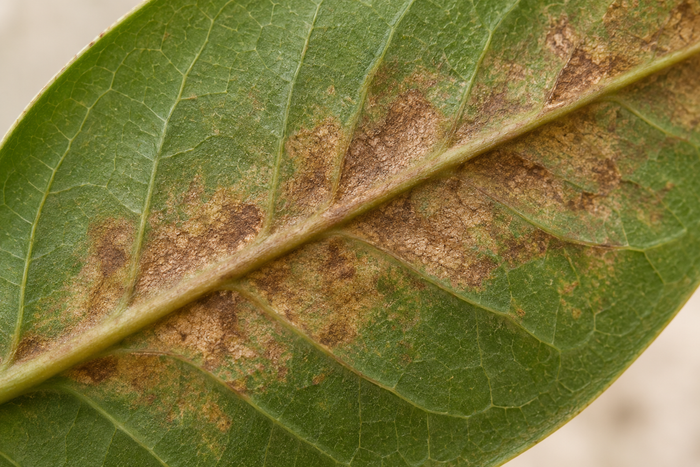
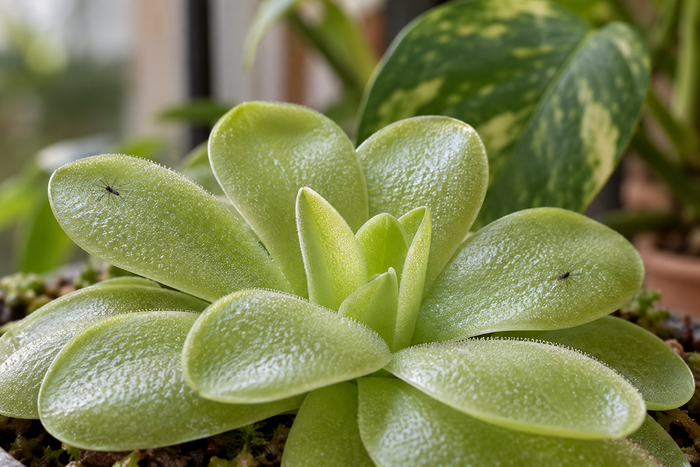
Reading for cannabis
All of Field Notes → HumidityHumidity Is Only Half a Number
 Grow LightsIs Your Grow Light Reaching the Leaves?
 Biological ControlSpider Mites Are on the Menu
Cannabis-specific reading is still being written. These cover the same grow-room problems: humidity, light and spider mites.
Reading for greenhouse growing
All of Field Notes →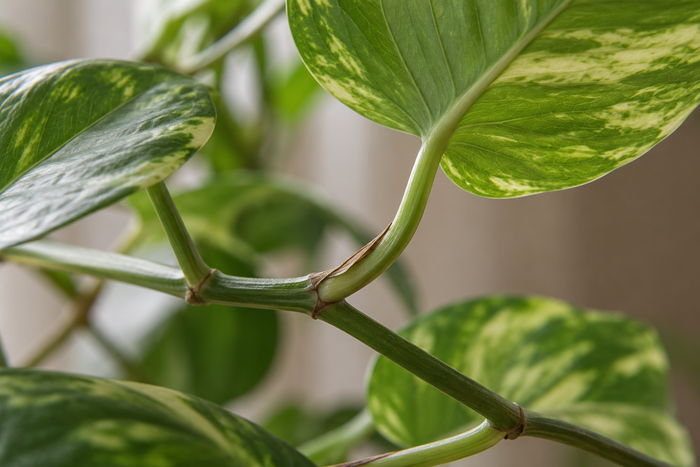
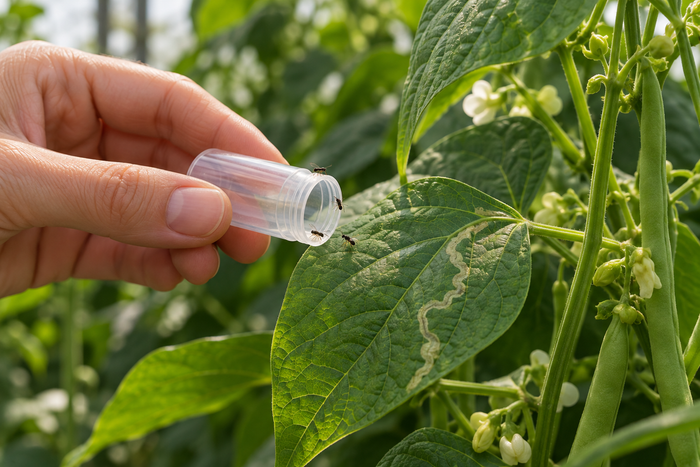
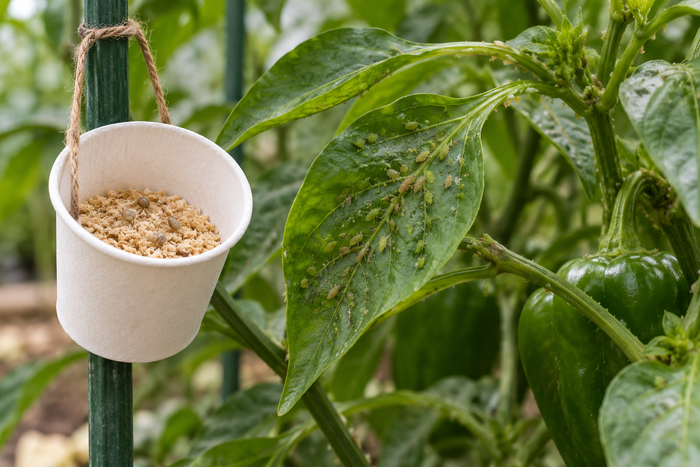
Reading for terrariums & reptiles
All of Field Notes →Meanwhile, these are worth a read for anyone growing:
These guys SAVED my collection. The benes arrived quickly and went into action immediately.
I will never go back to pesticides again.
I've never been so hopeful in my pest pressure battle as I am now.
My preferred pest control professional.
Releasing the cracken on these thrips immediately!!
The Weekly Newsletter
A weekly excuse to be weird about bugs at parties.
Weekly dispatches on the quietly alarming things happening in your soil. All of it real.
No spam. Leave whenever. We'll cope.
You're in