




What's bugging you?
Pick the pest and we'll show what treats it. Every treatment we sell is below.
Or browse every treatment below.
Treatment






















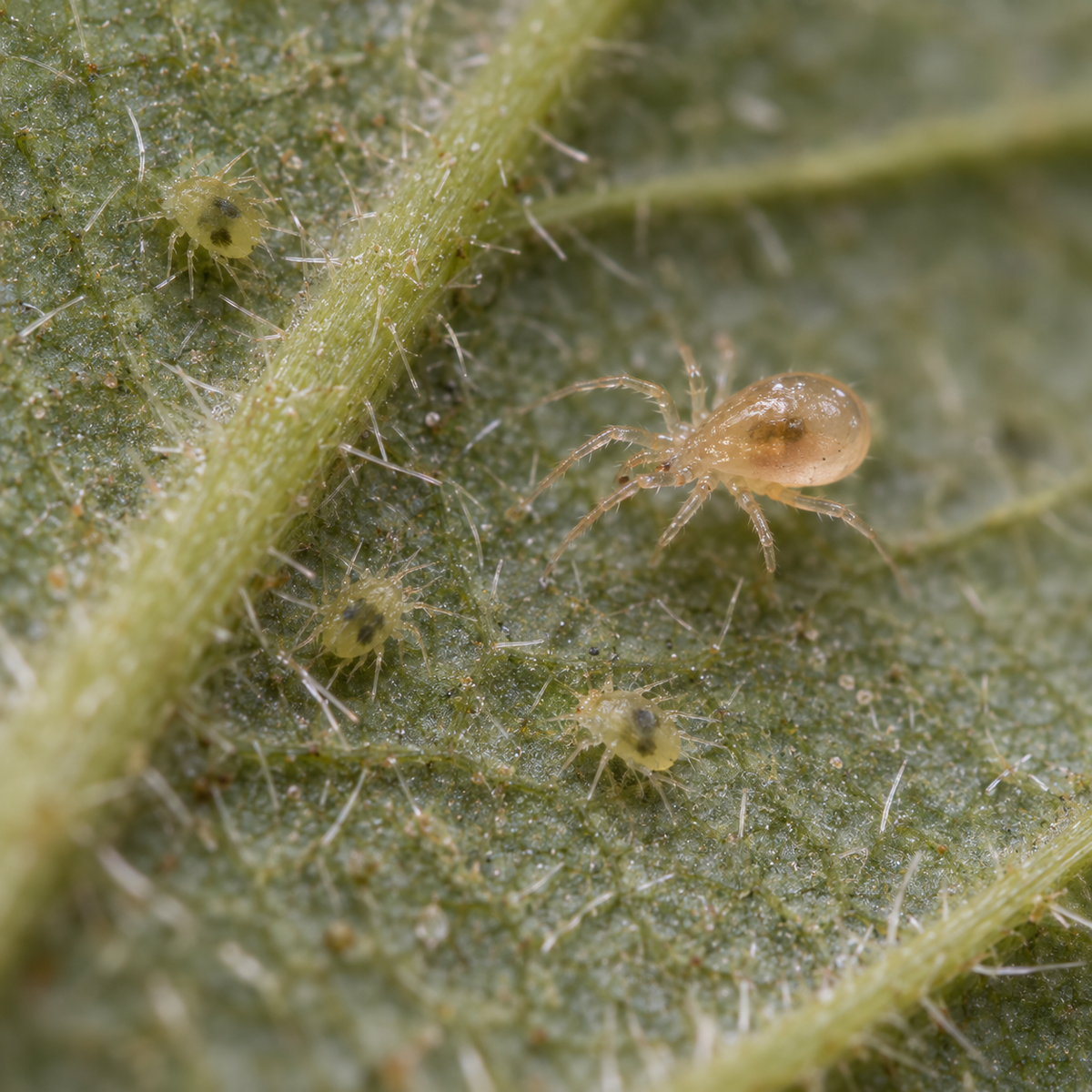

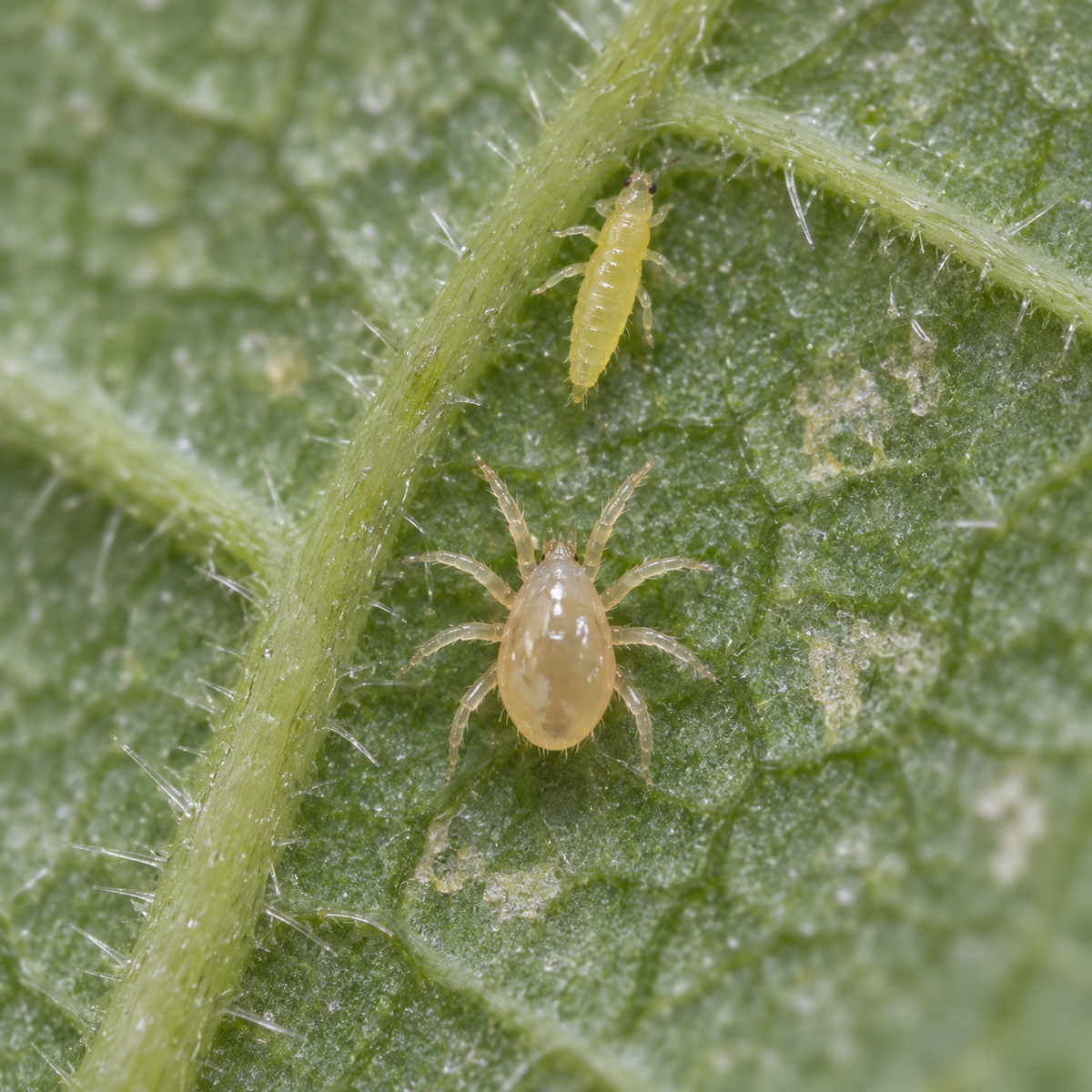



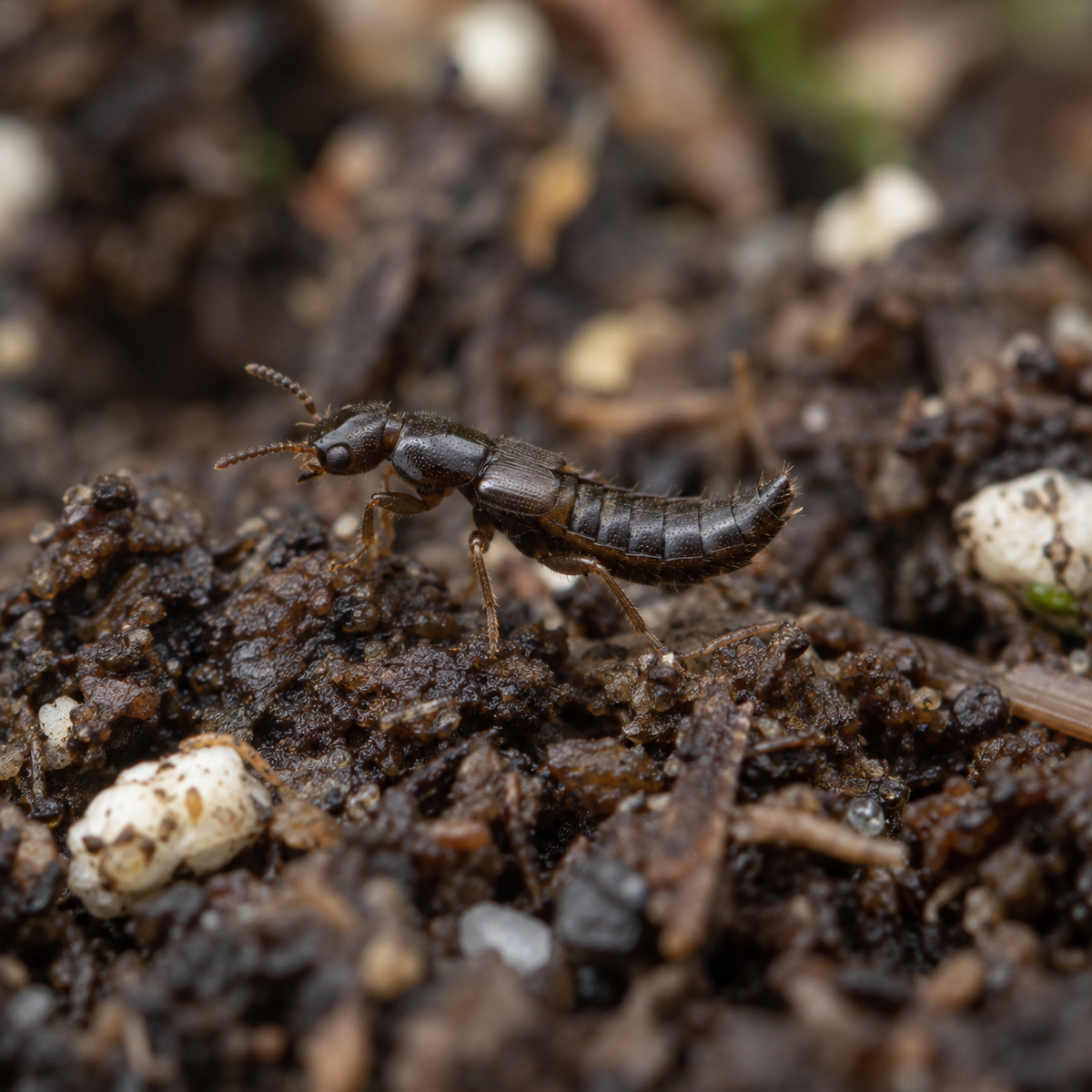
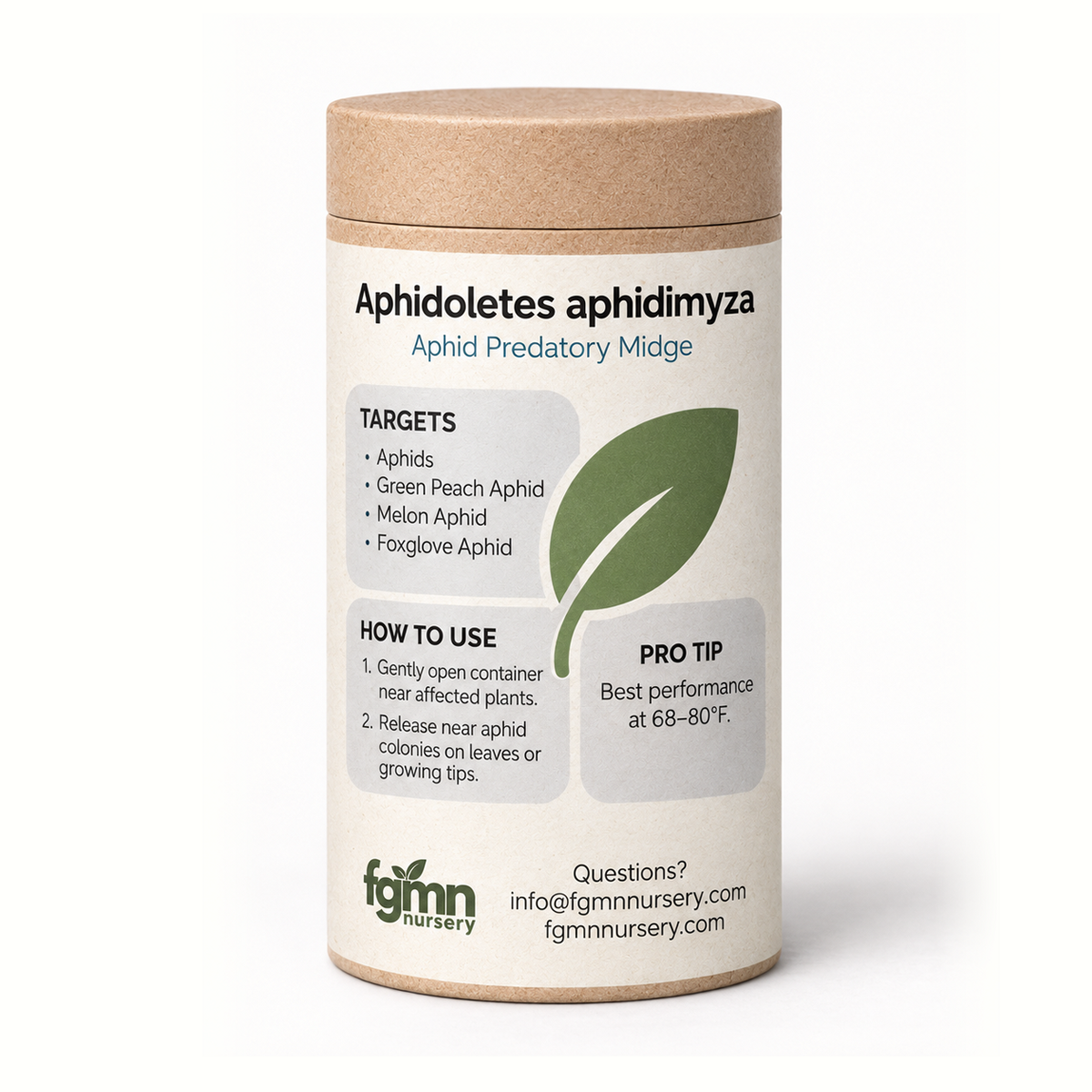
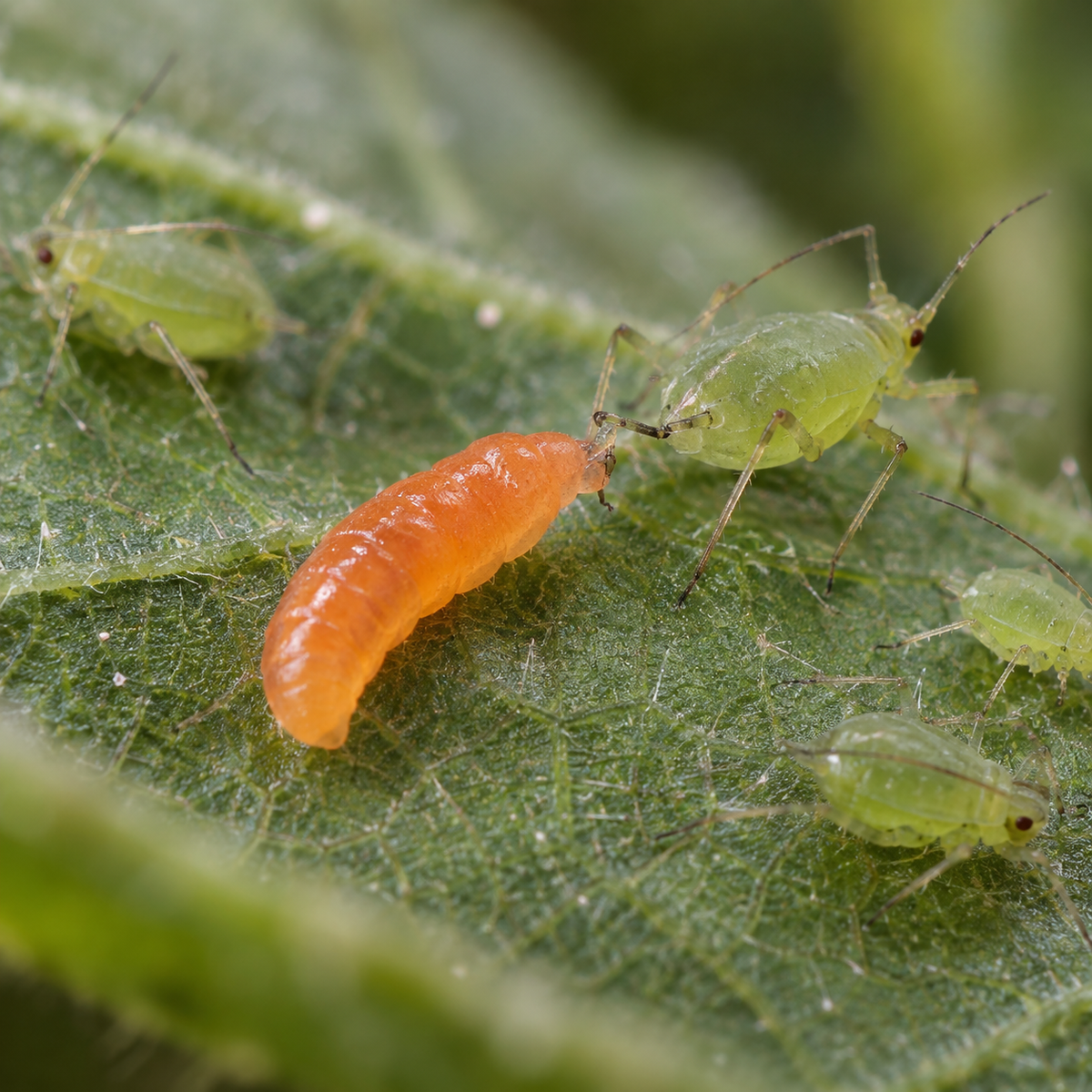

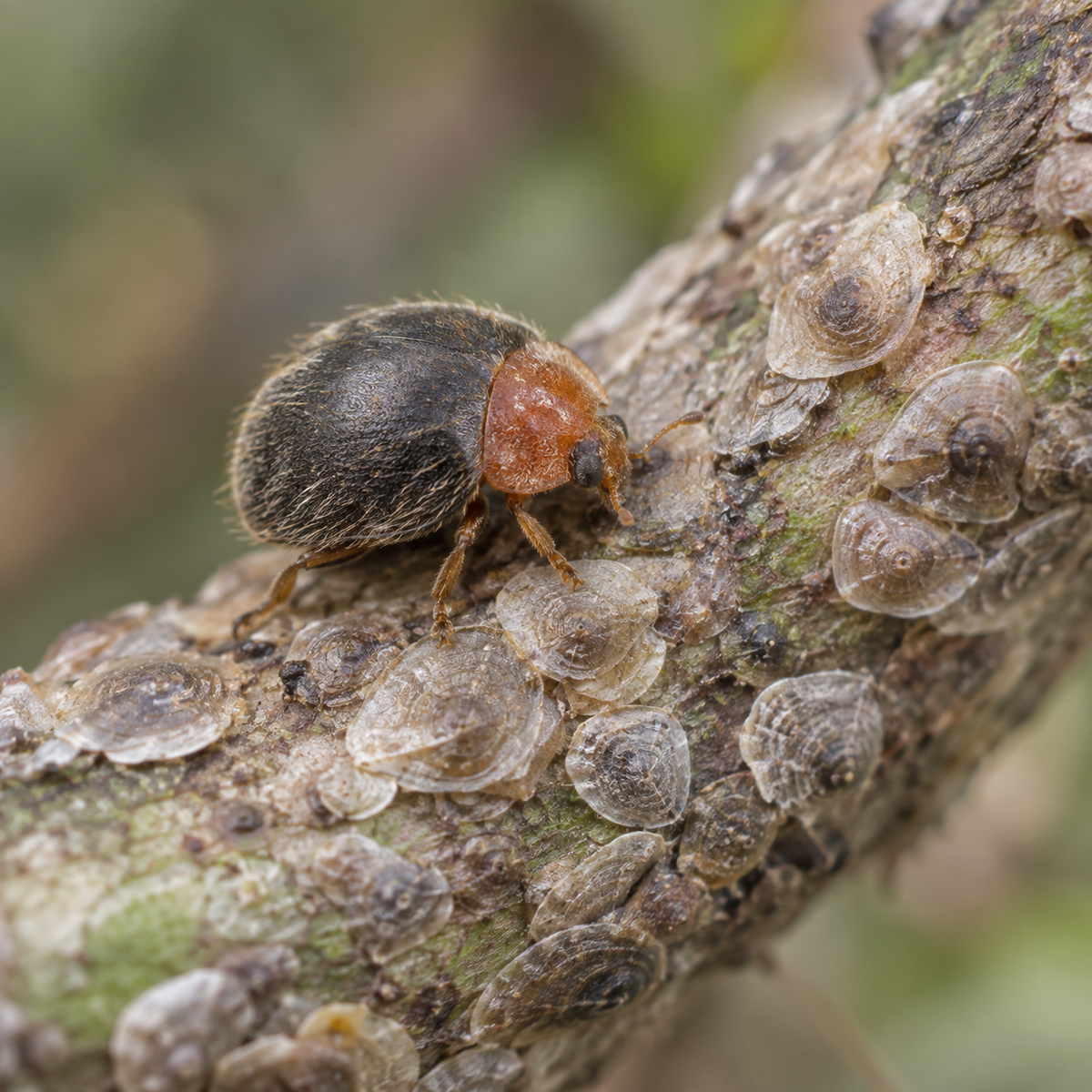

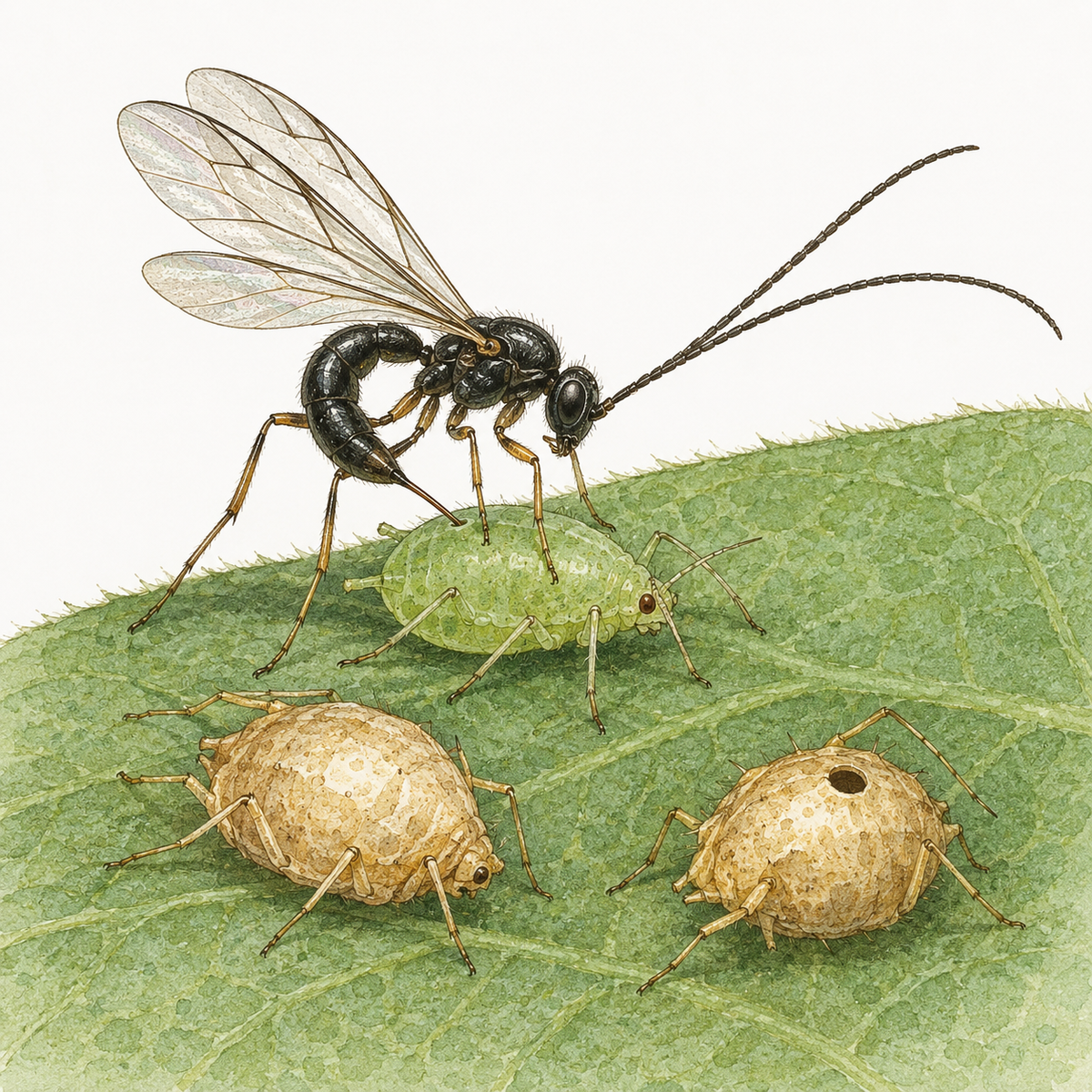

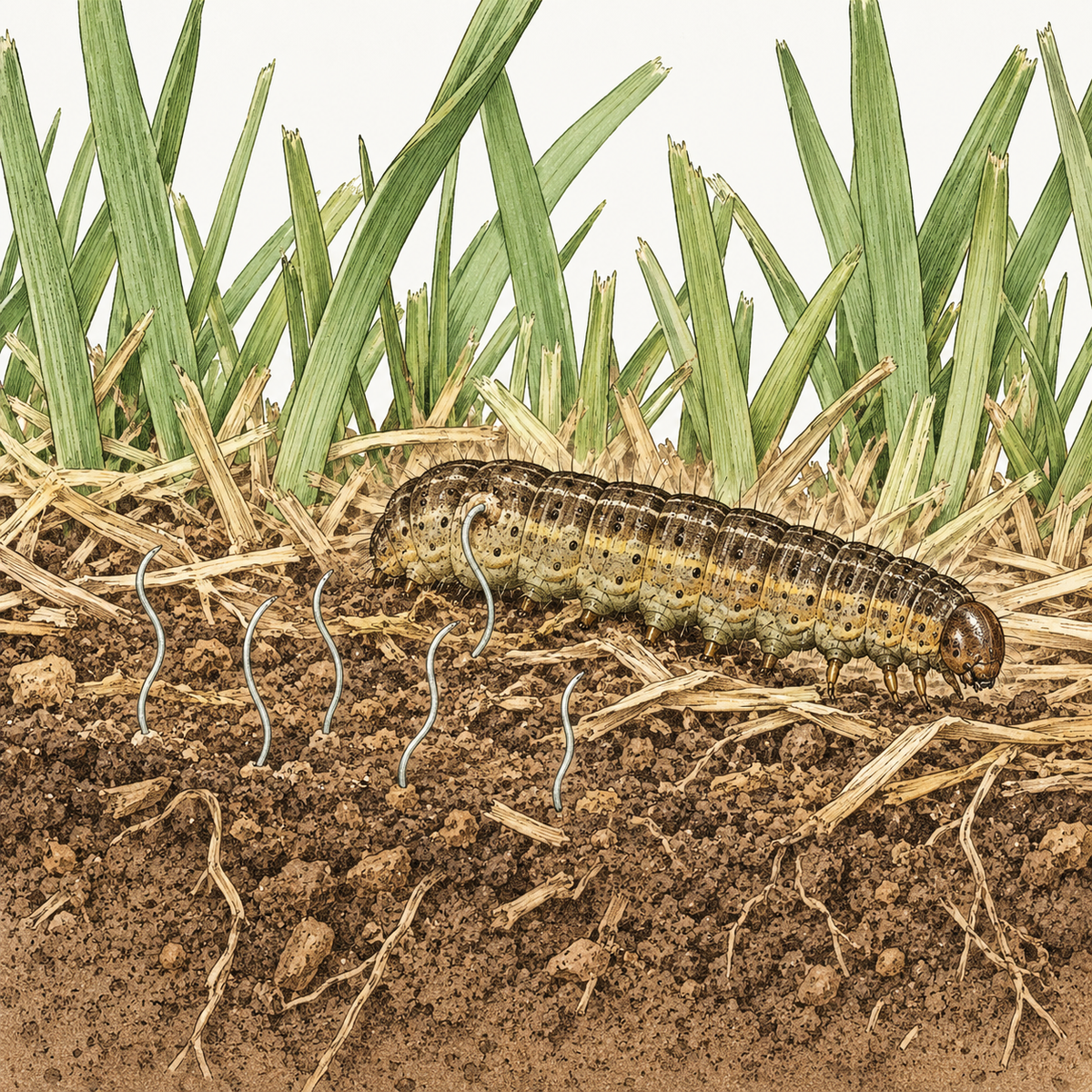
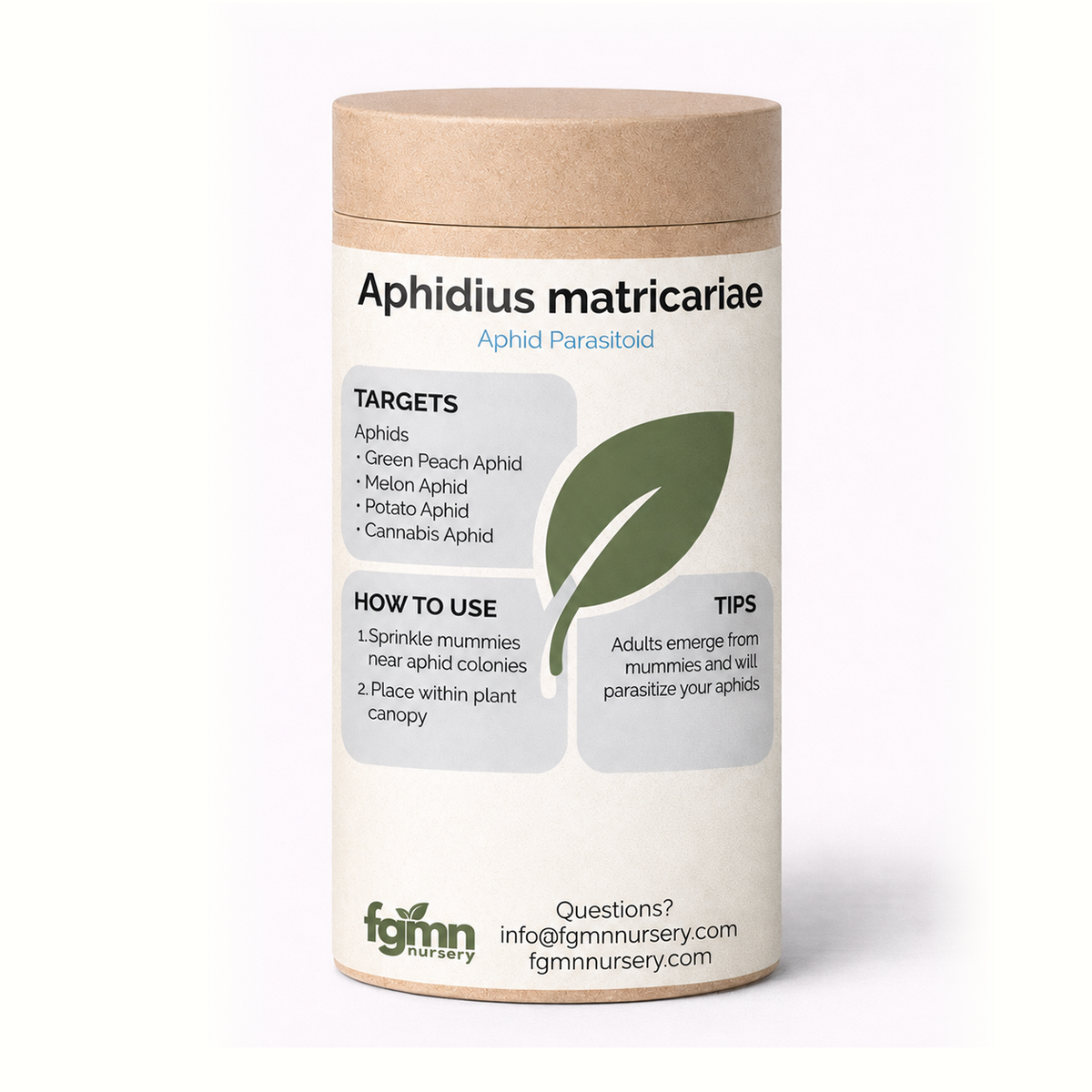
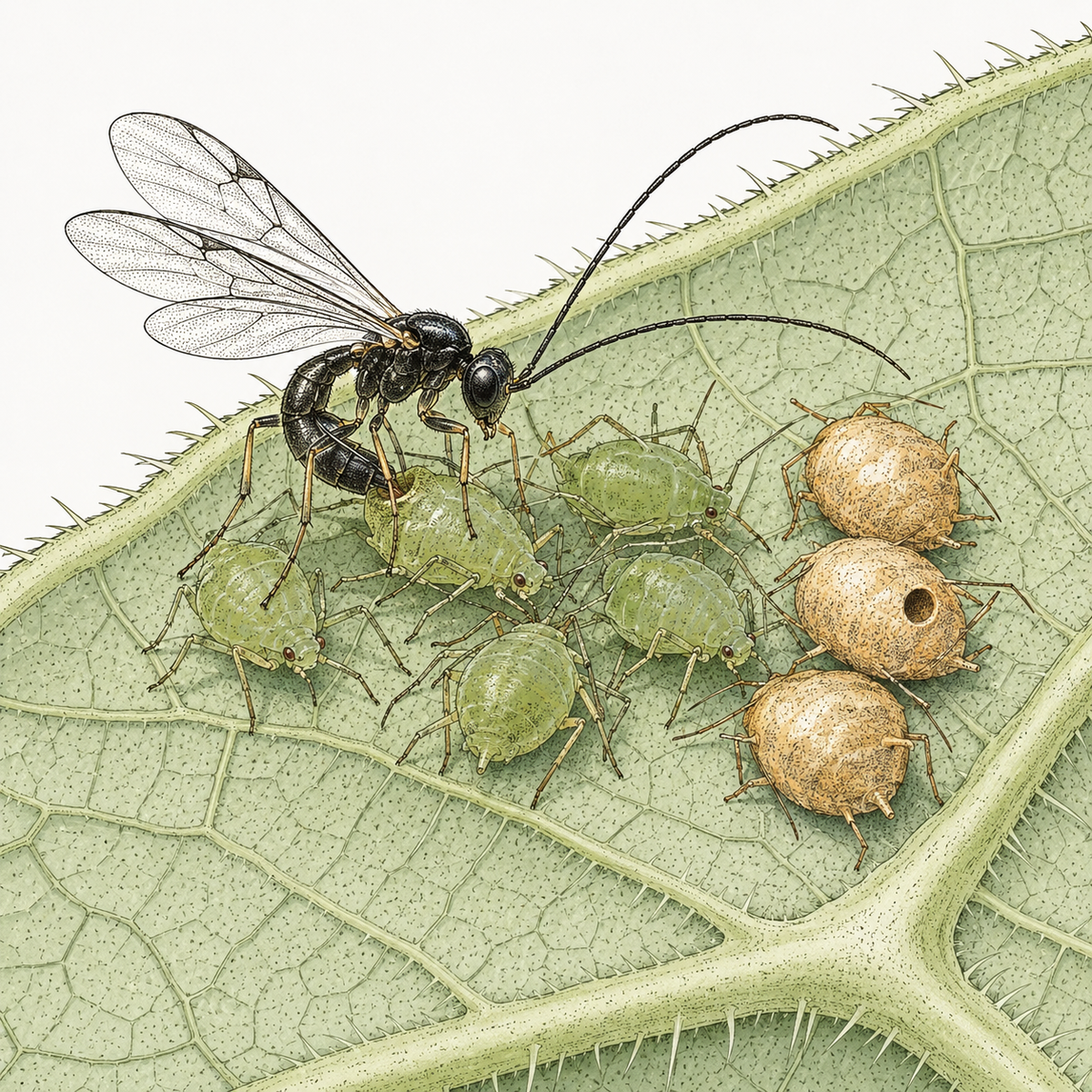
You already have a problem
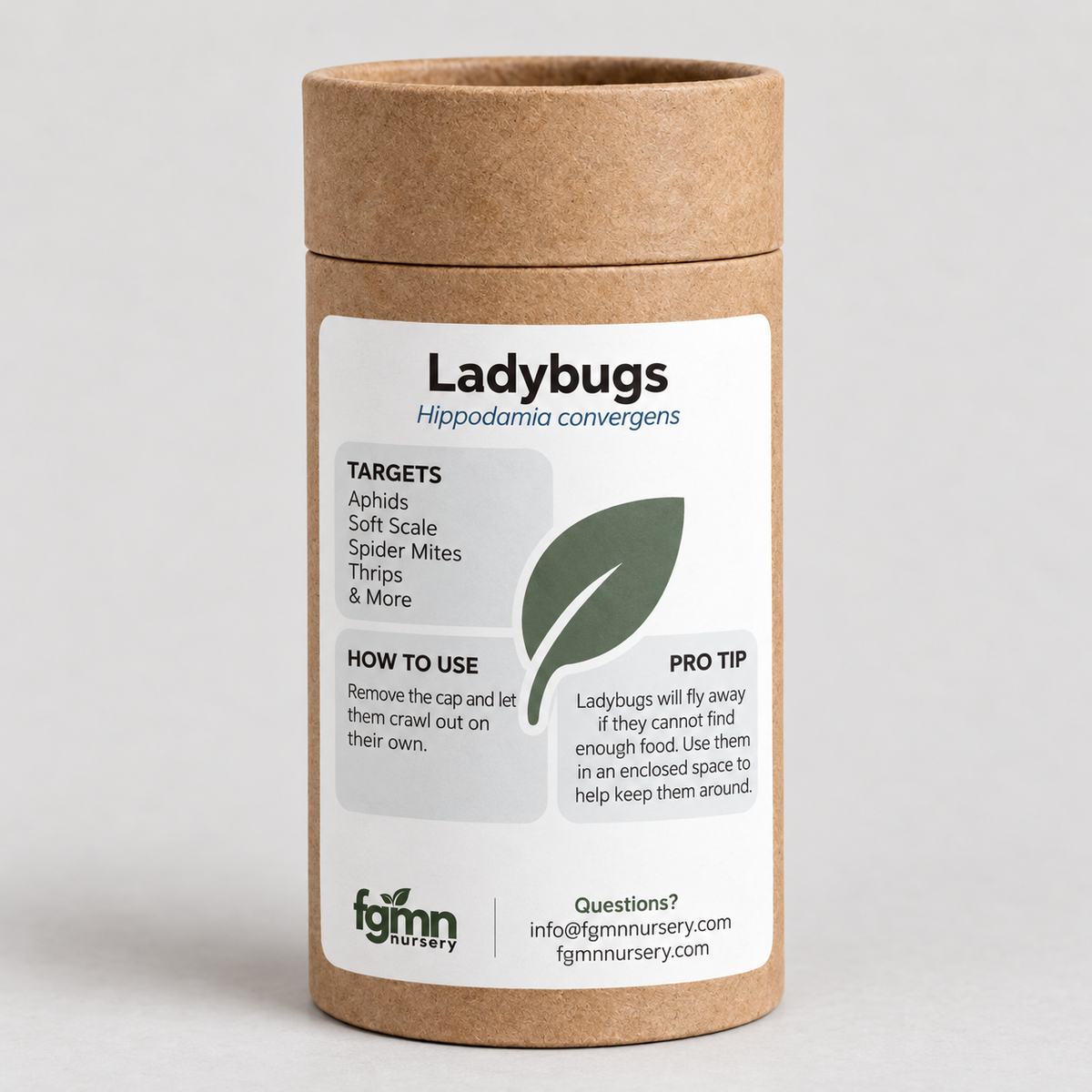
This is the treatment side of the catalogue — concentrated releases for a pest that is already established and spreading. Higher numbers, faster-acting species, and formats designed to put a lot of hungry predators onto a specific plant today.
Pick by what you've actually got
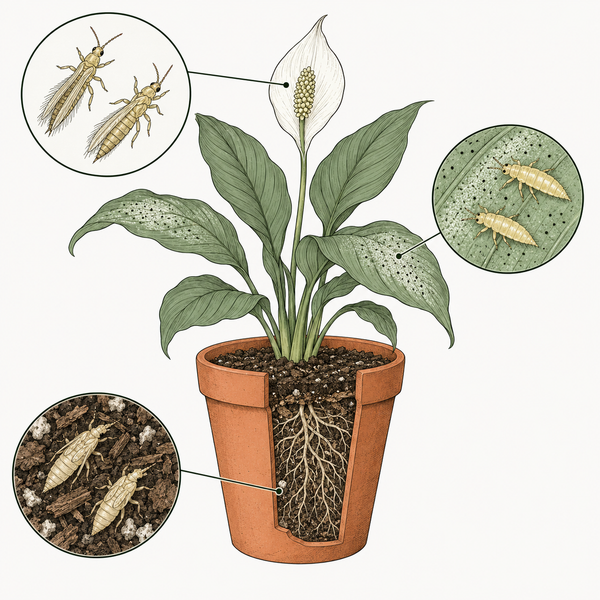
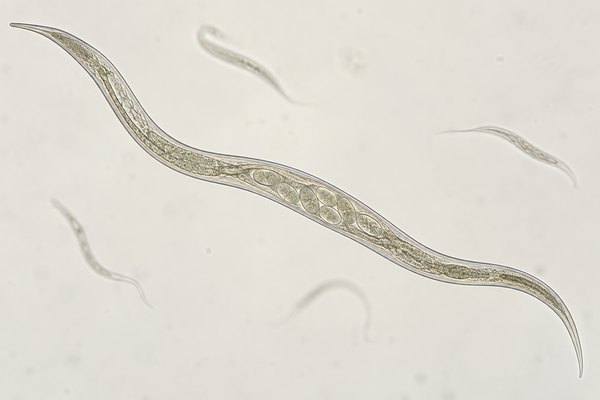
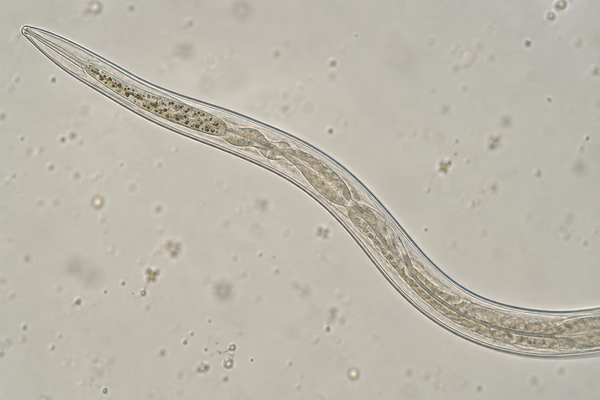
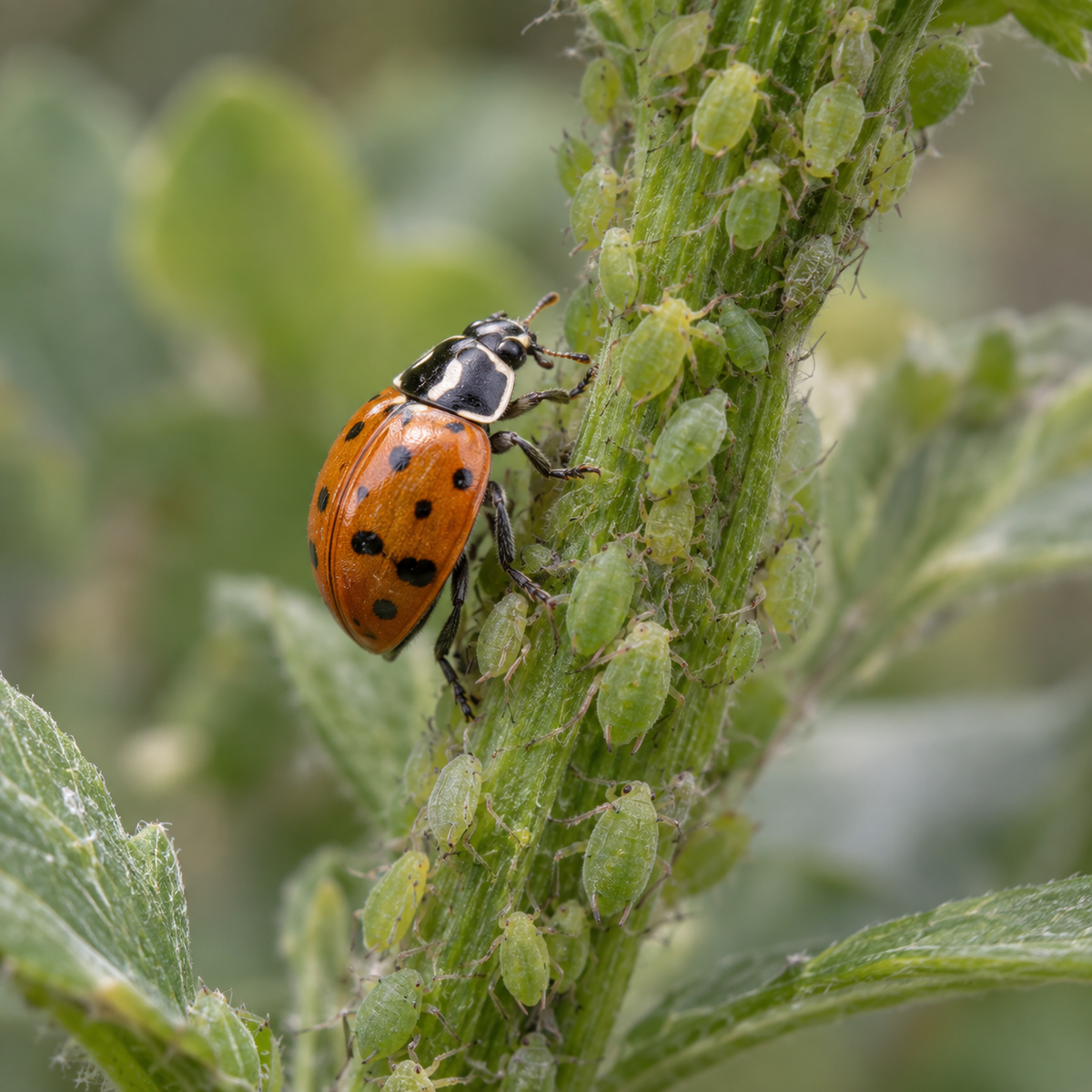
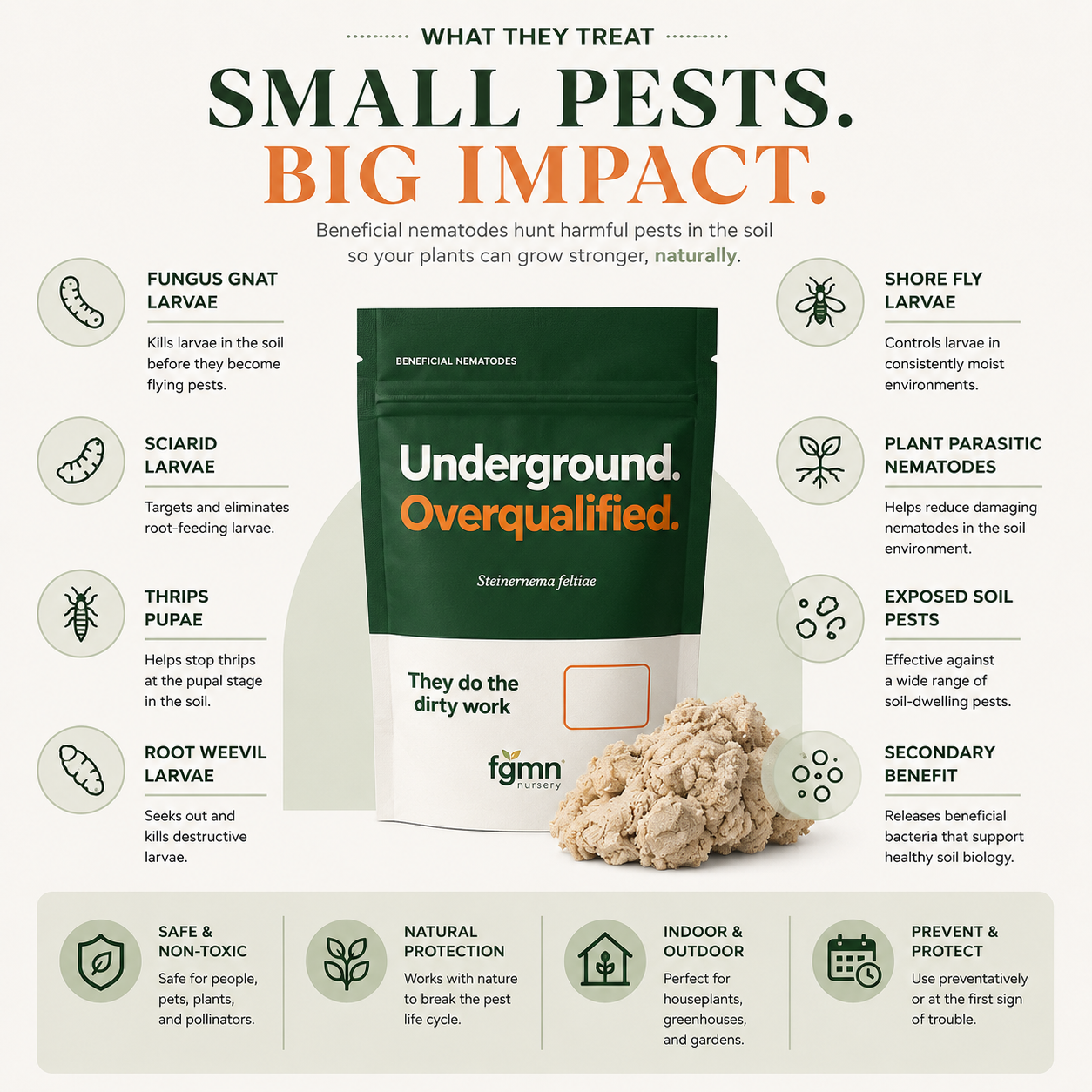
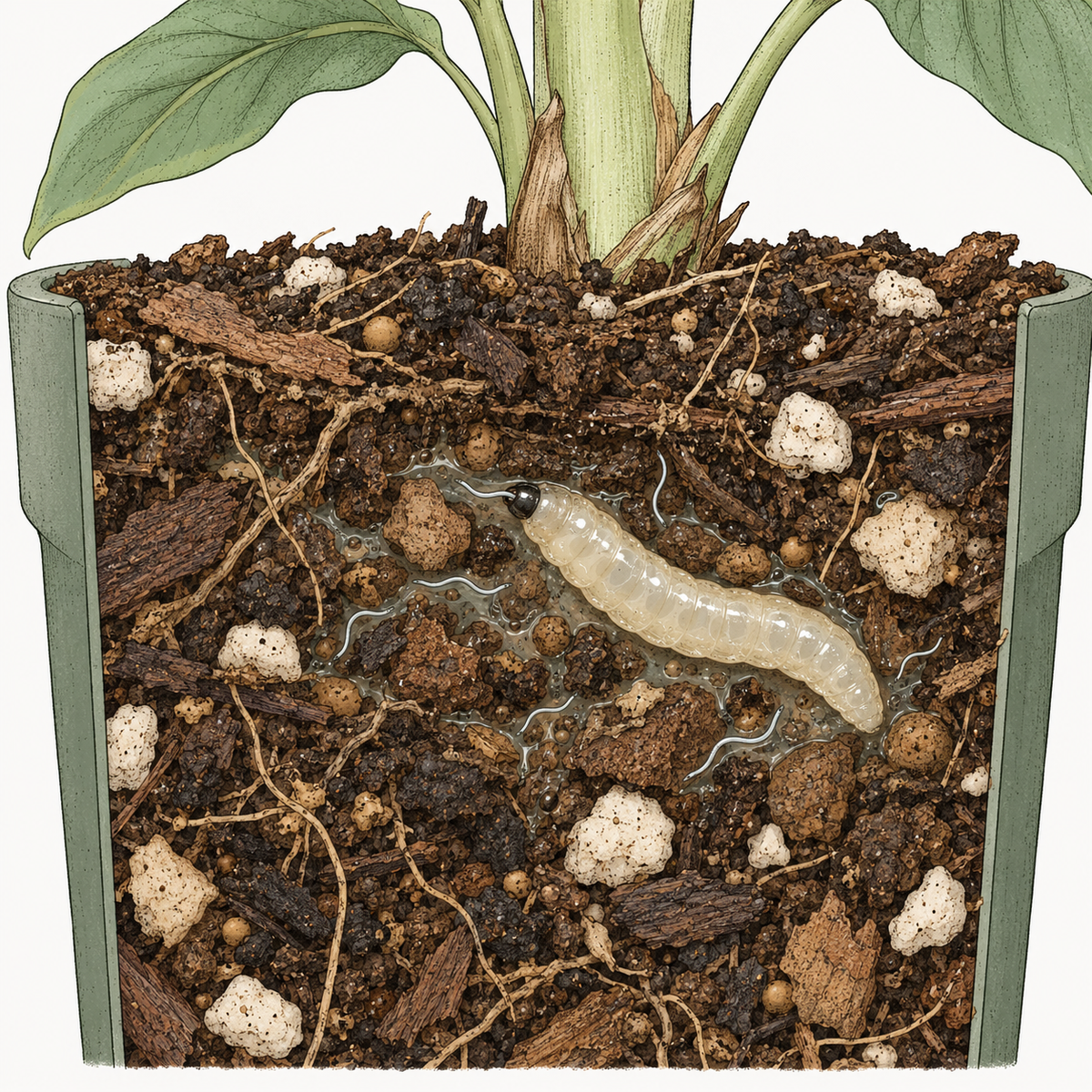
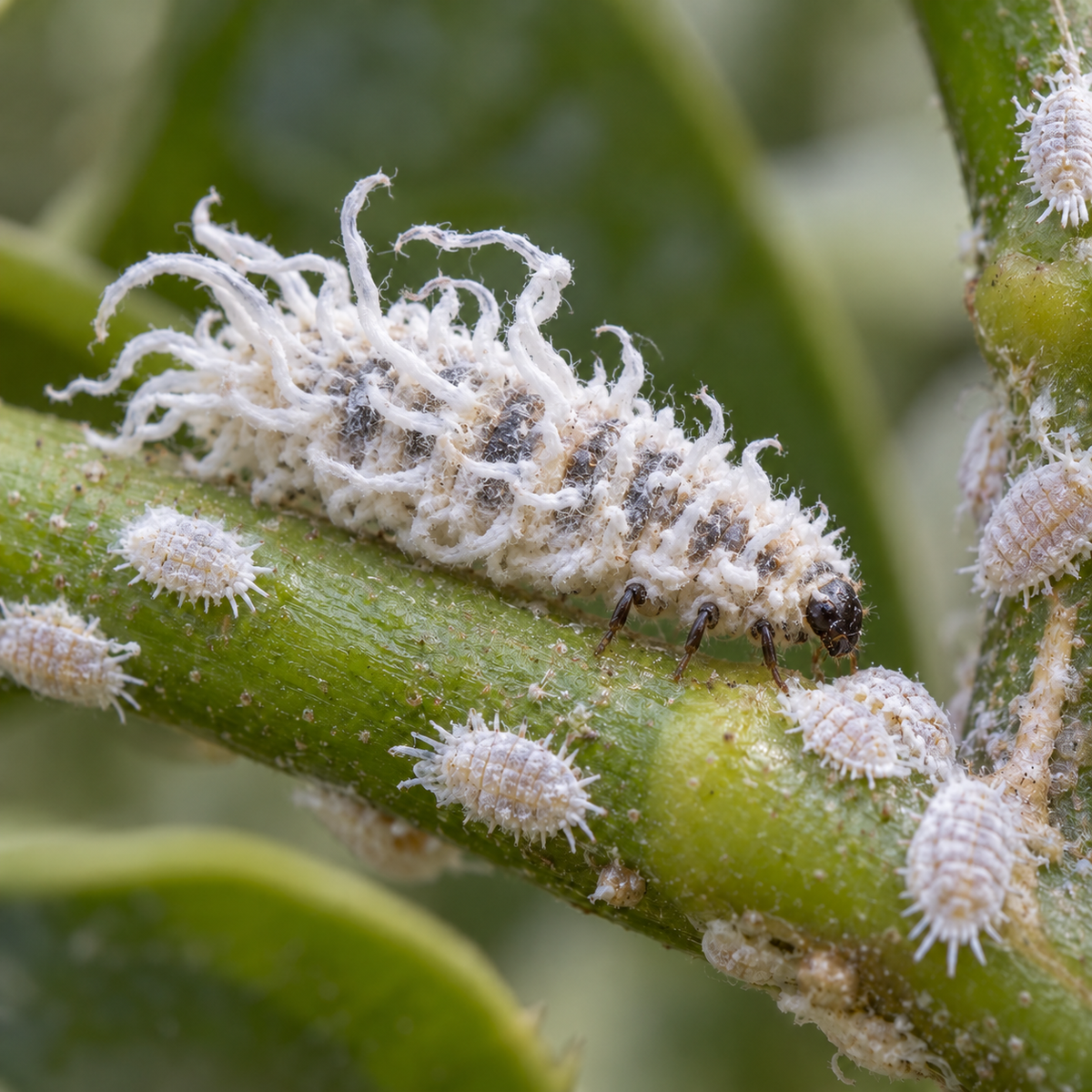
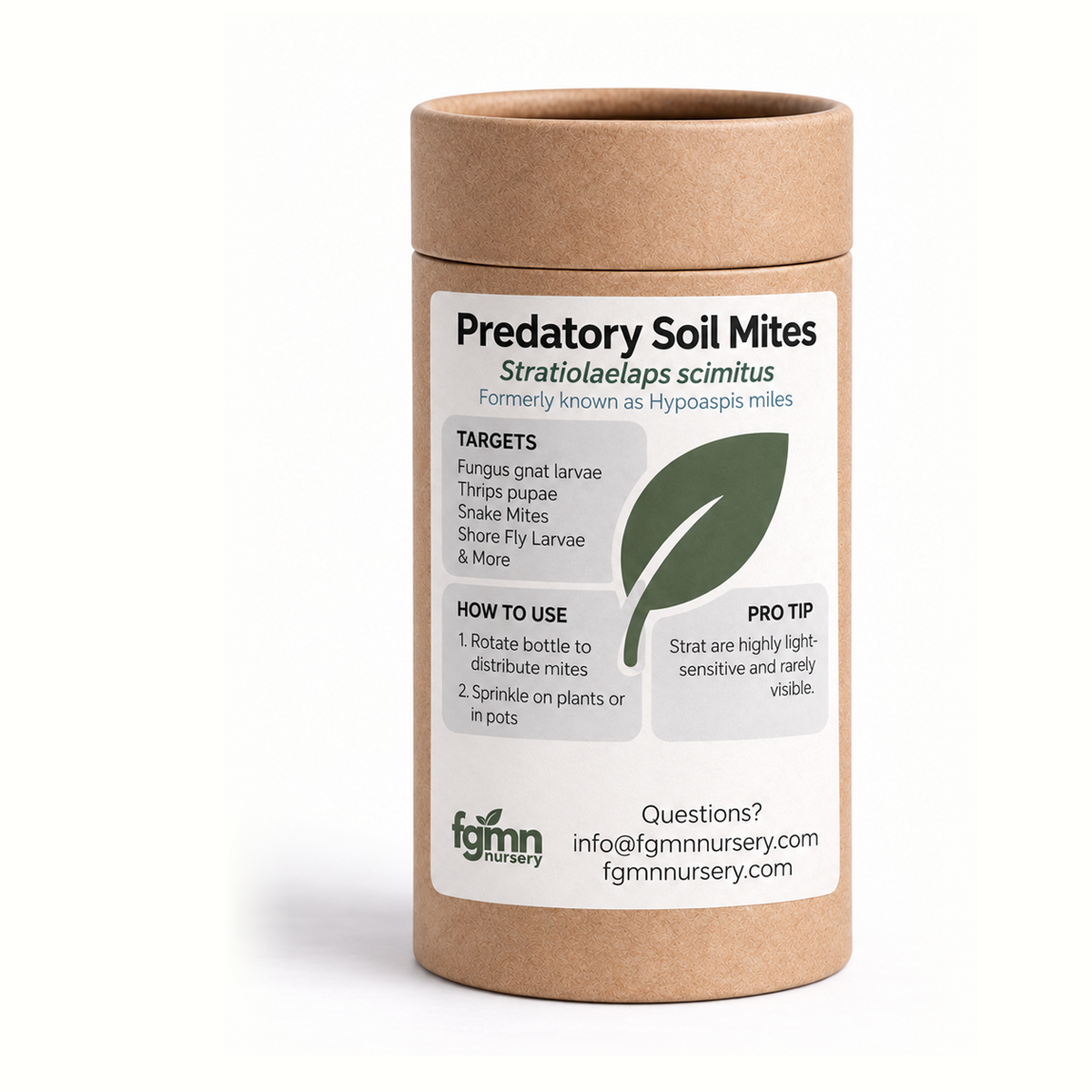
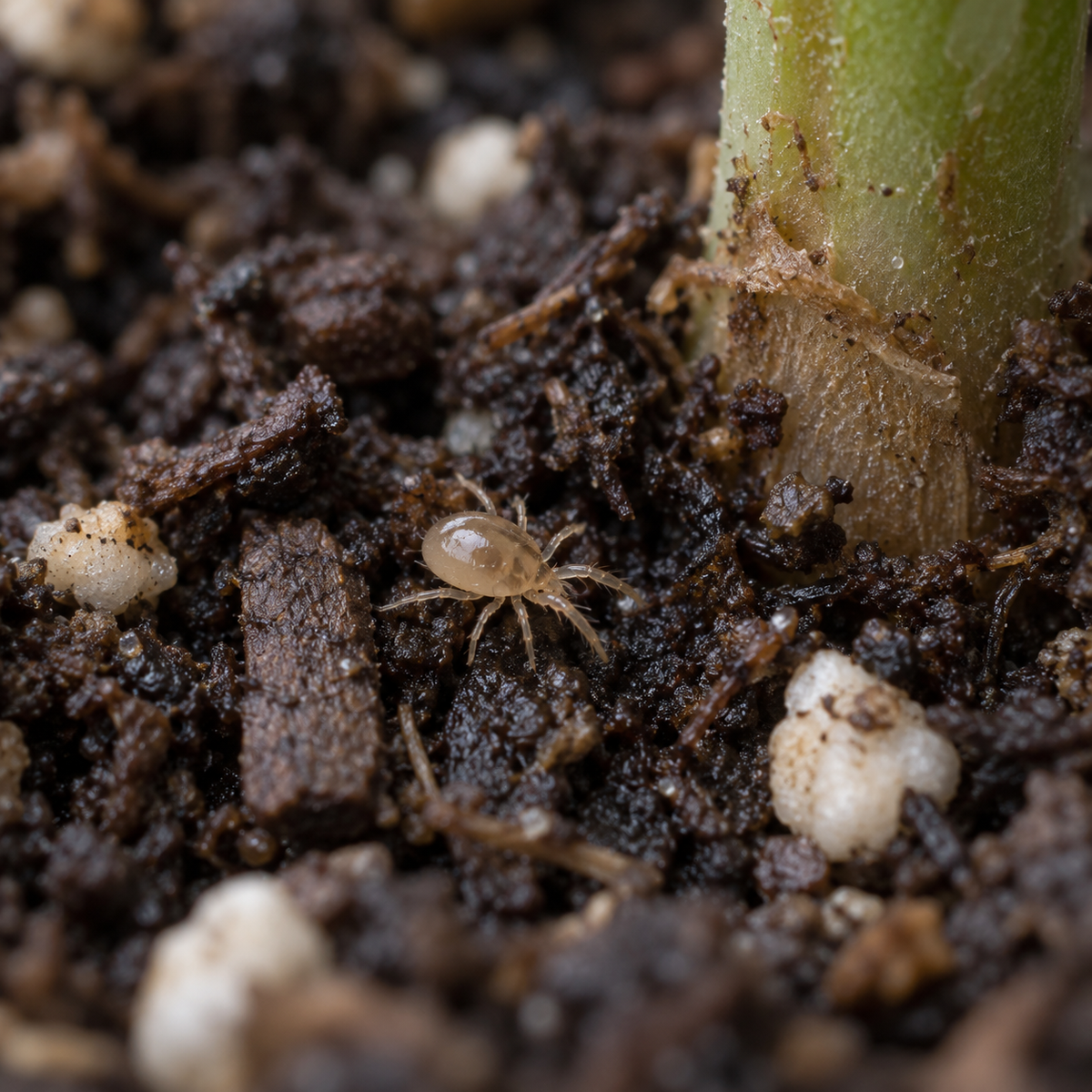
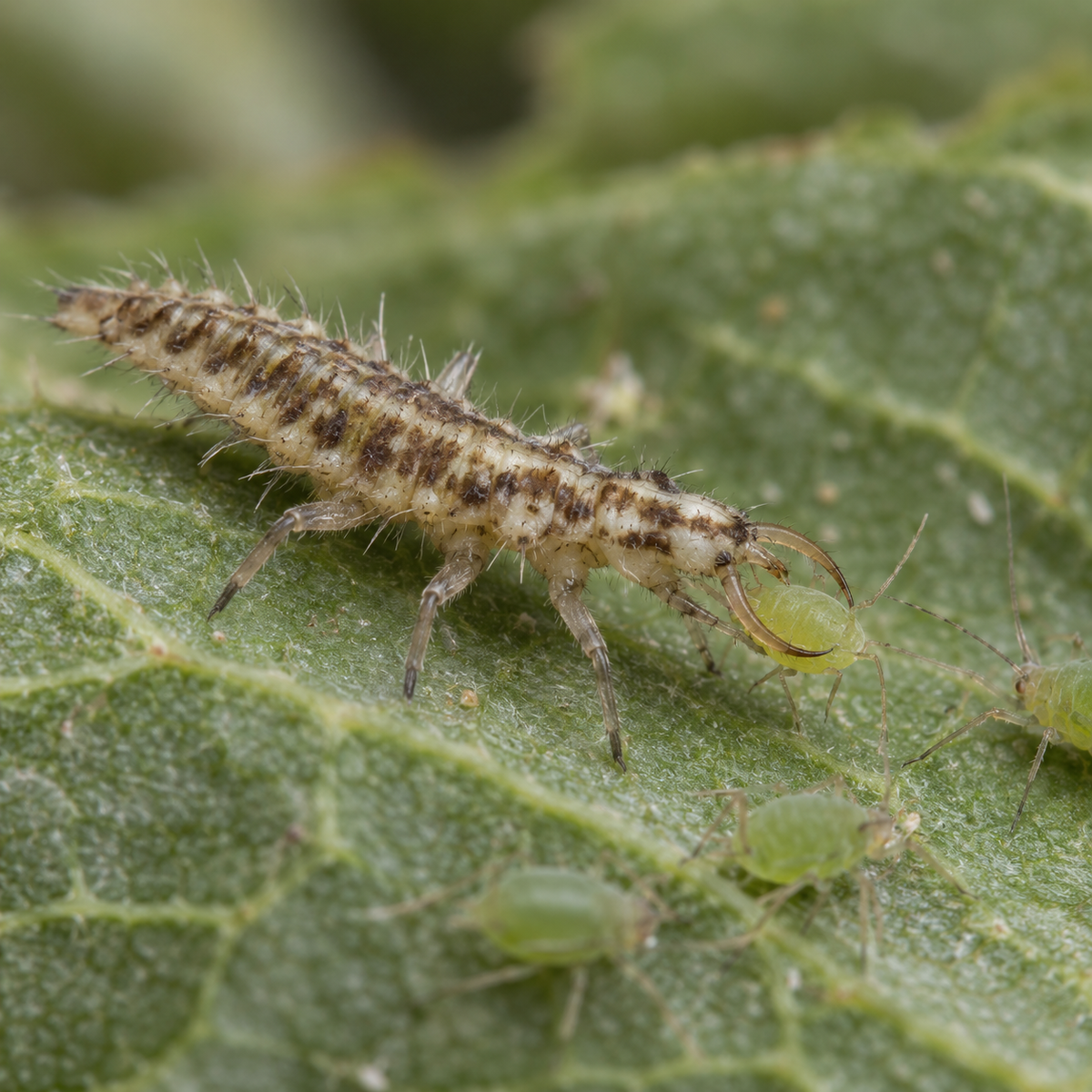
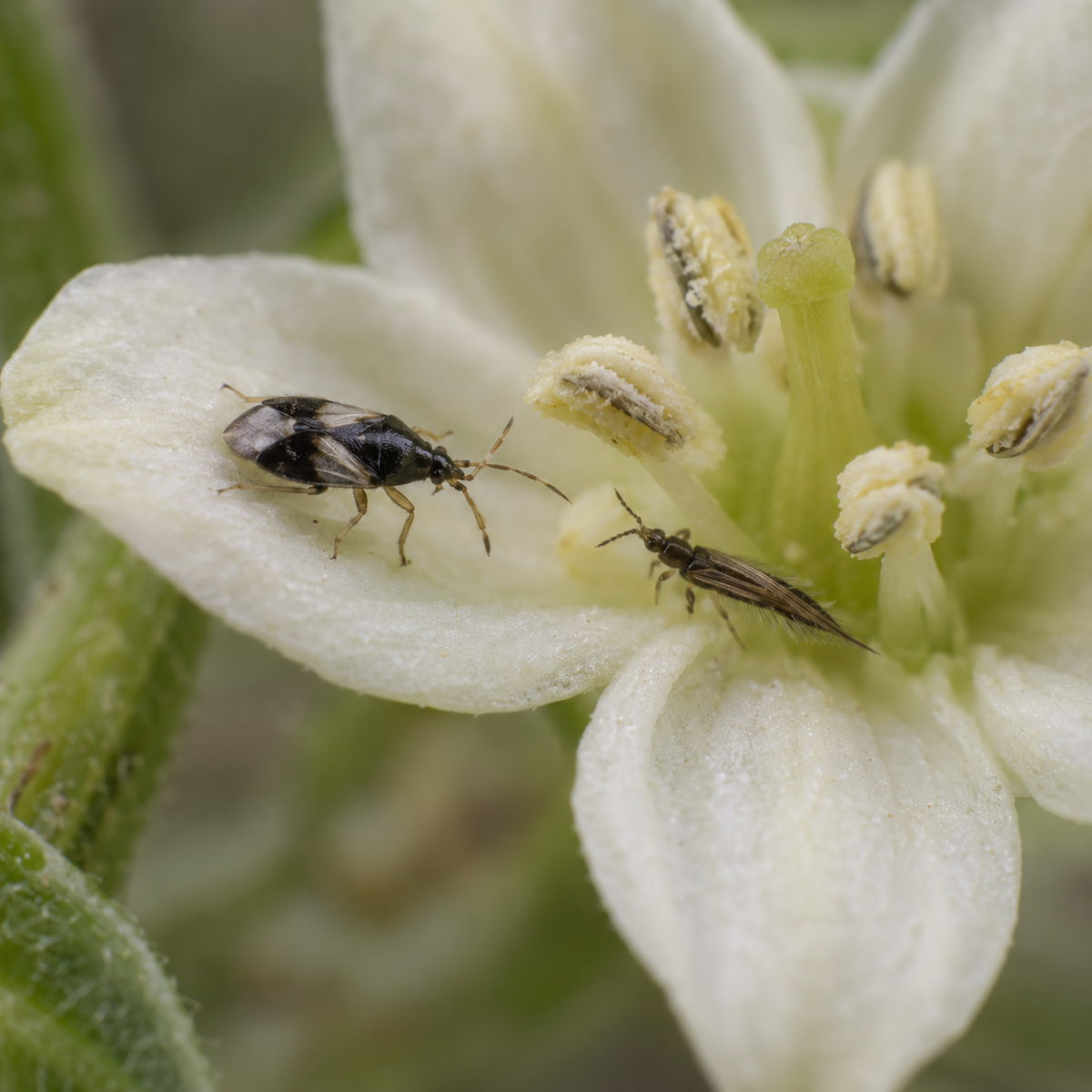
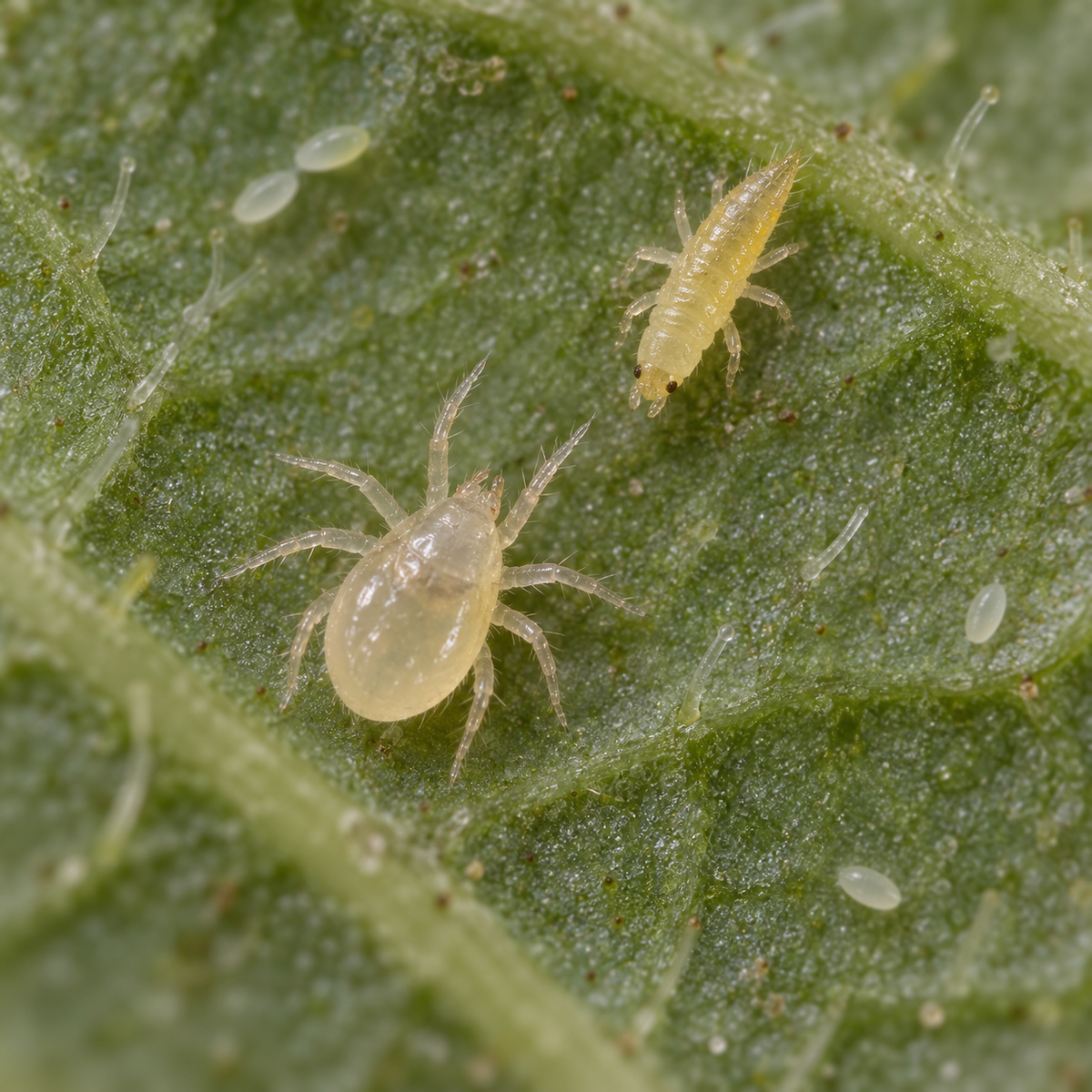
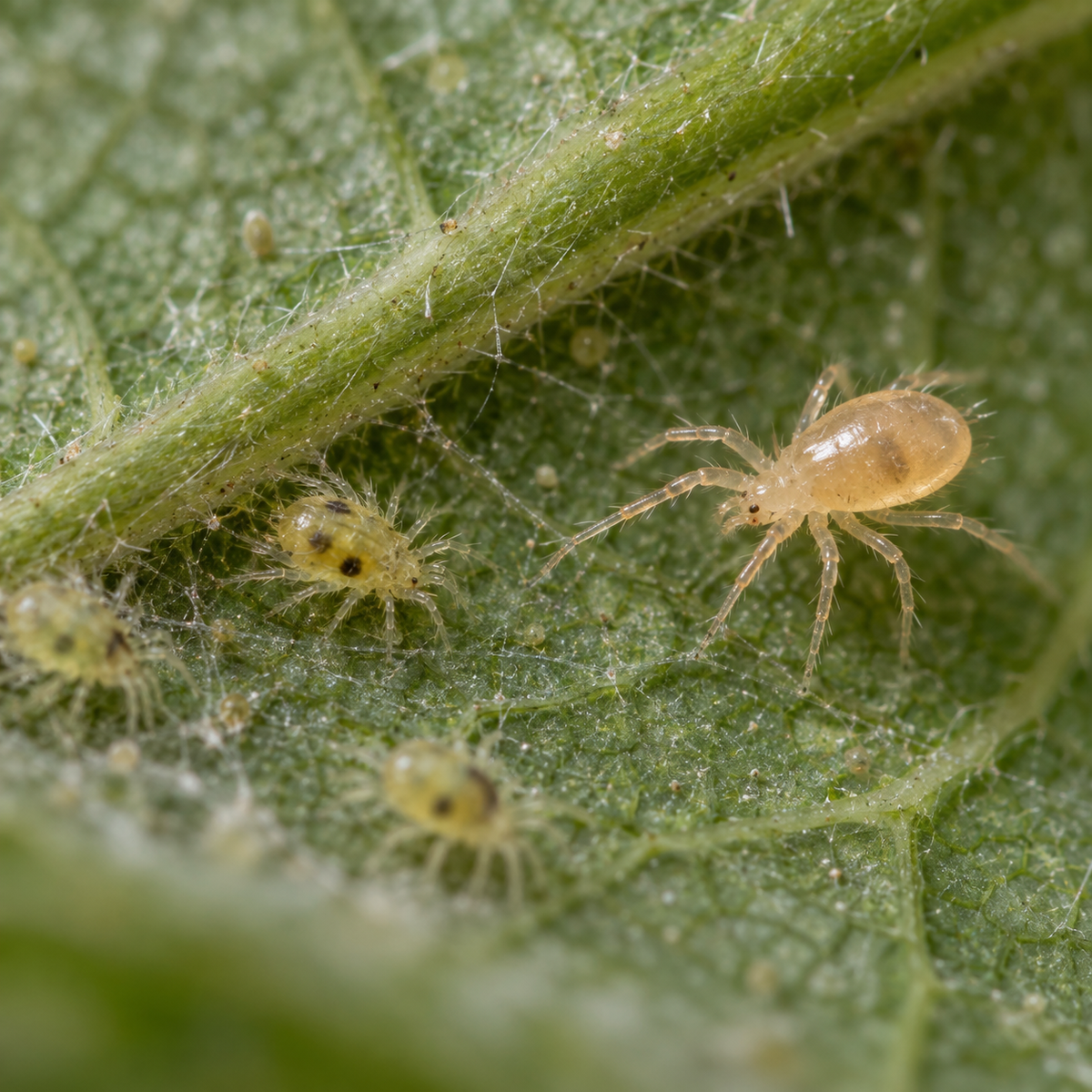
Thrips need a layered approach, because different predators reach different life stages. Spider mites respond fast to a specialist. Aphids reproduce quickly enough that you want a chewing predator, not just a parasitoid. Mealybugs and scale need beetles that can get under the wax. Fungus gnats are a soil problem, so the answer is nematodes and soil mites.
Can't name it? Distorted new growth usually means broad or russet mites. Winding pale tunnels mean leafminers. Anything else, work backwards from the damage with the identification guide.
What treatment realistically looks like
Predators eat; they don't spray. Numbers fall over one to three weeks rather than overnight, and the first sign is usually that the pest population stops growing, not that it disappears.
Existing damage does not heal. Scarred, stippled or distorted leaves stay that way — judge success on new growth.
And a second release is normal for a heavy infestation, not an admission of failure. Pest life cycles overlap, and one release catches the stages present on the day it arrives.
Once it's under control, move to prevention. That's how you avoid doing this again.
Keep reading
Why biological control is infrastructure, not intervention — the longer version, in Field Notes.