

Generalist · Mixed Mites
Special Blend Slow-Release Prevention Sachets
Four predatory mites in one sachet — thrips, spider mites, broad and cyclamen mites, whitefly and russet mites, without having to diagnose which.
$5.00
Free Shipping for all orders over $30
If something's wrong when it arrives, file a report within 72 hours of delivery for a replacement or store credit.
By placing your order you agree to our Shipping Policy and Live Delivery Guarantee.

How many, and how often
One sachet per houseplant, one every two to three feet on a shelf or in a tent, or one per cluster in a dense canopy. Replace every four to six weeks — and if you are following a bottle release, start five to seven days after it.
More about this dose
The three things people ask once they have their size. Open any of them.
Why more than one round?
Putting it out
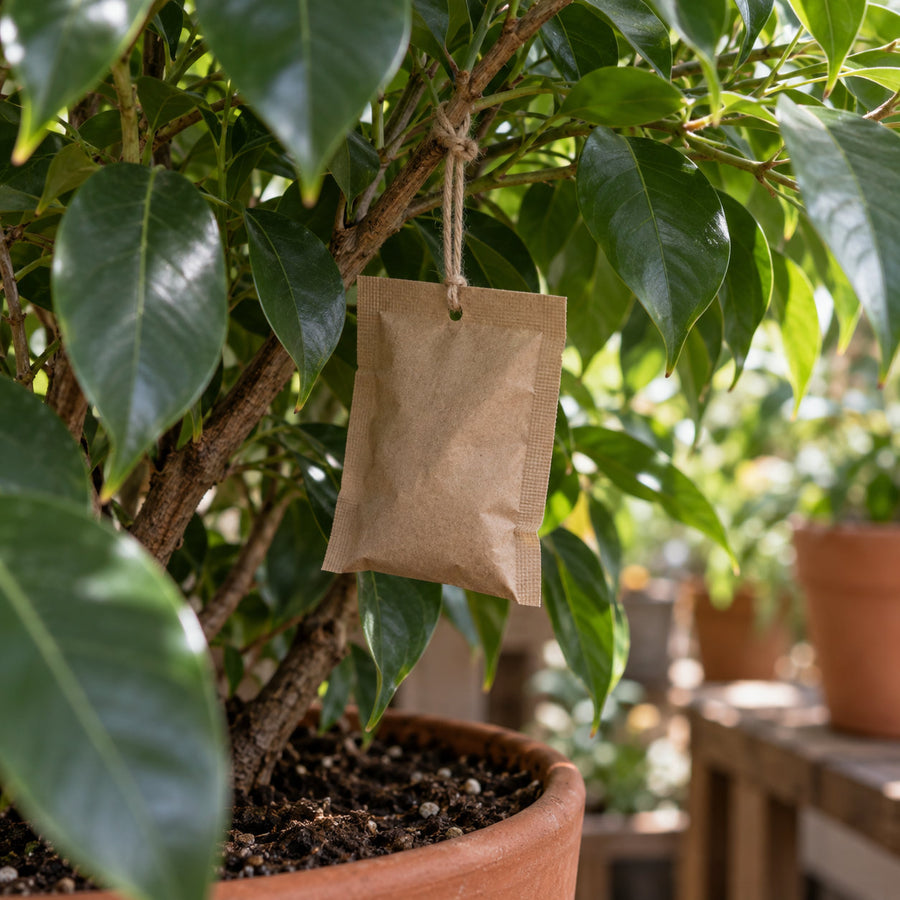
- Hang one per plant up to twelve to eighteen inches wide, or one every two to three feet on a shelf or in a tent, or one per cluster in a dense canopy.
- Attach it inside the foliage with a clip, hook or elastic cord — near the leaves, shaded from direct light, and above the watering line. It works under grow lights and natural light alike.
- Keep water off the paper. Rain sheds, standing water does not. Avoid overhead irrigation and foliar sprays, and if the room is dry, mist the plants rather than the sachet.
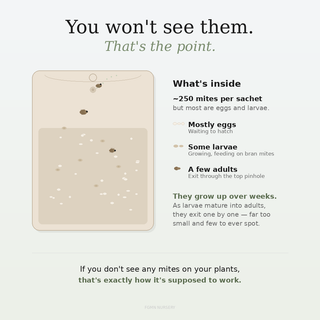
- Do not open it. The mites exit on their own through the release hole. Because they emerge in small numbers, you will probably never see one — that is expected.
- Following a bottle release? Start five to seven days later, so the knockdown and the shield are not working against each other.
- Leave it in place four to six weeks, then replace it for continuous prevention. Moderate airflow is fine; a fan pointed at the canopy is not.
Everything else is optional. Get these four and the release has done what it can.
A cleaner way
On a display plant, tip small piles into bio-boxes or paper cups hung in the branches instead of dusting the foliage. Same dose, nothing visible on the leaf.
Is this the right beneficial for your problem?
Five questions, in the order a grower actually asks them: what have you got, is this the answer to it, what will it eat, how does it do the killing, and will it survive your room.
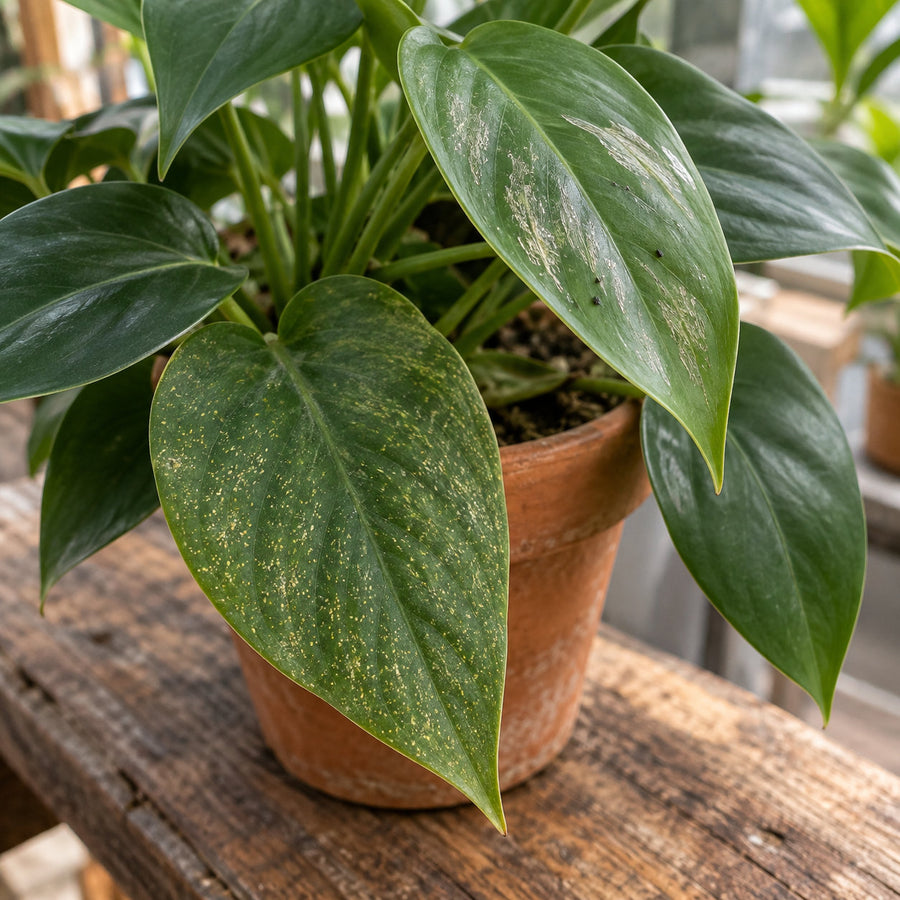
Is this your pest?
A sachet is prevention, so the honest question is what you are guarding against rather than what you are looking at. This one is built for the case where the answer is several things, and I am not sure which.
Thrips rasp the leaf and leave silvery scarring with black frass specks. Spider mites leave fine pale stippling and, once it is serious, webbing. Broad and cyclamen mites leave nothing visible at all — you read them from new growth that comes in small, hardened and twisted. Russet and rust mites are the same story, with bronzing or roughening on the newest tissue.
Four species hang in this sachet — Amblyseius andersoni, Neoseiulus californicus, Amblyseius swirskii and Neoseiulus cucumeris — and between them they cover all of that at once. Thrips eggs and larvae, spider mites at every stage, broad and cyclamen mites, whitefly eggs and crawlers, and russet and rust mites, which andersoni is the one species here that takes.
Then: is the Special Blend the right answer to it?
Choose this if
Choose the Special Blend when you would rather not have to diagnose anything. It is the broadest shield in the range — mixed pest pressure, a mixed collection, or the weeks straight after a knockdown when you want to hold the ground you just won. The four species cover each other's gaps: andersoni runs from 43°F to 100°F with no winter dormancy, californicus takes the dry end, swirskii takes the warm end along with thrips and whitefly, and cucumeris patrols for thrips larvae and broad mites. All four feed on pollen, so the colony holds on a clean plant instead of dying out with nothing to hunt — which is the whole reason a preventative sachet is worth hanging. And it is the least work of anything you could do about pests: nothing to mix, nothing to spray, no residue, no re-entry interval, and no diagnosis to get right.
Choose something else if
It is prevention, so an active, visible infestation wants bottles first — hang these five to seven days behind the knockdown rather than instead of it. If you already know exactly what you have and your room is at an extreme, the matching specialist will beat the blend on its own ground: persimilis on a running spider mite population, swirskii alone in a consistently hot room, californicus alone in a dry one. And nothing here works in the soil, so fungus gnats and root aphids are a different product entirely.
What it kills, and what it won't
The pollen part is the quiet advantage. All four species can hold on plant pollen with no pests present at all, so the population stays on the plant and waiting rather than starving out — which is the difference between a sachet that protects you for six weeks and one that protects you for the first ten days.
How a sachet works
What is actually inside it, how the mites get out, and what that buys you over a bottle.
A breeding colony, not packaging
The sachet is a nursery. Inside is a bran medium, a founding population of predators and a food source that keeps them laying for weeks. It is not a bag of mites waiting to be tipped out, which is why the one instruction that matters is do not open it.
Through a vent already built in
Every sachet has an exit hole in the seam. The mites leave through it at their own pace, a few at a time, day after day. That trickle is the whole point: a bottle gives you one wave and a sachet gives you a standing population.
A clean leaf, and nothing else
Because the mites walk out and the medium stays in the paper, there is no bran or vermiculite left on your foliage or in your flowers. If you have ever picked carrier out of a leaf sheath, that difference is worth something on its own.
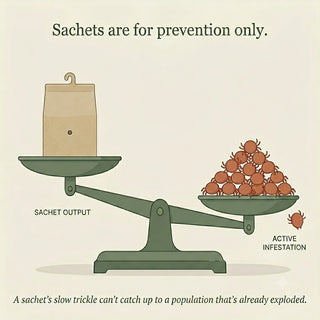
Prevention, not rescue. A sachet releases over weeks, which is exactly the wrong speed for an infestation that is already running. Bottles are the knockdown; sachets are what holds the line afterwards.
Will it work in your room?
Two checks. If damage is already spreading, run bottles first and start these five to seven days later. And keep moderate airflow rather than a fan pointed at the canopy — direct fan pressure dries the sachet and knocks emerging mites off the plant.
About Special Blend sachets
Four predatory mite species in one paper sachet, releasing together for four to six weeks. The blend exists because rooms are not laboratories: when the temperature or humidity swings, the species that stalls hands off to one that does not.
New to sachets?
Five things that catch almost everyone the first time.
After you hang it
What changes, how you would know, and when to replace it.
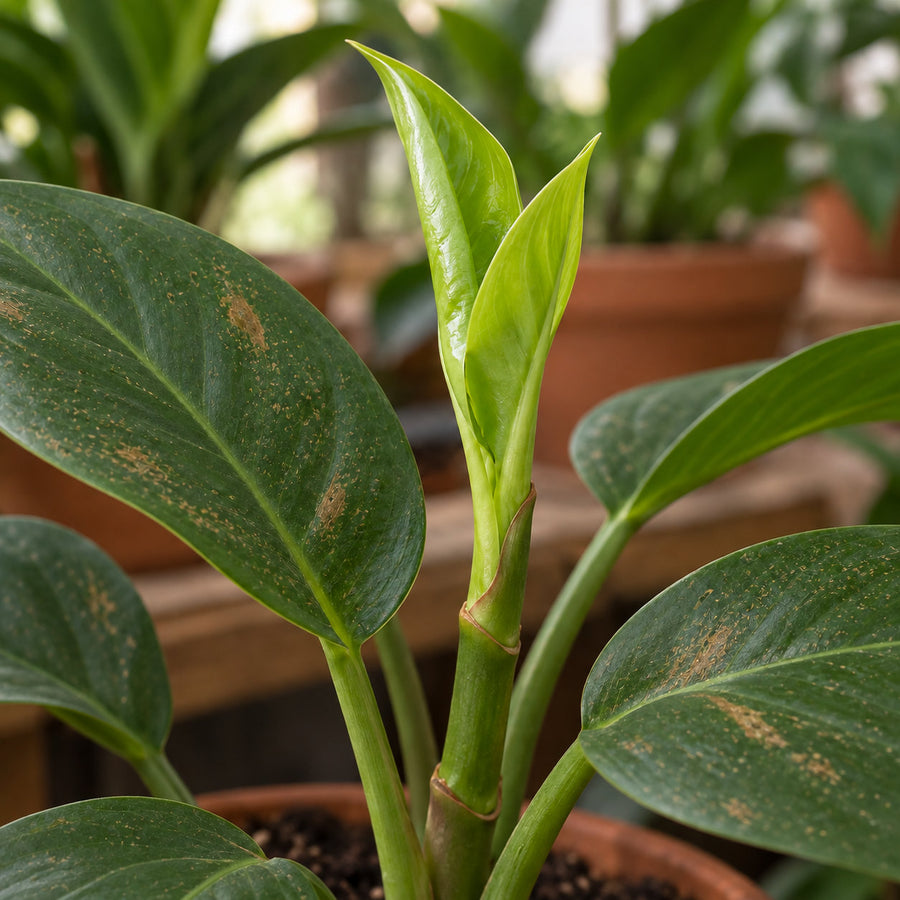
How you'll know it's working
Nothing visible, which is the point. New growth comes in undamaged: no stippling, no webbing, no twisted leaves, no fresh scarring — and the sachet looks identical from the outside the entire time.
Judge it on new damage rather than on mites you can spot. Damage already on a leaf is permanent — a cupped leaf never uncups and stippling never fills back in — so read the growth that comes after. The most reliable indicator of whether a sachet is still active is not the sachet, it is the calendar: four to six weeks in, it has released what it had.
Mark four weeks on a calendar when you hang them. The failure people actually have with sachets is not a bad colony — it is a good one that ran out three weeks ago on a plant nobody has checked since.
Getting it to you
What is in the packet, how it travels, and what happens if it arrives wrong.
What arrives
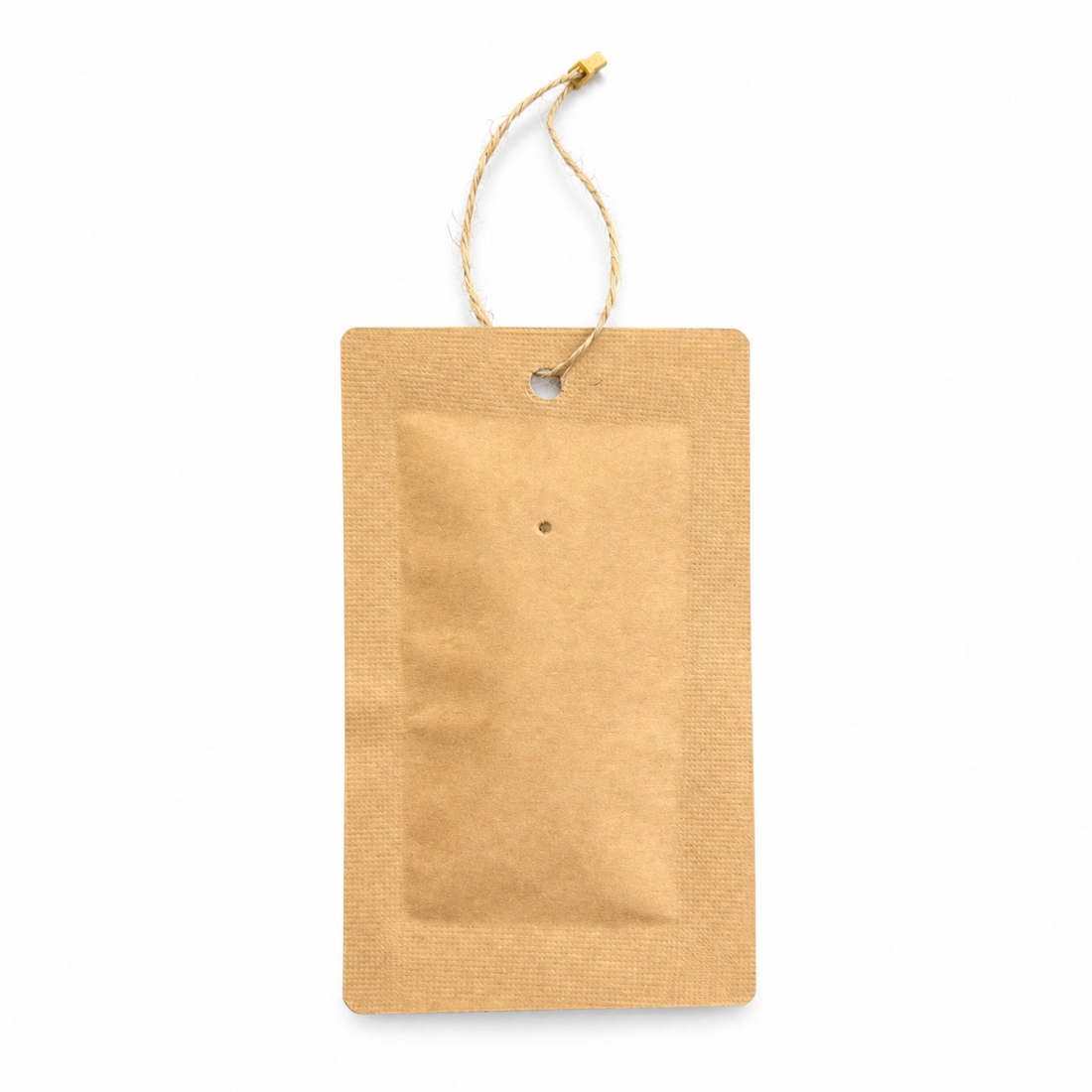
Sachets of paper, each one a live breeding colony on a bran medium with a food source sealed in beside it.
Nothing about the outside tells you anything. There is no window, no movement to look for, and no test you can run — the mites are half a millimetre and they are inside.
Hang them the day they arrive. These are living colonies rather than shelf stock, and every day in the box is a day off the release window you paid for.
When it ships, and when it lands
Shipping
We ship when they're ready to travel. Live orders go out Monday to Thursday. If a colony needs a beat to peak, or we're propagating a fresh batch, yours might hold up to a week. All mites and insects ship 2-day or Overnight depending on what's best for them.
When it lands
Unpack and hang the same day. One per large plant, or one every three to five feet through a canopy. On a stem in the middle of the foliage, in shade, above the soil line — not in a hot spot of direct light, and not where watering will soak it. Then leave it alone for four to six weeks.
About the ones that don't make it
Some of them die on the way. That is why we send more than you paid for.
A predatory mite is the size of a grain of table salt, and a sachet is a breeding colony in a paper packet, in a van, for two days.
Roughly 15% will not survive that. We cannot prevent it, so we price it in: the founding population gets counted out, and then the cushion goes in on top of it.
Your sachet leaves here holding more than the label says — and unlike a bottle, the survivors breed, so the number that matters is the one a week from now.
If you can see them
Ladybugs, lacewing larvae, Orius — the minute pirate bug — and the beetles. Tip a few onto white paper and give them twenty minutes at room temperature before you judge anybody.
Cold insects are genuinely good at playing dead. The deceased have been known to get up and walk off the counter.
Still more than about one in seven not moving? Photograph them and file a report.
The photo is not us doubting you. It is how we tell a bad batch from a bad courier day from a mailbox that hit 104°F.
If you can't see them
Mites, nematodes, eggs — and sachets more than any of them. A sealed paper packet looks identical whether the colony inside is thriving or gone, and no photograph settles that. So we don't ask you to take one.
You file the report and our entomologist takes you through the diagnostic instead — where the box sat, what your room was doing, whether the paper arrived damp, and then what the pest is doing about ten days later.
Please do not open a sachet to check. It is the one thing that guarantees the outcome you were worried about, and we cannot replace it afterwards.
Seventy-two hours from delivery, either way, with your order number. Replacement or store credit, your pick.
What it does not reach
Three gaps this page has already named, and the beneficial that closes each one.
The same four species, delivered all at once
Same blend, different speed. A sachet trickles mites out over four to six weeks, which is right for keeping a clean plant clean and wrong for a population that is already running. The bottle puts the whole mix onto the leaves the day it arrives. The standard play is both: bottles for the knockdown, then hang sachets five to seven days later to hold the ground you just took back.
Predatory mites take thrips young, not thrips adults
Eggs and larvae are the stage worth killing, because that is what becomes next month's adults — and the blend covers it well. What no predatory mite does is take an adult thrips. If you are seeing them fly up off the leaves when you brush the plant, Orius insidiosus, the minute pirate bug, hunts adults directly. Run Orius alongside the sachets rather than instead of them.
A known pest is worth a specialist
The blend earns its place when you do not know what is coming. When you do — and it is web-spinning spider mites on a warm, humid plant — Phytoseiulus persimilis is faster on that one pest than anything else we carry. It tracks them by scent and walks into webbing that turns generalists back. Narrower, and better where it is aimed.
Two cheap things that make the rest work harder. Blue cards give you the dated count this page keeps asking you to read. Breeder's Blend is pollen and Artemia; it keeps the population fed through the lull when prey gets scarce.
Questions
How long does one Special Blend sachet actively release mites?
Each sachet typically releases predatory mites for approximately 4–6 weeks, depending on temperature and humidity. Warmer conditions accelerate development and release, while cooler environments slow it down. After the colony completes its cycle, the sachet is finished and should be replaced for continued prevention.
Can I use Special Blend sachets alongside other biological controls?
Yes. Special Blend sachets can be integrated into a broader biological pest control program. They are commonly used alongside beneficial nematodes, adult mite bottles, or compatible beneficial insects. Avoid combining with broad-spectrum pesticides or miticides, as chemical residues can harm beneficial predators.
Will the mites spread throughout my home?
Predatory mites remain on plants where prey is present. They require plant-based environments and suitable humidity to survive. They do not infest homes, furniture, or people. Once prey pressure drops, their population naturally declines.
Do these mites bite humans or pets?
No. The species in Special Blend feed on small arthropods and pest eggs or larvae. They do not bite humans or animals and are considered safe for use around pets when applied as directed.
Can I use Special Blend sachets year-round?
Yes. Many indoor growers and greenhouse operators use predatory mite sachets continuously as part of an integrated pest management program. In lower-light or cooler seasons, release may occur more slowly, but prevention remains effective when sachets are replaced on a consistent schedule.
How do I know if the sachet is still active?
Because release is gradual and mites are microscopic, activity is rarely visible. The most reliable indicator is time. If the sachet has been in place for 4–6 weeks, it has likely completed most of its release cycle and should be replaced to maintain continuous biological protection.
I feel safe knowing I have a microscopic army at work in my greenhouse.
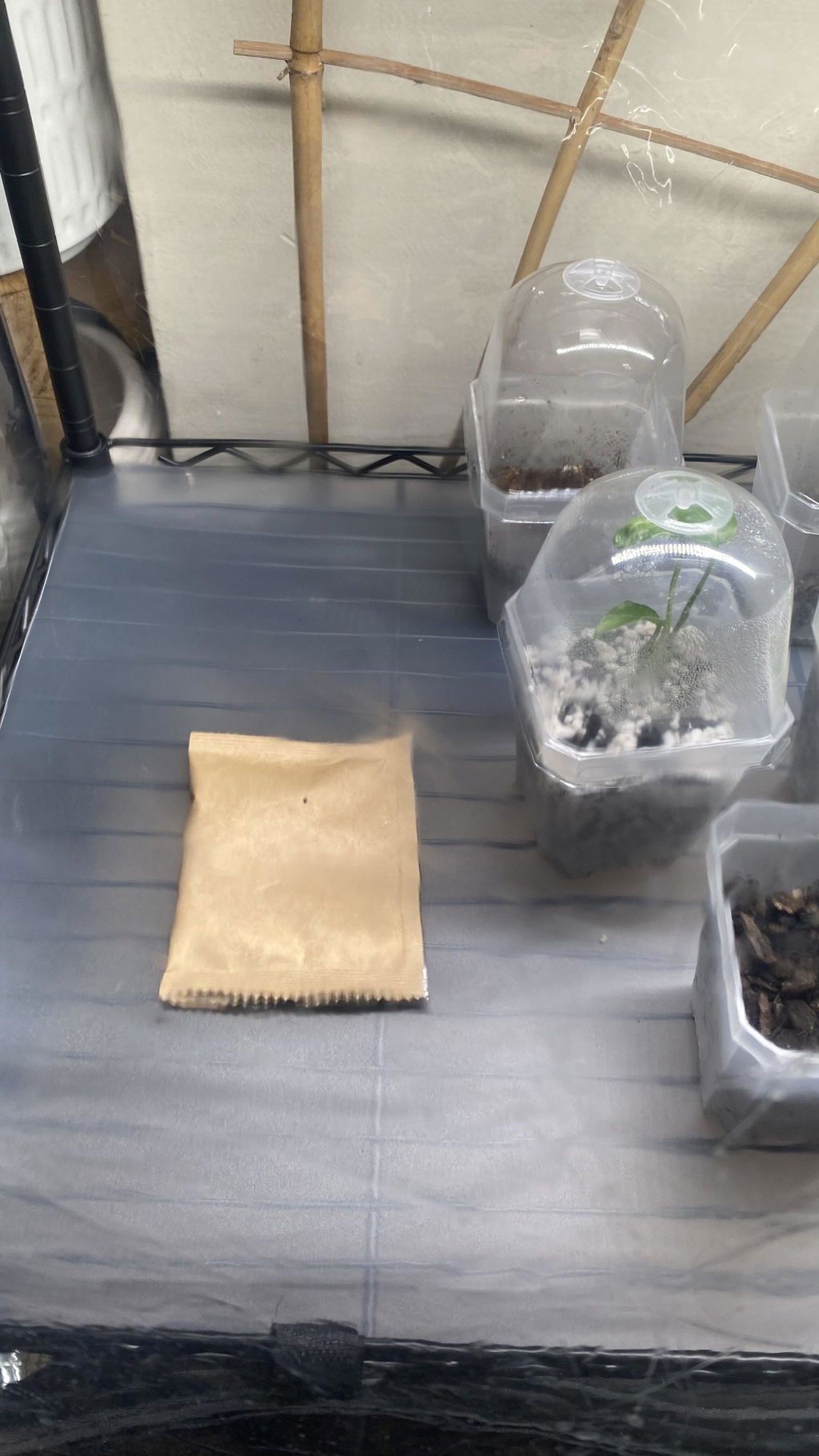
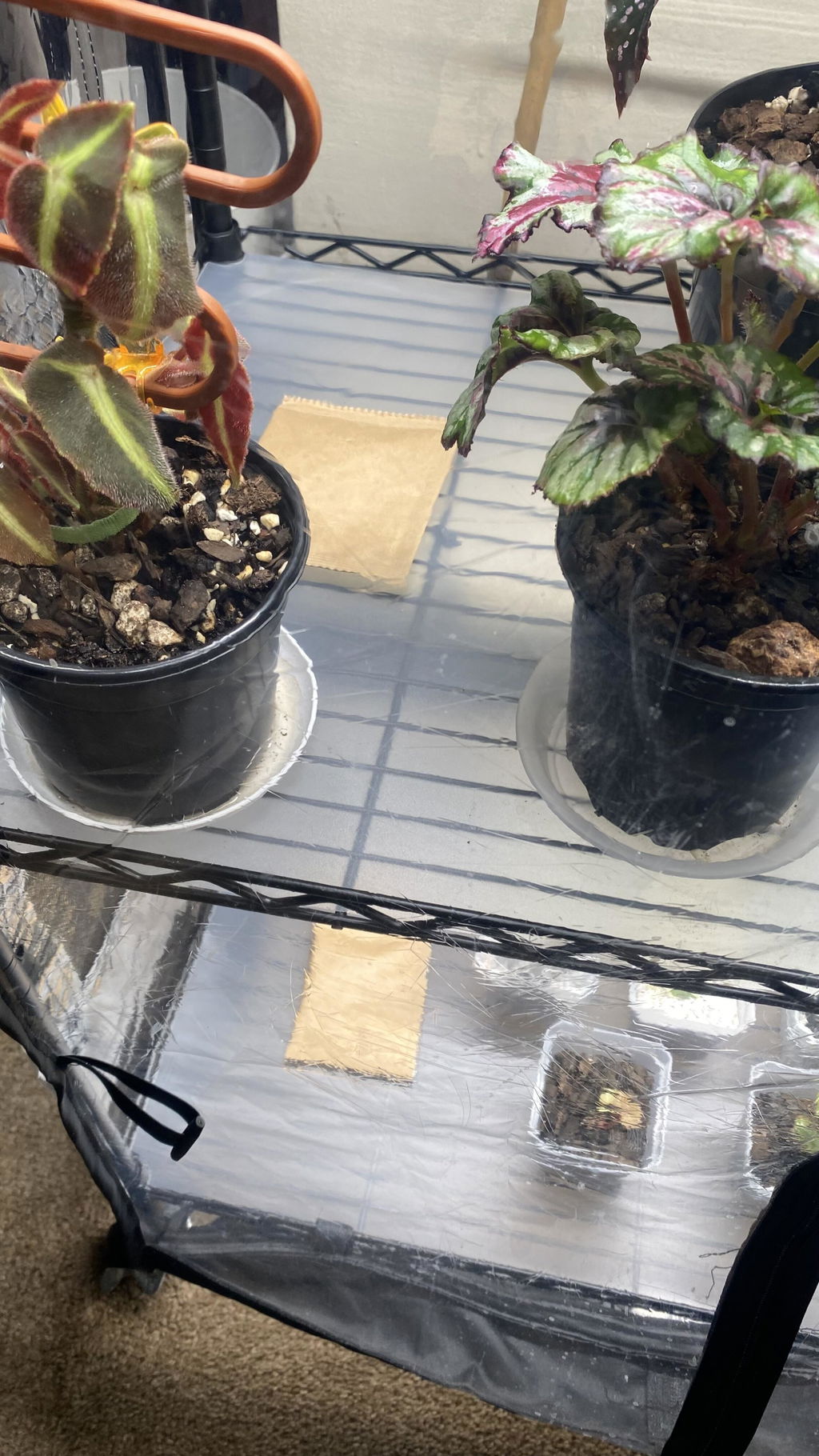
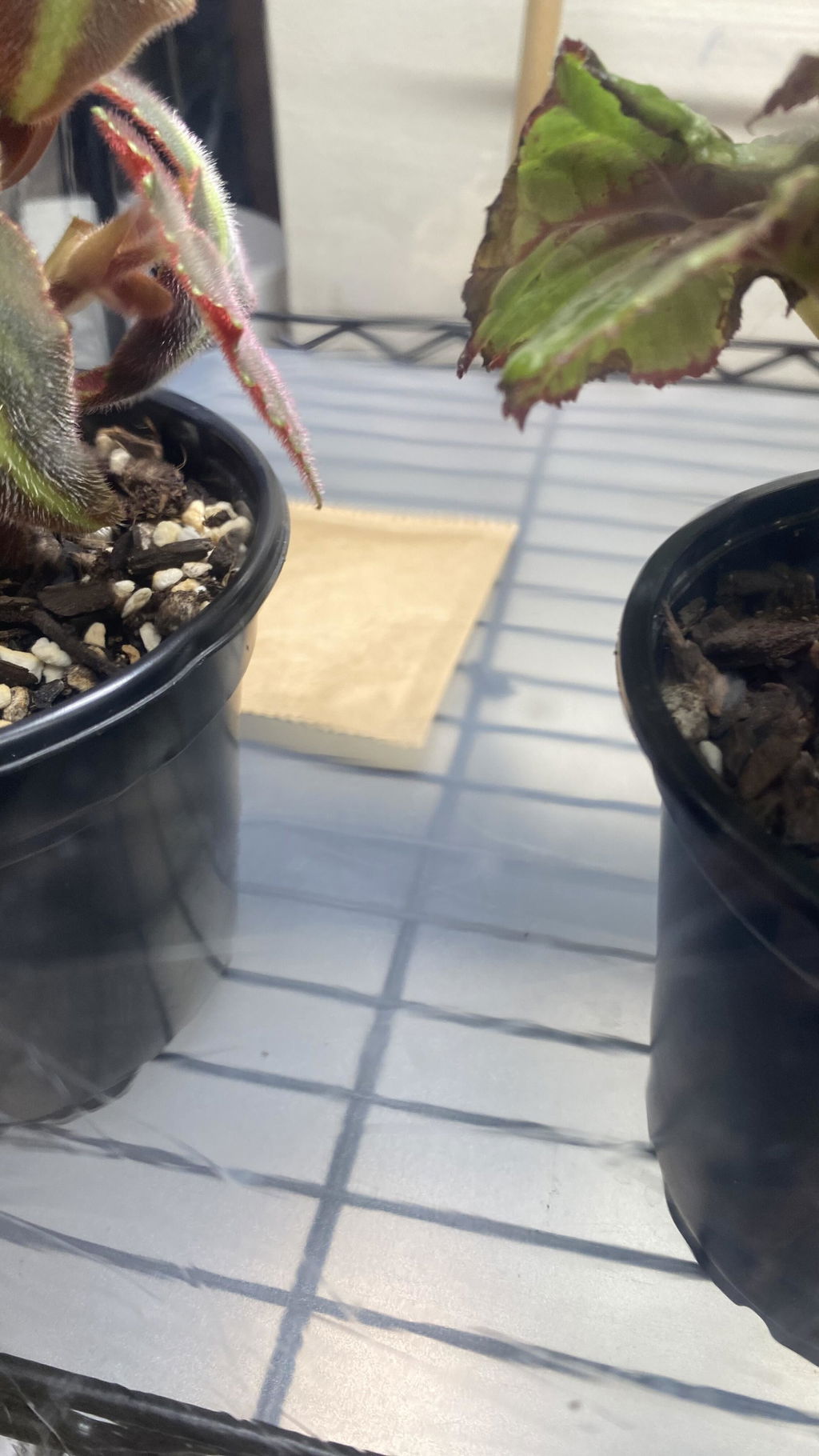
Exactly what I needed for my plant kids! Thank you so much.
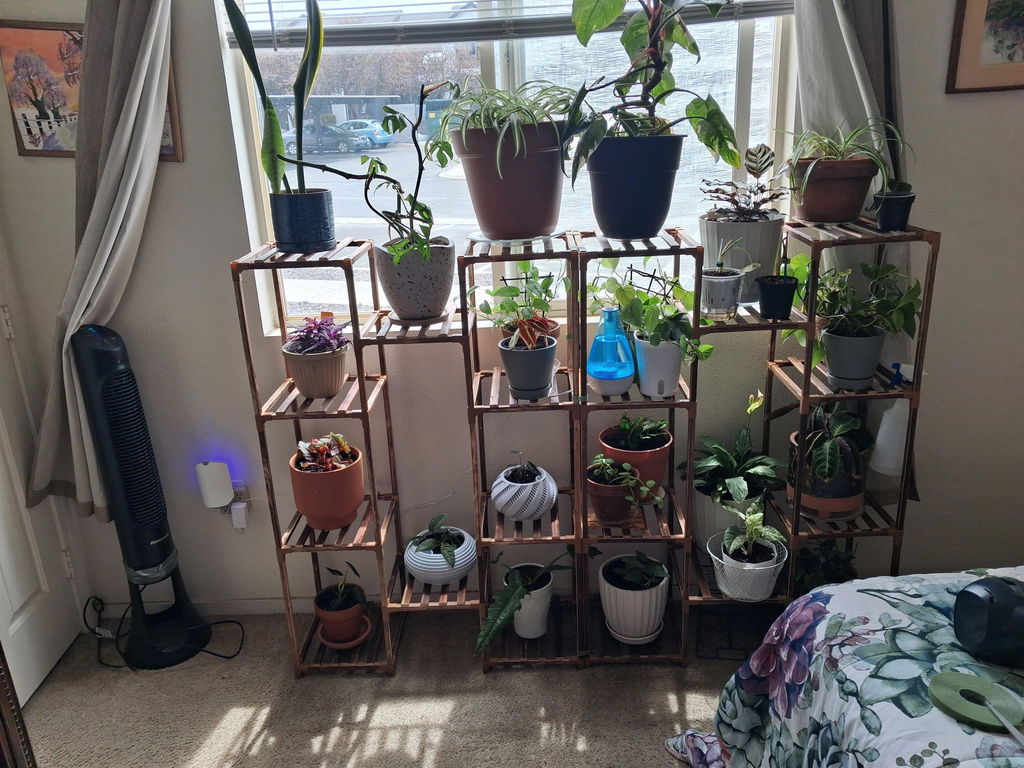
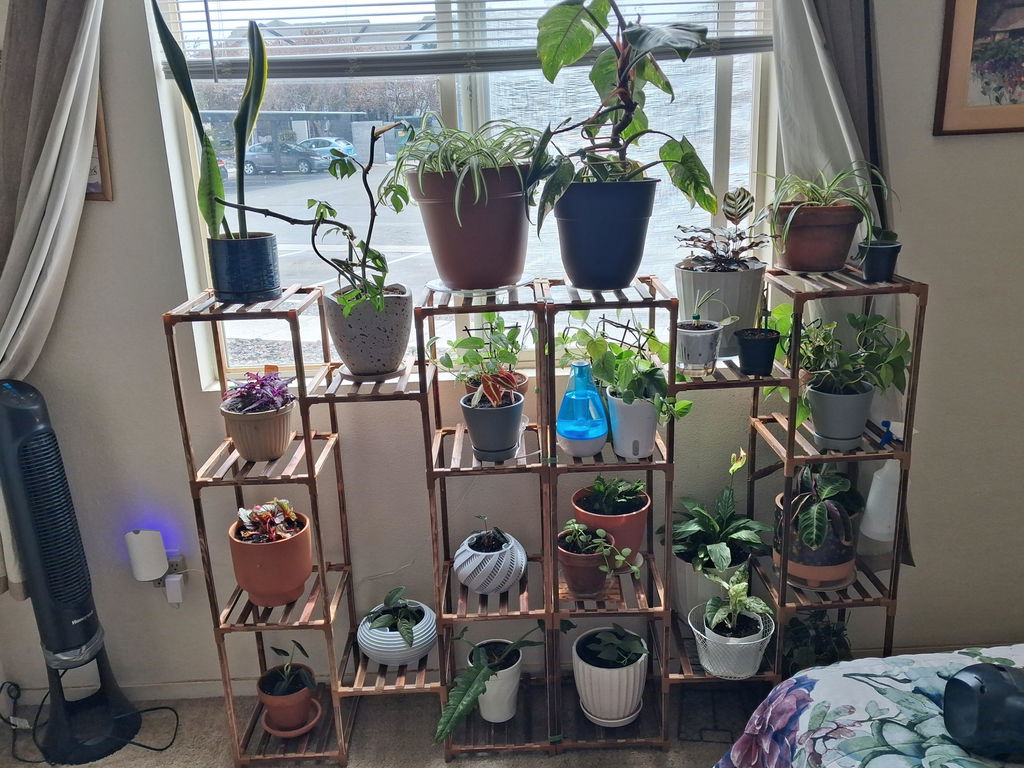
I see the care FGMN put into handling and packaging before handing it off to UPS; however, UPS did not care as much. The box arrived with significant dents in two sides and the cold pack was wasrm to the touch and warmer than the outside air (upper 70s or lower 80s). As the mites are tiny and there were several life stages, I am hoping they made it through okay and are feasting on spider mites now.
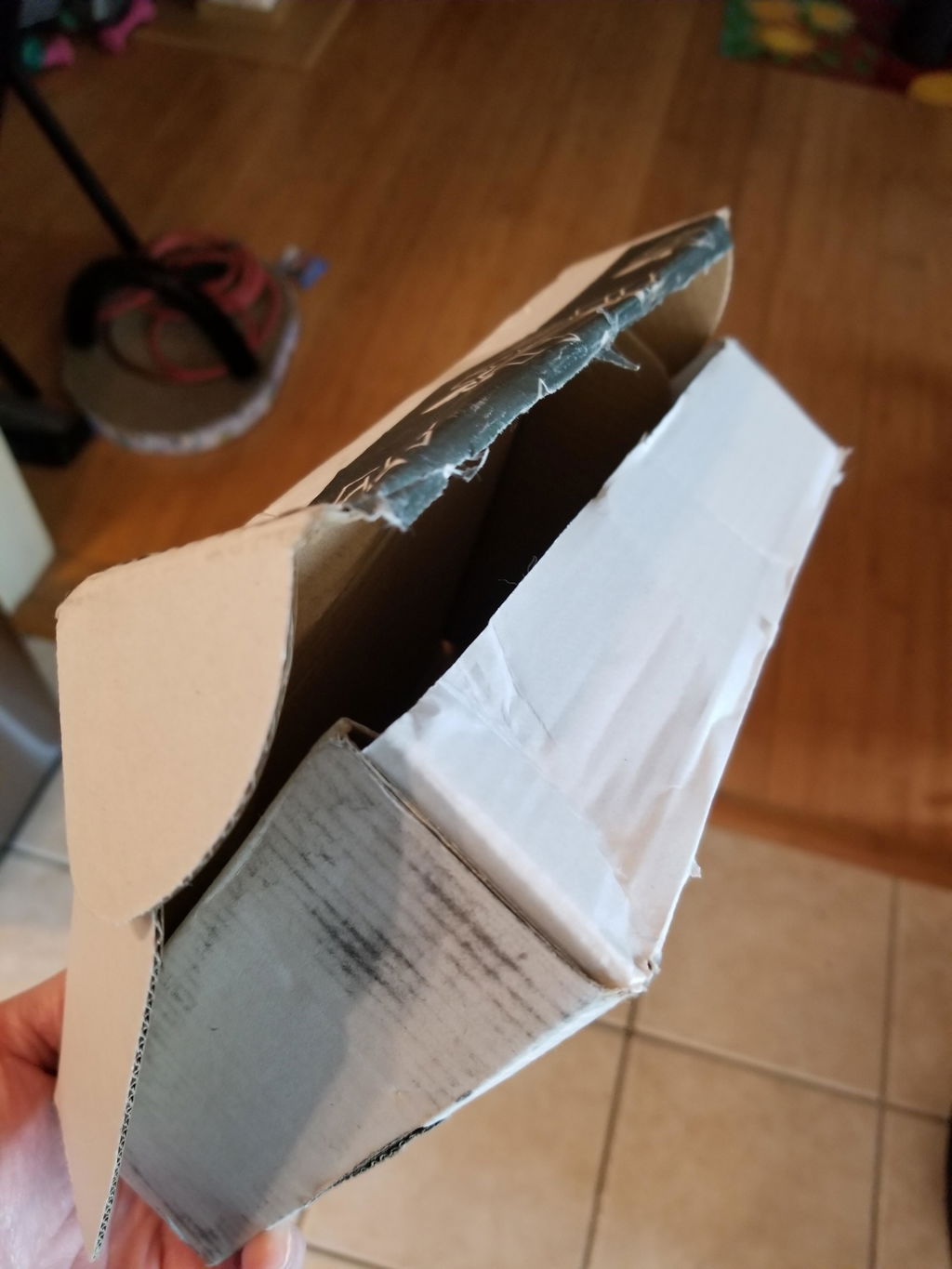
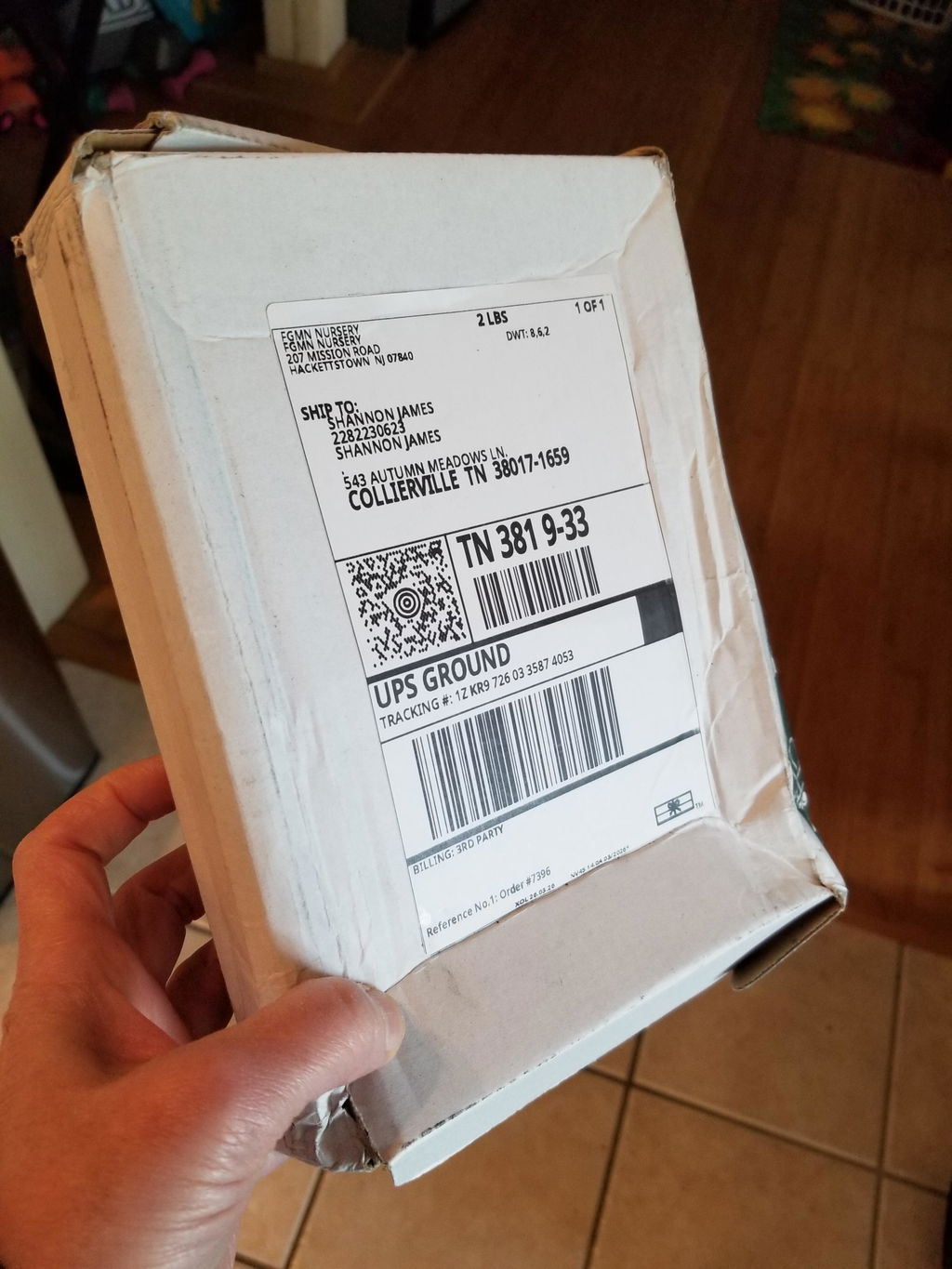
Oh no! Let's start with the mites first-- luckily they'll be just fine in those temps (they actually prefer them). Warm ice pack and all, they're actually pretty hardy. But of course..... what the heck UPS? Did you drive over the box?
That damage may qualify you for a UPS claim. If you'd like us to file one, please email your order number and the pictures at info@fgmnnursery.com and we'll take it from there.
Rest assured, if you don't want to go through the trouble the mites are good and we have the live guarantee if you at all suspect they're not. Just let us know at that same email listed above.
Thank you for shopping with us! We appreciate all the time and care you put into your plants and choosing us to be a partner in that.
I have used other sachets, and I can kind of see the mites. I could not see any of the insects in these sachets at all, so I’m a little nervous they aren’t working. But there are no bad insects so maybe they are! The size is a little bulky, but if they keep pests away I’m happy.
I’m using the slow release packets in a small unheated greenhouse and they appear to be working just fine. Thanks for your product.
So far so good. Working as advertised.
Quick shipping, effective packaging, and lots of useful information included on the product and more. Everything seems to be good even though the main bag they came in was open! Thank you!
I bought these when I bought some lady bug and lace wing infestation outside. I wasn’t expecting much but the plants I placed them on seemed to be doing better. Will get another batch.
They seem to be doing their job. Can't really seem them, as its supposed to be.
Looked at the critters under a microscope. They look happy and healthy. Pretty sure Isaw a couple of the dancing the Mambo!
LOL They’re learning! They were only do the Salsa last month. Thank you!
I got these as a preventative because I’m always freaking out about insects and worried about pests on my plants. I’m a new plant owner so I’m trying to do everything right. These sachets give me peace of mind. If I look very closely, I can see the predatory mites occasionally, crawling around on the sachets and my plants, and it doesn’t freak me out at all. I like knowing they’re there. I opted for a monthly subscription because I always want to have them around. I have about 30 plants (some obtained after my mite order) so I’m going to increase the number of sachets.
These work great! I love the upgrade to brown pouches instead of white, however I find that with the white pouches, you could shine a light and see your mites moving around inside upon arrival. Now that the pouches are brown, the material is too thick to do so. If there was a way to keep the rustic look of the brown and have the ability to greet my mites upon arrival again, that would be ideal. Overall, I can't really complain, because they still do their job and look like much less of an eyesore hanging on my plants. Happy to have my mites!
This is the perfect way to keep the pests under controll
Everything arrived fine still waiting for results it has only been a week since I received the item. It is a slow release so I am waiting to see results
First time ever ordering beneficial insects and I can’t believe how easy this was definitely gonna order again
First time trying beneficial bugs for my plants, the ones that were ready got to work and I look forward to continuing to use them on my plants!
Great stuff! Helps keep my plants pest free. I’ve bought their preventative sachets twice (once every 5-6 weeks) and haven’t had a single pest incident even though I’ve brought home many, many new plants in this period. Will definitely buy again!
Really easy to apply. Litterally just hang on your plant. Hoping this helps keep little pests away
Everything arrived pretty quick and packaged nice. They seem to be doing their job.
Fast shipping! I can't see the bene's so I'm assuming they're doing their job! I'll be back for more when needed!
They were alive and already coming out of the sachets when I opened the bag. However, the sachets only had a small hole, and I wasn’t sure how to hang them on my plants at first. I had to go back to the website for instructions and realized I needed to cut a slit on the side to hang them properly. Once I did that, they worked perfectly! I’ll definitely be ordering more!!
I lost my entire anthurium collection to spider mites. Despite trying everything (neem, alcohol, you name it), I lost that.battle. The philodendrons were next and I gave these guys a chance. Customer for life.
Amazing experience! The beneficial mates work, and the customer service and quality is top-notch unmatched and will definitely keep using them going forward you’ve got a customer for life!
Ordering process was great. Haven’t seen any new damage.
Recieved my order on time, good communication and instructions from company. I think i see small bugs but time will tell if they protect from my roses from my spider mite issue
Great product. Worked where sprays and oil treatments did not.
Everything is dead
Hi Donna,
We want to clarify that your order did not arrive dead. The species purchased were not the correct predators for the pest issue present, which can make them appear inactive or ineffective in that context.
We reviewed your case carefully and, despite this being a product-selection issue rather than a product-quality issue, we issued a full store credit for the entire order.
We’re always happy to help match the right predators to the right pest so you see the results you expect.