


Horiver Professional Sticky Traps
At A Glance
Horiver sticky traps are the industry standard for IPM (Integrated Pest Management). Whether you are monitoring for early infestations or actively working to reduce flying pest populations, these professional-grade traps are the most reliable tool in your arsenal. With a high-tack, non-drying glue that remains effective in high-heat and high-humidity environments, they are designed to be the "eyes and ears" of your growing space.
-
Product Type: Sticky Trap (Monitoring & Mass Trapping).
-
Pack Size: 10 or 12 traps per pack
-
Key Advantage: Professional-grade glue that does not dry out, drip, or lose tackiness.
-
Compatibility: Completely pesticide-free and safe to use alongside predatory mites and insects.
Which Horiver is right for you?
Answ
The Color-Coded Trap Guide
Best Placement Practices
Selection Guide
Storage and Handling
Join Karen's Live Shows — Pests, Plants & Predators on PalmStreet.
Every Friday at 7pm EST — plus additional shows throughout the week. Ask your pest questions in real time — we answer everything.
The Weekly Newsletter
A weekly excuse to be weird about bugs at parties.
Weekly dispatches on the quietly alarming things happening in your soil. All of it real.
No spam. Leave whenever.
You're in
The first strange true thing arrives next week.
FAQ
Why use Blue for Thrips and Yellow for everything else?
Why use White (Dry) traps?
Will these get rid of my infestation completely?
Are they safe for my pets?
How often should I replace them?
What if I don't catch any pests on my traps?
Mite Matters
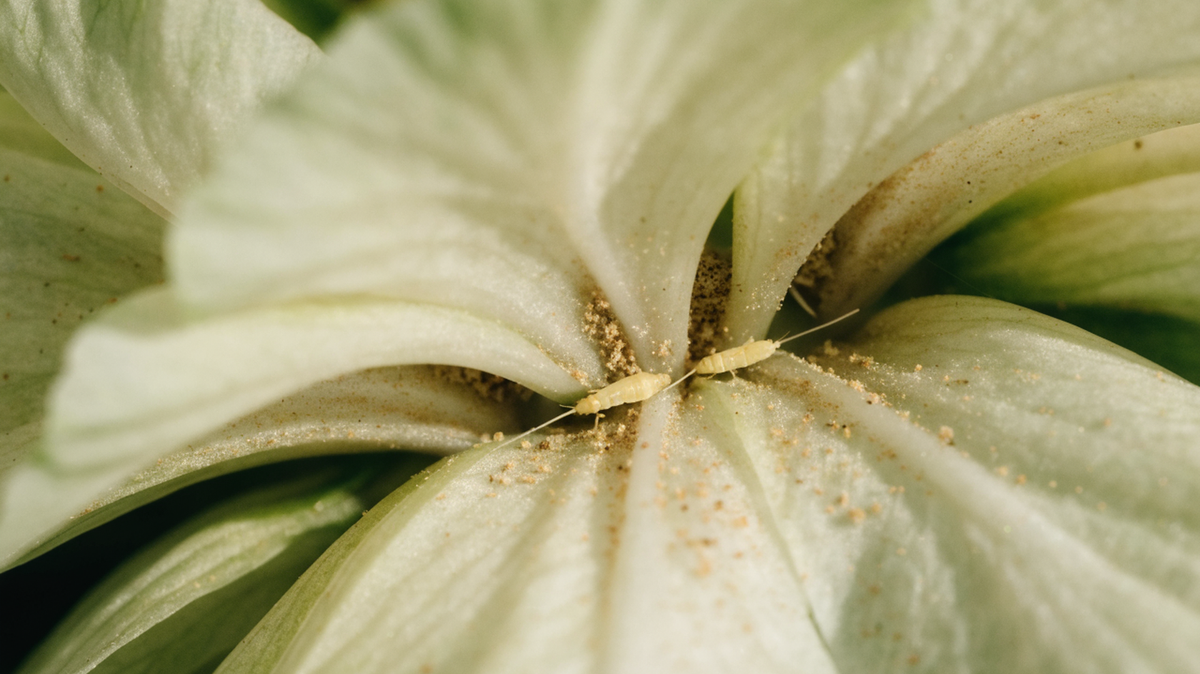
Thrips Have Six Stages. Cucumeris Reaches One.
A thrips passes through six life stages and cucumeris can kill one of them. Second instars do not just survive the attack — they fight it off, and they destroy the predator's eggs on the way past. That single fact explains the lag, the reservoir, and most of the disappointment.
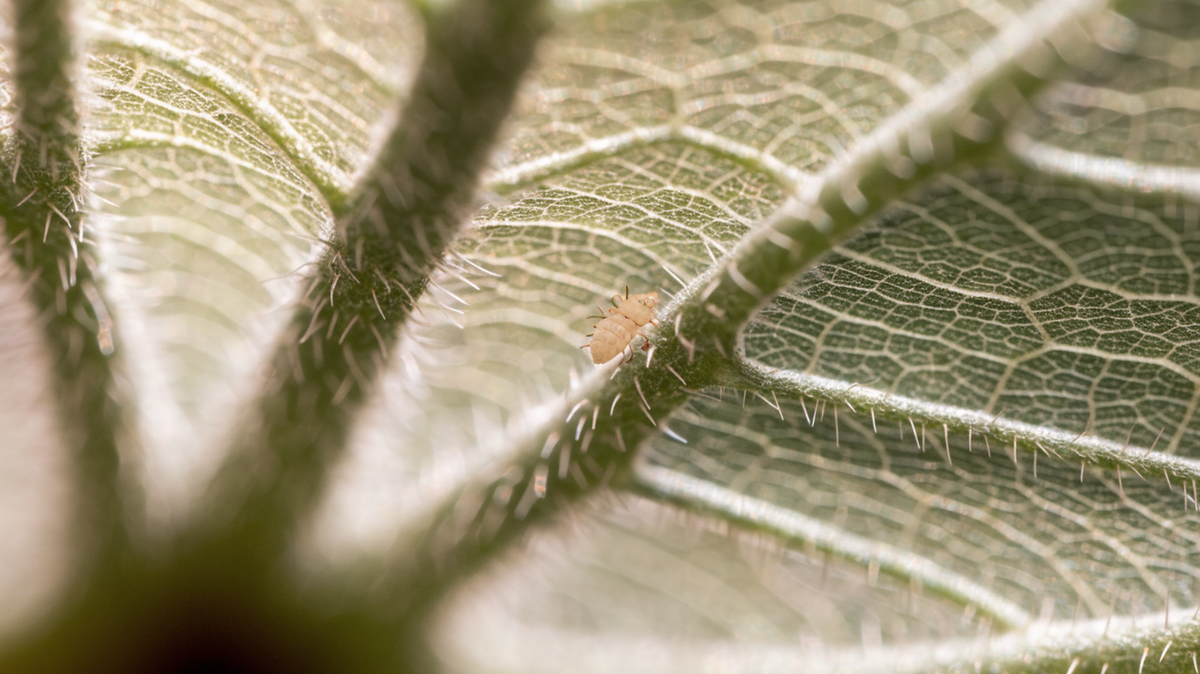
Four Predatory Mites, Compared. Two of the Columns Are Guesses.
Every supplier prints the same four-column comparison table. We went and read the papers behind each cell. One column rests on unpublished company data, one species has never been trialled against thrips at all, and the humidity row is backwards. Here is that table with the guesses marked.
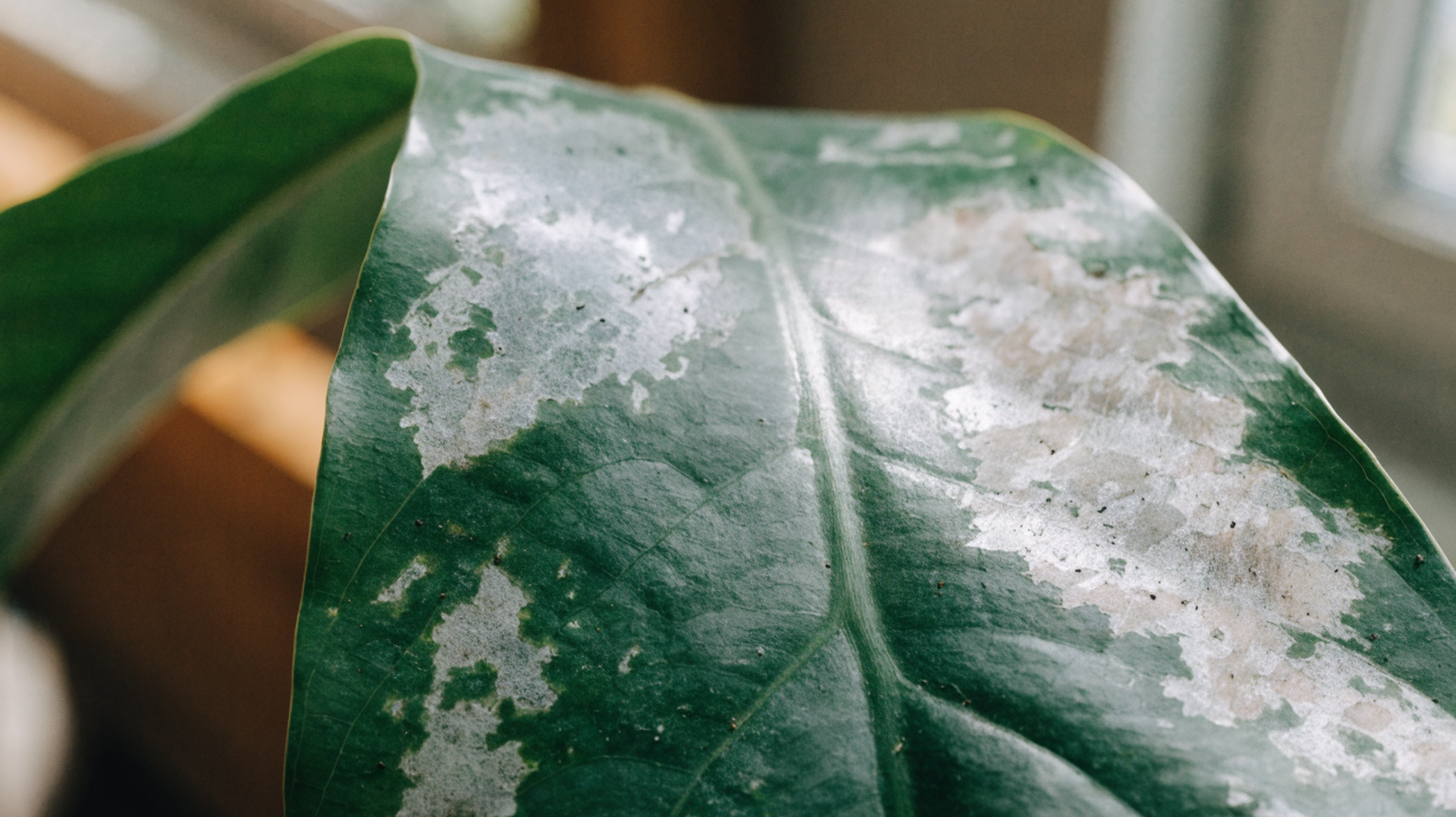
Your Cucumeris Are Alive. Your Thrips Are Winning.
Your mites are alive. Your thrips are also alive. That combination has twelve documented causes, and what the mites are doing — where they are, what they are sitting next to — narrows it to one or two in about five minutes.