


Diglyphus isaea
At A Glance
Diglyphus isaea is a highly effective parasitic wasp and the premier biological solution for controlling Leafminers (Liriomyza spp.). Unlike other predators that hunt on the leaf surface, Diglyphus is a specialized ectoparasitoid that locates leafminer larvae hidden inside the leaf tissue. The adult female stings and paralyzes the leafminer before laying an egg next to it, providing an immediate stop to leaf damage. This is a crucial tool for aroid collectors and commercial growers looking to preserve the aesthetic integrity of high-value foliage.
-
Common Name: Leafminer Parasite
-
Target: All major Leafminer species (Liriomyza bryoniae, L. trifolii, L. huidobrensis).
-
Format: Adult wasps in a carrier bottle.
-
Best For: Curative control in greenhouses, indoor gardens, and nurseries with active leafminer trails.
-
Key Advantage: Fast population buildup and "host-feeding" behavior, where adults kill additional leafminers for nutrition, increasing their total impact.
Target Pests
Environmental Needs
Selection Guide
How to Use
How They're Shipped
Join Karen's Live Shows — Pests, Plants & Predators on PalmStreet.
Every Friday at 7pm EST — plus additional shows throughout the week. Ask your pest questions in real time — we answer everything.

FAQ
What is your Live Delivery Guarantee?
We guarantee that your beneficial insects will arrive healthy and ready to work. Because we are shipping live organisms, we use packaging and expedited shipping to ensure their safety. In the rare event that your order is compromised during transit, please take a photo of the package and contact us within 24 hours of delivery so we can make it right.
Do these wasps sting humans or pets?
How do I know if they are working?
Can I use these with yellow sticky traps?
How long does a release last?
Why are these more expensive than generalist predators?
Can I use these alongside Lacewings or Mites?
Help! I'm overwhelmed
Yeah, it's a lot the first time you're using predatory mites. Please email us at info@fgmnnursery.com and we'll be happy to help!
I don’t see anything moving in my bottle or sachet. Does that mean they’re dead?
Not at all! In fact, go ahead and deploy them.
Predatory mites are microscopic (often less than 0.5mm) and naturally blend into their carrier medium (bran or vermiculite).
- For Bottles: The mites often huddle in the center of the bottle for insulation during transit.
- For Sachets: These are "slow-release" nurseries. The mites stay tucked deep inside the breeding media and emerge one by one over 2–4 weeks. Seeing an "empty-looking" sachet or bottle is not proof of a loss; it is simply how they are packaged for maximum survival.
Mite Matters
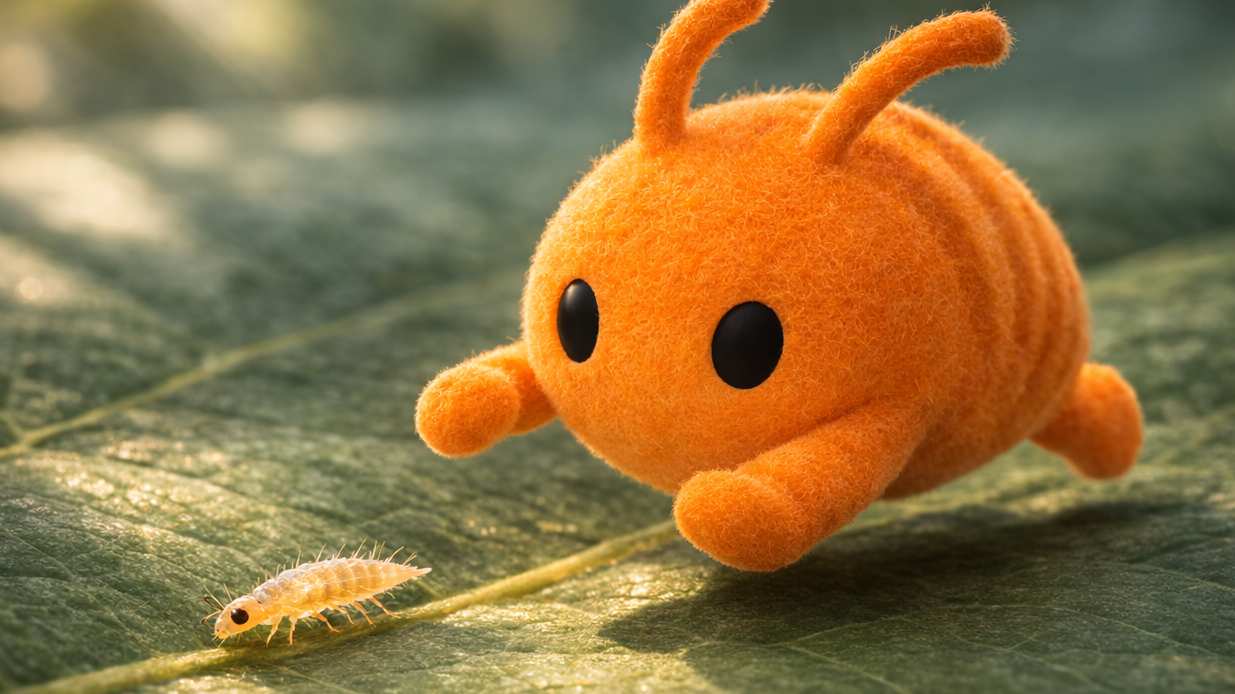
They Eat Pests for a Living. You're Welcome.
Predatory mites are the biological control solution to spider mites, thrips, broad mites, fungus gnats, and more — and they don't harm plants, people, or pets. If someone has suggested you add more mites to fix your mite problem, this is the article that explains why that's actually correct.
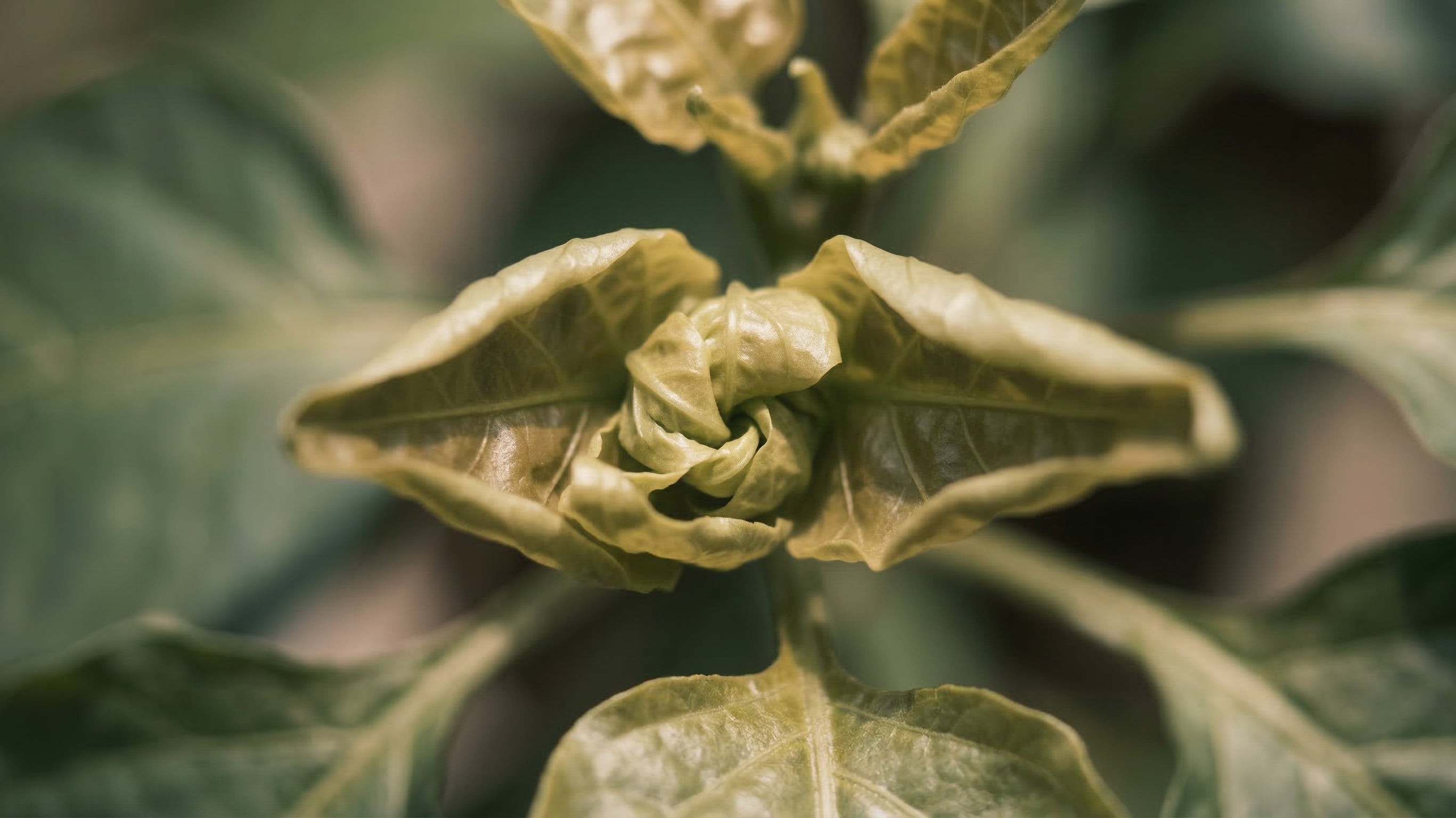
No Webbing. No Warning. No Fun.
Broad mites are microscopic pest mites that cause twisted, bronzed new growth on peppers, cannabis, hoyas, and dozens of other plants — and they're almost always misdiagnosed first. No webbing, no visible culprit, just a plant that keeps getting worse while you adjust the pH. Here's what they actually are, how to identify the damage, and how to get rid of them for good.
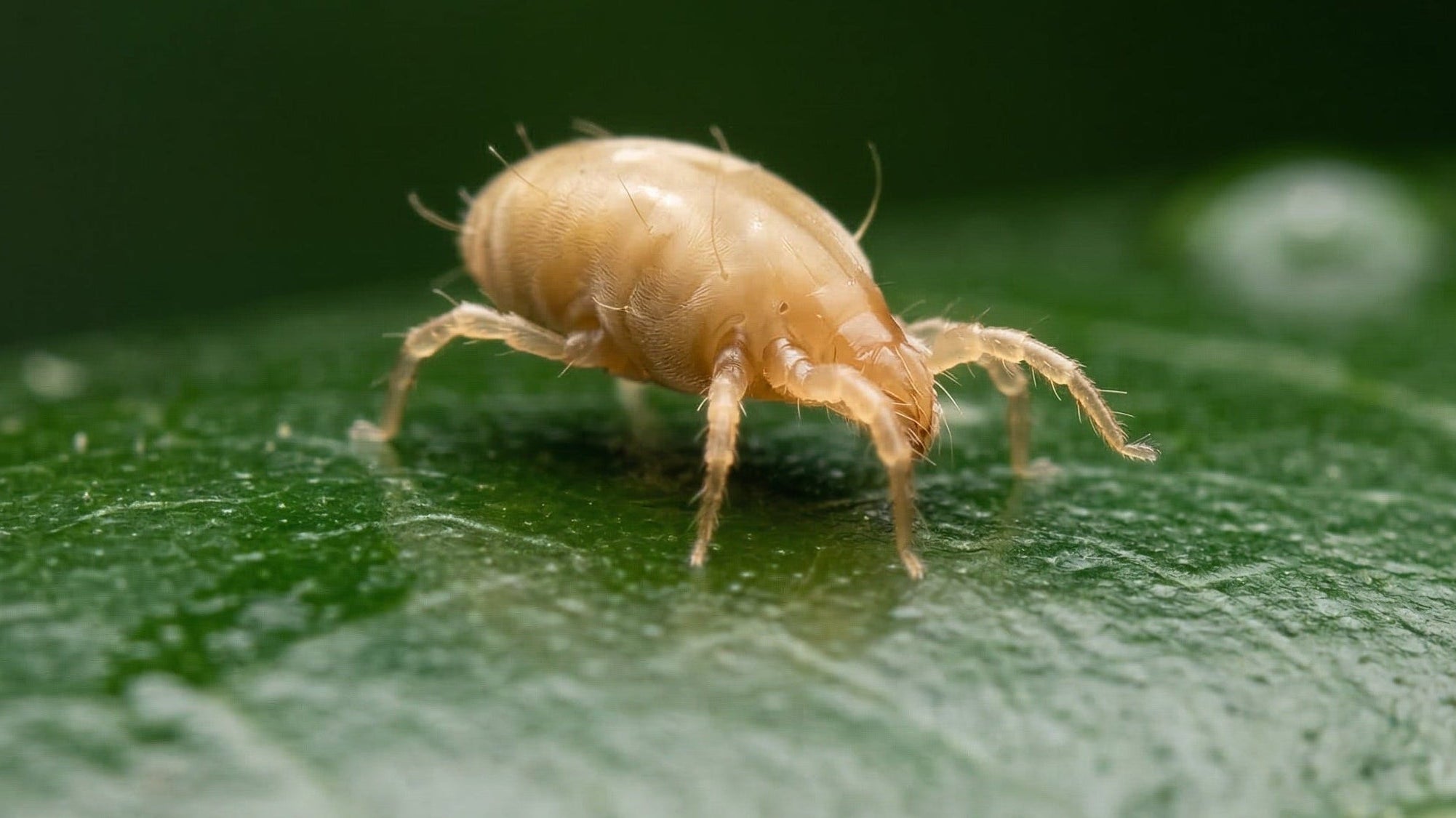
Limonicus: Late to Market, Early to Hunt
Most predatory mites do one thing well. Limonicus hunts thrips, whitefly, and spider mites — and survives on pollen when there's nothing left to kill. Meet biocontrol's most versatile generalist.