Green Lacewing Eggs

Regular price $28.00

2 reviews
While uncommon, order processing can take up to 7 days depending on hatching rates and life stages.
Live Delivery Guaranteed

Free Shipping!
All mites and insects ship 2-day or Overnight depending on what's best for them.


Green Lacewing Eggs

At A Glance

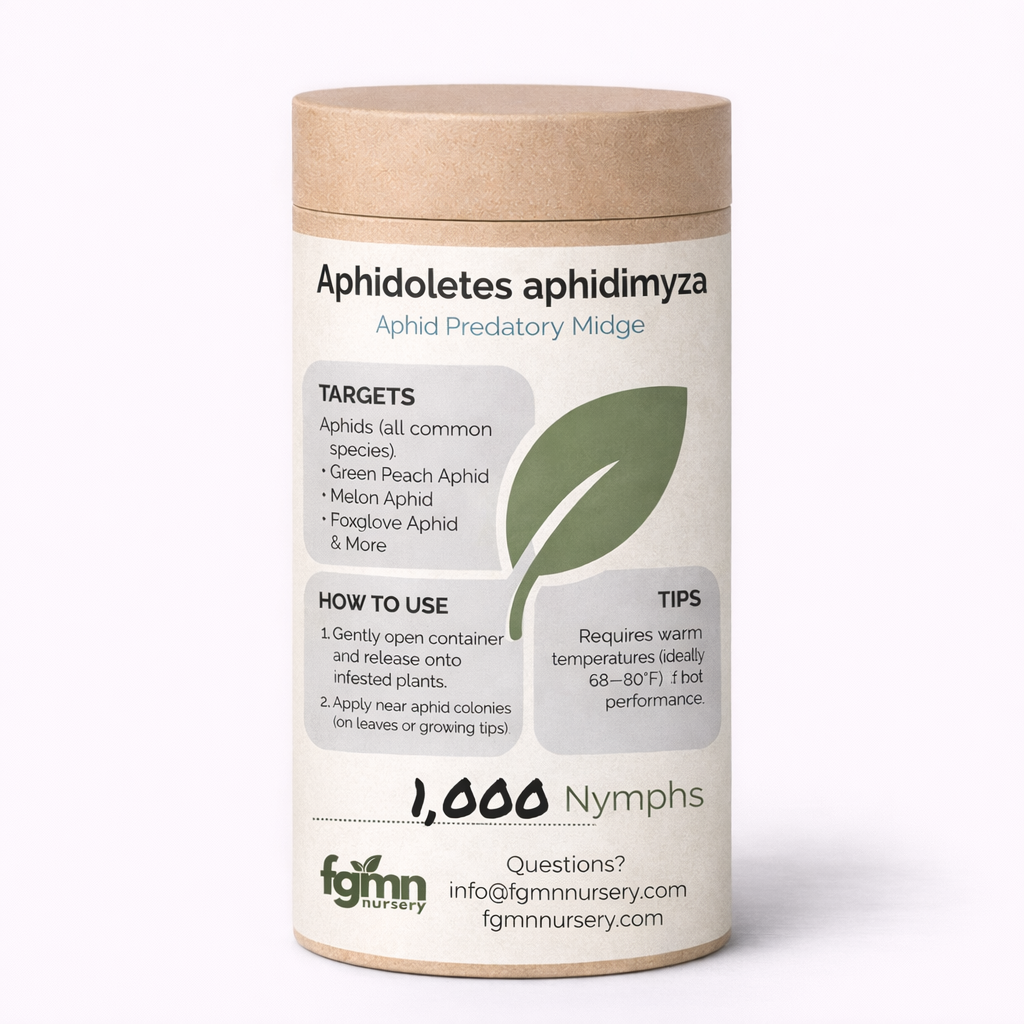
Chrysoperla carnea (Green Lacewing) eggs are a cornerstone of Integrated Pest Management (IPM). Known as the "Aphid Lion" in their larval stage, these generalist predators provide a slow-release biological control solution for a wide range of soft-bodied insects. This specific formulation includes Koppert’s Eggjuvant, a specialized carrier that enhances egg adhesion to leaf surfaces and improves distribution uniformity. By using eggs instead of larvae, you establish a "timed" defense system that hatches directly onto your plants, ensuring long-term protection in greenhouses, grow tents, and indoor gardens.

  • Common Name: Green Lacewing

  • Target: Generalist predator; highly effective against Aphids ("Aphid Lion").

  • Format: Loose eggs mixed with Koppert’s Eggjuvant.

  • Best For: Preventive or light curative control in indoor gardens, greenhouses, and grow tents.

  • Key Advantage: Eggjuvant improves egg distribution and adhesion, preventing them from falling off foliage before hatching.

Target Pests

Chrysoperla carnea is an aggressive generalist predator. While they are the gold standard for Aphid control, the larvae will opportunistically hunt:

  • Aphids: Every species (Green Peach, Melon, Potato, etc.)
  • Two-spotted Spider Mites (Tetranychus urticae)
  • Mealybugs and Scale crawlers
  • Thrips (early instar larvae)
  • Whitefly eggs and nymphs
  • Small moth eggs and young caterpillars
Environmental Needs

To maximize the hatching rate and predatory activity of your Lacewing eggs, maintain the following conditions:

  • Optimal Temperature: 18°C – 28°C (64°F – 82°F).
  • Critical Humidity: Above 60% RH. High humidity is vital to prevent egg desiccation (drying out).
  • Lighting: Active during natural or supplemental daylight hours; effective in year-round indoor cultivation.
Selection Guide

Choosing the right biological control agent depends on your current pest pressure. Here is why Chrysoperla carnea eggs with Eggjuvant are the superior choice:

  • Eggs vs. Larvae: While larvae provide "instant" knockdown, they are prone to cannibalism during shipping and have a shorter shelf life. Eggs allow for a sustained release, hatching over several days to provide continuous protection as new pests emerge.
  • The Eggjuvant Difference: Standard loose eggs often roll off smooth leaves and fall into the soil, where they are consumed by ants or soil mites. Eggjuvant acts as a natural "glue," keeping the eggs on the foliage where the pests live, significantly increasing your hatch-to-hunt success rate.
  • Generalist vs. Specialist: Unlike Aphidius wasps (which only target specific aphids) or Persimilis (which only eat spider mites), Lacewing larvae are "biological vacuum cleaners" that clear out multiple pest species simultaneously, making them the best choice for mixed-pest environments.
How to Use

Acclimation: Allow the container to reach room temperature before application.

Application: Gently rotate the bottle to mix the eggs and Eggjuvant. Sprinkle the mixture directly onto the leaves, focusing on the undersides and the upper canopy.

Deployment: Apply during periods of low light or after grow lights are dimmed to reduce stress on emerging larvae.

Frequency: For maintenance, release every 2–4 weeks. For light infestations, release weekly for three consecutive weeks.

How They're Shipped

Formulation: Shipped as dormant eggs mixed with Koppert’s Eggjuvant for superior adhesion.

Protection: Packaged in breathable, temperature-regulated containers to ensure viability during transit.

Storage: Beneficial insects are "perishable" live goods. Release immediately upon delivery. If storage is unavoidable, keep at 8°C – 10°C (46°F – 50°F) for no more than 24 hours.

Join Karen's Live Shows — Pests, Plants & Predators on PalmStreet.

Every Friday at 7pm EST — plus additional shows throughout the week. Ask your pest questions in real time — we answer everything.

Bookmark our shows →

FAQ

What is your Live Delivery Guarantee?

We guarantee that your beneficial insects will arrive healthy and ready to work. Because we are shipping live organisms, we use packaging and expedited shipping to ensure their safety. In the rare event that your order is compromised during transit, please take a photo of the package and contact us within 24 hours of delivery so we can make it right.

What exactly is Eggjuvant and how does it help?

Eggjuvant is a specialized, natural carrier developed by Koppert to solve the #1 problem with Lacewing eggs: they don’t stay where you put them. Without it, eggs often roll off smooth leaves and fall to the floor. Eggjuvant provides a light, safe adhesion that "sticks" the eggs to the foliage, ensuring that when the larvae hatch, they are exactly where the pests are located.

How soon will I see results after releasing the eggs?

Because these are eggs, there is a built-in "wait time" of 1–4 days for hatching, depending on your garden’s temperature. Once hatched, the "Aphid Lions" begin hunting immediately. You will notice a reduction in pest populations within the first week, with peak predatory activity occurring over the following 10–14 days.

Can I use Lacewings alongside other beneficial insects?

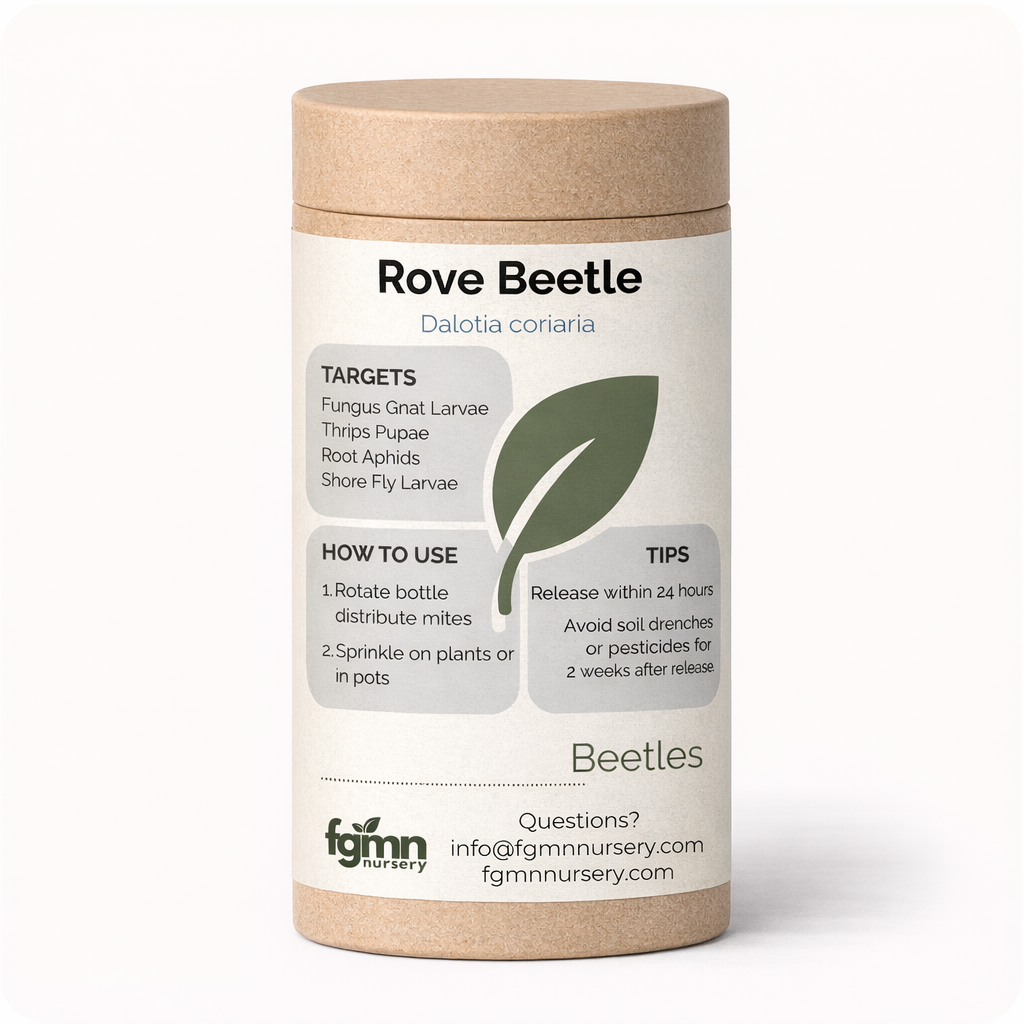
Yes. Lacewings are excellent team players in an Integrated Pest Management (IPM) program. They work well alongside soil-dwelling predators like Hypoaspis miles and can be used in the same canopy as Aphidius wasps. However, because they are generalists, they may occasionally snack on other beneficial larvae, so we recommend spacing out releases by 24–48 hours.

Will the adult Lacewings stay in my garden and keep hunting?

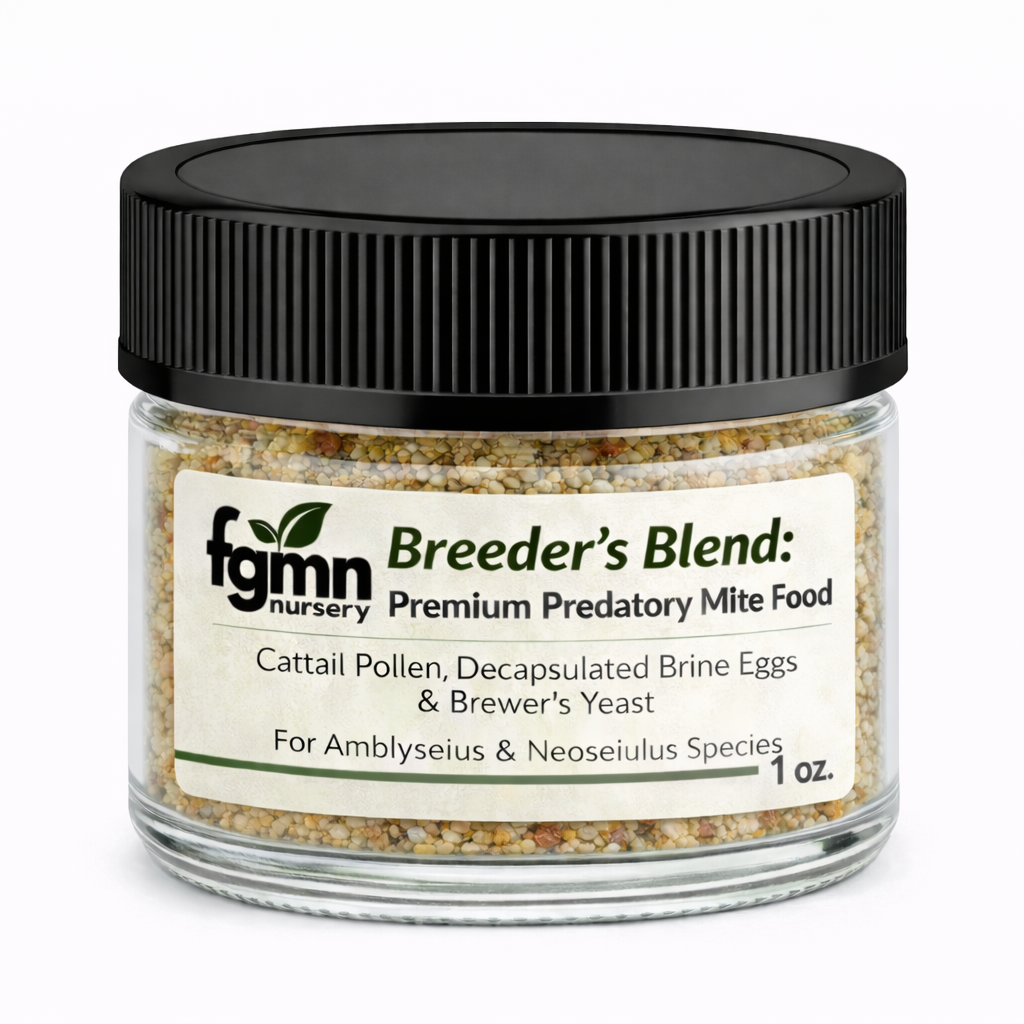
The larvae are the "workhorses" that eat the pests. Once they mature into adults (the iconic green winged insects), they shift their diet to nectar and pollen. To encourage them to stay and lay a second generation of eggs in your garden, we recommend providing a food source like our Breeder’s Blend or having flowering plants nearby.

What should I do if I can't release them immediately?

Beneficial insects are live organisms and are happiest when released the day they arrive. If you must wait, store the container horizontally in a cool, dark place (8°C – 10°C) for no more than 24 hours. Do not refrigerate below 5°C, as this can kill the developing embryos.

How many eggs do I need per 6" plant?

Preventative: Use approximately 5–10 eggs per 6" plant to establish a "patrol" and catch pests before they colony.

Active Infestation: If you see active aphids or thrips, increase to 25–50 eggs per 6" plant.

Pro Tip: Because we include Eggjuvant, these eggs will stick to the petioles and leaf undersides of your aroids, so you don't need to over-apply to compensate for eggs falling off.

Help! I'm overwhelmed

Yeah, it's a lot the first time you're using predatory mites. Please email us at info@fgmnnursery.com and we'll be happy to help!

I don’t see anything moving in my bottle or sachet. Does that mean they’re dead?

Not at all! In fact, go ahead and deploy them.

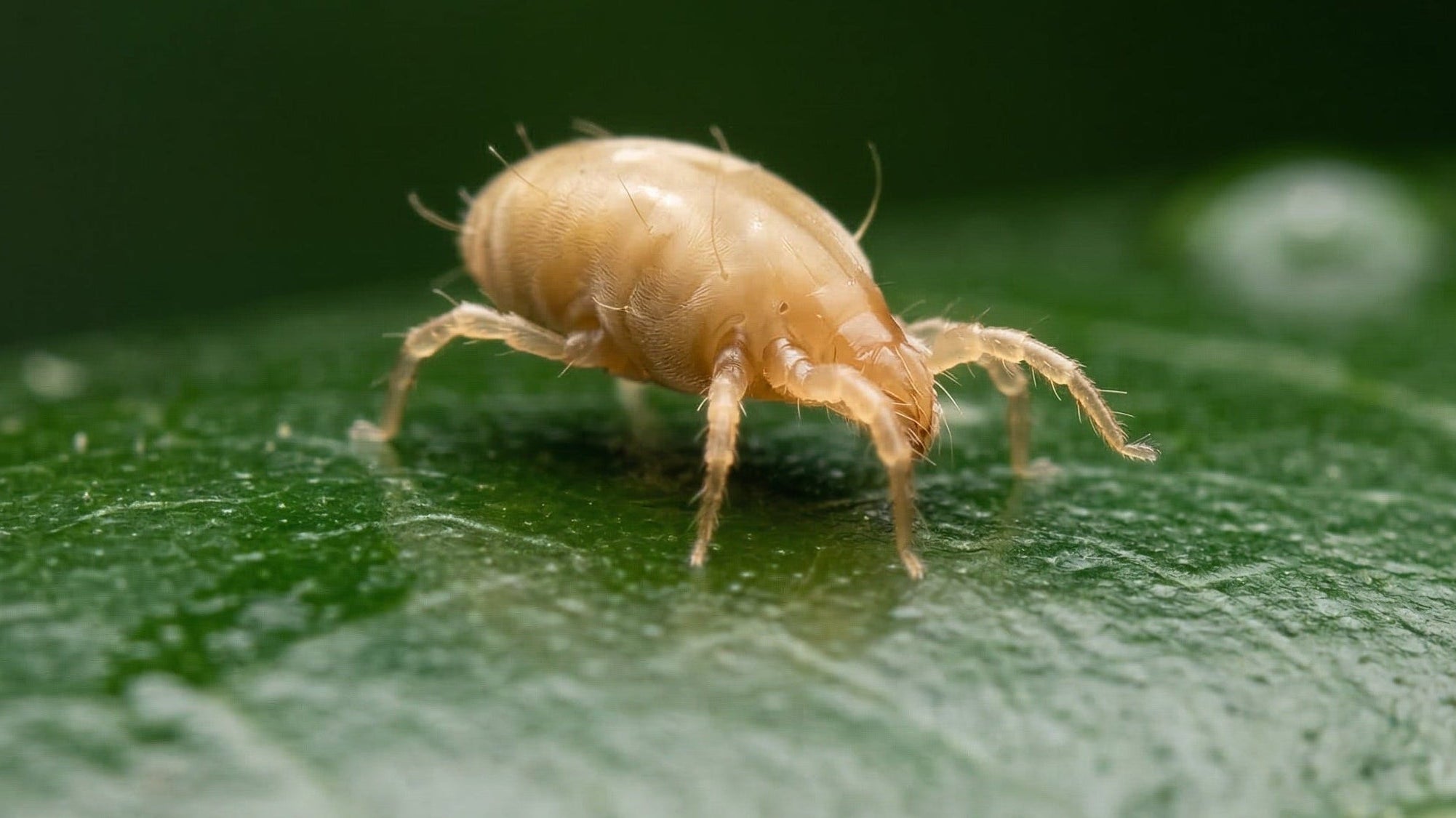
Predatory mites are microscopic (often less than 0.5mm) and naturally blend into their carrier medium (bran or vermiculite).

  • For Bottles: The mites often huddle in the center of the bottle for insulation during transit.
  • For Sachets: These are "slow-release" nurseries. The mites stay tucked deep inside the breeding media and emerge one by one over 2–4 weeks. Seeing an "empty-looking" sachet or bottle is not proof of a loss; it is simply how they are packaged for maximum survival.