




Breeder's Blend Food for Predatory Mites
5.0 · 3 reviewsBreeder's Blend is a dry powdered food for generalist predatory mites: cattail (Typha) pollen, decapsulated Artemia cysts and inactive brewer's yeast, sold in 10 g, 25 g and 50 g bags. A light dusting on the nodes and new growth every 10 to 14 days helps keep swirskii, cucumeris, californicus and montdorensis on the plant when pests are scarce. It kills nothing, it is no use to Phytoseiulus persimilis, and the Artemia cysts are a crustacean product.
- Good to know
- A faint yellow dusting. A barely-visible snow on the nodes and new growth is the right amount. It fades within days, and that's normal. What to expect
When to choose something else
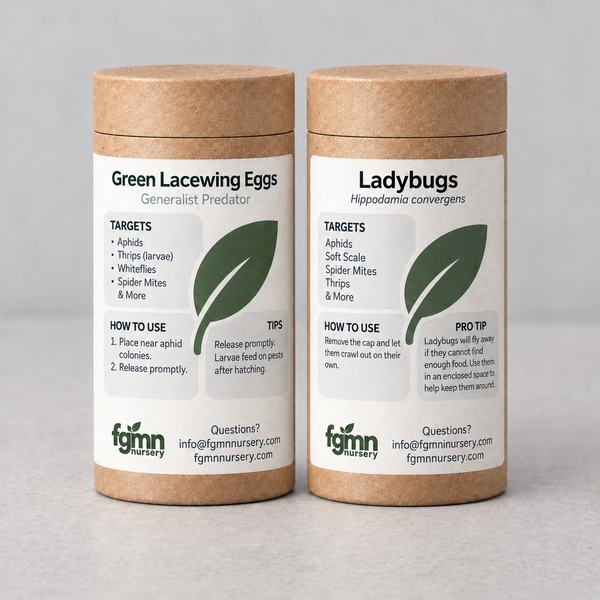
Not for phytoseiulus persimilis, nematodes & springtails, ladybugs & lacewings, wasps, orius, beetles.
Shipping details
Shipping
| Est. ships | Est. arrives | |
|---|---|---|
| Standard | ||
| Overnight |
Estimates. Overnight speeds up the trip, not the packing: its one day on the truck starts once it ships.
- Monday to Thursday only. So your order never sits over a weekend.
- Check your address at checkout. A wrong door costs days.
Ordering with friends? Get group pricing
Everyone picks their own. It ships to you in one box.
Buying for a greenhouse, farm or shop? Ask about wholesale
Right for you?
Your pest, your growing space, how many you need
Or choose instead
When one of these fits your situation better than breeder’s blend.
-
Choose this instead
Special Blend Slow-Release Prevention Sachets
If you have nothing to feed yet.
$5
-
Choose this instead
Neoseiulus californicus
If spider mites are the worry.
from $75
-
Choose this instead
Amblyseius swirskii
If pressure is heavy right now.
from $65

Conditions for releasing breeder’s blend
The conditions, one line each.
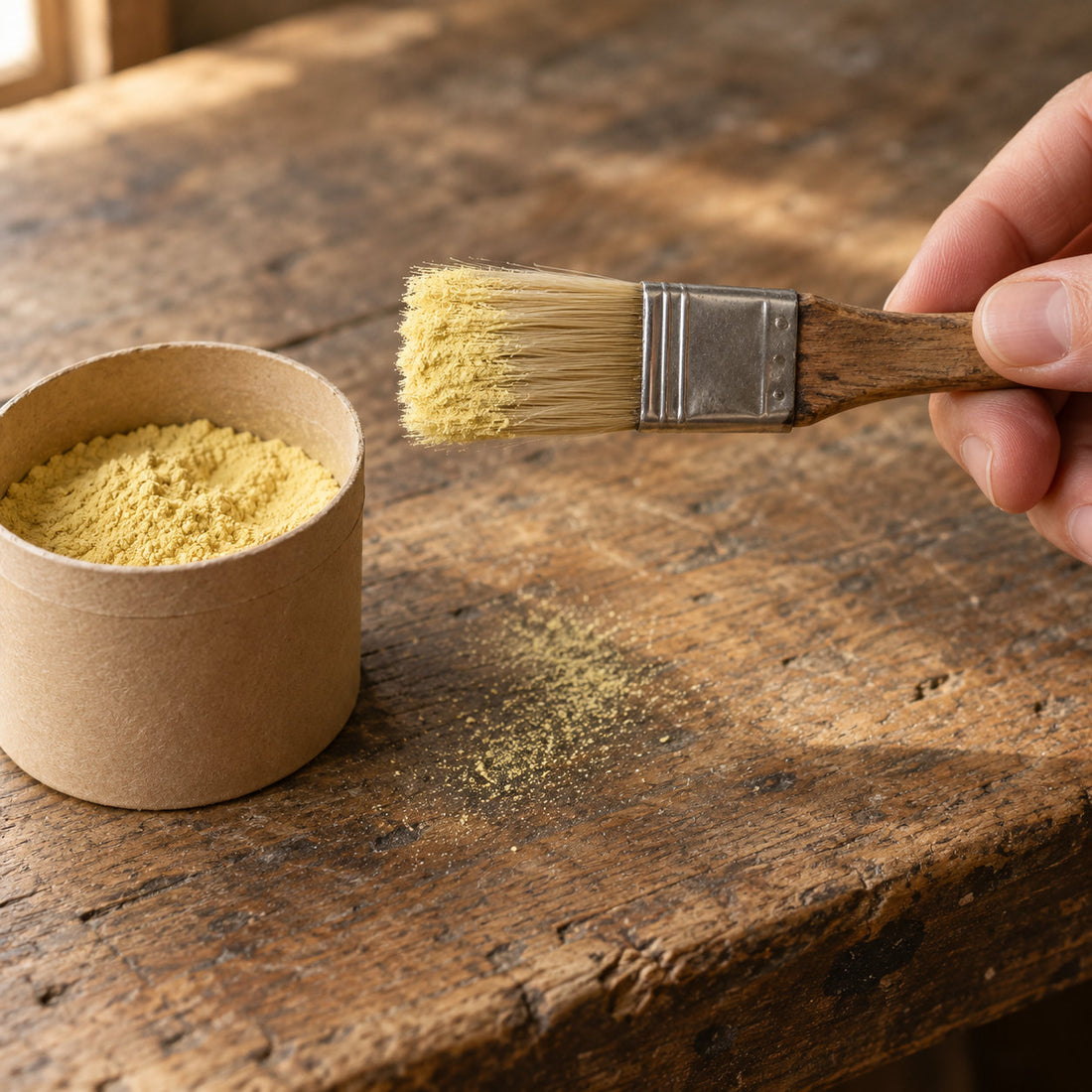
Applied withA dry brush, dipped and tapped
An artist's brush or a clean makeup brush, and it must be dry. Dust the nodes and new growth, which is where the mites congregate.
How oftenEvery 10 to 14 days
While you want the population held. Pause it during a heavy active thrips outbreak, and resume once that is under control.
Sizing10g / 25g / 50g
10g for a collection under 50 plants — a windowsill or a cabinet. 25g for 50 to 200 plants, a large room or a 4×4 tent. 50g for 200 plants and up, greenhouses and propagation spaces.
RefrigerateYes
Refrigerated and sealed it keeps for about 12 months; in the freezer, two years or more. Humidity is what spoils it, so keep the bag closed — and do not leave it sitting in a hot tent or in direct sun.
Releasing
What to do, and what you'll see
What to expect
- A faint yellow dusting. A barely-visible snow on the nodes and new growth is the right amount. It fades within days, and that's normal.
- You'll see the food, not the mites. The mites are tiny and do their eating out of sight. That's simply how predatory mites work.
- Working looks quiet. The sign is what doesn't happen: fewer pests and clean new growth, and no rescue release needed when the next pest turns up.
How to release breeder’s blend

Reviews
What growers say
What people say
5.0 out of 5, from 3 reviews.
The Breeder's blend came in a bag instead of a jar (which isn't a problem) just figured I'd give that note. I also recieved 2 Swirski mite sachets for free, thank you! (If that was an accident just lmk I'll pay for them).
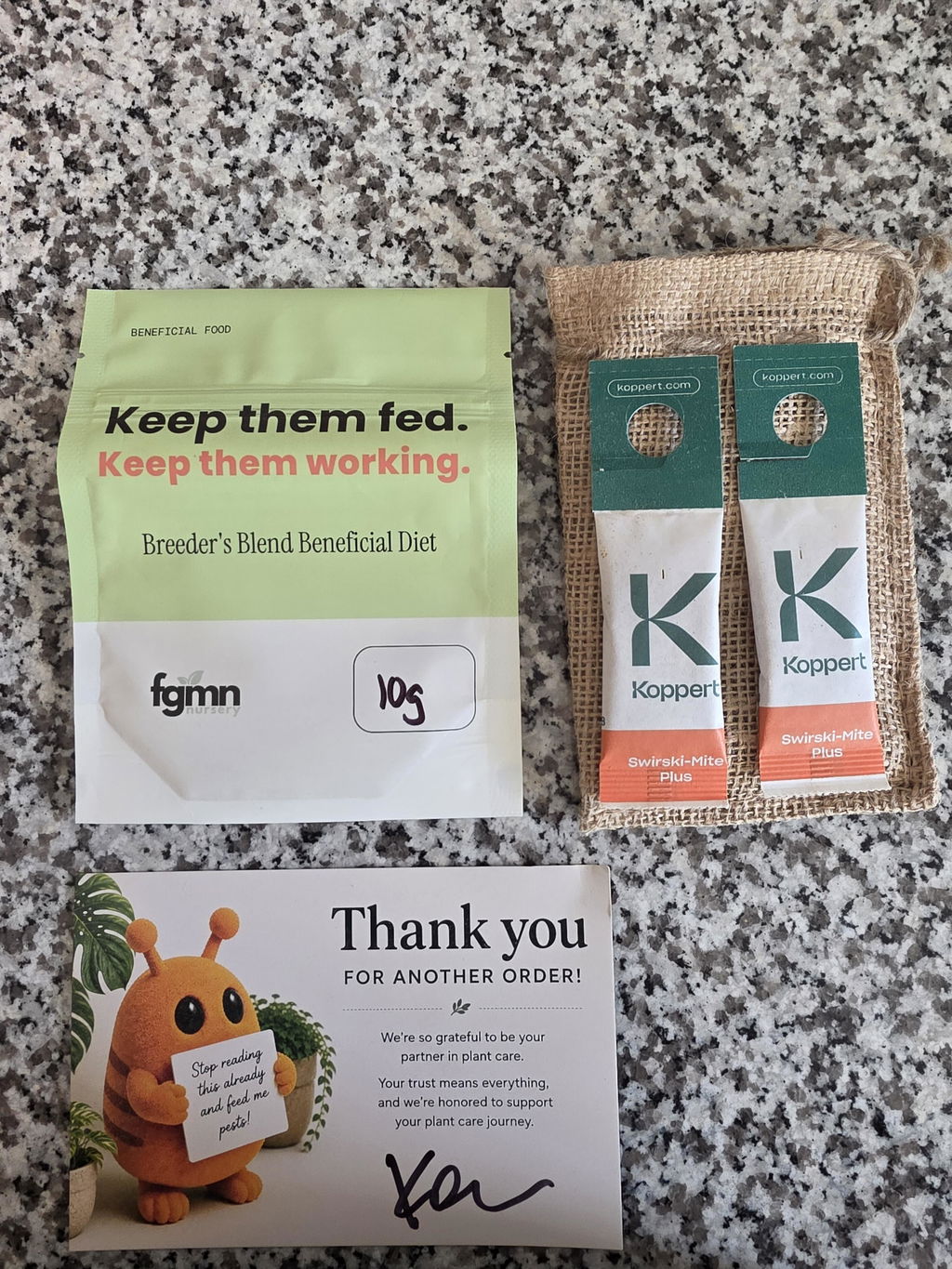
Hi Dillon! They were gifts. We throw something in from time to time. :)
Glad you received everything and are enjoying them!
PS If we did accidentally put something in there, we would NEVER charge you for our error. But honestly, it's usually either extra of what you bought or a few extra sachets.
Pictures are musleadinf as it came in a packet, but that doesnt distract the fact that it works.
Thanks for the heads-up about the photos, Ike, and we're glad it's working. We've passed that on.
Good stuff! Will buy more!
The Breeder's blend came in a bag instead of a jar (which isn't a problem) just figured I'd give that note. I also recieved 2 Swirski mite sachets for free, thank you! (If that was an accident just lmk I'll pay for them).
Hi Dillon! They were gifts. We throw something in from time to time. :)
Glad you received everything and are enjoying them!
PS If we did accidentally put something in there, we would NEVER charge you for our error. But honestly, it's usually either extra of what you bought or a few extra sachets.
Pictures are musleadinf as it came in a packet, but that doesnt distract the fact that it works.
Thanks for the heads-up about the photos, Ike, and we're glad it's working. We've passed that on.
Good stuff! Will buy more!
Pairs well with
Small things that help them work
-
Add alongside
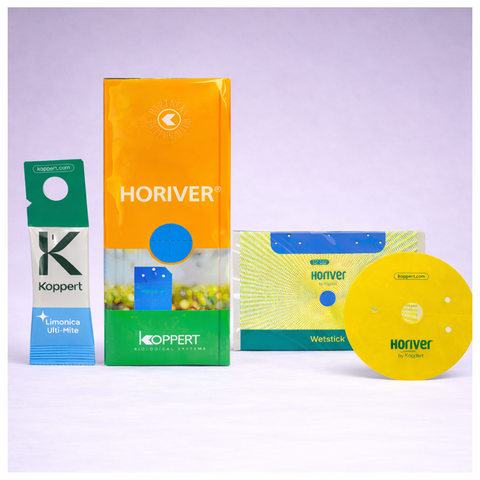
Horiver Professional Sticky Traps
Most pest problems are found on a card a week or two before they are found on a leaf.
from $11
-
Add alongside
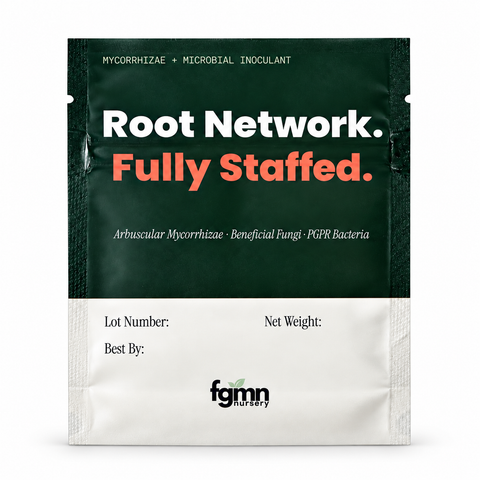
Root Network
For the roots: mycorrhizae and microbes that help roots take up water and nutrients. Use at repotting, then a monthly drench.
from $15
More to know
Ways to buy, questions and reading
Ways to buy
Once, on a schedule, with friends, or mixed with other predators.
- One time
- A single bag, this once. Free shipping on orders of $30 or more, $15 under that.
- On a schedule
- 10% off your first box, 50% off every box after. Skip, move, pause or cancel from your account.
- Group order
- Friends each pick what they want, and it ships to you in one box.
- Mix and match
- Buy several predators together and they get cheaper.
For the curious
Everything else we know about them. Tap a topic to open it.
Why feed a predator?
You brought in predatory mites to protect your plants. The question nobody answers is what they eat once the pests are gone — or what they eat if you did the smart thing and released them before the thrips arrived.
Without food a mite population starves or wanders off. That is the quiet reason a preventative release so often looks like it did nothing: the predators were there, briefly, and then they were not.
Breeder's Blend is what keeps them on the plant and breeding. It is built from foods used to support predatory mites in greenhouses, in a bag sized for a houseplant collection: cattail (Typha) pollen, decapsulated Artemia cysts and inactive brewer's yeast. Nothing else, and no filler — no corn grit, no bran. Every gram in the bag is food.
Then: is Breeder's Blend the right answer to it?
Choose this if
Three moments earn it. Before the pests arrive — a preventative release only works if there is something for the mites to eat while they wait. After you have won, when the mites that cleared an infestation have nothing left, and feeding them holds the population instead of buying it again next season. And on a clean collection, where maintaining a standing generalist population costs less than repeated rescue releases. Feeding takes about thirty seconds a plant: nothing to mix, nothing to spray, no residue and no re-entry interval. You dip a dry brush, tap it over the nodes and new growth, and leave a barely-visible snow of yellow dust behind. That is the whole method.
Choose something else if
It is not a substitute for pest control — this feeds predators, it does not kill anything. It is also not food for Phytoseiulus persimilis, which is an obligate spider mite specialist and will not touch pollen or cysts, and it is not made for nematodes, springtails, ladybugs, lacewings, the Aphidius wasps, Orius, Cryptolaemus or rove beetles. And there is one moment to stop: during a heavy, active thrips outbreak, pause the feeding until it is under control. You want the mites hungry enough to hunt the thrips first.
What eats it, and what does not
The dividing line is pollen. The generalists on the left can live on it when there is nothing to hunt, which is exactly the property that makes a preventative release worth doing — and exactly the property this product feeds. Persimilis cannot, which is why the fastest spider mite predator in the range is also the one that starves out fastest once it has won.
What is in it
Three ingredients, and what each one is doing.
Pollen is the calorie source
Cattail pollen is high-energy carbohydrate — the everyday fuel that keeps mites active and on the plant between pests. On its own it is survival rations.
Cysts are what drive egg-laying
Decapsulated Artemia cysts carry the complex proteins and lipids that lift fecundity rather than mere survival. This is the fraction that turns a holding population into a growing one, and it is what a varied diet is for.
Yeast covers the rest
Inactive brewer's yeast supplies B-vitamins and micronutrients, supporting gut health and adult longevity. Three ingredients, all of them food.
Less than you think. Overfeeding is the one way to get this wrong — surplus food sitting on a leaf can go moldy, especially in still, humid air. A very fine dusting you can barely see is the correct amount.
How to feed, and how much
Contains shellfish. The Artemia cysts are a crustacean product, so with a severe shellfish allergy, wear gloves or have someone else apply it. Otherwise the only check is which mites you are running: if the answer is persimilis alone, this is not food for them and there is nothing here to buy.
About Breeder's Blend
Supplemental food for generalist predatory mites — a dry powdered diet dusted onto foliage. Not a pesticide, not a live organism, not a fertilizer.
New to feeding mites?
Five things that catch almost everyone the first time.
What arrives
A sealed foil bag of fine dry powder, pale yellow, sold by weight.
It ships as goods rather than as livestock — no live-arrival window, no cold chain in transit, no clock running when it lands.
Put it straight in the fridge. That is the one thing to do on the day it arrives, and it is what buys you the twelve months.
When it ships, and when it lands
Shipping
This one just ships. No live-arrival window, no cold chain in transit and no dispatch-day rule — it goes out as ordinary goods, which makes it the easiest thing on the site to add to an order you are already placing.
When it lands
Fridge first, then find a brush. A dry artist's or makeup brush is all the equipment there is. Dip it, tap off the excess before you go near the plant, and dust the nodes and new growth until there is a barely-visible snow of pale yellow on them. Repeat every 10 to 14 days. Keep the bag sealed between uses, because humidity is what spoils it.
About what is actually in the bag
Three ingredients, all of them food.
Cattail pollen, decapsulated Artemia cysts, inactive brewer's yeast. That is the entire list.
No corn grit and no bran. Mite foods are commonly cut with carrier to make the bag look bigger, and a gram of grit feeds nothing.
So a 10g bag is 10g of food, which is worth knowing when you compare it against something twice the size for the same money.
If a bag arrives damaged
Split, damp or clumped solid. Any of those and we replace it — a powder that has taken on moisture is finished, and no amount of drying brings it back.
Humidity is the enemy here, not heat. Which is why it goes in the fridge sealed rather than open.
Why this one is easy
Mites, nematodes, eggs — the rest of the catalog. Not this. A sealed bag of powder either arrived intact and dry or it did not.
A bag that arrives split, damp or clumped is a replacement. Email info@fgmnnursery.com with your order number; there is no diagnostic to run.
Seventy-two hours from delivery, either way, with your order number. Replacement or store credit, your pick.
Questions about breeder’s blend
Will I have bugs flying around my house?
No. They stay on the plants, where their food is.
How much Breeder's Blend do I need?
Count the plants carrying generalist predatory mites, then pick the bag:
- 10 g: under 50 plants, a windowsill or a cabinet.
- 25 g: 50 to 200 plants, a large room or a 4x4 tent.
- 50 g: 200 plants and up, greenhouses and propagation spaces.
Pest pressure doesn't change the size. In a heavy, active thrips outbreak, pause feeding rather than buying more, and start again once it is under control. Dust a barely-visible layer every 10 to 14 days; more is not better, because surplus food on a leaf can go moldy.
Keep reading
Field Notes from the FGMN Nursery team.
 Pollen Feeds More Than Your Mites
A pollen-fed Amblyseius swirskii kills 34–60% fewer pests than a hungry one. Whitefly control improved anyway, because there…
Pollen Feeds More Than Your Mites
A pollen-fed Amblyseius swirskii kills 34–60% fewer pests than a hungry one. Whitefly control improved anyway, because there…
 How Long Do Predatory Mites (and Other Beneficials) Work?
The lifespan on the label is not what decides how a release goes. What does is whether the…
How Long Do Predatory Mites (and Other Beneficials) Work?
The lifespan on the label is not what decides how a release goes. What does is whether the…
 Follow the Pests After Release
Follow pest activity and fresh plant damage after a predatory mite release, with consistent observations and clear steps…
Follow the Pests After Release
Follow pest activity and fresh plant damage after a predatory mite release, with consistent observations and clear steps…
Sources
Published guidance from university extension services. The release tips on this page also draw on what we see shipping these every week.