


Trichoderma Harzianum (Strain T-22)
At A Glance
Trichoderma harzianum Rifai strain T-22 is not just a soil additive; it is a high-performance biological fungicide and root enhancer. While predatory mites guard your leaves, T-22 guards your root zone. This specific strain was hybridized to thrive across the widest possible range of soil types and temperatures, creating a living "shield" around plant roots that blocks pathogens and unlocks trapped nutrients.
-
Scientific Name: Trichoderma harzianum (Strain T-22).
-
Best For: Preventing root rot (Pythium, Phytophthora, Fusarium) and enhancing nutrient uptake.
-
Safe For: Plants, humans, pets, and the environment. 100% Organic and OMRI-listed.
-
Key Feature: Root Colonization. T-22 grows with the roots, physically wrapping around them to prevent disease from ever taking hold.
Target Pathogens
Environmental Needs
Selection Guide
How to Use
How They're Shipped


FAQ
What is your Live Delivery Guarantee?
We guarantee that our Trichoderma T-22 arrives with a 100% viable spore count. Because you cannot see these organisms with the naked eye, our guarantee for this product is handled differently than our predatory mite or nematode guarantees.
- Viability Guarantee: We ensure that the product has been stored in climate-controlled conditions and shipped in UV-protected packaging to maintain peak potency. We guarantee the spores are "active" and ready to colonize your roots the moment they are hydrated.
- The "Proof of Life" Period: Unlike mites (which you check on day one), the proof of Trichoderma is seen in the plant's response. We offer a 21-day viability window. If you apply the product as directed and do not see an improvement in root health (whiter roots, increased root mass) or plant vigor within three weeks, contact us.
- Shipping Protection: If your package arrives punctured, wet, or has been exposed to extreme heat (left in a mailbox over 100°F) and the powder is clumped or discolored, take a photo and contact us within 24 hours. We will replace the product to ensure you are starting with a healthy colony.
Is T-22 a fertilizer?
Can I use T-22 if I already have Root Rot?
How often should I apply it?
Will it harm my Beneficial Nematodes or Soil Mites?
I see white fuzz on my soil after using T-22. Is that bad?
How does T-22 help with acclimating Tissue Culture (TC) plantlets?
Help! I'm overwhelmed
Yeah, it's a lot the first time you're using predatory mites. Please email us at info@fgmnnursery.com and we'll be happy to help!
Too Many Options?
We get it. Try our mite/insect matchmaking quiz and instantly get matched to the solutions you may need.
Mite Matters
They Eat Pests for a Living. You're Welcome.
Predatory mites are the biological control solution to spider mites, thrips, broad mites, fungus gnats, and more — and they don't harm plants, people, or pets. If someone has suggested you add more mites to fix your mite problem, this is the article that explains why that's actually correct.
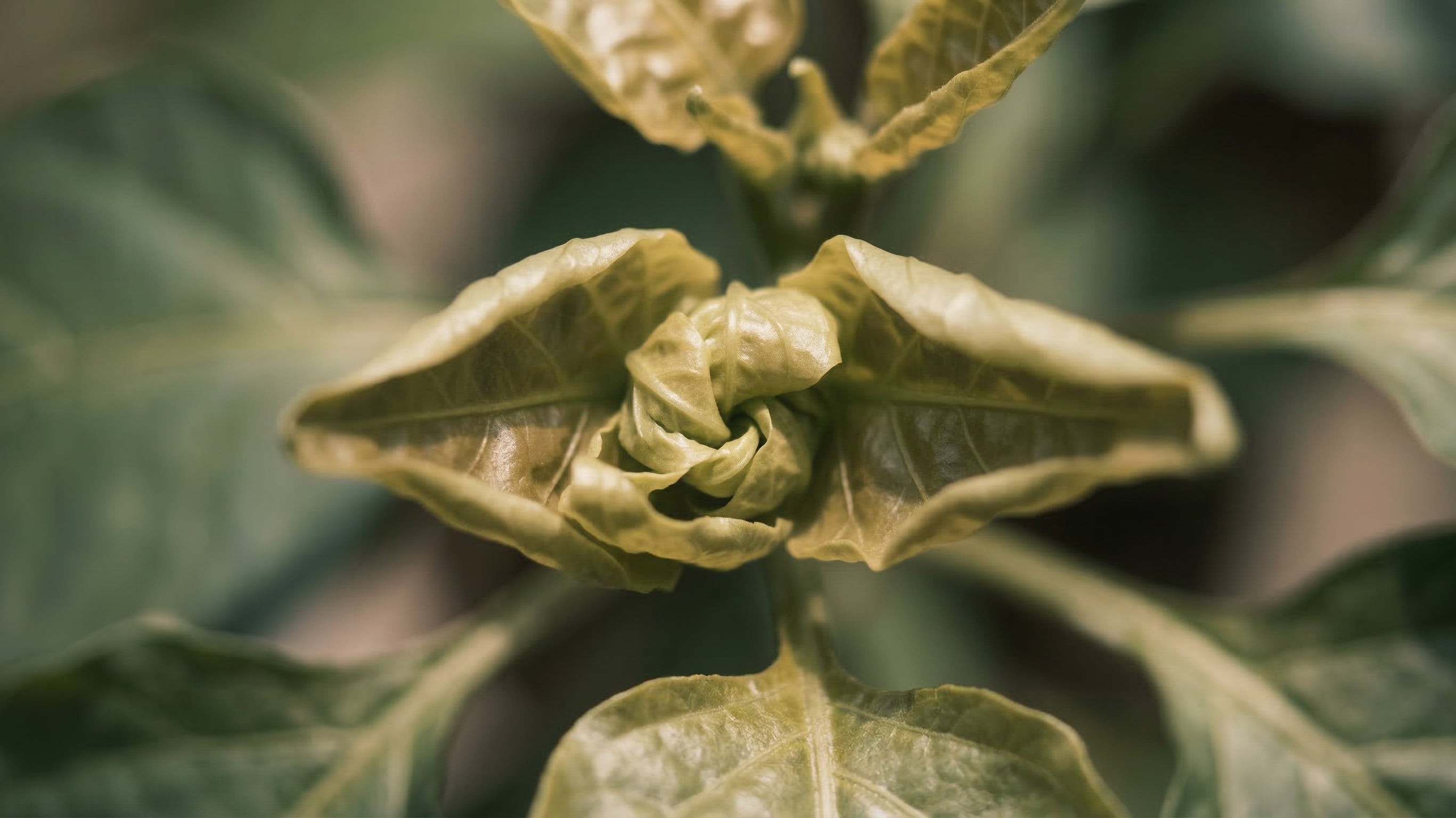
No Webbing. No Warning. No Fun.
Broad mites are microscopic pest mites that cause twisted, bronzed new growth on peppers, cannabis, hoyas, and dozens of other plants — and they're almost always misdiagnosed first. No webbing, no visible culprit, just a plant that keeps getting worse while you adjust the pH. Here's what they actually are, how to identify the damage, and how to get rid of them for good.
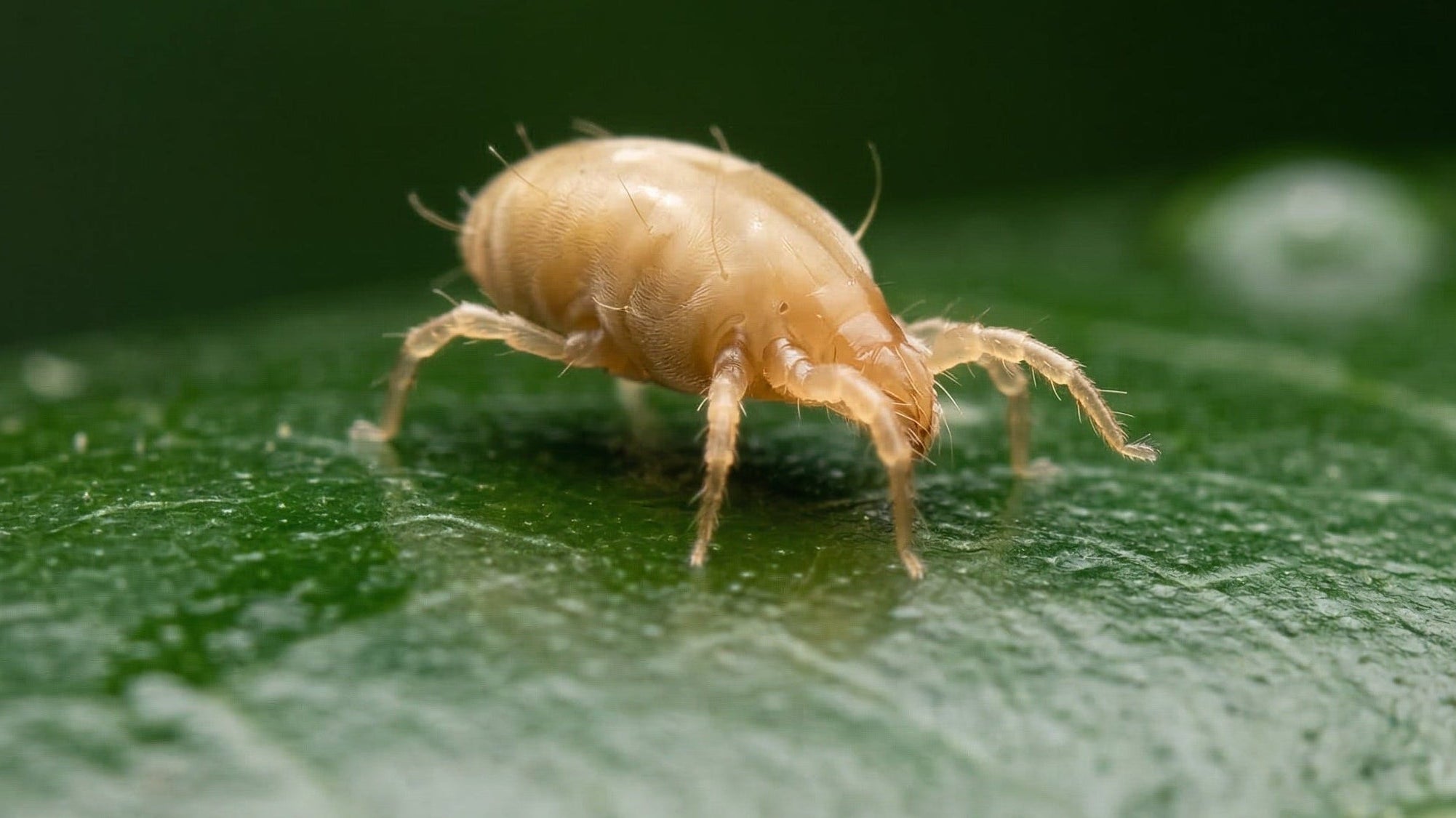
Limonicus: Late to Market, Early to Hunt
Most predatory mites do one thing well. Limonicus hunts thrips, whitefly, and spider mites — and survives on pollen when there's nothing left to kill. Meet biocontrol's most versatile generalist.