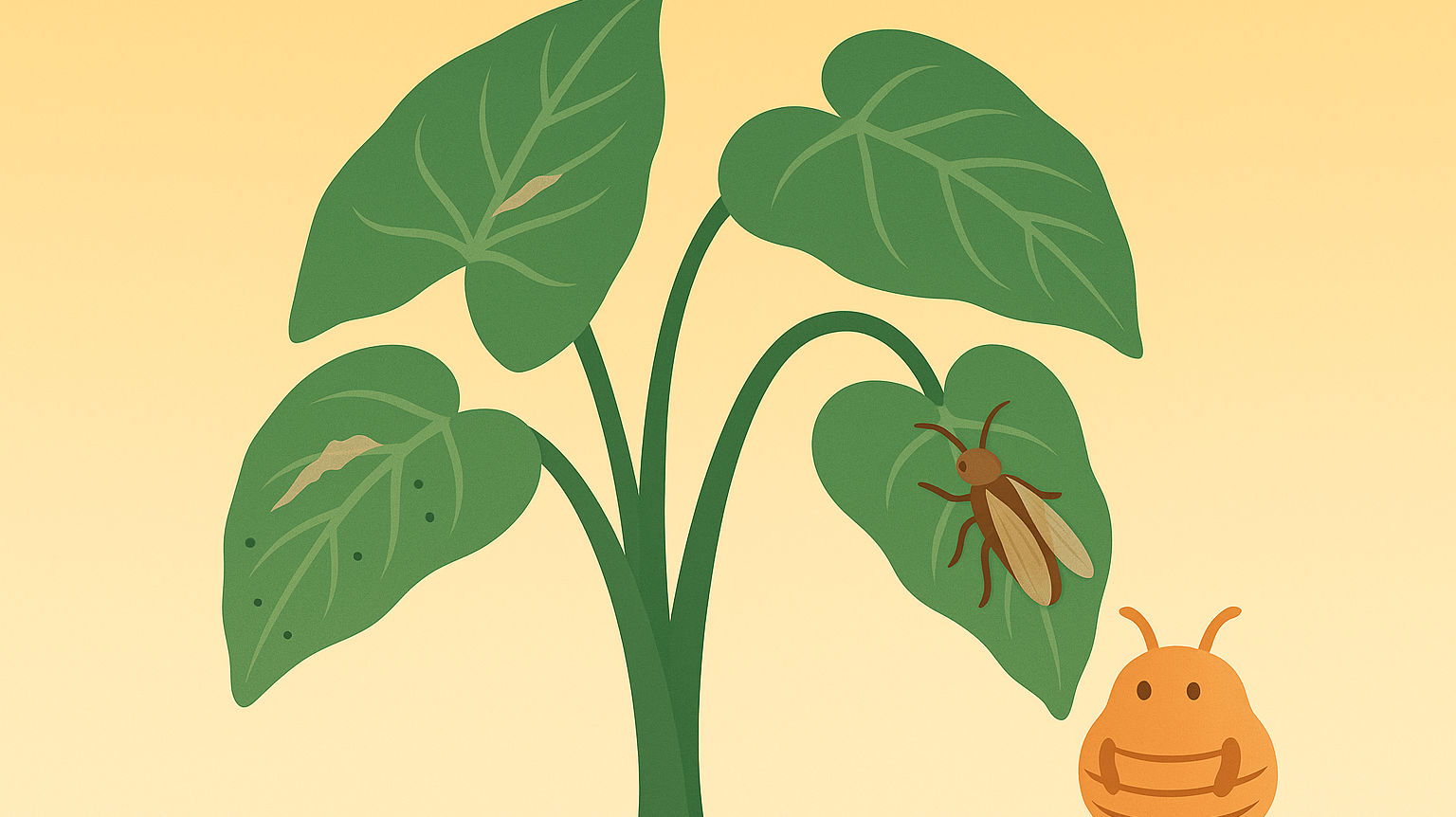
Mite Matters

Cucumeris: Why It Works (and Why It Fails)
Cucumeris is reliable, widely researched, and genuinely effective — within a specific set of conditions. Here's what it actually does, what it won't do, and how to tell if it's the right species for your situation.
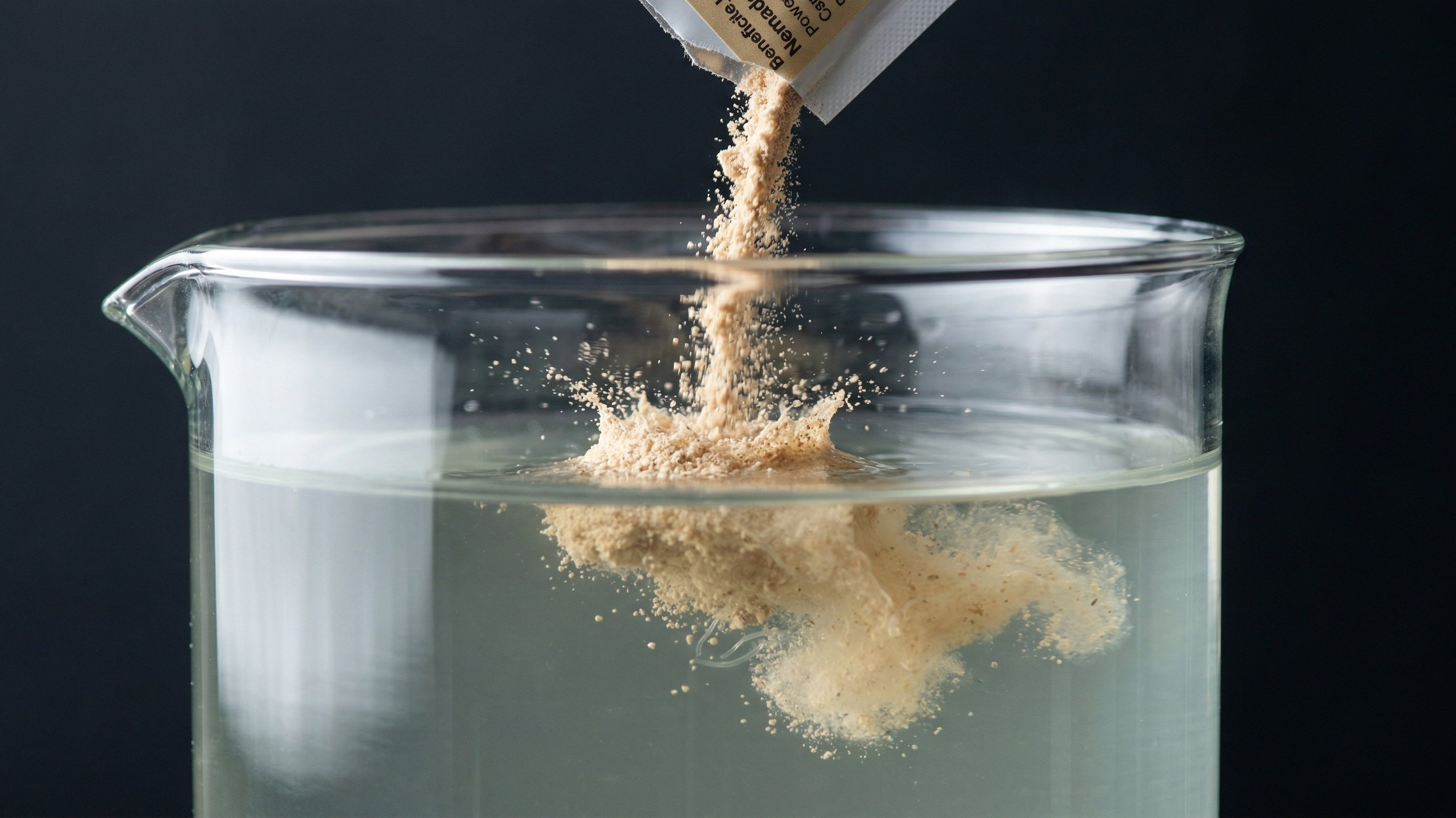
How Beneficial Nematodes Work: The Science of "Waking Up" Soil Predators
That packet of powder contains millions of living nematodes in a state of suspended animation — dried down, refrigerated, and waiting. Here's the biology that makes it possible, how they're produced at scale, and what actually happens in the fifteen minutes after you add water.
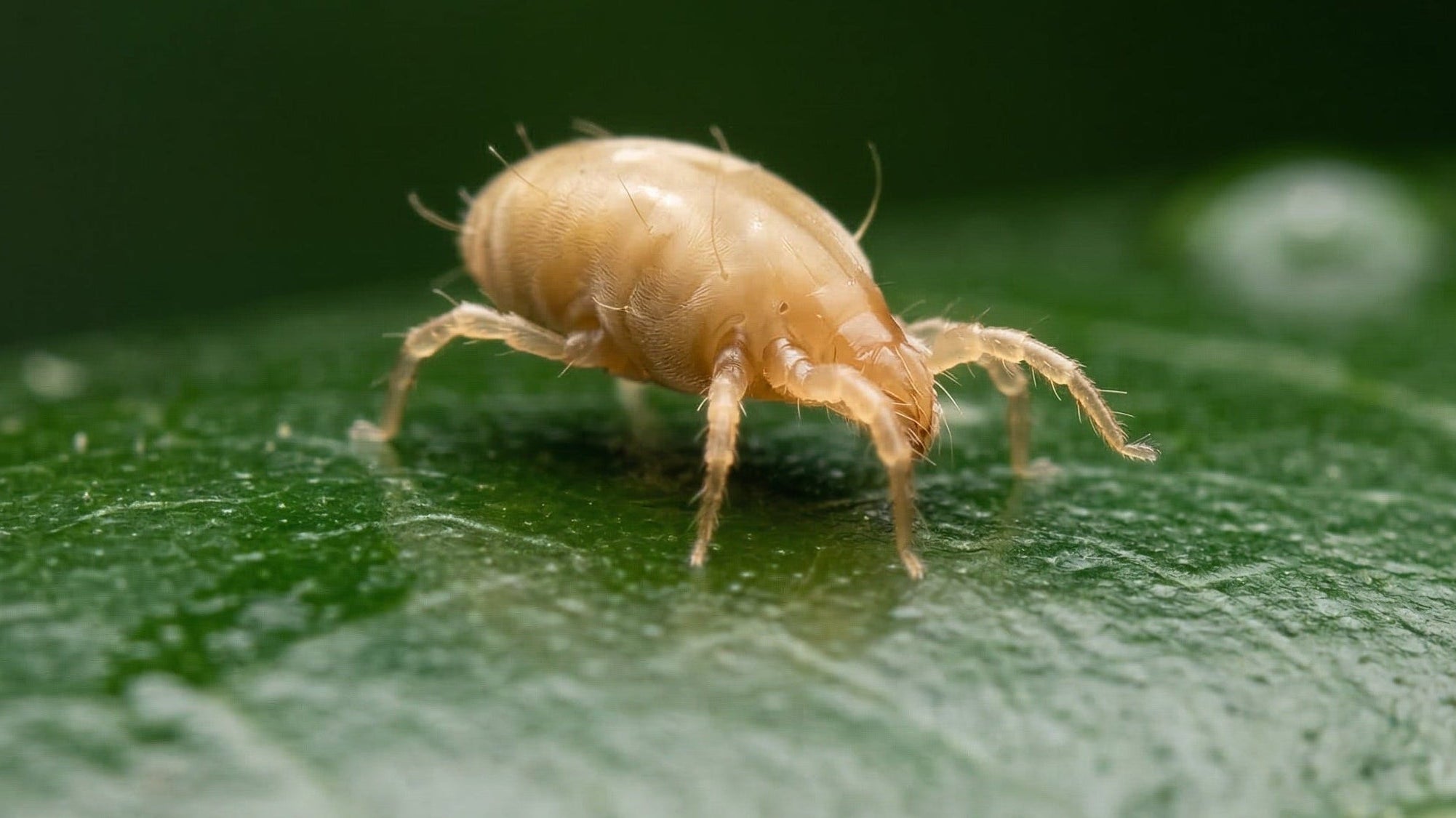
Limonicus: Late to Market, Early to Hunt
Most predatory mites do one thing well. Limonicus hunts thrips, whitefly, and spider mites — and survives on pollen when there's nothing left to kill. Meet biocontrol's most versatile generalist.
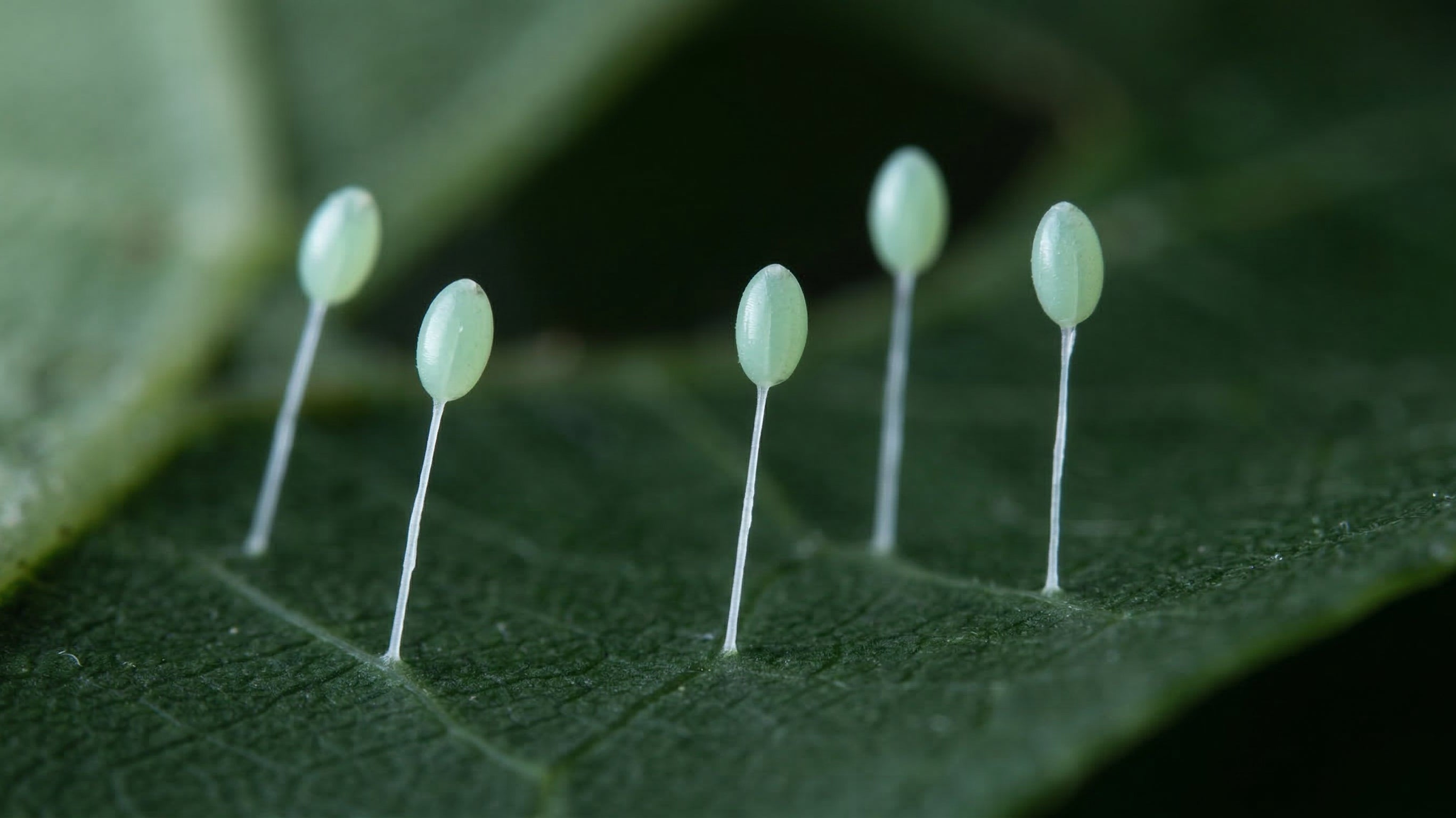
Eggs on Stalks: The Unusual Biology of Green Lacewing Eggs
Green lacewing eggs are laid on silken stalks — an evolutionary solution to two problems at once. Here's the biology behind the structure, what happens inside the egg as it develops, and how to deploy them effectively against aphids, mealybugs, thrips, and more.
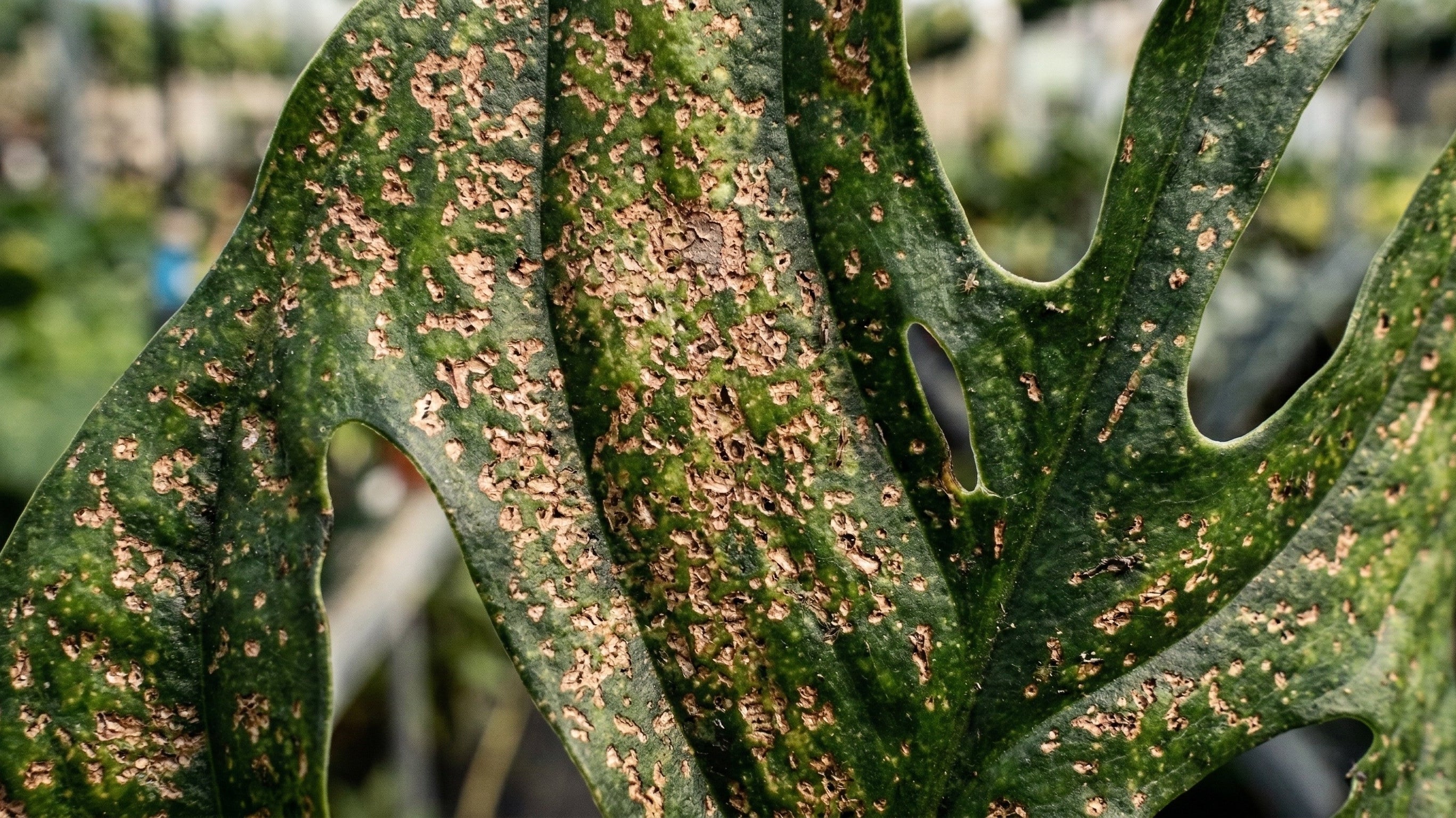
How to Treat Thrips (And Why It's Harder Than Everyone Says)
Thrips are one of the most frustrating pests in cultivation — not because they're invincible, but because most treatments target the wrong life stage at the wrong time. Here's the biology, the honest failure analysis, and what a complete program actually looks like.
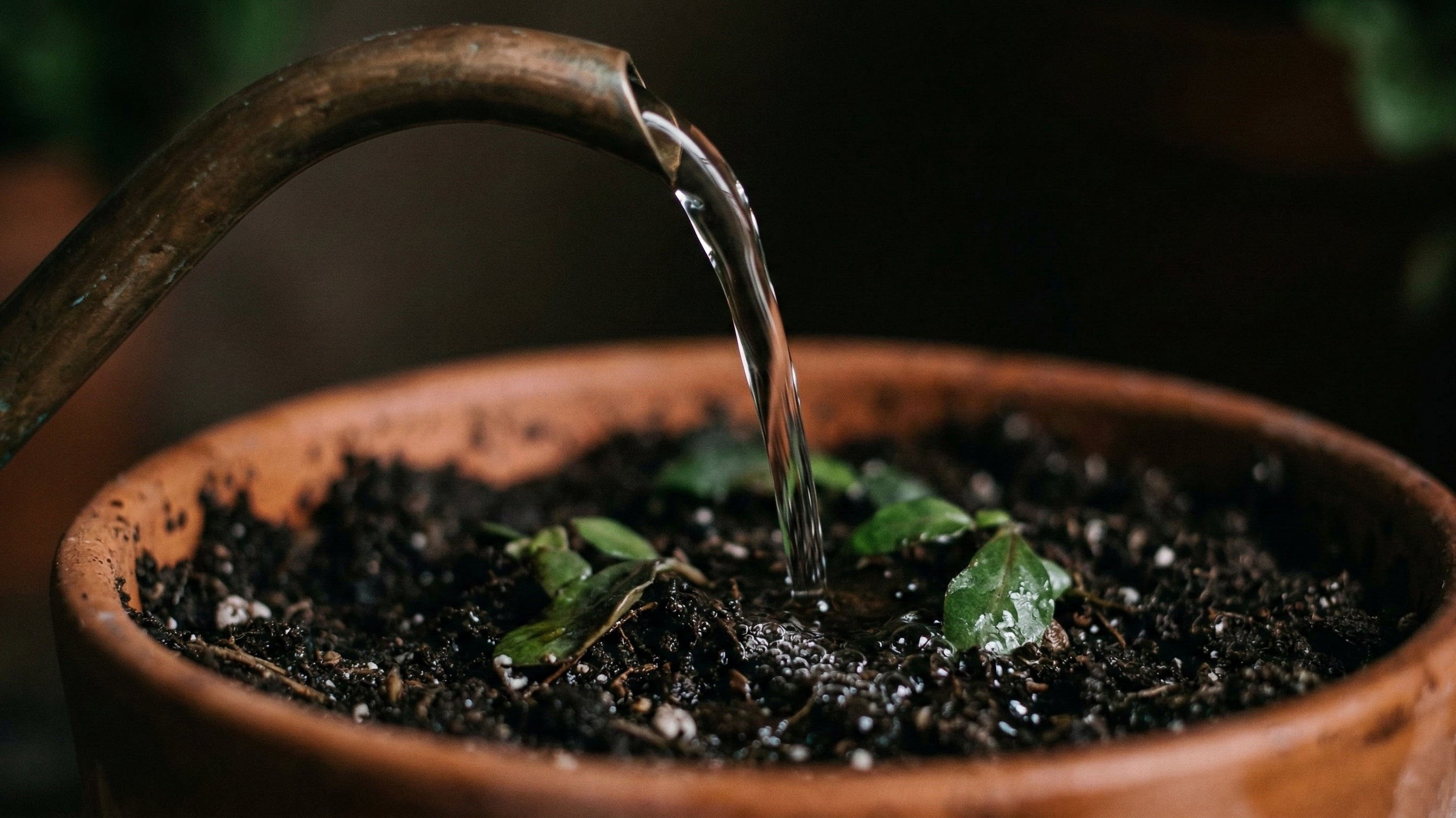
How to Dose Beneficial Nematodes (Without Losing Your Mind)
Not sure how many nematodes you need, or why your last application didn't work? This covers the dose, the timing, the water, the temperature — everything that actually matters.
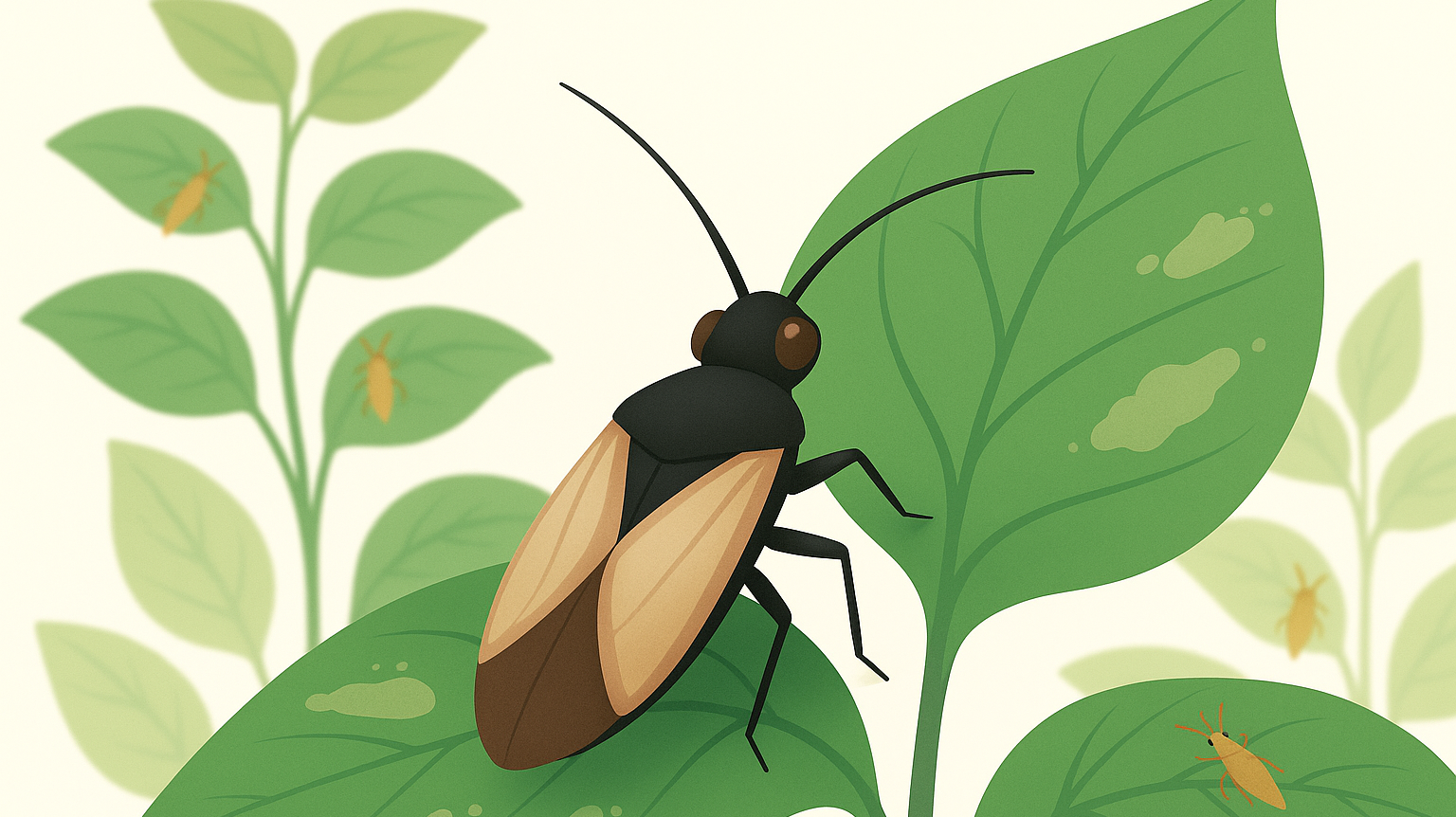
Thrips Don’t Stand a Chance (If You Start Here)
Thrips are tiny, annoying, and almost impressively destructive. This article takes a closer look at Orius insidiosus—the predator that hunts adult thrips—and explains how to use it as part of a long-term control strategy.
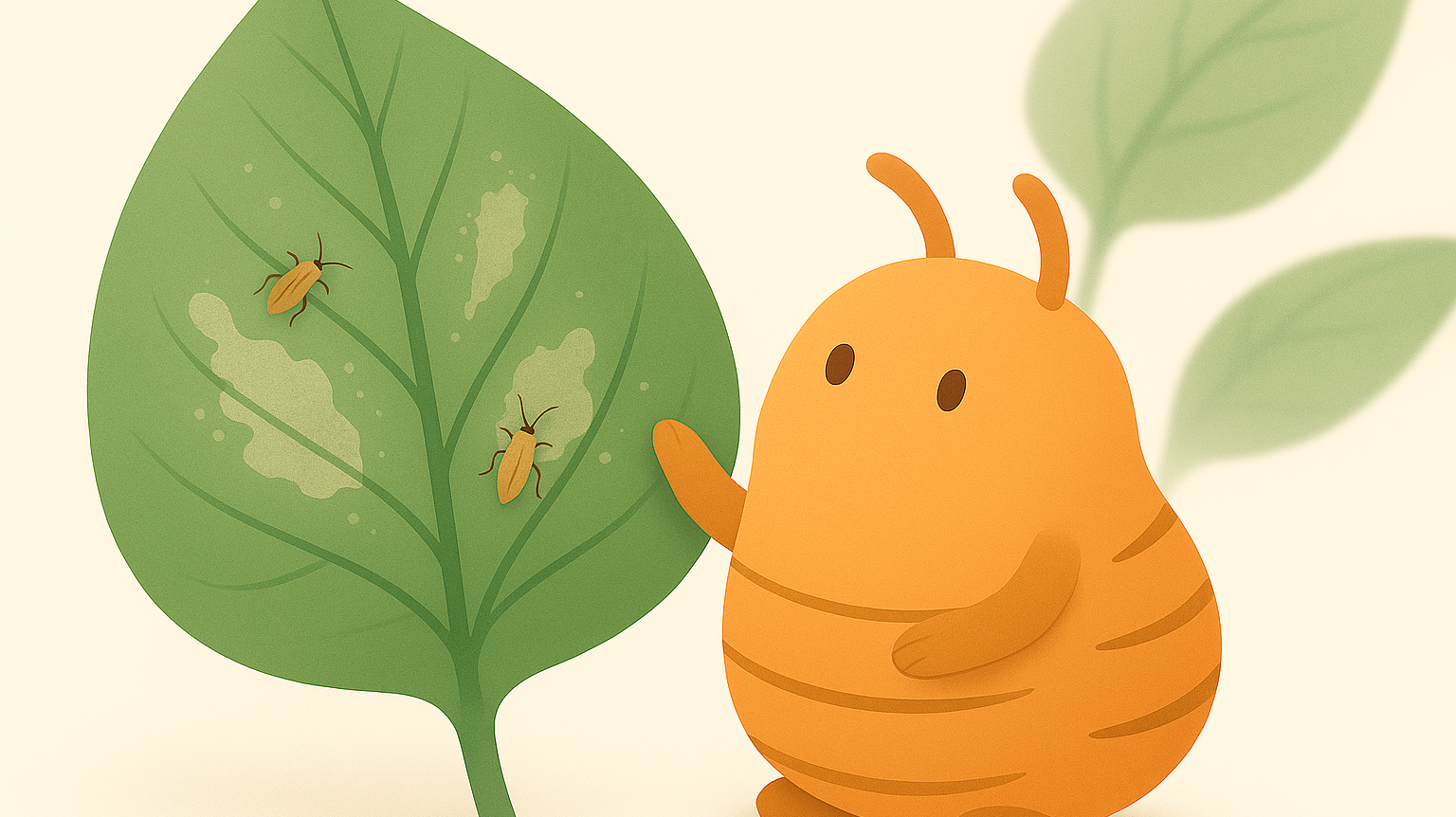
How to Treat Thrips on Plants the Right Way
Thrips may be tiny, but their impact is anything but small. These slender insects scrape open plant cells and drain them dry, leaving silvery scars, curled leaves, and sometimes even viruses in their wake. Because their life cycle spans both leaf and soil, single treatments rarely work. Instead, managing thrips requires a layered approach: mechanical suppression, targeted sprays, and—most effectively—beneficial predators that disrupt every stage of their development.