


Special Blend Predatory Mite Mix
10% off your first 4 orders, then 15% off every order after.
Heads up—this is just an estimate. We only ship when the bugs are happy and ready to travel (Mon–Thurs). If a colony needs a beat to peak, or we're propagating a fresh batch, your order might hold up to a week. Treatment bottles jump the line when you've got an active infestation.
Sizing guide
How our sizes work
Sizes are set by how many plants you are treating — not by how much material is in the container.
Every size on every product page names its own coverage right there in the dropdown, so you never have to come here to find a number. Medium — Up to 25 Plants (2,500 Mites) tells you the tier and the count in one line. This page is for the part the dropdown cannot tell you: how to pick between two of them.
These are rough middles. The ladder runs smallest to largest within each product, so a Medium of one species covers more ground than a Medium of another — a nematode drench and a beetle release are not the same job. The count on the size you are looking at is always the real answer.
Pest pressure moves you up the ladder
Plant count is only half the sum. The other half is how much pest is already there. A closed tent holding fifteen plants with thrips on every growing tip needs a larger release than a bright room holding forty plants with a few gnats — the population you are outnumbering is bigger, and the enclosed space lets it rebound faster.
Coverage figures assume a typical active infestation. Adjust from there:
Under heavy pressure, two releases beat one large one. Take the larger size and plan a second release 7–14 days later, which catches the eggs that had not yet hatched the first time.
A few things work differently
A few products read in square feet rather than plants, because that is how they are applied — the outdoor and area-scale releases. Those are Sc and Hb nematodes, Coleomegilla, and the aphid specialists Ervi, Matricariae, and Aphidoletes. Same ladder, different unit.
Sf nematodes and Triple Blend size by plants and pots, like everything else. They are soil drenches for potted plants, so count your pots rather than your floor.
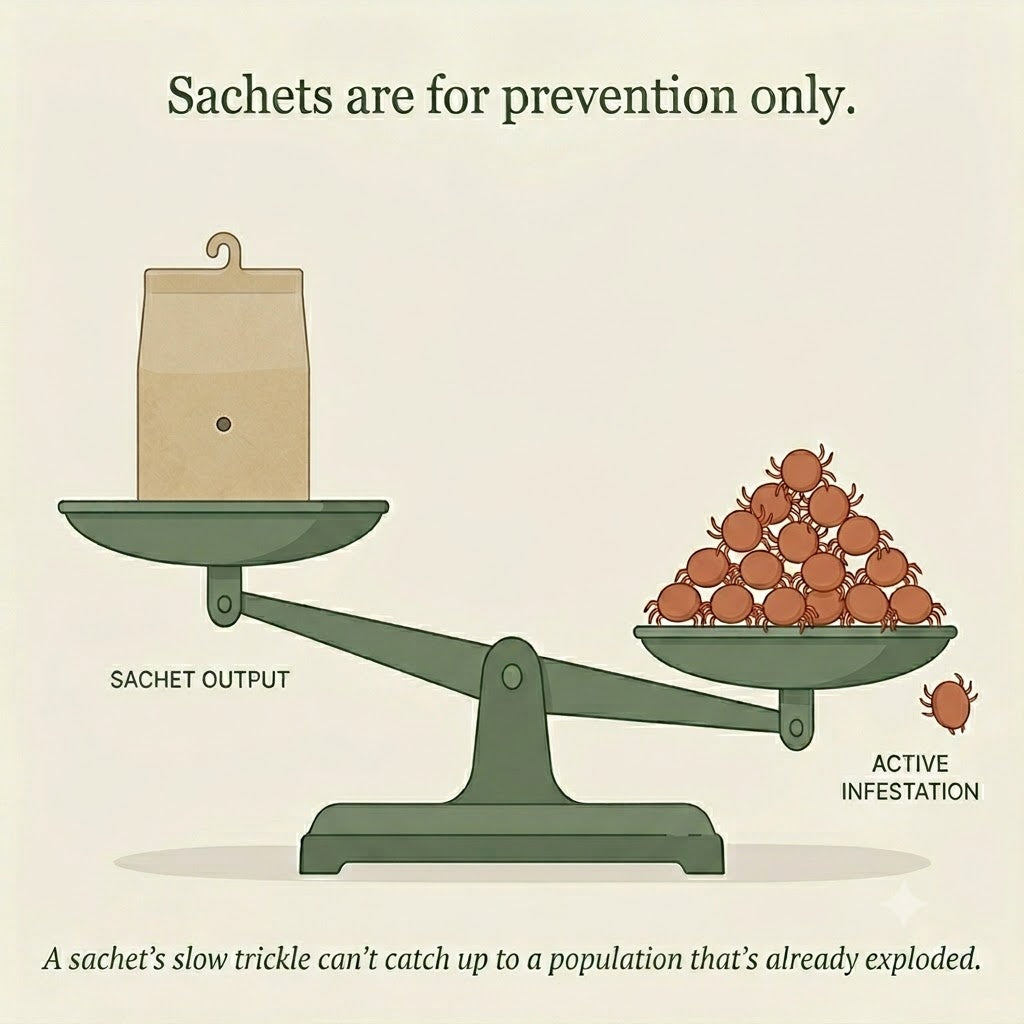
Slow-release sachets have no size. They are sold by the sachet, and you place one per plant or one per few plants depending on pressure. Sachets are a prevention tool — they hold a population in place before a problem starts. If something is already established, a bottle is the correct answer.
Sizing up is cheaper than sizing twice. Predators need enough prey to establish and enough of themselves to find it. Underdosing is the most common reason a release underperforms, and it usually costs more in the end than the larger size would have. When you are between two sizes, take the larger one.
Still not sure? Tell us what you are growing and what you are seeing, and we will size it for you.
Special Blend Predatory Mite Mix
At A Glance
Meet the Special Blend Bottle—a scientifically curated quartet of predatory mites designed to provide broad-spectrum defense against the most notorious crop destroyers. We have combined four distinct species—Andersoni, Cucumeris, Swirskii, and Persimilis—into a single, easy-to-apply bottle.
Why settle for a single soldier when you can deploy an entire army? This isn't just bug control; it is a meticulously balanced ecosystem in a bottle.
The Science: Meet the Quad-Squad
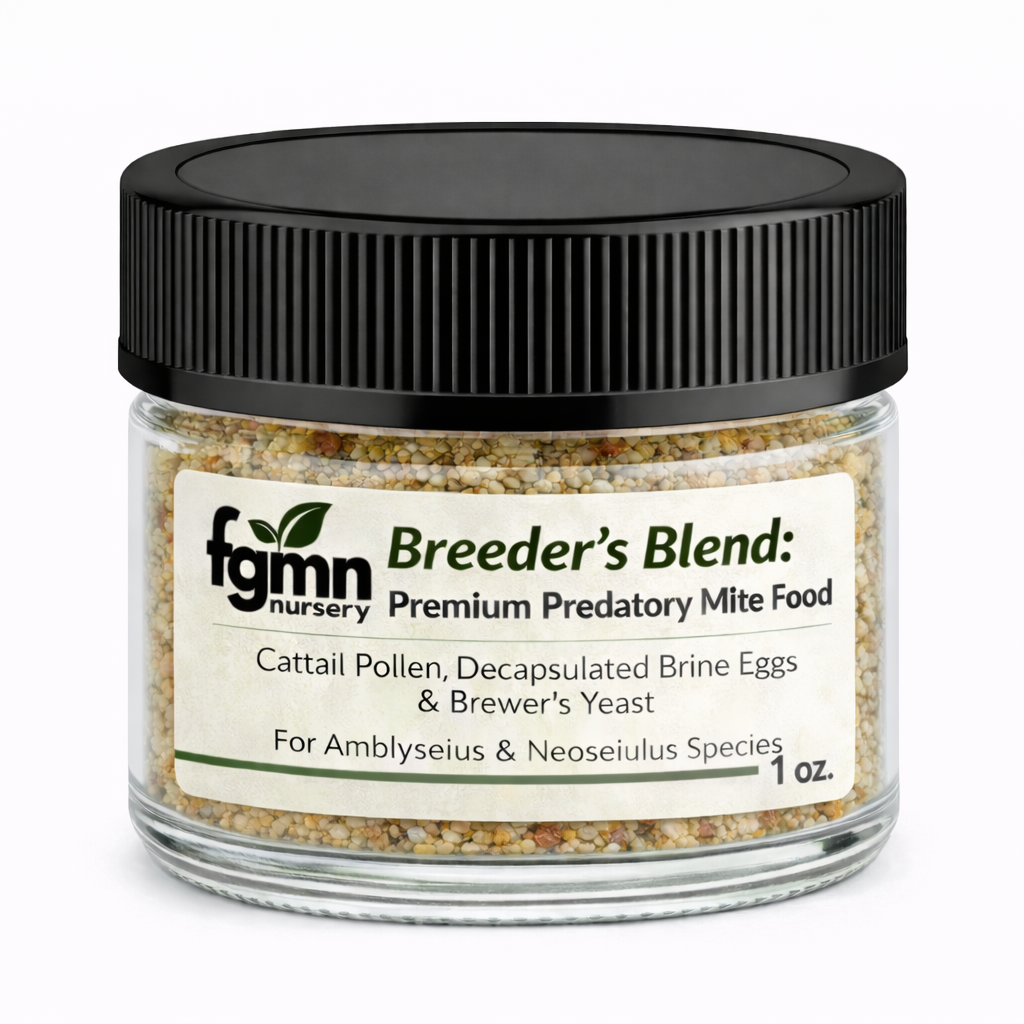
This blend utilizes functional biodiversity. By combining generalist and specialist predators, we cover multiple trophic niches, temperature ranges, and pest life stages.
The Specialist: Phytoseiulus persimilis
-
The Role: The heat-seeking missile.
-
The Science: An obligate predator of the Two-Spotted Spider Mite (Tetranychus urticae). It doesn't just eat them; it hunts them down with high mobility and rapid reproduction rates. If there are spider mites, Persimilis will find them.
The Heavy Hitter: Amblyseius swirskii
-
The Role: The warm-weather warrior.
-
The Science: A voracious Type III generalist predator. Swirskii dominates in warmer, humid environments, aggressively consuming thrips larvae and whitefly eggs. It is the muscle of the group.
The Scout: Neoseiulus cucumeris
-
The Role: The pollen-loving patroller.
-
The Science: This mite thrives on thrips larvae but can survive on pollen when prey is scarce, allowing it to establish a preventative population before an infestation even begins. It provides the "standing army" effect.
The Survivor: Amblyseius andersoni
-
The Role: The hardy all-rounder.
-
The Science: Known for its thermal plasticity, Andersoni stays active in cooler temperatures where others slow down. It attacks spider mites, russet mites, and thrips, ensuring your plants are protected during environmental fluctuations.
Why the "Special Blend" Works
Biocontrol fails when you rely on a "silver bullet." The Special Blend works on the principle of synergistic predation.
-
Climate Resilience: Whether your grow room dips cool (Andersoni) or spikes hot (Swirskii), one of your predators is always in its prime fighting weight.
-
Pest Coverage: From the webbing of Spider Mites to the hidden larvae of Thrips, this blend attacks pests at different heights on the plant and different stages of their life cycle.
-
No "Gap" periods: While specialist predators (Persimilis) might die off if they eat all their prey, the generalists (Cucumeris, Andersoni) stick around on pollen or alternative food sources, maintaining a defensive line.
Product Specs & Application
-
Format: Shaker Bottle (vermiculite/bran carrier).
-
Target Pests: Two-Spotted Spider Mites, Thrips (various species), Whiteflies, Russet Mites, Broad Mites.
-
Best For: Proactive prevention and treating early-to-moderate hotspots.
Ready to let nature do the heavy lifting? Grab a bottle of Special Blend and watch the bad bugs check out—permanently.
Target Pests
Environmental Needs
Selection Guide
How to Use
How They're Shipped
Deploy day, and the weeks after.
How to deploy your order, and how to read the results over the next few weeks.
-
01
Open the box right away
Bring the package indoors as soon as it arrives. Don't leave it on a hot porch, in a cold mailbox, or in direct sun. If you can't deploy immediately, set the bottle somewhere room-temperature (60–75°F) and out of direct light — it'll keep for a day or two.
-
02
Let the bottle rest 15 minutes
Mites huddle in transit for warmth. Set the bottle somewhere room-temperature for fifteen minutes before you open it — this lets them spread back through the carrier and warm up before deployment.
-
03
You probably won't see them
Predatory mites are smaller than a grain of salt — most people can't spot them with the naked eye, and phone cameras can't focus close enough to catch them. That's expected. What you can check: the carrier material should look dry and uniform, the bottle should be intact, and there shouldn't be any sour smell or visible mold.
-
04
Deploy the same day
Apply in the evening or on a cloudy day to avoid UV exposure. For pests on the plant — spider mites, thrips, broad mites — sprinkle the carrier material directly onto leaves and stems where damage is visible. For soil-dwelling pests like fungus gnats, sprinkle onto the top inch of soil and lightly water afterward to help the mites settle into the medium. Either way, spread across plants instead of piling in one spot. See the product description for species-specific dosing.
-
05
Watch your plants over 1–2 weeks
The real "are they working" check isn't visual — it's whether your pest population drops. Bottled treatments typically show measurable reduction in spider mites, thrips, or other targets within one to two weeks. If pest pressure isn't easing by then, that's when to email us.
Something visibly wrong on arrival?
Crushed packaging, sour smell, mold, or a soaked carrier — take a photo and email info@fgmnnursery.com within 24 hours of delivery with your order number. We'll replace or refund without question.
Read the full Live Delivery Guarantee →Join Karen's Live Shows — Pests, Plants & Predators on PalmStreet.
Every Friday at 7pm EST — plus additional shows throughout the week. Ask your pest questions in real time — we answer everything.







The Weekly Newsletter
A weekly excuse to be weird about bugs at parties.
Weekly dispatches on the quietly alarming things happening in your soil. All of it real.
No spam. Leave whenever.
You're in
The first strange true thing arrives next week.
FAQ
What is your Live Delivery Guarantee?
We guarantee that your beneficial insects will arrive healthy and ready to work. Because we are shipping live organisms, we use packaging and expedited shipping to ensure their safety. In the rare event that your order is compromised during transit, please take a photo of the package and contact us within 24 hours of delivery so we can make it right.
How quickly do Special Blend Bottles work?
When should I switch to sachets?
Can I mix different predatory mite species together?
Can these be used indoors?
Will I see the mites after applying?
What if my plants are bigger or smaller than 6 inches?
Help! I'm overwhelmed
Yeah, it's a lot the first time you're using predatory mites. Please email us at info@fgmnnursery.com and we'll be happy to help!
I don’t see anything moving in my bottle or sachet. Does that mean they’re dead?
Not at all! In fact, go ahead and deploy them.
Predatory mites are microscopic (often less than 0.5mm) and naturally blend into their carrier medium (bran or vermiculite).
- For Bottles: The mites often huddle in the center of the bottle for insulation during transit.
- For Sachets: These are "slow-release" nurseries. The mites stay tucked deep inside the breeding media and emerge one by one over 2–4 weeks. Seeing an "empty-looking" sachet or bottle is not proof of a loss; it is simply how they are packaged for maximum survival.
It controlled the spider mites but they reappeared after a week
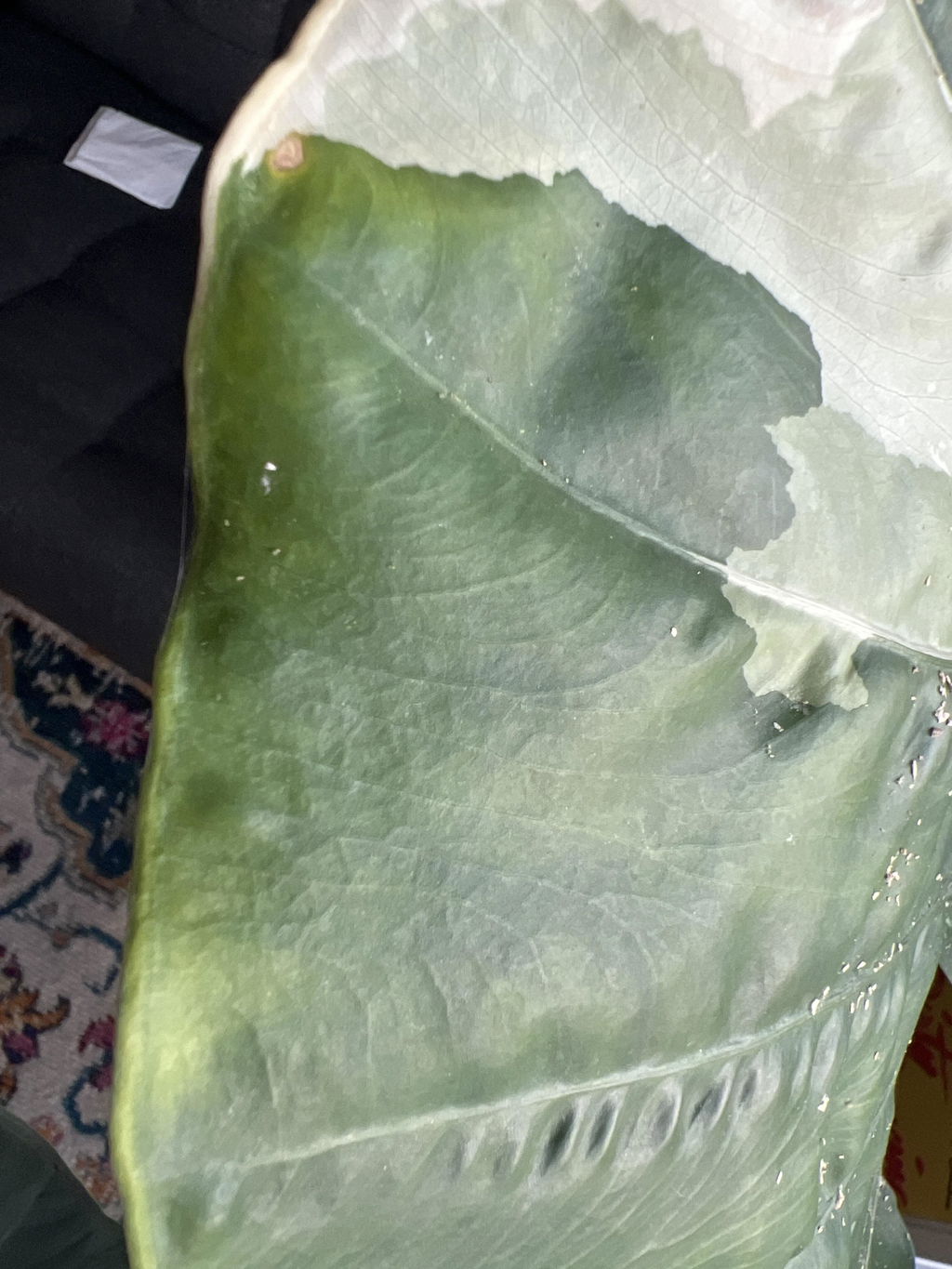
Hi Junaid, thanks for sharing your experience. What you experienced is known as the “ghost period”. During that time, your beneficial have eaten all of the spider mites, but the spider mite eggs remain behind. With nothing to eat your beneficials die off, leaving the spider mites eggs to hatch later with nothing there to eat the brand new spider mites. One reapplication (often not the same level) or the simultaneous use of the prevention sachets usually clean up that new hatch— and then it’s all done. Please reach out if you want any further information. :)
I saw a few mites but definitely not 2k when I released them.
I don't see any new webbing so maybe they are there working.
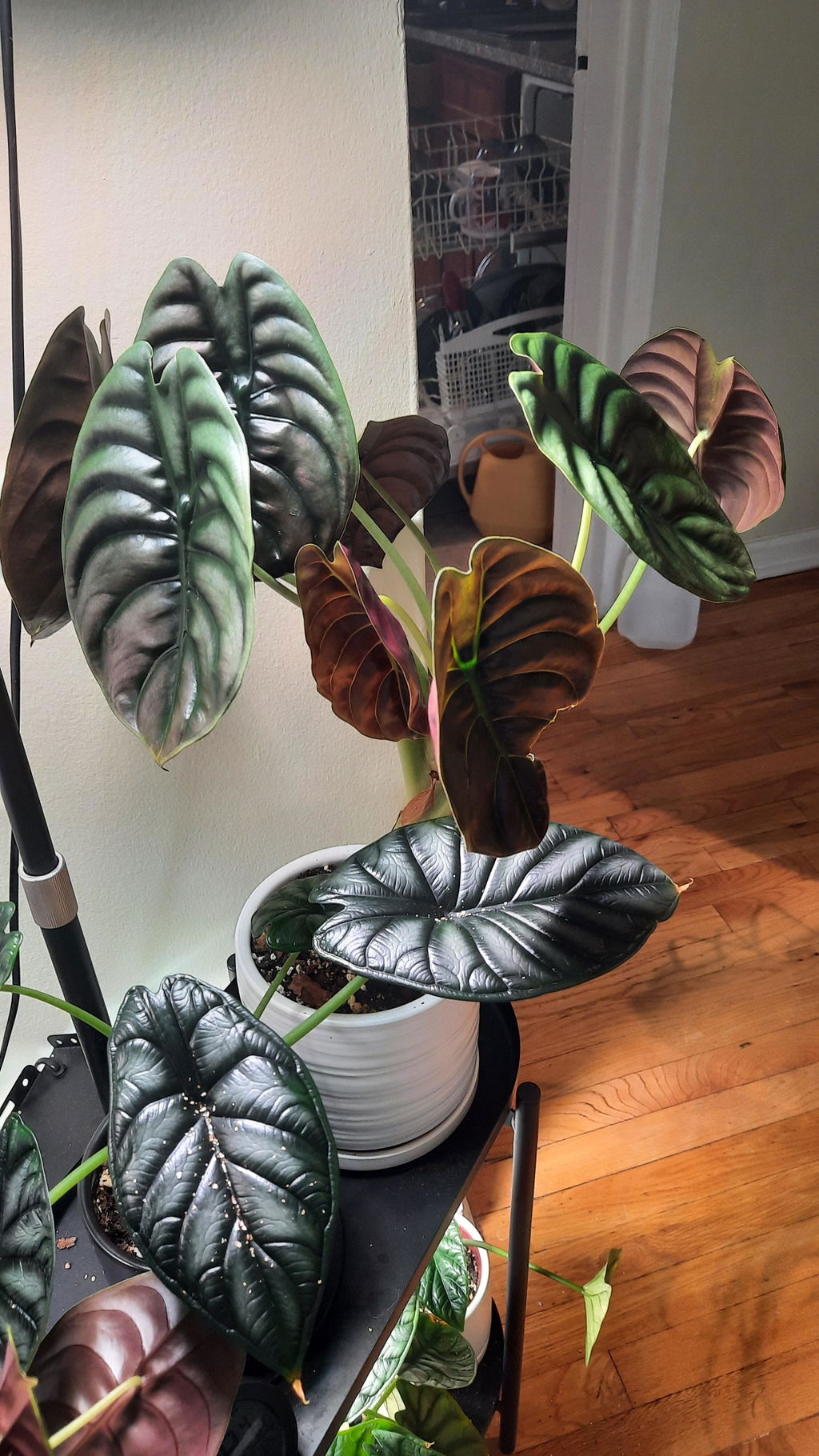
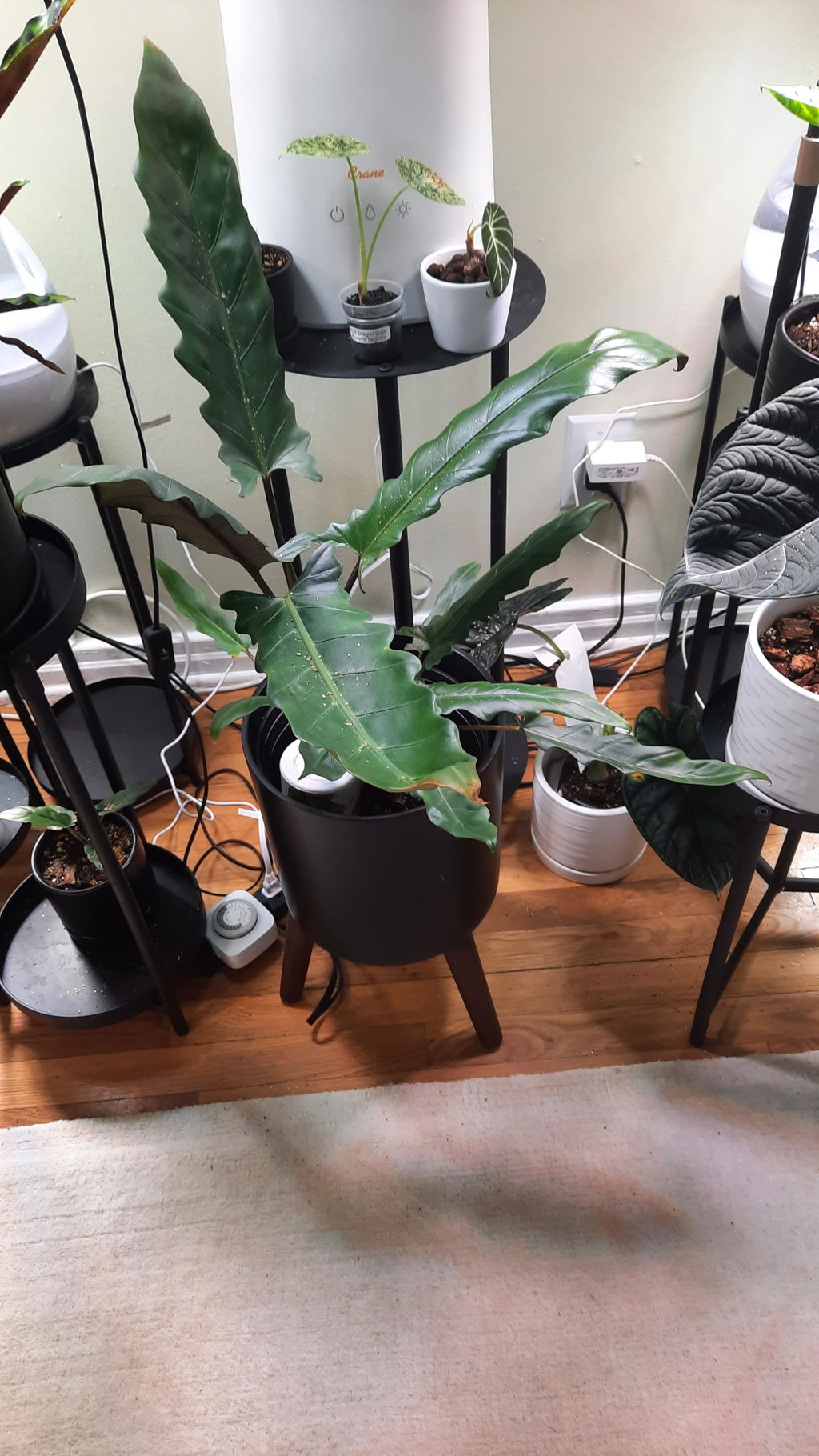
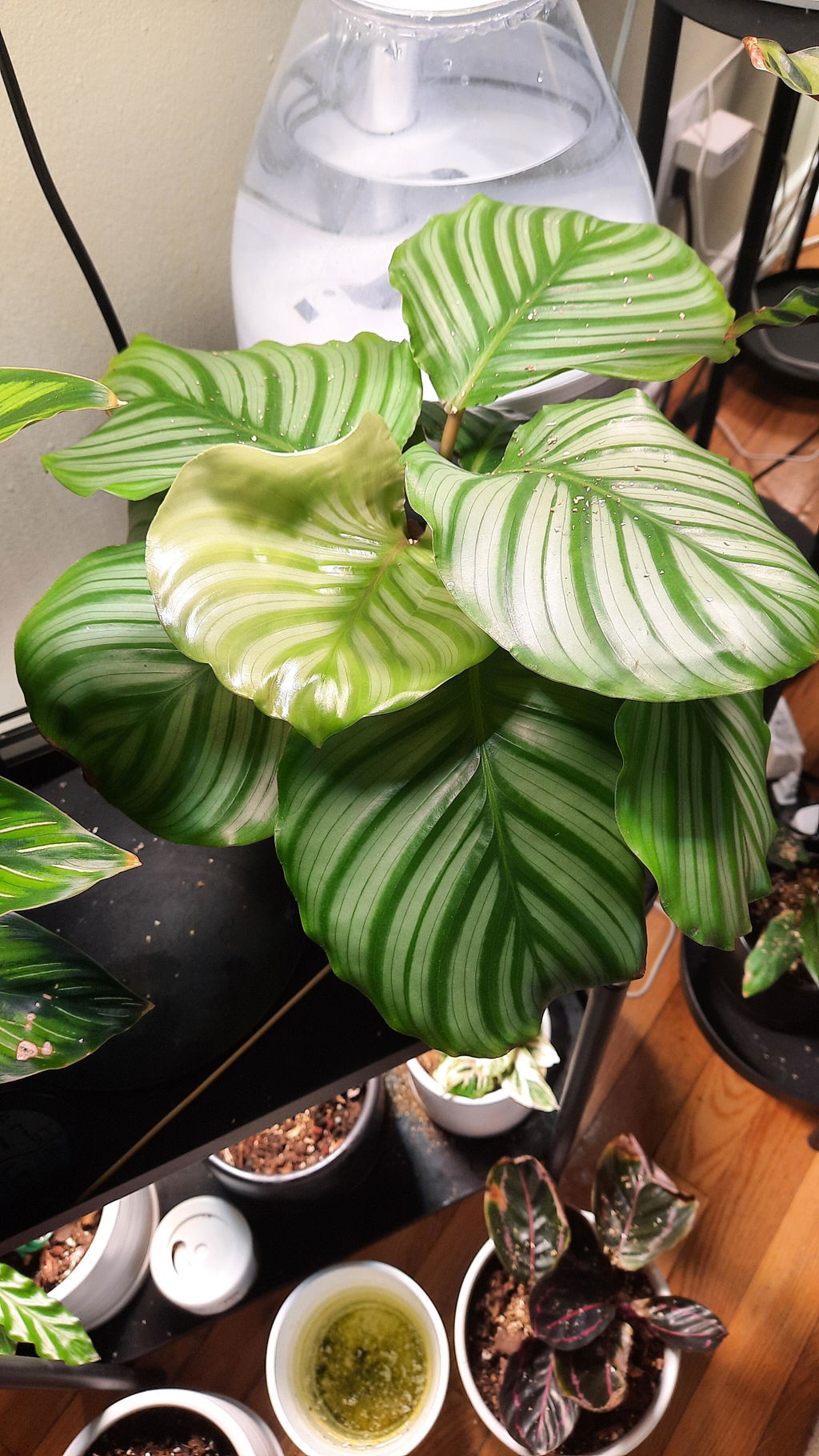
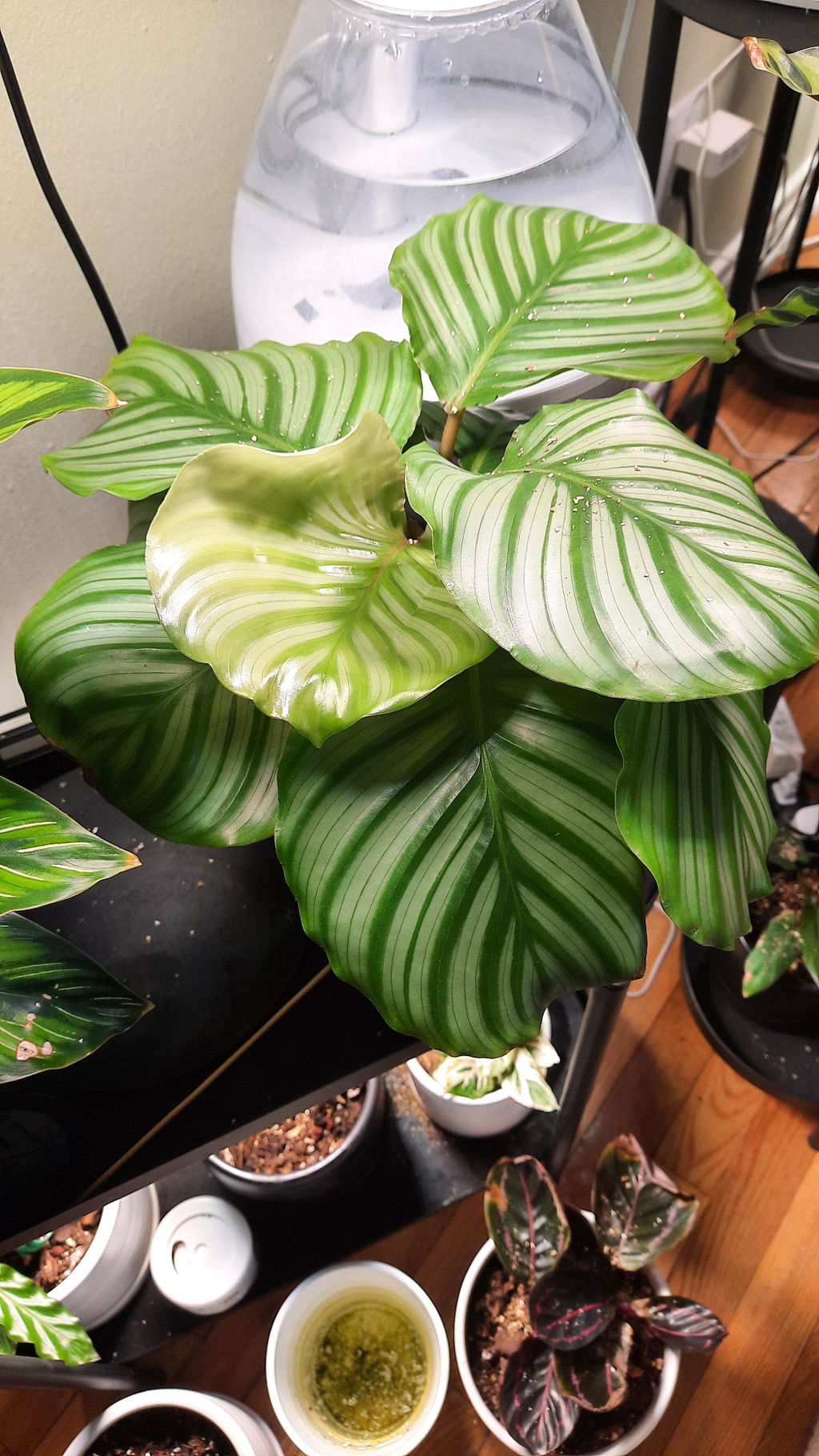
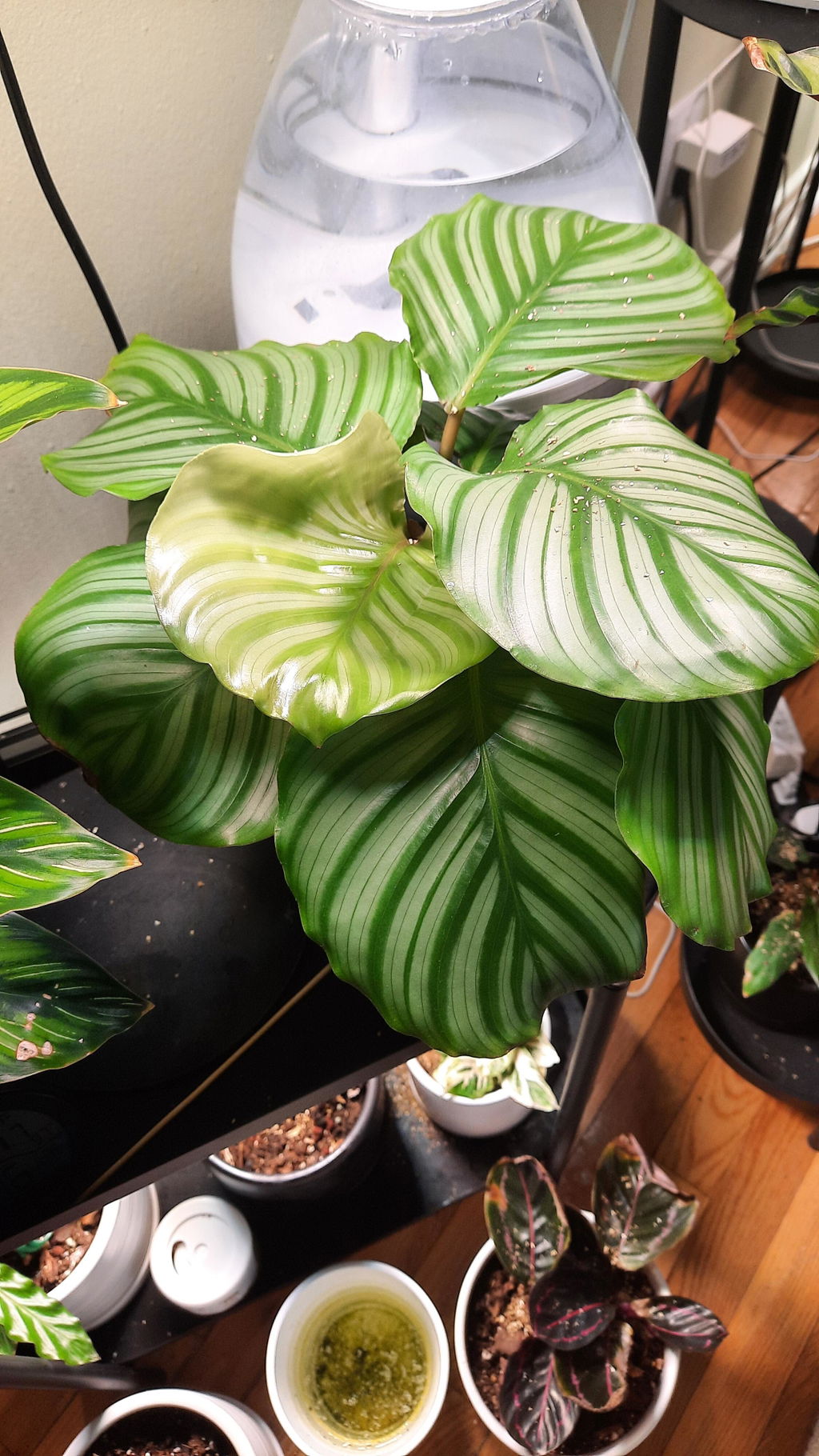
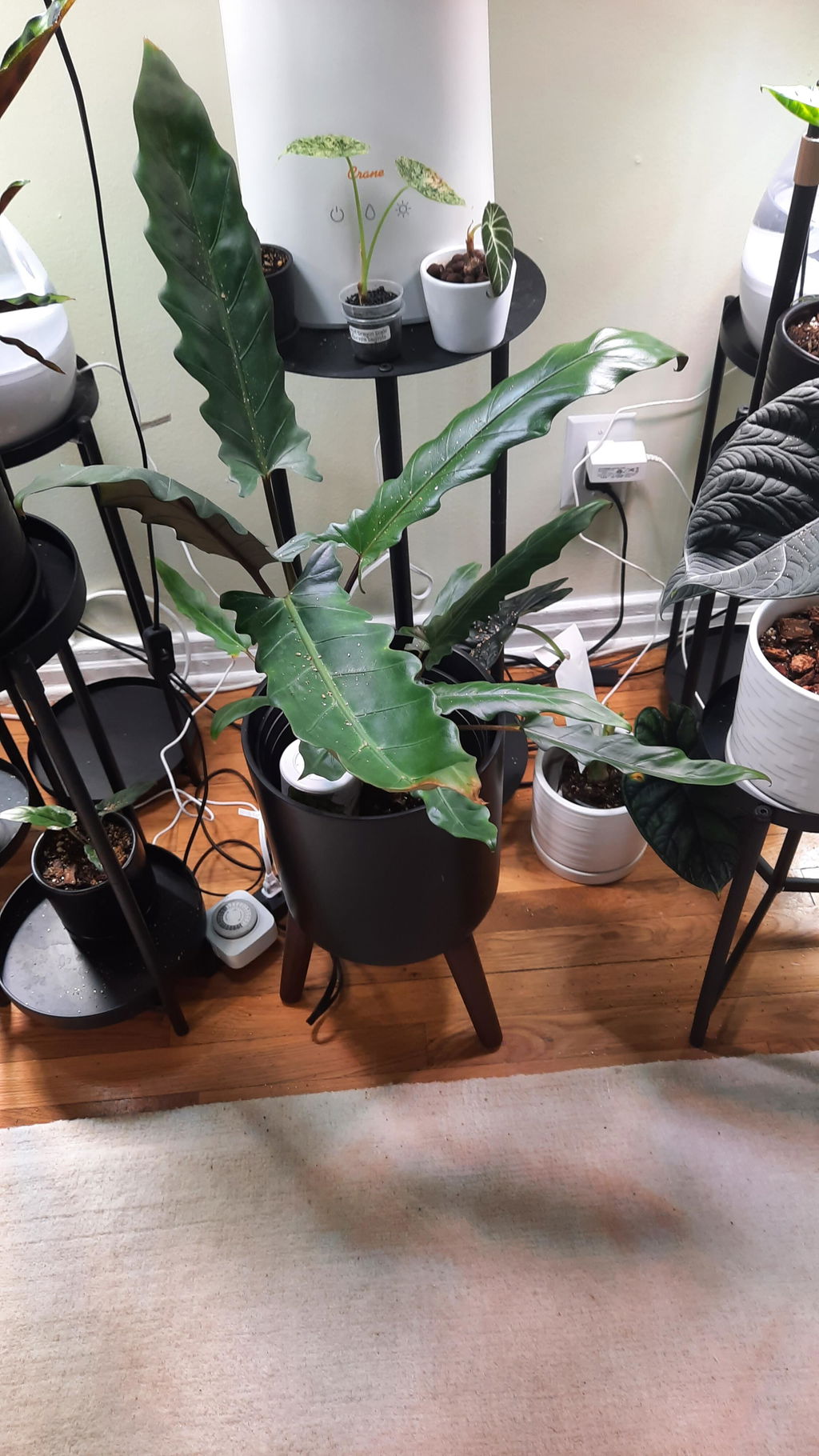
Hi Mary — thank you for the detailed review and photos.
Predatory mites are extremely small, so it’s normal to only see a handful at release even when thousands are present. Many remain in the carrier material or disperse quickly into the plant canopy and substrate. Unlike pests, they don’t congregate on leaf surfaces where they’re easy to spot.
The fact that you’re not seeing new webbing is actually a strong indicator that they’re active and feeding, even if they aren’t visible.
We truly appreciate you sharing your experience — real-world observations like this help set expectations for other growers as well.
package arrived boiling hot - well above 100 degrees with a melted ice pack. dumped it on black cardboard paper with a magnifier and absolutely nothing was moving w tons of dead mites. they tried to tell me its a good thing that the ice pack was melted and it arrived hot. bad customer service. save your money and order from someone that properly ships live mites.
Hi Lauren,
Thanks for the feedback.
As we discussed, a thawed ice pack on arrival is expected. It slows how fast the box warms and raises humidity as it melts, which matters here because swirskii and cucumeris both struggle below about 60% RH. These are warm-climate mites — swirskii does best near 77°F and its numbers fall off as things cool, so shipping them chilled does more harm than good. The Journal of Integrated Pest Management's review of swirskii lays out the ranges if you'd like to read it.
A box that genuinely sat above 120°F is worth reporting, and that's what the live delivery guarantee is for. We've sent you the link — please feel free to report it. As we discussed, the entomologist is going to ask you file a report this week, will discuss it with you, and then ask you to file again in the future. Then you can compare and decide next steps together and how we can support them.
Second time ordering, careful packaging with a note in each order. I’m on automatic shipments now!
Arrived fast and alive.
Works like a charm every time. Lots of active bugs, gently packed with cute informational material. FGMN is by far my favorite supplier for beneficials. Thank you!
A.rrived quickly. Very satisfied
Quick shipping! I don't see any bugs buuuuuut the spider mites are gone! So something is doing some work, somewhere!!!
way more effective than neem oil. would highly recommend.
My plants are so much happier
FGMN sent out a new bottle because the shipping of the first bottle was delayed, I didn't even have to contact anyone! Great customer service, my plants are looking happier already. Thanks predatory mites!
The package was delivered exceptionally fast and the blend of mites were in great condition. They moved swiftly and hopefully descended on all pests with the fury of a thousand legs. Very happy with the bottle and sachets.
I have been battling spider mites endlessly for the past 3 months. These predatory mites resolved my pest problems in a week. Stop with the neem oil and buy some bugs!
Everything was great, only issue was part of my orderwas missing. But they were quick to respond
So far, so good.. introduced within hours or delivery
I can see predatory mites running everywhere.. turned off the lights, sprayed the plants with water, turned off the dehumidifiers.. time will tell..
I do not want to leave a bad review but I have to be honest, it was unsuccessful. I don’t know if I didn’t order enough mites or what or maybe I should have ordered sachets. I’m just disappointed in the amount I paid and seeing a bigger problem and population in spider mites since I didn’t mist my plants for 2 weeks in hopes of letting the predatory mites do their job.
Hi Tre — we appreciate your honest feedback. A 500-count bottle is generally best for smaller infestations or a few plants, but for larger collections or heavier spider mite pressure, that quantity may not be enough to bring populations under control. If you've gotten to the point where you had webbing, you will most likely need a medium to large bottle or multiple releases over the course of several weeks.
If you’re still seeing activity, adding a follow-up release or pairing bottles with prevention sachets usually helps stabilize the balance faster. We’re happy to help you calculate the right setup for your space anytime at info@FGMNNursery.com.
Wasn't happy that I received an out for delivery notification before receiving a shipping notification. Product wasn't delivered when it was supposed to. Contacted Karen and she wouldn't help, just kept saying she didn't own FedEx and I needed to contact FedEx. FedEx wouldn't help me as I wasn't the shipper. I let Karen know this and she wouldn't help. This was on a Friday. Saturday the package was delivered but not to my address. Contacted Karen again and she could've looked at their FedEx page to get the delivery confirmation picture but didn't. She then got shitty about the fact that she had to send a replacement. Even put a nice petty message on the invoice about how she paid for it. Original package was delivered on Tuesday and they were dead. She kept putting it on FedEx but the fault is on FGNM as they put the wrong address.
Super happy with my purchase. I was impressed they shipped/arrived super fast and they were very active. I think I will need more to eradicate and I won’t hesitate to order again from FGMN.
Great solution, excellent customer service.
Seems to be working.
I’ve now purchased twice from this company. The first time I was hoping for extreme and immediate results, and emailed about it when that didn’t happen. The customer service was fabulous, I was able to fix my expectations, and with patience the results were exactly what I was hoping for. I absolutely recommend them to anyone struggling with pests, and so appreciate their patience and willingness to work with me over my concerns and misinterpretation of the time table involved.
I ordered predatory mite mix in a bottle, and was happy to see the delivery was as expected, shipped with advance notice of arrival and in a cold pack. I didn't see the mites at first, but ultimately a family member did see evidence of life. They are really tiny!!! Customer service was on task to reassure me and step in if things had not been right.
They were lively and active. Amazing how many there were in the vial. They all came charging out and started eating spider mites immediately. Ill never do pest control differently.
Product as described and shipped quickly. Arrived well packaged and with cooler packs. 5 stars
I’m so glad I stumbled up on the FGMN website. With close to 700 plants in my collection, I’ve been fighting the same spider mite infestation coming up on four summers now!! Very stressful and extremely frustrating. It’s easy to loose hope.
Up until just this last winter I had been treating with the normal recommendations for SM infestations such as neem oil, different insecticide soaps, home made solutions but because of the sheer volume of plants that I have and the numerous reapplications that are required with products like those, it was a near impossible task and it felt that way.
There had to be a better way so I went online and started researching and that’s when I say info about predator mites and that’s when I just so happened to find the website for FGMN nursery and I am EXTREMELY grateful that I did.
I reached out on the website and hear back very quickly from Karen who owns the nursery. She is an Alocasia goddess and just the kindest most wonderful person I’ve had the pleasure of meeting. She took the time to help me break down my collection into sections and then broke down different pricing options depending on how I wanted to proceed with the application of the PM. I’m actually currently waiting to receive my 3rd round of PM treatment in the mail but I can say without question that just in the two applications I’ve made so far, I can see more progress then I ever made with the traditional suggestions for ending spider mite infestations.
With all of that being said, I’d like to take this opportunity to say thank you to Karen and her team!! They are truly amazing and I’m don’t know where I’d be if I hadn’t found her!!
Mite Matters

Cucumeris: Why It Works (and Why It Fails)
Cucumeris is reliable, widely researched, and genuinely effective — within a specific set of conditions. Here's what it actually does, what it won't do, and how to tell if it's the right species for your situation.

My Plant Has Webbing. Help.
Webbing on a plant isn't always spider mites — and the mite that causes the most damage indoors doesn't produce webbing at all. Here's how to tell what you're actually looking at before you treat.

Native vs Invasive Ladybugs
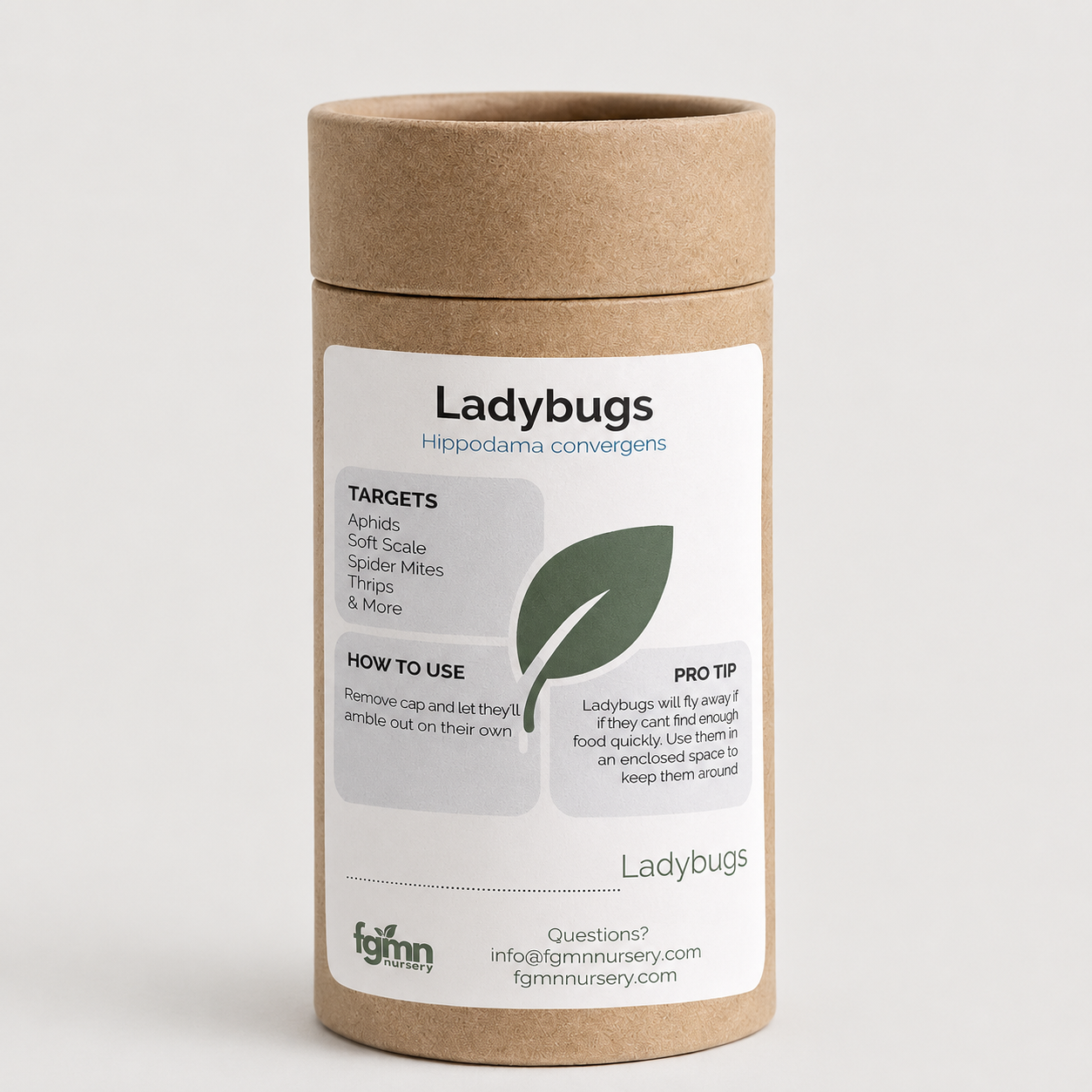
Most ladybugs you'll encounter are red with black dots — and that description fits native, introduced, and invasive species equally. Here's how to actually tell them apart, what the harlequin ladybug has been doing to native populations, and where the real ecological concerns are.