
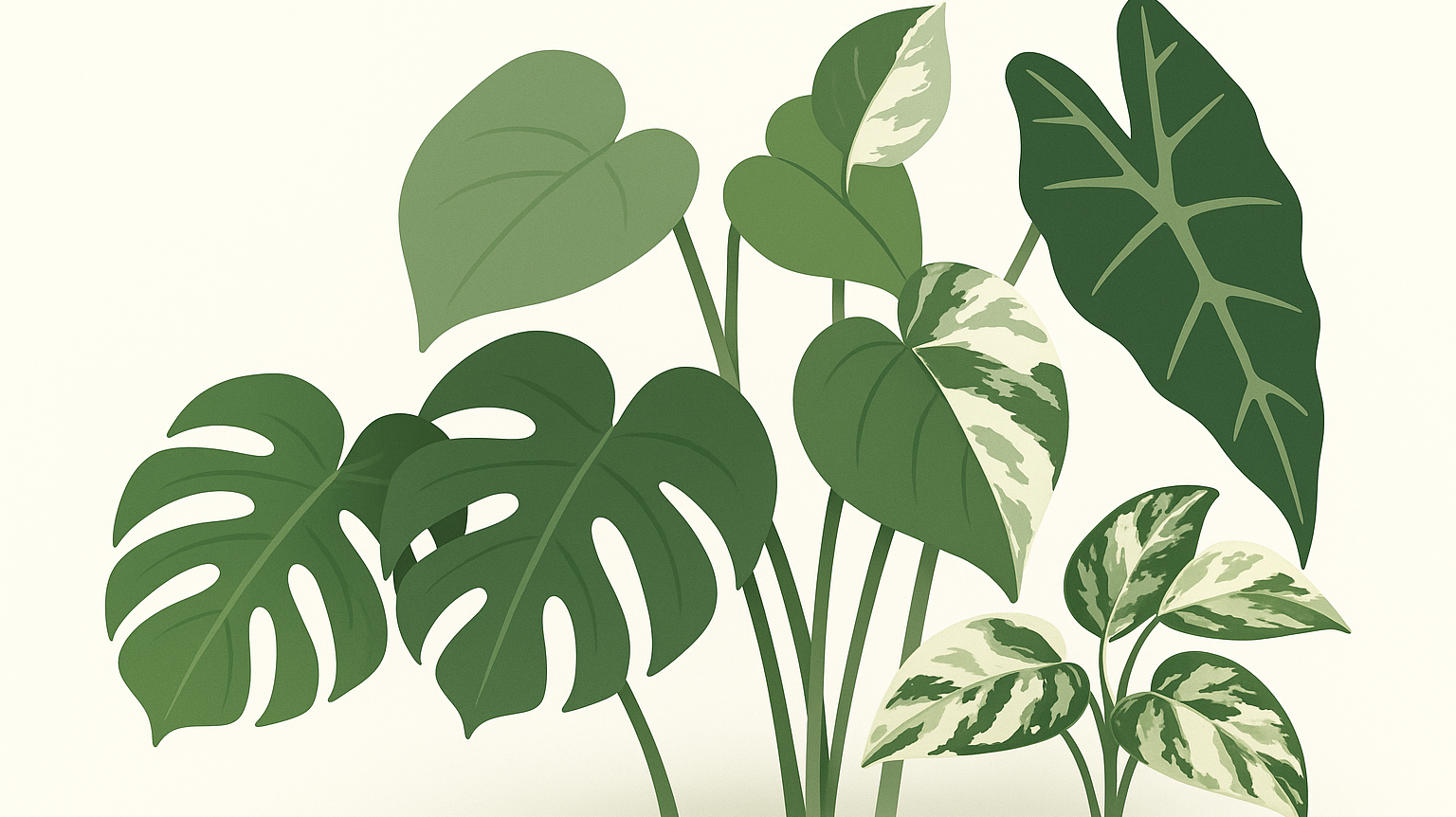
Illustration of aroid plants including Monstera, Philodendron, and Alocasia with variegated green and white leaves on a white background.

What Is an Aroid?

Karen Horn
Tagged: Aroids

Aroids evolved to solve the hardest problem in the rainforest—how to live with too little light and too much competition. The result? Some of the most beautiful plants on Earth.
Read more
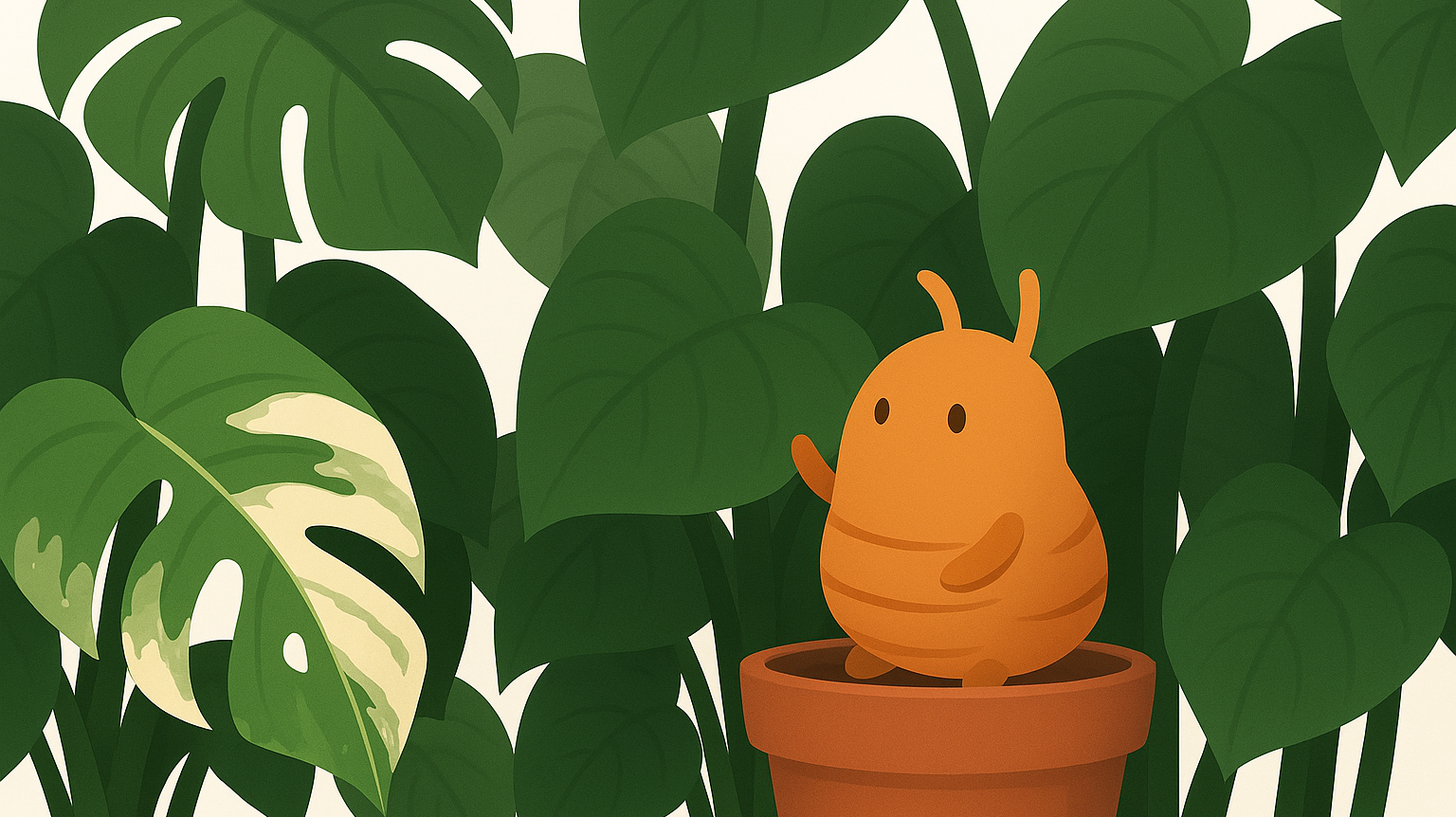
Editorial illustration of a variegated Monstera in a terracotta pot with bold cream-and-green leaves, greener background foliage, and a small cartoon predatory mite perched on the rim, showing how variegation fades in winter.

How to Keep Variegated Leaves Through Winter

Karen Horn
Tagged: Aroid Care

Winter light can turn your prized variegated leaves solid green. It isn’t bad care—it’s survival. Learn why plants shift their patterns when days get shorter, and how steady light and warmth can help keep the white in your Monstera or Philodendron from fading away.
Read more
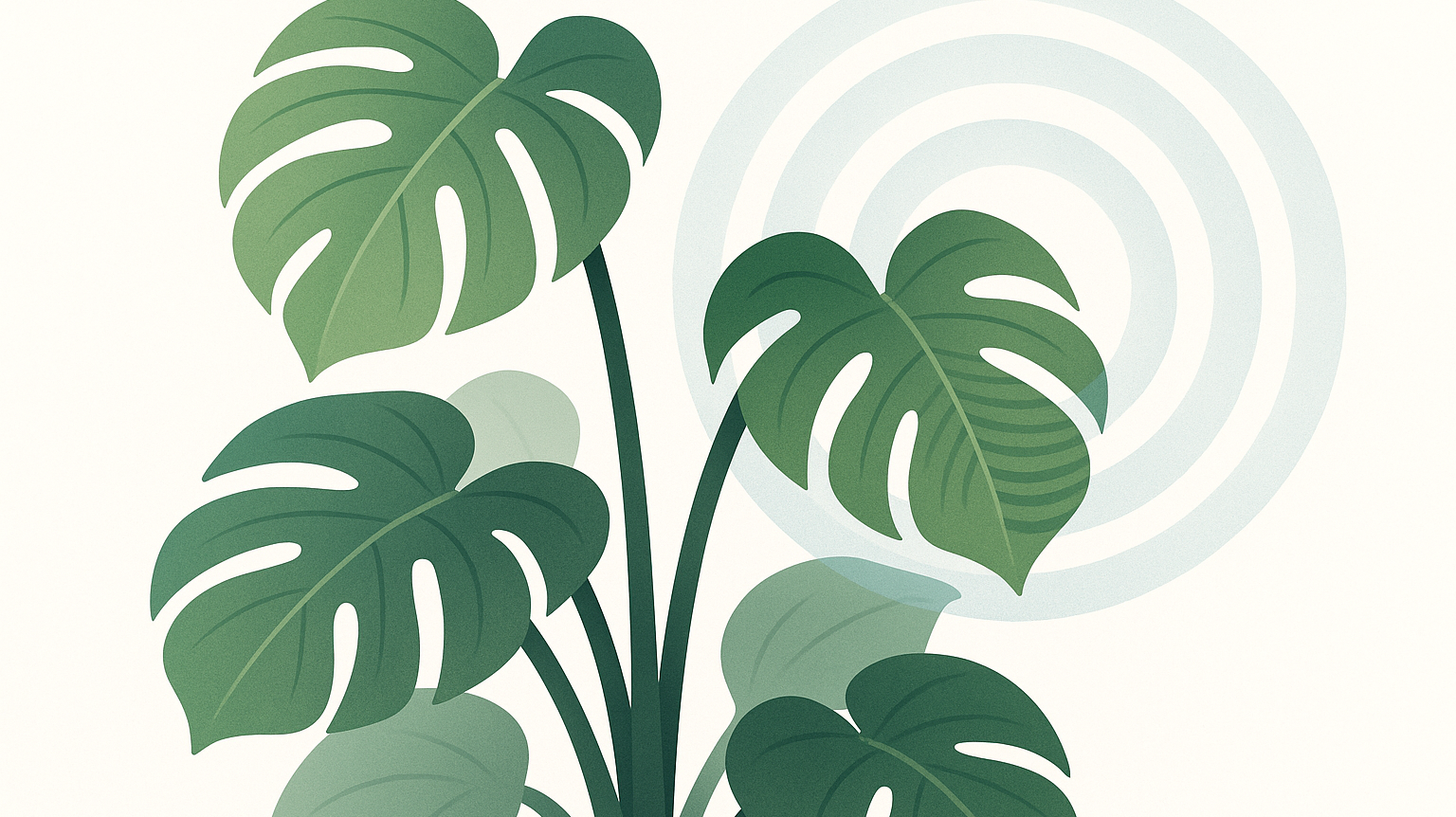
Editorial illustration of a Monstera plant with layered green leaves on a white background. Transparent blue vibration waves radiate outward from one leaf, symbolizing how plants sense touch.

Can Plants Hear Touch?

Karen Horn
Tagged: Plant Biology

Plants don’t have ears, but they aren’t deaf to their surroundings. From sensing a fingertip brush to detecting the vibrations of chewing insects, plants register touch and sound through finely tuned cellular systems — and even change how they grow in response.
Read more
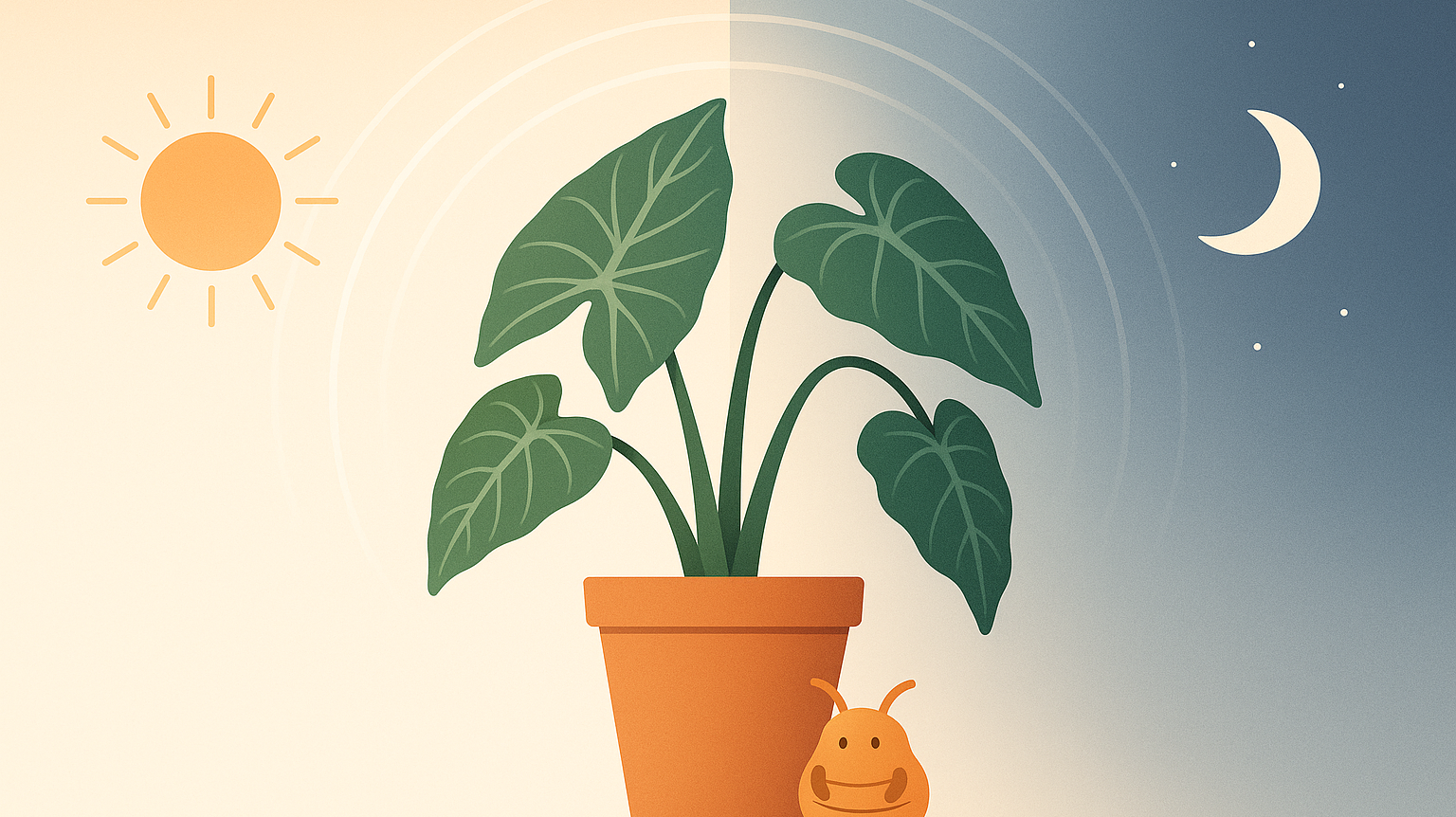
Do Plants Know What Time It Is?

Do Plants Know What Time It Is?

Karen Horn
Tagged: Plant Biology

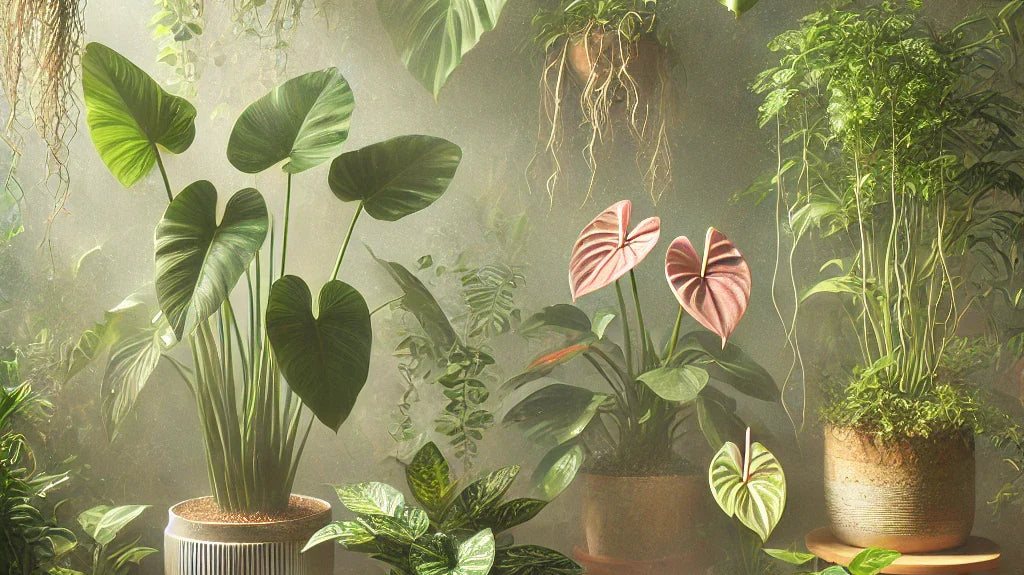
Plants don’t just react to light — they keep time. From Alocasia leaves that rise and fall on schedule to orchids releasing fragrance only when pollinators are near, circadian clocks run the show. These silent rhythms shape when your plants grow, rest, and bloom.
Read more
Dry Feet, Humid Air – Why Aroids Thrive with Drier Roots and Higher Humidity

Dry Feet, Humid Air – Why Aroids Thrive with Drier Roots and Higher Humidity

Karen Horn
It’s easy to assume that tropical plants want constantly wet soil, but aroids don’t follow that rule. While they come from rainforests, most aren’t growing in soggy ground. Instead, they...
Read more
Why are my plant's leaves turning brown after shipping?
Why are my plant's leaves turning brown after shipping?

Karen Horn
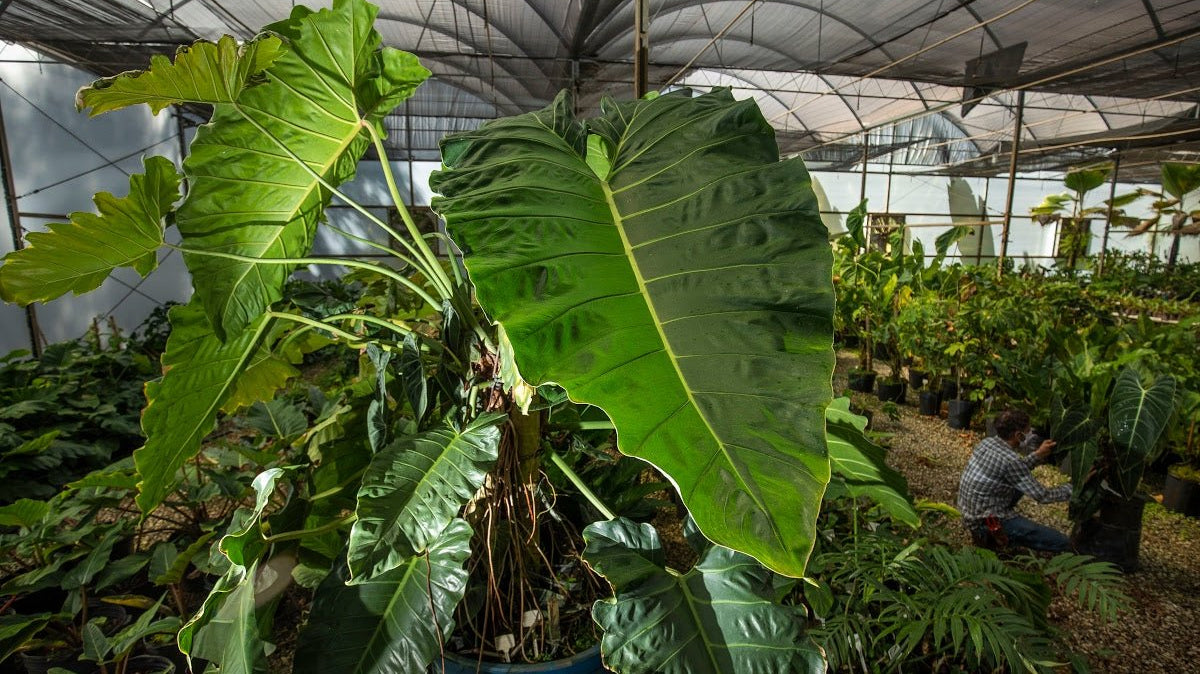
Shipping a plant is a bit like sending a friend on a long trip—they’ll probably arrive looking a little frazzled, but that doesn’t mean they’re worse for wear. Plants, much...
Read more
Philodendron Maximum: Mastering the Care of a Tropical Giant - FGMN Nursery

Philodendron Maximum: Mastering the Care of a Tropical Giant

Karen Horn
With leaves that can stretch over 3 feet, Philodendron Maximum certainly lives up to its name, bringing an impressive, dramatic presence that any seasoned collector would be proud to showcase....
Read more
5 Common Rare Plant Care Mistakes to Avoid - FGMN Nursery

5 Common Rare Plant Care Mistakes to Avoid

Karen Horn
Rare plants need special care. Here are 5 mistakes to watch out for: Wrong watering: Overwatering kills. Use the finger test and ensure proper drainage. Incorrect light: Each plant has...
Read more
Philodendron Atabapoense: The Hidden Marvel of the Rainforest - FGMN Nursery

Philodendron Atabapoense: The Hidden Marvel of the Rainforest

Karen Horn
The Philodendron atabapoense may not be the flashiest of houseplants, but its understated beauty, fascinating origins, and easygoing care requirements make it a must-have for collectors who appreciate the story...
Read more
The Unique Features and Traits of Anthurium Villenaorum - FGMN Nursery
The Unique Features and Traits of Anthurium Villenaorum

Karen Horn
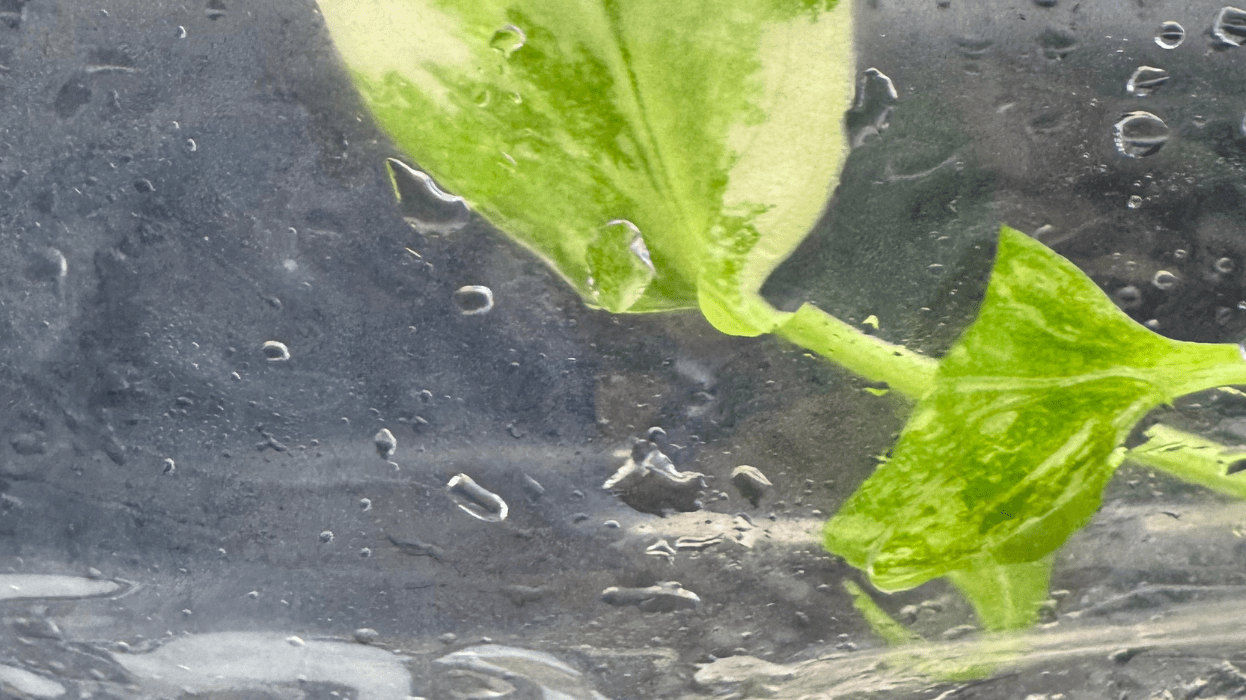
Explore the unique traits of Anthurium Villenaorum, a rare tropical plant known for its velvety texture, intricate venation, and resilience, making it a favorite among plant collectors.
Read more
Plant Tissue Culture: Real Plants, Real Value – Just a Different Propagation Method - FGMN Nursery
Plant Tissue Culture: Real Plants, Real Value – Just a Different Propagation Method

Karen Horn
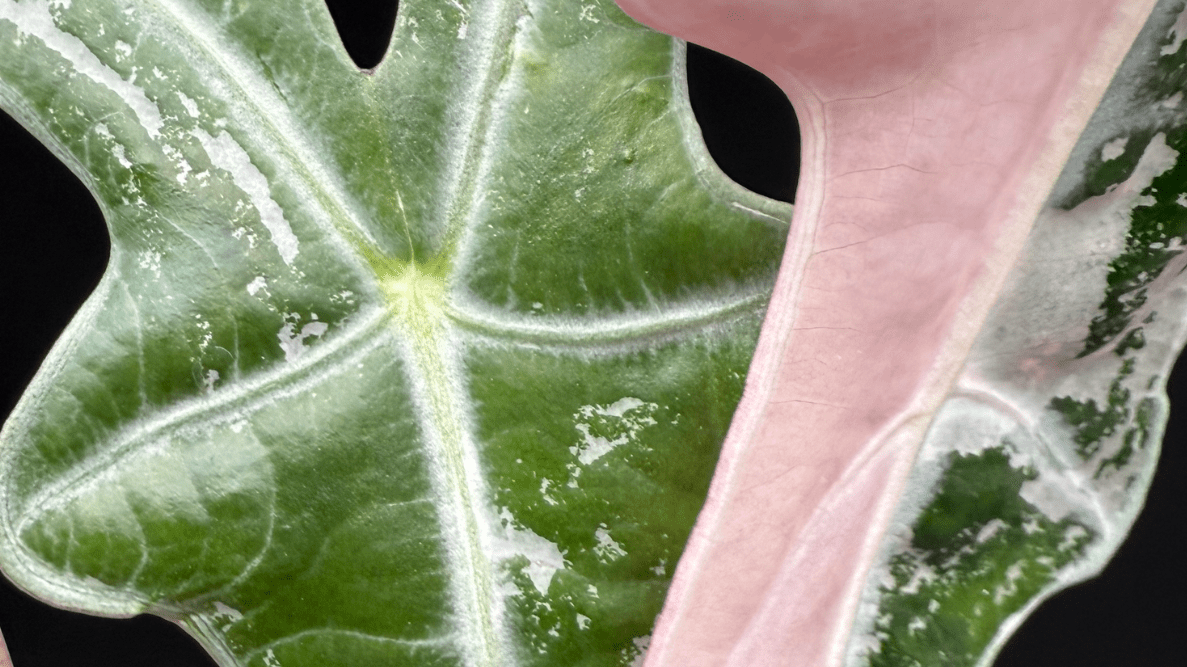
Tissue culture plants are real and genetically identical to traditionally propagated plants. Discover how this modern method offers healthier, more affordable options for collectors.
Read more
Alocasia and Humidity: How to Create the Perfect Environment - FGMN Nursery

Alocasia and Humidity: How to Create the Perfect Environment

Karen Horn
Alocasia plants thrive in humidity levels of 60-80%, making it essential to replicate their tropical environment indoors. Learn effective ways to boost humidity, from using humidifiers to grouping plants, and avoid common pitfalls like overwatering. Keep your Alocasia healthy with these tips for maintaining the perfect balance of moisture and airflow.
Read more