





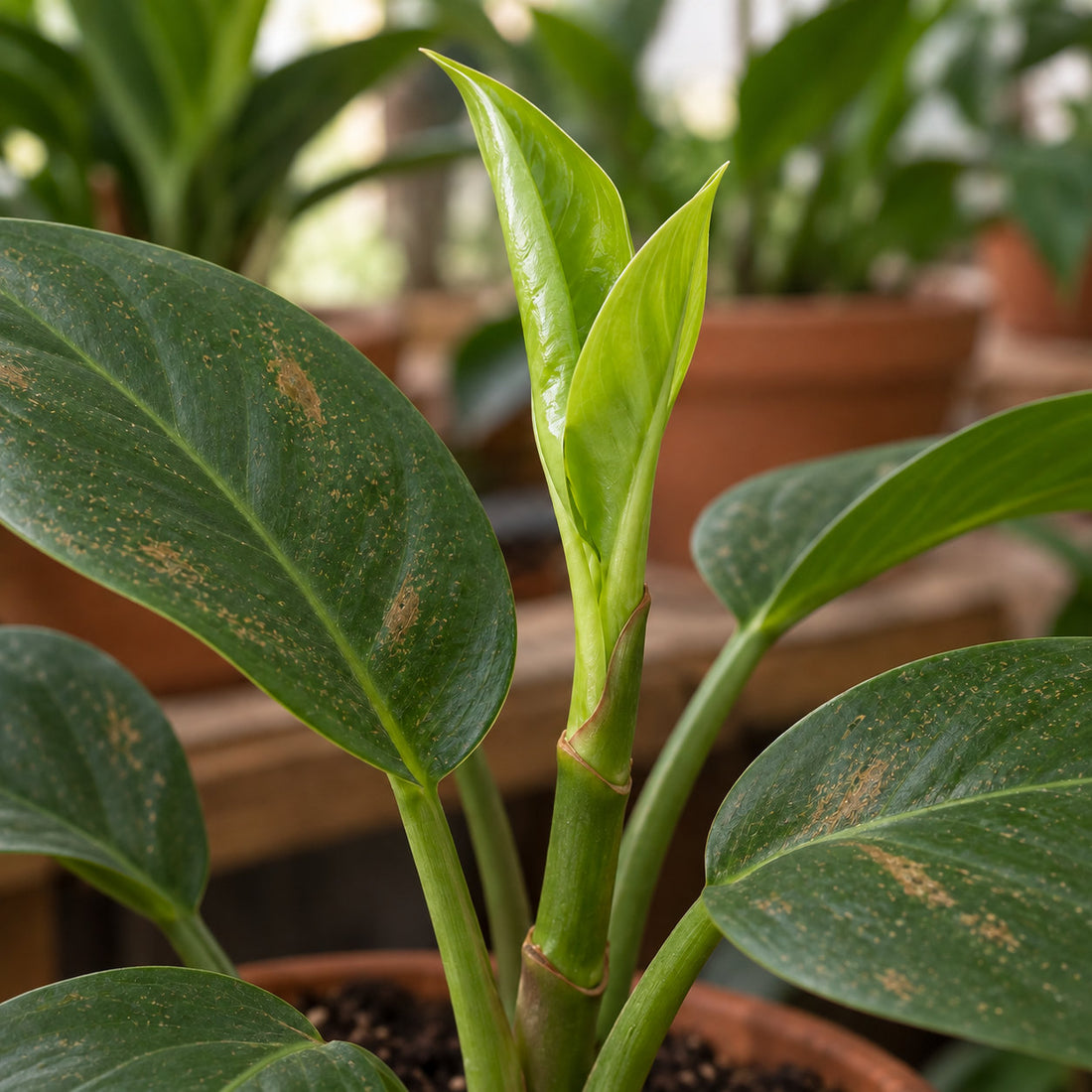
Neoseiulus californicus Sachets for Spider Mite Prevention
Californicus predatory mite · Neoseiulus californicus
4.4 · 23 reviewsSlow-release paper sachets, each holding a breeding colony of Neoseiulus californicus predatory mites that walk out onto the plant over four to six weeks. Hung one every three to five linear feet, they guard against spider mites, and the mites can live on pollen when there's nothing to hunt. Built for warm, dry rooms; they're prevention, not a rescue for webbing you can already see.
- Conditions
- 55–95°F, Down to 40% RH
- Good to know
- It looks like nothing is happening. The sachet looks the same the whole time. The mites leave through the vent a few at a time and spread under the leaves, so keep it closed. What to expect
When to choose something else
Not for russet & rust mites, adult thrips.
Shipping details
Shipping
| Est. ships | Est. arrives | |
|---|---|---|
| Standard | ||
| Overnight |
Raising a fresh batch for you? Add up to 7 days to both dates.
Estimates. Overnight speeds up the trip, not the packing: its one day on the truck starts once it ships.
- Monday to Thursday only. Nobody spends the weekend in a warehouse.
- Check your address at checkout. Bugs are brilliant at finding aphids and hopeless at finding a new front door.
Ordering with friends? Get group pricing
Everyone picks their own. It ships to you in one box.
Buying for a greenhouse, farm or shop? Ask about wholesale
Right for you?
Your pest, your growing space, how many you need
Or choose instead
When one of these fits your situation better than neoseiulus californicus slow-release prevention sachets.
-
Choose this instead
Phytoseiulus persimilis
If there is already webbing.
from $55
-
Choose this instead
Phytoseiulus persimilis Slow-Release Prevention Sachets
If the room is humid.
$5.25
-
Choose this instead
Amblyseius swirskii Slow-Release Prevention Sachets
If thrips worry you more.
$4.75
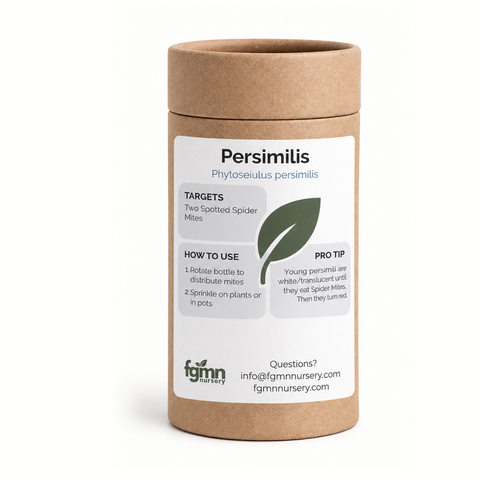

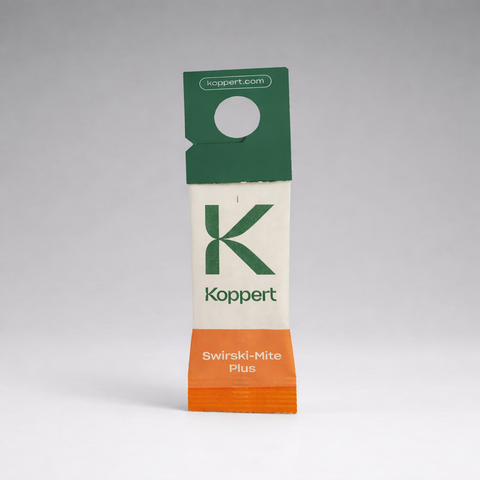
Conditions for releasing neoseiulus californicus slow-release prevention sachets
Neoseiulus californicus slow-release prevention sachets work best when the growing space stays 55–95°F, Down to 40% RH. These are preferred conditions, not hard limits.
Best temperature55–95°F
Extremely adaptable, and active up to about 95°F. Heat shortens the sachet's run, though, so a hot room wants checking at the early end of the window.
Best humidityDown to 40% RH
This is the whole argument for this species. It prefers 60%, but it stays active down to 40% — which is where persimilis and most of the others struggle.
CoverageOne per 3–5 linear feet
Size by the length of the shelf, row or bench, not the number of plants. A large plant can have one of its own. Two or three on a big specimen, hung at different heights.
Sachet life4–6 weeks
Then replace it. An empty sachet is paper, and the plant is unguarded from that point on.
RefrigerateBest not
The colony does best away from dry refrigerator air. If you need to wait, they're best kept cool, dark and not bone dry at 55–60°F — but they would always rather be hanging on a plant.
Releasing
What to do, and what you'll see
What to expect
- It looks like nothing is happening. The sachet looks the same the whole time. The mites leave through the vent a few at a time and spread under the leaves, so keep it closed.
- Weeks of nothing. No webbing, no bronzing, no new stippling on fresh growth. In a hot, dry room, that quiet is the win.
- Heat speeds the clock. A hot room dries the sachet sooner, so swap it at the early end of the four-to-six-week window.
The mites you can see are most likely feeder mites
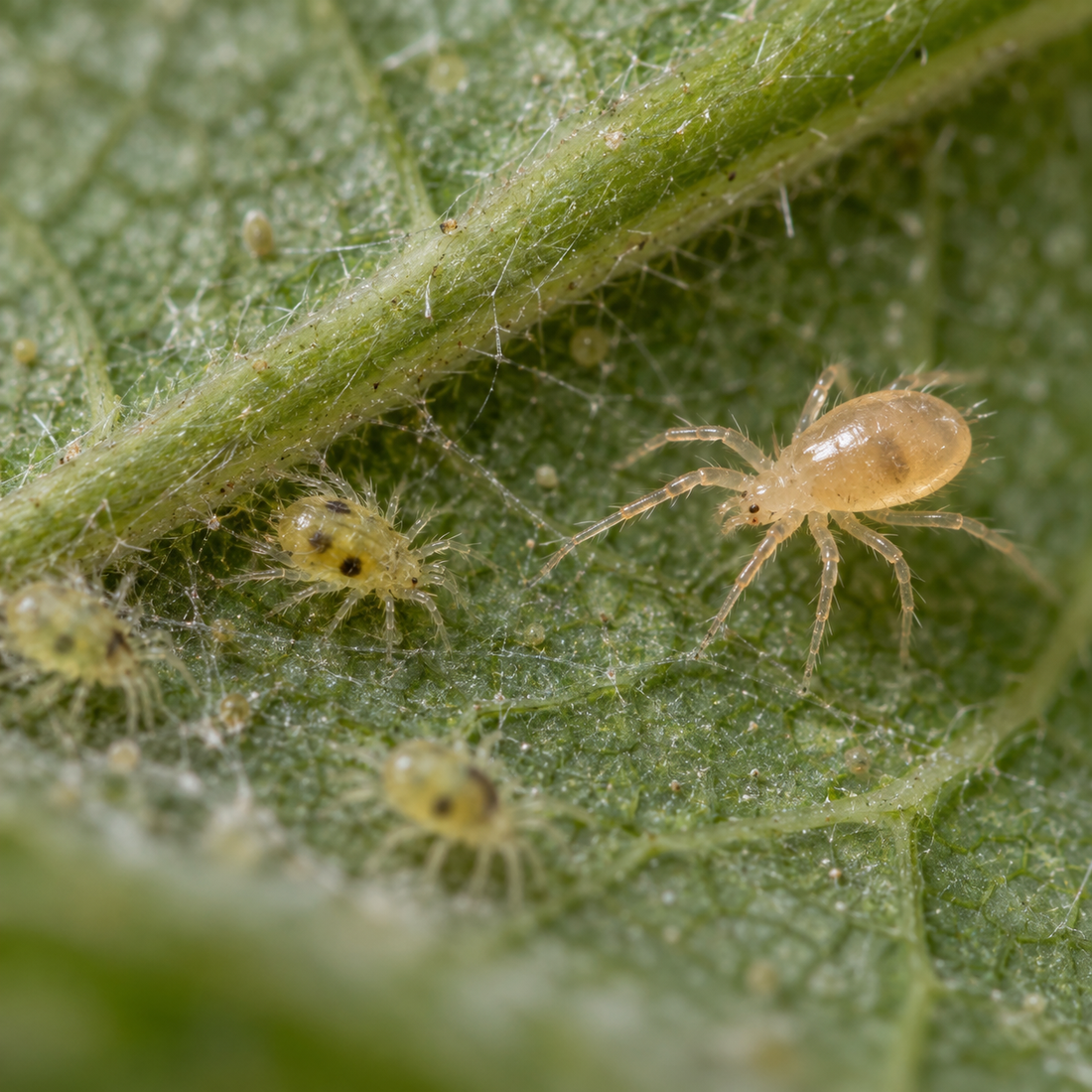
Each sachet holds feeder mites alongside your predatory mites. They're food that keeps the colony breeding. Feeder mites are quite a bit bigger than predatory mites and much easier to see, so any mites you notice on or around the sachet, moving or still, are most likely feeder mites, not your predators.
Your predatory mites are far harder to spot, and that's normal. Fewer pests and clean new growth are how you know they're working.
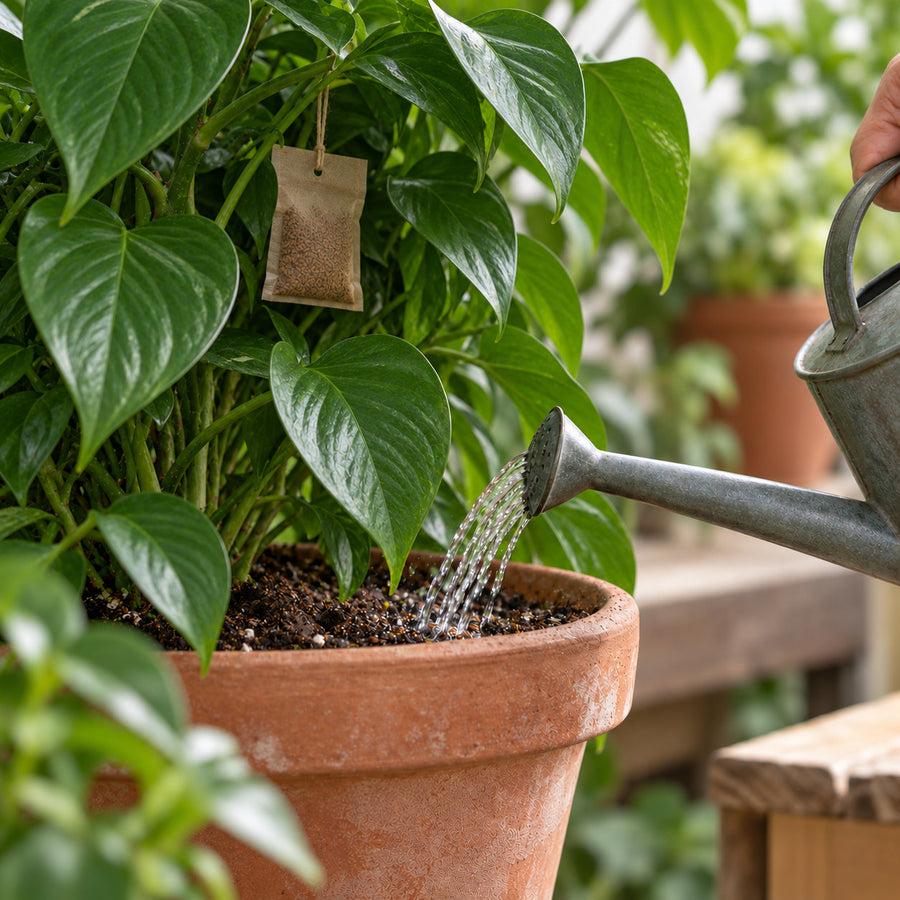
How to release neoseiulus californicus slow-release prevention sachets
Reviews
What growers say
What people say
4.4 out of 5, from 23 reviews.
Loved the ease and vibe and information of this website, product, and process. I wrote a more complete review on their Special Blend mite sachet listing, but I will definitely be purchasing from here vs previous source for future needs, they're responsive and informative and fun pmus great product!

Two reviews from you in one week? The californicus are going to start expecting fan mail. Thank you so much, Adda, we're glad to have you as a regular!
These are great for keeping pests at bay, also preventative care for spider mites!!!

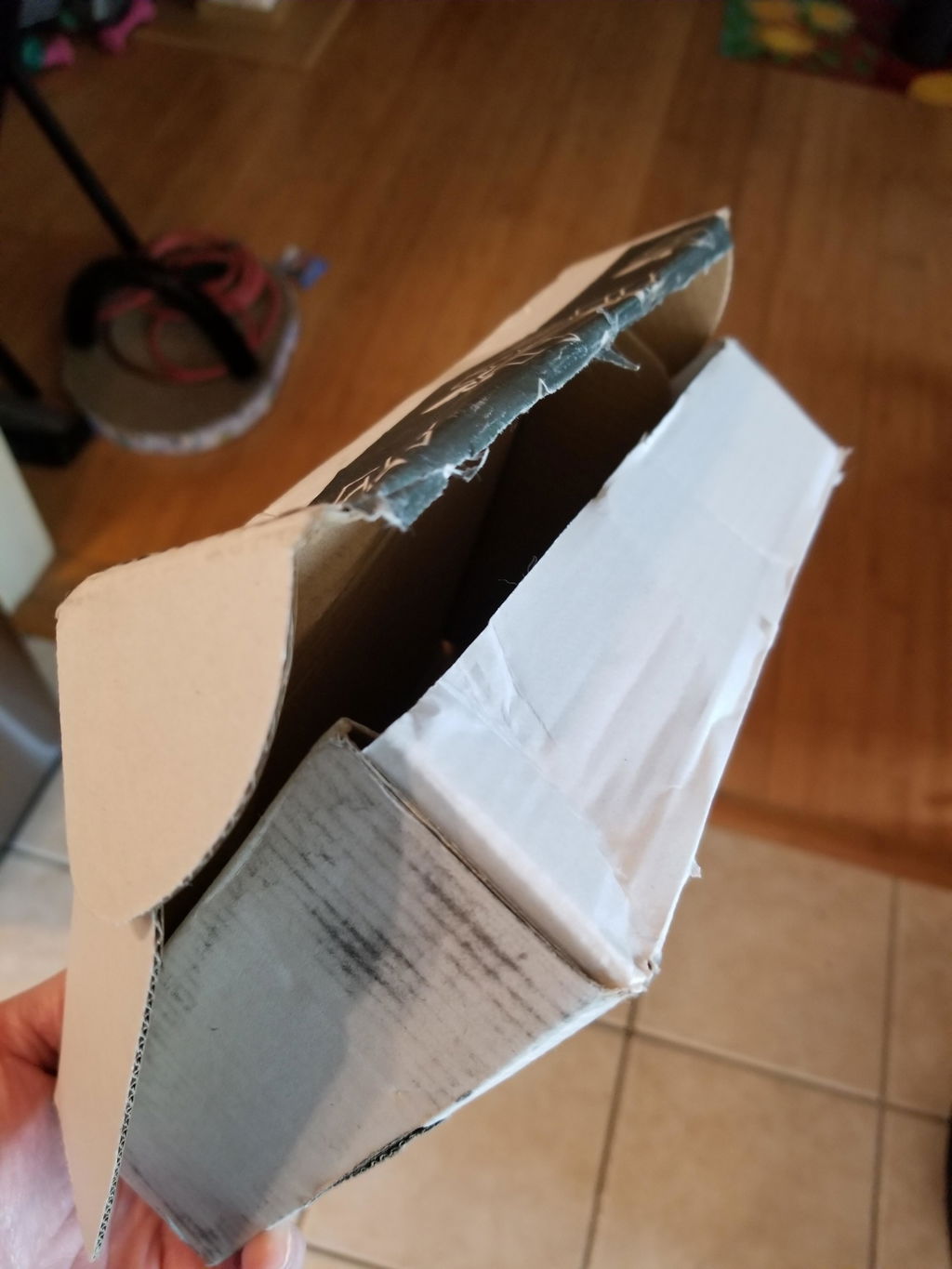
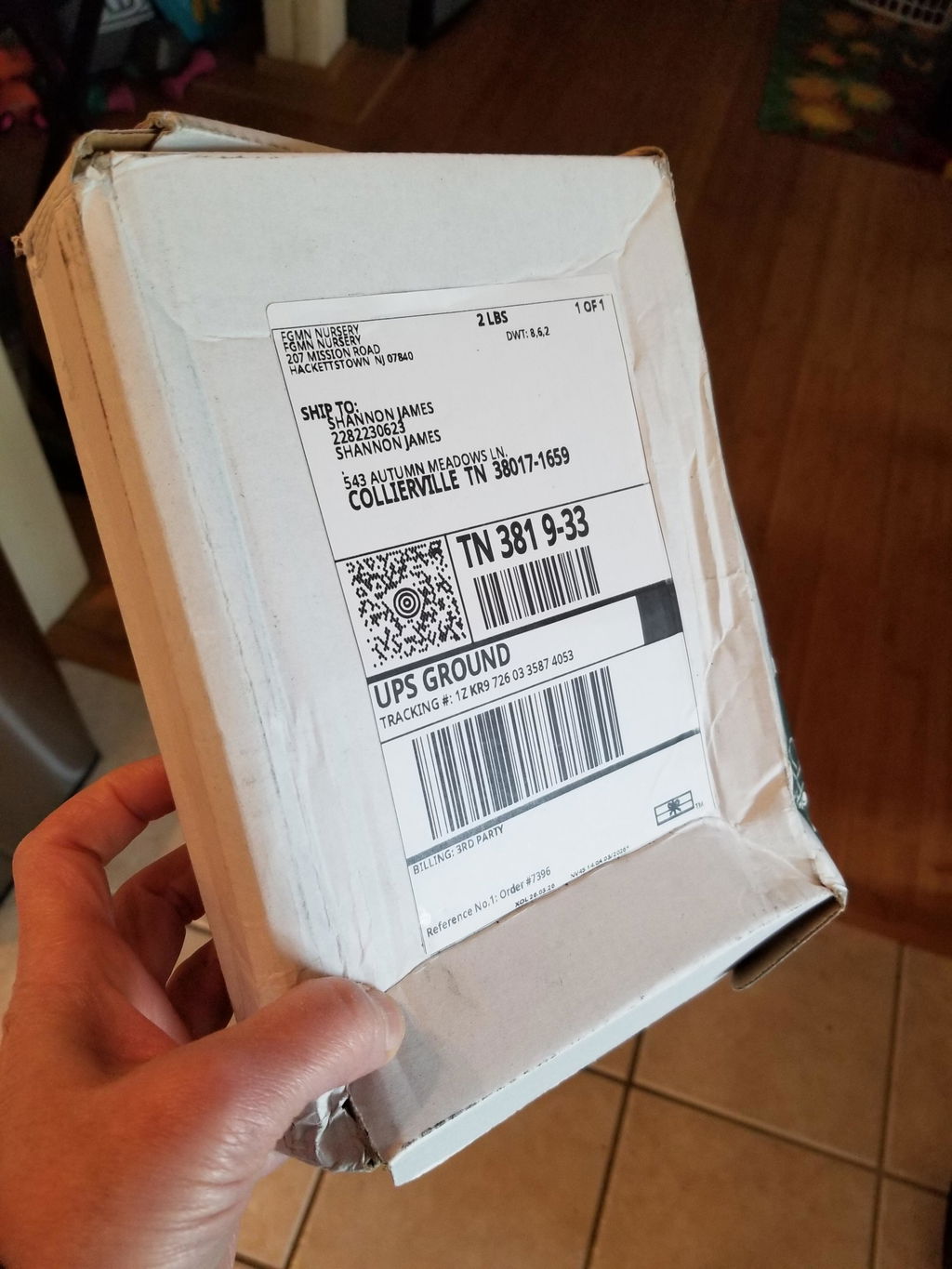
Sooo, as they are mites and thus tiny and multiple stages were in the sachet, I'm hoping some made it safe enough and are busy devouring the spider mites. I can see the attention and care on FGMN's side; however, UPS delivered the box with significant dents in two sides and the ice insert was actually warmer than the outside air.
Love it
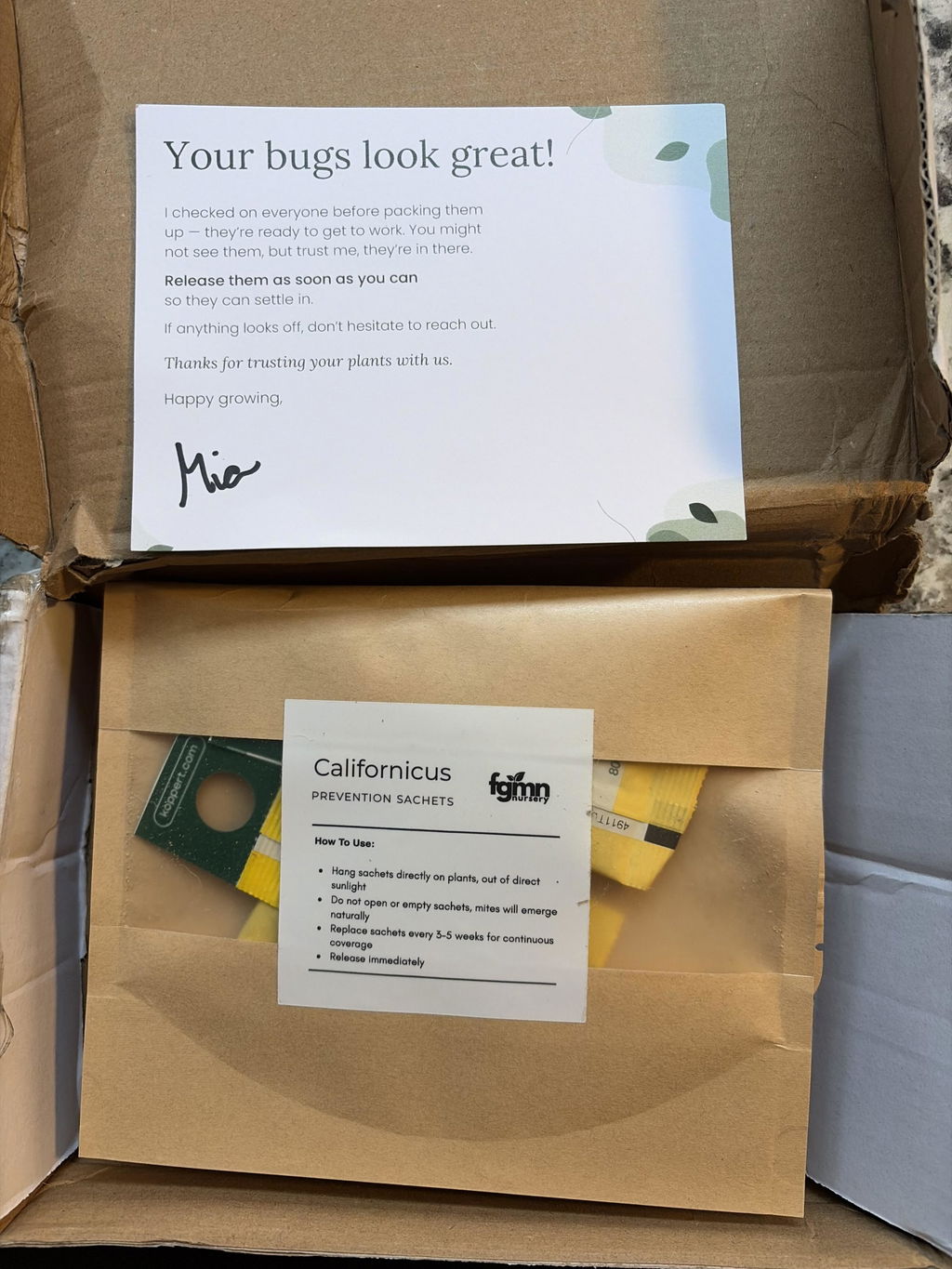
Quick delivery. Arrived in great condition. Will use again. Thanks

Since started using these and on auto ship every month , haven’t had a single problem with spider mites !!! YAH!
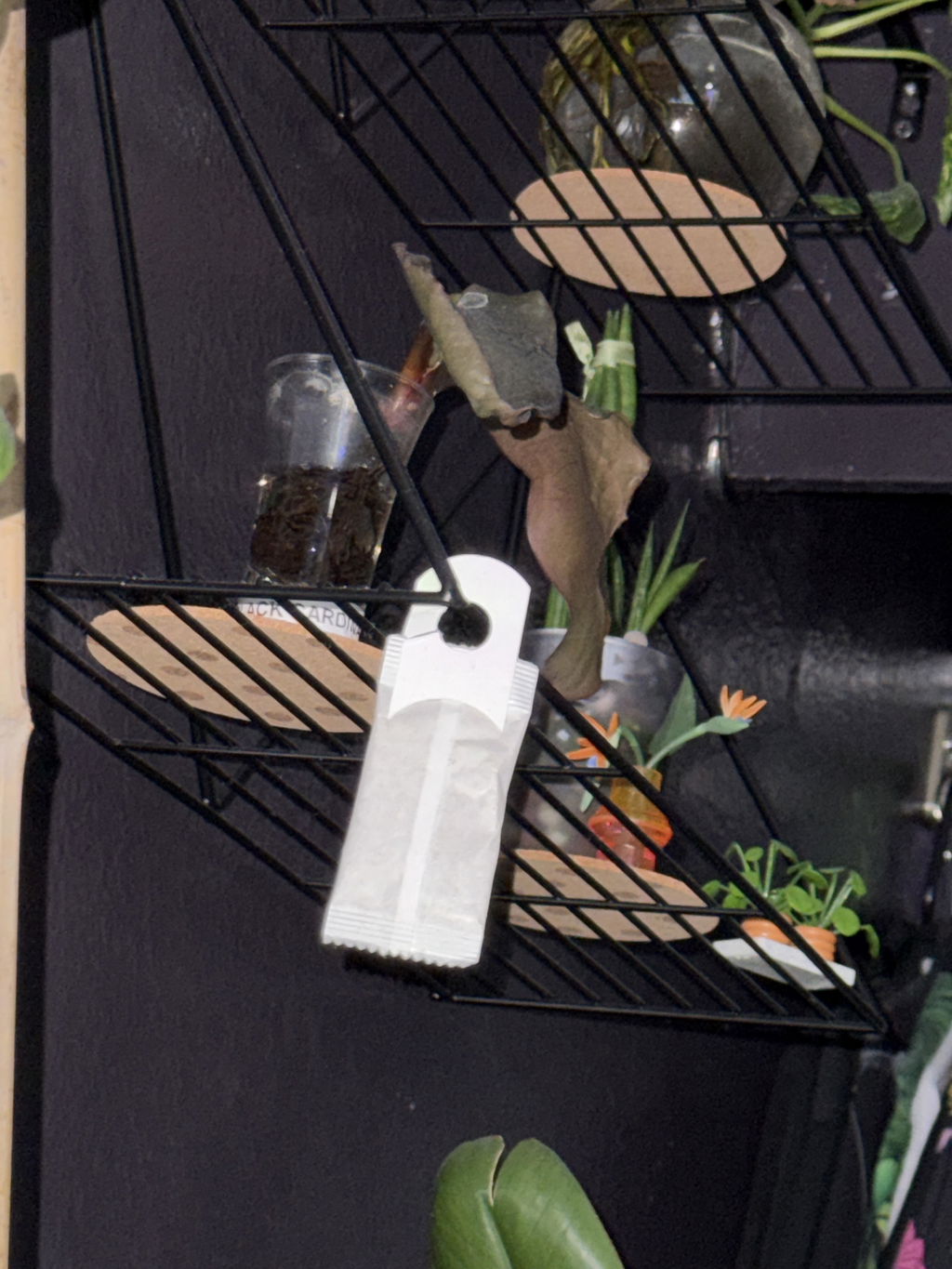
I was worried about trying a new site for my insect predator orders, but I am BEYOND happy with my experience. The detailed explanations, follow up emails, and educational content made this one of the best shopping experiences I've ever had, honestly. I received my order and immediately saw some live mites on the satchet. I put them on a plant and literally the NEXT DAY saw active, happy, cute predators crawling all over the tiny plant and spreading to the other plants ! I will definitely be using this site for future orders of predators. Also- knowing they support natural IPM methods makes me consider getting a plant subscription from them one day. Im mainly into pitcher plants and the lords lettuce but love the idea and the options ! :)
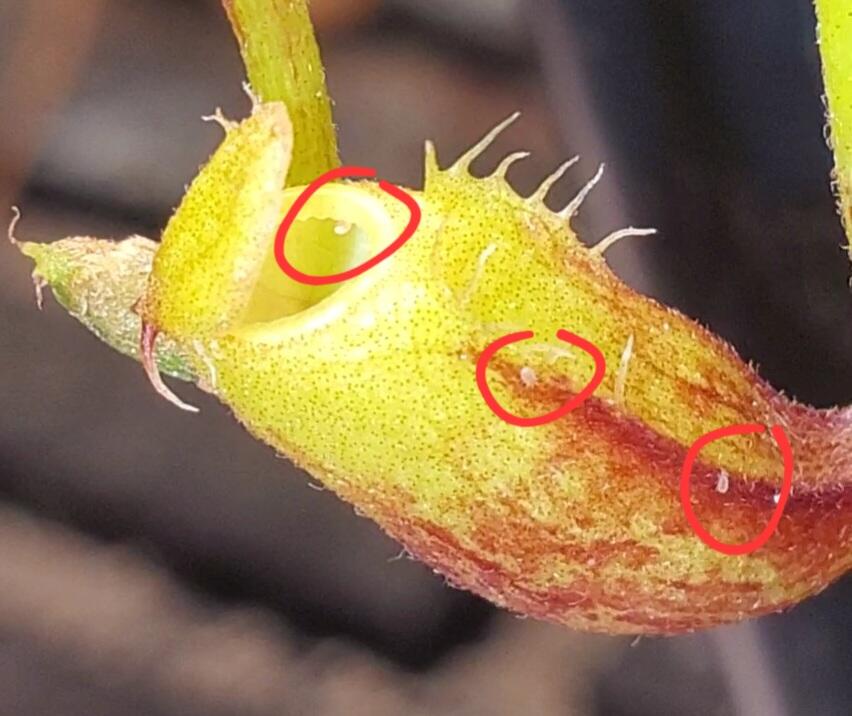
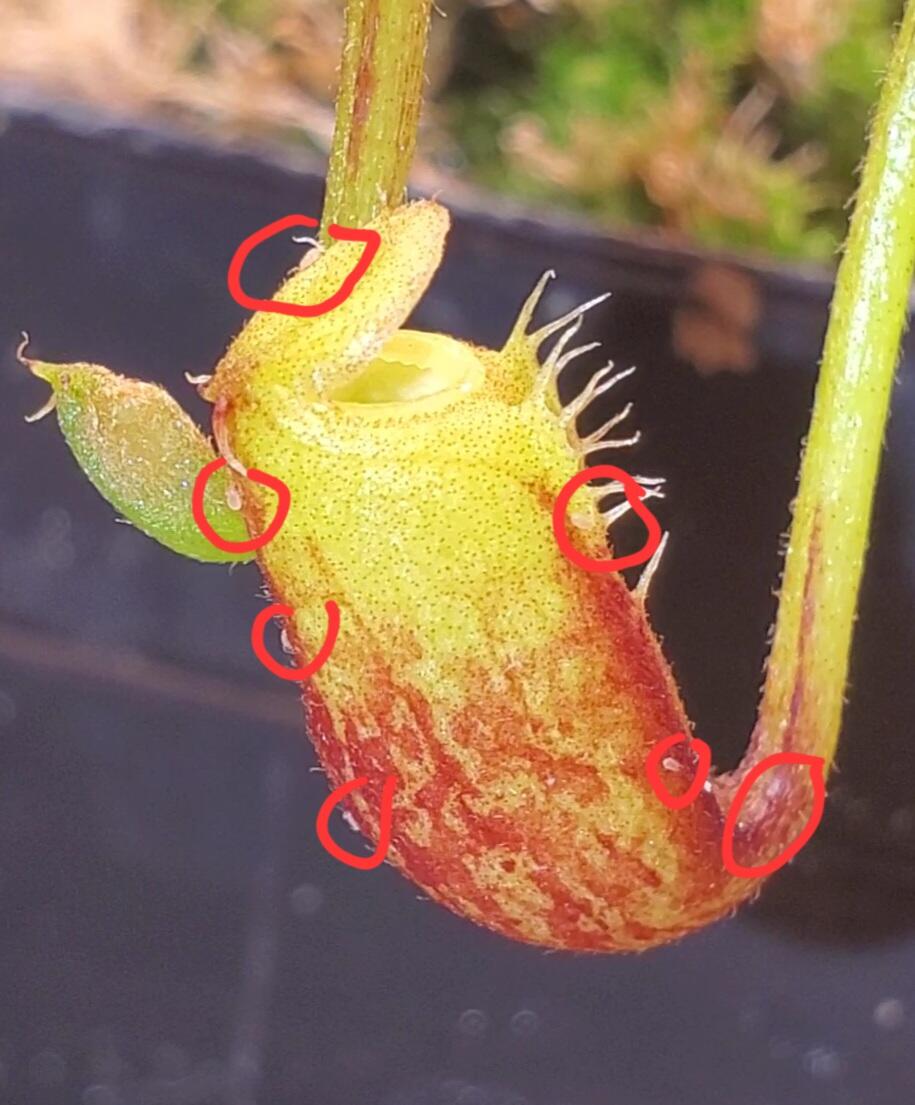
Predator mite slow-release prevention sachets arrived exactly on time with plenty of communication from the seller. It’s too soon to say whether it will be effective. (No complaints though.)
Thanks, John! Glad the sachets arrived on time. We'd love to hear how they do once they've had time to settle in.
Excellent communication and shipment.
Smooth communication and a smooth ride for a box of live predators? We'll take it. Thanks, Theaortres!
Seller is really helpful and supportive. I ordered mistakenly without knowing that I have to wait for a couple of weeks after using pesticide. When I found out, I emailed them and they took good care of it. They take a hold and send it exactly when I need. Although I cant see my little heroes, my plants started looking good since they arrived. I am really happy with that and thinking to order more soon.
I trusted these predatory mites to help control the spider mites in my grow tent, but I saw no evidence that they were working. The shipment took about a week to arrive during extremely hot weather, and I strongly suspect that most or all of the mites arrived dead or nonviable. While I waited for them to work, the spider-mite infestation became significantly worse and spread across my citrus plants. I understand that biological controls don’t provide instant results, but I expected to receive a healthy, active product. Unfortunately, this was a complete waste of money and valuable treatment time. I cannot recommend ordering these to handle the problem.
Hi Cameron,
That's a frustrating way to lose a month, especially watching the problem spread to your citrus while you waited. We're sorry it went that way.
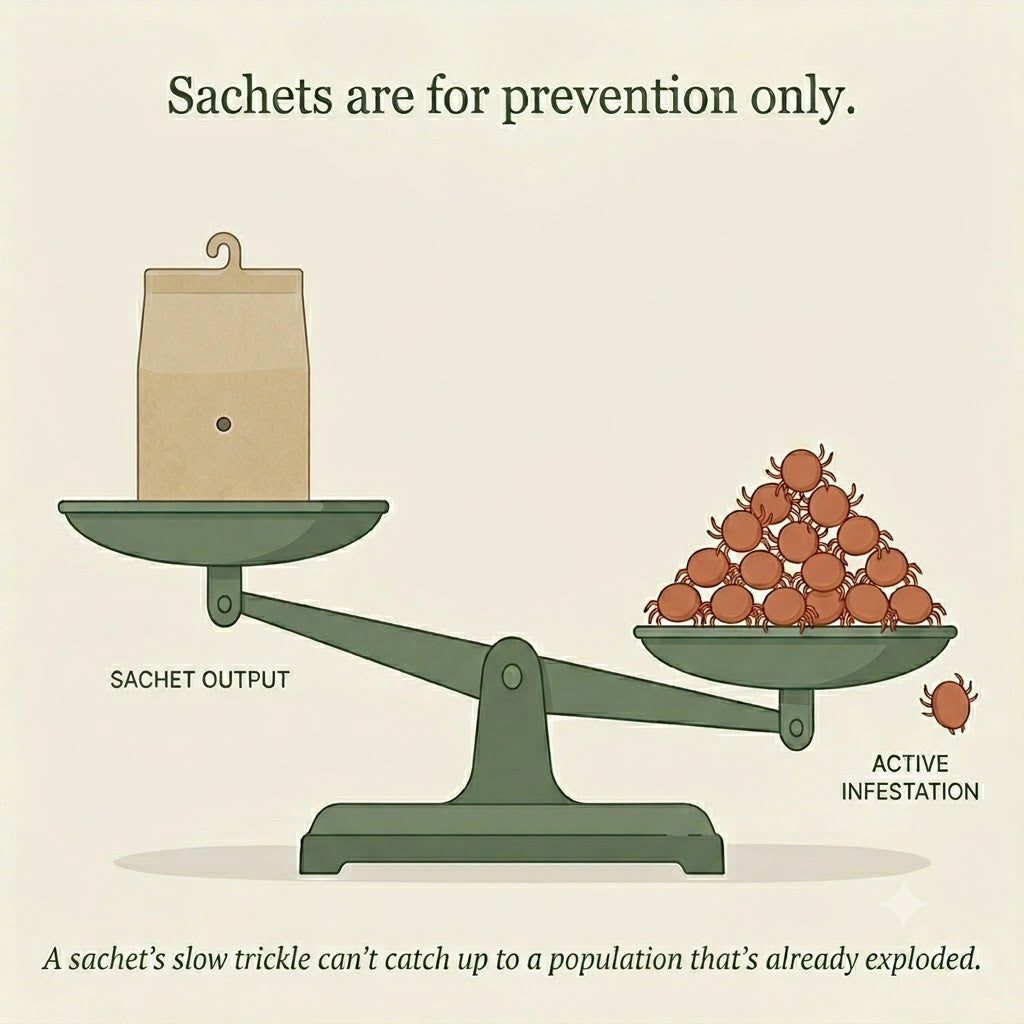
What happened here is a product-fit issue, and it's worth walking through for anyone weighing the same purchase. Sachets are a preventative tool. Each one is a small breeding colony that trickles out a few californicus a day across about thirty days, and that slow drip is the whole design — it keeps a low-level population patrolling your plants so mites never get a foothold. Put that same sachet on an infestation that's already established and the math turns against you. Spider mites double roughly every few days in a warm tent, so a handful of predators a day is always arriving behind the curve. Nothing about that means your sachets were dead; it means they were bringing a slow tool to a fast problem.
Curative work needs the opposite approach — loose adult predators, in real numbers, released all at once so they outpace the mites instead of chasing them. That's usually persimilis or californicus in a bottle, sized to your plant count and pressure, with a second release two to three weeks later once the eggs that were already on the leaves finish hatching.
The heat is worth addressing too. Californicus is one of the more heat-tolerant predators we carry, so a hot transit is genuinely less of a concern with this species.
We're more than happy to help answer any other questions. Please reach out to us at info@fgmnnursery.com or the Order Support portal that you can access through your account.
For me it’s preventative! Second time using the little guys, the first time ended all good! Your timing on getting a review is a little early maybe give me another month.
It’s been 10 days since I received my sachets, still no activity of bugs coming out of sachets. I’ve bought from another company before and you could literally see the little bugs coming out of sachets.
Hi Lori,
Not seeing mites is not unusual. The mites that most people see in a sachet are actually the feeder mites. With that being said, have you reached out to our customer service team? They do have a live delivery guarantee that is good up to seven days. As this is 10 days, you may have to talk to them to see what they will do or if they will consider flexing the guarantee. You can message them at info@fgmnnursery.com
My second order! Absolutely love my bugs every time packed so well wnd amazing packaging. Will be back for more when its that time
Prompt shipping An effective product
My order arrived on time and very much alive and ready to protect my plants!
Easy process, placed the sleeves the day they arrived and will reorder in 5 weeks
The sachets are great. I just hang up and let them do their thing.
arrived on time and exactly what i prdered. There comunication was great and instructions were include
Great website, that really helps streamline the ordering process for someone who isn't very knowledgeable with predatory beneficial. Order came, I followed directions, and the mites are active and doing their job well. I was able to see them emerging just 2 or 3 days after I placed them. Would definately recommend, and I will be returning with more business.
Worked like a charm thanks
I received these cute little insects, and they were very lively upon arrival. I hung the bag on my rose bushes, and after a couple of days, I noticed that my roses looked much healthier. I wouldn't say it completely eliminated the mites, but it's definitely much better than before — the roses have even started growing new leaves!
The predatory mite sachets are great but I need to change my subscription and my account shoes no orders and no subscriptions. I just received my order but it looks like another order is coming in a few days which is too soon. I have to way to change it because this is the holiday weekend
Hi! There is a link to subscription management in the header of the site. That should take you to your account. We can also help, but would it be possible for you to email info@fgmnnursery.com? We don't want to compromise your privacy by discussing your personal information in the reviews. Thank you!
Loved the ease and vibe and information of this website, product, and process. I wrote a more complete review on their Special Blend mite sachet listing, but I will definitely be purchasing from here vs previous source for future needs, they're responsive and informative and fun pmus great product!
Two reviews from you in one week? The californicus are going to start expecting fan mail. Thank you so much, Adda, we're glad to have you as a regular!
These are great for keeping pests at bay, also preventative care for spider mites!!!
Sooo, as they are mites and thus tiny and multiple stages were in the sachet, I'm hoping some made it safe enough and are busy devouring the spider mites. I can see the attention and care on FGMN's side; however, UPS delivered the box with significant dents in two sides and the ice insert was actually warmer than the outside air.
Love it
Quick delivery. Arrived in great condition. Will use again. Thanks
Since started using these and on auto ship every month , haven’t had a single problem with spider mites !!! YAH!
I was worried about trying a new site for my insect predator orders, but I am BEYOND happy with my experience. The detailed explanations, follow up emails, and educational content made this one of the best shopping experiences I've ever had, honestly. I received my order and immediately saw some live mites on the satchet. I put them on a plant and literally the NEXT DAY saw active, happy, cute predators crawling all over the tiny plant and spreading to the other plants ! I will definitely be using this site for future orders of predators. Also- knowing they support natural IPM methods makes me consider getting a plant subscription from them one day. Im mainly into pitcher plants and the lords lettuce but love the idea and the options ! :)
Predator mite slow-release prevention sachets arrived exactly on time with plenty of communication from the seller. It’s too soon to say whether it will be effective. (No complaints though.)
Thanks, John! Glad the sachets arrived on time. We'd love to hear how they do once they've had time to settle in.
Excellent communication and shipment.
Smooth communication and a smooth ride for a box of live predators? We'll take it. Thanks, Theaortres!
Seller is really helpful and supportive. I ordered mistakenly without knowing that I have to wait for a couple of weeks after using pesticide. When I found out, I emailed them and they took good care of it. They take a hold and send it exactly when I need. Although I cant see my little heroes, my plants started looking good since they arrived. I am really happy with that and thinking to order more soon.
I trusted these predatory mites to help control the spider mites in my grow tent, but I saw no evidence that they were working. The shipment took about a week to arrive during extremely hot weather, and I strongly suspect that most or all of the mites arrived dead or nonviable. While I waited for them to work, the spider-mite infestation became significantly worse and spread across my citrus plants. I understand that biological controls don’t provide instant results, but I expected to receive a healthy, active product. Unfortunately, this was a complete waste of money and valuable treatment time. I cannot recommend ordering these to handle the problem.
Hi Cameron,
That's a frustrating way to lose a month, especially watching the problem spread to your citrus while you waited. We're sorry it went that way.
What happened here is a product-fit issue, and it's worth walking through for anyone weighing the same purchase. Sachets are a preventative tool. Each one is a small breeding colony that trickles out a few californicus a day across about thirty days, and that slow drip is the whole design — it keeps a low-level population patrolling your plants so mites never get a foothold. Put that same sachet on an infestation that's already established and the math turns against you. Spider mites double roughly every few days in a warm tent, so a handful of predators a day is always arriving behind the curve. Nothing about that means your sachets were dead; it means they were bringing a slow tool to a fast problem.
Curative work needs the opposite approach — loose adult predators, in real numbers, released all at once so they outpace the mites instead of chasing them. That's usually persimilis or californicus in a bottle, sized to your plant count and pressure, with a second release two to three weeks later once the eggs that were already on the leaves finish hatching.
The heat is worth addressing too. Californicus is one of the more heat-tolerant predators we carry, so a hot transit is genuinely less of a concern with this species.
We're more than happy to help answer any other questions. Please reach out to us at info@fgmnnursery.com or the Order Support portal that you can access through your account.
For me it’s preventative! Second time using the little guys, the first time ended all good! Your timing on getting a review is a little early maybe give me another month.
It’s been 10 days since I received my sachets, still no activity of bugs coming out of sachets. I’ve bought from another company before and you could literally see the little bugs coming out of sachets.
Hi Lori,
Not seeing mites is not unusual. The mites that most people see in a sachet are actually the feeder mites. With that being said, have you reached out to our customer service team? They do have a live delivery guarantee that is good up to seven days. As this is 10 days, you may have to talk to them to see what they will do or if they will consider flexing the guarantee. You can message them at info@fgmnnursery.com
My second order! Absolutely love my bugs every time packed so well wnd amazing packaging. Will be back for more when its that time
Prompt shipping An effective product
My order arrived on time and very much alive and ready to protect my plants!
Easy process, placed the sleeves the day they arrived and will reorder in 5 weeks
The sachets are great. I just hang up and let them do their thing.
arrived on time and exactly what i prdered. There comunication was great and instructions were include
Great website, that really helps streamline the ordering process for someone who isn't very knowledgeable with predatory beneficial. Order came, I followed directions, and the mites are active and doing their job well. I was able to see them emerging just 2 or 3 days after I placed them. Would definately recommend, and I will be returning with more business.
Worked like a charm thanks
I received these cute little insects, and they were very lively upon arrival. I hung the bag on my rose bushes, and after a couple of days, I noticed that my roses looked much healthier. I wouldn't say it completely eliminated the mites, but it's definitely much better than before — the roses have even started growing new leaves!
The predatory mite sachets are great but I need to change my subscription and my account shoes no orders and no subscriptions. I just received my order but it looks like another order is coming in a few days which is too soon. I have to way to change it because this is the holiday weekend
Hi! There is a link to subscription management in the header of the site. That should take you to your account. We can also help, but would it be possible for you to email info@fgmnnursery.com? We don't want to compromise your privacy by discussing your personal information in the reviews. Thank you!
Pairs well with
Small things that help them work
-
Add alongside
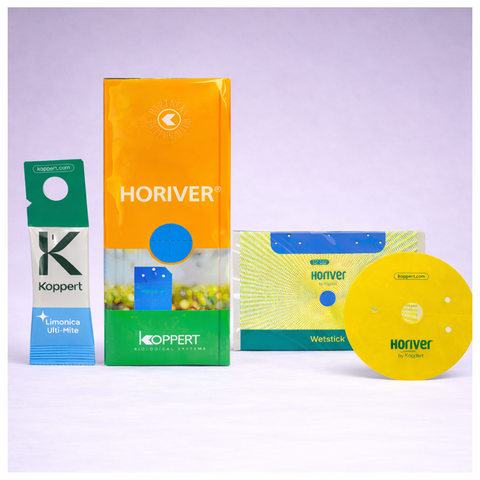
Horiver Professional Sticky Traps
Most pest problems are found on a card a week or two before they are found on a leaf.
from $11
-
Add alongside
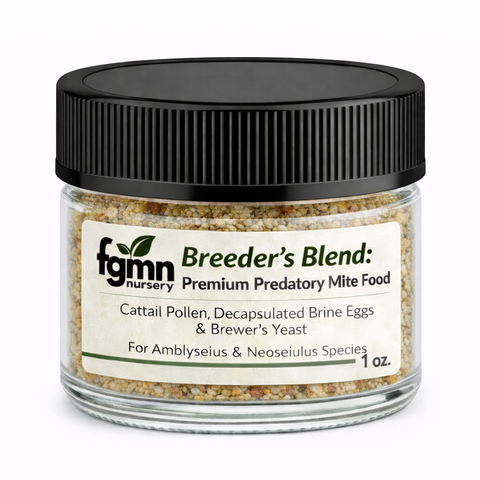
Breeder’s Blend
Keeps the population fed through the lull when prey gets scarce.
from $10
-
Add alongside
Root Network
For the roots: mycorrhizae and microbes that help roots take up water and nutrients. Use at repotting, then a monthly drench.
from $15

More to know
Ways to buy, questions and reading
Ways to buy
Once, on a schedule, with friends, or mixed with other predators.
- One time
- A single sachet, this once. Free shipping on orders of $30 or more, $15 under that.
- On a schedule
- 10% off your first box, 50% off every box after. Skip, move, pause or cancel from your account.
- Group order
- Friends each pick what they want, and it ships to you in one box.
- Mix and match
- Buy several predators together and they get cheaper.
For the curious
Everything else we know about them. Tap a topic to open it.
Is this your pest?
A sachet is prevention, so the honest question is what you are guarding against. This one is for spider mites in a room that punishes predatory mites.
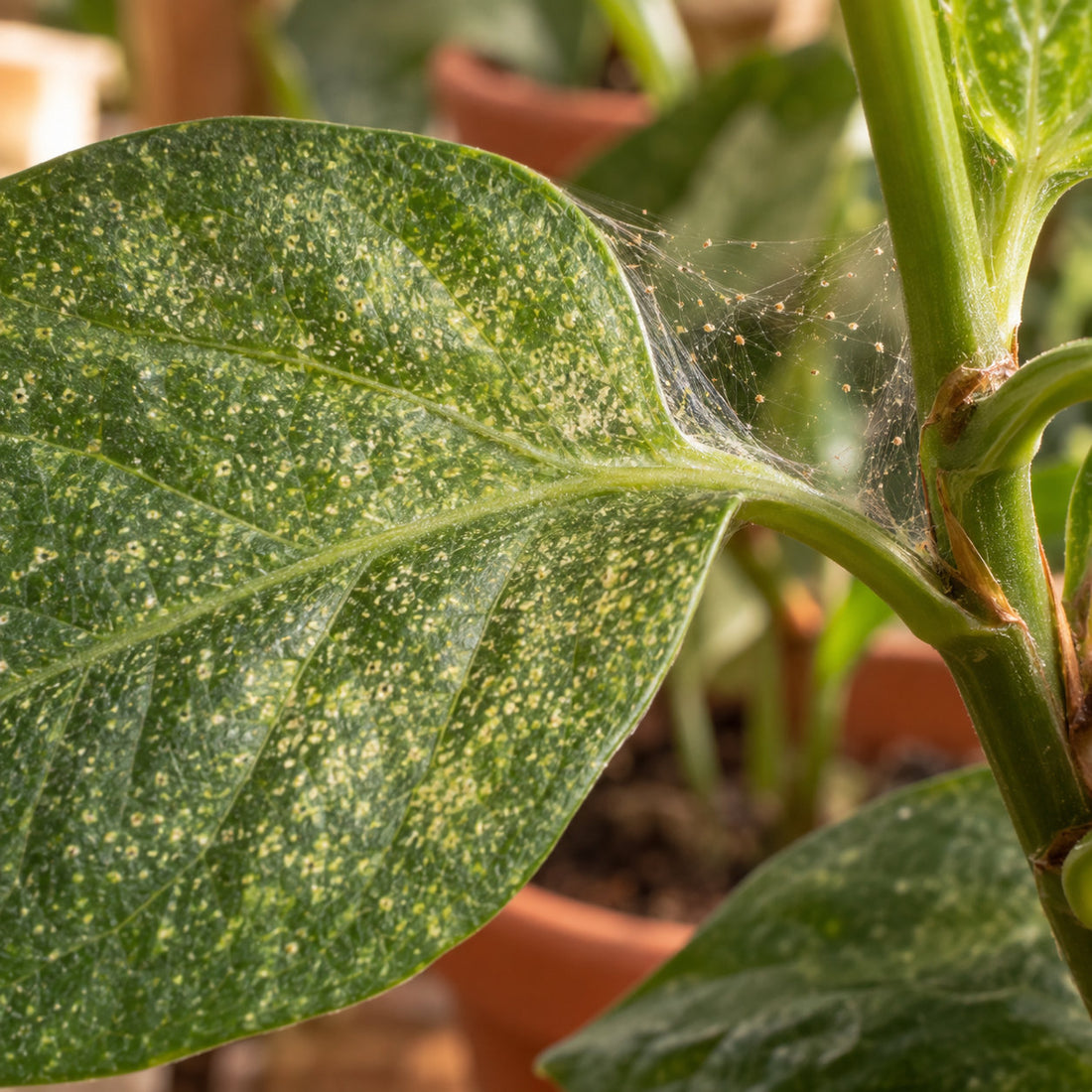
Two-spotted spider mites start as fine pale stippling on the upper leaf surface — a scatter of tiny dots that spreads and merges until the leaf looks bronzed. The mites themselves are on the undersides, and by the time there is webbing between the leaf edges the population has been building for weeks.
Californicus takes two-spotted and carmine mites. It also feeds on broad and cyclamen mites — treat that as a bonus rather than the reason to buy, because cucumeris is the species with the record against both. Russet and rust mites are eriophyids and a different job again: andersoni is the predator we reach for there.
Then: is a californicus sachet the right answer to it?
Choose this if
Choose californicus when the room is warm and dry. Most predatory mites need high humidity for their eggs to hatch; this one keeps working when the air does not cooperate, and it stays active up to about 95°F. It is also the right sachet for an empty garden — because it survives on pollen and small insects, it will patrol a clean plant and wait for spider mites to arrive, where a specialist would starve and die without immediate prey.
Choose something else if
Cold is the real limit: a properly cold room stalls it. In a consistently humid, tropical space, persimilis is the faster-moving option for spider mites specifically. If thrips or whitefly worry you more than mites, swirskii is the better baseline. And webbing or bronzing already on the plant means bottles first — these are what you hang afterwards.
What it kills, and what it won't
Unlike a specialist predator, californicus can live on pollen and other small insects when pest numbers are low. That is what makes it a permanent defense force rather than a treatment — it stays on the plant and waits.
How a sachet works
What is actually inside it, how the mites get out, and what that buys you over a bottle.
A breeding colony, not packaging
The sachet is a nursery. Inside is a bran medium, a founding population of predators and a food source that keeps them laying for weeks. It is not a bag of mites waiting to be tipped out, which is why the one instruction that matters is do not open it.
Through a vent already built in
Every sachet has an exit hole in the seam. The mites leave through it at their own pace, a few at a time, day after day. That trickle is the whole point: a bottle gives you one wave and a sachet gives you a standing population.
A clean leaf, and nothing else
Because the mites walk out and the medium stays in the paper, there is no bran or vermiculite left on your foliage or in your flowers. If you have ever picked carrier out of a leaf sheath, that difference is worth something on its own.
Prevention, not rescue. A sachet releases over weeks, which is exactly the wrong speed for an infestation that is already running. Bottles are the knockdown; sachets are what holds the line afterwards.
About californicus sachets
Slow release for rooms that punish predatory mites. Californicus keeps working through heat and dry air that stall the specialists, and holds a standing population on the plant between spider mite flare-ups.
New to sachets?
Five things that catch almost everyone the first time.
What arrives
Sachets of paper, each one a live breeding colony on a bran medium with a food source sealed in beside it.
Nothing about the outside tells you anything. There is no window, no movement to look for, and no test you can run — the mites are half a millimeter and they are inside.
Hang them the day they arrive. These are living colonies rather than shelf stock, and every day in the box is a day off the release window you paid for.
When it ships, and when it lands
Shipping
We ship when they're ready to travel. Live orders go out Monday to Thursday. If a colony needs a beat to peak, or we're propagating a fresh batch, yours might hold up to a week. All mites and insects ship 2-day or Overnight depending on what's best for them.
When it lands
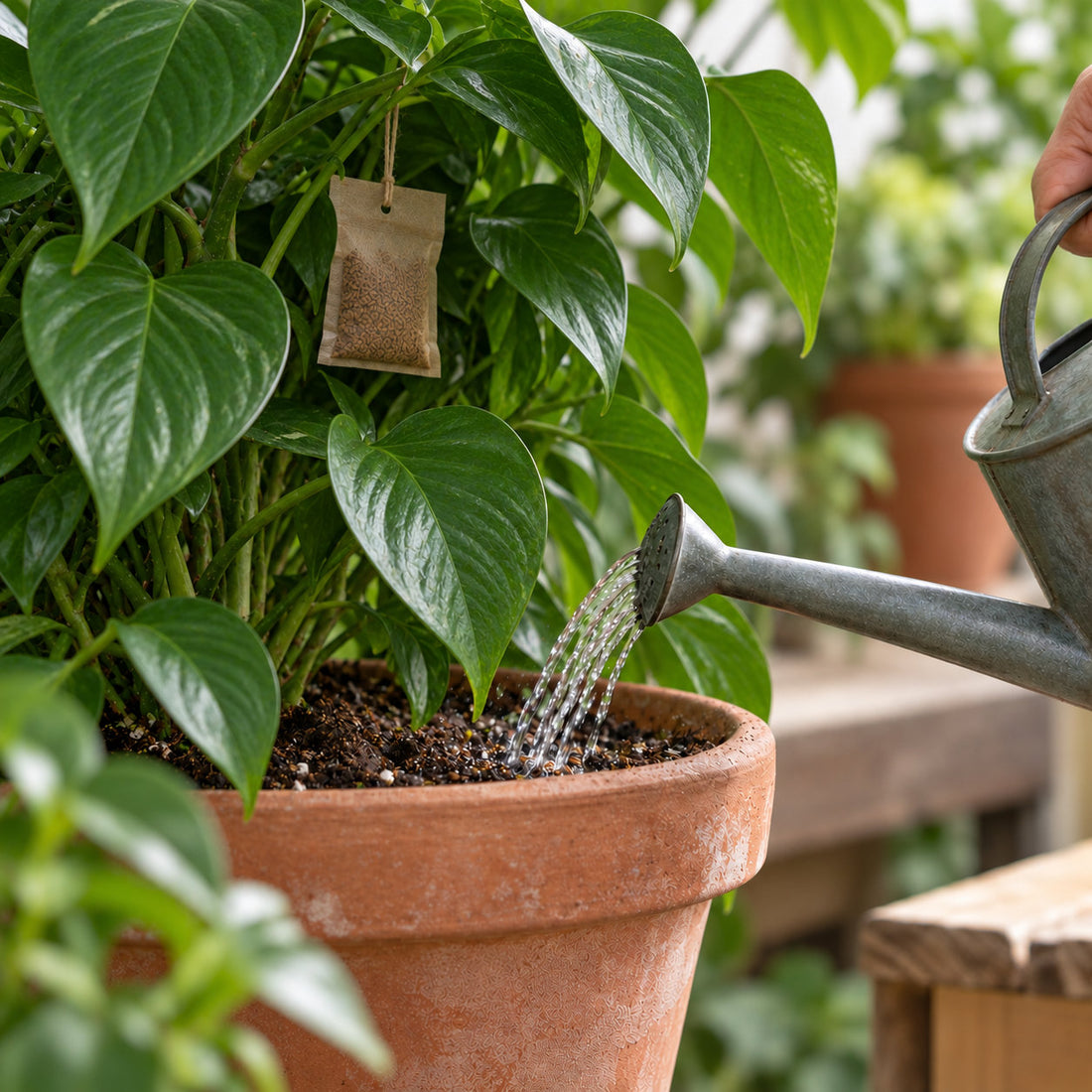
Unpack and hang the same day. One every three to five linear feet. On a stem in the middle of the foliage, in shade, above the soil line — not in a hot spot of direct light, and not where watering will soak it. Then leave it alone for four to six weeks.
Why we pack extra
Two days in a van is a long trip for something this small, so we send more than you paid for.
A predatory mite is the size of a grain of table salt, and a sachet is a breeding colony in a paper packet, in a van, for two days.
A trip like that is hard on anything this small, so we price it in: the founding population gets counted out, and then roughly 15% more goes in on top as a cushion.
Your sachet leaves here holding more than the label says — and unlike a bottle, the mites in a sachet keep breeding, so the number that matters is the one a week from now.
If you can see them
Ladybugs, lacewing larvae, Orius — the minute pirate bug — and the beetles. These are the ones big enough to see.
Cold insects are very good at sitting still. That's normal. Release them as this page says, and watch the pest instead.
Something look wrong? Email info@fgmnnursery.com with your order number.
If you can't see them
Mites, nematodes, eggs — and sachets more than any of them. A sealed paper packet looks the same from the outside the whole time it is working, so there is nothing for you to check or photograph.
Email info@fgmnnursery.com and our entomologist takes you through the diagnostic instead — where the box sat, what your room was doing, whether the paper arrived damp, and then what the pest is doing about ten days later.
Please do not open a sachet to check. Opening it ends the colony, and we cannot replace it afterwards.
Seventy-two hours from delivery, either way, with your order number. Replacement or store credit, your pick.
Questions about neoseiulus californicus slow-release prevention sachets
Will I have bugs flying around my house?
No. They stay on the plants, where their food is.
I have a minor spider mite infestation. Are sachets enough?
If you can see a few mites or very light stippling on a couple of leaves, you should combine these sachets with a "Rapid Response" bottle of loose mites. Sachets are designed for prevention and work slowly over time; a minor active infestation requires an immediate "boots on the ground" force to stop the population from exploding.
Why should I choose Californicus over Persimilis for prevention?
Californicus is better for prevention because it is tougher. It survives lower humidity and higher temperatures, and it doesn't die if it runs out of spider mites to eat. It is the best "set it and forget it" option for a clean garden.
I don’t see any movement in the sachet. Is it working?
Yes! Californicus are roughly 0.5mm and translucent-tan. They stay inside the sachet's carrier medium and emerge one by one through the pre-cut exit hole. You won't see a "swarm," but rather a slow, steady release over several weeks.
Are these safe for flowering or "sticky" plants?
Absolutely. Because the carrier material stays inside the sachet, you get the benefit of predatory mites without getting bran or dust stuck to your flowers or resinous buds.
Can I use these with other preventative mites?
Absolutely. Californicus is compatible with most other predatory mites, including Swirskii and Cucumeris. They can be used together to create a multi-layered defense against different types of pests.
Can I hang sachets after spraying?
It depends on what you sprayed, because there's no single waiting period for every spray. Neem and horticultural oil are safe once dry; insecticidal soap needs a day; sulfur needs 21 days; slower-breaking synthetic sprays such as pyrethroids need weeks longer. If the label says longer, the label wins. Not sure what you used? Email info@fgmnnursery.com with the product name and we'll tell you when to hang them.
How many sachets do I need, and how often?
Sachets are sized by length, not by plant count:
- Measure the shelf, bench or row. Hang one sachet every 3 to 5 linear feet. A large plant can have one of its own, and a big specimen can take two or three at different heights.
- Adjust for risk. If spider mites have hit this space before, use the closer spacing (one every 3 feet); for a lower-risk spot, one every 5 feet.
- It's prevention. If you can already see webbing or bronzing, sachets alone are too slow: release a bottle at the hot spots first and hang the sachets behind it.
- Replace on a schedule. Each sachet releases for 4 to 6 weeks, and a hot room uses it up faster. Check the new growth at about 4 weeks (3 in a hot room) and replace at the early end of the window when it runs hot.
Keep reading
Field Notes from the FGMN Nursery team.
 Californicus or Persimilis?
One of them clears a heavy infestation faster than anything else available. The other one is still there…
Californicus or Persimilis?
One of them clears a heavy infestation faster than anything else available. The other one is still there…
 What’s Really Inside a Predatory Mite Sachet?
Predatory mite sachets may look empty at first glance, but inside is a carefully balanced ecosystem of carrier…
What’s Really Inside a Predatory Mite Sachet?
Predatory mite sachets may look empty at first glance, but inside is a carefully balanced ecosystem of carrier…
 Spider Mites Have Winter Plans
Some spider mites turn orange as winter approaches. Behind the costume change is a survival strategy involving long…
Spider Mites Have Winter Plans
Some spider mites turn orange as winter approaches. Behind the costume change is a survival strategy involving long…
Sources
Published guidance from university extension services. The release tips on this page also draw on what we see shipping these every week.