
Mite Matters

Are Predatory Mites Right for You?
The honest answer is: it depends. Predatory mites work exceptionally well under the right conditions — and fail predictably under the wrong ones. Here's how to know which situation you're in before you spend anything.
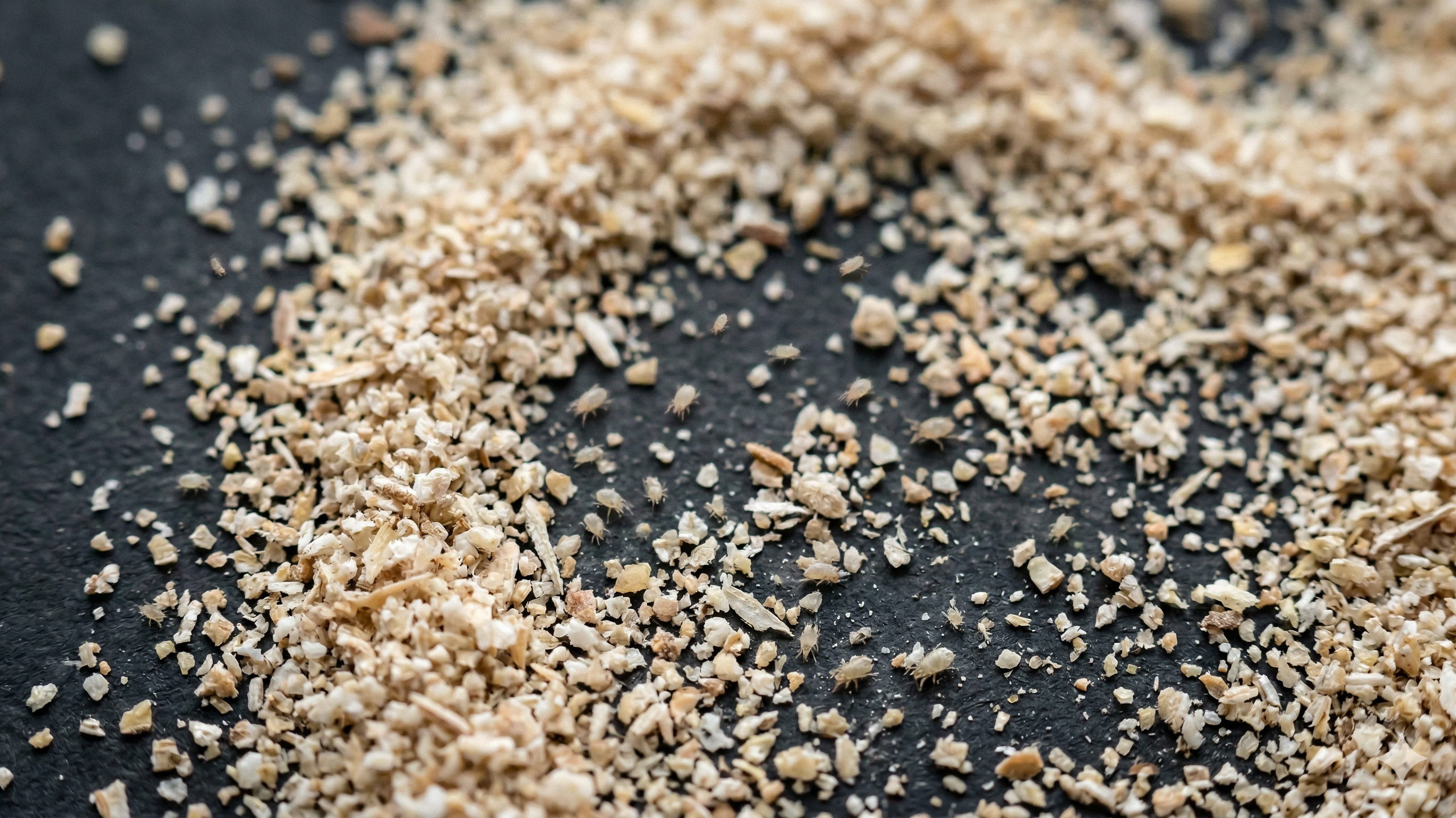
They Eat Pests for a Living. You're Welcome.
Predatory mites are the biological control solution to spider mites, thrips, broad mites, fungus gnats, and more — and they don't harm plants, people, or pets. If someone has suggested you add more mites to fix your mite problem, this is the article that explains why that's actually correct.
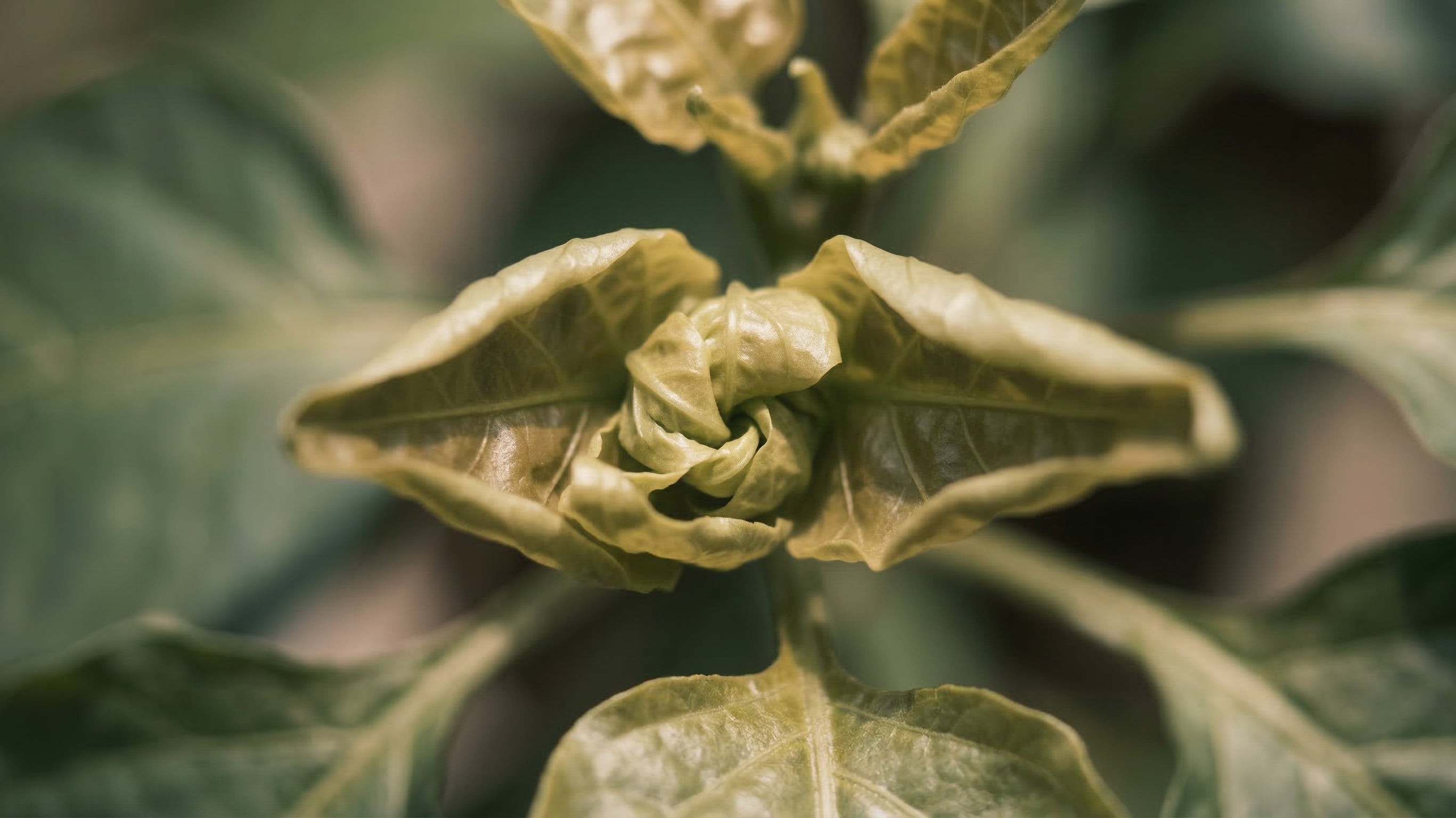
No Webbing. No Warning. No Fun.
Broad mites are microscopic pest mites that cause twisted, bronzed new growth on peppers, cannabis, hoyas, and dozens of other plants — and they're almost always misdiagnosed first. No webbing, no visible culprit, just a plant that keeps getting worse while you adjust the pH. Here's what they actually are, how to identify the damage, and how to get rid of them for good.
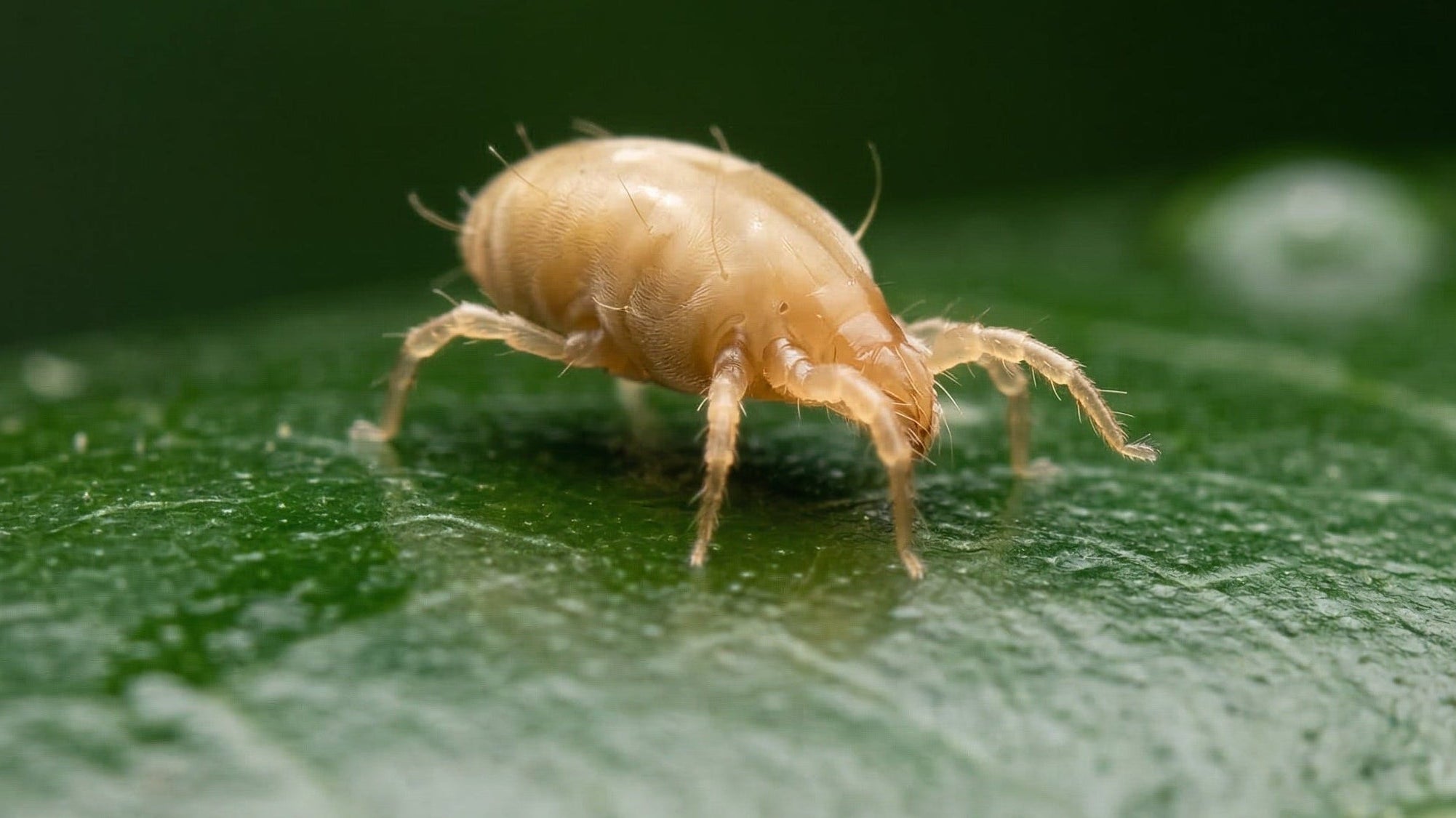
Limonicus: Late to Market, Early to Hunt
Most predatory mites do one thing well. Limonicus hunts thrips, whitefly, and spider mites — and survives on pollen when there's nothing left to kill. Meet biocontrol's most versatile generalist.
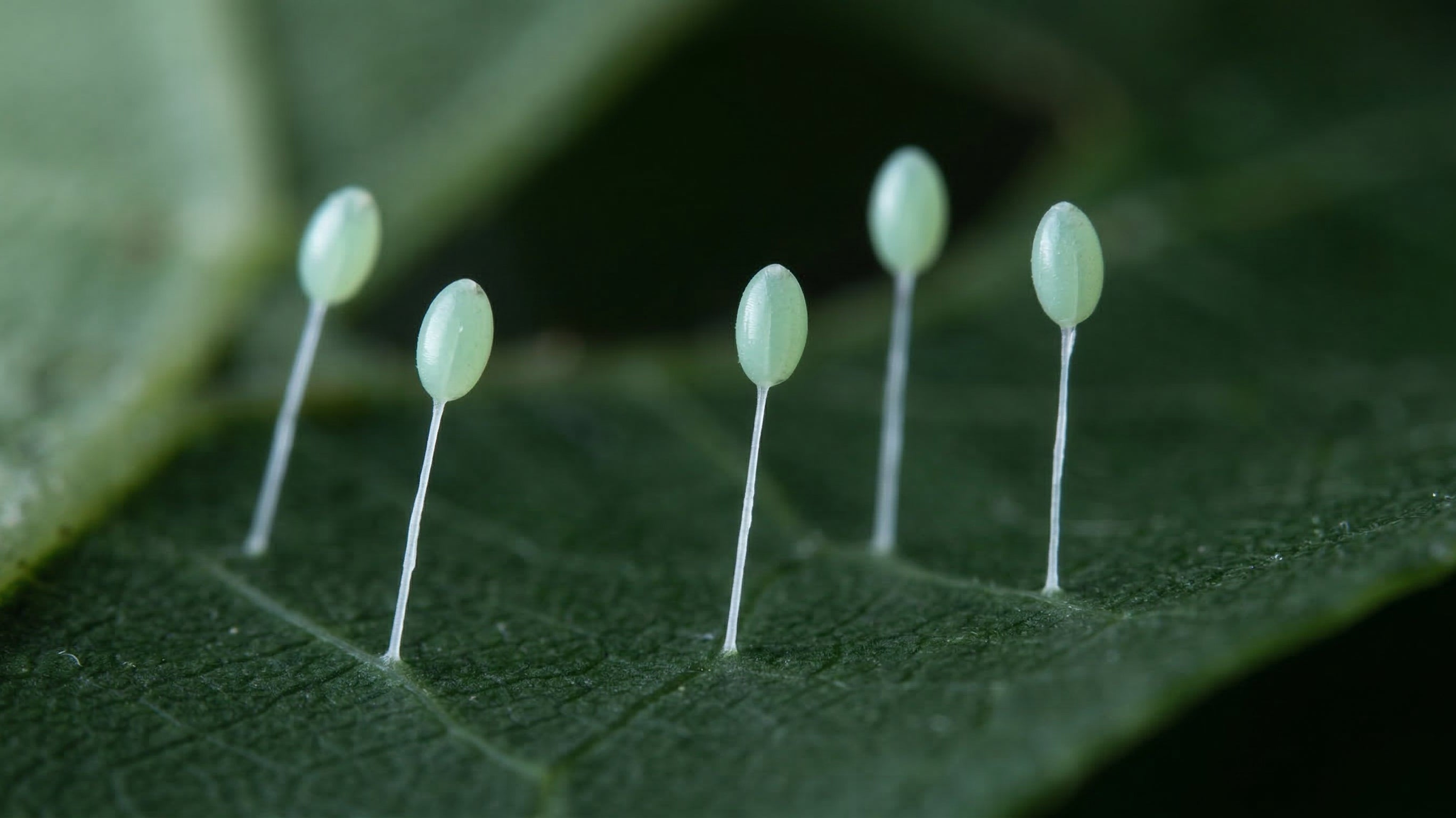
Eggs on Stalks: The Unusual Biology of Green Lacewing Eggs
Green lacewing eggs are laid on silken stalks — an evolutionary solution to two problems at once. Here's the biology behind the structure, what happens inside the egg as it develops, and how to deploy them effectively against aphids, mealybugs, thrips, and more.
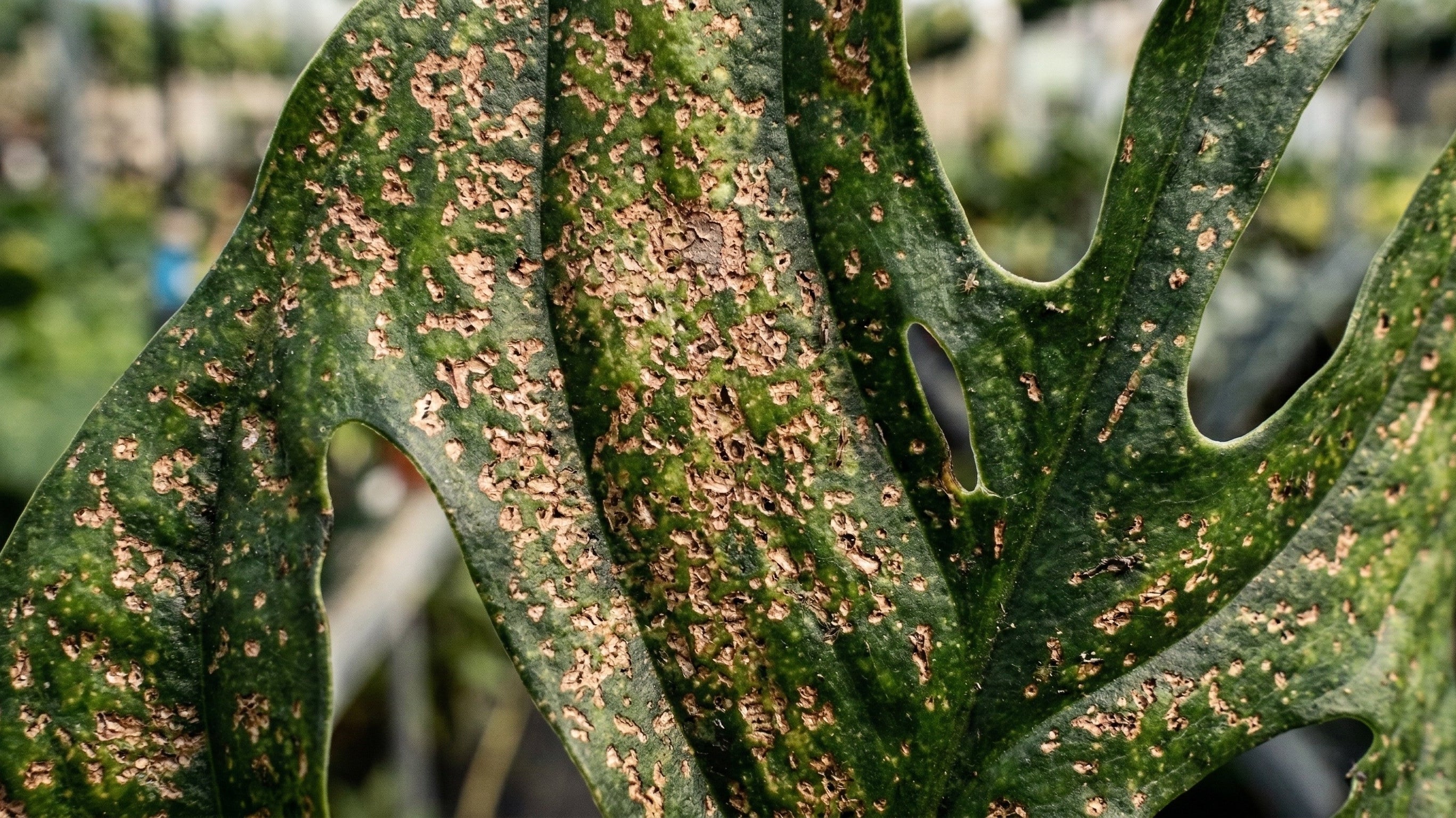
How to Treat Thrips (And Why It's Harder Than Everyone Says)
Thrips are one of the most frustrating pests in cultivation — not because they're invincible, but because most treatments target the wrong life stage at the wrong time. Here's the biology, the honest failure analysis, and what a complete program actually looks like.
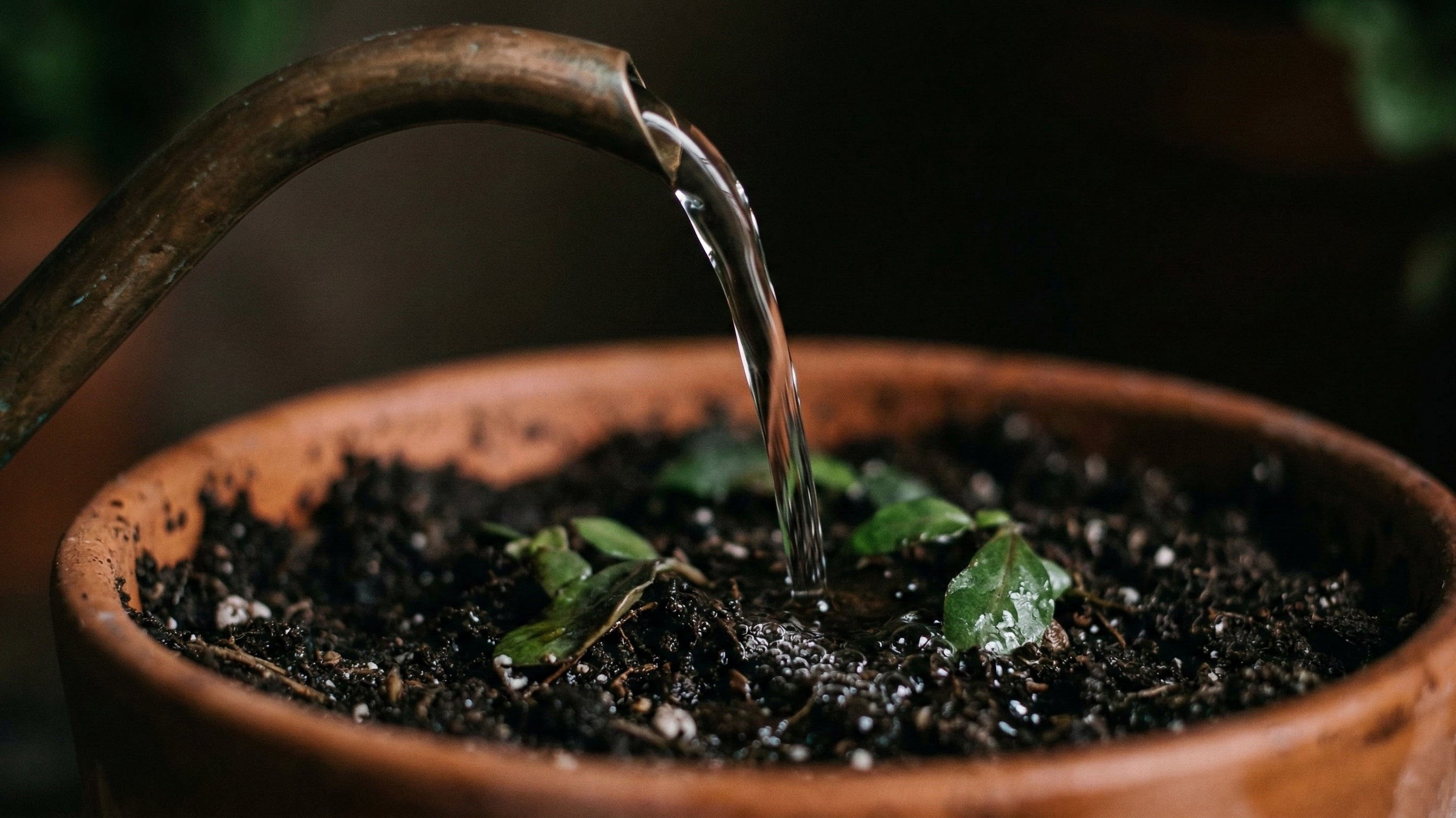
How to Dose Beneficial Nematodes (Without Losing Your Mind)
Not sure how many nematodes you need, or why your last application didn't work? This covers the dose, the timing, the water, the temperature — everything that actually matters.
Organic by Design: Why Biological Control is Infrastructure, Not Intervention
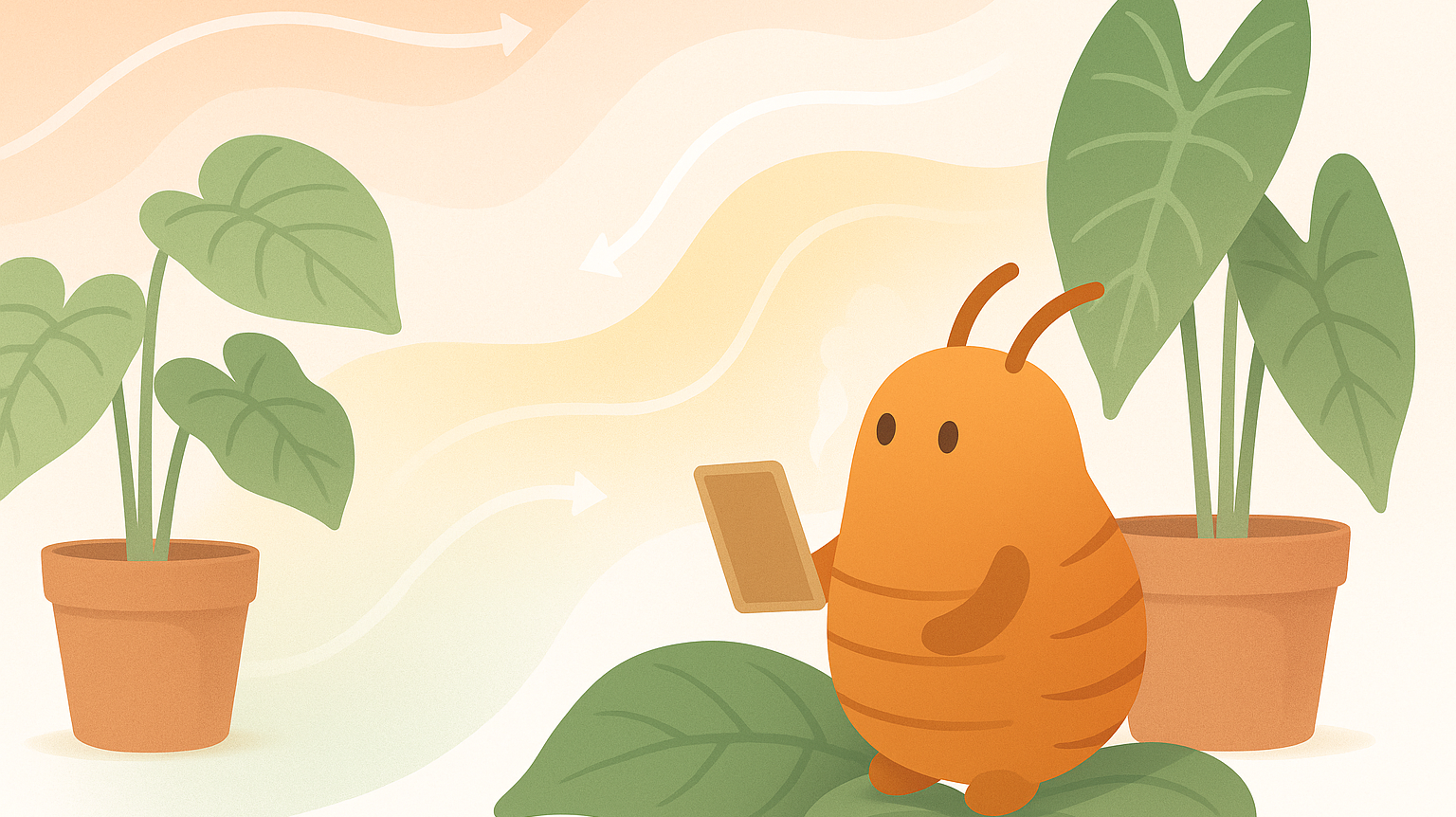
The Hidden Weather That Shapes Plant and Predator Life
Invisible weather shapes every growing space. Warm air pools under lights, cool air settles near the floor, and in between, tiny predators decide where they’ll thrive. Learn how microclimates influence the balance between plants, pests, and the mites that keep them in check.
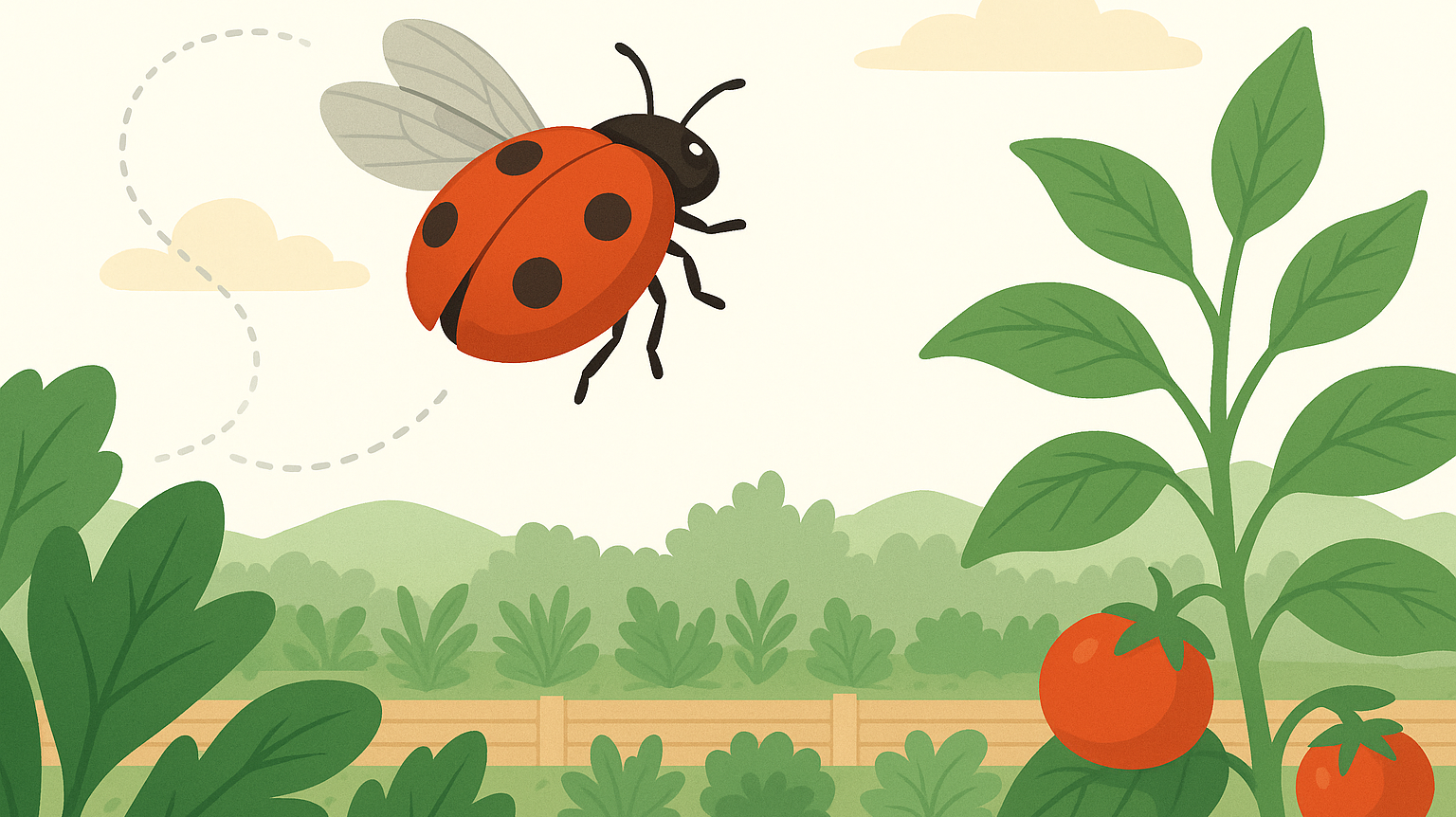
If Ladybugs Are Just Going to Fly Away, Why Use Them?
Most ladybugs don’t fly off out of spite — they leave when the environment isn’t right. Learn how temperature, humidity, and shelter affect whether they settle or scatter, and how to create the ideal setup that keeps them working where you need them most.
Where Did My Predatory Mites Go?
Released predatory mites but can’t see them anymore? Don’t panic. Their invisibility is exactly what makes them effective. Learn why they vanish, how they hunt pests out of sight, and why reapplying keeps your plants protected.
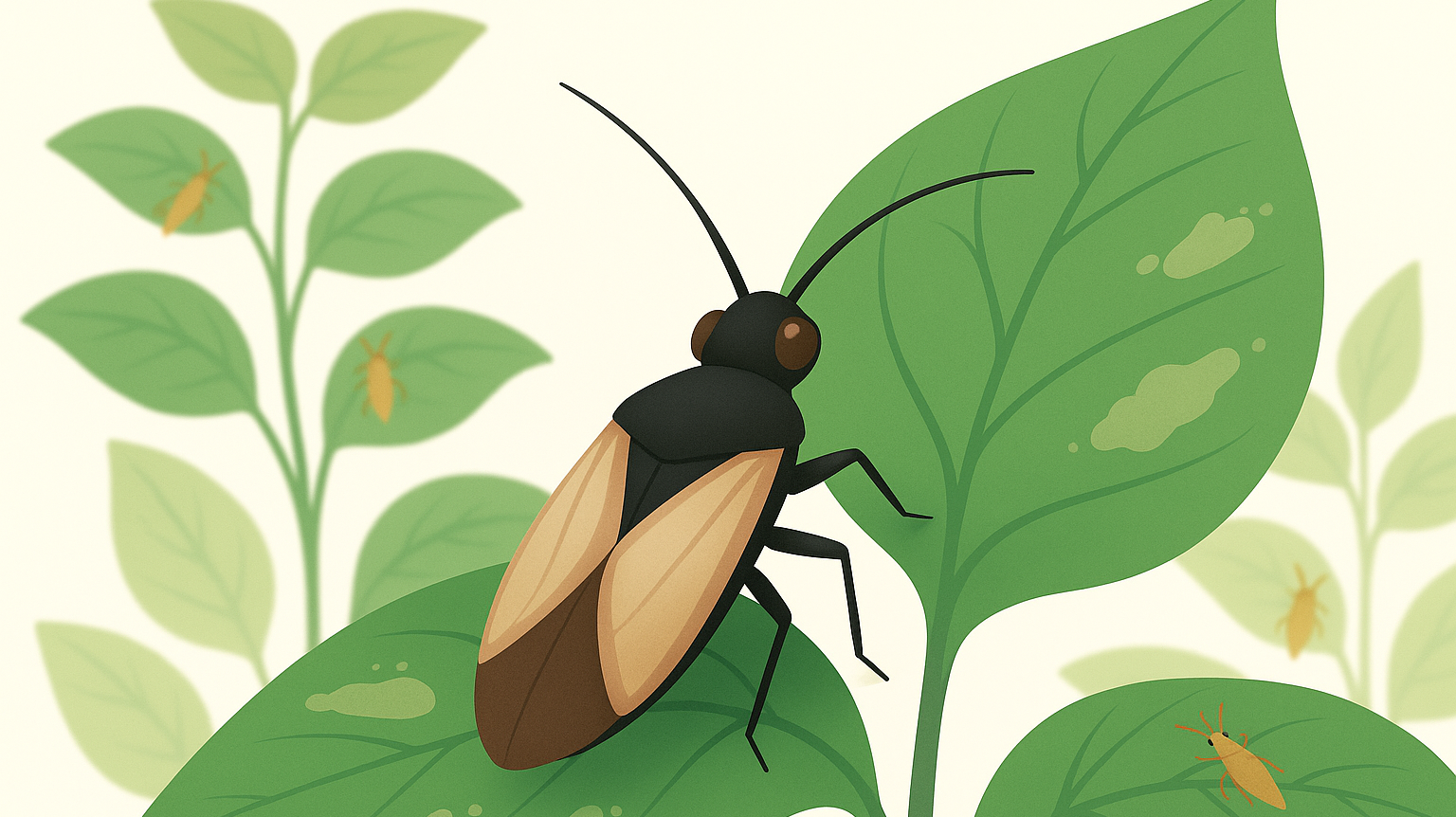
Thrips Don’t Stand a Chance (If You Start Here)
Thrips are tiny, annoying, and almost impressively destructive. This article takes a closer look at Orius insidiosus—the predator that hunts adult thrips—and explains how to use it as part of a long-term control strategy.