
Mite Matters
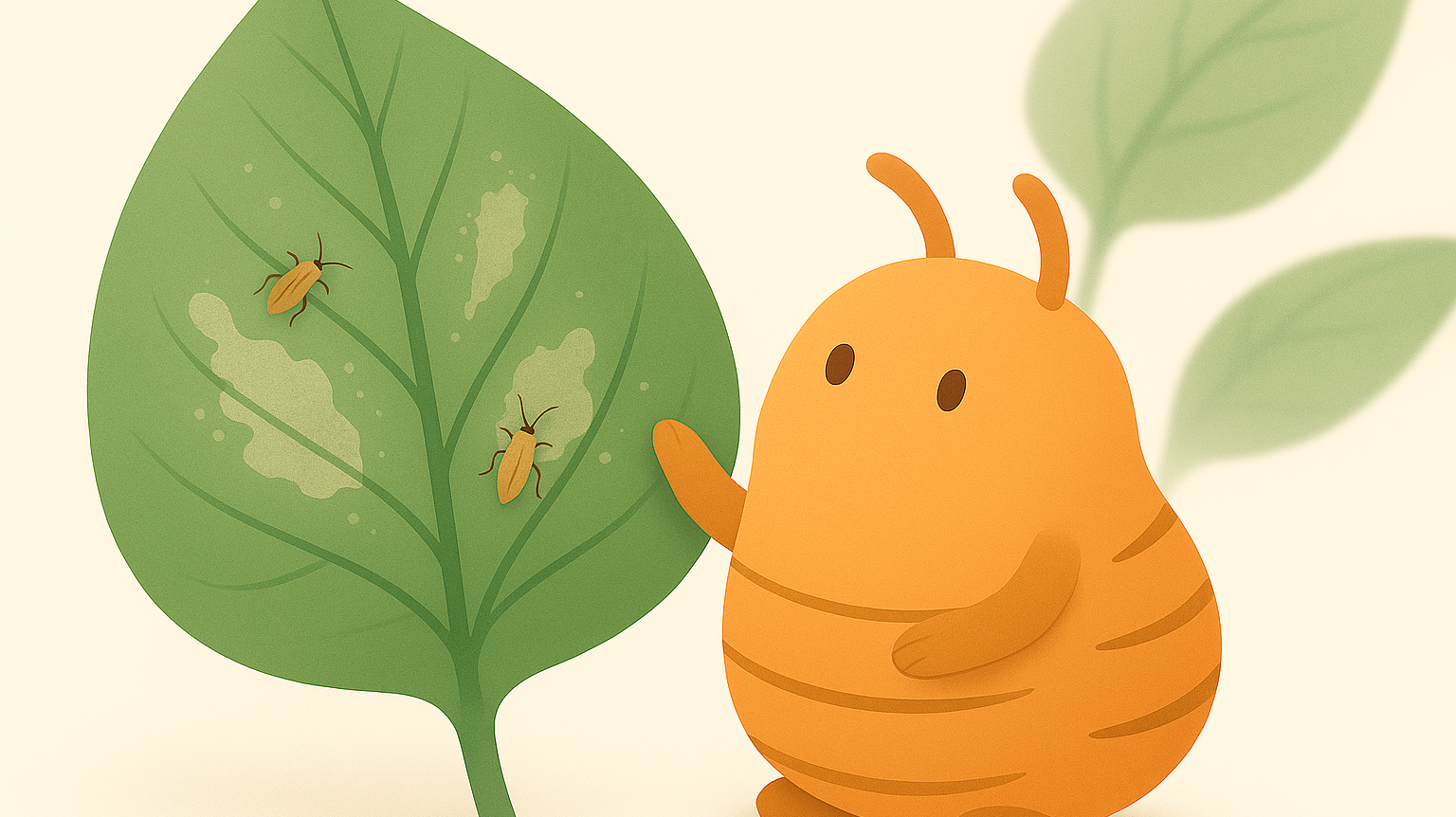
How to Treat Thrips on Plants the Right Way
Thrips may be tiny, but their impact is anything but small. These slender insects scrape open plant cells and drain them dry, leaving silvery scars, curled leaves, and sometimes even viruses in their wake. Because their life cycle spans both leaf and soil, single treatments rarely work. Instead, managing thrips requires a layered approach: mechanical suppression, targeted sprays, and—most effectively—beneficial predators that disrupt every stage of their development.
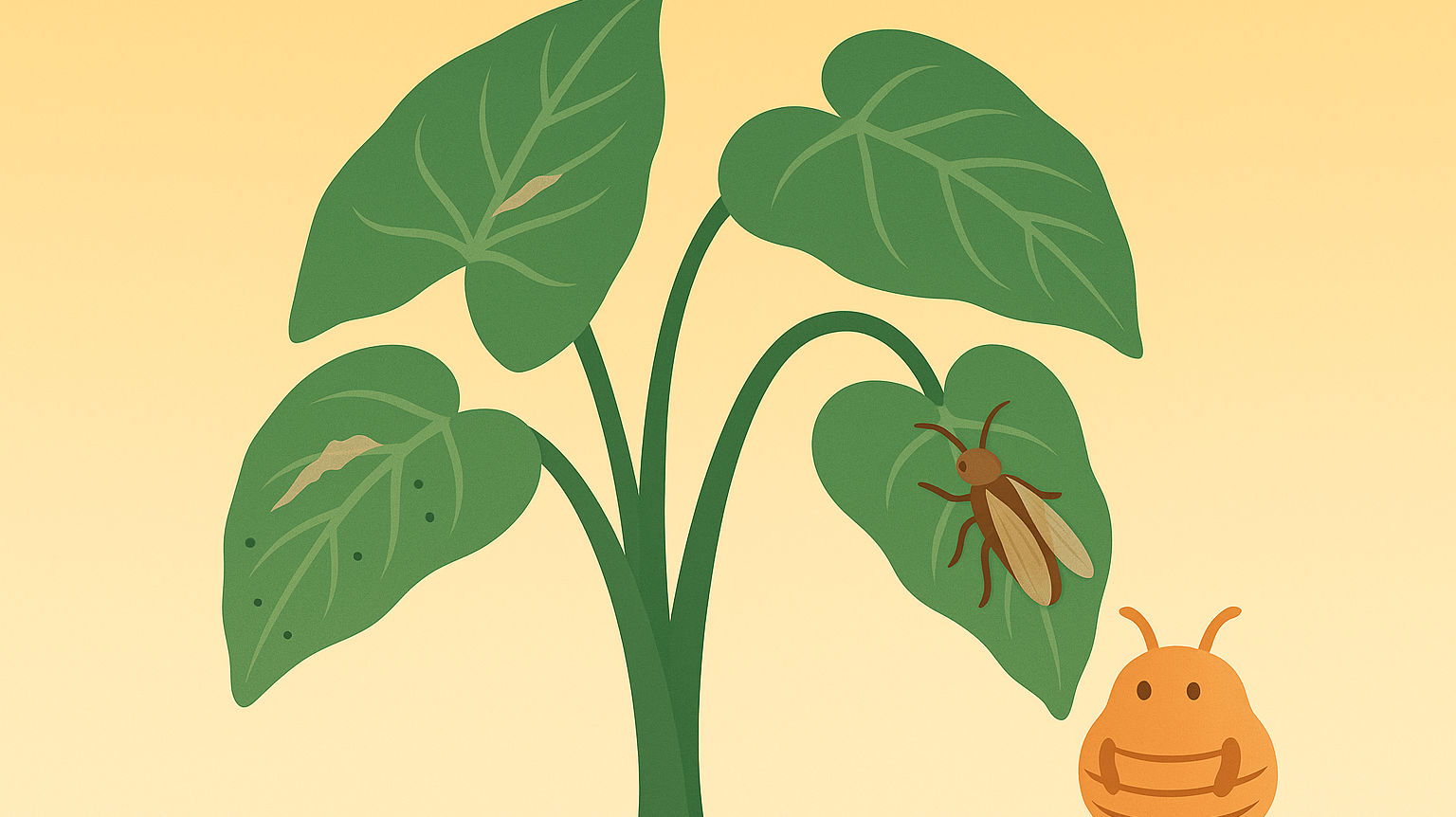
The Hidden Toll of Thrips on Plant Health
Thrips are among the most destructive yet underestimated plant pests. Despite their small size—typically just 1–2 millimeters long—their feeding activity and ability to transmit viruses cause outsized harm. Thrips damage...

How Predatory Mites Use Chemical Signals
Predatory mites don’t just hunt—they communicate. Plants call for backup with chemical signals, predators leave scent trails, and entire ecosystems shift in response. These invisible conversations shape how pests are controlled, long before you see results on the leaves.
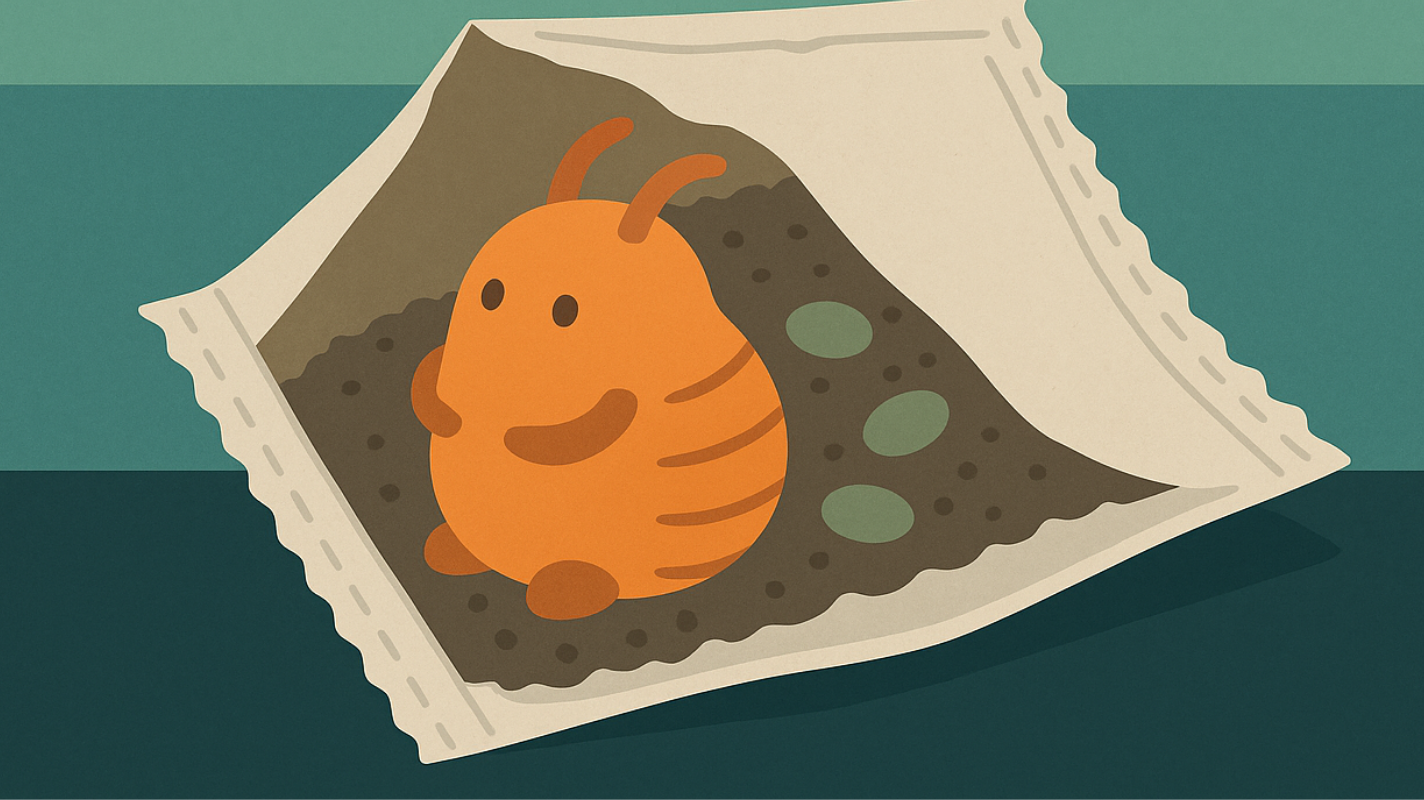
What’s Really Inside a Predatory Mite Sachet?
Predatory mite sachets may look empty at first glance, but inside is a carefully balanced ecosystem of carrier material, feeder mites, and predatory mite eggs or juveniles. Rather than flooding plants with adults all at once, sachets are designed to release beneficial mites gradually over 2–4 weeks, keeping pest populations under control. This invisible, slow-release system is what makes sachets so effective for long-term prevention—even if you never spot a mite with the naked eye.
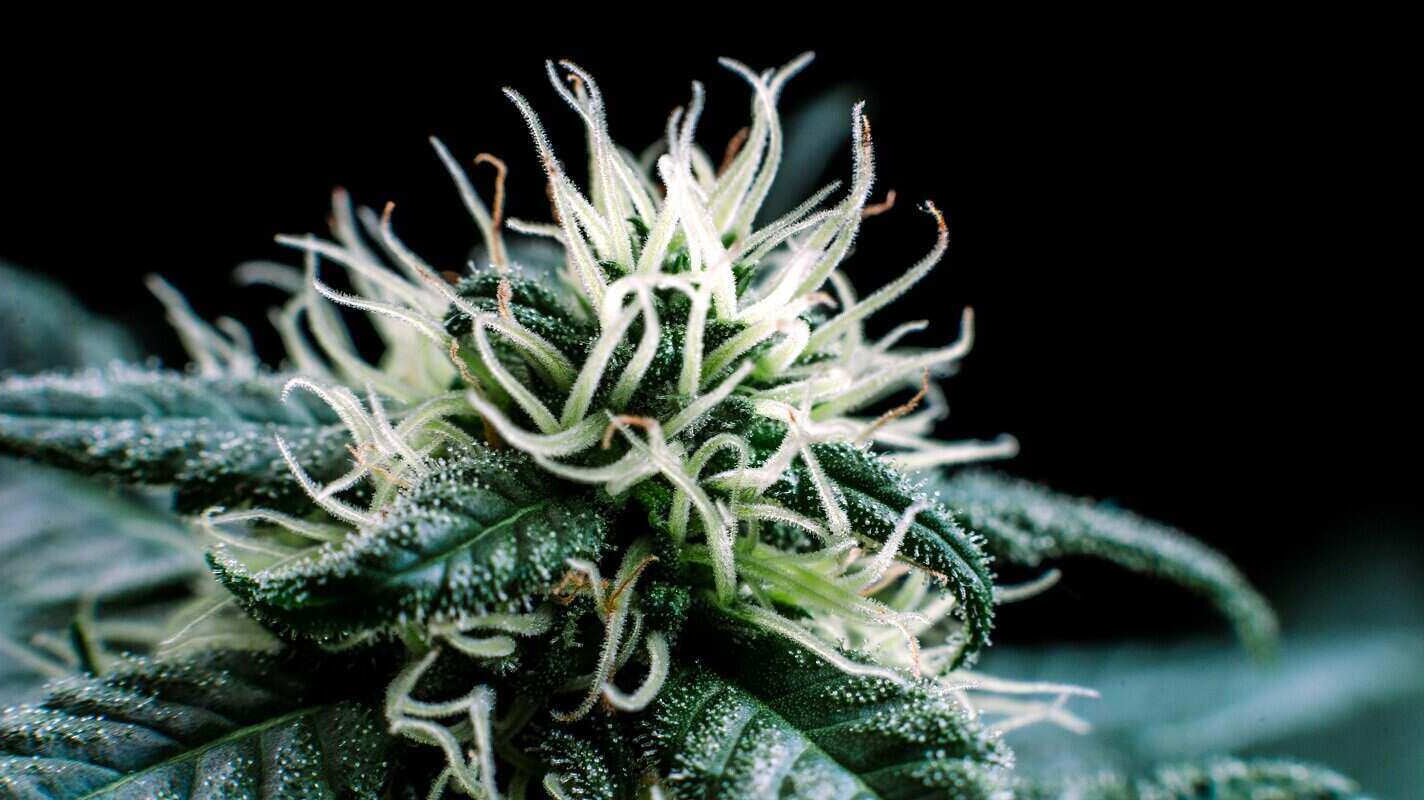
Optimizing Pest Management in Cannabis Flowering Using Predatory Mites
Learn how strategic use of predatory mites during cannabis flowering ensures premium-quality, pesticide-free harvests.
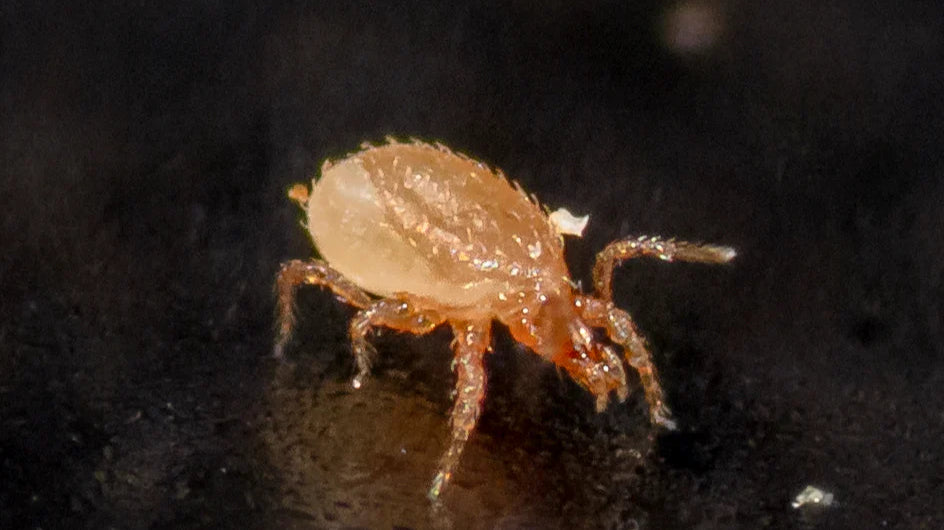
How to Treat Snake Mites Naturally with Predatory Mites
Discover how to naturally eliminate snake mites using Stratiolaelaps scimitus, a safe, effective predatory mite. This guide explains everything from identifying infestations and introducing predatory mites to ongoing care and maintenance. Say goodbye to chemical treatments and create a healthier, mite-free environment for your snakes.