

A slow-release of predators, to prevent your pests.
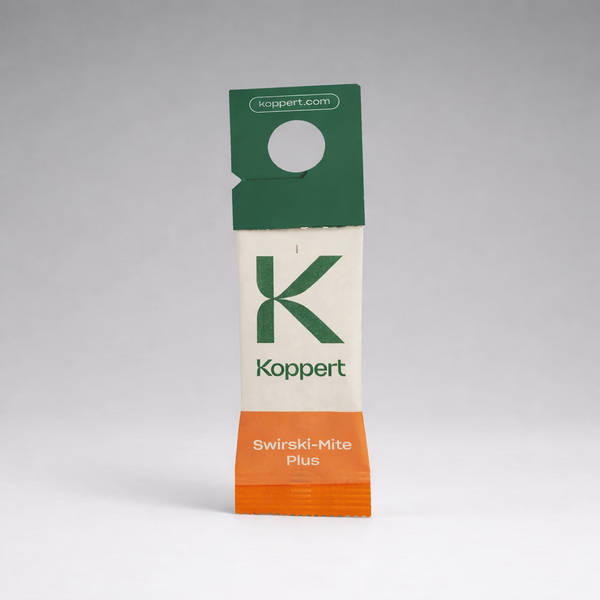
Each sachet is a small, self-contained breeding nursery — predatory mites emerging gradually over thirty days to patrol your canopy for spider mites, thrips, broad mites, and russet mites. No sprays, no residue, no schedule to keep. Sourced from the same insectaries that supply commercial growers and shipped Monday through Thursday from our US facility.
Sachets work best before pest pressure begins.
Slow-release sachets quietly trickle predatory mites into your canopy over 30 days, catching the first signs of spider mites, thrips, broad mites, and russet mites before damage shows up. They're built for healthy plants and low-pressure prevention — not active infestations.
Shop Slow-Release Sachets





The more you buy, the more you save.
Mix and match across any sachets in this collection. Discounts stack automatically at checkout — no codes required.
Up to 60% Off
Volume discounts on every sachet — applied automatically at checkout.
30 Days of Prevention
Each sachet quietly patrols your canopy for a full month.
Shipped Mon–Thu
From our US insectary. Orders after Thursday ship the following Monday.
Subscribe & Save
Auto-ship every 30 days for continuous prevention. Cancel anytime.
Don't take our word for it. We have receipts.
From recent customers
First time trying beneficial bugs for my plants, the ones that were ready got to work and I look forward to continuing to use them on my plants!

I've ordered from other companies before but never have I had as much support as I do with FGMN. Predator mites are newish to me and it was a huge help to be as educated as possible since everyone (human and non) has a job to do. My mites arrived in good shape and got right to work.

Has worked so far! Only think i need to figure out is how often i need to treat my plants

Arrived in great condition, very lively and ready to eat some plant pests :) I see them around while I water, doin their thing. Much better than the companies selling ladybugs in little mesh bags, that disappear after I release them.

Great stuff! Helps keep my plants pest free. I’ve bought their preventative sachets twice (once every 5-6 weeks) and haven’t had a single pest incident even though I’ve brought home many, many new plants in this period. Will definitely buy again!
Very good, healthy, ladybugs arrived promotly. Followed helpful detailed instructions about release. I only wish the container allowed for a better method of release, like a small spout so you dont have to keep the top off to get the kadybugs out.

What customers think about the store
Specializes in beneficial insects and live plants with fast shipping and excellent customer service. Products arrive alive and healthy. Customers praise Karen's responsiveness and expertise. Effective natural pest control solutions including ladybugs, predator...
AI-generated from customer reviews.
Questions about slow-release sachets.
What are predatory mite sachets?
Predatory mite sachets are small, breathable paper packets containing a self-sustaining colony of beneficial mites along with their food source. The colony reproduces inside the sachet, and adult predators emerge gradually over about 30 days to patrol the surrounding plant for spider mites, thrips, broad mites, and russet mites. They're a chemical-free method of pest prevention used widely in commercial greenhouses and increasingly by houseplant collectors.
How long does one sachet last?
Each sachet is designed to release predatory mites continuously for approximately 30 days. After that, the food supply inside is exhausted and the colony stops producing new adults. For continuous prevention, replace sachets every four weeks.
Which predatory mite sachet should I buy for spider mites?
For spider mite prevention, the best options are Phytoseiulus persimilis (the two-spotted spider mite specialist), Neoseiulus californicus (drought- and heat-tolerant), or Amblyseius andersoni (effective across a wider temperature range). If you're unsure or have multiple plants in different conditions, the Special Blend covers spider mites alongside thrips, broad mites, and russet mites in a single sachet.
Which predatory mite sachet should I buy for thrips?
For thrips prevention, Amblyseius cucumeris is the longstanding standard — it targets first-instar thrips before they damage new growth. In high-humidity environments at 70% RH or above, Amblydromalus limonicus is more aggressive on thrips and persists longer. Amblyseius swirskii also has measurable activity against thrips and is well-suited to warm tropical setups.
Do predatory mites bite humans or pets?
No. Predatory mites are obligate predators of other mites and small insects — they have no interest in humans, pets, or vertebrate animals, and their mouthparts are not capable of biting through skin. They are safe to release indoors around children, dogs, cats, reptiles, and birds.
When will my predatory mite sachets ship?
FGMN ships predatory mites Monday through Thursday from a US-based insectary. Orders placed after Thursday will ship the following Monday to ensure the colony arrives in optimal condition without sitting in a warehouse over the weekend.
Will I see the predatory mites after deployment?
Probably not — predatory mites measure under half a millimeter, smaller than the period at the end of this sentence. Around 80% of growers never spot them on their plants. The sachet itself is visible hanging in the canopy, and that's the indicator that prevention is active.
Can I use predatory mite sachets alongside neem oil or insecticidal soap?
Yes, with timing. If you've sprayed neem oil or insecticidal soap, wait one day before deploying sachets — the residual film breaks down quickly and won't harm predators after that window. Avoid systemic insecticides such as imidacloprid or acephate altogether, as their tissue-level persistence will harm predatory mites for an extended period.
Do sachets work for an active pest infestation?
Sachets are designed for prevention and low-pressure situations. When pest damage is already visible and populations are high, the slow trickle of predators emerging from a sachet won't catch up to the pest reproductive rate. For active infestations, deploy adult predators from bottles for fast knockdown, then transition to sachets for ongoing prevention once numbers are under control.
How many sachets do I need per plant?
Sachet coverage is dosed by linear feet rather than per-plant. As a general rule, plan on one sachet per 3–6 linear feet of plant canopy for prevention. Dense or high-value collections benefit from tighter spacing. The Special Blend's broad-spectrum coverage allows for slightly wider spacing than single-species sachets.