





Amblyseius andersoni for Spider, Broad and Russet Mite Control
Andersoni predatory mite · Amblyseius andersoni
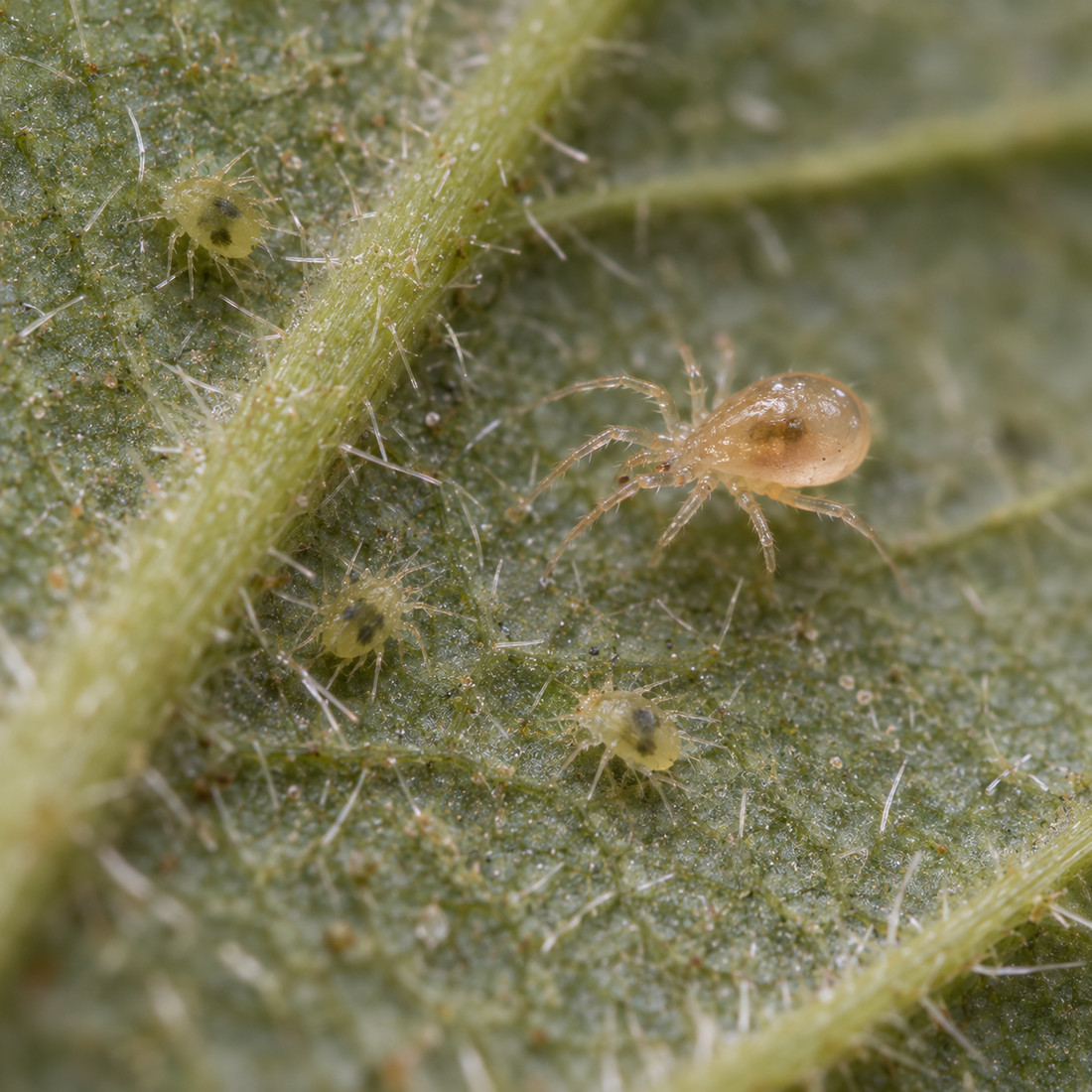
3.5 · 4 reviewsLive Amblyseius andersoni predatory mites, shipped loose in a bran carrier, 500 to 25,000 mites per bottle depending on size. A generalist that feeds on spider, broad, cyclamen and russet mites, spread across the plant with extra on new growth. It keeps working across a wide temperature range, but it is slower than persimilis against heavy spider mite webbing.
- Best for
- Broad mites, spider mites
- Conditions
- 43–100°F, 60–70% RH, tolerates less
- Good to know
- It looks like plain bran. Beige mites in a beige carrier. Spread it wide; andersoni patrols the whole plant rather than piling onto one spot. What to expect
When to choose something else
Not for adult thrips, adult whitefly, anything below the soil line.
Shipping details
Shipping
| Est. ships | Est. arrives | |
|---|---|---|
| Standard | ||
| Overnight |
Raising a fresh batch for you? Add up to 7 days to both dates.
Estimates. Overnight speeds up the trip, not the packing: its one day on the truck starts once it ships.
- Monday to Thursday only. Nobody spends the weekend in a warehouse.
- Check your address at checkout. Bugs are brilliant at finding aphids and hopeless at finding a new front door.
Ordering with friends? Get group pricing
Everyone picks their own. It ships to you in one box.
Buying for a greenhouse, farm or shop? Ask about wholesale
Right for you?
Your pest, your growing space, how many you need
What it treats, and what else it eats
The main use is broad mites and spider mites. They also eat hemp russet mites and thrips larvae and more when they come across them, but don't count on that for control.
| Pest | Treats or prevents | Why |
|---|---|---|
| Broad mites | Treats | Main prey. It goes looking for these first. |
| Spider mites | Treats | Main prey. It goes looking for these first. |
| Hemp russet mites | Prevents | Also eaten along the way, which helps keep them from taking hold. A side benefit, not dependable control on its own. |
| Thrips larvae | Prevents | Also eaten along the way, which helps keep them from taking hold. A side benefit, not dependable control on its own. |
| Whitefly eggs | Prevents | Also eaten along the way, which helps keep them from taking hold. A side benefit, not dependable control on its own. |
Not for adult thrips, adult whitefly, anything below the soil line.
How many amblyseius andersoni do I need?
Count the plants you want to cover.
Size guide
| Size | In the bottle |
|---|---|
| X-Small | 500 Mites |
| Small | 1,250 Mites |
| Medium | 2,500 Mites |
| Large | 5,000 Mites |
| X-Large | 7,500 Mites |
| 2X-Large | 10,000 Mites |
| 3X-Large | 15,000 Mites |
| 4X-Large | 25,000 Mites |
- Each size is one release. The treatment plan below says when to check again.
- Count the plants you want to cover.
- Heavy pressure, go one size up; light, one size down. A large plant with a dense canopy counts as three or four plants.
Conditions for releasing amblyseius andersoni
Amblyseius andersoni work best when the growing space stays 43–100°F, 60–70% RH, tolerates less. These are preferred conditions, not hard limits.
Best temperature43–100°F
The widest range of any predatory mite we carry. Most active between 65°F and 85°F, and it survives the swings at either end rather than dying off.
Best humidity60–70% RH, tolerates less
Best in that band, but more tolerant of dry air than swirskii. Humidity is not the field that decides this purchase the way it is for the specialists.
RefrigerateBest not
Loose mites do best released rather than held. Open the bottle and release it the day it lands.
Releasing
What to do, and what you'll see
What to expect
- It looks like plain bran. Beige mites in a beige carrier. Spread it wide; andersoni patrols the whole plant rather than piling onto one spot.
- Gradual is the shape. Stippling stops spreading and new growth stops twisting over a couple of weeks. It keeps hunting through cool nights.
- Some stay on. It lives on pollen between meals, so some stick around afterwards and help keep the problem from restarting.
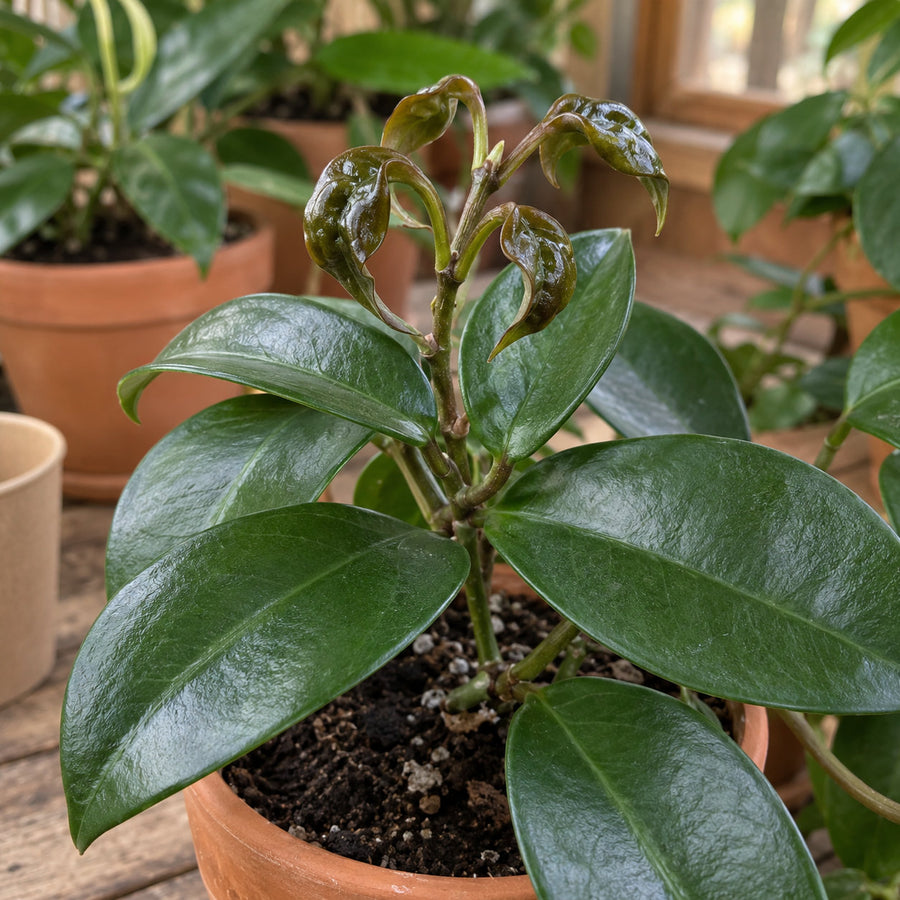
- The newest leaf tells you. A twisted or stippled leaf stays that way. New leaves opening flat and clean are the sign it's working.
How to release amblyseius andersoni

You may need to retreat
Eggs and young pests you can't see yet keep hatching after the first release. A second round catches that next wave.
You're done when you're seeing fewer pests and new growth comes in clean. Still seeing them, or fresh damage on new growth, at the check? That's your cue for another round.
Put it on a schedule and the next bottle arrives on its own, 10% off the first and 15% off every one after. If it turns out you don't need it, pause or cancel anytime from your account.
Reviews
What growers say
What people say
3.5 out of 5, from 4 reviews.
I had spider mites. I added this and they got worse! All my hopes are gonna burn with my plants. This colony has got to go
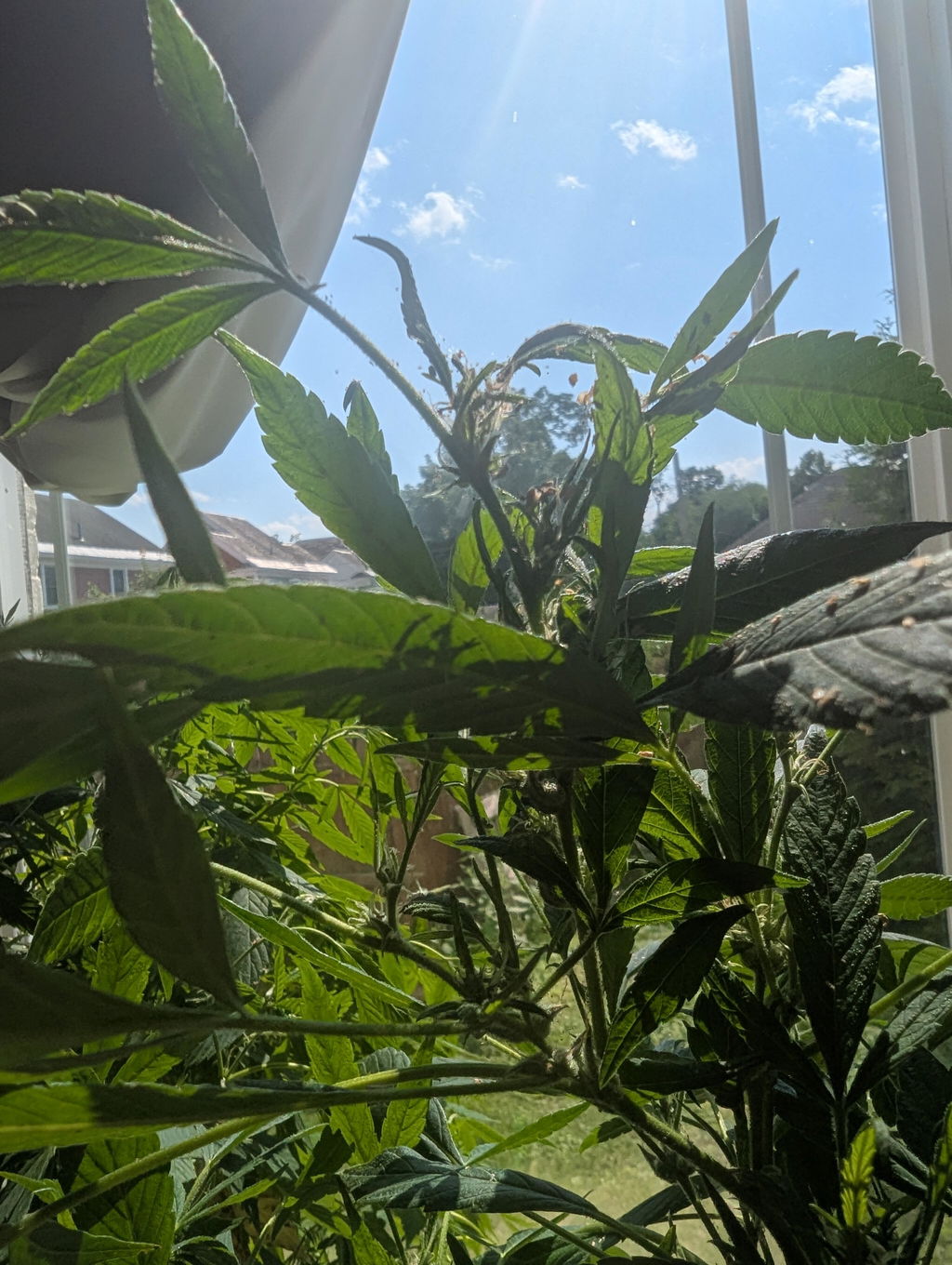
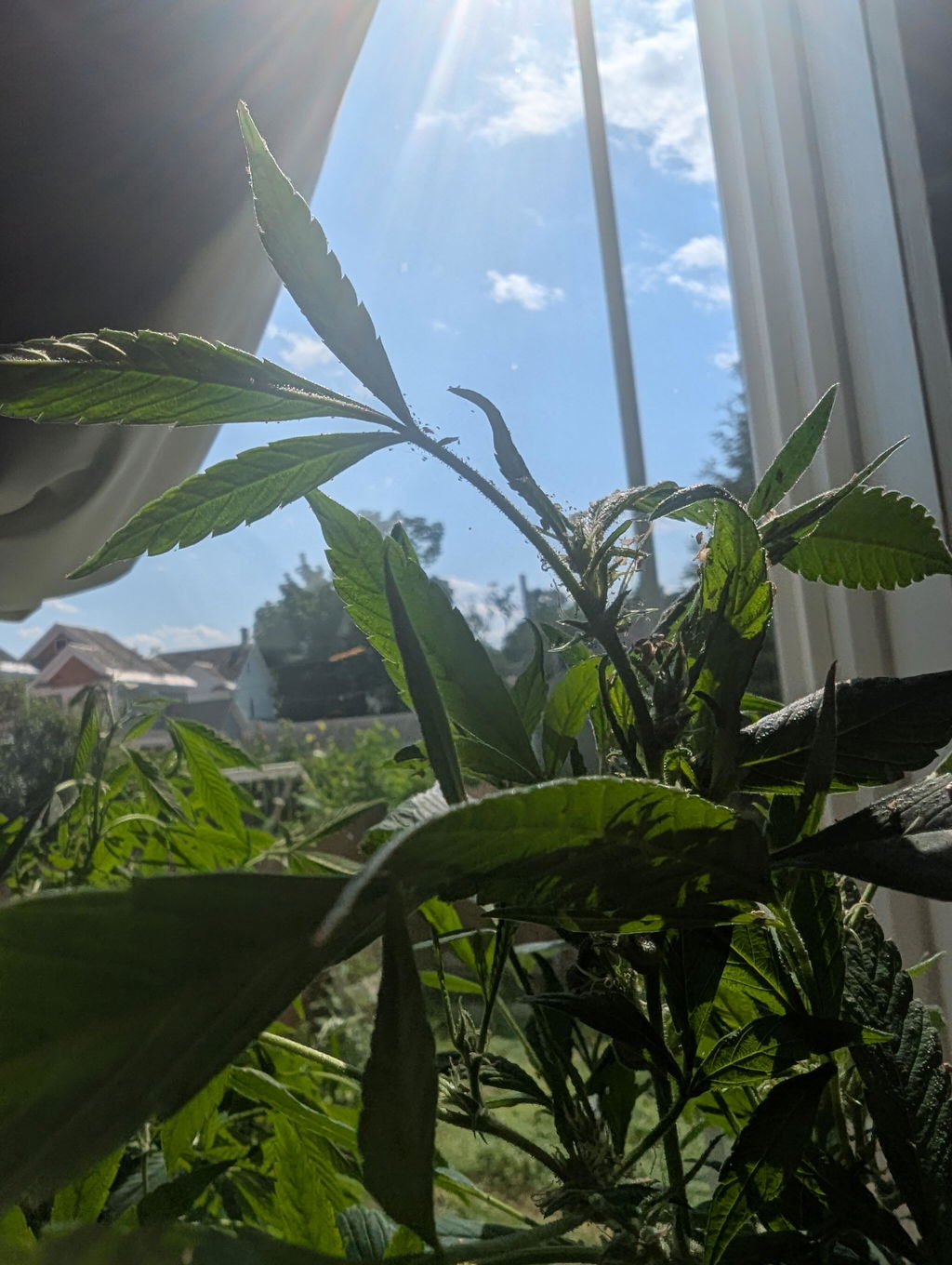
Hi Bakedj, thank you for the feedback, and we're sorry the mites have been winning so far. Spider mites reproduce fast — there's a point where they can nearly double day over day. If your beneficials arrived right as that surge hit, and the dose was matched to the smaller population you had before it, they'd be behind from the start and stay behind, since predators don't breed as fast as the mites do. Plenty of other things can play a part too — a sudden temperature swing or leftover pesticide residue can knock beneficials back — but the one thing that's true is this isn't lost yet. If you'd like help diagnosing what happened and figuring out where to go next, we're glad to talk it through. Our customer service team is at info@fgmnnursery.com.
Amazing customer service
This was my first time buying bugs. I used their find a bug search which had me put it the type of infestation and the type of environment the crop is in. They pointed me to the bugs I needed and shipped out the following day. The bugs showed up in the morning next day deliver for the predatory mites. There was a mix up on the amount of mites they sent, sent out they missing containers the next day.
It’s been a few days and the predatory mites have laid a beat down on the two spotted spider mites and should save me from having to spray anything while I flower.
I will be returning every season. They even have bugs to get after caterpillar.
I honestly can't tell because it seems like the spider mite damage continues . My humidity is very high when the lights are on so maybe it decreased the ipm mites.
Hi! When you say 'very high humidity' how high is that? Andersonii performs best 40%-80%, with 80% being the highest they will tolerate. Is it possible your humidity is too high?
I had spider mites. I added this and they got worse! All my hopes are gonna burn with my plants. This colony has got to go
Hi Bakedj, thank you for the feedback, and we're sorry the mites have been winning so far. Spider mites reproduce fast — there's a point where they can nearly double day over day. If your beneficials arrived right as that surge hit, and the dose was matched to the smaller population you had before it, they'd be behind from the start and stay behind, since predators don't breed as fast as the mites do. Plenty of other things can play a part too — a sudden temperature swing or leftover pesticide residue can knock beneficials back — but the one thing that's true is this isn't lost yet. If you'd like help diagnosing what happened and figuring out where to go next, we're glad to talk it through. Our customer service team is at info@fgmnnursery.com.
Amazing customer service
This was my first time buying bugs. I used their find a bug search which had me put it the type of infestation and the type of environment the crop is in. They pointed me to the bugs I needed and shipped out the following day. The bugs showed up in the morning next day deliver for the predatory mites. There was a mix up on the amount of mites they sent, sent out they missing containers the next day.
It’s been a few days and the predatory mites have laid a beat down on the two spotted spider mites and should save me from having to spray anything while I flower.
I will be returning every season. They even have bugs to get after caterpillar.
I honestly can't tell because it seems like the spider mite damage continues . My humidity is very high when the lights are on so maybe it decreased the ipm mites.
Hi! When you say 'very high humidity' how high is that? Andersonii performs best 40%-80%, with 80% being the highest they will tolerate. Is it possible your humidity is too high?
Pairs well with
Small things that help them work
-
Add alongside
Amblyseius andersoni Slow-Release Prevention Sachets
The standing population after the dose.
$3.50
-
Add alongside
Phytoseiulus persimilis
Speed, when webbing is already up.
from $55
-
Add alongside
Amblyseius swirskii
Thrips and whitefly in a warm room.
from $65
-
Add alongside
Root Network
For the roots: mycorrhizae and microbes that help roots take up water and nutrients. Use at repotting, then a monthly drench.
from $15




More to know
Ways to buy, questions and reading
Ways to buy
Once, on a schedule, with friends, or mixed with other predators.
- One time
- A single bottle, this once. Free shipping on orders of $30 or more, $15 under that.
- On a schedule
- 10% off your first box, 15% off every box after. Skip, move, pause or cancel from your account.
- Group order
- Friends each pick what they want, and it ships to you in one box.
- Mix and match
- Buy several predators together and they get cheaper.
For the curious
Everything else we know about them. Tap a topic to open it.
Is this your pest?
Andersoni treats three kinds of mite, which is why it is usually the one to reach for when you are not certain which you have.
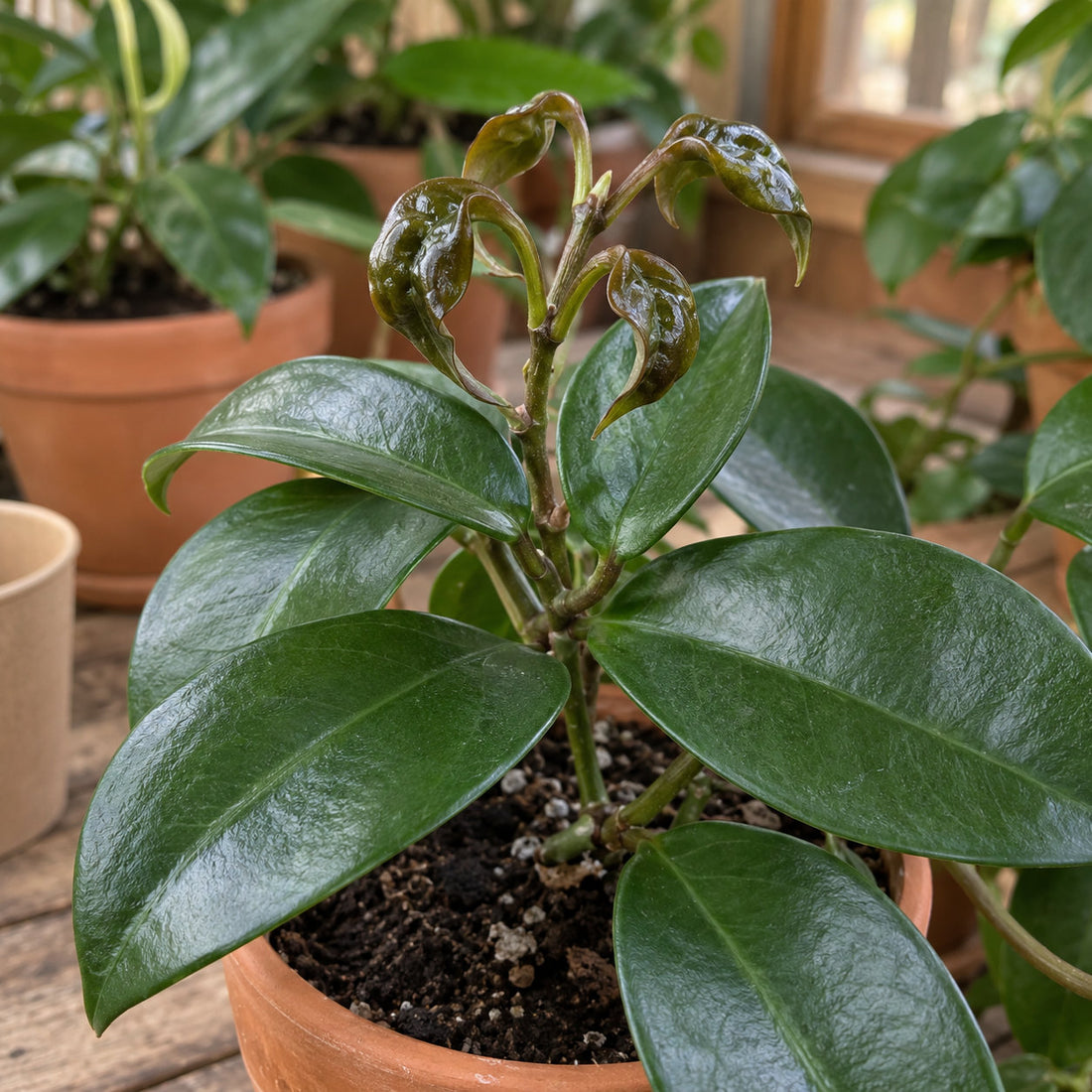
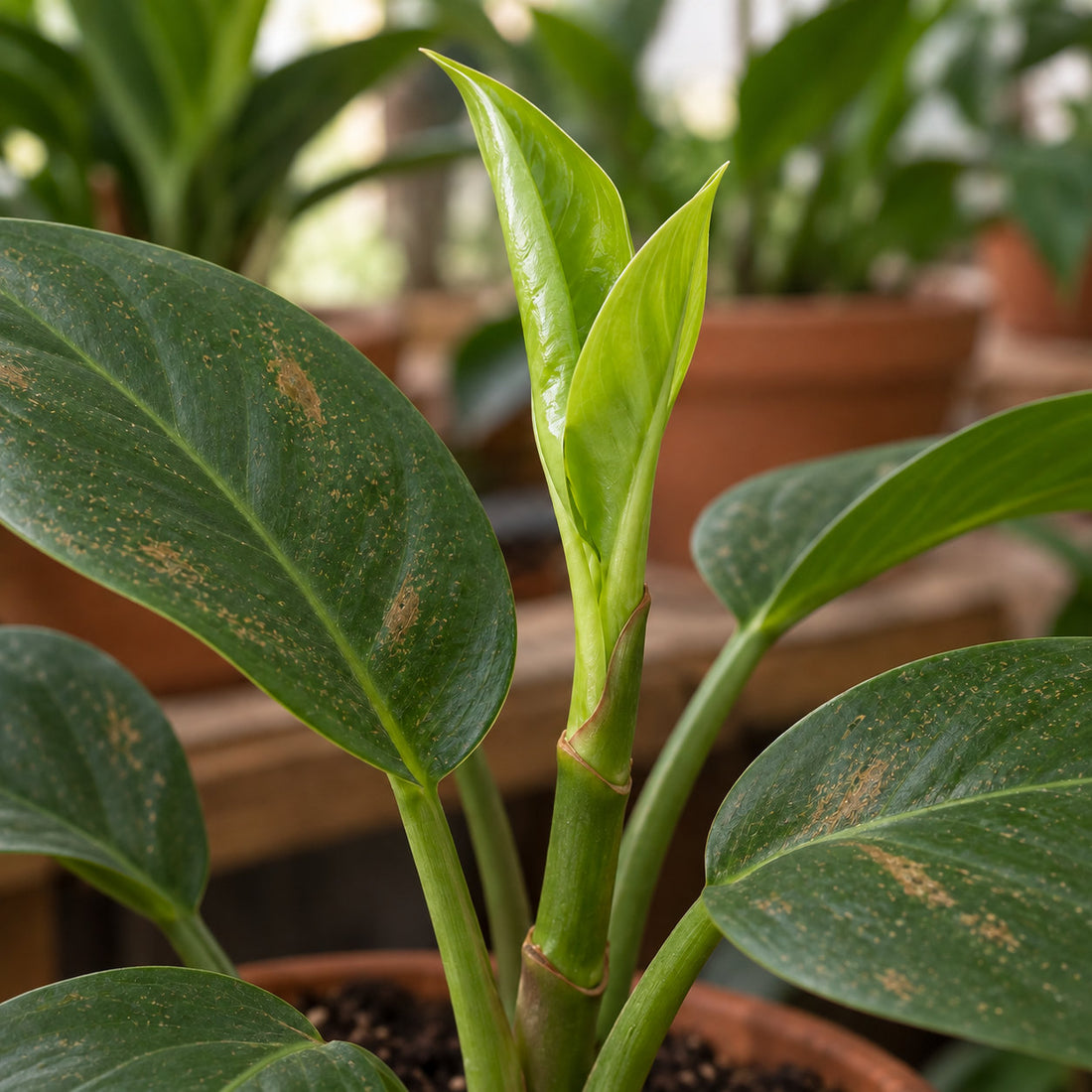
Three different problems look like three different things. Spider mites stipple the leaf from underneath and string fine webbing. Broad mites twist and harden the new growth until it comes in deformed. Russet mites bronze the leaf and roughen it, with nothing visible on it at all.
Andersoni takes all three — two-spotted spider mite colonies, and the microscopic ones that most predators miss: broad mites and hemp russet mites. It picks off thrips larvae and whitefly eggs along the way. If broad mites are the whole problem, Amblyseius cucumeris is the one with the published record; andersoni is what you use when you cannot narrow it down.
Then: is andersoni the right answer to it?
Choose this if
Choose andersoni for a space you cannot climate-control, and for a mite you cannot identify. It is active from 43°F to 100°F with no winter dormancy, so a cold snap or a heat spike does not stop it, and short days do not send it into diapause the way they do other species. It also feeds on pollen, so it stays on a clean plant as a standing shield rather than dying out.
Choose something else if
Its advantage is tolerance, not appetite. Against heavy webbing on an outbreak already spreading, Phytoseiulus persimilis is faster and you should lead with it — use andersoni behind it to hold the ground and cover the cool end of the year. And in a stable, warm, humid room, a specialist will out-eat it.
What it kills, and what it won't
It also feeds on pollen, which is not a pest — it is how the population holds on a clean plant between outbreaks instead of starving out. That is what makes it a shield rather than a one-off treatment.
How it works
What it does to the pest, what it does on the plant, and what that leaves you looking at.
It patrols rather than swarms
Andersoni is a predator — not a poison, not a repellent, nothing systemic. It works across a plant rather than piling into one hot spot, which is why even coverage suits it and why it finds the microscopic mites hiding in growing tips that a colony-hunter walks past. No residue, no re-entry interval, and nothing it eats can develop resistance to being eaten.
It keeps working when others stop
The range is the product. From 43°F to 100°F it keeps hunting, most actively between 65°F and 85°F, and it does not die off in a temporary cold snap or a heat spike. Short days do not put it into dormancy either, so a winter indoor grow or a late outdoor season still gets a working predator.
Pest numbers, not mites
You will rarely watch this happen. They are under half a millimeter and beige, and they work on leaf undersides and in the growing tips. Judge it the way a grower does — new growth that stops deforming, stippling that stops spreading — rather than by trying to count predators on a leaf.
It is not a knockdown. The damage already on a leaf is permanent and stays there whatever happens next. What changes is the growth that comes after — which on a broad mite problem is the whole point, because deformed new leaves are the symptom you are buying this to stop.
About andersoni
A predatory mite about half a millimeter long that hunts on leaves. It has no interest in your plant and no interest in you — it eats other arthropods, and when there are none left it eats pollen until there are.
New to beneficials?
Five things that catch almost everyone the first time.
What arrives
Loose mites through a bran carrier, mixed stages. All of it beige and under half a millimeter, so trusting the label is part of the deal. The carrier goes out onto the plant with them.
You are unlikely to see movement, and that is normal for a mite this small against a pale carrier. It is not a sign that anything is wrong.
Release on arrival. Loose mites do best released rather than held — open the bottle the day it lands.
When it ships, and when it lands
Shipping
We ship when they're ready to travel. Live orders go out Monday to Thursday. If a colony needs a beat to peak, or we're propagating a fresh batch, yours might hold up to a week. All mites and insects ship 2-day or Overnight depending on what's best for them.
When it lands
Open it that day. Spread it wide rather than piling it all on one plant: small piles wherever the carrier will sit still, like the flat top of a leaf, the spot where a leaf meets its stem, or a small paper cup tucked into the plant. The mites walk out on their own and find the pests, undersides and growing tips included. Leave the material where it lands, and don't water it in.
Why we pack extra
Two days in a van is a long trip for something this small, so we send more than you paid for.
A predatory mite is the size of a grain of table salt. It ships in a bottle, in a van, for two days.
A trip like that is hard on anything this small, so we price it in: the number on the label gets counted out, and then roughly 15% more goes in on top as a cushion.
Your 500-mite bottle leaves here holding more than 500. The cushion is on us.
If you can see them
Ladybugs, lacewing larvae, Orius — the minute pirate bug — and the beetles. These are the ones big enough to see.
Cold insects are very good at sitting still. That's normal. Release them as this page says, and watch the pest instead.
Something look wrong? Email info@fgmnnursery.com with your order number.
If you can't see them
Mites, nematodes, eggs — most of what we sell, this one included. Mites this small can't be judged by eye in a bottle of carrier, so there is nothing for you to check or photograph.
Email info@fgmnnursery.com and our entomologist takes you through the diagnostic instead — where the box sat, what your room was doing, and then what the pest is doing about ten days later.
Seventy-two hours from delivery, either way, with your order number. Replacement or store credit, your pick.
Questions about amblyseius andersoni
Will I have bugs flying around my house?
No. They stay on the plants, where their food is.
Can I use Andersoni outdoors?
Yes! It's used outdoors as well as in greenhouses, including in orchards and vineyards, and its wide temperature range suits outdoor swings.
Will they eat my plants?
No. They are strictly predators and do not damage plant tissue.
Can I use them with other mites?
Yes. They work perfectly alongside Swirskii or Persimilis to provide a multi-layered defense.
How long do they live?
Adults live a few weeks, and if food is present they keep breeding, so a population can stay on the plant.
Does Andersoni work on Aphids?
No. While they may eat a very young aphid occasionally, they are not an effective control for aphid outbreaks.
Is it safe for my pets?
Yes. These mites are harmless to humans, dogs, cats, and other animals.
Can I release andersoni after spraying?
It depends on what you sprayed, because there's no single waiting period for every spray. Neem and horticultural oil are safe once dry; insecticidal soap needs a day; sulfur needs 21 days; slower-breaking synthetic sprays such as pyrethroids need weeks longer. If the label says longer, the label wins. Not sure what you used? Email info@fgmnnursery.com with the product name and we'll tell you when to release.
How many andersoni do I need?
Size it by the plants with damage, plus any plants touching them:
- Count the plants. Every size is set at about 50 mites per 6-inch plant: X-Small covers up to 10 plants, Small 25, Medium 50, Large 100, X-Large 150, 2X-Large 200, 3X-Large 300 and 4X-Large 500. Size up for bigger plants and down for smaller ones.
- Adjust for pressure. Damage on many leaves or twisted new growth across several plants: go one size up. A few marked leaves: one size down. Extra costs little, because andersoni holds on pollen when prey runs short.
- One size is one release. Check the new growth 7 days later, then repeat every 2 to 4 weeks (sooner for a heavy problem) while the pests are still active.
Heavy spider mite webbing? Lead with persimilis at the hot spots and put andersoni in behind it.
Keep reading
Field Notes from the FGMN Nursery team.
 No Webbing. No Warning. No Fun.
Broad mites are microscopic pest mites that cause twisted, bronzed new growth on peppers, cannabis, hoyas, and dozens…
No Webbing. No Warning. No Fun.
Broad mites are microscopic pest mites that cause twisted, bronzed new growth on peppers, cannabis, hoyas, and dozens…
 Four Mites Apply for the Thrips Job
Compare cucumeris, swirskii, limonicus, and andersoni by the job they need to do on your plants—not just how…
Four Mites Apply for the Thrips Job
Compare cucumeris, swirskii, limonicus, and andersoni by the job they need to do on your plants—not just how…
 Predatory Mites Outdoors
Predatory mites have been managing pest populations in orchards and gardens for decades — the outdoor track record…
Predatory Mites Outdoors
Predatory mites have been managing pest populations in orchards and gardens for decades — the outdoor track record…
Sources
Published guidance from university extension services. The release tips on this page also draw on what we see shipping these every week.