


Neoseiulus cucumeris
Thrips larvae on the leaves? Comfortable room? Cucumeris, the mite greenhouses run on, eats them before they can drop to the soil.
- Ships Monday to Thursday2-day or overnight. A fresh batch can take up to a week.
- Live arrival, guaranteedTell us within 72 hours.
How it works →
Using it in a bioactive enclosure or vivarium?
They stay on the leaves and eat only plant pests. Harmless to frogs, reptiles, isopods and springtails. Dart frogs may even snack on a few.
Shop for bioactive setups →Complete the plan
-
-
-
-
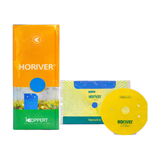
Horiver Professional Sticky TrapsBlue cards catch the adults. Watch the numbers drop.Small Blue Card - 10 Pack · $11


Other finds
-
-
Rust & Orange Watercolor PlanterHandmade by Linda. Your plant stays in its nursery pot and slips inside.From $20
-
3.5" Earth Tone Mini PlanterA little pot with a hole, plug and saucer, for a 2-inch succulent or a fresh cutting.From $7
-
4" Signature Stone Hanging Planter PotA small stone-look pot that hangs, for the plant that ran out of shelf.From $26
-
-
-
7" & 4" Signature Planters & SaucerTwo matching pots with saucers: one for the plant, one for the cutting you took.From $40
-
-
-
-
-
I'm Not Dramatic. I'm Specific. - Heavyweight TeeFull-color Alocasia joke, heavyweight cottonFrom $35
-
-
-
-
-
-
-
-
-
Probably Thinking About Plants - Stainless Steel Tumbler20 oz stainless tumbler with lid and straw$29
-
I Did It All for the Corms – Heavyweight Cotton TeeA 90s nod for corm keepers, heavyweight cottonFrom $35
-
-
-
-
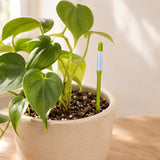
Arber Sticky Traps for Plant PestsYellow stakes that catch winged pests and show you whether it's getting better.$11
-
-
-
-
Arber Organic Soil & Root Boost 4 ozLiving helpers for the root zone, worked into the top of the soil once a month.$17
-
Birds on the Block Window Bird FeederA clear window feeder that brings the birds within a few inches.From $19
-
Tiny Terracotta Grow KitDaisy or poppy seed in a tiny terracotta pot with a water reservoir.From $15
-
-
Holiday Herb Garden JarRosemary, cinnamon basil or sage, grown on lava rock over water. No soil.From $21
-
-
-
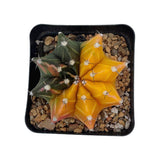
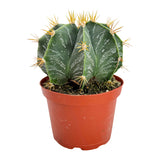
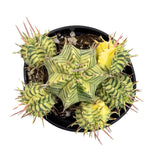
Variegated Fire Barrel CactusRed spines tipped in yellow, on a variegated barrel. A free prevention sachet comes with it.$37
-
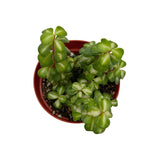
Variegated String of PearlsGreen-and-cream pearls with a clear window that lets light inside the leaf.$25
-
Variegated Corn Cob CactusStacked cream-and-green stems, like a corn cob that went to art school.$17.50
-
Organic Pink Oyster Mushroom Spray & Grow KitPink, and in a hurry. First harvest in as little as a week.$35
-
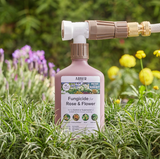
Arber Organic Insecticide for Rose & Flower 16 ozKills surface pests in minutes on rose and flower beds. Clips to the hose.$25
-
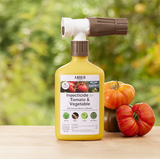
Arber Organic Insecticide for Tomato & Vegetable 16 ozKills surface pests in minutes on vegetable beds. Clips to the hose.$25
-
Arber Organic Bio Fungicide 8 ozControls mildew and leaf spot on pots and beds, indoors or out. Mix in a sprayer.$20
-
Arber Organic Fungicide for Rose & Flower 16 ozControls black spot and mildew on rose beds. Clips to the hose.$25
-
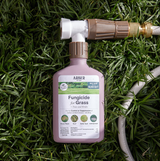
Arber Organic Fungicide for Grass, Trees & Shrubs 16 ozControls brown patch, dollar spot and rust. Clips to the hose.$25
-
Arber Organic Bio Protectant 8 ozPrevention, not a cure: the plant thickens its own defenses. Mix in a sprayer.$20
-
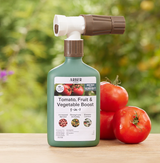
Arber Organic Tomato, Fruit & Vegetable Boost 16 ozStrengthens vegetables' own defenses. Clips to the hose. Not a feed.$25
-
Arber Organic Plant Food 8 ozA gentle 3-2-1 feed, watered in every 10 to 14 days. Made from unsold produce.$20
-
Arber Organic All Purpose Fertilizer 3 lbSlow granular feed of compost and biochar, mixed into the soil once a month.$15
-
Arber Organic Fruit & Veggie Fertilizer 3 lbA 4-3-2 granular feed with calcium, worked into the top few inches of soil.$15
-
Arber Organic Nutrition & Health Starter SetPlant Food plus Bio Protectant. Best for patios, pots outside and beds.$30























































Ordering with friends? Pool one order and save up to 40%.
Own a shop? Wholesale orders start at $500. Ask about wholesale
When your box arrives
You probably won't see them. That's normal.
A predatory mite is about half a millimeter long, and it hides where the pests hide.
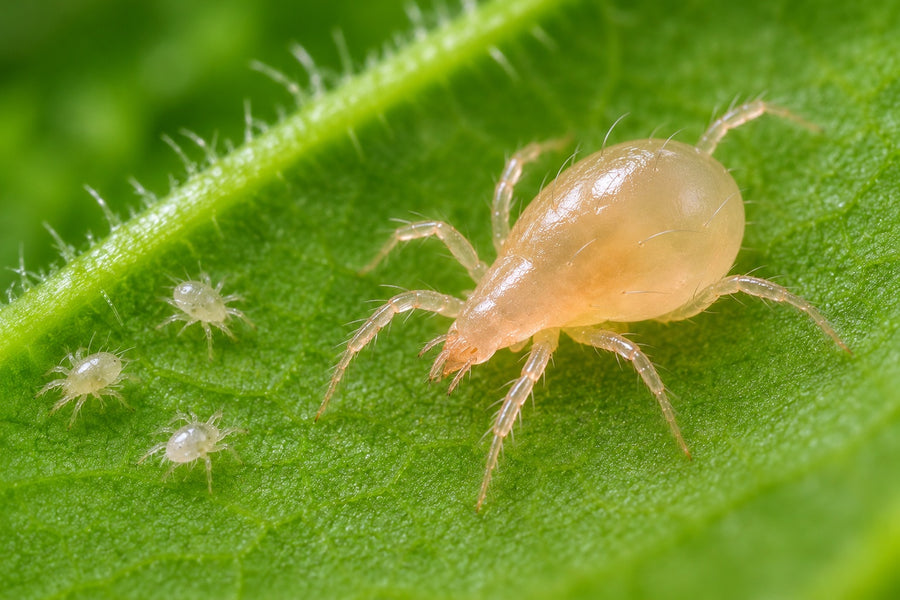
Hard to spot, by design.
About the size of a grain of sand.
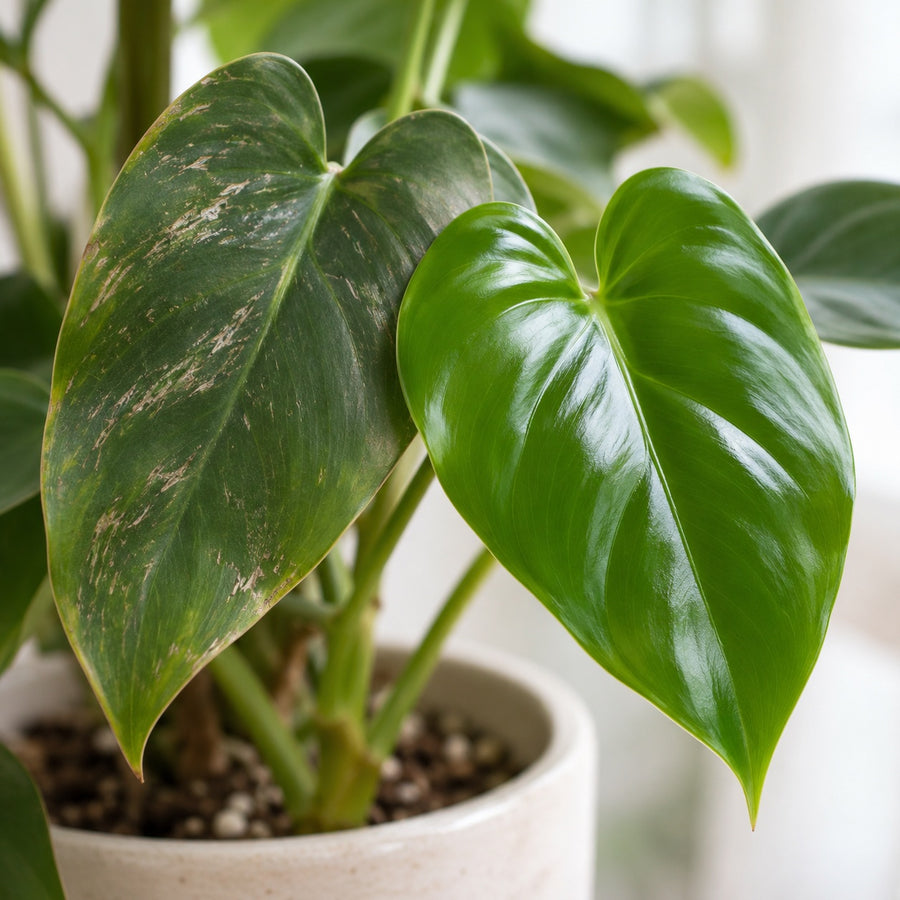
Watch the new growth.
Clean new leaves mean they're working.
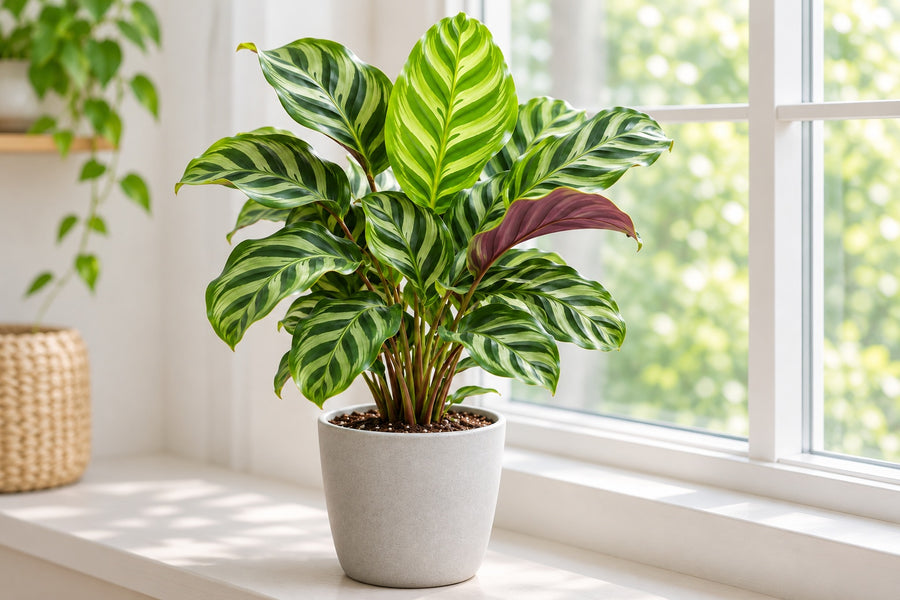
Fewer pests, week by week.
That's your sign, not spotting a mite.
What it treats
Young thrips and broad mites

What it eats
- Young thrips larvaeWhat eats them →
- Broad mitesWhat eats them →
- Cyclamen mitesWhat eats them →


Also eats spider mite eggs it meets.
What it won't fix
- Adult thripsSee the pick →
- WhiteflySee the pick →
- Russet and rust mitesSee the pick →
- Thrips pupae in the soilSee the pick →
- EchinothripsSee the pick →


When something else fits better
- Thrips and whitefly, humid roomLimonicus →
- Nothing to see yetCucumeris sachets →
Where they thrive

- Temperature
- 50–86°F
- Humidity
- 50% and up
- On arrival
- Release the day it arrivesLoose mites do best on the plant, not in the bottle. Best not refrigerated.
- Sprays
- Wait after sprayingNeem and horticultural oil: once dry. Insecticidal soap: one day. Sulfur: 21 days. For anything else, see our spray-wait table.
- In the box
- Live adult mites in a carrier, ready to tip onto the plant
Why these matter
- Temperature
- Hunts and breeds best in this band. Short spells outside it are fine, and it isn't bothered by day length.
- Humidity
- Fine in an ordinary room at about 50%; it breeds fastest when the air around the leaves is 65% and up.
- On arrival
- Loose mites do best on the plant, not in the bottle. Best not refrigerated.
- Sprays
- Neem and horticultural oil: once dry. Insecticidal soap: one day. Sulfur: 21 days. For anything else, see our spray-wait table.
Meet the beneficial
Eats young thrips larvae
Neoseiulus cucumeris

Picks fights it can win. Wins most of them.
Older thrips fight back by swinging their tails. So cucumeris goes after the newest, smallest young thrips, too small to swing.
Adult thrips fight dirty
An adult thrips can coat an attacking cucumeris in liquid. Instead of pressing on, the mite stops to clean itself.
Just being there helps
Having these mites around can put young thrips off feeding, which may mean less damage even before one is caught.
Good at settling in
In sweet pepper greenhouses, cucumeris settled in more easily than another thrips-eating mite and eventually took its place.
How to release
Five steps, and the first is today
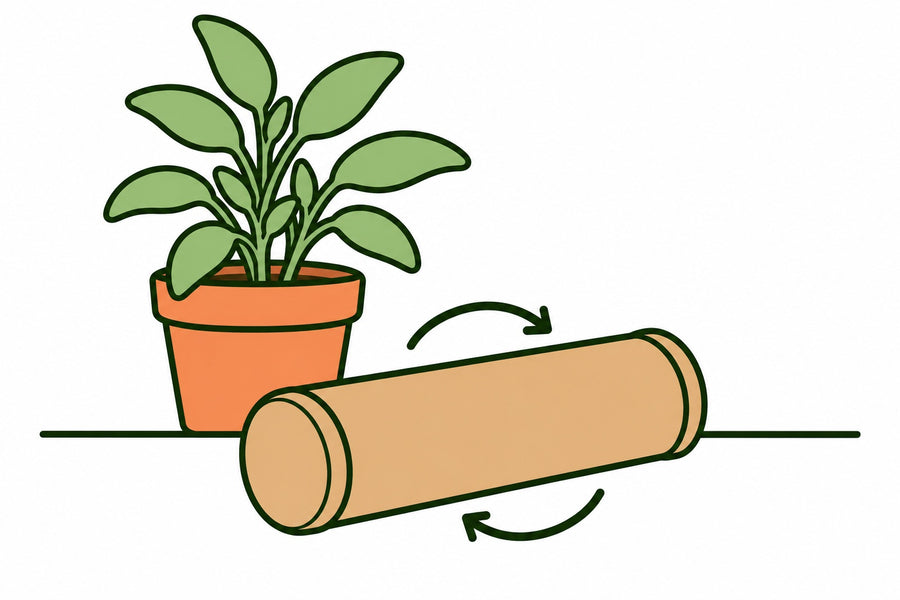
Open it the day it arrives
Turn the bottle gently end over end so the mites spread evenly through the carrier.

Looks like just carrier
The mites are smaller than a pinhead and carrier-colored. A still bottle is normal. Fewer pests and clean new growth say they're hunting.
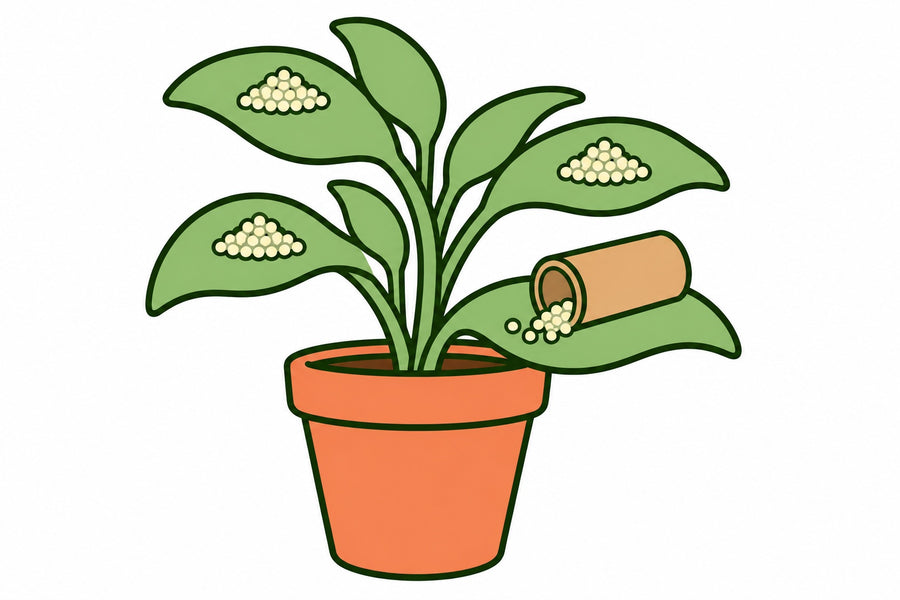
Small piles near the damage
Tip small piles where they'll sit still: leaf tops, leaf joints, right at the base of the plant, or a paper cup tucked in. All of them work.

Leave it where it lands
Don't water it in. The mites walk out on their own and get to the undersides and new growth.

Repeat every 2 to 4 weeks
More than one round is normal. Once new growth is clean, hang cucumeris prevention sachets to hold it.

What you'll see
Fewer young thrips first
You probably won't see them
Tiny as a grain of salt, and busy under the leaves.
 A predatory mite beside a grain of salt on a leaf
It eats the next generation
Cucumeris takes thrips in the day or two after they hatch, before they can drop to the soil to pupate.
 Cucumeris on a leaf, hunting young thrips
New growth comes in clean
Old silvering is scar tissue and stays. Judge it by new leaves; a thrips generation runs about two weeks.
Broad mites too
It's the species with the published record on broad mites. Watch for new leaves opening flat and normal.
Adults fly on for a while
Adults hatched before you started live out their run. If they keep coming, add Orius for the flying stage.
 Adult thrips caught on a blue sticky card
 A predatory mite beside a grain of salt on a leaf
 Cucumeris on a leaf, hunting young thrips
 Adult thrips caught on a blue sticky card
Round two isn't optional.
Thrips always need a second round. The first one can't reach thrips still in the egg.
- ReleaseSpread them across every plant with damage
- Watch the new leavesFewer pests, clean new growth
- Still there? Go againRelease again every 2 to 4 weeks while thrips are active
- Clean? You're doneNew growth comes in clean: stop
From people who tried it.
- 5 stars8
- 4 stars0
- 3 stars0
- 2 stars0
- 1 star1
What people love
- Ready to goOpen it the day it arrives.
- It worksIt eats the next generation of thrips.
I gently applied it to the plants in the evening. When I checked them a few days later, the plants looked even worse; the pests showed absolutely no signs of dying and were reproducing at a rapid pace.
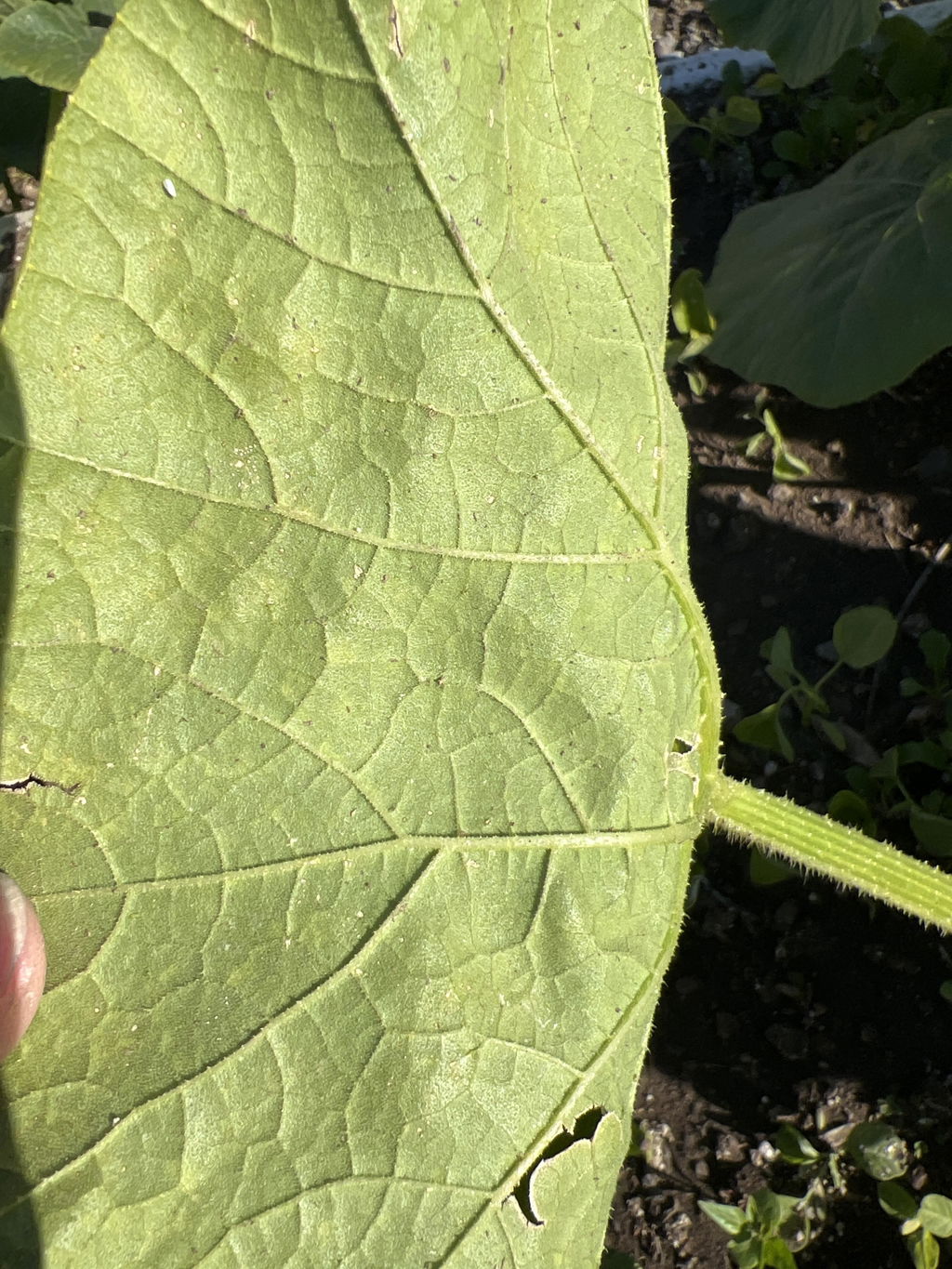
Hi Fiona, thank you so much for taking the time to leave a review, and I'm really sorry for the frustration — thrips are genuinely one of the toughest pests to tackle, and I want to share some context that should help.
One of the trickiest things about thrips is that females tuck their eggs inside plant tissue, where they're completely protected — no predator, spray, or systemic can reach them there. Those eggs take 3–5 days to hatch, which often lines up with when people first check back in after releasing predators. What looks like rapid reproduction is almost always that protected egg batch emerging from the leaves, and it's one of the most common and understandable sources of frustration with thrips biocontrol.
Cucumeris feed specifically on the first-instar larval stage, which is a narrow window in the thrips life cycle, so a full treatment typically unfolds over about 45 days as every thrips and every egg already in the plants cycles through that vulnerable stage. The single biggest thing that accelerates the timeline is adding beneficial nematodes (Steinernema feltiae) as a soil drench — they take out the pupal stage in the soil that Cucumeris can't reach, and together the two close the full life cycle.
I'd genuinely love to help you see this through. If you'd like, please email us at info@fgmnnursery.com with your order number and a bit about your setup — we'll be more than happy to help you through what you should be looking for, length of time, supportive care, and anything else that might be helpful. Thanks again for the feedback.
Quick shipping, good clear communication… and I absolutely love my little bug sticker dressed as a turkey hidden in the crinkle paper.
It’s my first time using this product, it is easy to use and I am hopeful for amazing results.
Hard to say if it works when I applied yesterday but shipping was prompt and application was easy.
Glad shipping was quick and application was easy. Now the cucumeris get to work. Thanks for the review!
Package arrived quickly with a temperature control pack. Some mites were visibly crawling around in the bran. Thrip population seemed to nosedive afterwards.
'Nosedive' is our favorite word in the English language. Cucumeris works the leaf undersides and folded new growth, right where thrips hide and sprays never land. Thanks, Justin!
The customer service is impeccable! I asked many questions and their quick response on all of my questions was fantastic! I will definitely order from this company again!!
I opened the Cucumeris tube and watched them storm out ready to destroy my thrips problem!
Excellent
This container is bigger than expected and the mites did a good job managing the outbreak.
After two days of use I haven’t seen a single thrip
Thrips find almost every grower. Cucumeris finds the young ones on the leaves, before they drop to the soil.
Write to info@fgmnnursery.com or ask Toby in the chat.
Cucumeris, asked and answered
When does it ship, and how does it arrive?
Live predatory mites, sent Monday to Thursday by 2-day or overnight, whichever suits them best. We ship when they're ready to travel, and pack extra on top of what you paid for. Orders over $40 ship free; under that it's $10.
What if something's wrong when it arrives?
Our Live Delivery Guarantee covers it. Email info@fgmnnursery.com with your order number: within 72 hours of delivery. Full terms are on the Live Delivery Guarantee page.
What's the difference between the bottle and the prevention sachets?
The bottle is one release of adults for thrips you can see now. Prevention sachets are slow-release colonies that walk out over four to six weeks to keep clean plants clean. Run the bottle first, then hang prevention sachets once new growth is clean.
I think I have broad mites. Will this work?
It's a good fit. A bottle puts adults straight into the furled new growth where broad mites shelter. Plan a repeat in 2 to 4 weeks, then hang prevention sachets to keep them from coming back.
Will the mites stay in my house for good?
No. They breed while there's prey or pollen, then taper off when the food runs out. They don't bite, can't eat plants, and can't become a pest of their own.
Can I run it alongside other predatory mites?
Yes. Cucumeris works side by side with swirskii and limonicus, and with Orius on the flying adults.
Seeing tiny pale specks in the packing?
Most of what you do see is breakfast. Those tiny pale specks are feeder mites: a packed lunch, so your predators arrive fed and healthy. They live on the bran, not your plants, and get eaten along the way.


