





Generalist · Mixed Mites
Ultimate Control Predatory Mite Mix
A bad infestation you can't name yet gets three species at a higher rate, covering hot dry rooms, warm humid rooms and thrips larvae.
$90.00
Free Shipping for all orders over $30
If something's wrong when it arrives, email info@fgmnnursery.com within 72 hours of delivery for a replacement or store credit.
By placing your order you agree to our Shipping Policy and Live Delivery Guarantee.

Goes well with
-
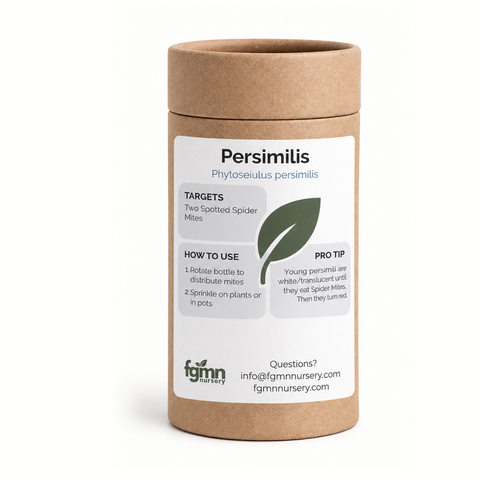
Phytoseiulus persimilis
Visible webbing, right now.
from $55
-
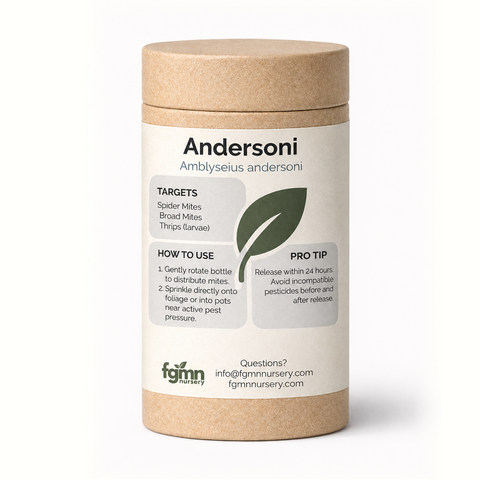
Amblyseius andersoni
Russet & rust mites.
from $57
-
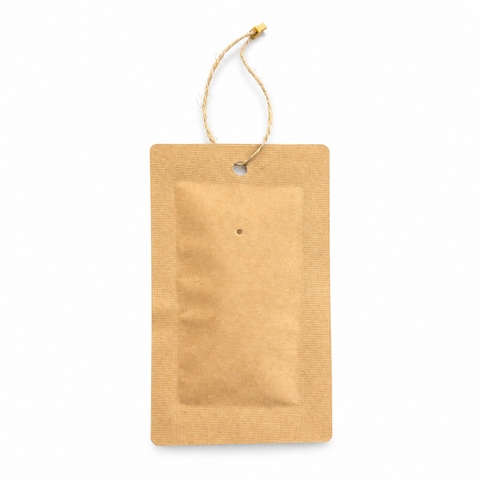
Special Blend Slow-Release Prevention Sachets
The month after the bottle.
$5
-
Root Network
For the roots: mycorrhizae and microbes that help roots take up water and nutrients. Use at repotting, then a monthly drench.
from $15

How much, and how often
Two questions — how bad it is, and how many plants. You get a size and the dates to put it out.
How bad is it?
Pick the one that sounds like your room. If you are between two, take the higher.
How many plants?
Six-inch pots. Count a large specimen with a dense canopy as three or four.
Your size and schedule
More about this dose
The three things people ask once they have their size. Open any of them.
Am I light, moderate or heavy?
Light
- You had to go looking for it — a little stippling underneath, or one silvered streak on an older leaf.
- Tap a growing tip over white paper: nothing falls, or almost nothing.
- No webbing, and new growth is coming in clean.
- One or two plants. The rest of the shelf is fine.
Moderate
- You notice it walking past, without stopping to inspect.
- Fine webbing at a leaf joint, or scarring on the newest leaves.
- The tap test drops something most times you try it.
- A few plants in the same area have it.
Heavy
- You saw it from across the room — whole leaves pale, bronzed or scarred.
- Webbing running up the growing tips, or new growth distorted.
- The tap test drops several at once.
- It has reached plants that were never touching.
Overshooting costs you very little — all three species here hold on pollen, so a heavy dose on a light problem stays on as a standing guard. Under-dosing costs you the round.
Mixed pest pressure is built to be underestimated:
- Damage is a record, not a reading. Stippling and thrips scarring are scar tissue. They stay on the leaf long after the pest that made them has gone.
- The stages doing the damage are the ones you cannot see. Thrips larvae, broad mites and spider mite eggs are all below what the eye picks up.
- It travels before it shows. Plants touching an obviously bad one are usually already carrying it.
Why more than one round?
Putting it out
- Rotate, don't shake. End over end for about thirty seconds — the three species vary in size, and the tumble mixes them back through the carrier.
- Crown first. Shake onto the newest growth at the top; the mites migrate downward to find prey.
- Then the joints. Extra where leaves meet the stems — those are the highways where pests breed.
- Even coverage wins. Three species hunting differently do better spread across the plant than concentrated in one place.
Everything else is optional. Get these four and the release has done what it can.
A cleaner way
On a display plant, tip small piles into bio-boxes or paper cups hung in the branches instead of dusting the foliage. Same dose, nothing visible on the leaf.
The failure is forgetting. Very few programs fail because the mite underperformed. They fail in week five, when the plants look fine, the reorder does not happen, and the population holding the line ages out with nothing behind it.
A schedule is the same decision, made once. A bottle when it looks bad, then another when it looks bad again, is already a rhythm — just one you have to remember at the exact moment the plants look fine.
Change the size or the frequency, skip a box, pause or cancel from your account at any time.
Is this the right beneficial for your problem?
Five questions, in the order a grower actually asks them: what have you got, is this the answer to it, what will it eat, how does it do the killing, and how will it do in your room.
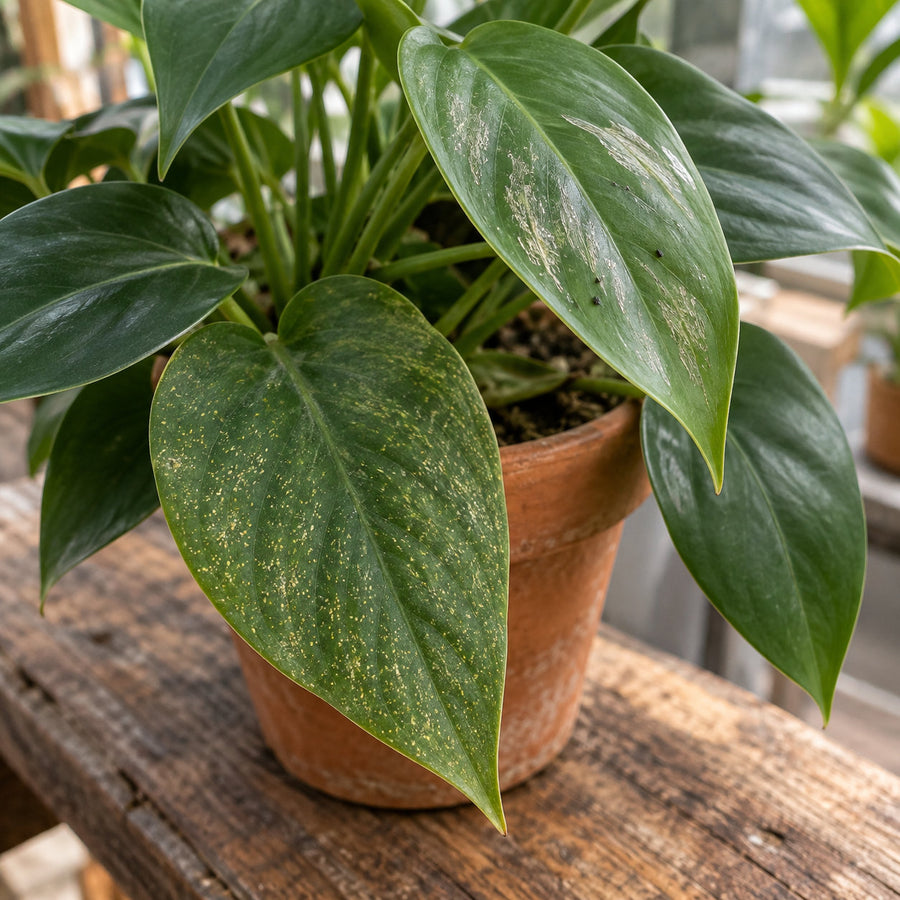
Is this your pest?
Ultimate Control treats three kinds of pest. It is the bottle for a mixed problem you would rather not have to diagnose.
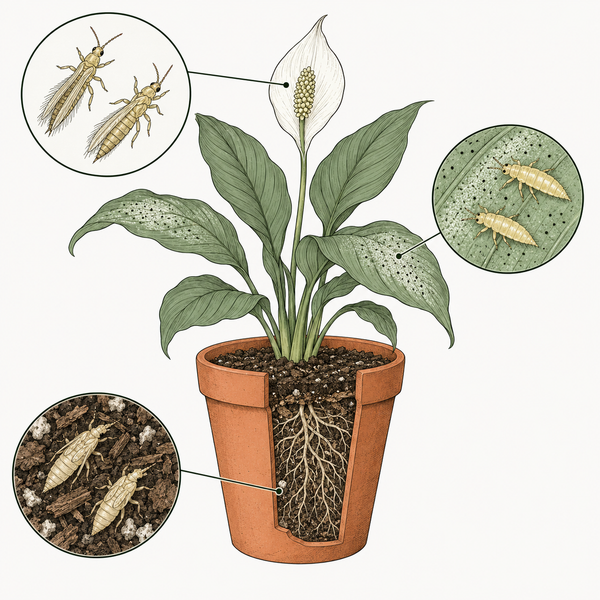
Mixed pressure rarely looks like one thing. Thrips scar the leaf surface and leave black specks. Spider mites stipple from underneath. Broad and cyclamen mites twist the new growth.
Three species cover it. Neoseiulus cucumeris takes thrips larvae on the leaf before they can pupate or fly, and is the documented predator of broad and cyclamen mites. Neoseiulus californicus takes two-spotted spider mite and keeps doing it in heat and dry air. Amblyseius swirskii also takes first-stage thrips larvae and broad mites in the tight new growth, and it speeds up as a warm, humid room gets hotter. Whitefly eggs, tarsonemid mites and fungus gnat larvae at the soil surface are taken opportunistically rather than hunted.
Then: is Ultimate Control the right answer to it?
Choose this if
Choose it when you can see damage but are not sure what is causing it, and when your room will not sit still. Three species at a higher rate per plant means more predators of fewer species on the plant — californicus covers the hot dry end, swirskii comes into its prime as a humid room heats up, cucumeris handles the cooler lights-out hours. All three hold on pollen, so they stay on guard when pest levels drop instead of dying out.
Choose something else if
Two cases send you elsewhere. Visible webbing: this blend is broad rather than fast, and persimilis is what a spider mite emergency needs. Bronzed, rough leaves with nothing visible on them: that is russet or rust mite, and none of the three in here controls it. Andersoni is the predator for that job, on its own or inside Special Blend, which spreads four species across the same dose instead of concentrating three.
What it kills, and what it won't
All three feed on pollen, which is not a pest — it is how the population holds on a clean plant between outbreaks instead of starving out. Specialized predators die off the moment their food is gone; these stay on guard.
How it works
What it does to the pest, what it does on the plant, and what that leaves you looking at.
Three hunting styles, one dose
These are predators — not a poison, not a repellent, nothing systemic. Each species works a different pest and a different part of the plant, and all three are small enough to get into the tight new growth where broad and cyclamen mites hide and sprays do not reach. No residue, no re-entry interval, and nothing in here can be sprayed past.
The climate is covered three ways
Californicus is the widest band in the bottle, from 50°F to 95°F, and stays active in extreme warmth and down to 40% humidity. Swirskii comes into its prime above about 75°F in a humid canopy. Cucumeris handles the cooler lights-out hours. None of the three is sensitive to day length. If the room swings, something in here is still hunting.
Pest numbers, not mites
You will rarely watch this happen. All three are beige and under half a millimeter, and nothing distinguishes them by eye. Judge it the way a grower does — new leaves coming in clean, sticky card counts flattening — rather than by trying to count predators on a leaf.
Broad, gradual improvement rather than one pest visibly disappearing. That is the shape of a mixed-pressure release, and it is what you are buying breadth for.
Will it work in your room?
If you have visible webbing spreading across a plant, this is not the fast answer — persimilis is, and this blend goes in behind it. If the leaves are bronzed and rough with nothing visible on them, that is russet or rust mite, and the species for it is not in this bottle.
About the blend
Three predatory mites in one bottle. All of them are under half a millimeter, hunt on leaves, and have no interest in your plant or in you.
New to beneficials?
Five things that catch almost everyone the first time.
After you release it
What actually changes, how fast, and the three things this one does not reach.
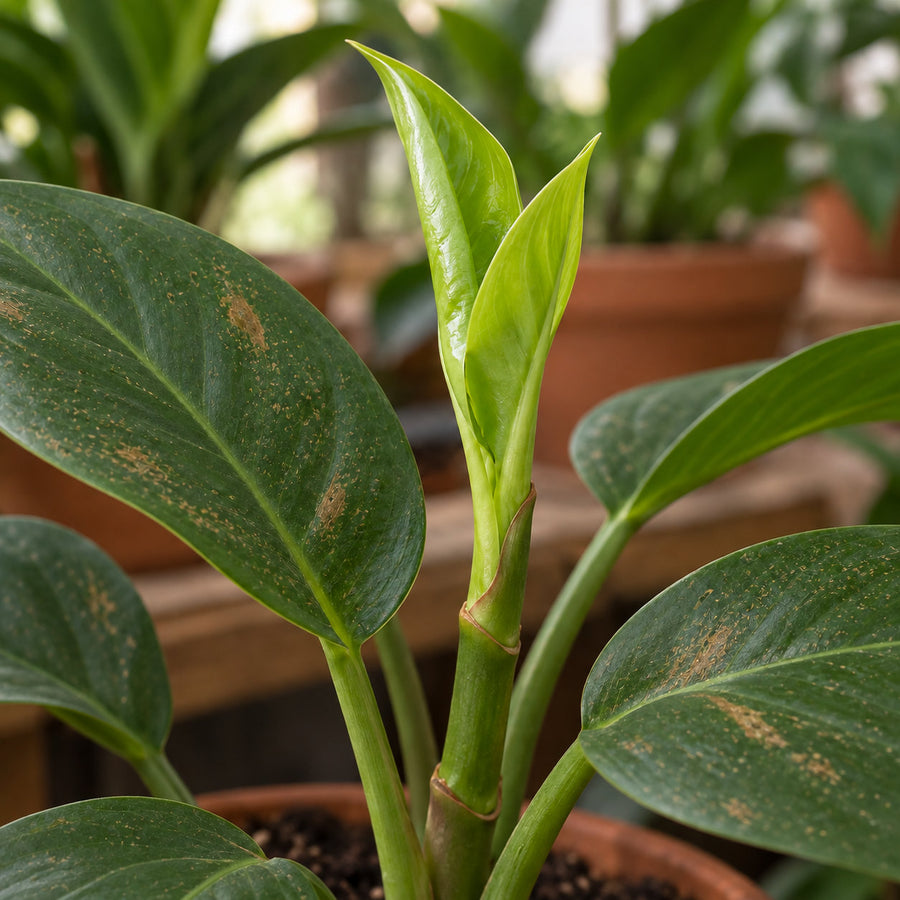
How you'll know it's working
Existing damage does not heal. Scarring, stippling and twisted leaves stay exactly as they are after every pest on the plant is dead, because that is scar tissue and not an infestation.
So judge by three things instead: new growth that stops deforming, stippling that stops spreading, and sticky card counts flattening week to week.
Because all three species hold on pollen, some population stays on the plant afterwards. That is the part that keeps the problem from restarting.
Getting it to you
What is in the bottle, how it travels, and what happens if it arrives wrong.
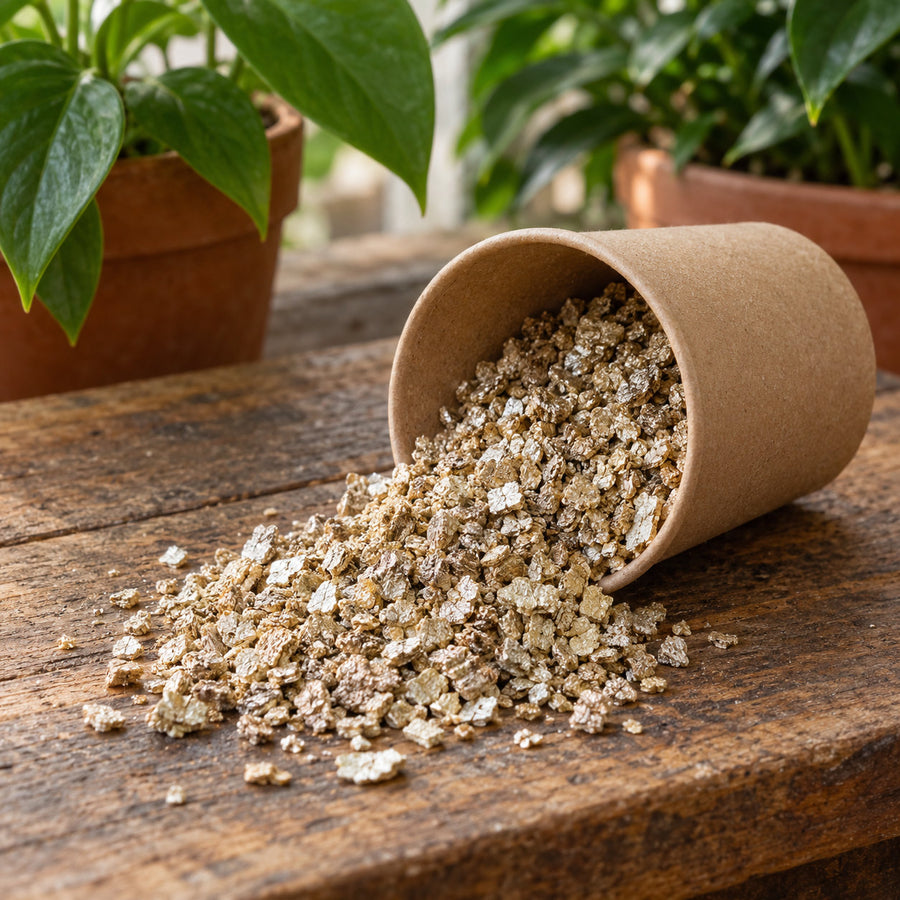
What arrives
Three species of loose mites through a vermiculite carrier, all of them beige and microscopic. Nothing distinguishes them by eye, so the bottle looks like one product because functionally it is.
You are unlikely to see movement, and that is normal at this size against a pale carrier. It is not a sign that anything is wrong.
Release on arrival. Loose mites do best released rather than held — open the bottle the day it lands.
When it ships, and when it lands
Shipping
We ship when they're ready to travel. Live orders go out Monday to Thursday. If a colony needs a beat to peak, or we're propagating a fresh batch, yours might hold up to a week. All mites and insects ship 2-day or Overnight depending on what's best for them.
When it lands
Open it that day. Even coverage wins here — three species hunting differently benefit from being spread across the plant rather than concentrated. Aim at the new growth and under the leaves.
Why we pack extra
Two days in a van is a long trip for something this small, so we send more than you paid for.
A predatory mite is the size of a grain of table salt. It ships in a bottle, in a van, for two days.
A trip like that is hard on anything this small, so we price it in: the number on the label gets counted out, and then roughly 15% more goes in on top as a cushion.
Every bottle leaves here holding more than the label says. The cushion is on us.
If you can see them
Ladybugs, lacewing larvae, Orius — the minute pirate bug — and the beetles. These are the ones big enough to photograph, and a picture tells us a lot.
Cold insects are very good at sitting still. That's normal. Release them as this page says, and watch the pest instead.
Something look wrong? Photograph them in the container and email the photo to info@fgmnnursery.com.
The photo is not us doubting you. It is how we tell a bad batch from a bad courier day from a mailbox that hit 104°F.
If you can't see them
Mites, nematodes, eggs — most of what we sell, this one included. A bottle of carrier looks the same whether it holds 500 live mites or none, and no photograph settles that. So we don't ask you to take one.
Email info@fgmnnursery.com and our entomologist takes you through the diagnostic instead — where the box sat, what your room was doing, and then what the pest is doing about ten days later.
Seventy-two hours from delivery, either way, with your order number. Replacement or store credit, your pick.
What it does not reach
Three gaps this page has already named, and the beneficial that closes each one.
Phytoseiulus persimilis
This blend is broad rather than fast. A spider mite outbreak that is already webbing calls for persimilis — it works from inside the web and clears hot spots quicker than any generalist will.
Amblyseius andersoni
Bronzed, roughened leaves with nothing visible on them are russet or rust mites — eriophyids, and none of the three species in here controls them. Andersoni is the predator for that job.
Special Blend sachets
Bottles change the ratio today. Slow-release sachets keep it changed — mixed stages breeding inside, releasing onto the plant for weeks after the bottle's generation has aged out.
Two small add-ons that make the rest work harder. Blue cards give you the dated count this page keeps asking you to read. Breeder's Blend is pollen and Artemia; it keeps the population fed through the lull when prey gets scarce.
Keep reading
Written by the people who raise and ship them.
- No Webbing. No Warning. No Fun.Broad mites are microscopic pest mites that cause twisted, bronzed new growth on peppers, cannabis, hoyas, and dozens of other plants — and they're…Read it
- My Plant Has Webbing. Help.Webbing on a plant isn't always spider mites — and the mite that causes the most damage indoors doesn't produce webbing at all. Here's…Read it
- Seven Ways To Waste Your First Mite ReleaseNearly all of these are decisions rather than products, which is the good news: a decision can be made differently next time. The most…Read it
Questions
Why is Ultimate Control better than buying species individually?
It treats Thrips, Spider Mites, and Broad Mites simultaneously, making it more effective and affordable than buying three separate bottles.
Can I use this with Neem Oil?
No. Neem Oil will kill your mites on contact. It will not hurt them once it dries, but the actual application will hurt them.
Is it safe for humans?
Yes. They cannot bite or live on humans or pets.
How long do they stay?
If food or pollen is present, they will stay and reproduce for the entire cycle.
Do I need to re-apply?
Yes. Repeat every 30 days for a moderate infestation, and every 14 days for a heavy one.
Can I use this in Tissue Culture (TC)?
Yes, it is the perfect "first resident" for plantlets transitioning to soil.