


Coleomegilla maculata Larvae (Pink Spotted Lady Beetle)
10% off your first 4 orders, then 15% off every order after.
Heads up—this is just an estimate. We only ship when the bugs are happy and ready to travel (Mon–Thurs). If a colony needs a beat to peak, or we're propagating a fresh batch, your order might hold up to a week. Treatment bottles jump the line when you've got an active infestation.
Coleomegilla maculata Larvae (Pink Spotted Lady Beetle)
At A Glance
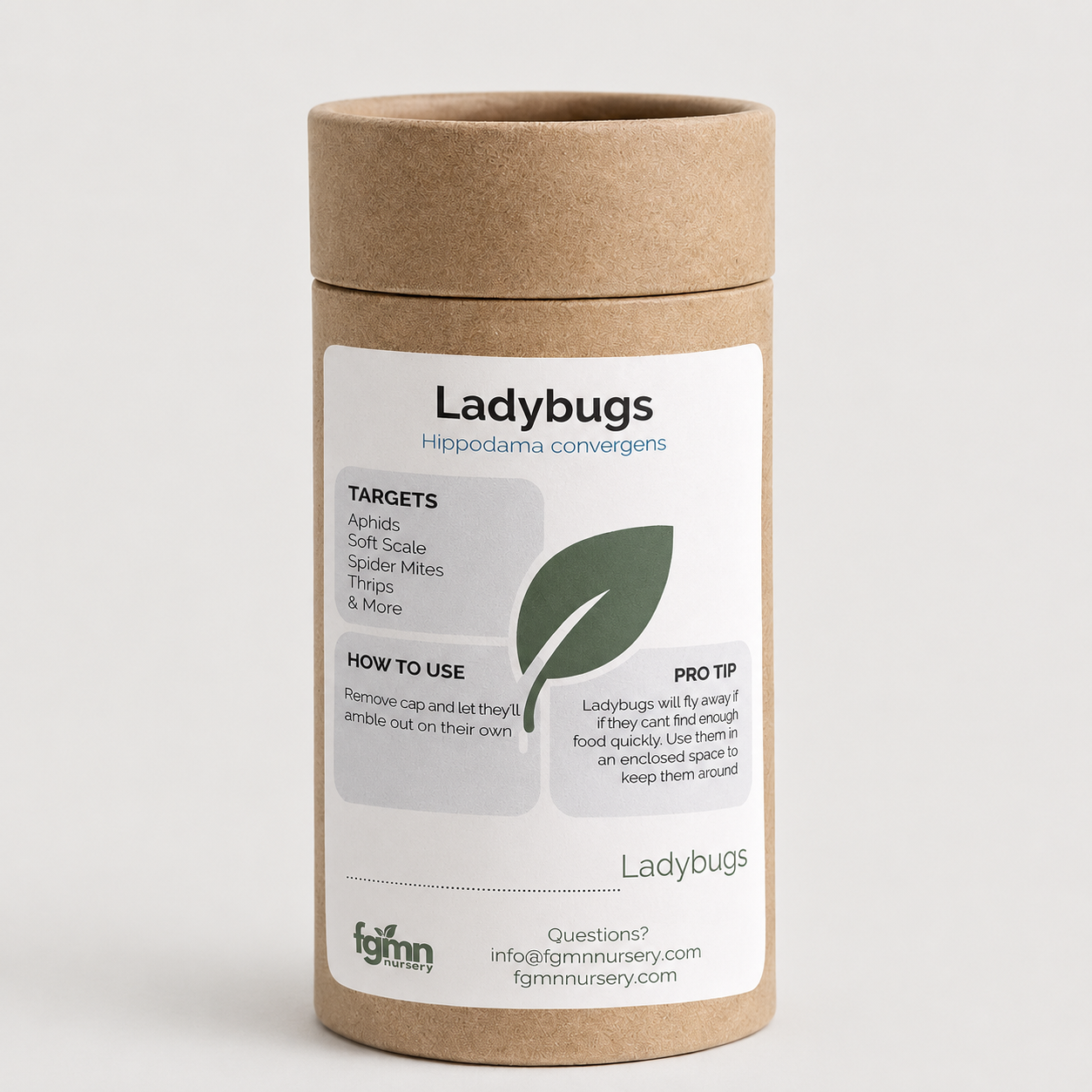
Most ladybugs you buy have one job and one flaw. They eat aphids, and then they leave. The dispersal flight is hardwired — they wake up after dormancy with one instinct, and it isn't loyalty.
The larvae don't have that problem. They can't fly. They hatch, they walk, and they spend their entire larval life prowling the same plant you put them on, eating more or less constantly. By the time they grow up, they've already decided this is home.
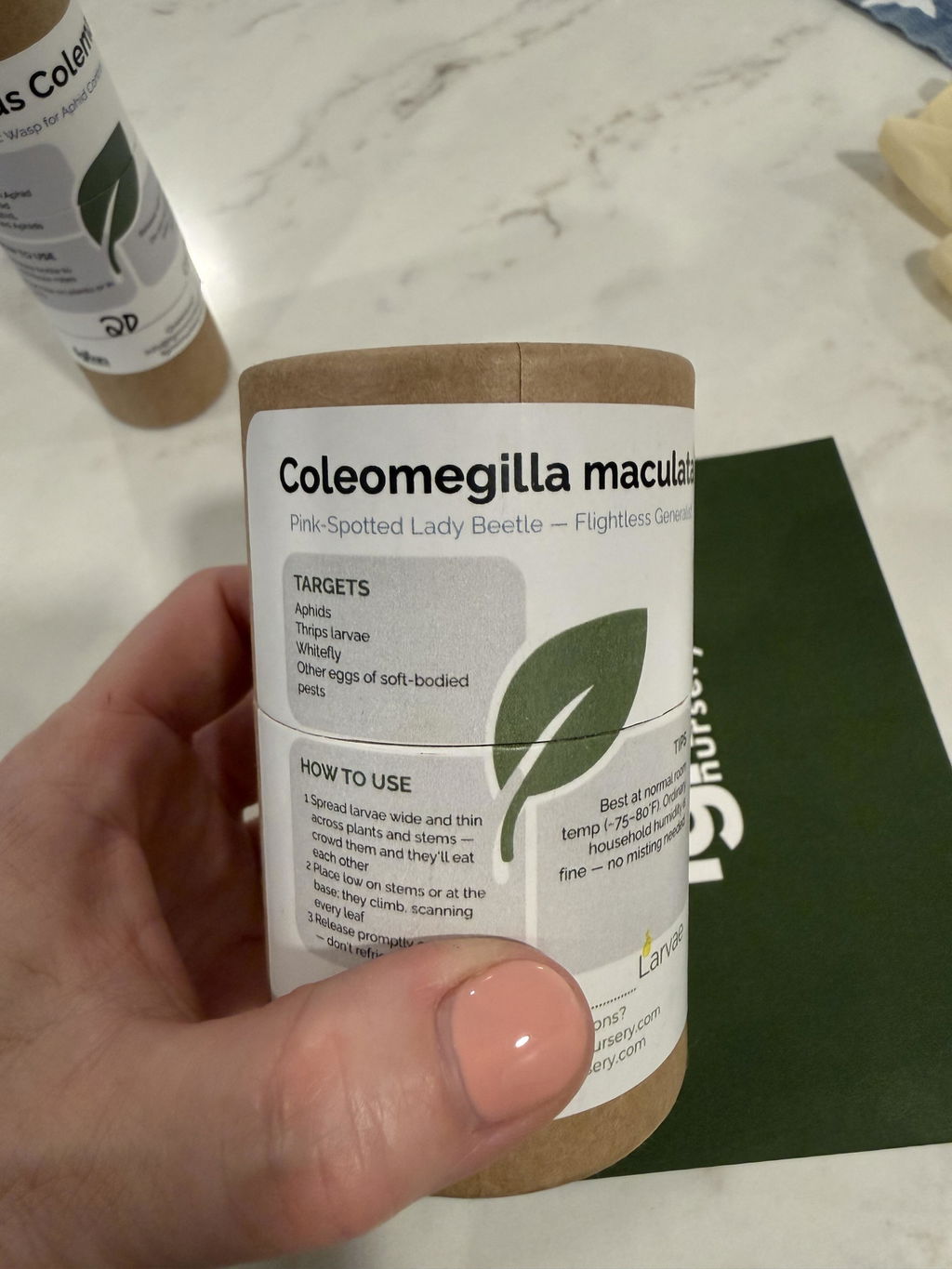
Coleomegilla maculata is North American and refreshingly un-fussy about its diet. It takes aphids, thrips larvae, whitefly, small soft-bodied pests, and a range of insect eggs — and, unusually for a lady beetle, it also eats pollen. That's the part worth caring about: a generalist that doesn't bail the moment pest pressure drops. When the aphids thin out, it stays fed instead of moving on, which is exactly the behavior you want from something you're counting on to stick around.
It is not a spider mite solution. It'll take a mite if one wanders by, but if mites are your problem, that's a different aisle.
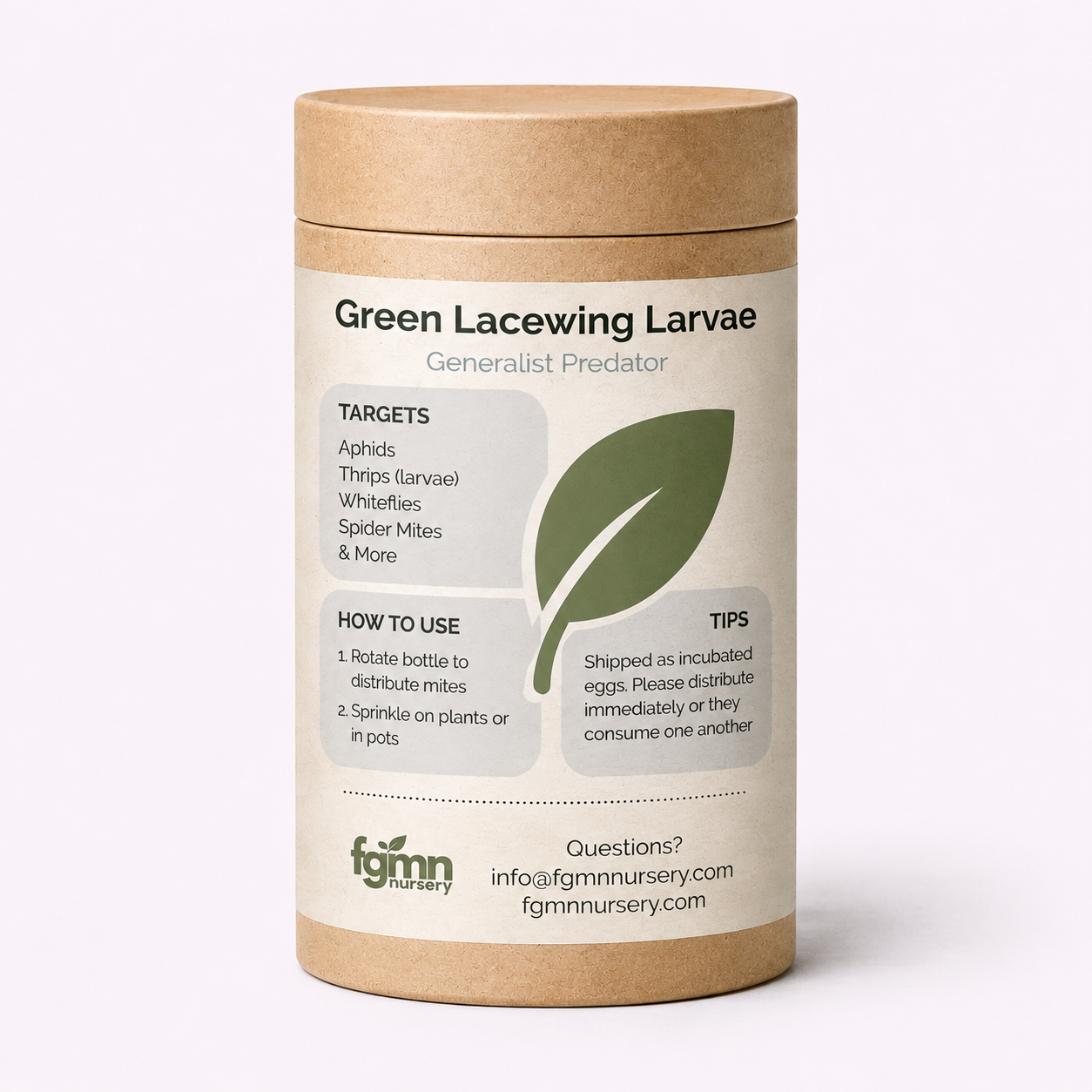
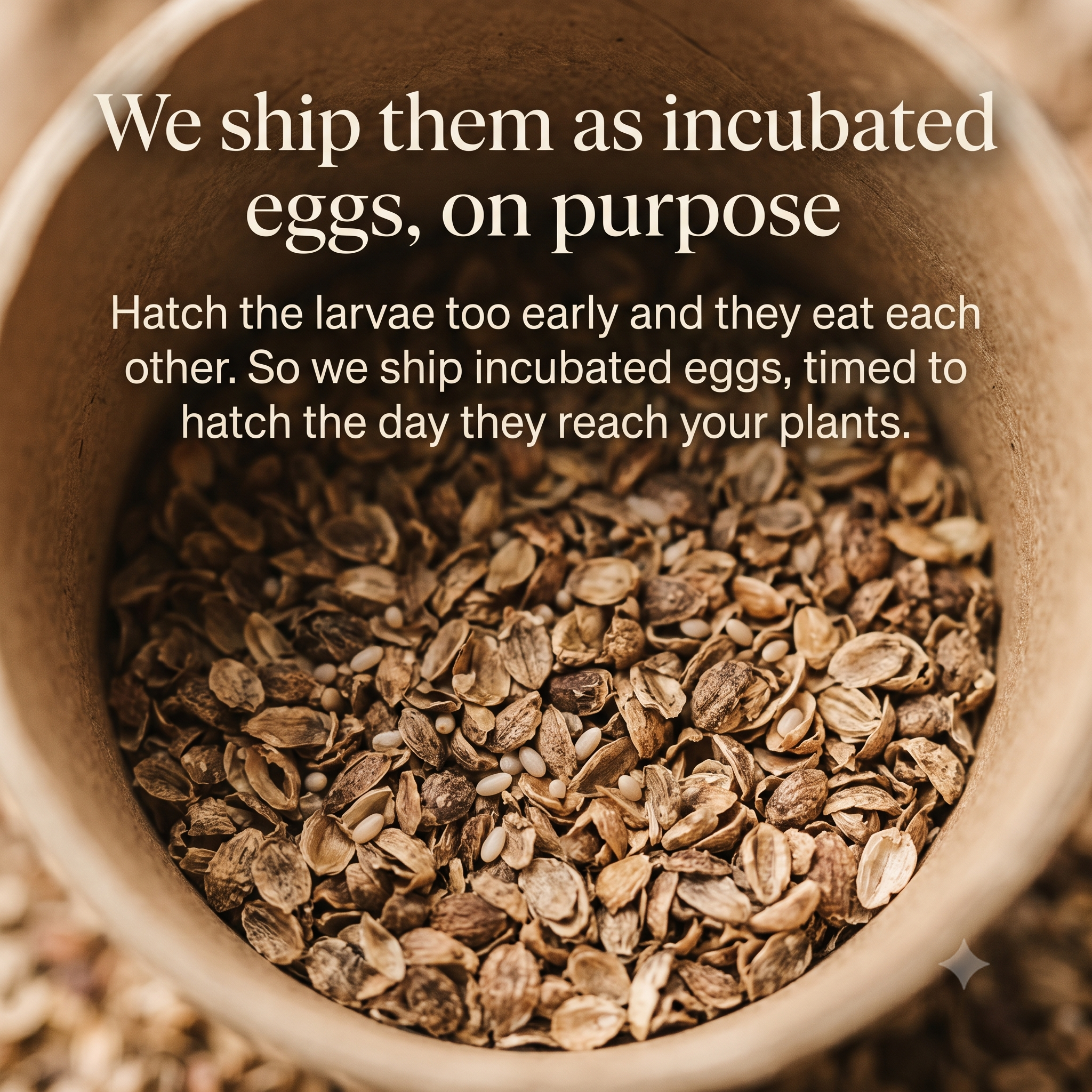
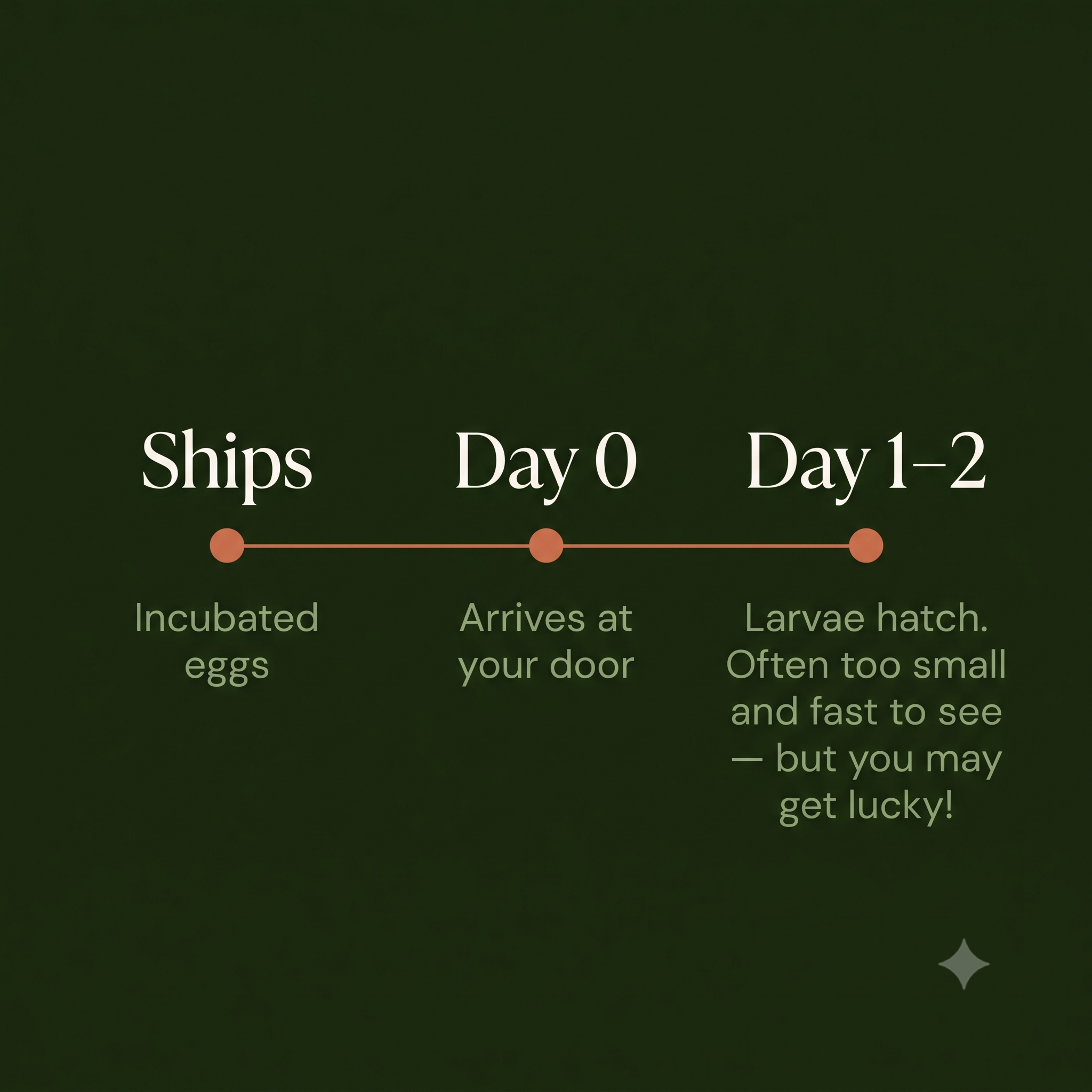
Larvae are enthusiastic about food and indifferent about whose food it is, so crowd them and they'll start eating each other. Spread across the planting, they'll work it methodically.
Target Pests
Environmental Needs
Selection Guide
How to Use
How They're Shipped
Join Karen's Live Shows — Pests, Plants & Predators on PalmStreet.
Every Friday at 7pm EST — plus additional shows throughout the week. Ask your pest questions in real time — we answer everything.





The Weekly Newsletter
A weekly excuse to be weird about bugs at parties.
Weekly dispatches on the quietly alarming things happening in your soil. All of it real.
No spam. Leave whenever.
You're in
The first strange true thing arrives next week.
FAQ
What is your Live Delivery Guarantee?
We guarantee that your beneficial insects will arrive healthy and ready to work. Because we are shipping live organisms, we use packaging and expedited shipping to ensure their safety. In the rare event that your order is compromised during transit, please take a photo of the package and contact us within 24 hours of delivery so we can make it right.
Will they fly away like regular ladybugs?
What do they actually eat?
Will they handle my spider mites?
Why do I have to spread them out so much?
Can I keep them in the fridge until I'm ready?
The larvae look kind of alarming. Is that normal?
Help! I'm overwhelmed
Yeah, it's a lot the first time you're using predatory mites. Please email us at info@fgmnnursery.com and we'll be happy to help!
I don’t see anything moving in my bottle or sachet. Does that mean they’re dead?
Not at all! In fact, go ahead and deploy them.
Predatory mites are microscopic (often less than 0.5mm) and naturally blend into their carrier medium (bran or vermiculite).
- For Bottles: The mites often huddle in the center of the bottle for insulation during transit.
- For Sachets: These are "slow-release" nurseries. The mites stay tucked deep inside the breeding media and emerge one by one over 2–4 weeks. Seeing an "empty-looking" sachet or bottle is not proof of a loss; it is simply how they are packaged for maximum survival.
Received larvae and released the same day! So easy, haven’t seen any damage yet. I released them preventively so I am happy so far!
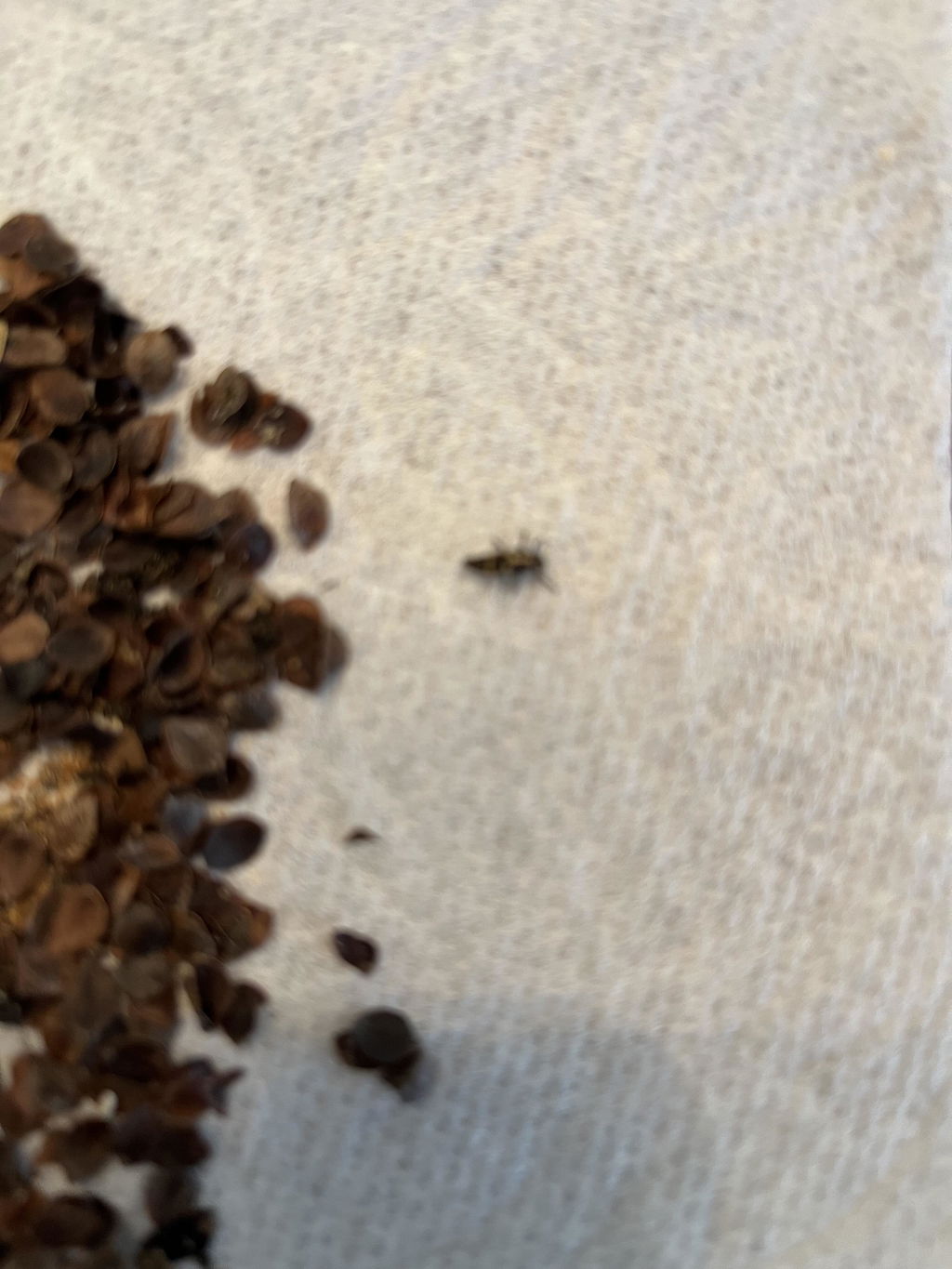
Well, I received my order on June 17, 2026 and upon opening the container, I discovered only one larvae was alive (I ordered 40). I picked through the container contents and found tiny bits and pieces of some of the other larvae. It seems like the majority of them must’ve been eaten by the one surviving larvae that I received. I’ve emailed customer service at [****] 5 times now, with no response. You have lost a customer. I want a refund.
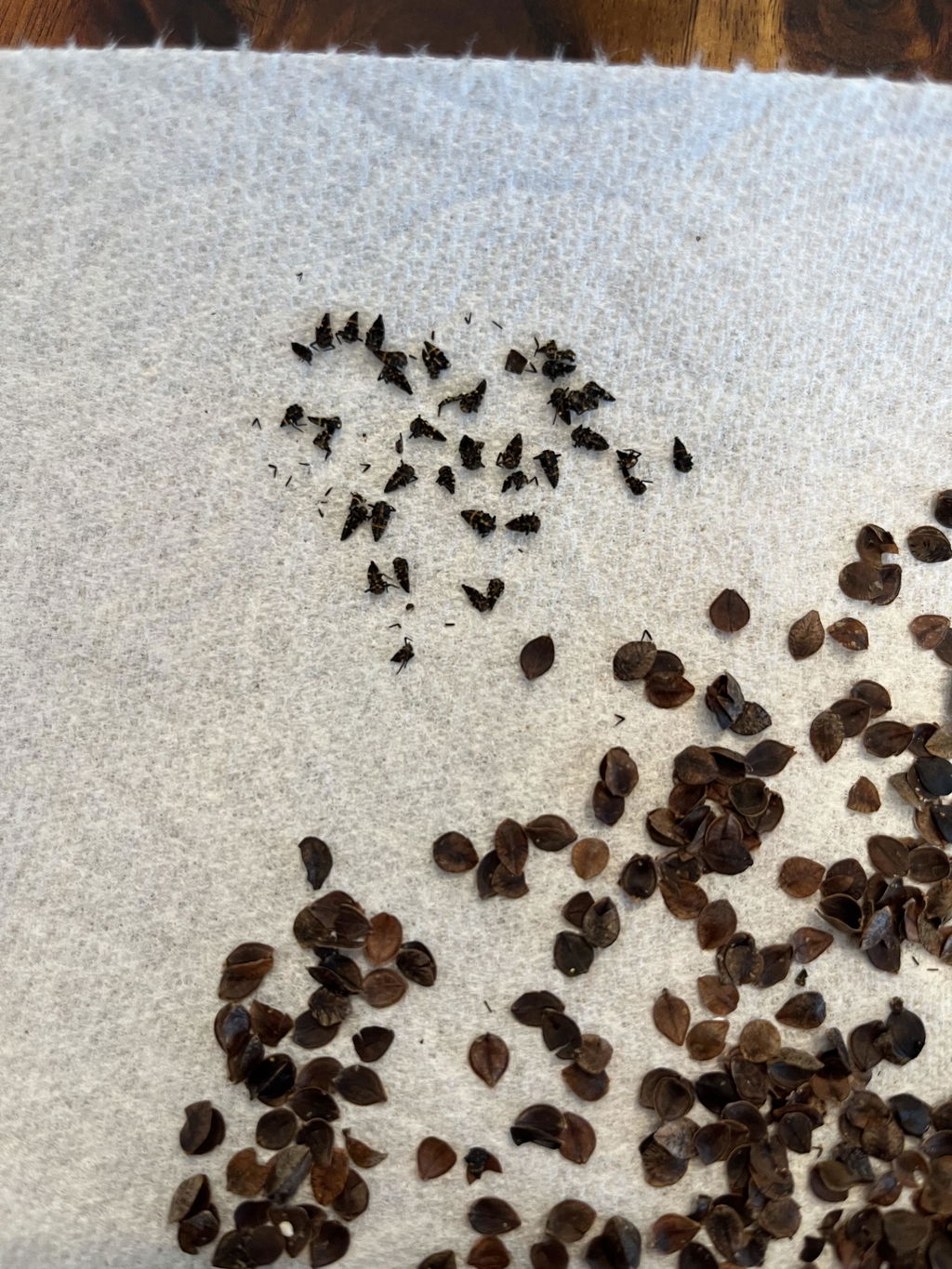
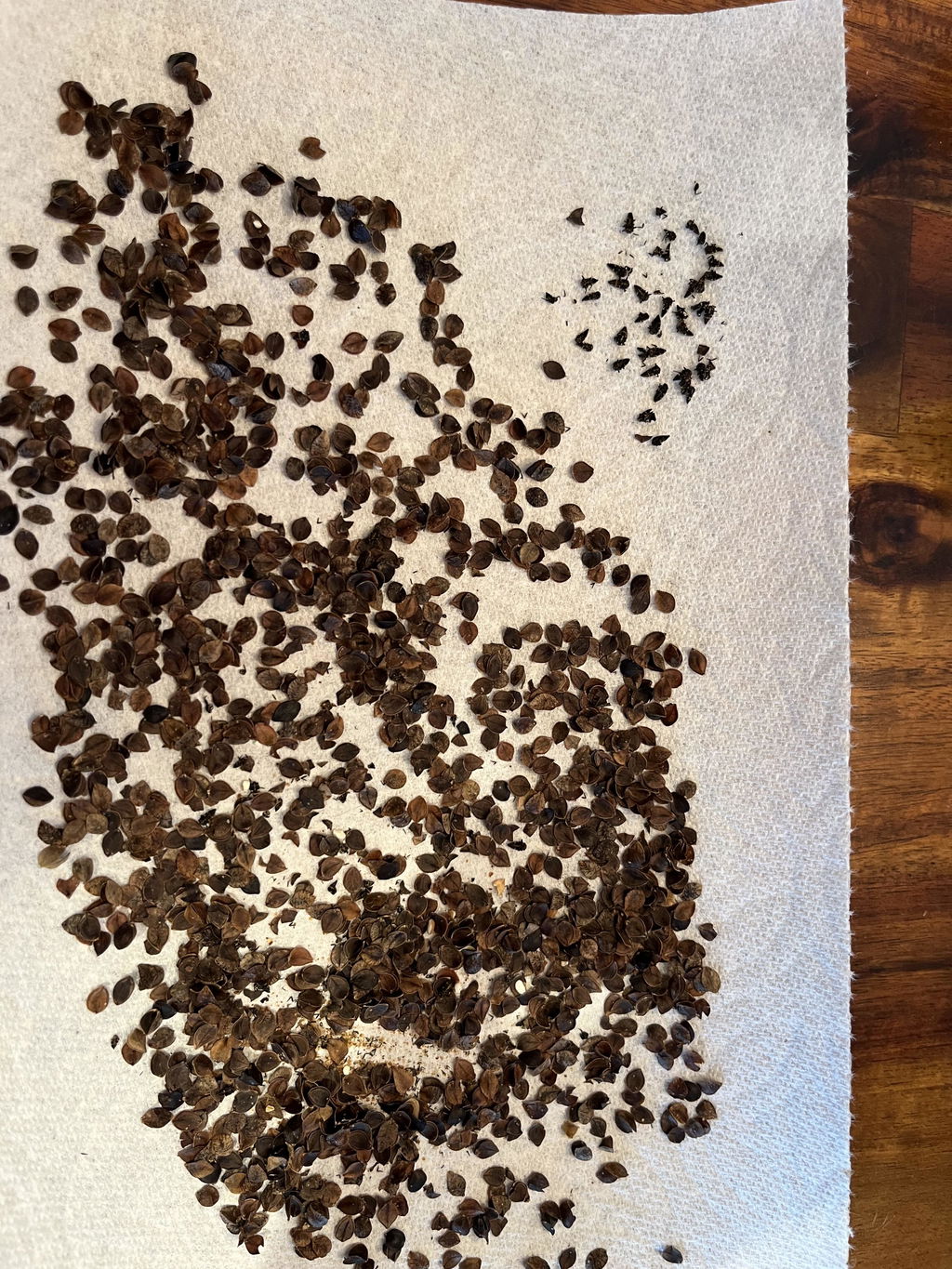
Hi Sarah, Oh no! You certainly qualify for a refund, but unfortunately, I don’t have your personal information to be able to even find your order. I know you’ve been trying to email our customer service team, I don’t have enough information to even ask them to search through the emails to find you. Could you please check the email that you’re using and ensure it’s info@fgmnnursery.com I will have them check their spam folder too just in case there’s something in there.
They were flying out as soon as I opened it up man they were out and running. It was hard to keep up with them and place them, but we done it. I think I smashed a couple of them though, I felt bad about that.
I'm hoping they stay in my garden.
I ordered some coleomegilla maculata larvae,,,worked so very quick on getting rid of athid infestation gone in 4 days...I recommend them whole heartedly
I don't know where the larvae are, but the aphids are GONE!
Mite Matters

Cucumeris: Why It Works (and Why It Fails)
Cucumeris is reliable, widely researched, and genuinely effective — within a specific set of conditions. Here's what it actually does, what it won't do, and how to tell if it's the right species for your situation.

My Plant Has Webbing. Help.
Webbing on a plant isn't always spider mites — and the mite that causes the most damage indoors doesn't produce webbing at all. Here's how to tell what you're actually looking at before you treat.

Native vs Invasive Ladybugs
Most ladybugs you'll encounter are red with black dots — and that description fits native, introduced, and invasive species equally. Here's how to actually tell them apart, what the harlequin ladybug has been doing to native populations, and where the real ecological concerns are.