





Table of contents
Snake mites (Ophionyssus natricis) are a common yet troublesome issue for snake owners, reptile enthusiasts, and breeders. These tiny parasites quickly infest snake enclosures, causing discomfort, stress, and potentially severe health complications for your snakes. Chemical treatments are frequently used but can be harsh, stressful for reptiles, and sometimes ineffective. Thankfully, biological control methods, particularly using predatory mites like Stratiolaelaps scimitus, provide a safer, natural alternative.
What Are Snake Mites and Why Are They a Problem?
Snake mites are tiny arachnids, closely related to ticks, that feed on the blood of snakes. Visually, they appear as tiny black dots crawling along the snake’s scales or within the enclosure. Infestations can rapidly escalate, making early intervention critical. If left untreated, snake mites cause:
Skin irritation and visible scale damage.
Increased susceptibility to bacterial and fungal infections.
Severe dehydration due to blood loss.
Anemia, particularly in younger or smaller snakes.
Behavioral changes, such as loss of appetite, lethargy, or increased aggression due to stress.
The quick reproductive cycle of snake mites—often as short as a week—means they can become uncontrollable without prompt and effective action.
Why Use Stratiolaelaps scimitus for Snake Mite Control?
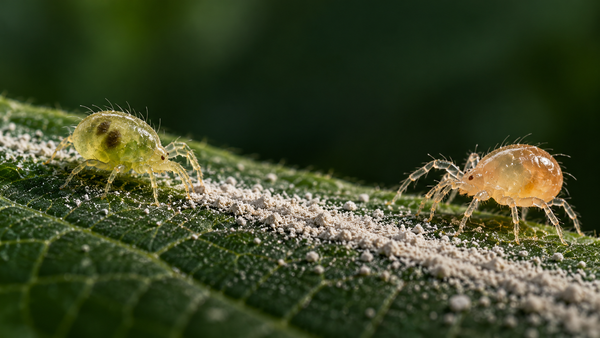
Stratiolaelaps scimitus, formerly known as Hypoaspis miles, is a soil-dwelling predatory mite that feeds on small mites in the substrate. The evidence for snake mites is thin. One published case report, in bearded dragons, describes the mites disappearing after it was added to the substrate, and its authors call the result preliminary. No published trial has tested it against snake mites. It works in the enclosure, not on the animal, so if your snake has mites on it right now, it still needs a vet. Our Stratiolaelaps guide walks through what the research does and doesn't show.
Understanding the Name Change from Hypoaspis miles
You might have encountered the name Hypoaspis miles previously. This beneficial mite underwent scientific reclassification to better reflect its genetic and biological traits. The renaming to Stratiolaelaps scimitus helps ensure accurate communication and consistency within the scientific community and pest management practices. Despite the change in name, the effectiveness and application remain the same.
Benefits of Using Stratiolaelaps scimitus
Choosing Stratiolaelaps scimitus offers a few advantages:
Safety: No chemicals go into the enclosure, and it doesn't bite snakes or people.
Where it works: It hunts in the substrate and the enclosure, not on the snake itself.
Staying power: In moist substrate a population can persist between releases, though whether that keeps snake mites from coming back hasn't been tested.
Resistance Management: Unlike chemical treatments, there's no pesticide here for the mites to become resistant to.
Selecting and Sourcing Stratiolaelaps scimitus
While numerous predatory mite species exist, Stratiolaelaps scimitus is the one usually chosen for reptile enclosures, because it lives and hunts in substrate. You can source Stratiolaelaps scimitus directly from suppliers, such as here at FGMN.
Preparing Your Snake’s Enclosure for Stratiolaelaps scimitus Treatment
Preparing your snake’s habitat gives the predatory mites the best chance to settle in:
Deep Cleaning: Begin by thoroughly cleaning your snake’s enclosure to remove heavily infested substrate and debris. Retain some fresh substrate to support colonization by Stratiolaelaps scimitus.
Maintain Ideal Conditions: Ensure enclosure humidity remains between 50–70% and temperatures are consistently between 70–85°F. These conditions optimize mite activity and survival.
Avoid Chemicals: Refrain from using disinfectants, pesticides, or harsh cleaners immediately before or after introducing predatory mites, as these chemicals can reduce their effectiveness or eliminate beneficial mites altogether.
How to Introduce Stratiolaelaps scimitus to Your Snake’s Enclosure
Your snake can safely remain in its enclosure during mite treatment. Evenly distribute the Stratiolaelaps scimitus mites throughout the enclosure, emphasizing placement near substrate layers, corners, hiding places, and areas with higher humidity. A common starting point is 1,000–2,000 mites per standard-sized enclosure. More heavily infested or larger habitats may require additional mites or multiple introductions every 2–4 weeks initially.
Monitoring and Sustaining Stratiolaelaps scimitus Populations
Regular monitoring is essential to track treatment effectiveness. Conduct routine inspections of both your snake and the enclosure, looking closely for any residual snake mites. If mites persist, additional introductions of Stratiolaelaps scimitus may be necessary every few weeks until you stop finding them.
What to Expect After Introducing Stratiolaelaps scimitus
There’s no published timeline for snake mites, so go by what your inspections show rather than by the calendar. If you still find mites on the snake, that’s a job for your vet. Keeping the habitat in good condition helps the predatory mite population persist.
Safety, Compatibility, and Care of Stratiolaelaps scimitus
Stratiolaelaps scimitus doesn’t bite snakes, other reptiles, or people.
For optimal mite health, ensure the substrate remains slightly moist (but not saturated). Regular misting and maintaining temperatures within their preferred range (70–85°F) helps sustain healthy mite populations.
Common Issues and Troubleshooting
Occasionally, you may encounter issues with predatory mite effectiveness:
Poor Effectiveness: Adjust environmental conditions (humidity and temperature) to ensure mites thrive.
Recurring Infestations: Conduct regular additional introductions of fresh mites, especially following deep cleanings.
Declining Beneficial Mites: Avoid chemical treatments, and periodically replenish substrate to maintain supportive conditions.
Final Thoughts
Stratiolaelaps scimitus is a gentle, chemical-free way to put a predator to work in your snake’s substrate. The evidence for snake mites is still preliminary, so treat it as one part of the plan, alongside cleaning, regular inspection and, for a snake that has mites on it, a vet visit.
For your convenience, here's a link to our product—but whether you purchase from us or elsewhere, we're here to support you and your snakes.

