
Root Rot & Soil Biology
Root rot is a symptom, not an organism
Mushy brown or black roots, a sour smell, leaves yellowing and dropping while the soil is still wet. Several different pathogens produce that picture, and they all take hold the same way: a root zone that stays saturated, low in oxygen and empty of competition.
The waterlogging is the cause. Fix that first — nothing here substitutes for drainage.
What lives there instead
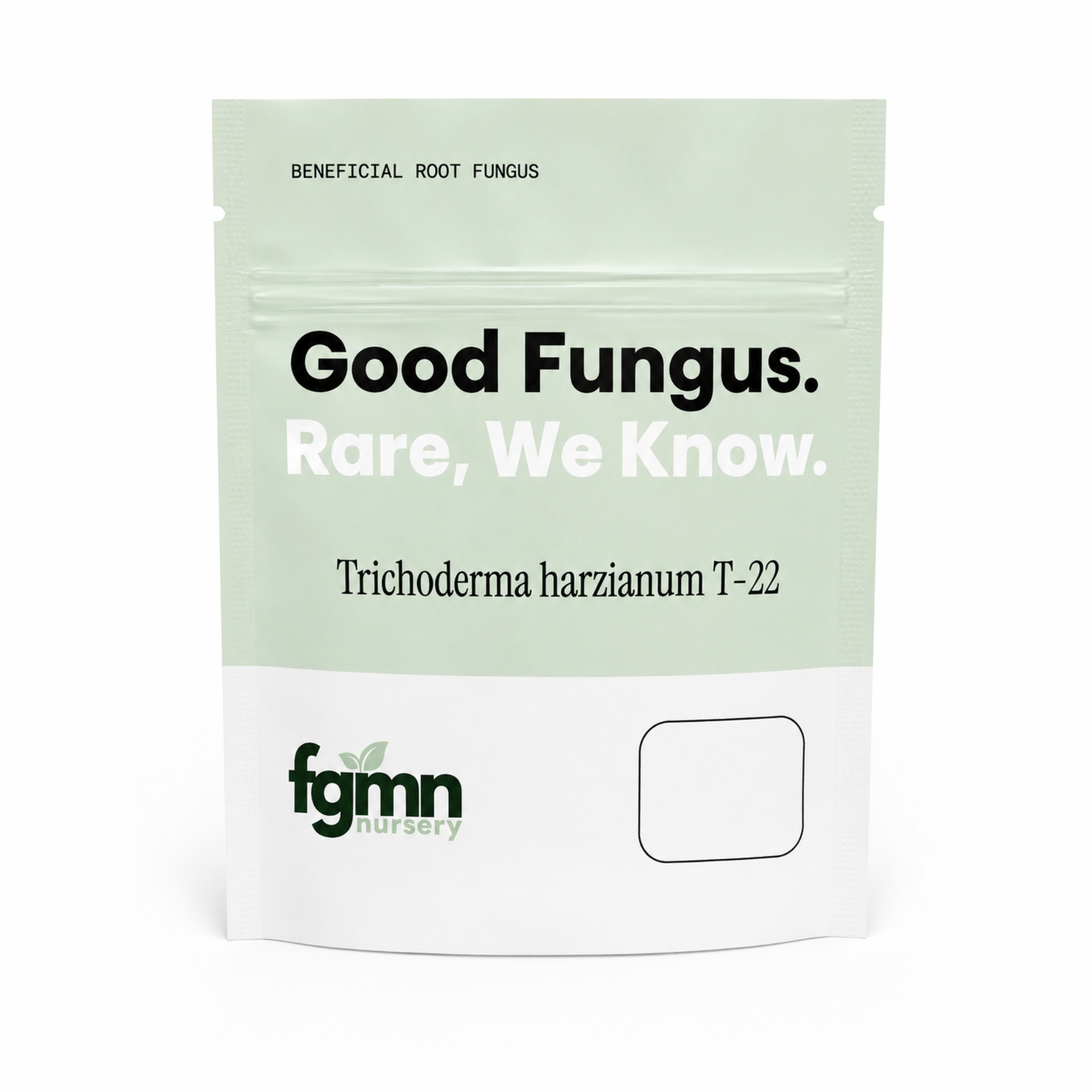
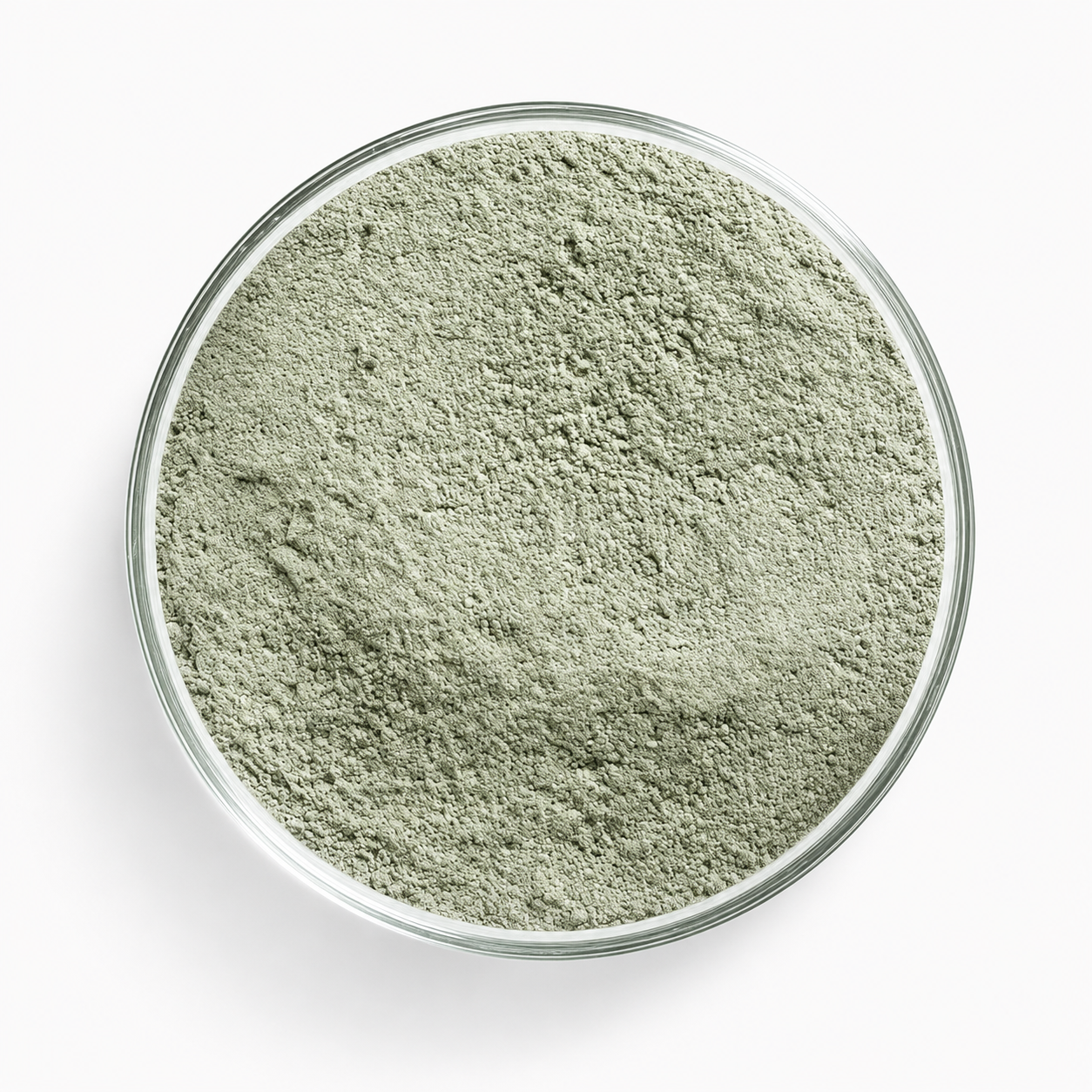
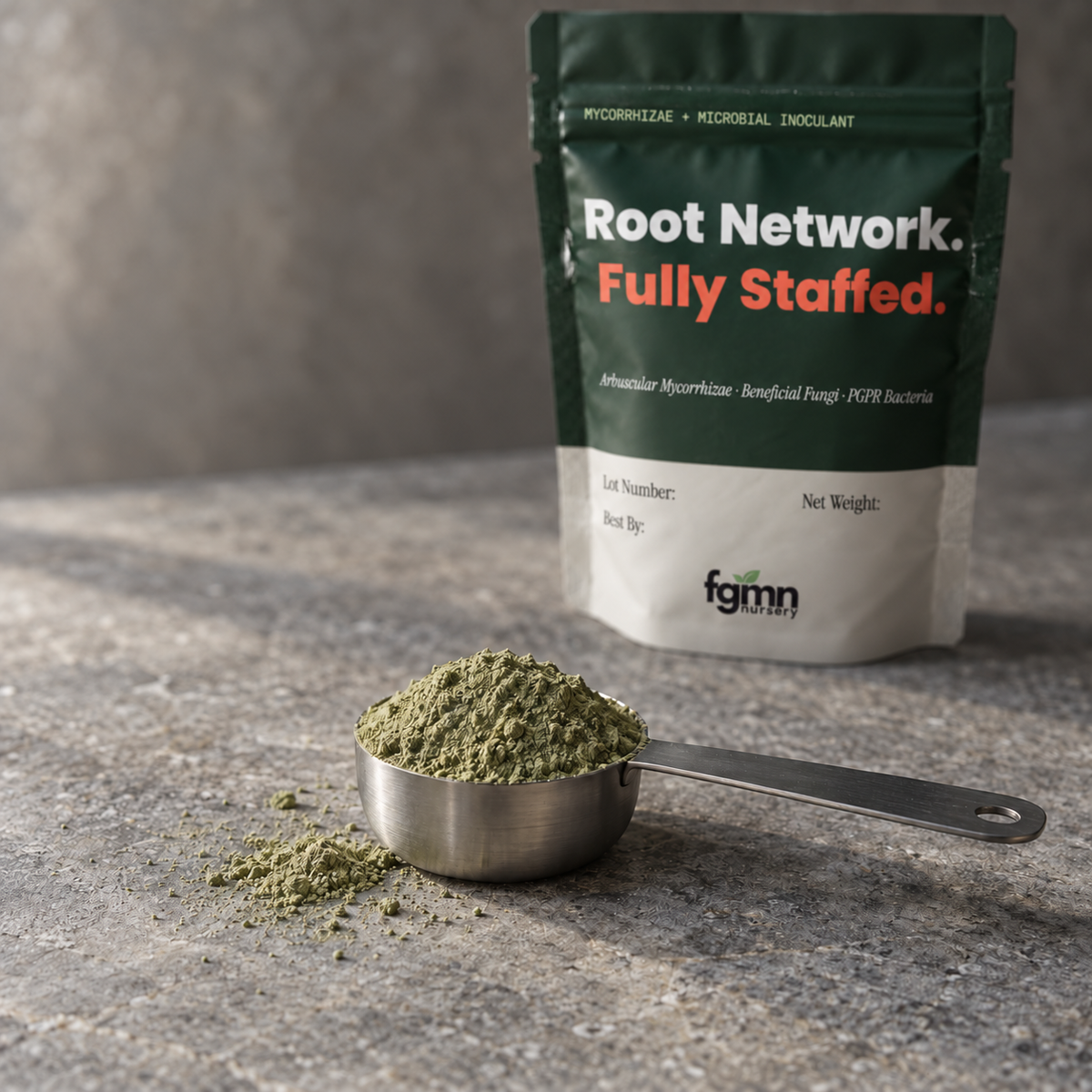
Trichoderma harzianum strain T-22 is a beneficial fungus that colonises the root surface as roots grow. It occupies the space and consumes the resources pathogenic fungi would otherwise use, and it grows alongside the root system rather than sitting where you put it.
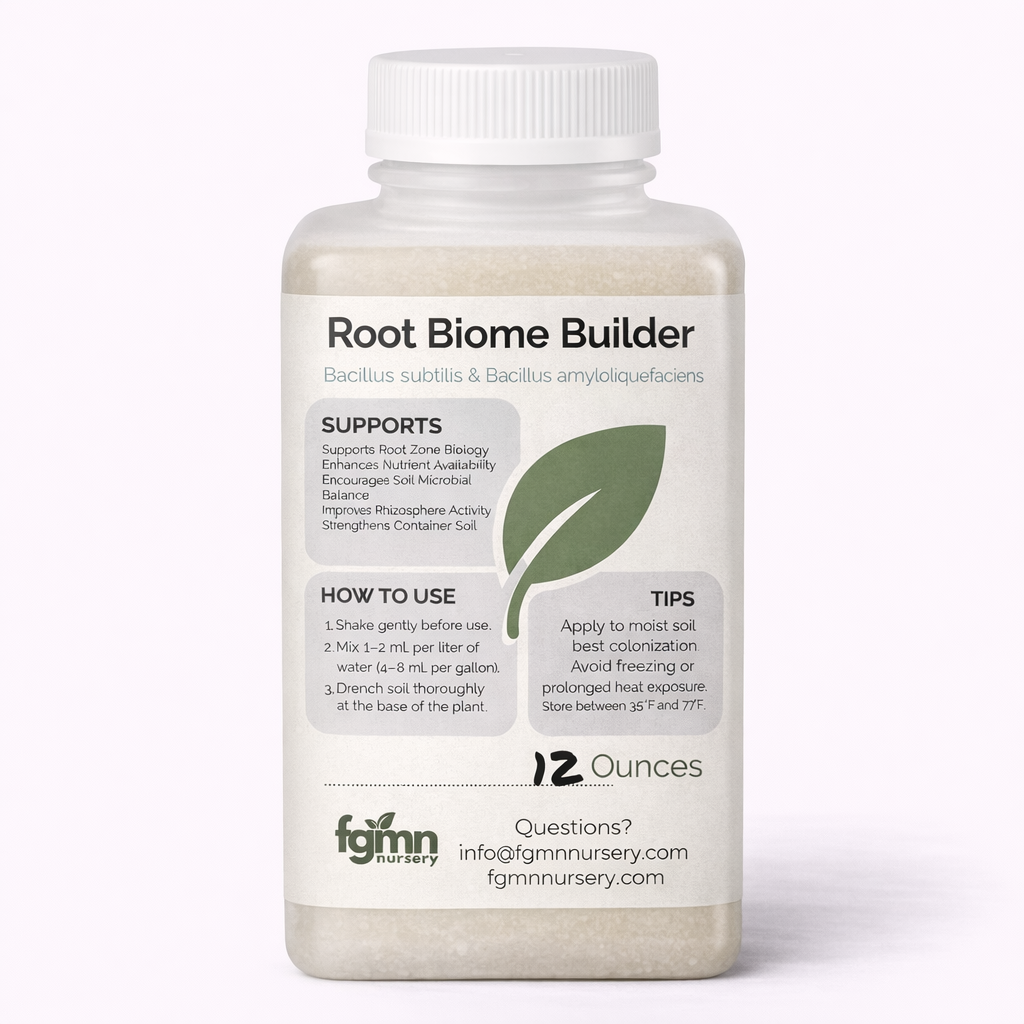
Root Biome Builder introduces beneficial soil bacteria that work the same territory from a different angle, building a more competitive root-zone community.
Neither of these is a fungicide, and we won't call them one. They don't cure a rotted root — that tissue is gone. What they do is make the root zone a less easy place for the next pathogen to establish, which is why they belong in your potting mix, not in your emergency kit.
When to use them
At potting and repotting, when new roots are about to grow and there's bare territory to claim. After a rot event once you've cut back the damage and corrected the drainage. And routinely in propagation, where cuttings sit in wet media with no root system to defend themselves.
Compatible with beneficial nematodes and soil-dwelling predatory mites — they occupy different niches and don't interfere with each other.