


Beneficial Insects






When an insect beats a mite
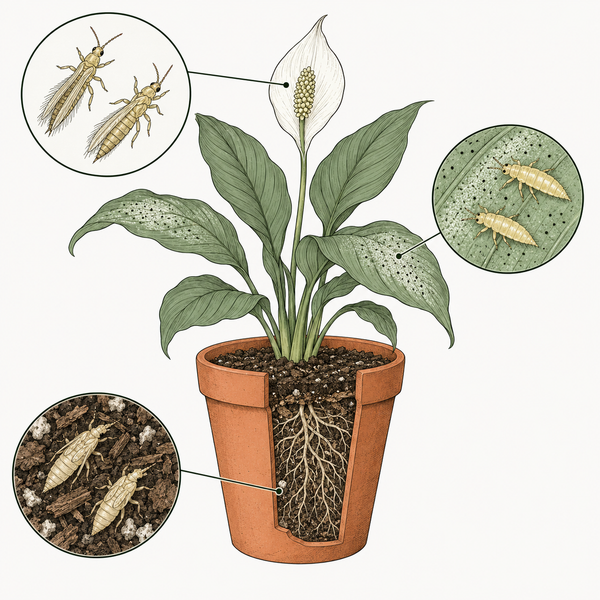
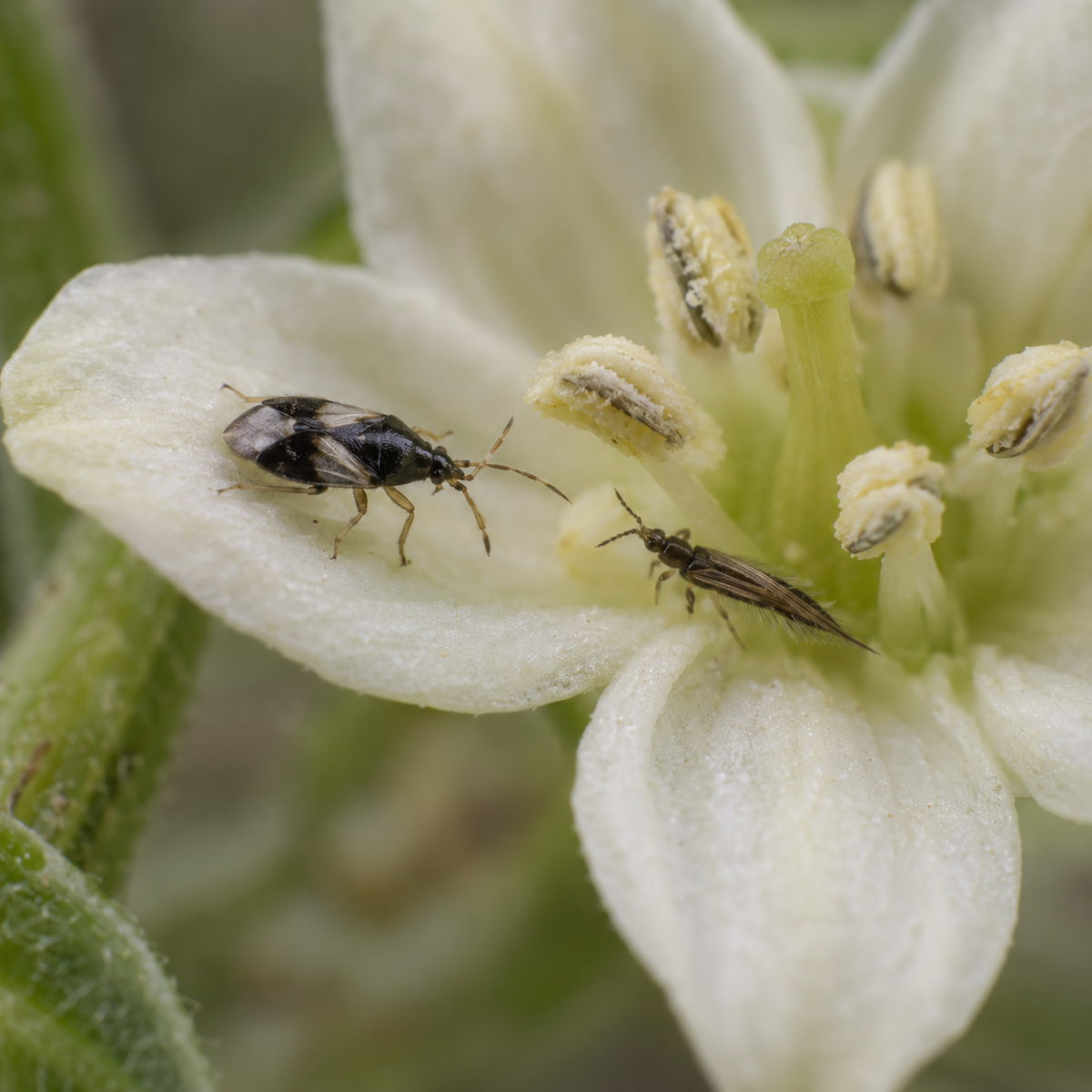
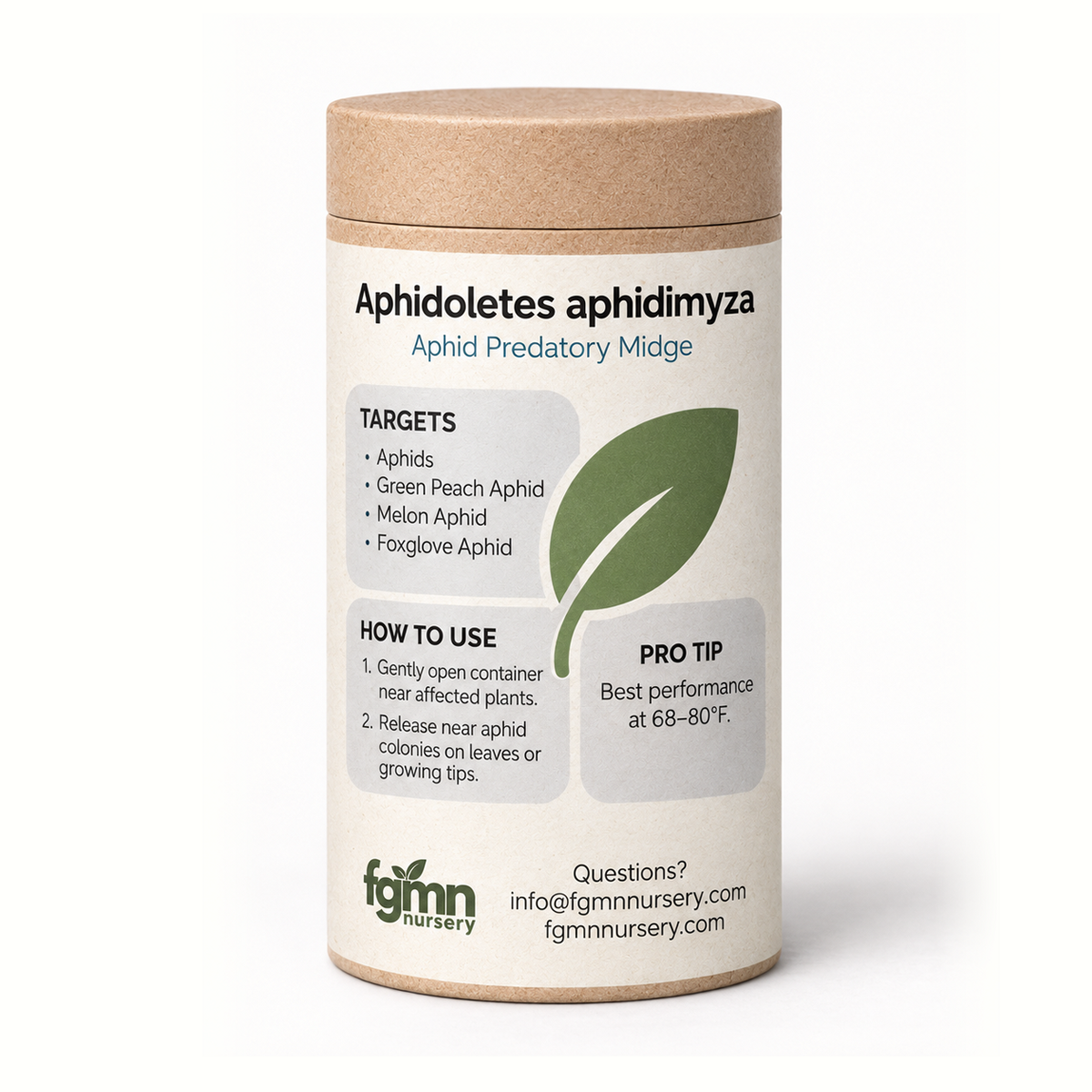
Predatory mites are extraordinary at what they do, but they're small, and there are pests they simply cannot handle. An adult thrips is too big and too fast. A mealybug under wax is too well defended. An aphid colony reproduces faster than a mite can eat. That's where beneficial insects come in — bigger predators, bigger appetites, and in some cases an entirely different method of attack.
The four approaches
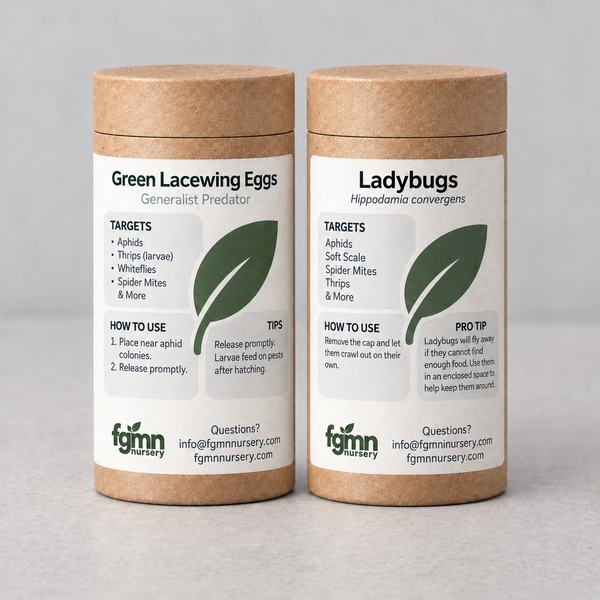
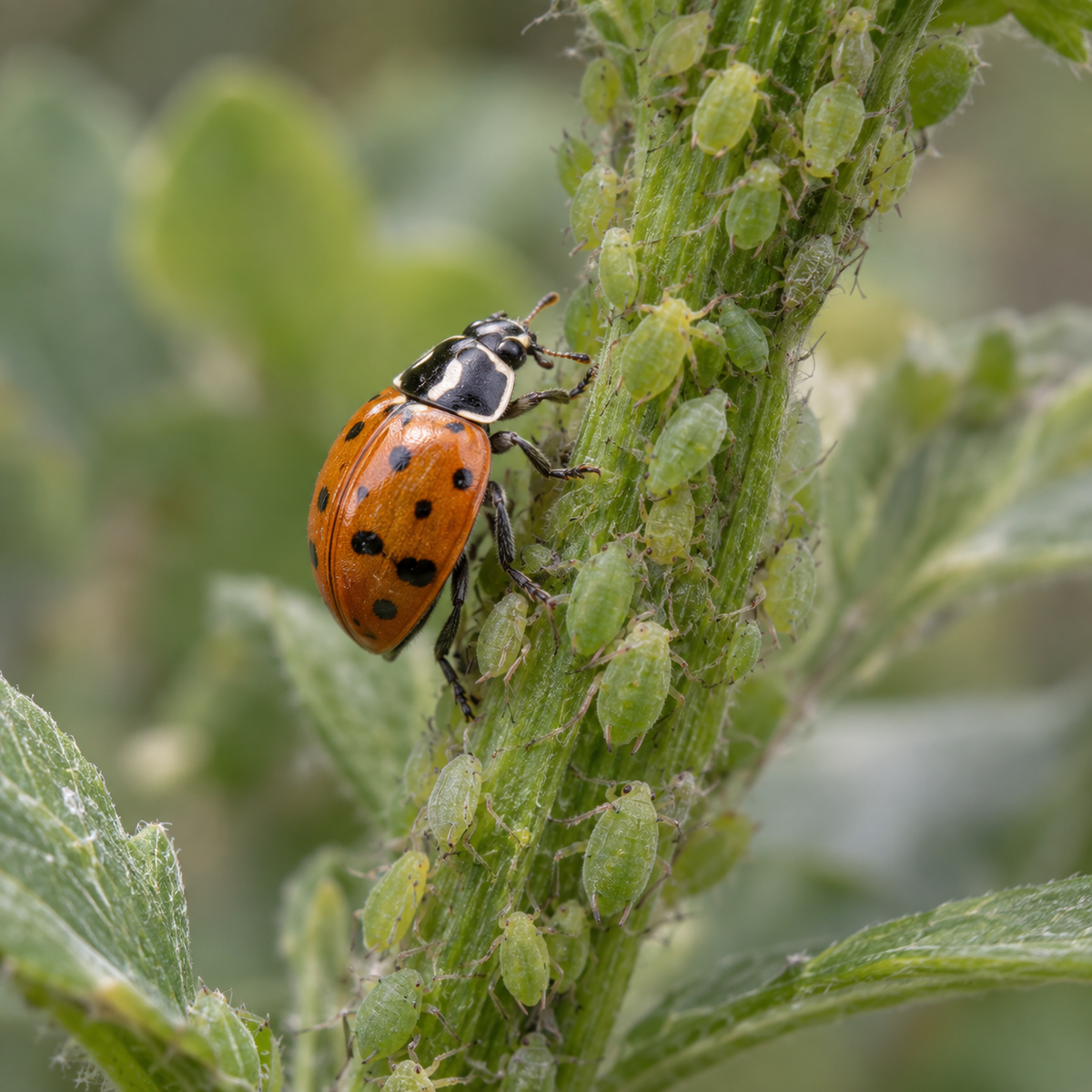
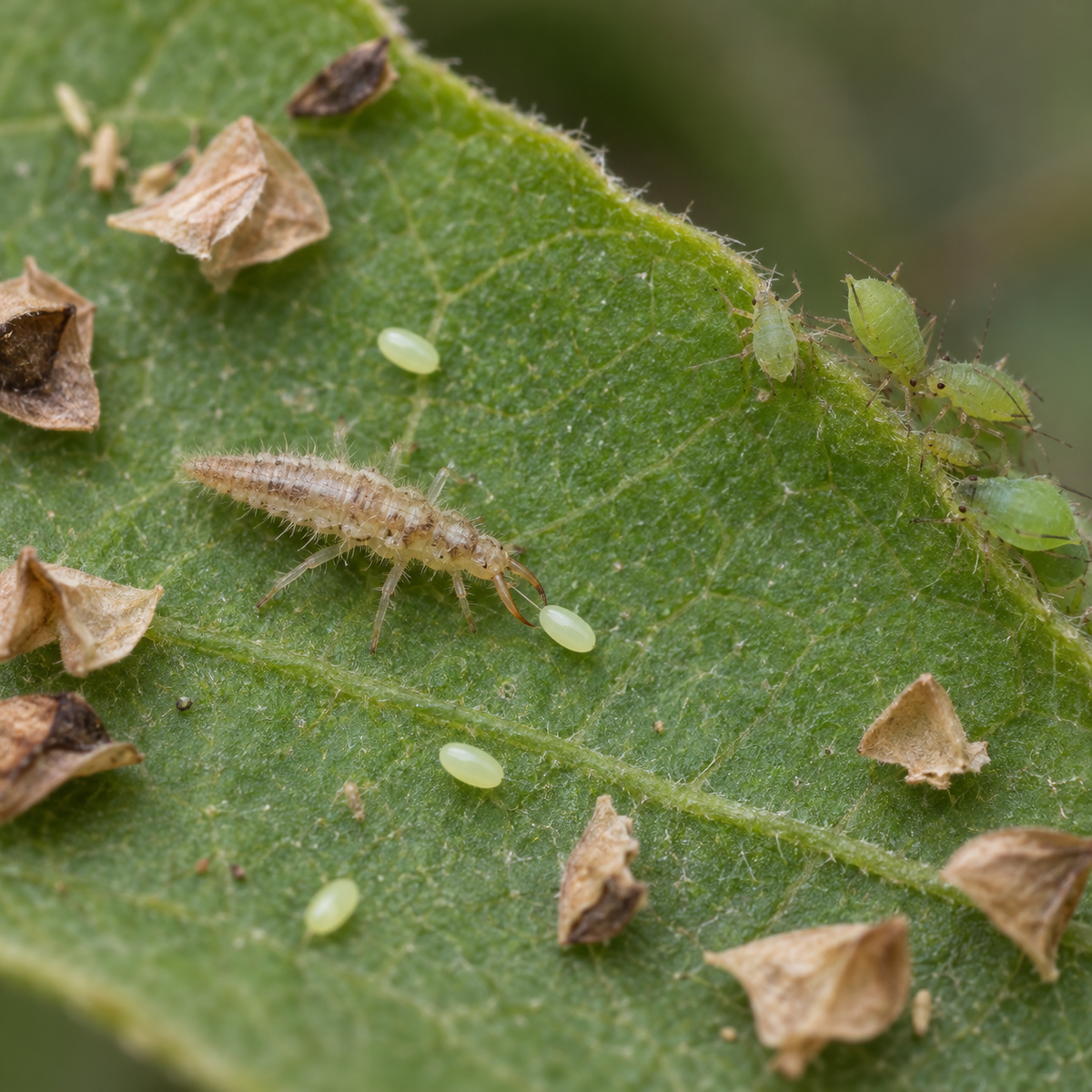
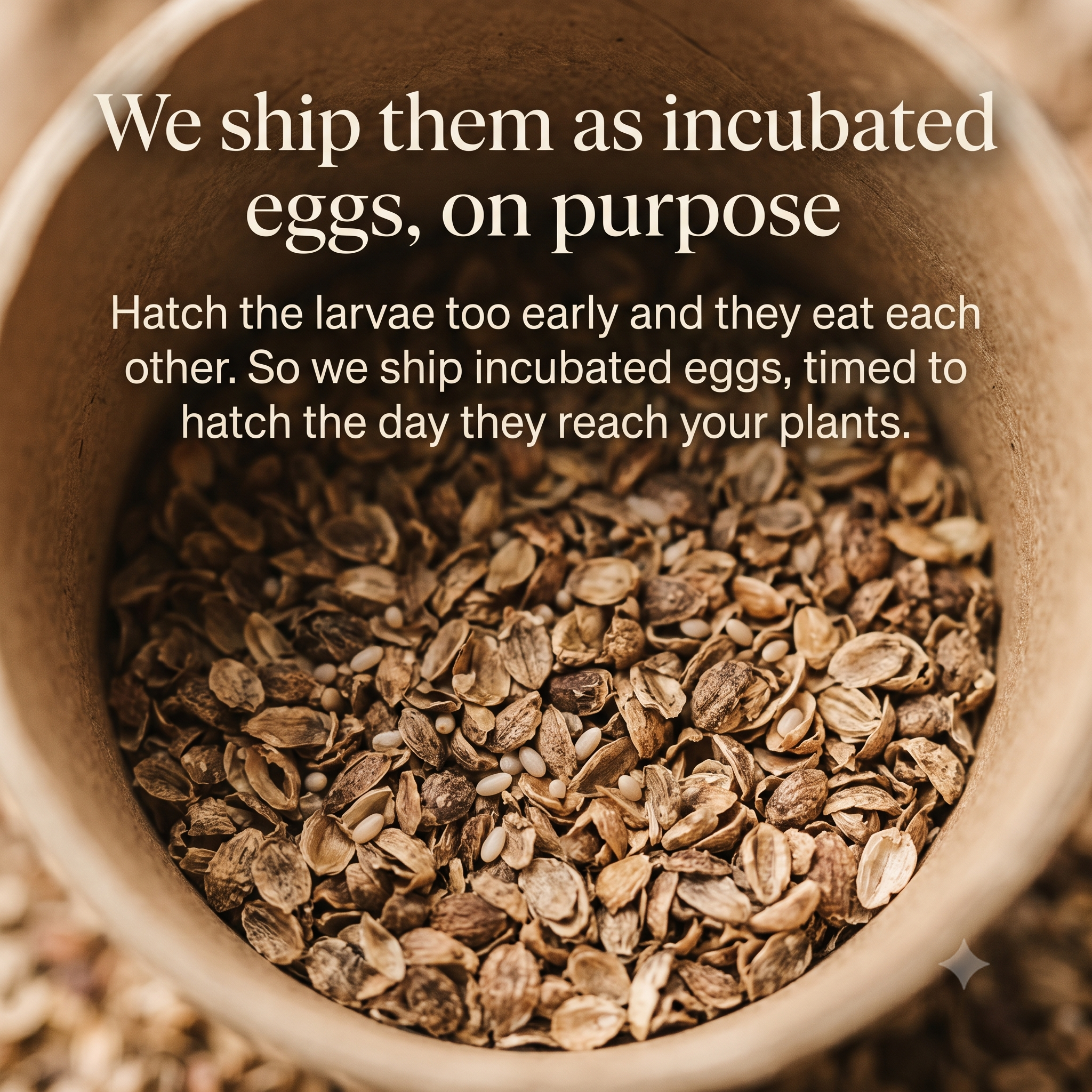
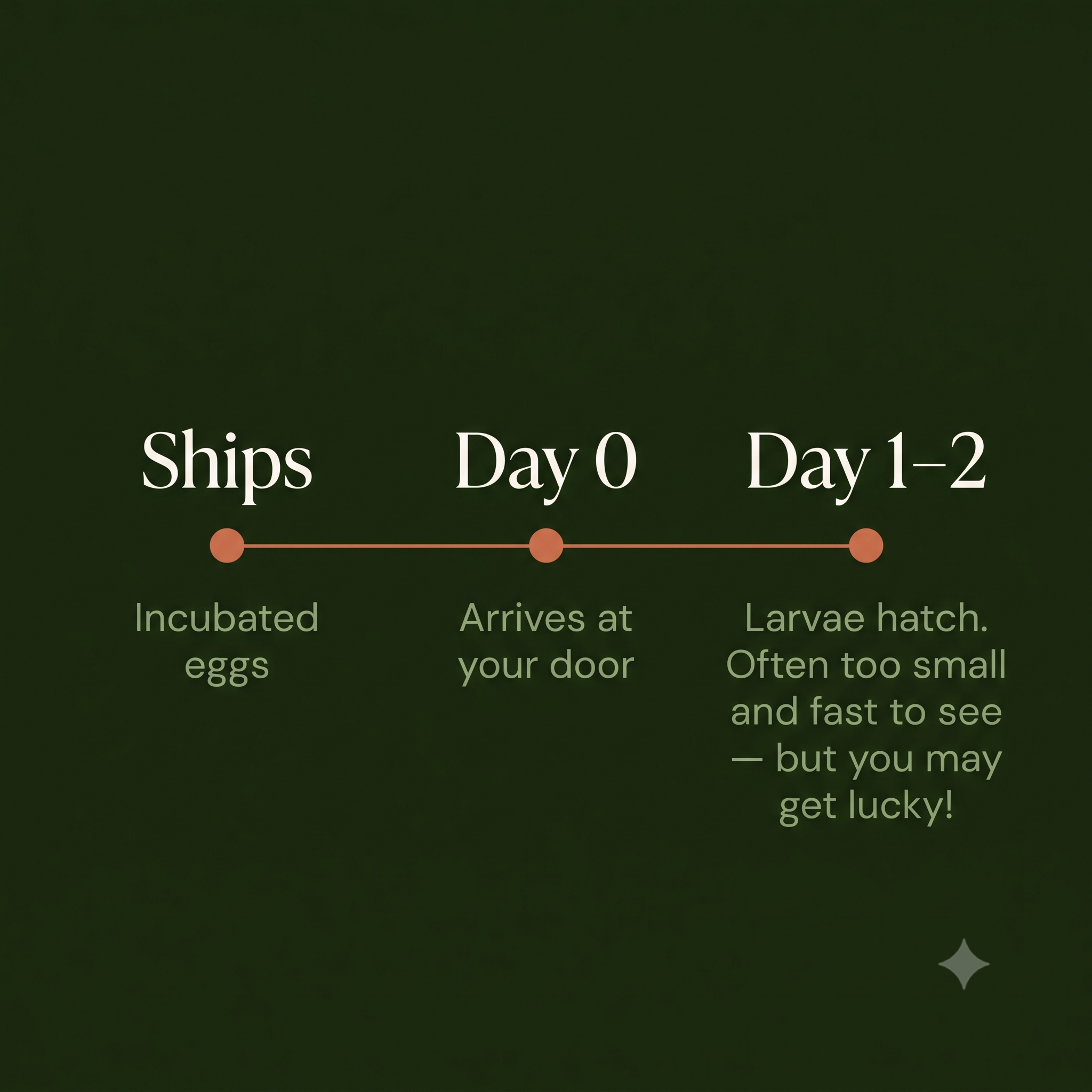
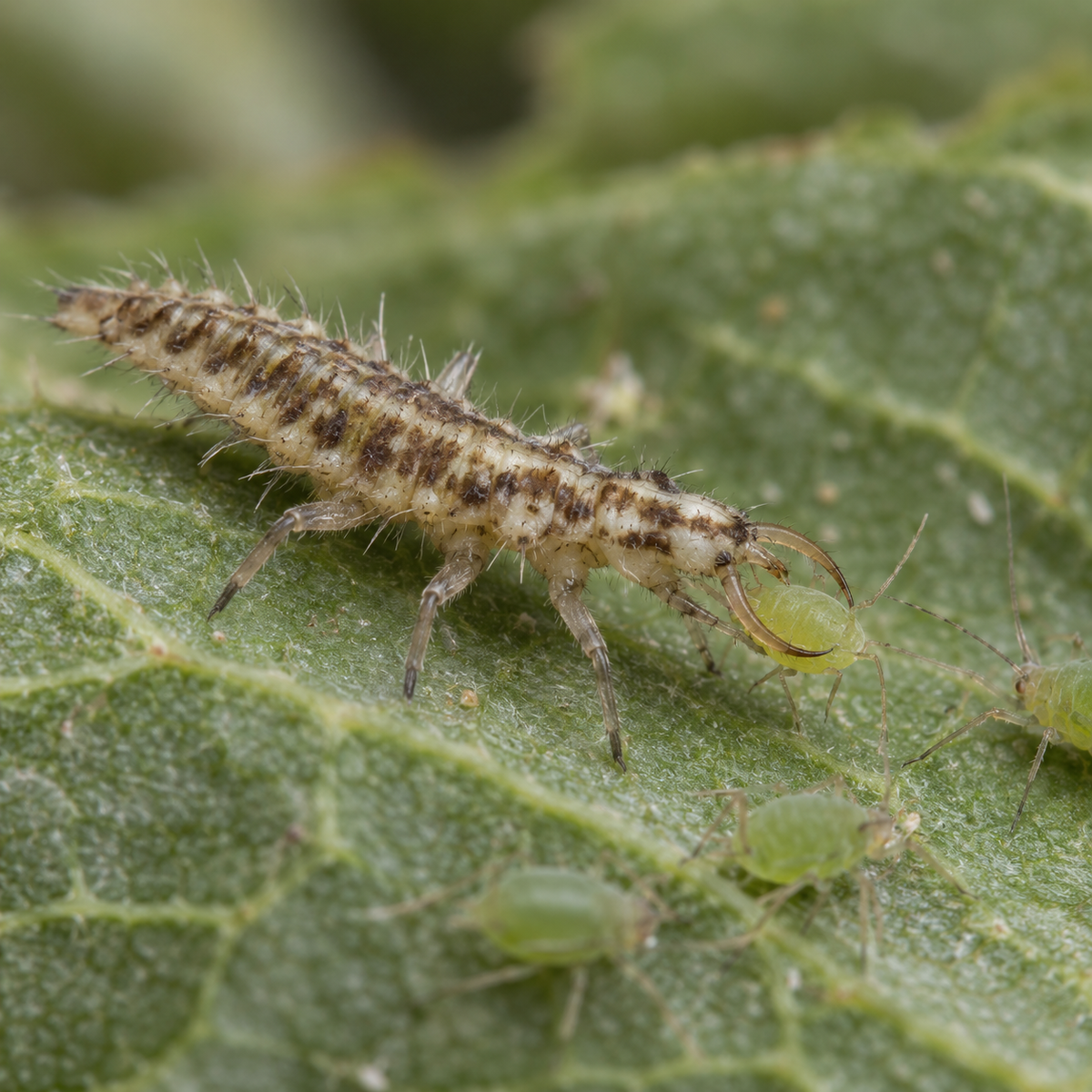
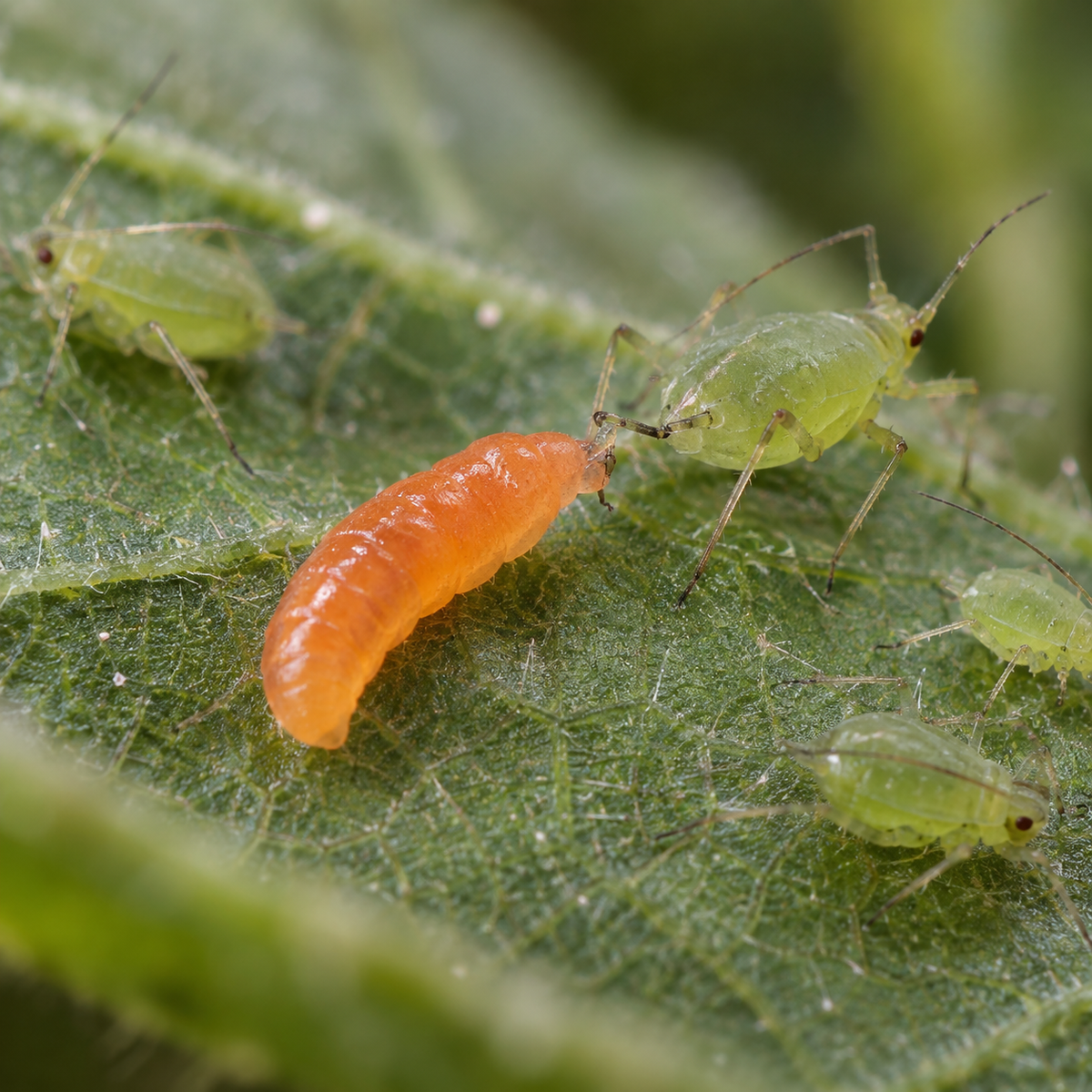
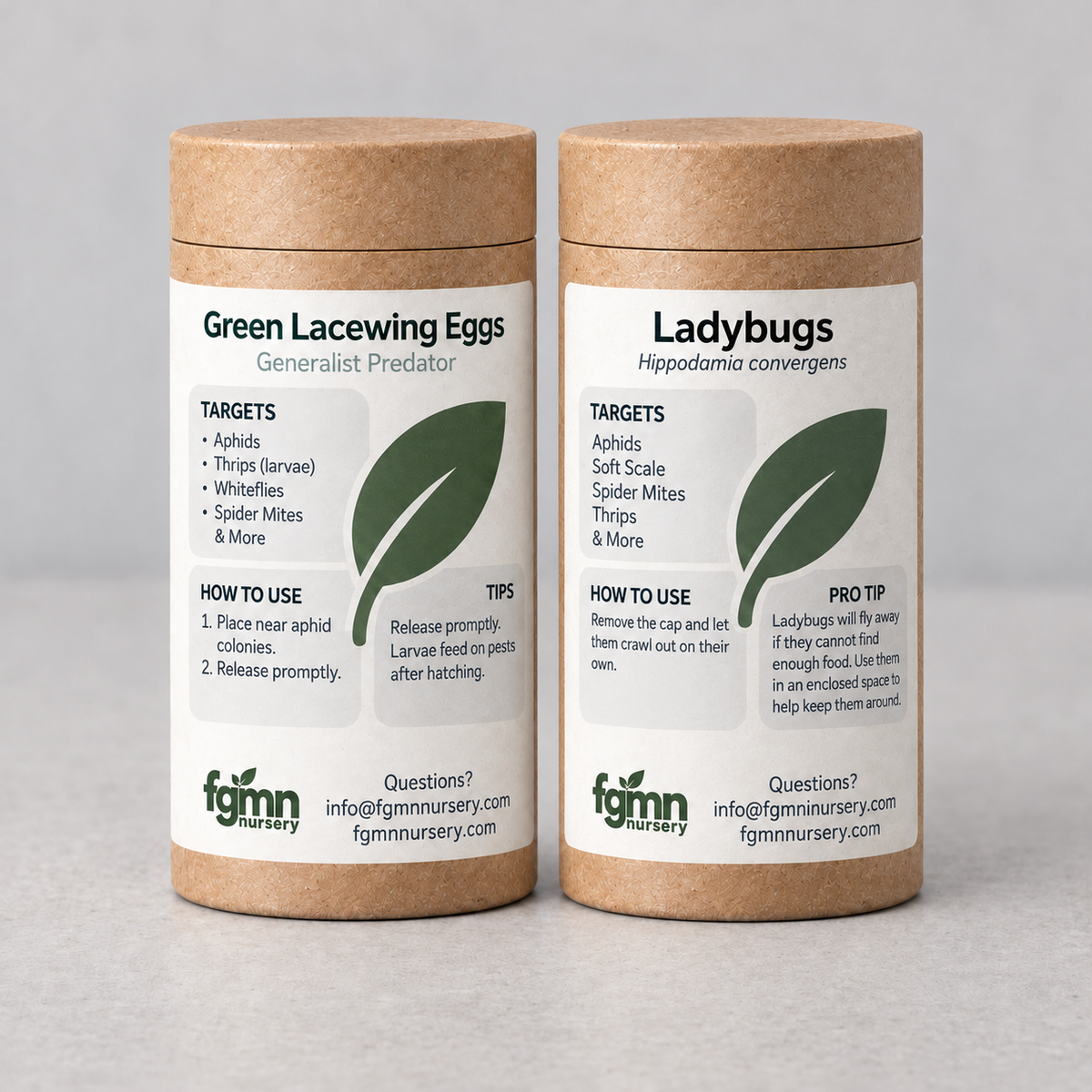
Chewing predators. Lady beetle larvae and green lacewing larvae eat prey outright and eat a great deal of it. The larval stage does the work, which is why we ship larvae rather than winged adults.
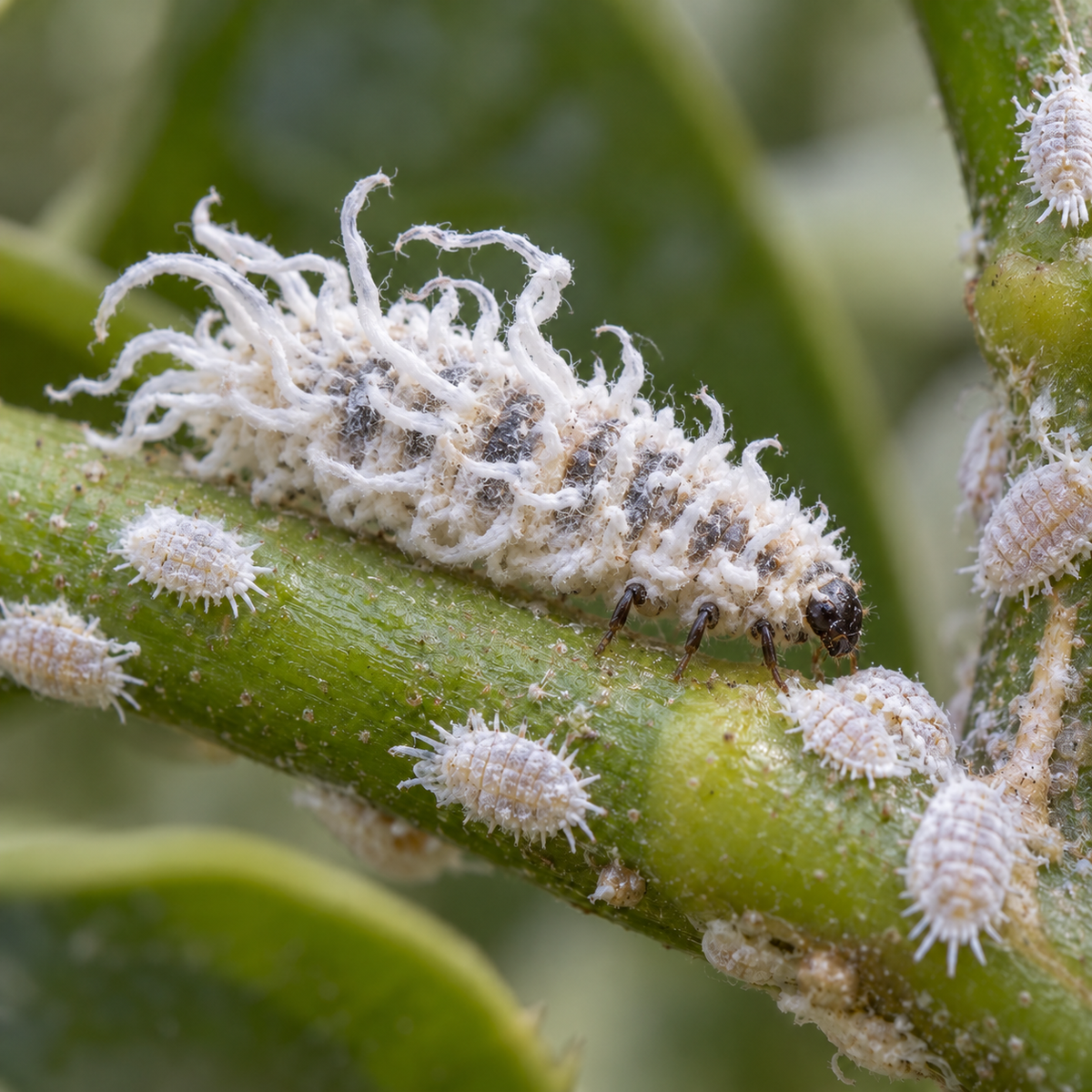
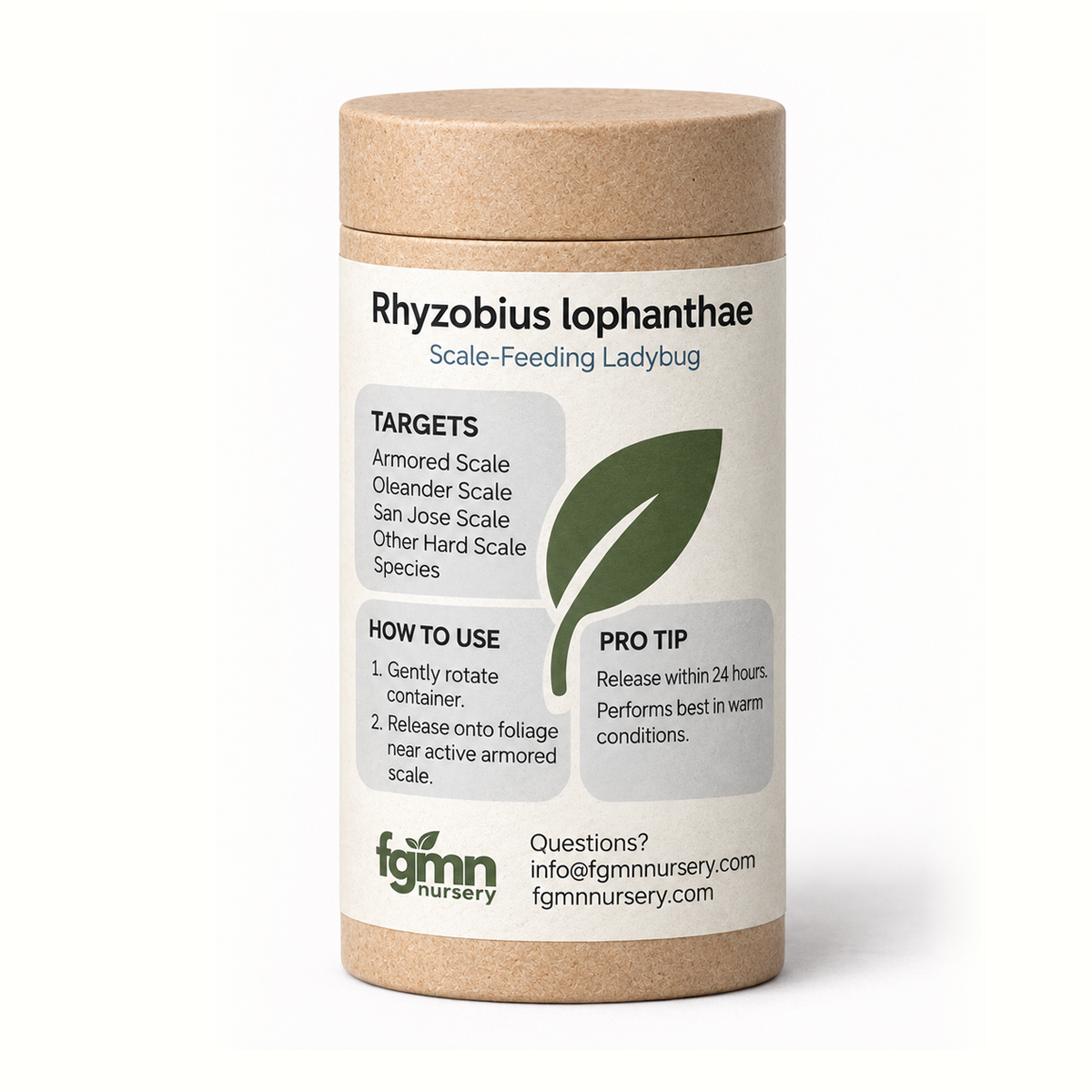
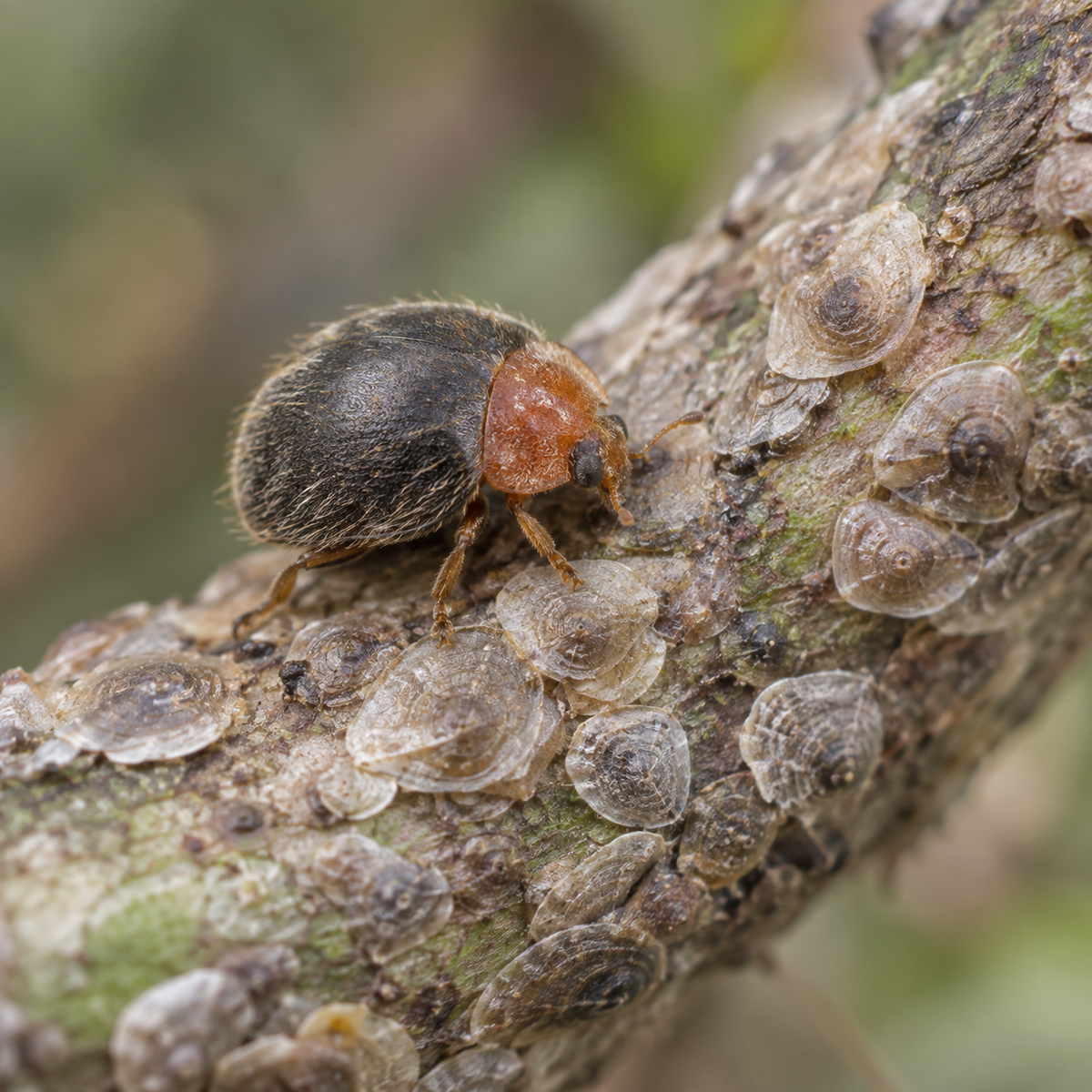
Specialists in armour. Montrouzieri disguises its larva as a mealybug and feeds inside the colony. Rhyzobius lophanthae gets underneath scale covers. Both reach pests that sprays are physically unable to wet.
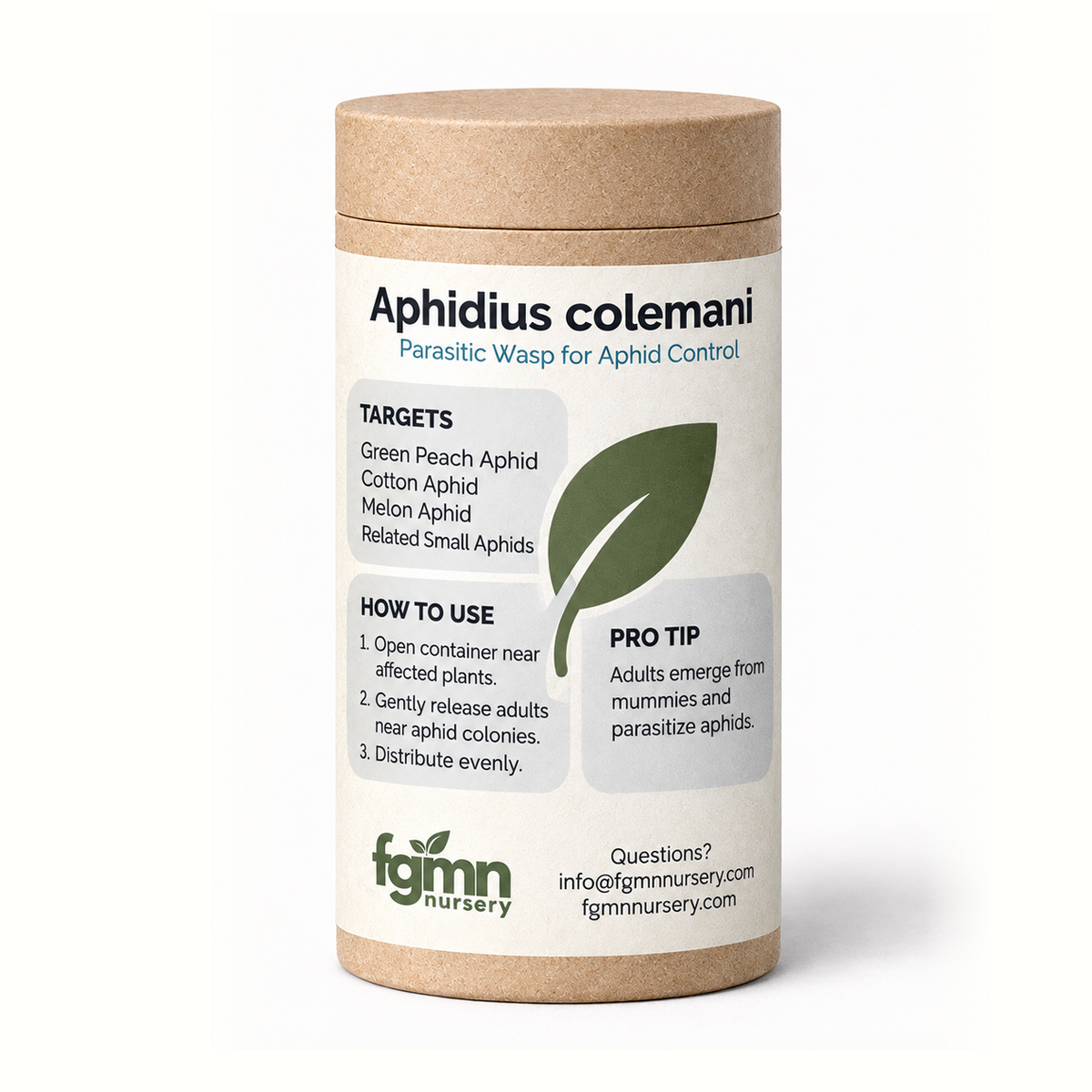
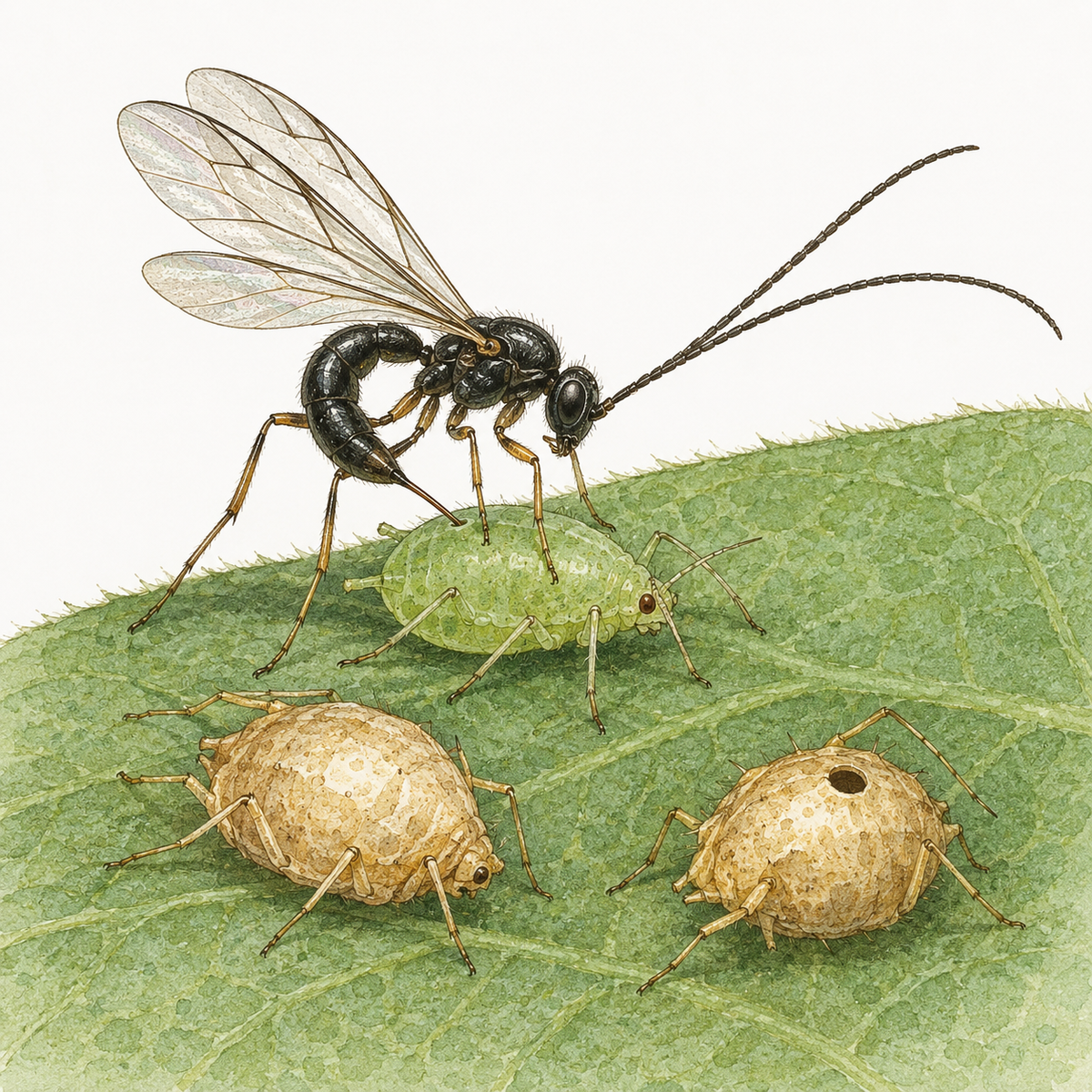
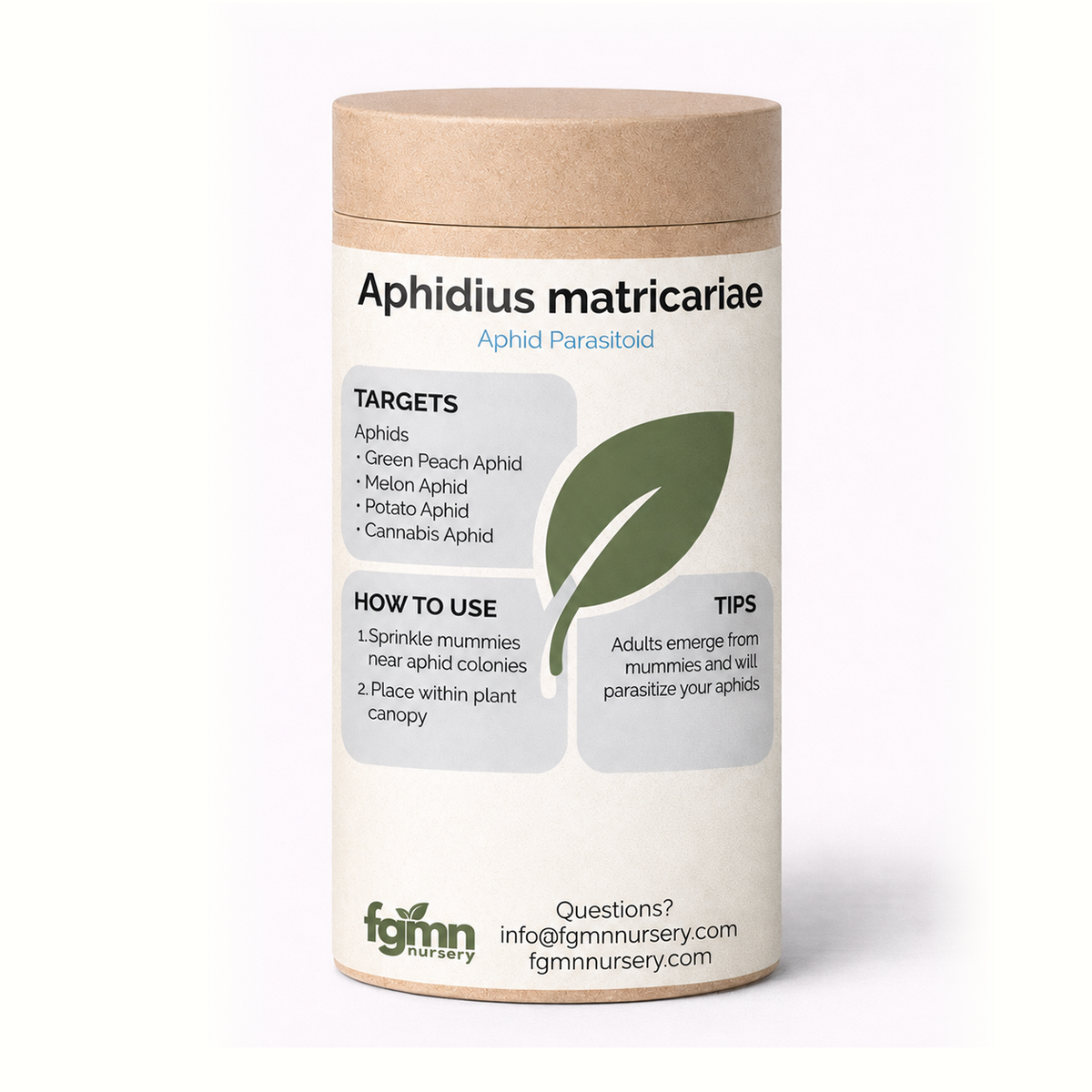
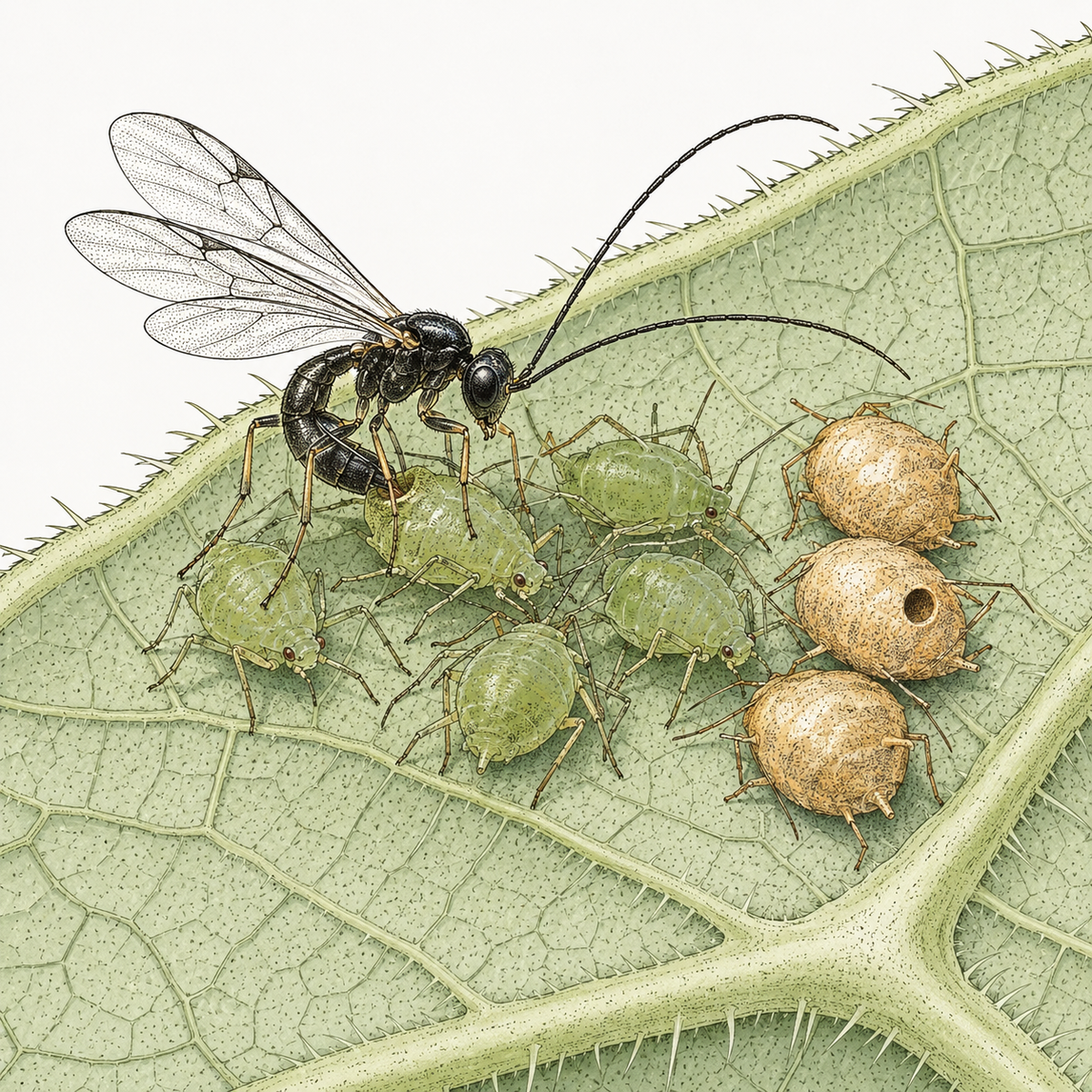
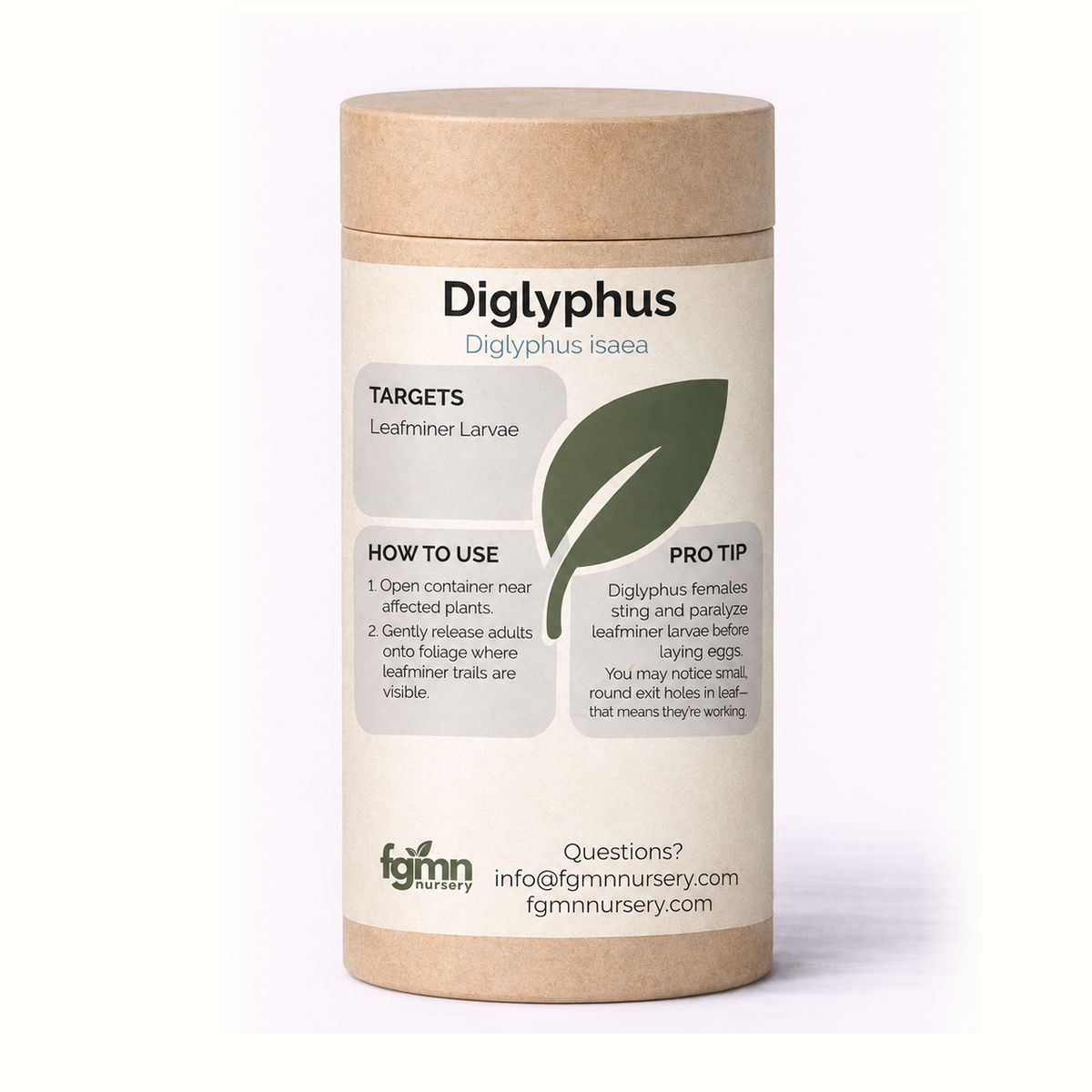
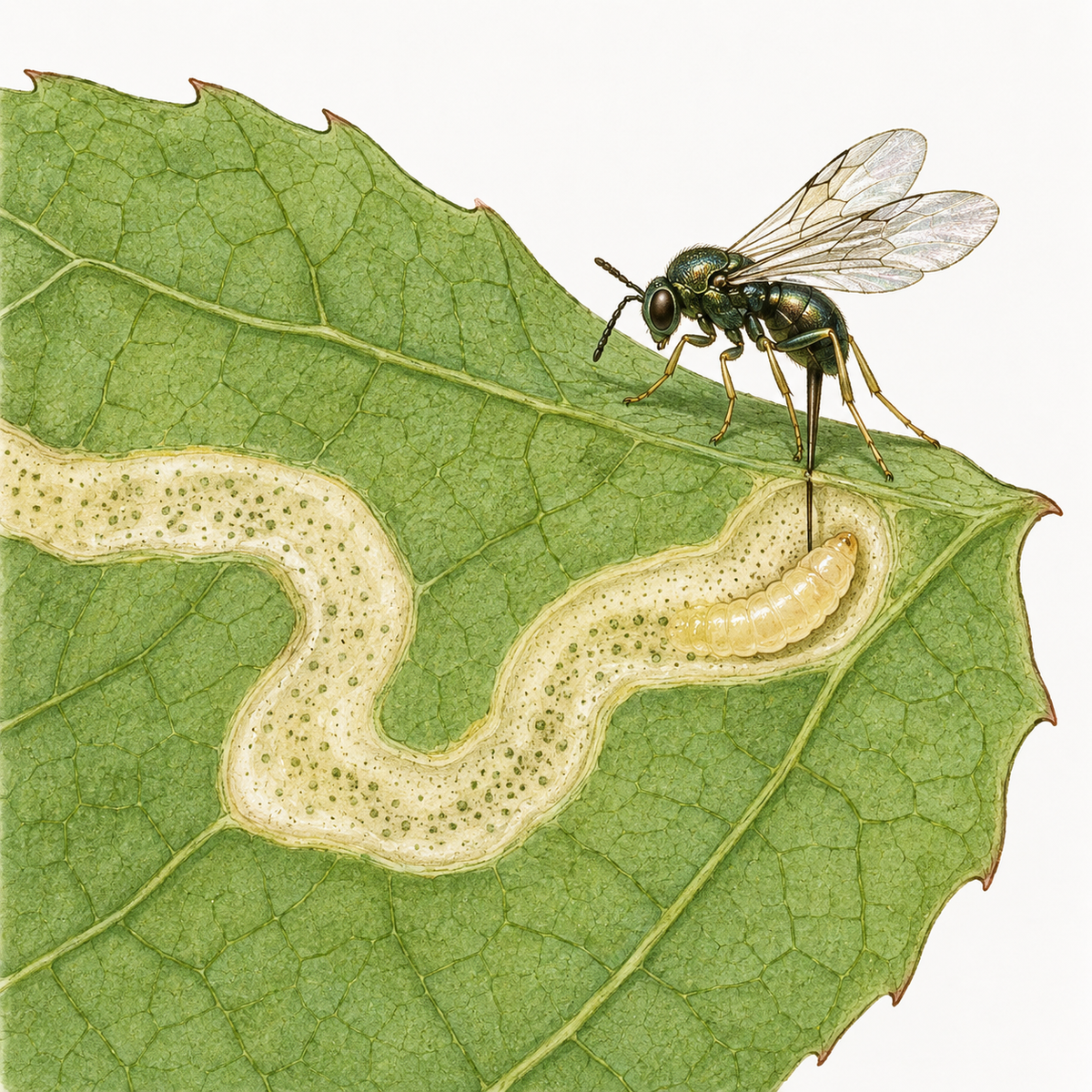
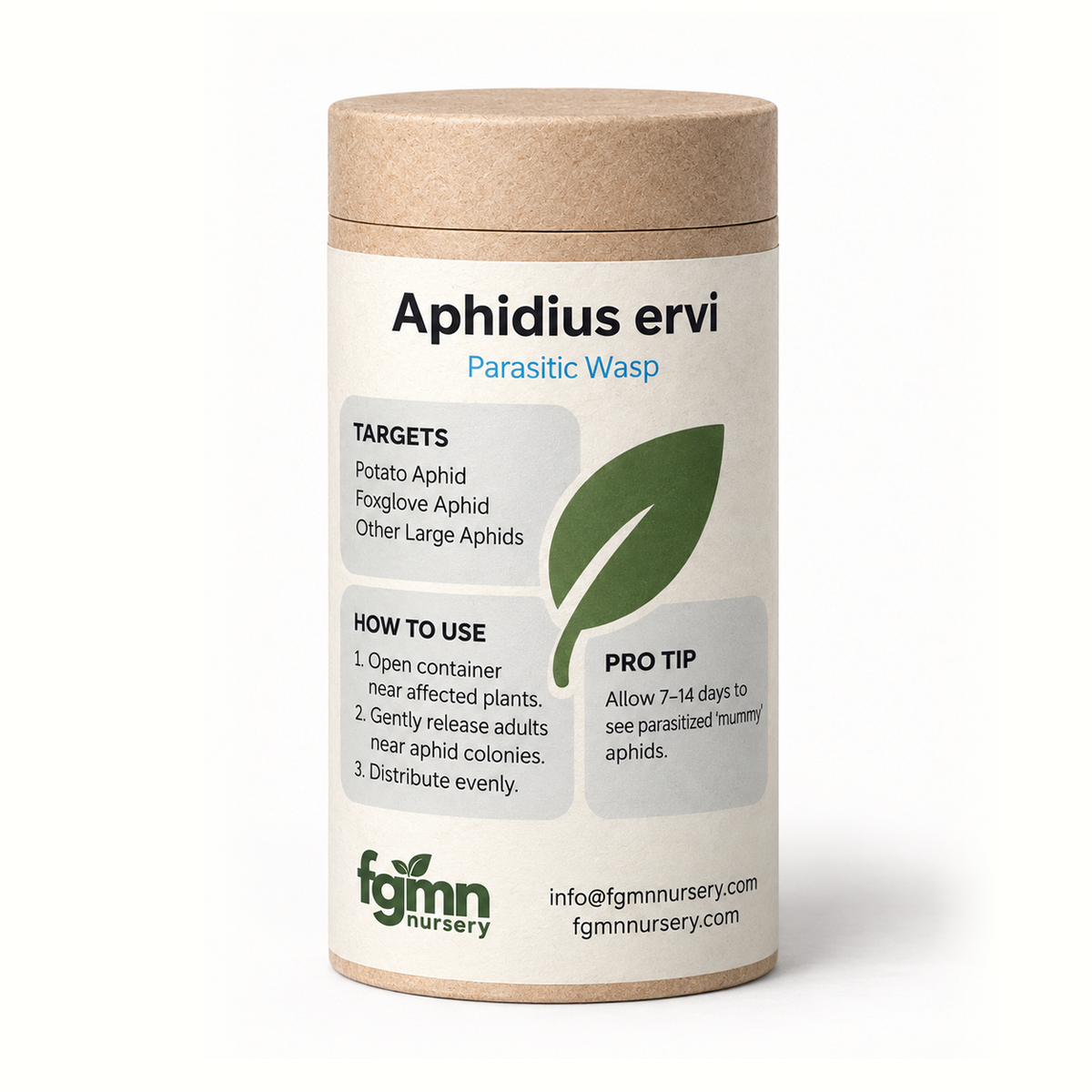
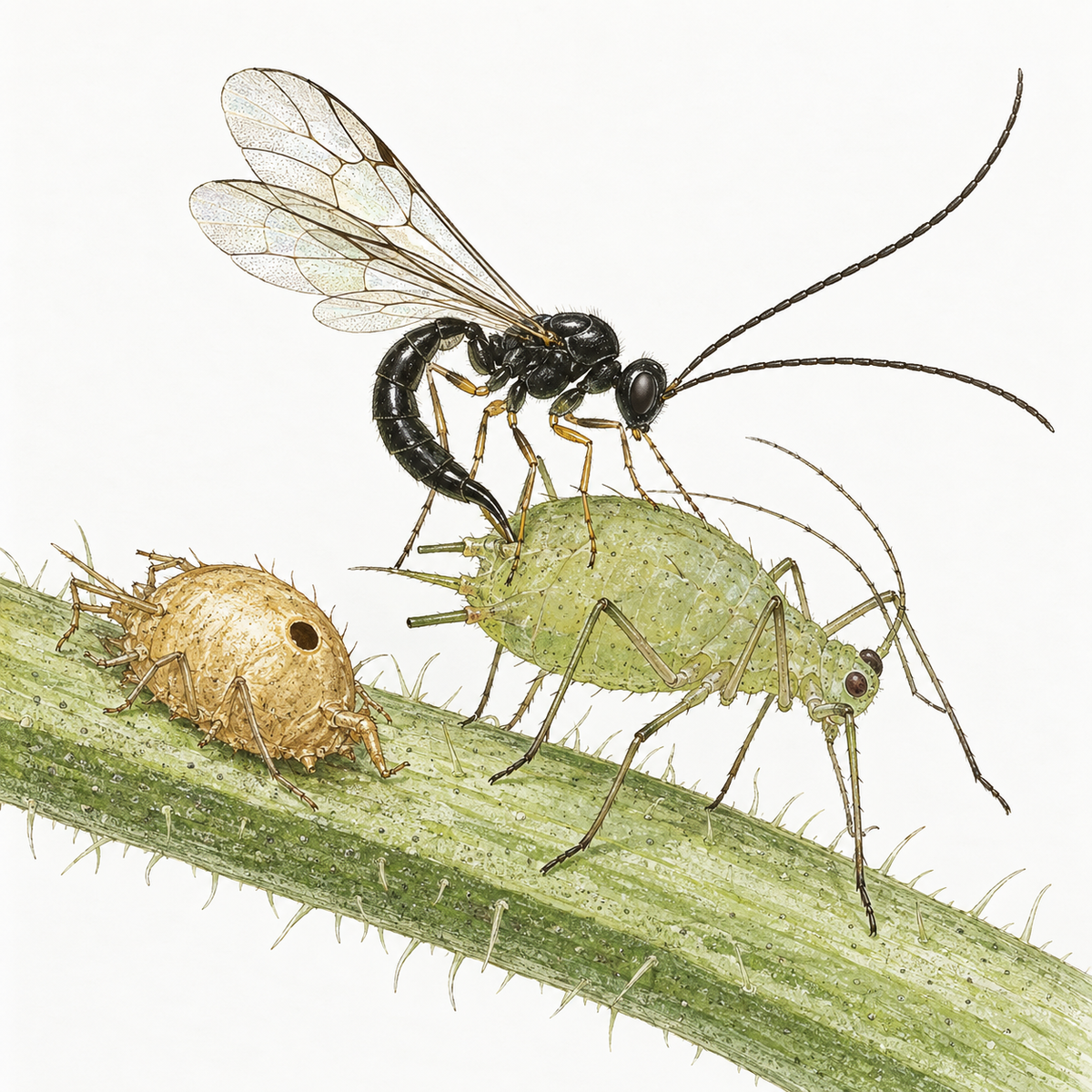
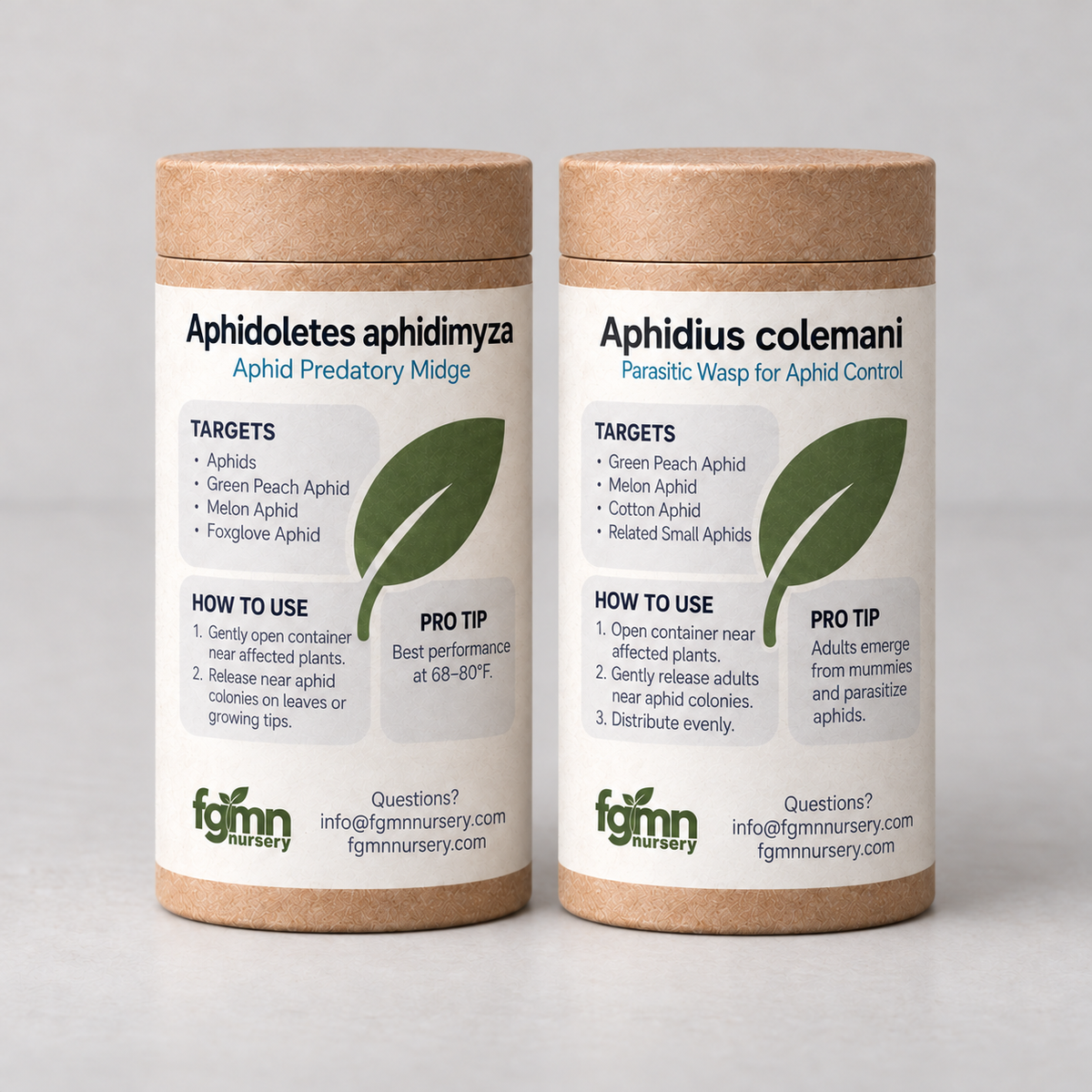
Parasitoids. Aphidius wasps and Diglyphus isaea lay eggs in or beside the pest and develop inside it. Stingless, nearly invisible, and able to reach a larva sealed inside a leaf mine.
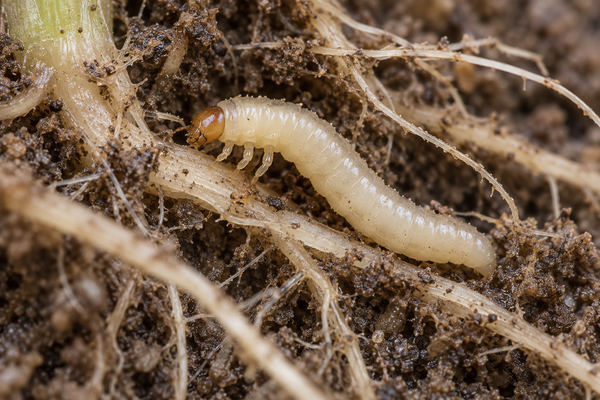
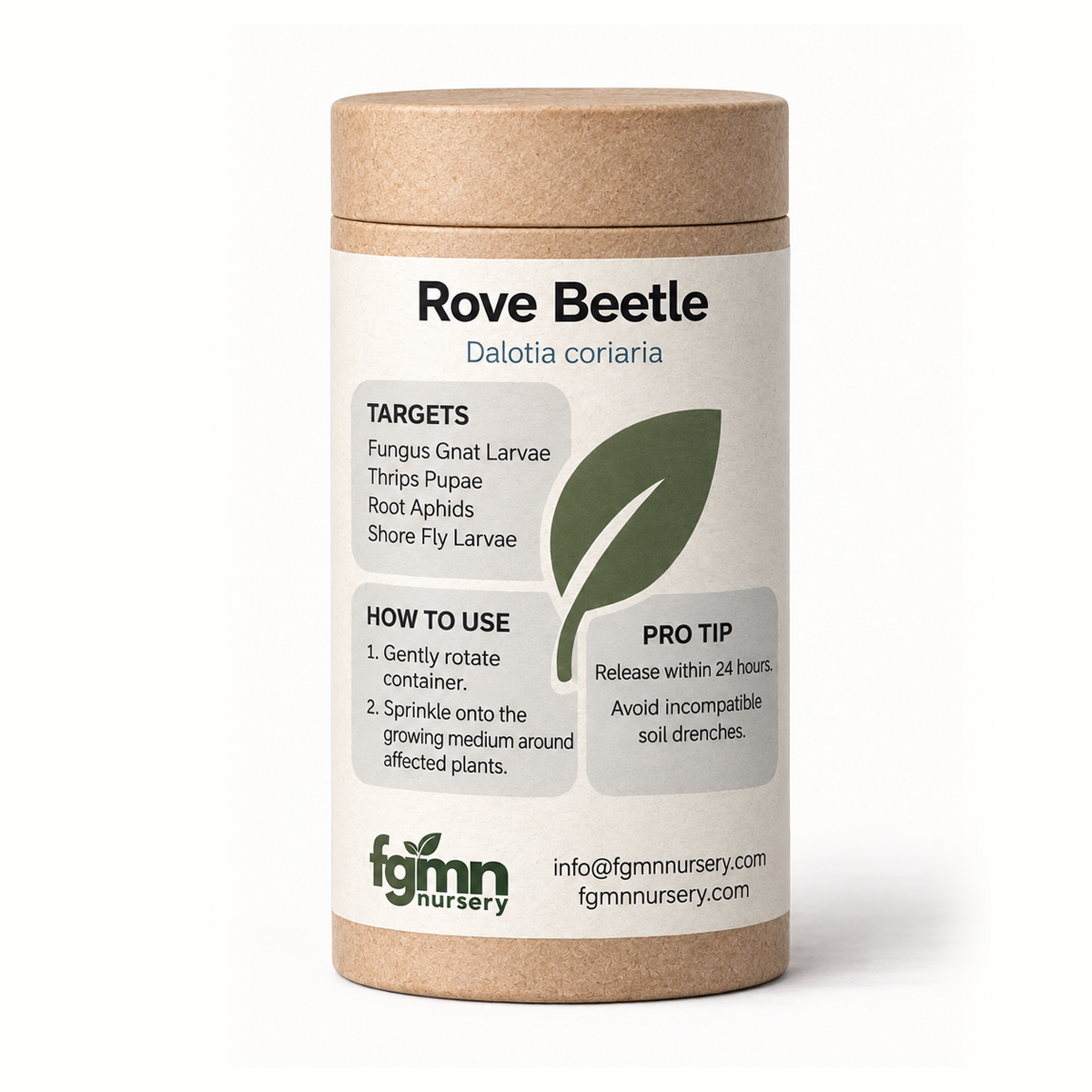
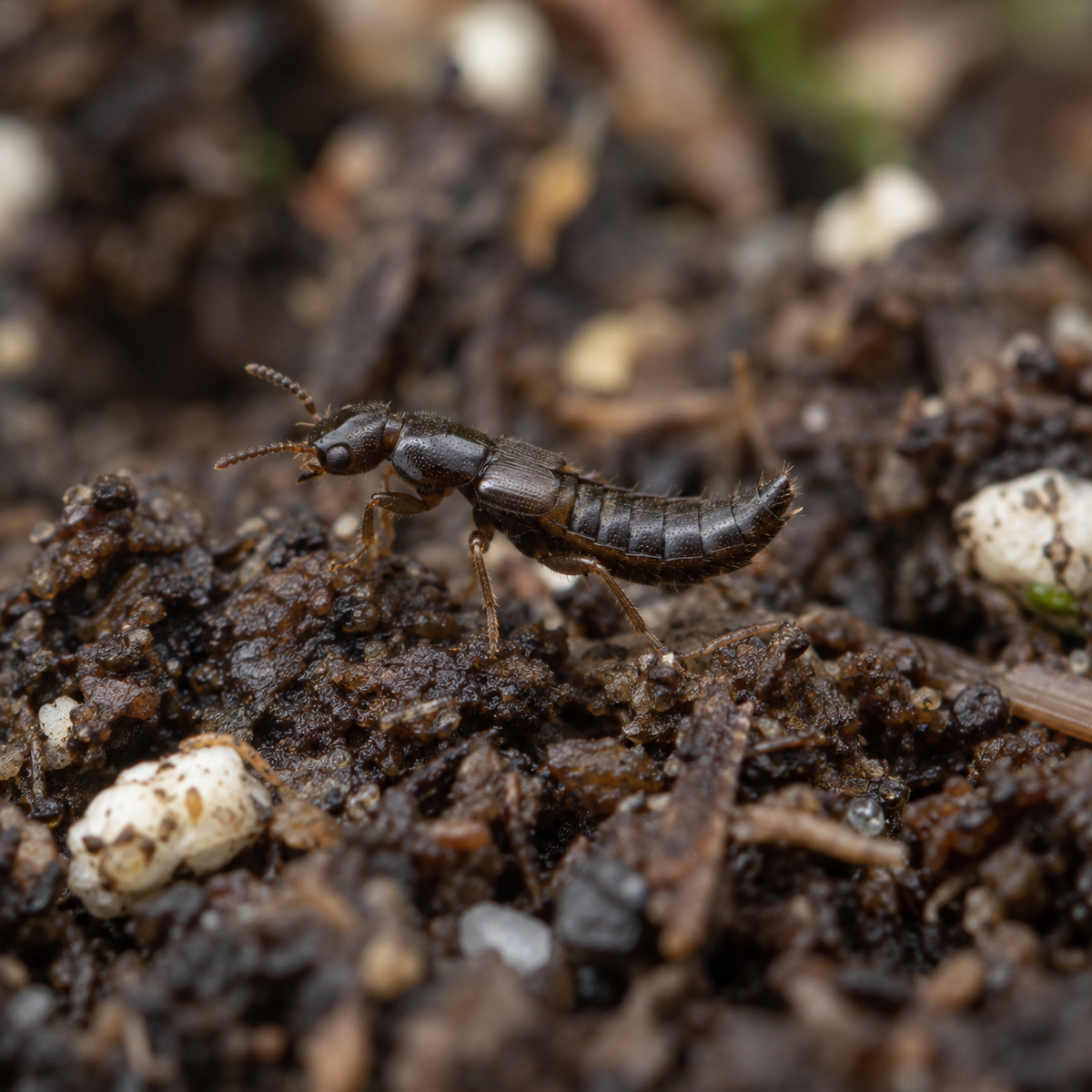
Soil hunters. Dalotia coriaria, the rove beetle, works the top layer of media on fungus gnat larvae and thrips pupae.
Choosing one
Match the predator to the pest's defence, not just to the pest. Soft and exposed: a chewer. Waxed or shelled: a specialist beetle. Hidden inside plant tissue: a parasitoid. In the media: a soil hunter. If you're not sure what you're dealing with, start with the damage identification guide.