


Green Lacewings


The aphid lion
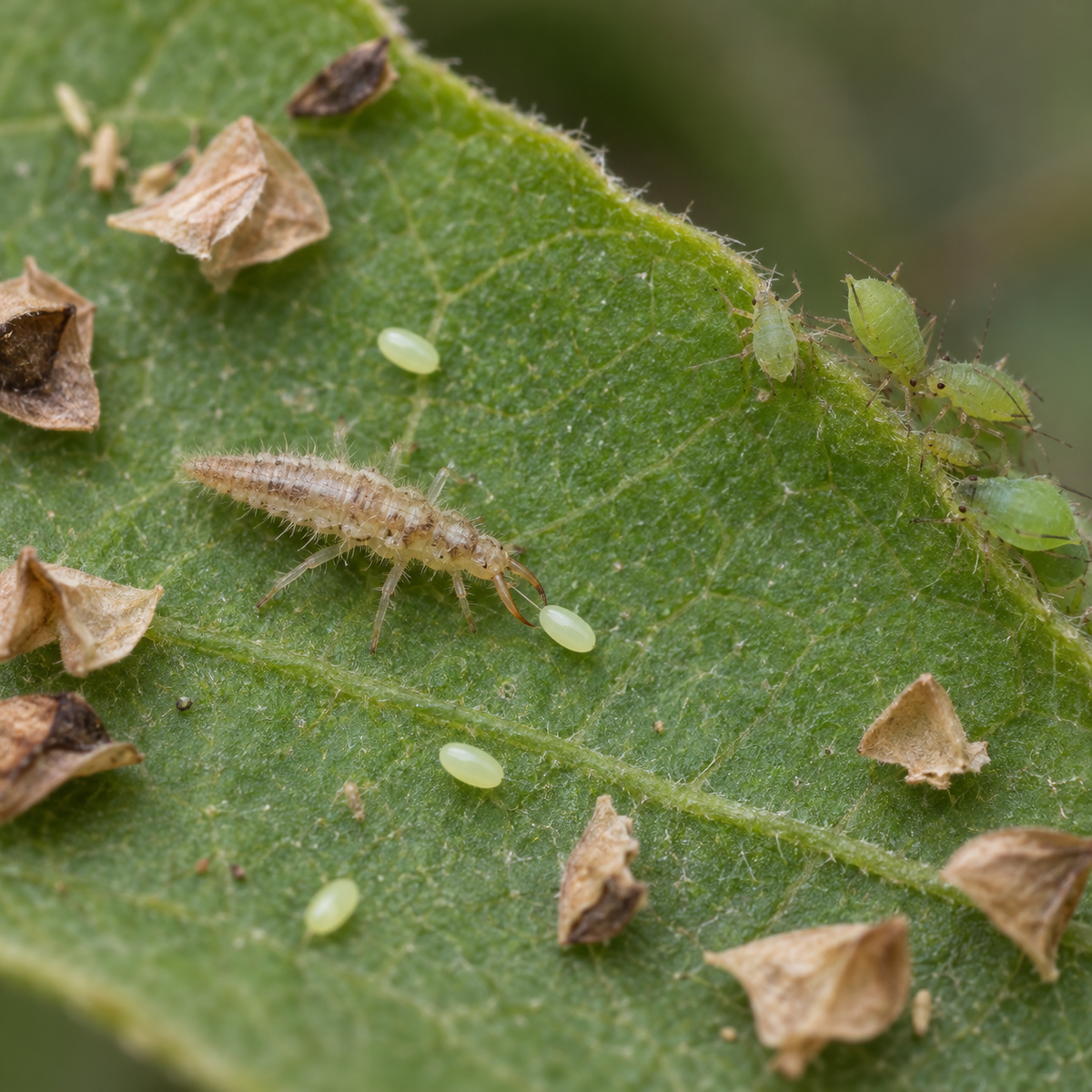
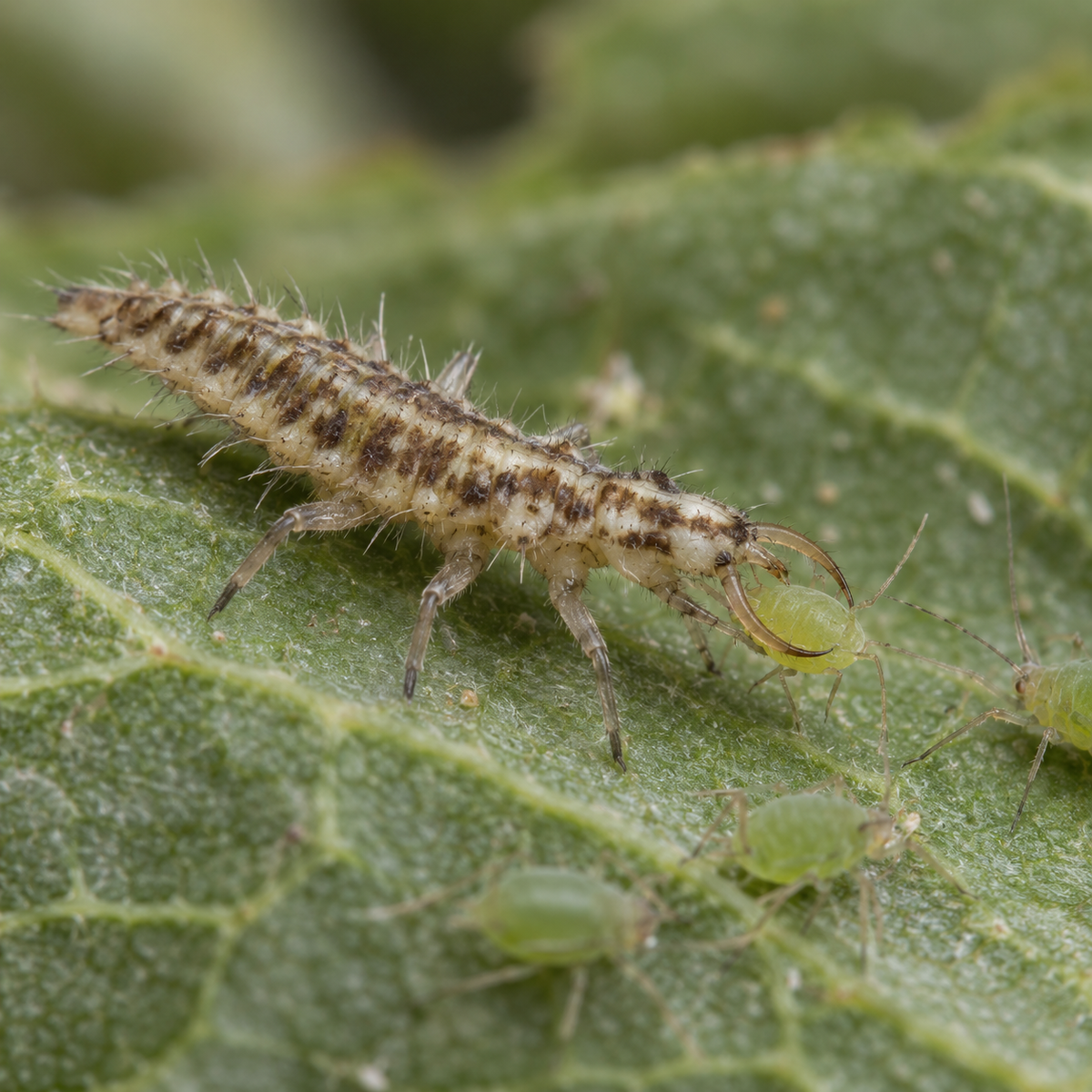
The adult green lacewing is a delicate pale insect that feeds on nectar and pollen and eats nothing you care about. The larva is the opposite: a small flattened predator with oversized curved jaws, known in the trade as the aphid lion, and it is one of the least fussy predators available.
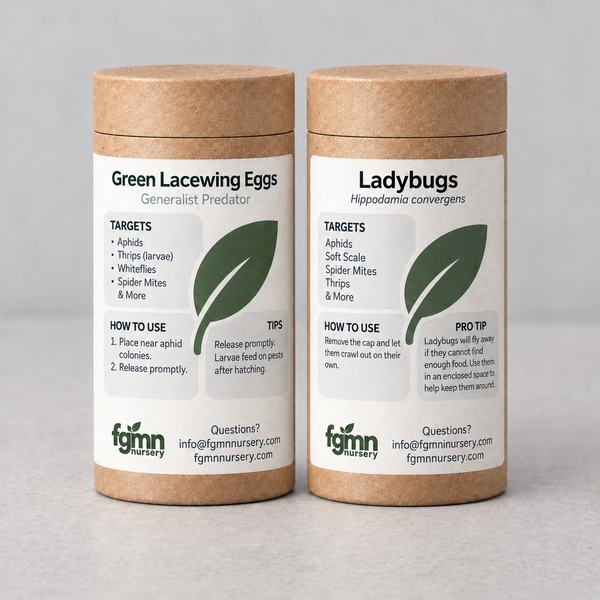
Lacewing larvae take aphids, thrips, whitefly nymphs, spider mites, mealybug crawlers, small caterpillars and insect eggs. If it's soft-bodied and slower than they are, it's food. That makes them the right call when you have several problems at once, or when you can't confidently name the one you have.
Eggs or larvae — they are not the same product
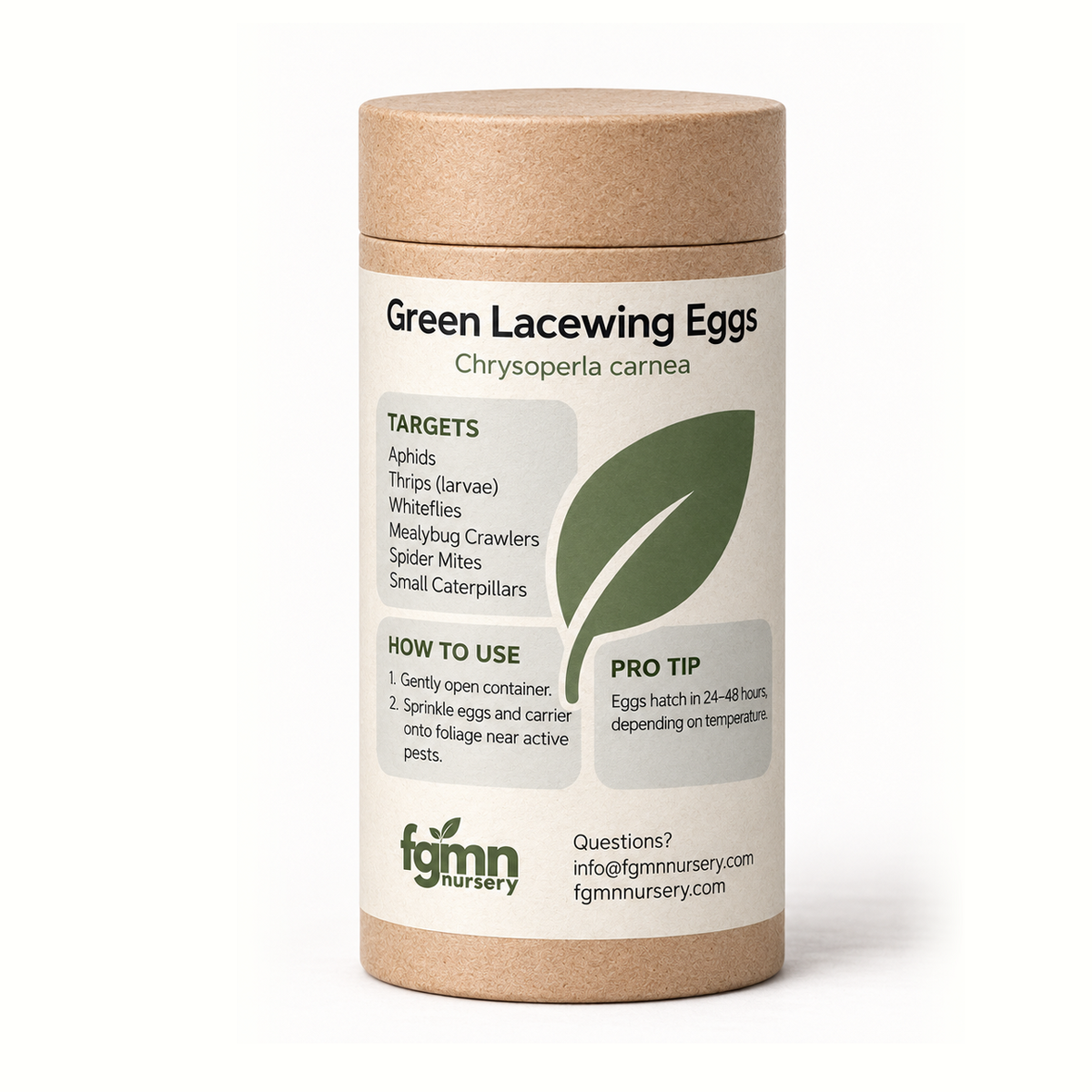
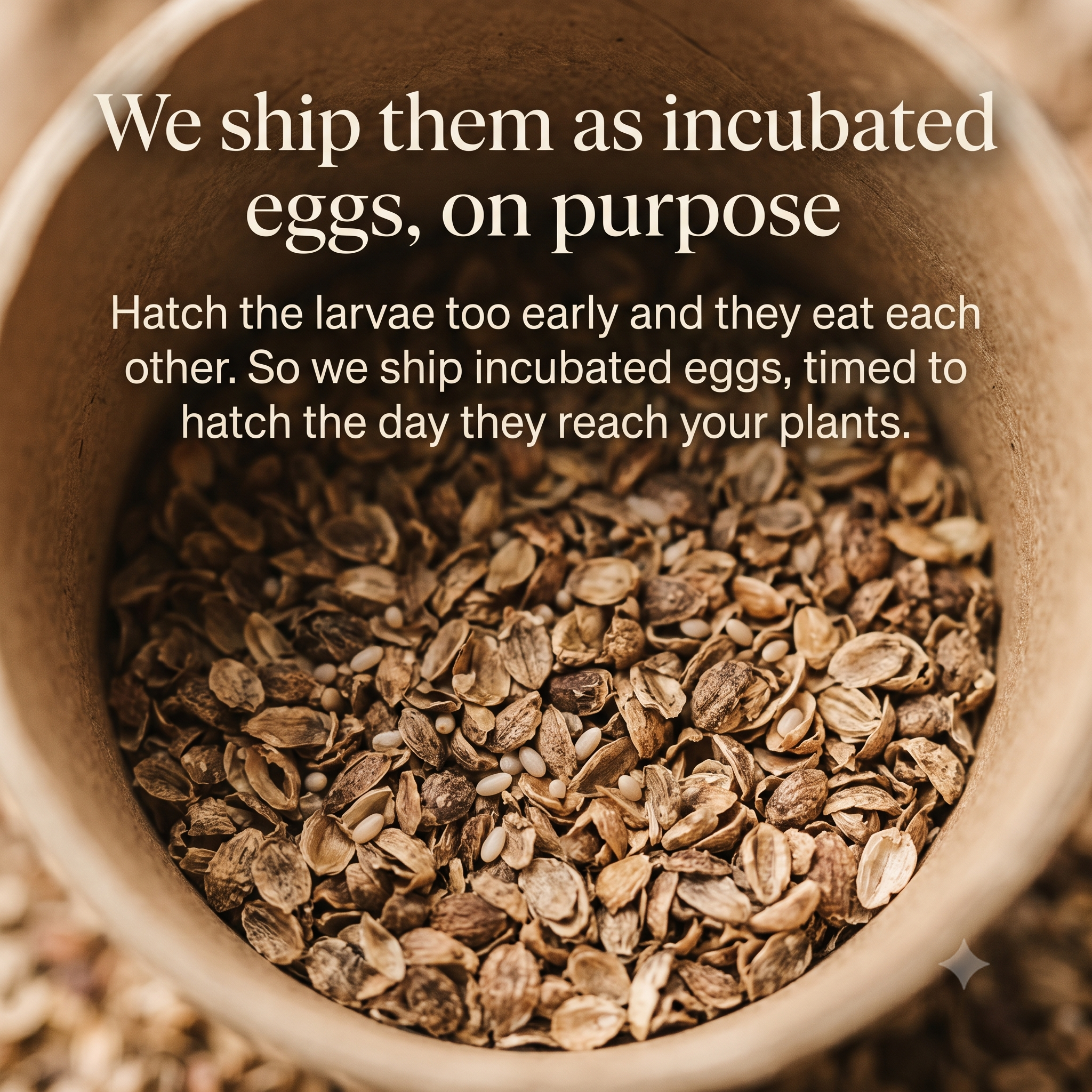
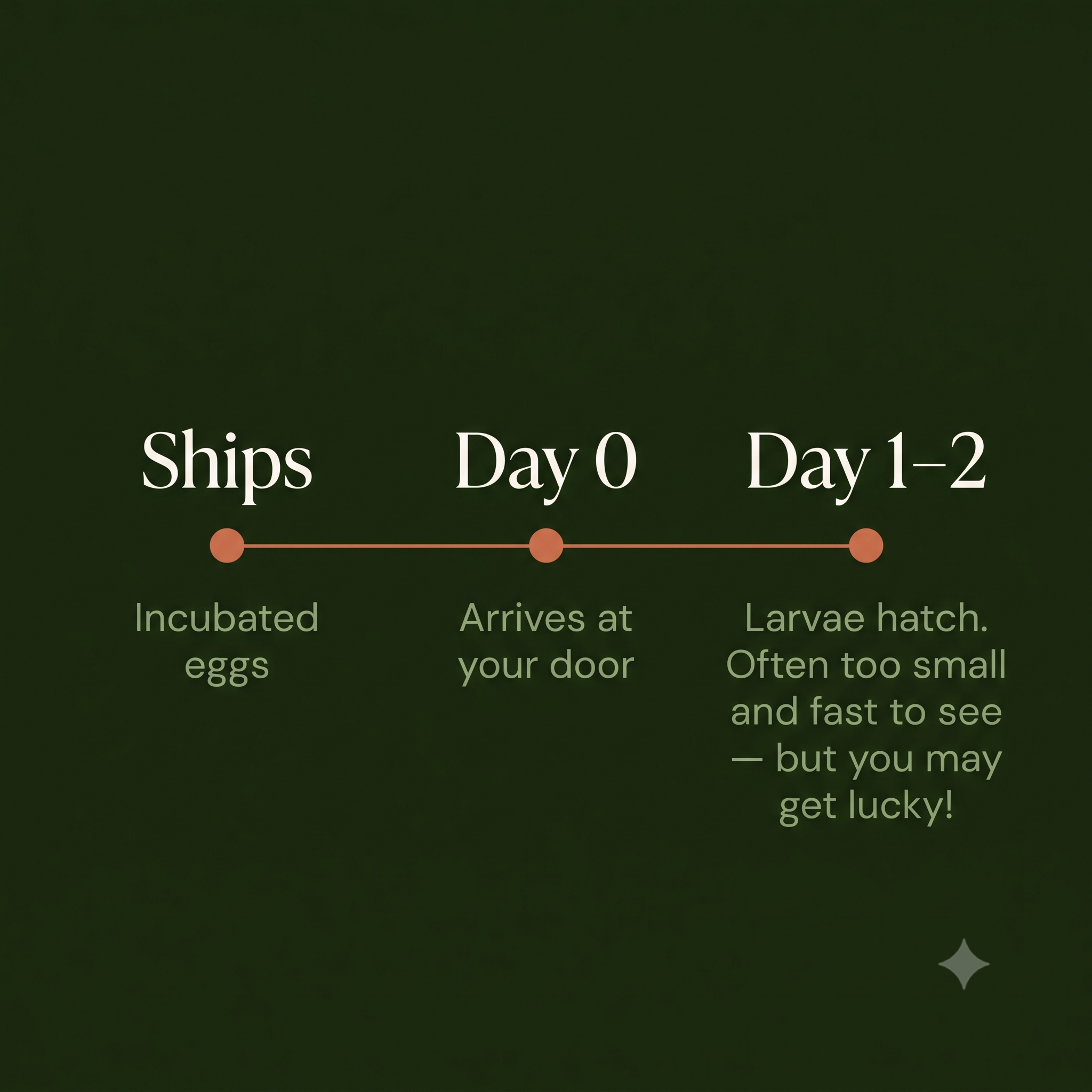
Green Lacewing Larvae are incubated eggs. They hatch roughly 24 to 48 hours after delivery, and cold transit can add a day or two. You release the contents onto the plant and hatching happens there.
Green Lacewing Eggs are regular, non-incubated eggs with a slower and more variable hatch window.
Both arrive as eggs and both produce the same one-millimetre translucent larva. The difference is timing, not species. Choose Larvae when you want them working this week; choose Eggs when you're seeding ahead.
What to expect
Newly hatched larvae are about a millimetre long and translucent — you will probably not see them, and that is normal. Judge the release by falling pest pressure over the following one to two weeks, not by whether you can spot a larva.
They're also cannibalistic when crowded and short on prey, so spread a release across plants rather than concentrating it on one. Full care guide here.