


Amblydromalus limonicus Slow-Release Prevention Sachets
Biological control is a programme, not a single release. A subscription puts the next one on its way before the last one runs out.
Skip a box, change how often it comes, or stop it — all from your account.
Heads up—this is just an estimate. We only ship when the bugs are happy and ready to travel (Mon–Thurs). If a colony needs a beat to peak, or we're propagating a fresh batch, your order might hold up to a week. Treatment bottles jump the line when you've got an active infestation.
Amblydromalus limonicus Slow-Release Prevention Sachets
At A Glance
Amblydromalus limonicus is an aggressive, generalist predatory mite that serves as a highly effective, heavy-duty alternative for pest control in greenhouses and indoor gardens. Because these mites are larger and more voracious than many other predatory species, they are exceptionally good at suppressing both Whiteflies and Thrips. Our Slow-Release Sachets act as mini-factories, breeding and releasing a steady stream of hunters onto your plants for weeks.
Field Notes
Amblydromalus limonicus
Sachets
The animal
What it eats
What arrives
Where it works
Running it
Target Pests
Environmental Needs
Selection Guide
How to Use
How They're Shipped
Hang them up, then wait.
How to deploy your sachets, and how to read the results over the next few weeks. Sachets are prevention — a slow-release nursery that ramps up over weeks, not a quick knockdown for an active outbreak.
-
01
Open the box right away
Bring the package indoors as soon as it arrives. Don't leave it on a hot porch, in a cold mailbox, or in direct sun. If you can't deploy immediately, set the sachets somewhere room-temperature (60–75°F) and out of direct light — they'll keep for a day or two.
-
02
Don't open the sachet
Each sachet is a self-contained breeding colony. The mites and their food source live inside; they emerge gradually through a small exit hole on the breathable face. Cutting the sachet open ends the slow release and dumps the colony all at once. Keep them sealed.
-
03
Hang or place near the plant
Hook each sachet on a sturdy branch, hang from a stake, or set near the base of the plant — out of direct sun and away from anywhere it'll get watered. Mites travel from the sachet onto the plant on their own. One sachet protects roughly 2–3 feet of canopy; see the product description for exact spacing.
-
04
Leave them alone for 4–6 weeks
Predator emergence ramps up over the first two weeks, peaks around weeks three to four, and tapers off through week six. You won't see the predators (they're smaller than a grain of salt), and an "empty-looking" sachet at week one means nothing. The real signal is what isn't happening — pests not establishing on protected plants.
Something not quite right?
Reach out to our entomologist by filing a report within 72 hours of delivery, with your order number and a photo. Candidly, without a photo the team can't approve a live beneficial claim.
Read the full Live Delivery Guarantee →The Weekly Newsletter
A weekly excuse to be weird about bugs at parties.
Weekly dispatches on the quietly alarming things happening in your soil. All of it real.
No spam. Leave whenever.
You're in
The first strange true thing arrives next week.
FAQ
What is your Live Delivery Guarantee?
We guarantee that your beneficial insects arrive healthy and ready to work. They're living things, so we pack for the season and ship expedited to give them the best trip we can.
If something looks wrong when the box opens, take a photo and file a report within 72 hours of delivery, with your order number. Photos matter: candidly, without them the team can't approve a live beneficial claim.
Why is Limonicus better for Thrips?
Can I get the sachets wet?
Will the mites stay on the plant?
Is it safe for my pets?
Can I use them with other beneficials?
When should I start using them?
Help! I'm overwhelmed
Yeah, it's a lot the first time you're using predatory mites. File a report and our bug pros will walk you through it!
I don’t see anything moving in my bottle or sachet. Does that mean they’re dead?
Not at all! In fact, go ahead and deploy them.
Predatory mites are microscopic (often less than 0.5mm) and naturally blend into their carrier medium (bran or vermiculite).
- For Bottles: The mites often huddle in the center of the bottle for insulation during transit.
- For Sachets: These are "slow-release" nurseries. The mites stay tucked deep inside the breeding media and emerge one by one over 2–4 weeks. Seeing an "empty-looking" sachet or bottle is not proof of a loss; it is simply how they are packaged for maximum survival.
Mite Matters
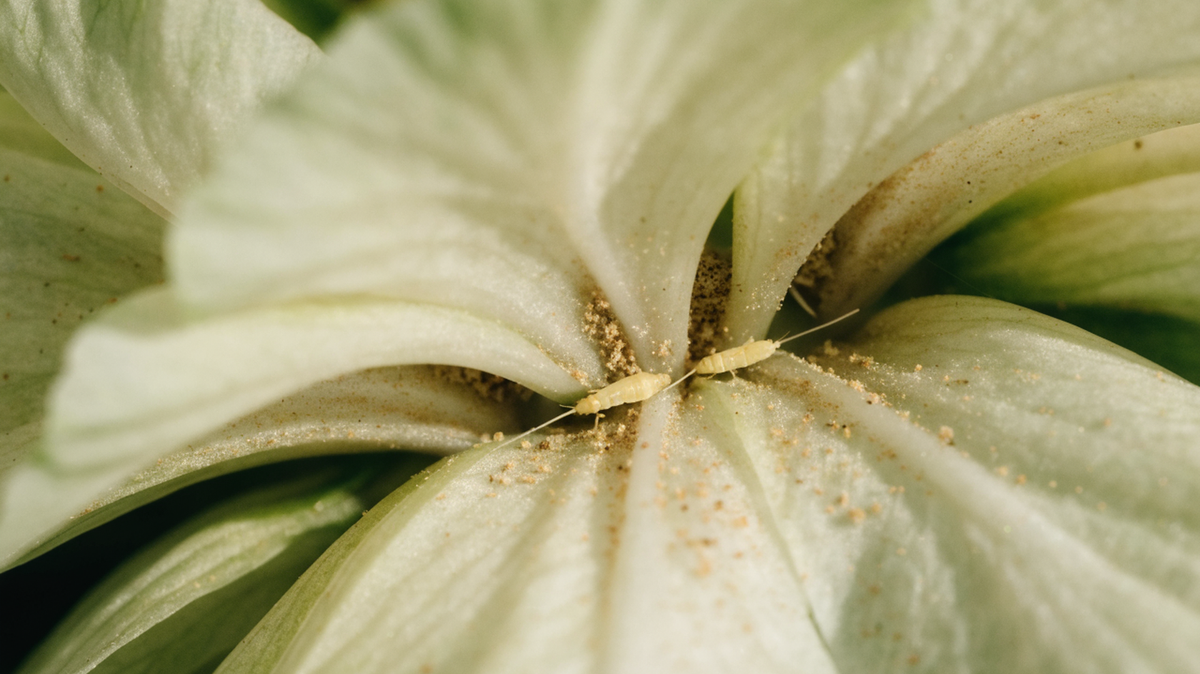
Thrips Have Six Stages. Cucumeris Reaches One.
A thrips passes through six life stages and cucumeris can kill one of them. Second instars do not just survive the attack — they fight it off, and they destroy the predator's eggs on the way past. That single fact explains the lag, the reservoir, and most of the disappointment.
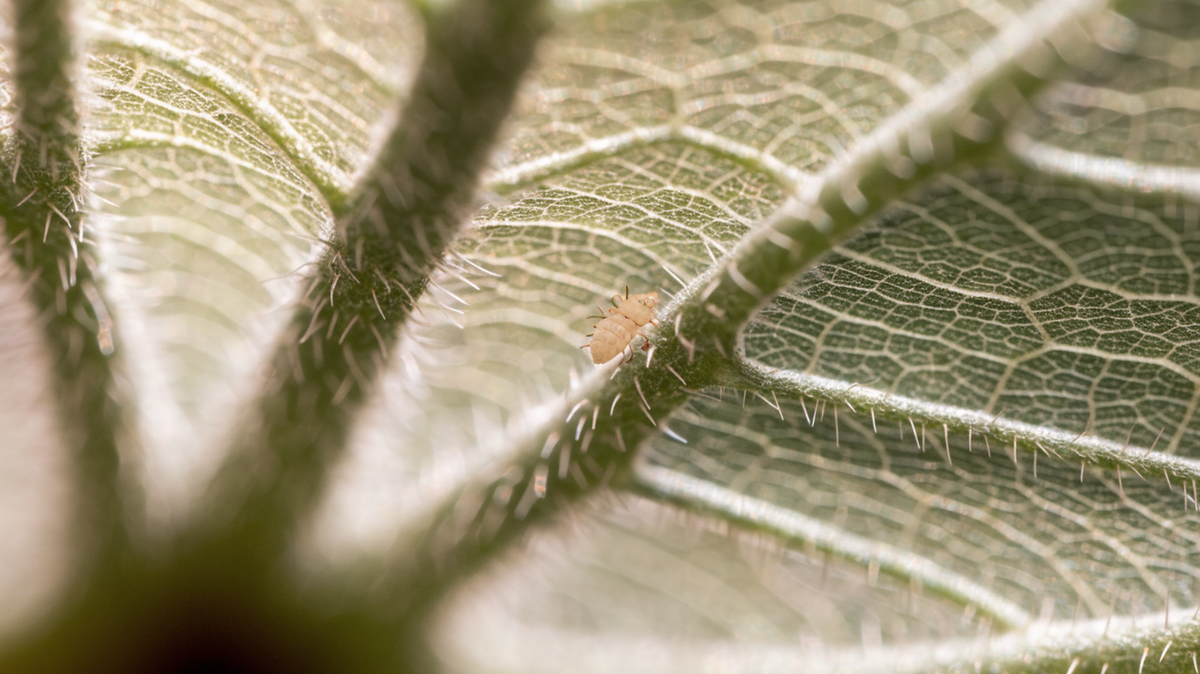
Four Predatory Mites, Compared. Two of the Columns Are Guesses.
Every supplier prints the same four-column comparison table. We went and read the papers behind each cell. One column rests on unpublished company data, one species has never been trialled against thrips at all, and the humidity row is backwards. Here is that table with the guesses marked.
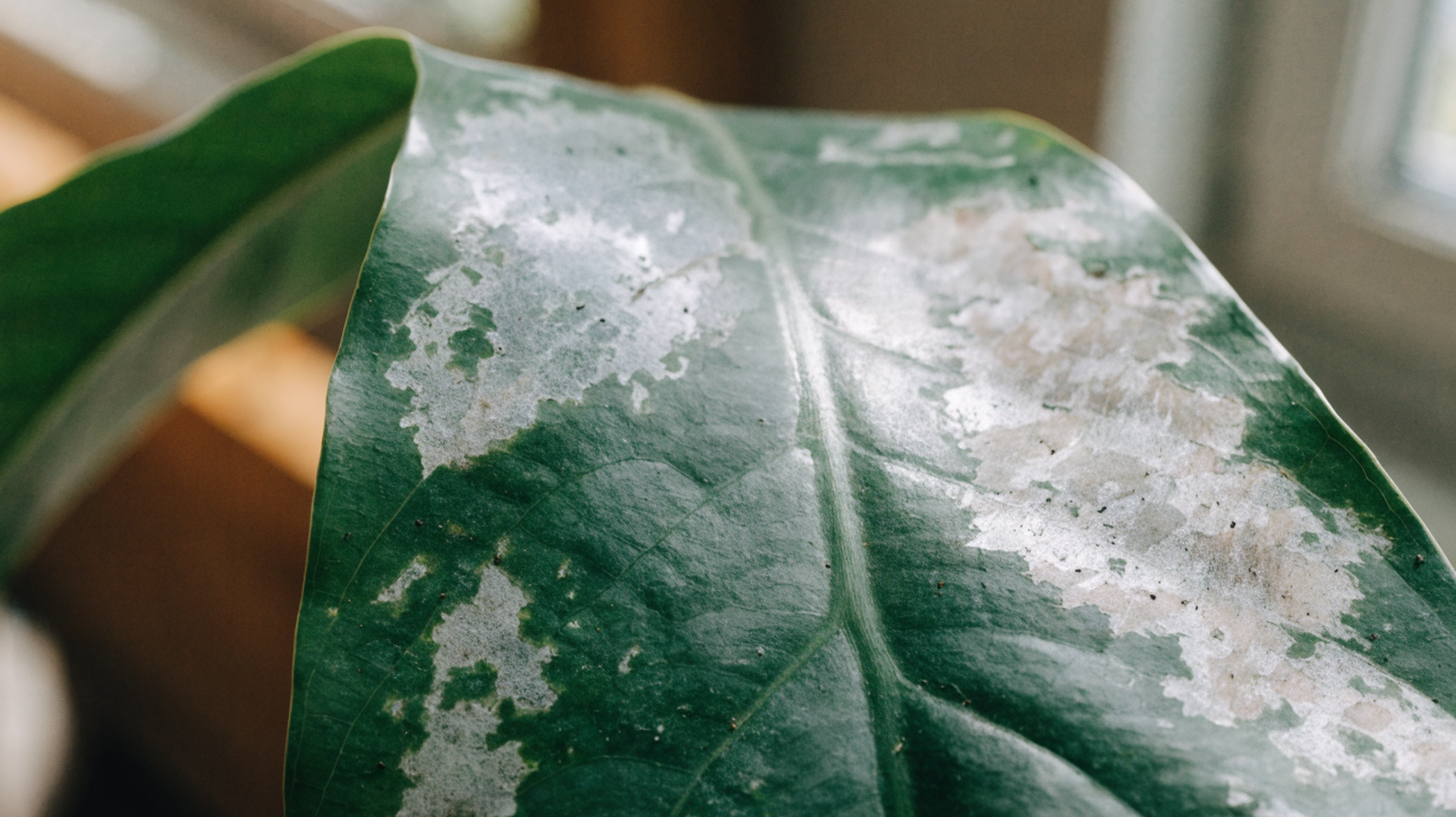
Your Cucumeris Are Alive. Your Thrips Are Winning.
Your mites are alive. Your thrips are also alive. That combination has twelve documented causes, and what the mites are doing — where they are, what they are sitting next to — narrows it to one or two in about five minutes.