


Sizing guide
How our sizes work
Sizes are set by how many plants you are treating — not by how much material is in the container.
Every size on every product page names its own coverage right there in the dropdown, so you never have to come here to find a number. Medium — Up to 25 Plants (2,500 Mites) tells you the tier and the count in one line. This page is for the part the dropdown cannot tell you: how to pick between two of them.
These are rough middles. The ladder runs smallest to largest within each product, so a Medium of one species covers more ground than a Medium of another — a nematode drench and a beetle release are not the same job. The count on the size you are looking at is always the real answer.
Pest pressure moves you up the ladder
Plant count is only half the sum. The other half is how much pest is already there. A closed tent holding fifteen plants with thrips on every growing tip needs a larger release than a bright room holding forty plants with a few gnats — the population you are outnumbering is bigger, and the enclosed space lets it rebound faster.
Coverage figures assume a typical active infestation. Adjust from there:
Under heavy pressure, two releases beat one large one. Take the larger size and plan a second release 7–14 days later, which catches the eggs that had not yet hatched the first time.
A few things work differently
A few products read in square feet rather than plants, because that is how they are applied — the outdoor and area-scale releases. Those are Sc and Hb nematodes, and the aphid specialists Ervi, Matricariae, and Aphidoletes. Same ladder, different unit.
Sf nematodes and Triple Blend size by plants and pots, like everything else. They are soil drenches for potted plants, so count your pots rather than your floor.
Slow-release sachets have no size. They are sold by the sachet, and you place one per plant or one per few plants depending on pressure. Sachets are a prevention tool — they hold a population in place before a problem starts. If something is already established, a bottle is the correct answer.
Sizing up is cheaper than sizing twice. Predators need enough prey to establish and enough of themselves to find it. Underdosing is the most common reason a release underperforms, and it usually costs more in the end than the larger size would have. When you are between two sizes, take the larger one.
Still not sure? Tell us what you are growing and what you are seeing, and we will size it for you.
Trichoderma Harzianum
At A Glance
Trichoderma harzianum Rifai strain T-22 is not just a soil additive; it is a high-performance biological fungicide and root enhancer. While predatory mites guard your leaves, T-22 guards your root zone. This specific strain was hybridized to thrive across the widest possible range of soil types and temperatures, creating a living "shield" around plant roots that blocks pathogens and unlocks trapped nutrients.
Field Notes
Trichoderma T-22
The animal
What it eats
What arrives
Where it works
Running it
Target Pathogens
Environmental Needs
Selection Guide
How to Use
How They're Shipped



The Weekly Newsletter
A weekly excuse to be weird about bugs at parties.
Weekly dispatches on the quietly alarming things happening in your soil. All of it real.
No spam. Leave whenever.
You're in
The first strange true thing arrives next week.
FAQ
What is your Live Delivery Guarantee?
We guarantee that our Trichoderma T-22 arrives with a 100% viable spore count. Because you cannot see these organisms with the naked eye, our guarantee for this product is handled differently than our predatory mite or nematode guarantees.
- Viability Guarantee: We ensure that the product has been stored in climate-controlled conditions and shipped in UV-protected packaging to maintain peak potency. We guarantee the spores are "active" and ready to colonize your roots the moment they are hydrated.
- The "Proof of Life" Period: Unlike mites (which you check on day one), the proof of Trichoderma is seen in the plant's response. We offer a 21-day viability window. If you apply the product as directed and do not see an improvement in root health (whiter roots, increased root mass) or plant vigor within three weeks, contact us.
- Shipping Protection: If your package arrives punctured, wet, or has been exposed to extreme heat (left in a mailbox over 100°F) and the powder is clumped or discolored, take a photo and file a report within 72 hours of delivery, with your order number. We will replace the product to ensure you are starting with a healthy colony.
Is T-22 a fertilizer?
Can I use T-22 if I already have Root Rot?
How often should I apply it?
Will it harm my Beneficial Nematodes or Soil Mites?
I see white fuzz on my soil after using T-22. Is that bad?
How does T-22 help with acclimating Tissue Culture (TC) plantlets?
Help! I'm overwhelmed
Yeah, it's a lot the first time. File a report and our bug pros will walk you through it!
Good product, fast delivery! Thank you!
Hard to measure out how much you need, but otherwise, ive really enjoied everything ive purchased from this shop.
After reading many articles, I decided to order Trichoderma. I used it according to the instructions, and so far my plants are in very good condition. I reduced fertilizing because after applying it, the plants do not show any nutrient deficiencies. I think it was a good decision because at this time last year my plants were already getting sick. The ordering process itself was trouble-free, and I waited about a week for the delivery, but it was worth it.
This is magical. I love it
Ordering and delivery were flawless. Instructions for use and storage were good and helpful
It’sgood
It's my first time using Trichoderma solution as a bio-fungal agent to prevent damping off. This stuff is great. I've already had success using it as a pre-soak and soil drench to germinate adeniums, aloes, and boswellia, and I've also drenched the soil of my other native plant starts. I've had zero issues with mold growth or damping off so far.
I love it! Good product! Thank you!
Does this help with black rot on grape vines
Hi!
Unfortunately, no. That’s more of a foliar disease.
Too Many Options?
We get it. Try our mite/insect matchmaking quiz and instantly get matched to the solutions you may need.
Mite Matters
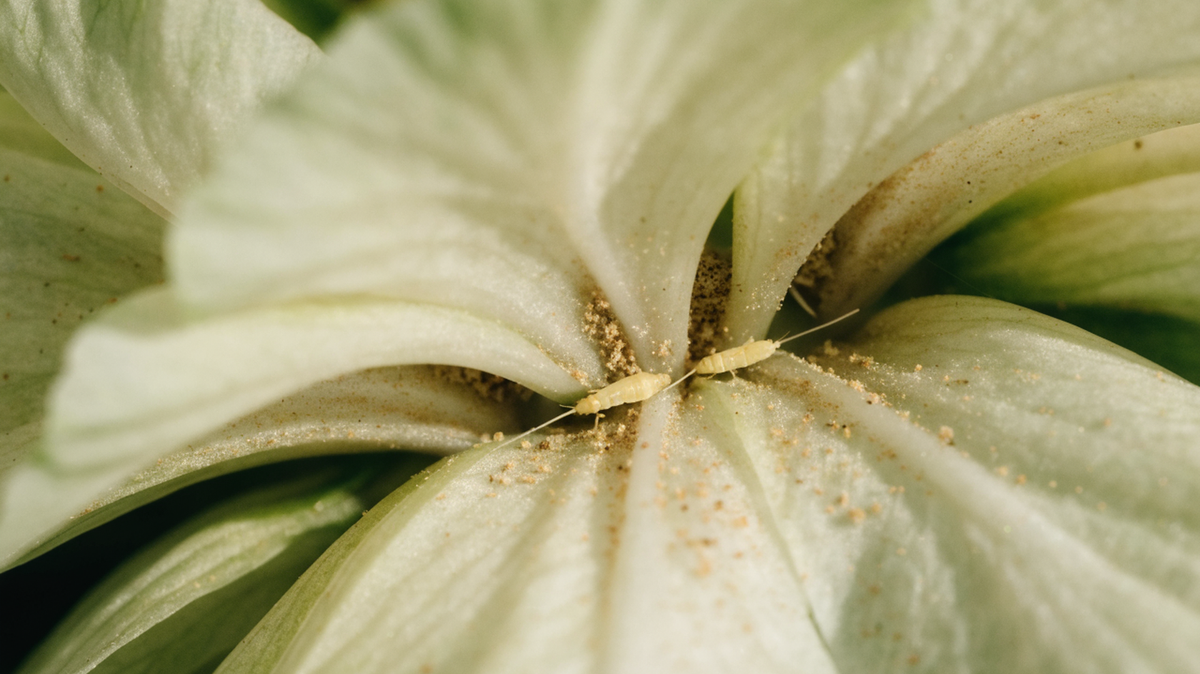
Thrips Have Six Stages. Cucumeris Reaches One.
A thrips passes through six life stages and cucumeris can kill one of them. Second instars do not just survive the attack — they fight it off, and they destroy the predator's eggs on the way past. That single fact explains the lag, the reservoir, and most of the disappointment.
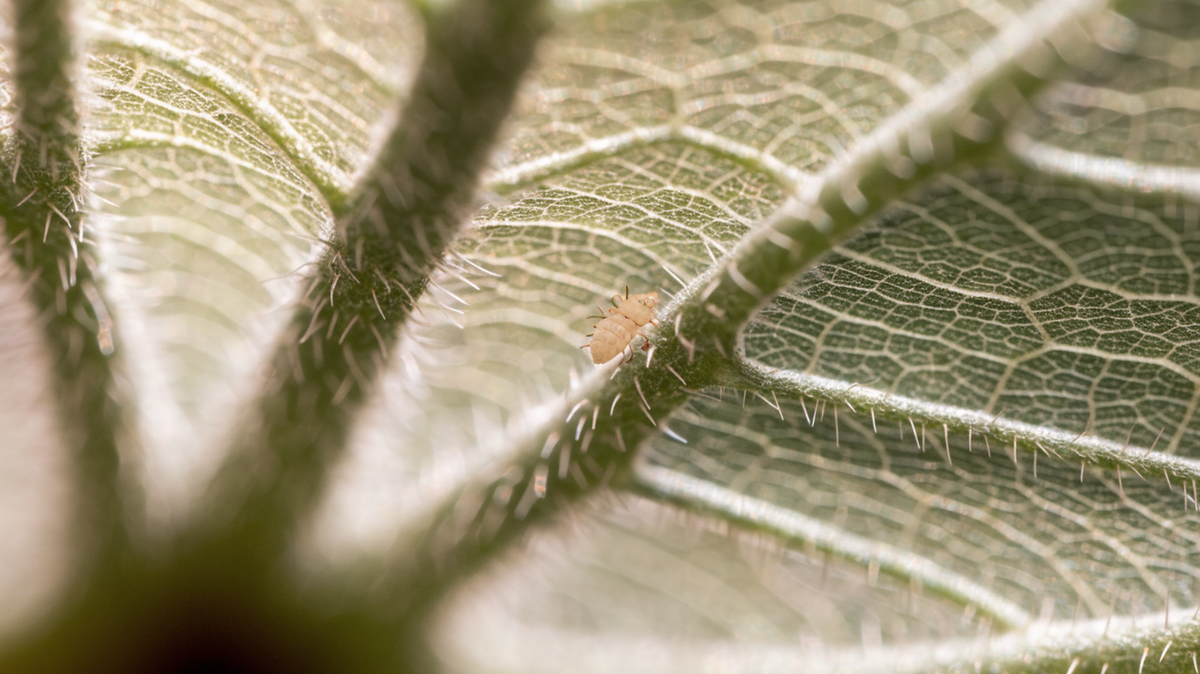
Four Predatory Mites, Compared. Two of the Columns Are Guesses.
Every supplier prints the same four-column comparison table. We went and read the papers behind each cell. One column rests on unpublished company data, one species has never been trialled against thrips at all, and the humidity row is backwards. Here is that table with the guesses marked.
Your Cucumeris Are Alive. Your Thrips Are Winning.
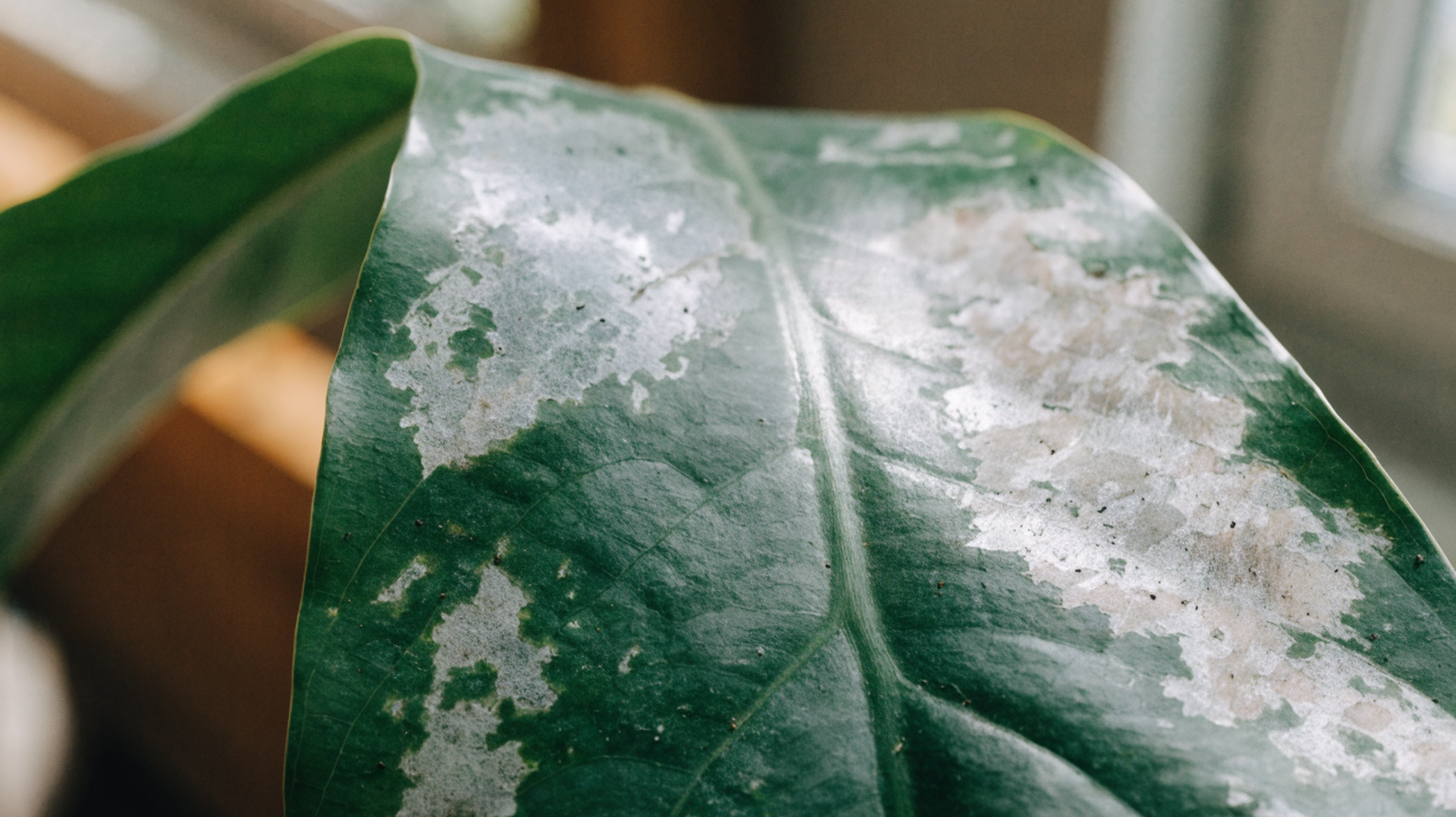
Your mites are alive. Your thrips are also alive. That combination has twelve documented causes, and what the mites are doing — where they are, what they are sitting next to — narrows it to one or two in about five minutes.