



Field Notes
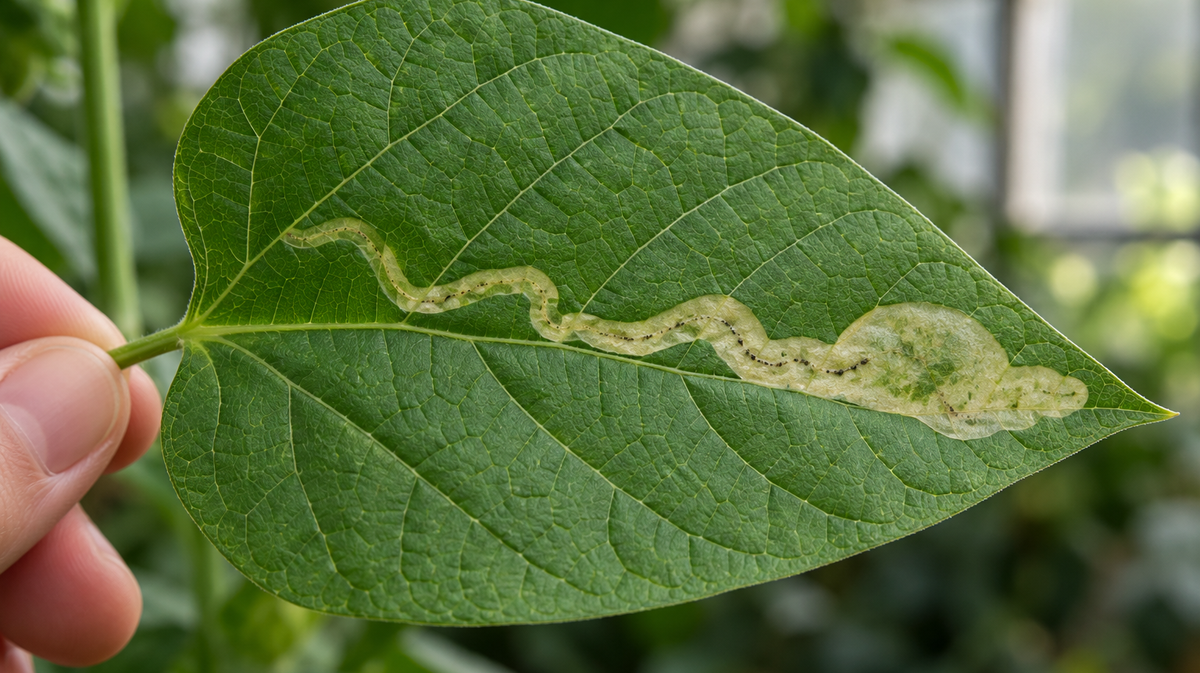
Leafminers Leave Receipts
Read the tunnel, find its occupant, and decide how much the damage matters to the plant.
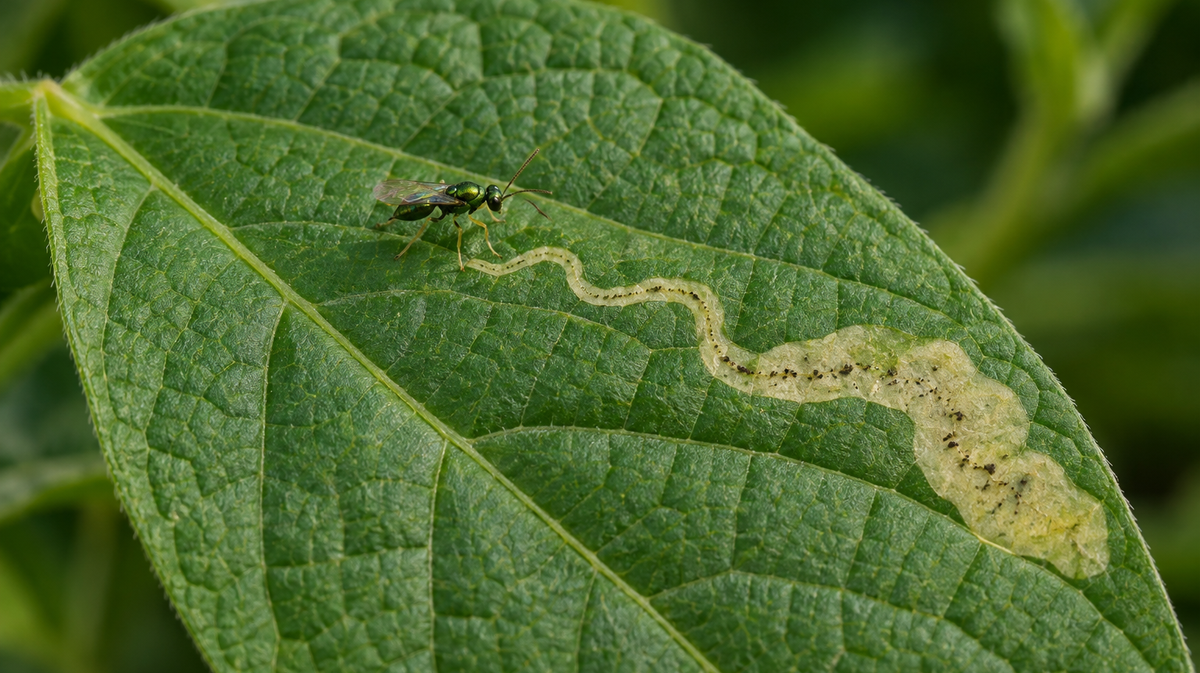
Diglyphus Finds the Tenant
A tiny wasp can reach a leafminer hiding inside a leaf. Follow how it finds the pest, attacks it, and raises its young beside their food.
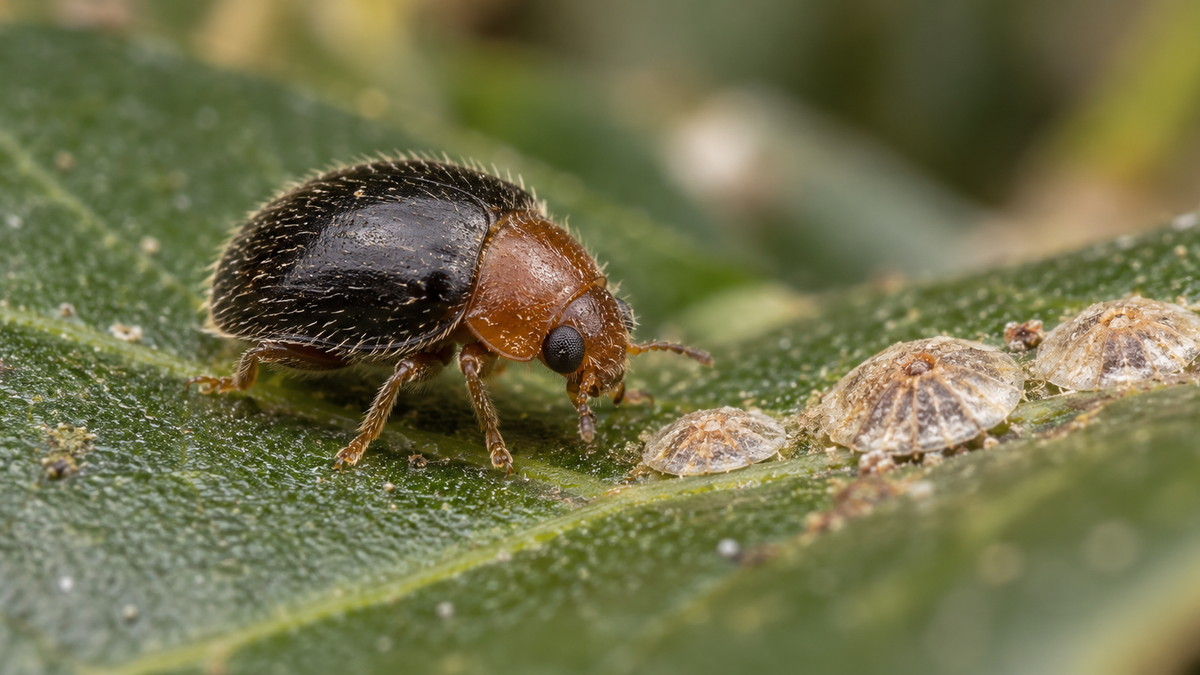
Reading the Scale After Release
Judge Rhyzobius releases by living scale, new settlement, and access to colonies—not by old covers alone.
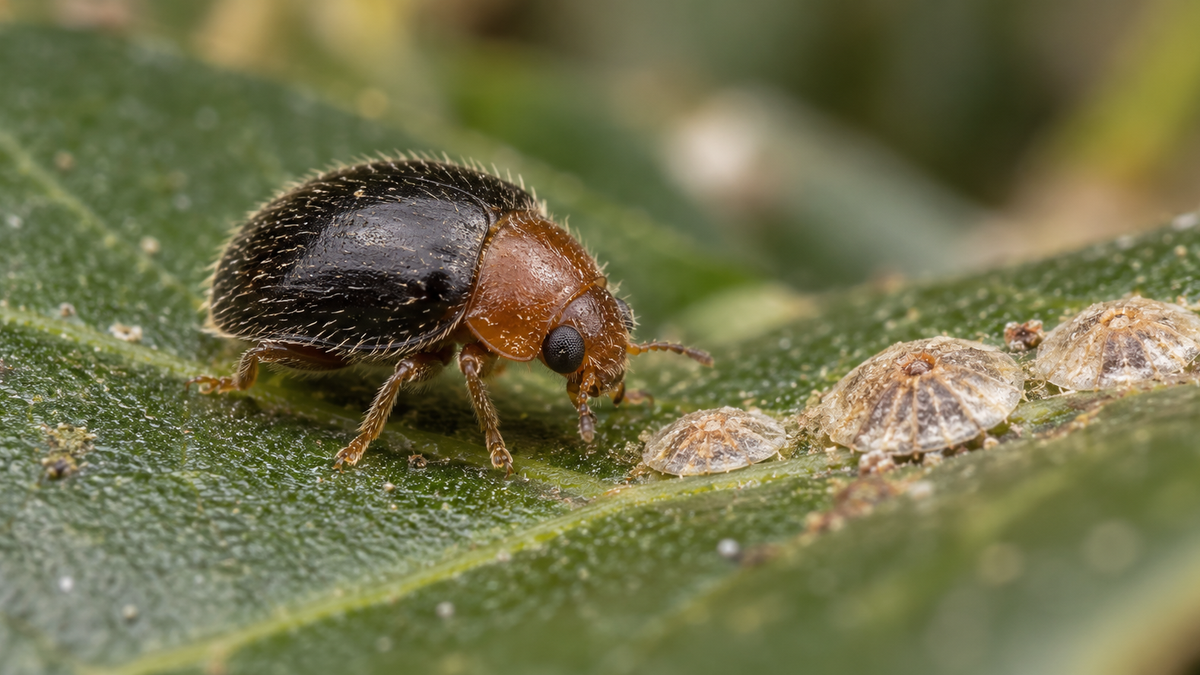
Put Rhyzobius Where Dinner Is
A practical guide to arrival, release placement, repeat decisions, and checking spray history before releasing Rhyzobius.
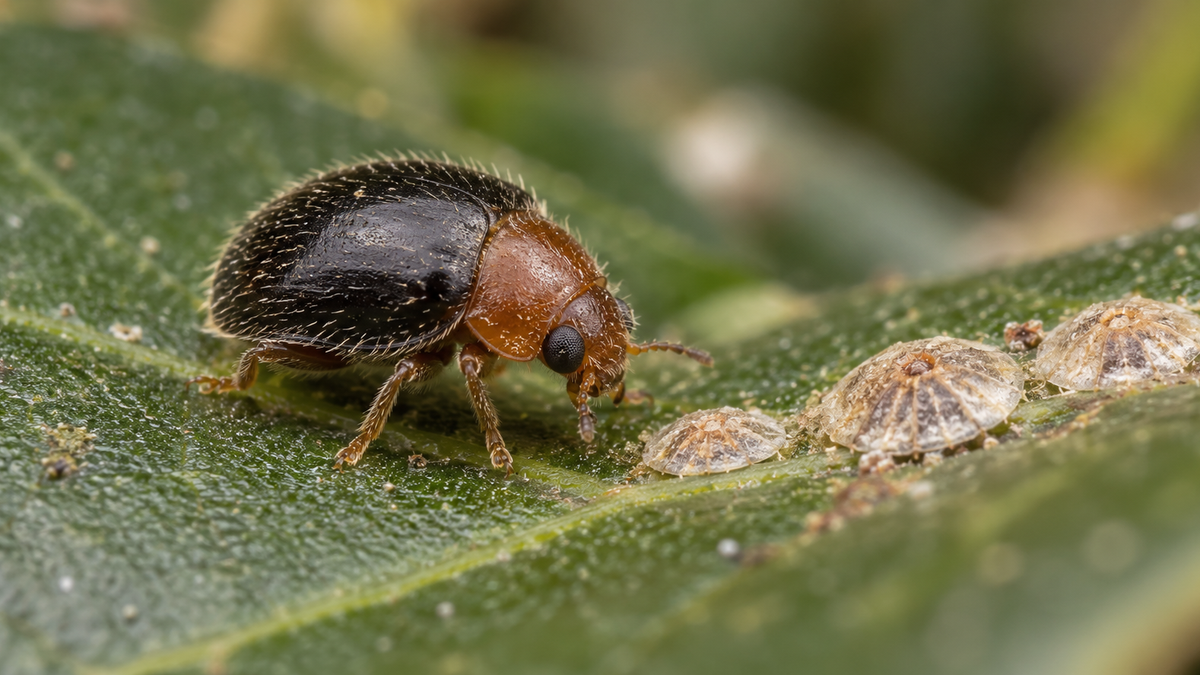
Which Beetle Belongs on Your Plant?
Compare Rhyzobius and Cryptolaemus by their prey, adult appearance, and very different larvae.
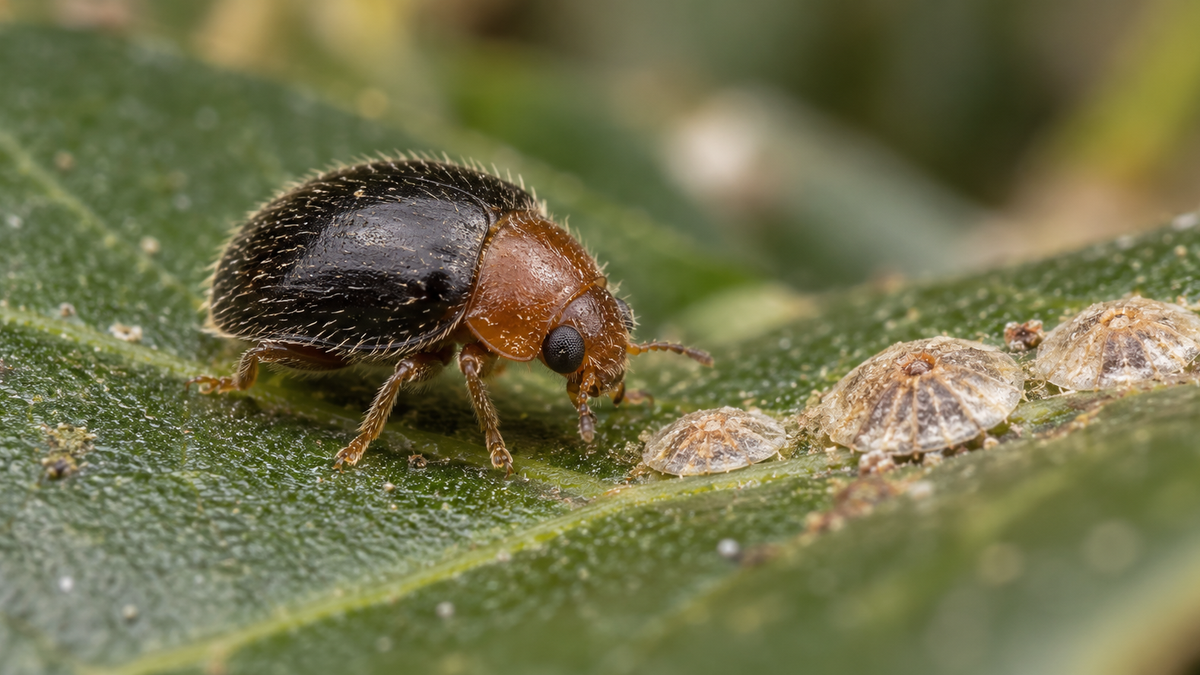
There’s Someone Under That Bump
Separate armored scale from soft scale and plant tissue, then learn where crawlers fit into the infestation.
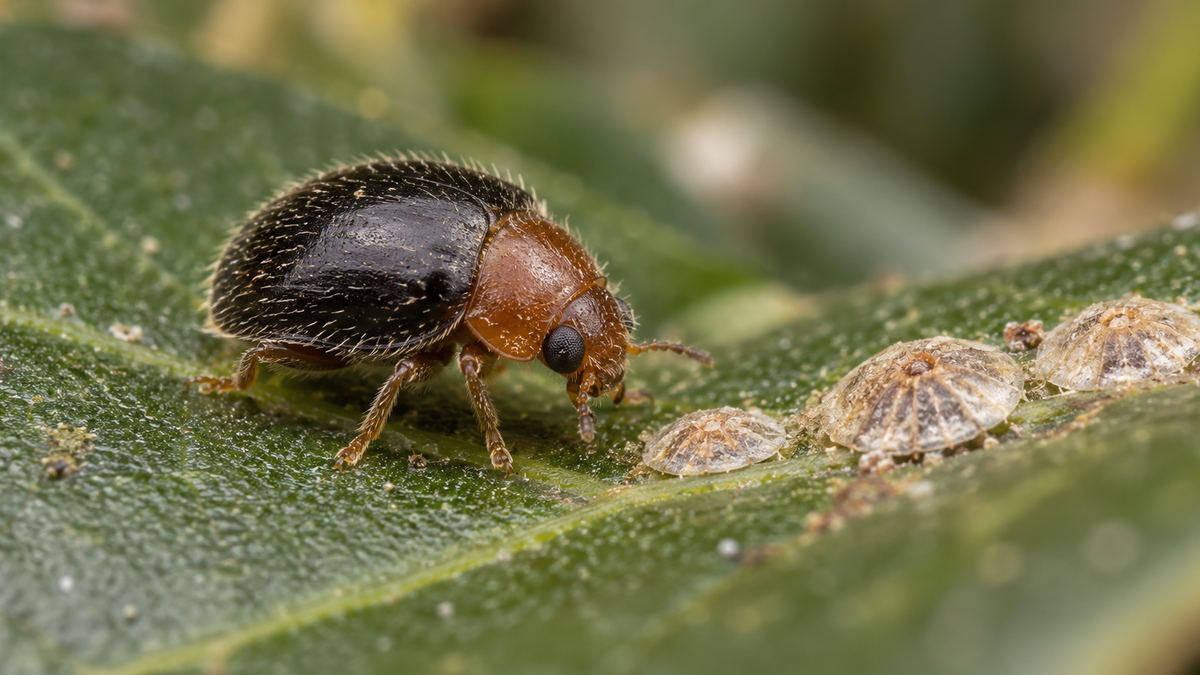
Rhyzobius Comes for the Scale
Learn how this small lady beetle finds armored scale, reaches beneath its covers, and raises another generation on the plant.
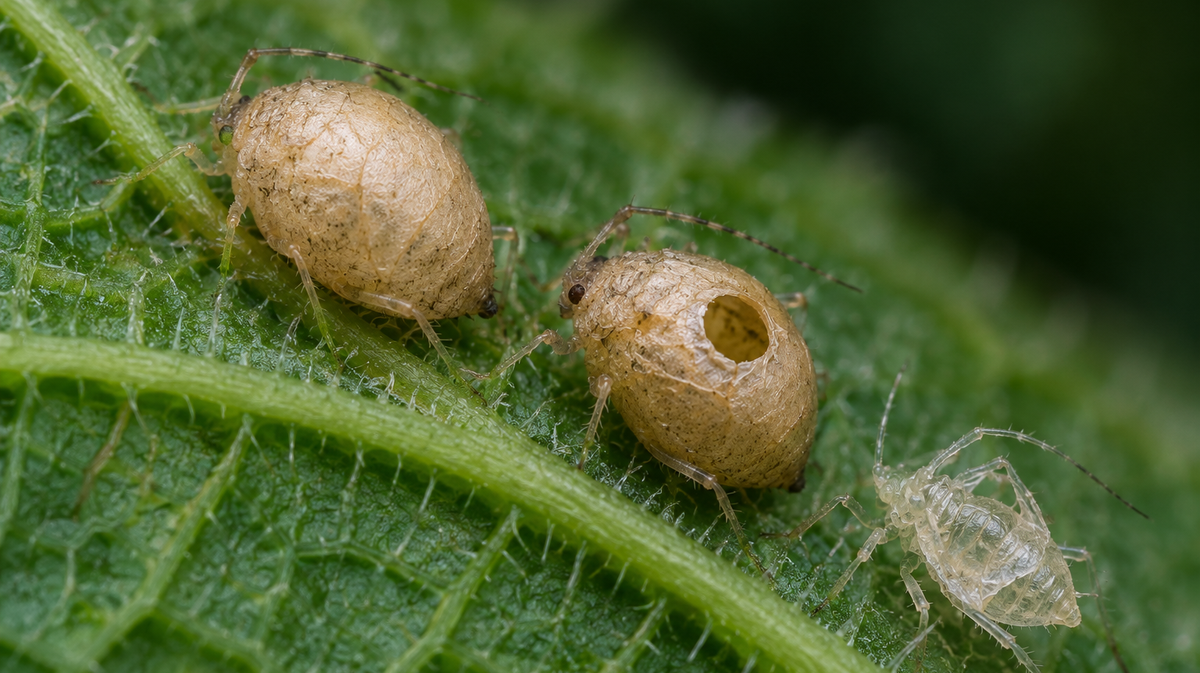
That Aphid Has a Tenant
Some of the aphids have turned into little tan balloons. They are stuck to the leaf, they do not move, and they look considerably tidier than the rest of.
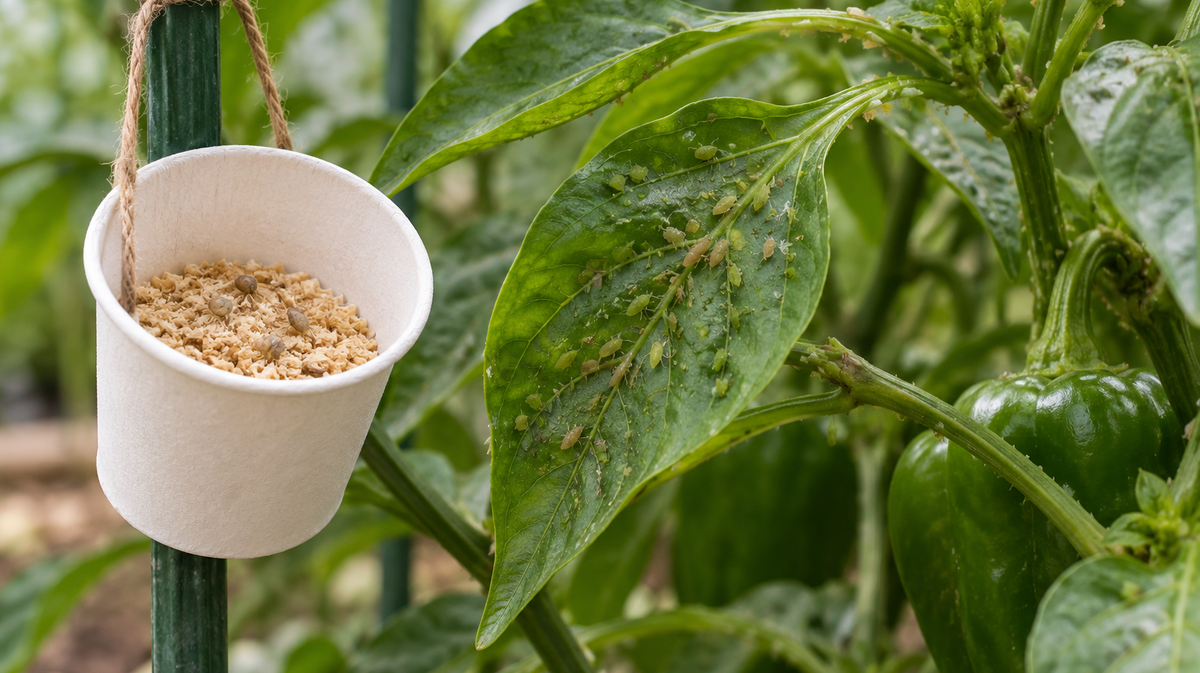
Give the Aphid Wasps a Way Out
A container of aphid wasps may contain very few visible wasps. Much of the shipment can be mummified aphids, with the adults still developing inside. This.
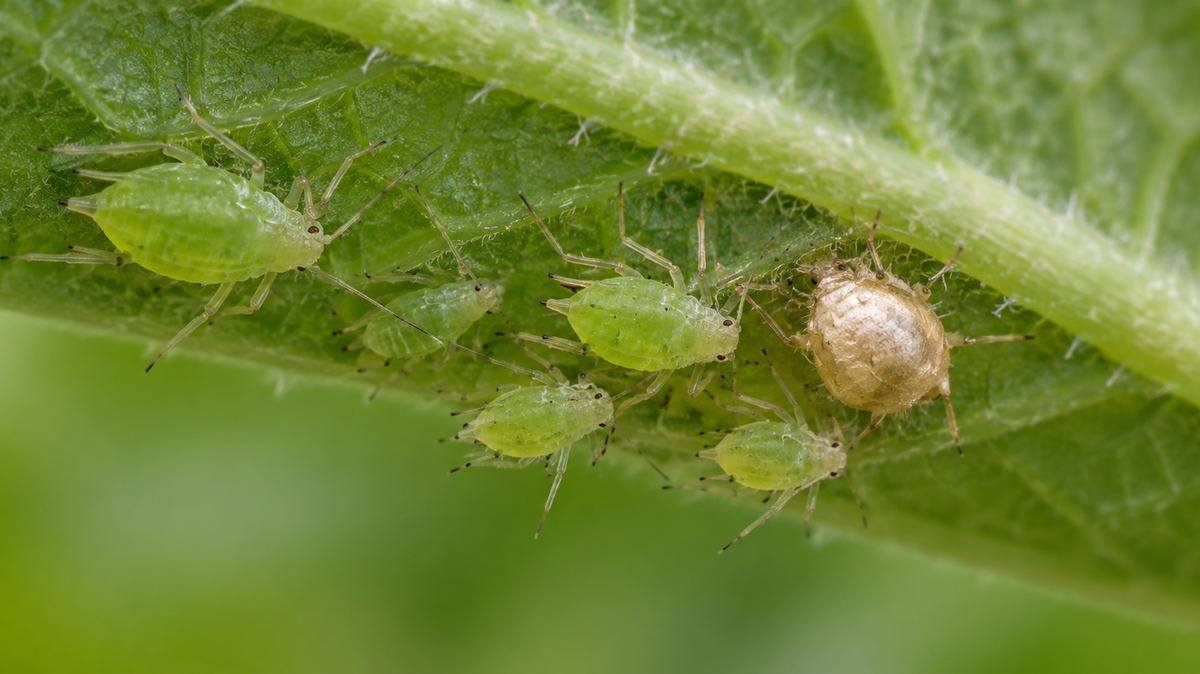
Matricariae Has a Type
When two tiny wasps both appear on a list of aphid controls, it is tempting to assume one is the upgraded version of the other. Aphidius matricariae is.
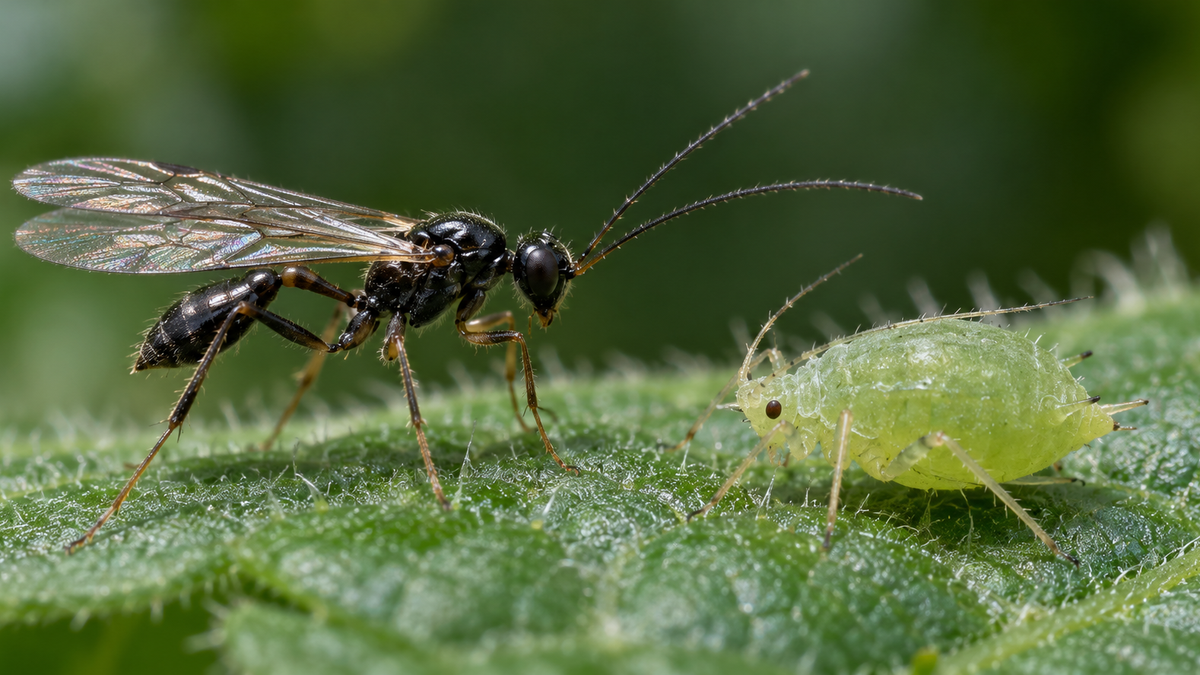
Ervi Follows the Plant's Lead
An aphid-infested plant may look as though it is sitting there accepting its fate. Chemically, it can be considerably less polite. Feeding can change the.
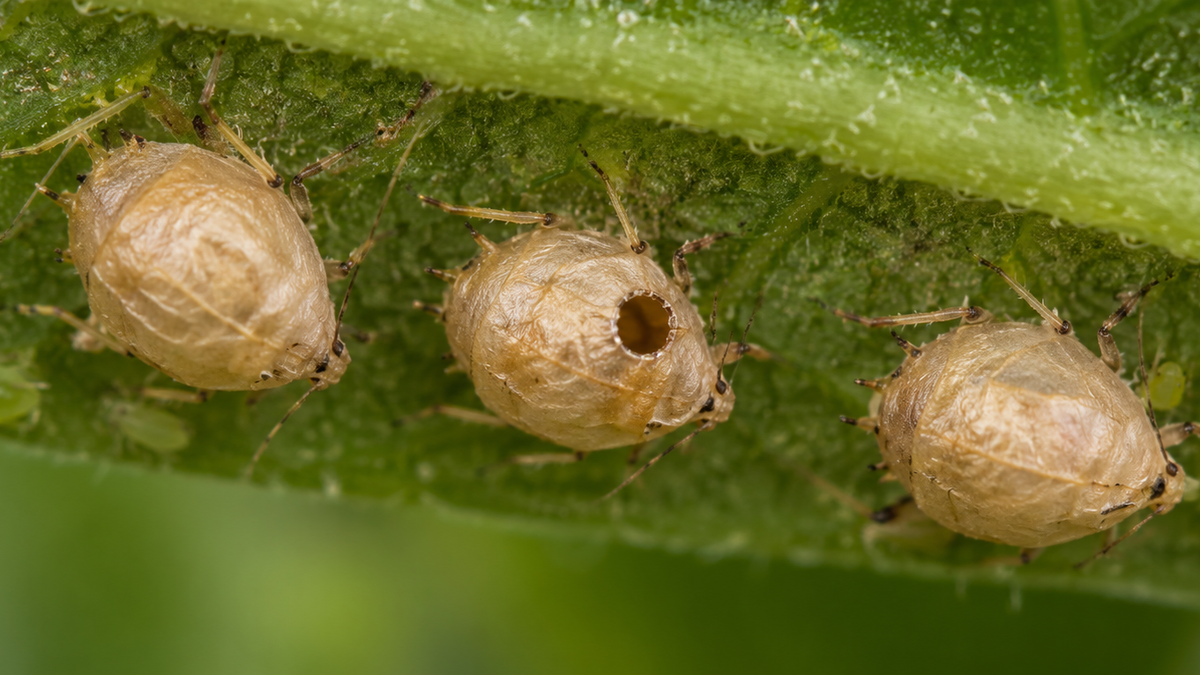
Colemani Makes More Wasps
A ladybug eats an aphid. Aphidius colemani puts an egg inside one and uses it to make another wasp. Both are unpleasant developments for the aphid. For.