



Field Notes
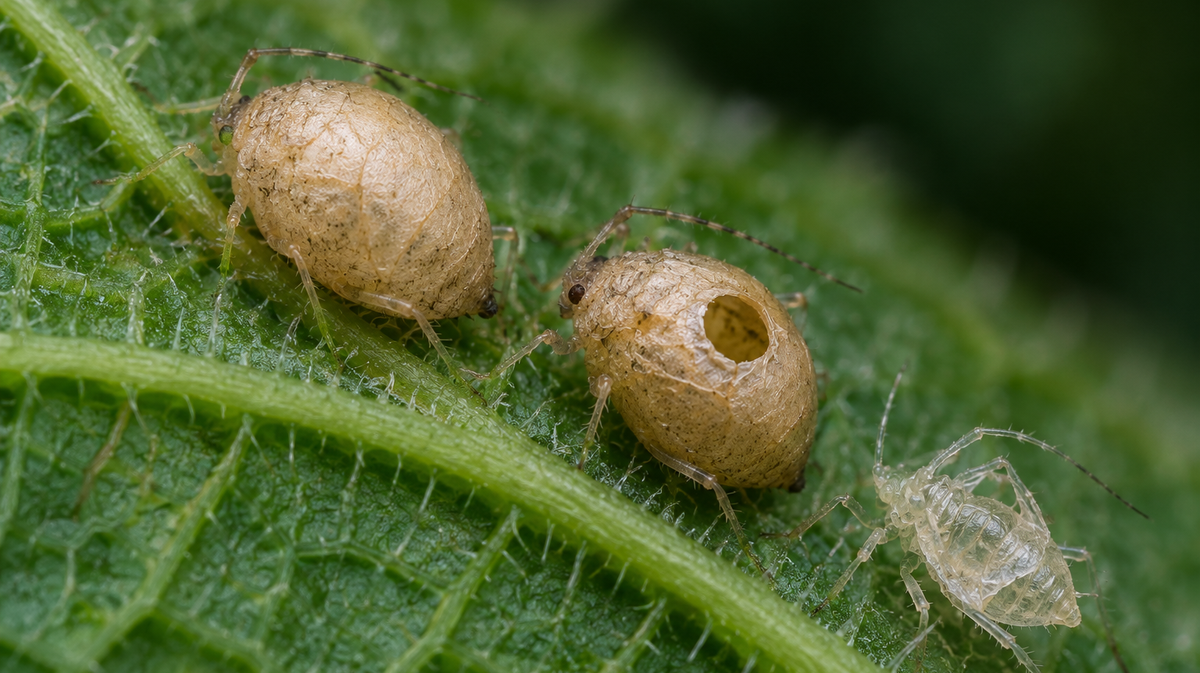
That Aphid Has a Tenant
Some of the aphids have turned into little tan balloons. They are stuck to the leaf, they do not move, and they look considerably tidier than the rest of.
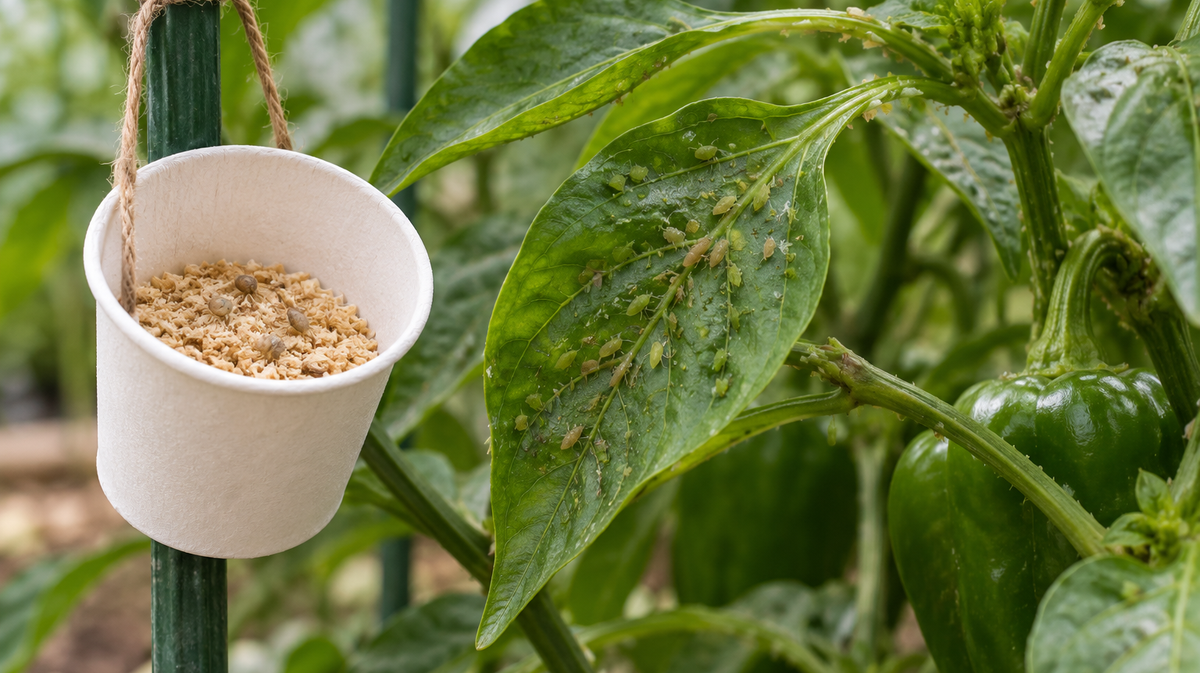
Give the Aphid Wasps a Way Out
A container of aphid wasps may contain very few visible wasps. Much of the shipment can be mummified aphids, with the adults still developing inside. This.
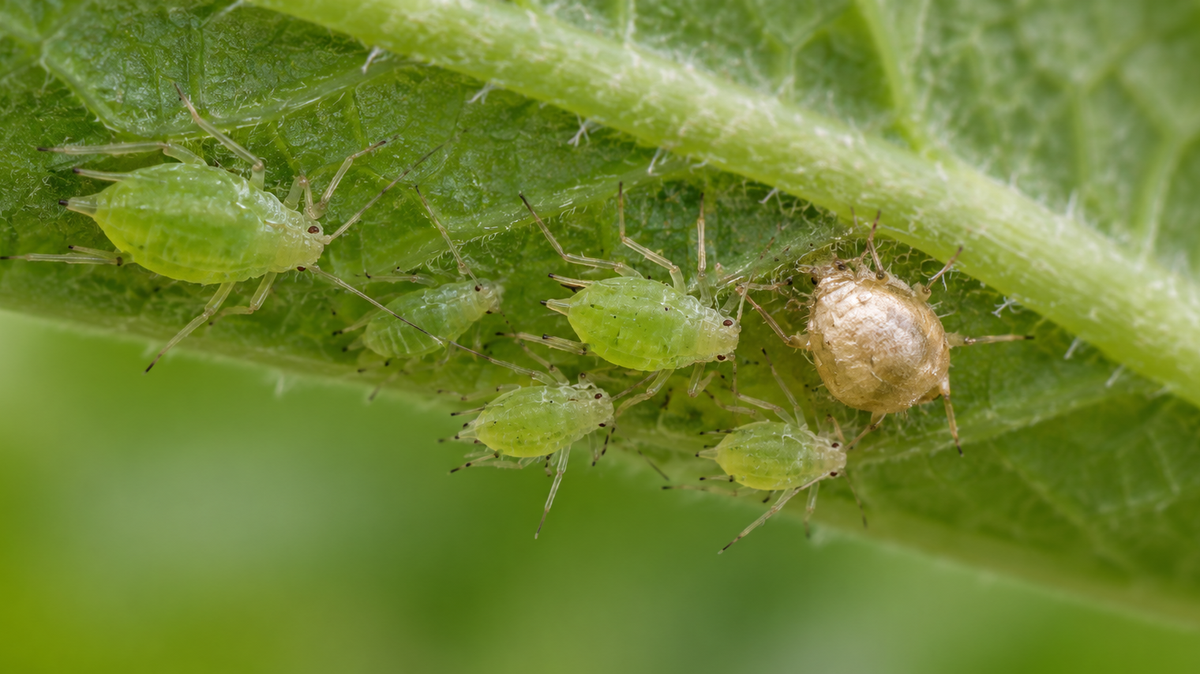
Matricariae Has a Type
When two tiny wasps both appear on a list of aphid controls, it is tempting to assume one is the upgraded version of the other. Aphidius matricariae is.
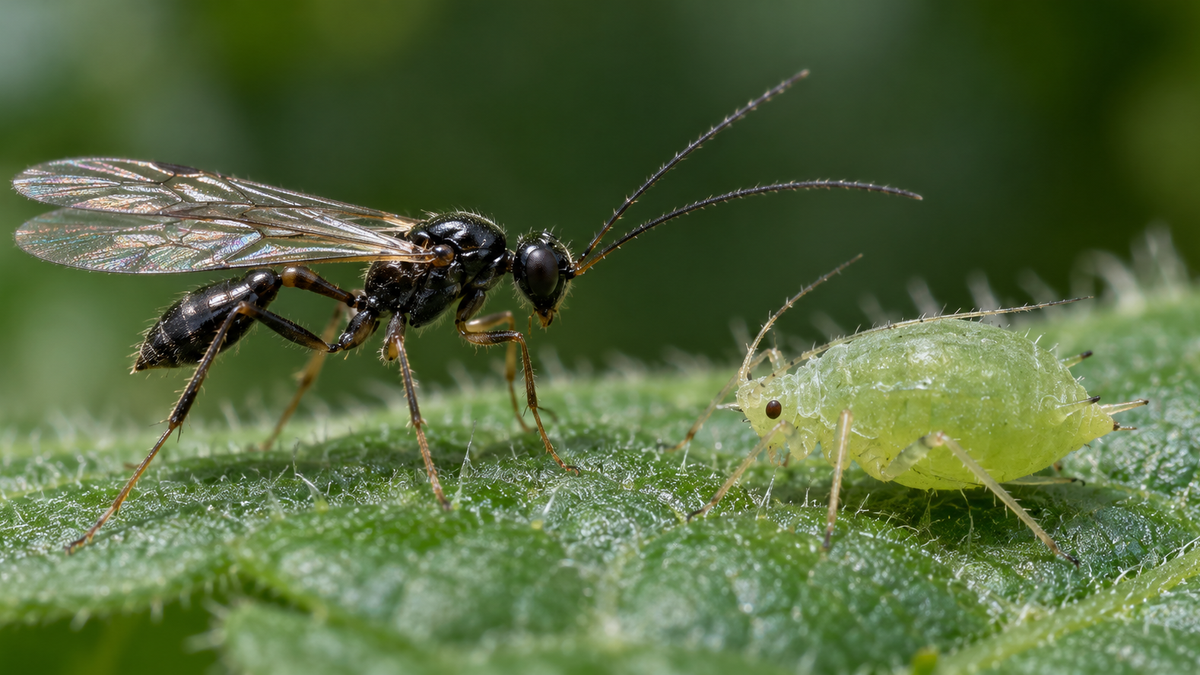
Ervi Follows the Plant's Lead
An aphid-infested plant may look as though it is sitting there accepting its fate. Chemically, it can be considerably less polite. Feeding can change the.
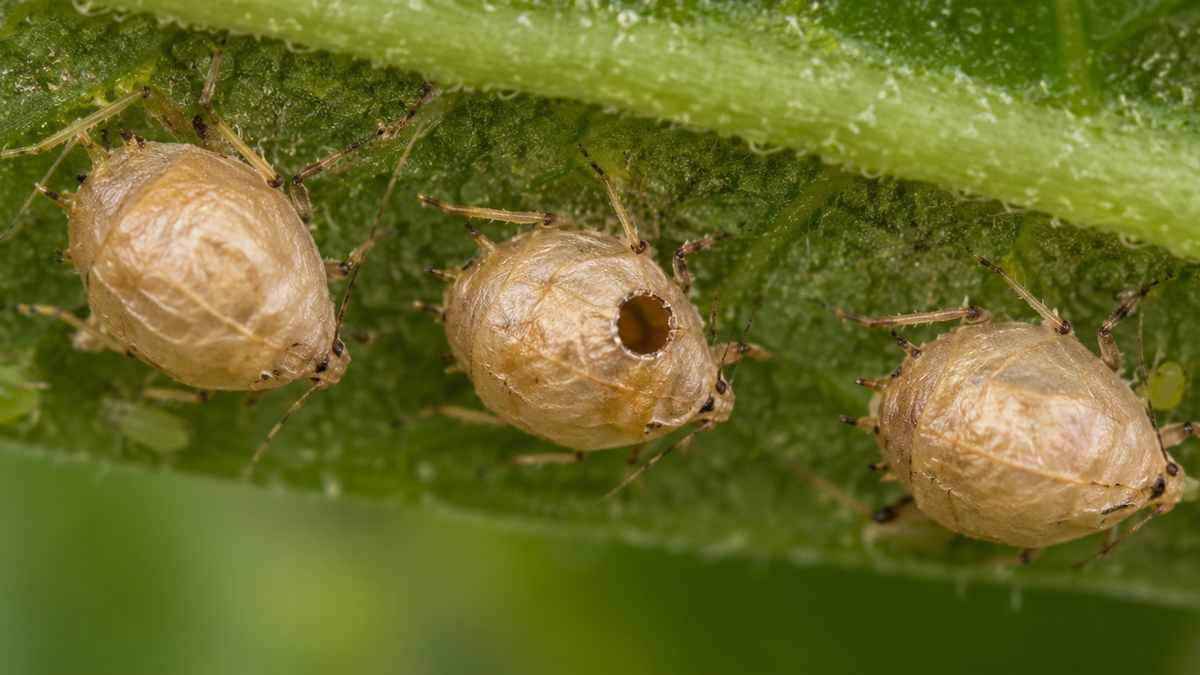
Colemani Makes More Wasps
A ladybug eats an aphid. Aphidius colemani puts an egg inside one and uses it to make another wasp. Both are unpleasant developments for the aphid. For.
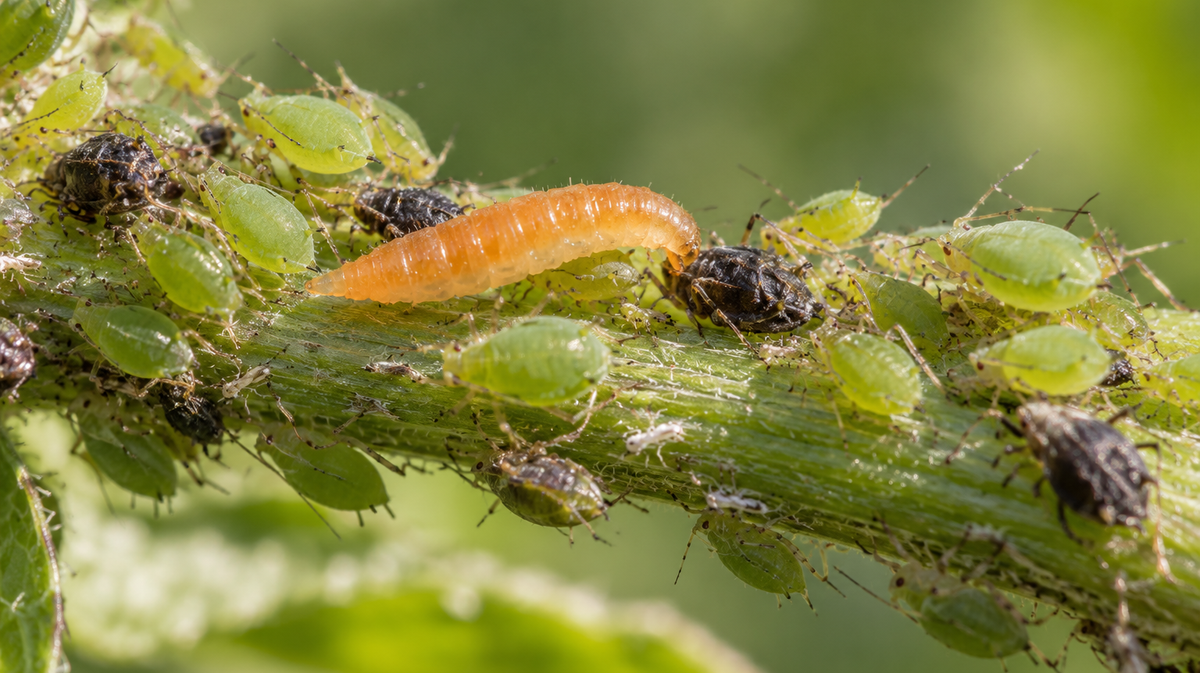
Aphidoletes Works the Night Shift
The midges have disappeared. The aphids, demonstrating much less discretion, are still there. That can happen after an Aphidoletes release even when the.
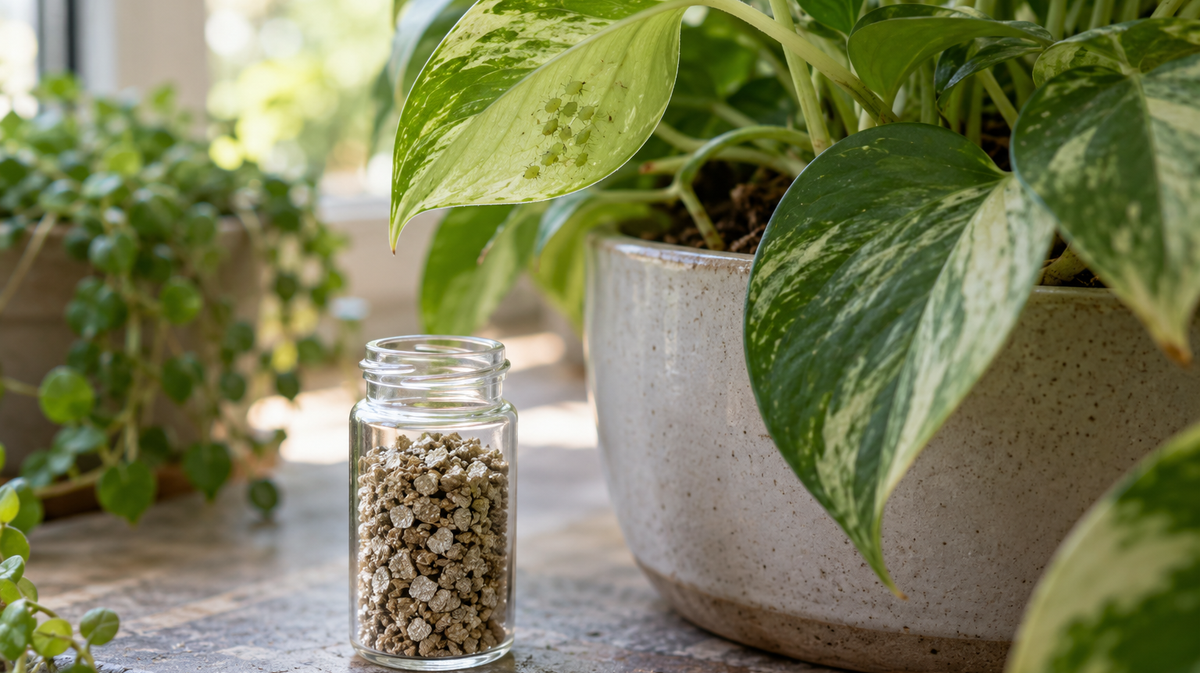
Aphidoletes Needs an Exit
You open the container and see carrier material. No dramatic movement. No tiny cavalry forming ranks. Aphidoletes commonly arrives as pupae, so stillness.
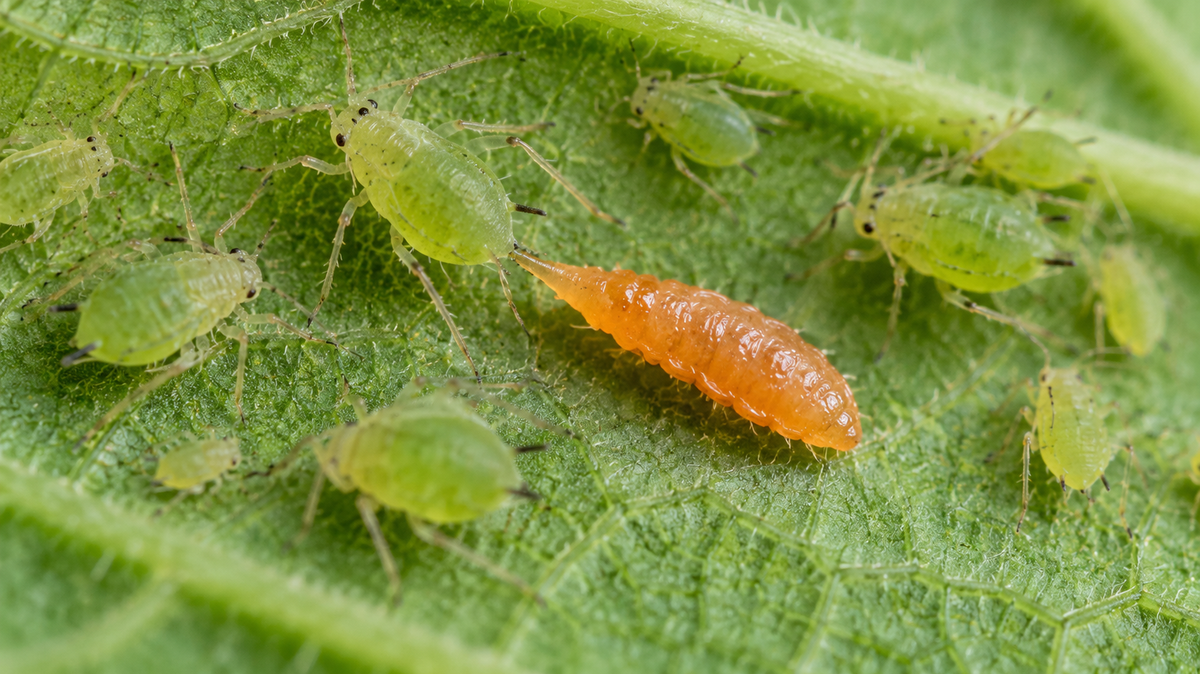
Aphidoletes Sends the Children
A tiny fly lands beside your aphids. This does not initially look like an improvement. But if the fly is Aphidoletes aphidimyza, it has found that colony.
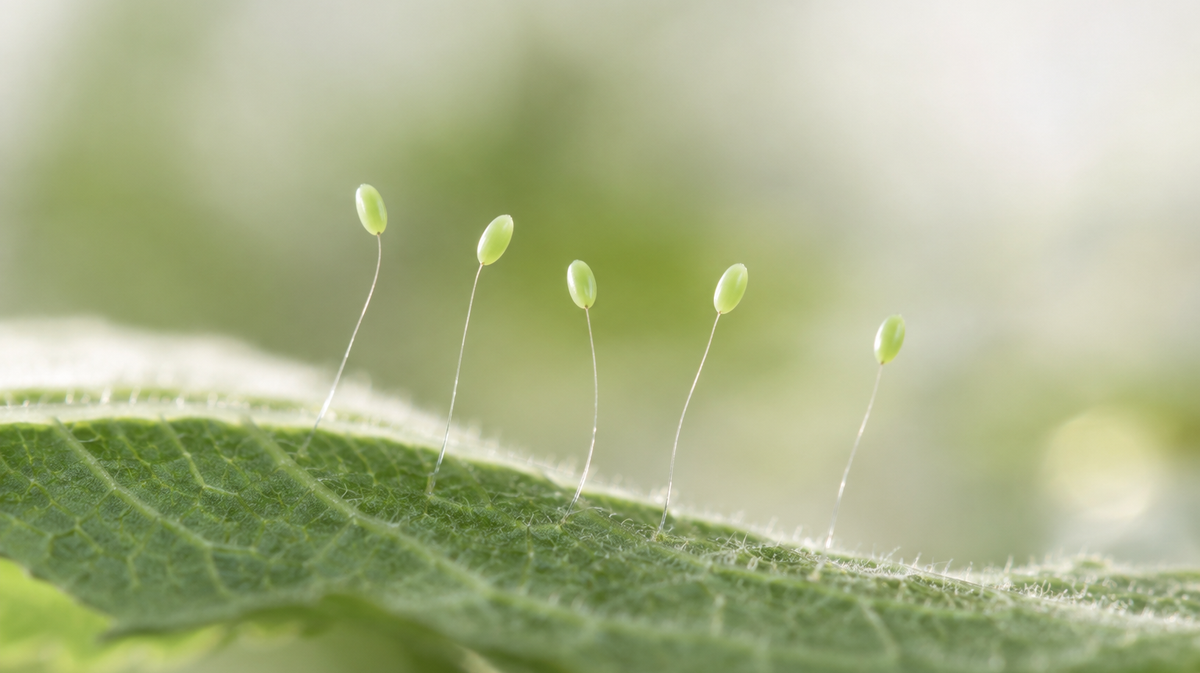
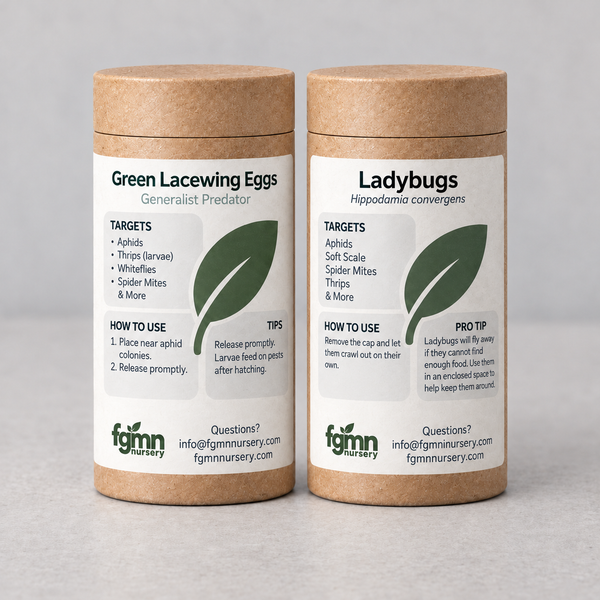
Eggs Cost Less. Larvae Are the Ones That Arrive.
The same insect is sold at two life stages for two very different prices, and the reason is not packaging. Most of the gap is attrition — what happens to an egg between the container and a larva that reaches a pest.
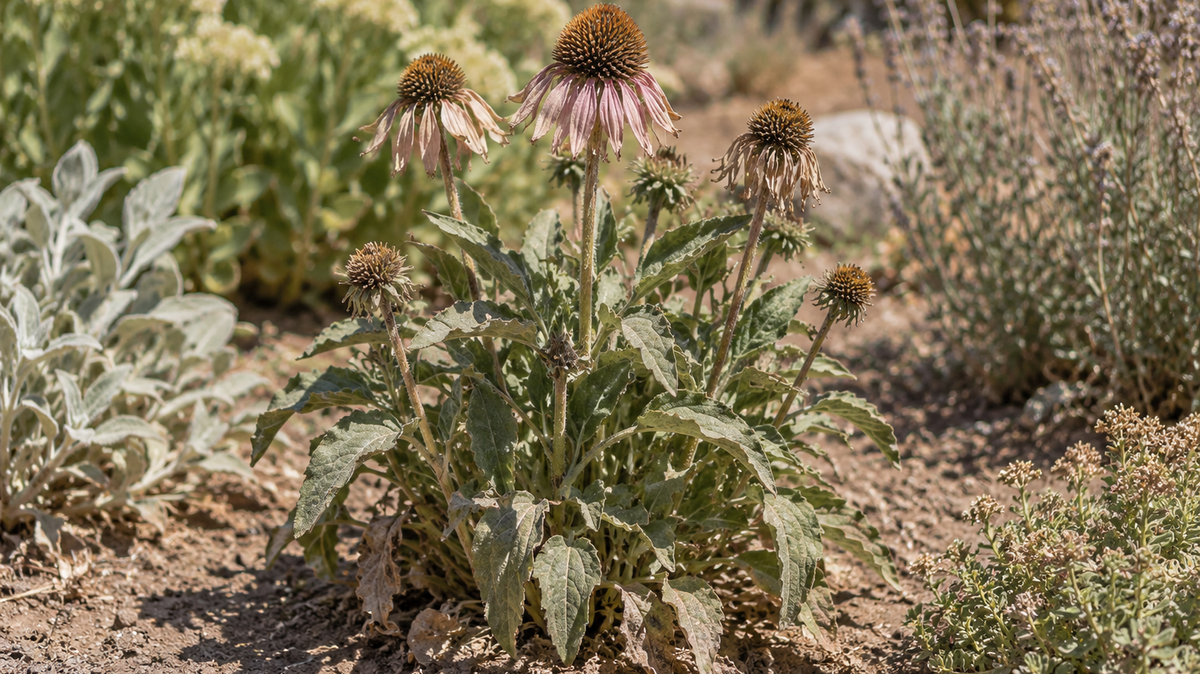
The Same Release Works in May and Fails in August.
The aphids change across the year and so does everything you would release at them. Most seasonal advice covers the first half. The half that decides whether an August release works is what the heat is doing to the predator.
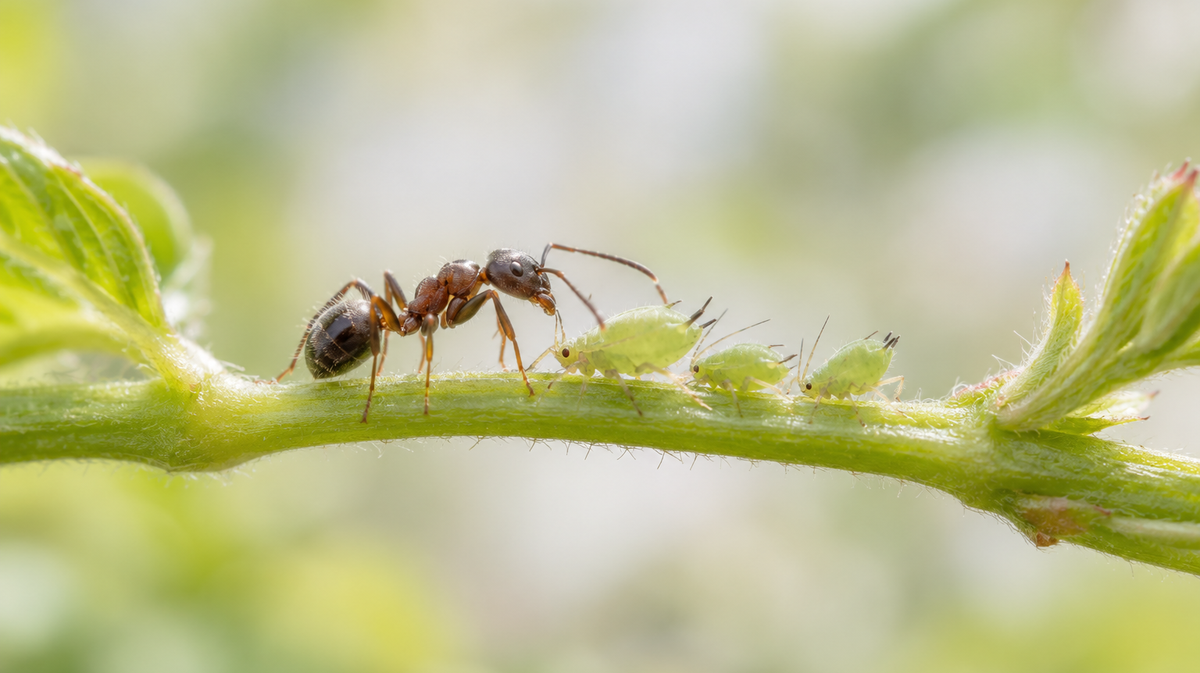
The Ants Are Not Passing Through.
If there are ants going up and down the stem of a plant with aphids on it, they are not there by coincidence and they are not there for a look. They are farming, and they will defend the herd against anything you release.

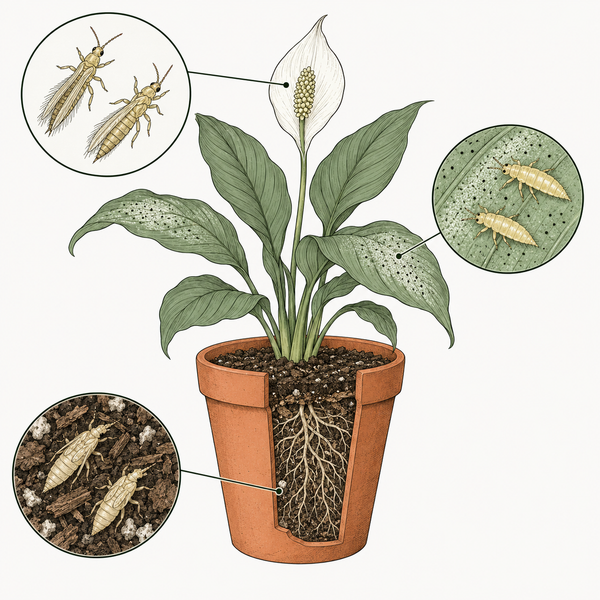
Root Aphids Sit Below Everything You Bought.
Root aphids are a different pest with a different answer, and the honest version of that answer is thinner than the product labels across this industry suggest. Here is what you are looking at, how to be sure, and what has actually been tested.