


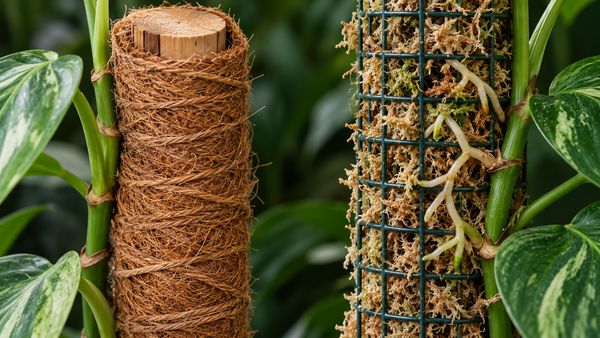
Field Notes
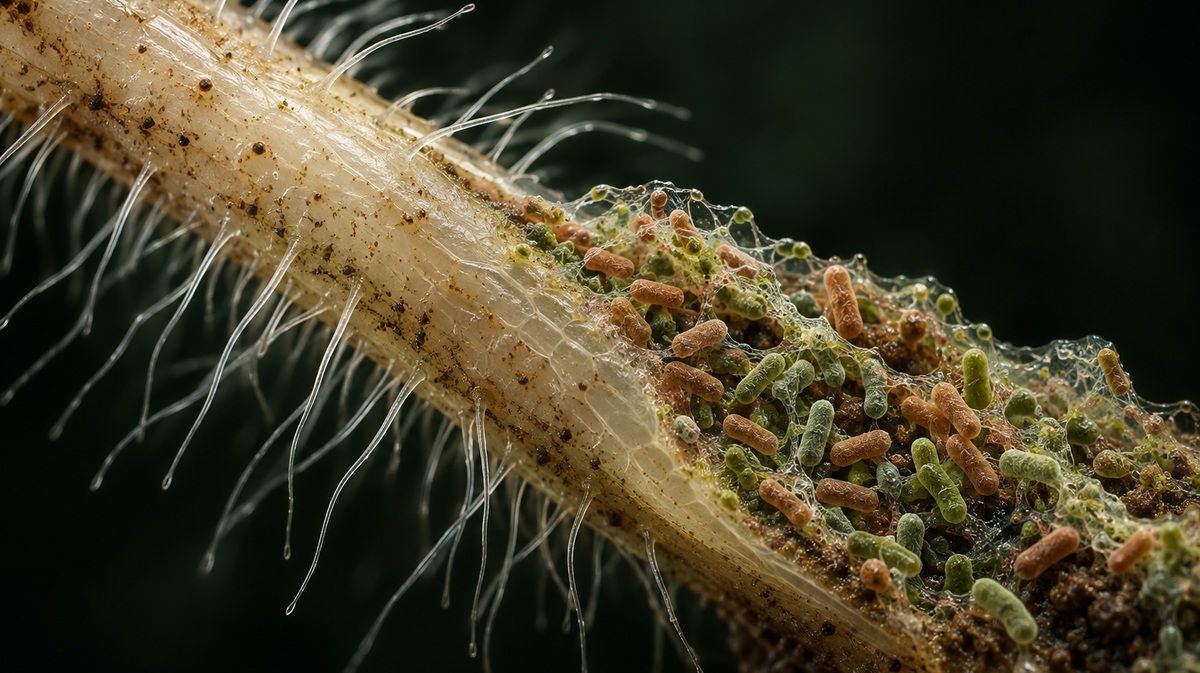
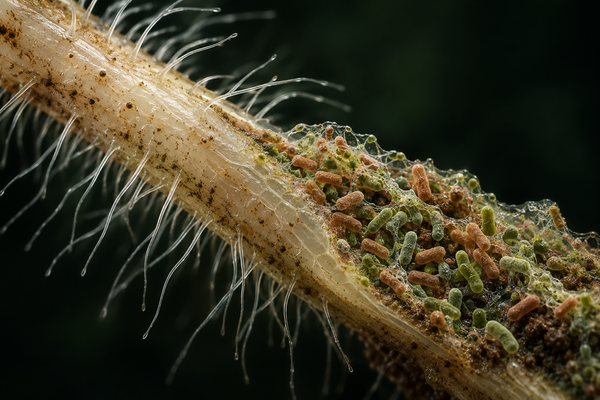
Your Roots Recruit Bacteria
What PGPR means, which bacteria it includes, and how they may help with nutrient access, growth, stress, and plant defenses.
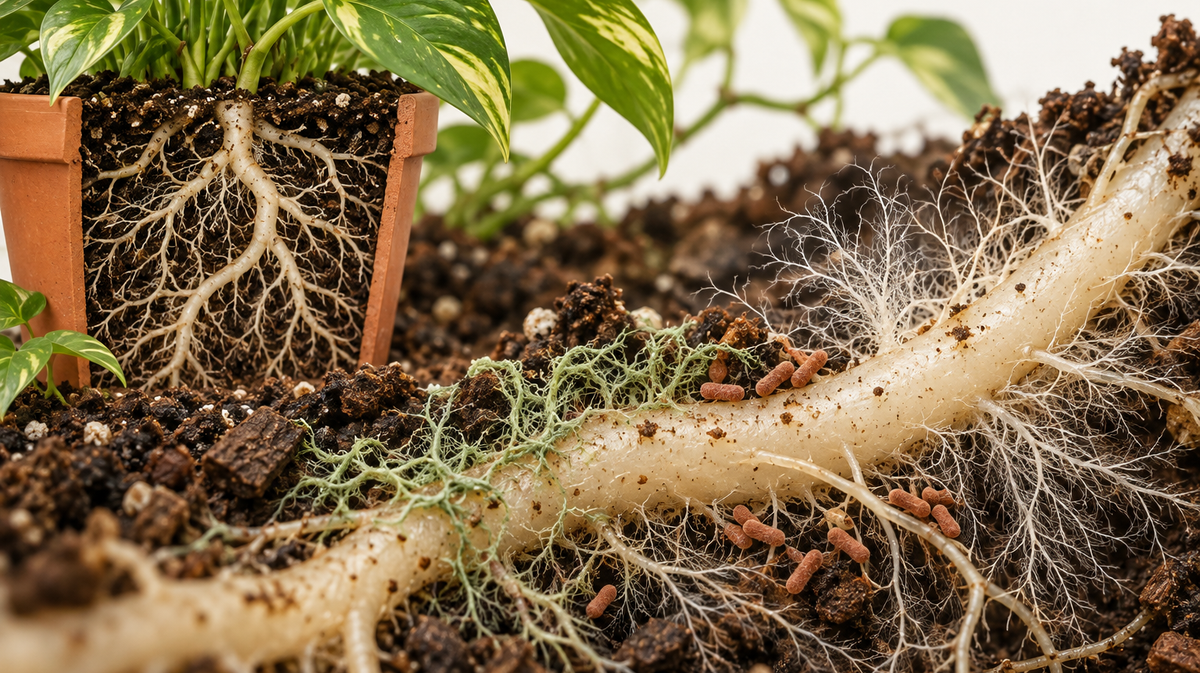
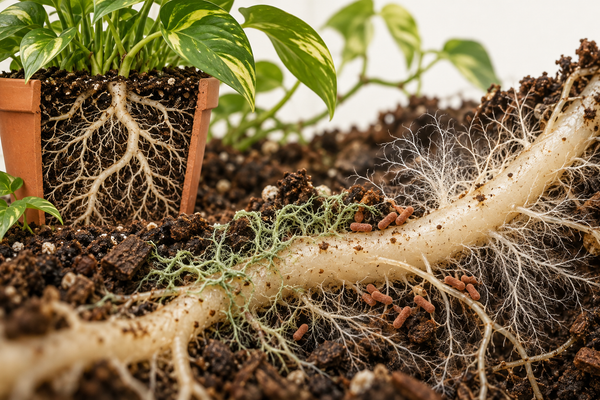
Your Roots Have Company
Mycorrhizal fungi, Trichoderma, and beneficial bacteria have different jobs around roots. Learn how they help plants and what to expect after application.
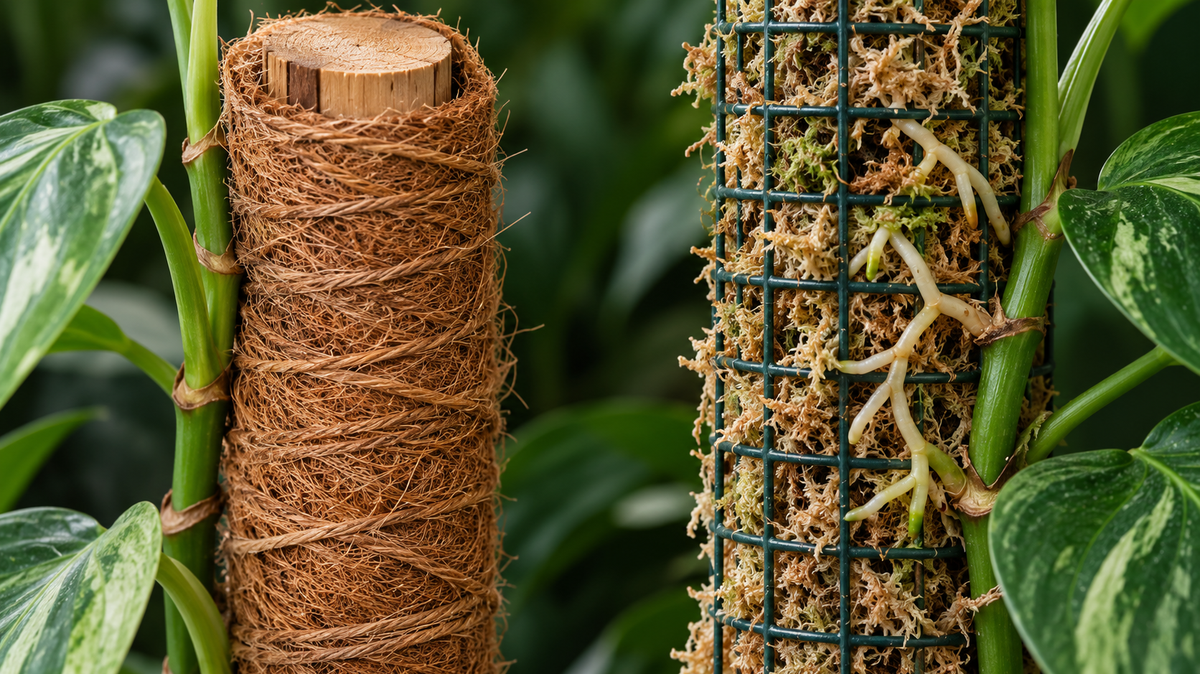
Your Plant Needs More Than a Pole
Moss and coir poles do different jobs. Learn which support suits your plant, where to attach the stem, and how to manage watering.
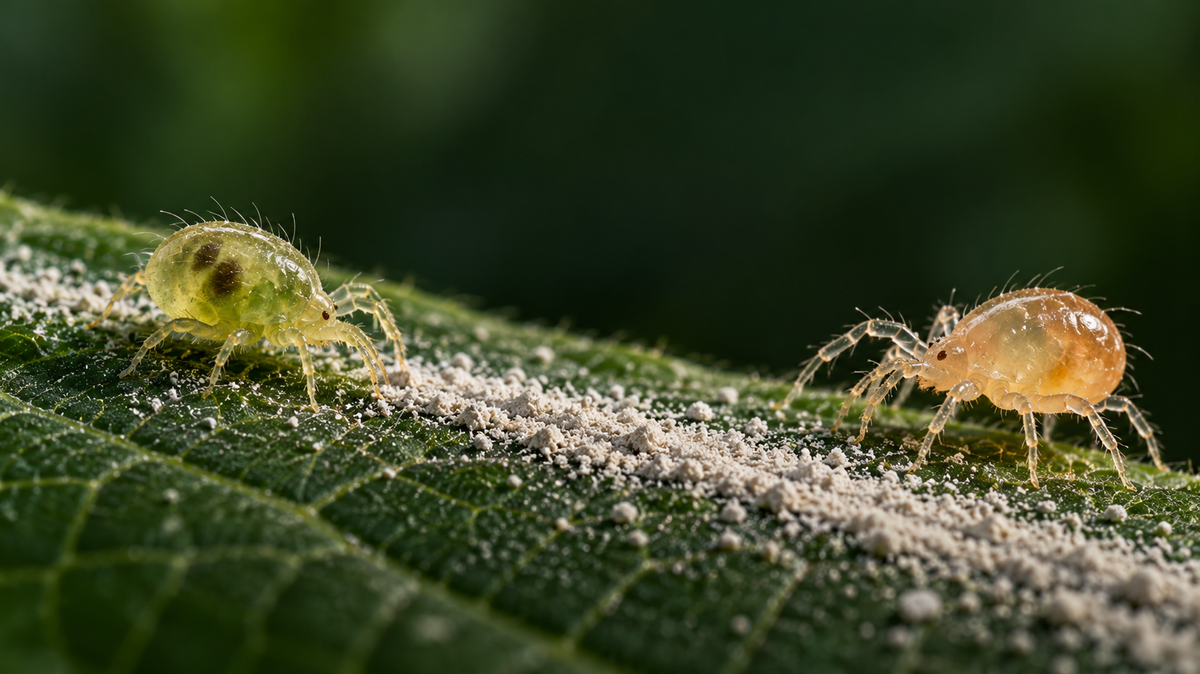
Diatomaceous Earth Has Conditions
Diatomaceous earth can kill pests. Whether it controls an infestation depends on contact, moisture, and everything else sharing your plants.
One Fuzzy Bug, a Lot of Trouble
A tiny pasture mealybug is damaging Florida grass. The consequences reach beyond the field—to hay supplies, cattle feed and the people who depend on them.

Your Mites Have Survived Worse Than UPS
Will predatory mites survive shipping? Yes. Why the ice pack arrives warm, what the food mites are, how long mites live, and what we do when the weather turns.
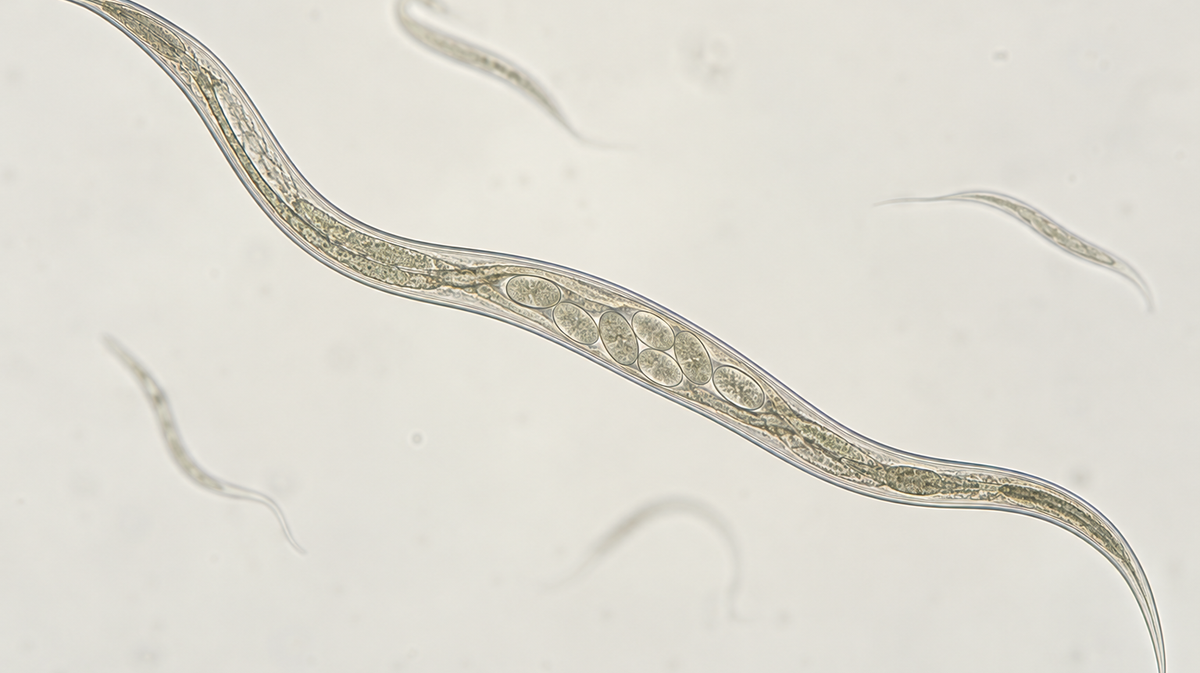
One Hb Can Start a Family
Explore Hb’s unusual reproduction, from self-fertilizing founders to internal hatching and the bacterial partners passed to the next generation.
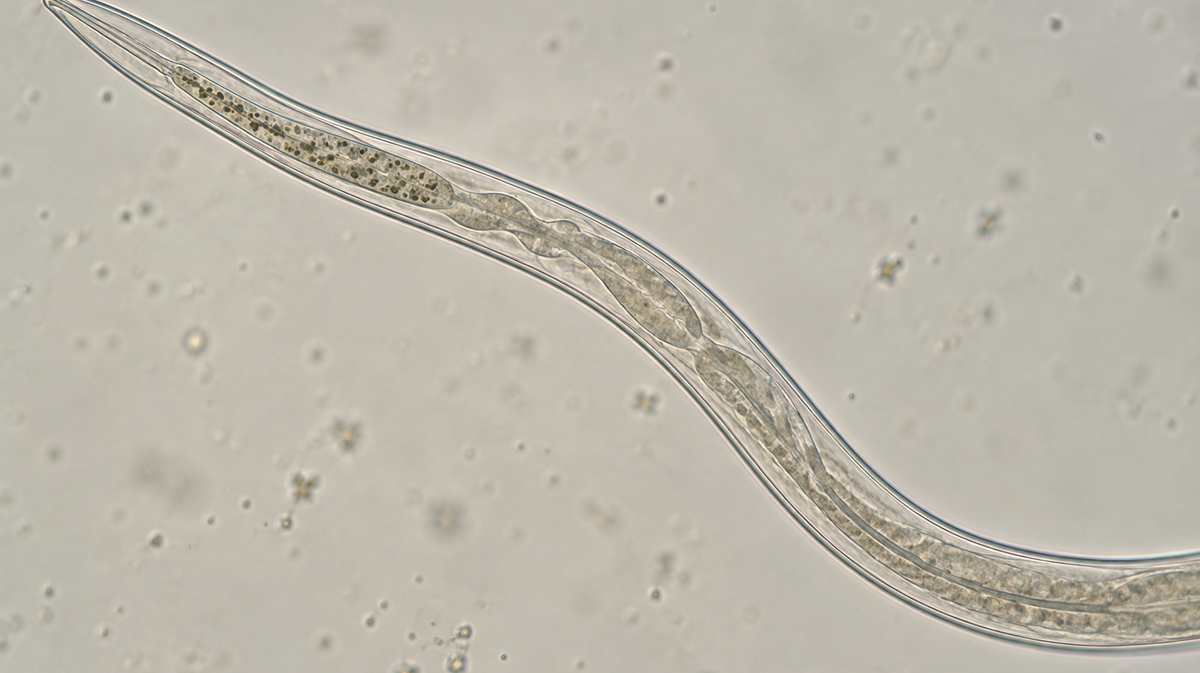
Hb’s Complicated Plus-One
Hb does more than transport bacteria. Discover the immune interference and bacterial switching behind its partnership with Photorhabdus.
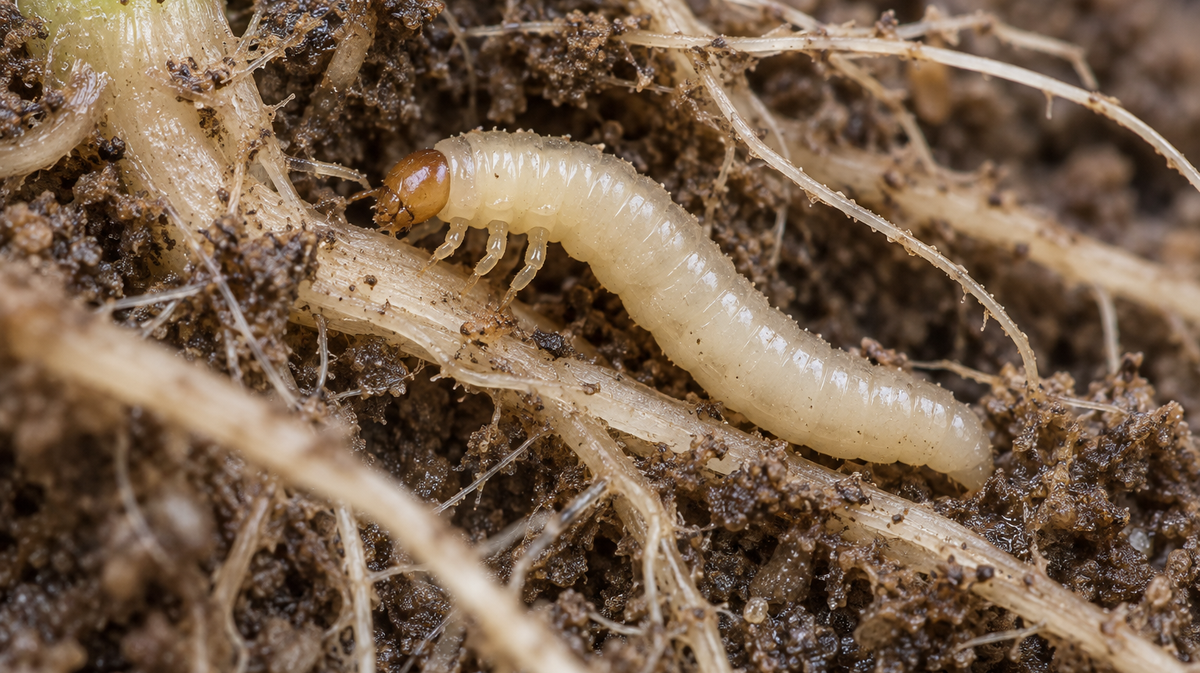
A Corn Root’s Guide to Hb
A selective-breeding experiment reveals how Hb nematodes respond to a corn-root chemical—and why the plant, pest, and nematode all matter.
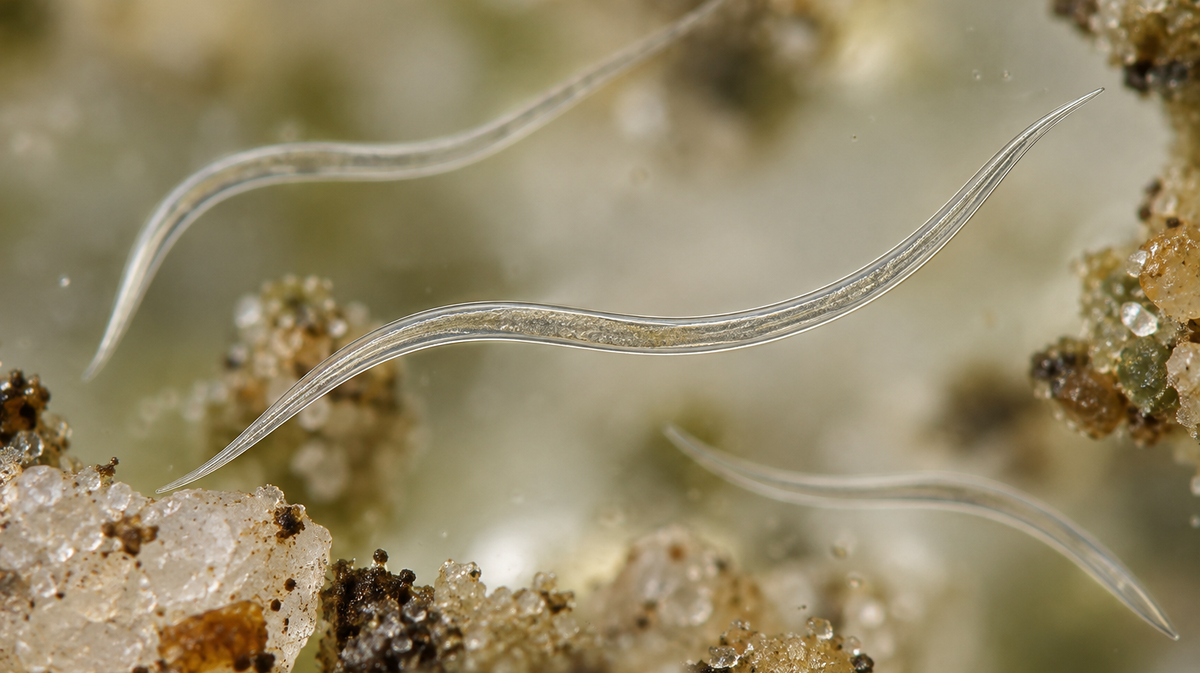
Meet Hb Underground
Meet Heterorhabditis bacteriophora, the insect-parasitic nematode known as Hb. Explore its discovery, underground hunting, and relationships with grubs.
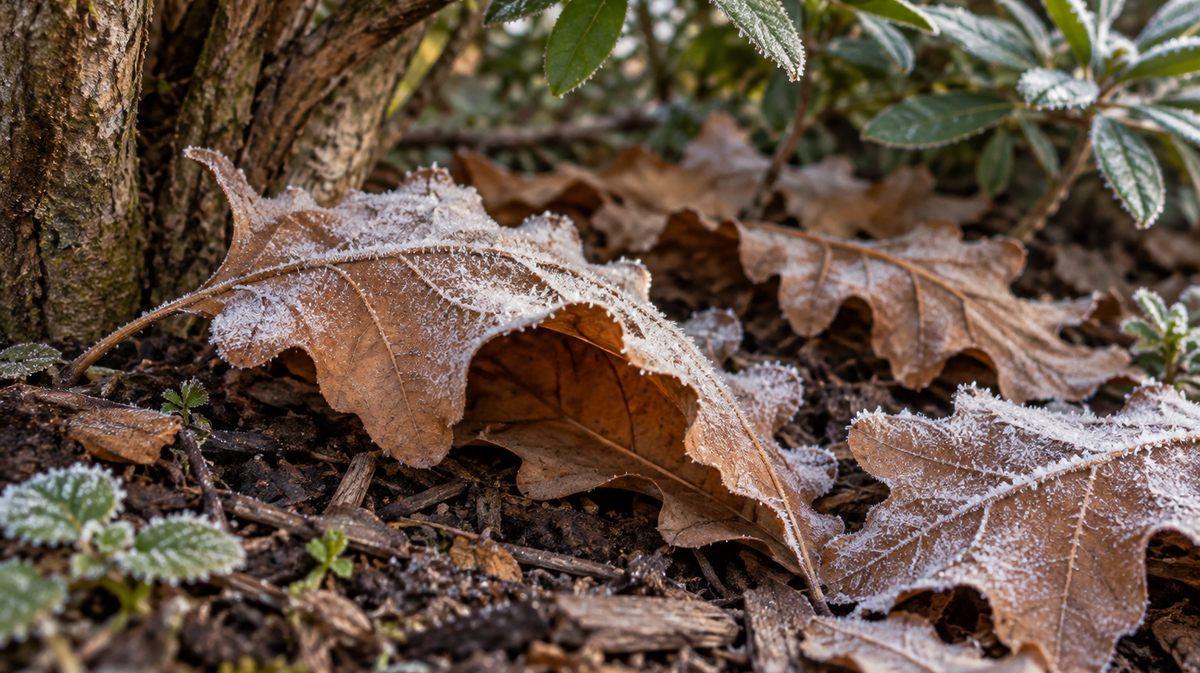
Where Beneficials Spend the Winter
Learn how beneficials overwinter, when outdoor releases make sense, and how to preserve shelter and plan for spring pest activity.
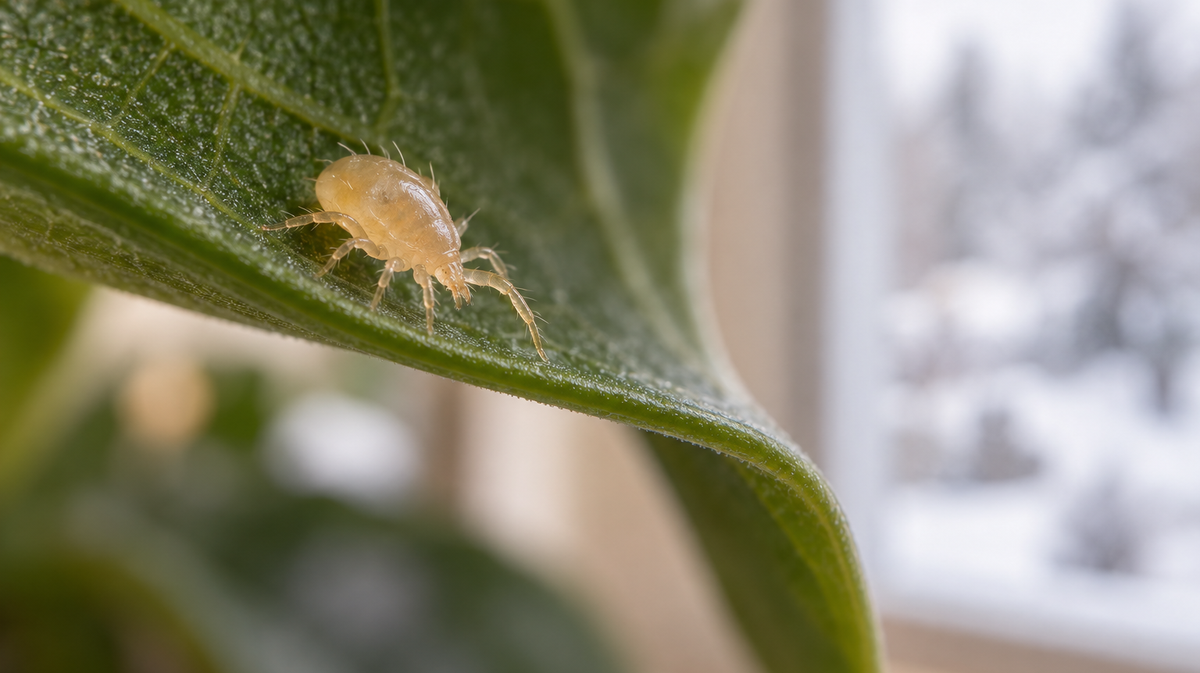
Your Indoor Beneficials Have Winter Requests
How winter changes humidity, reproduction, sachet care, and repeat releases for indoor beneficials, plus the science of cold-weather shipping.