



Field Notes
Carnivorous Plants Might Eat the Help
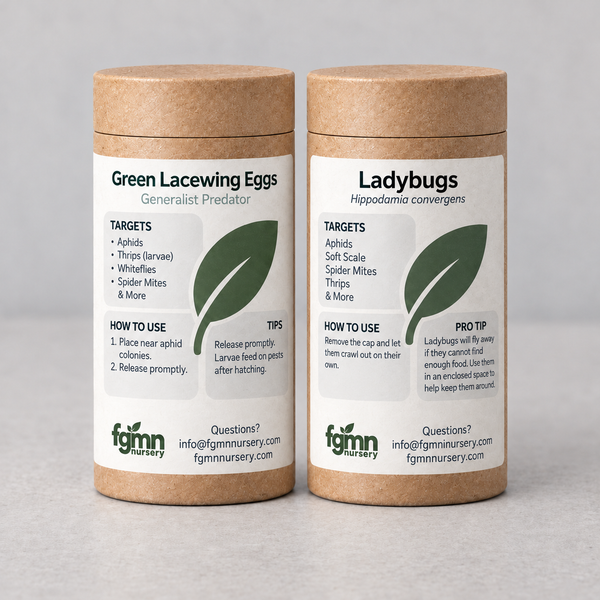
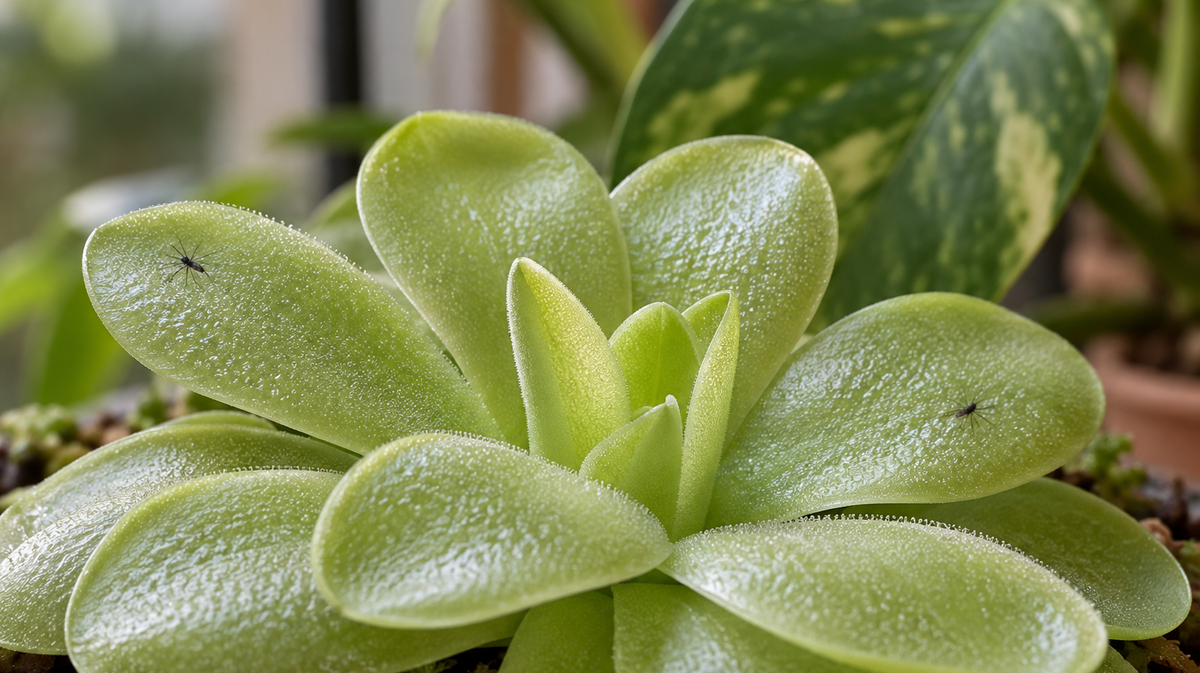
Will your carnivorous plants eat the beneficials you paid for? How traps, release stages and placement affect helpers in a mixed plant collection.
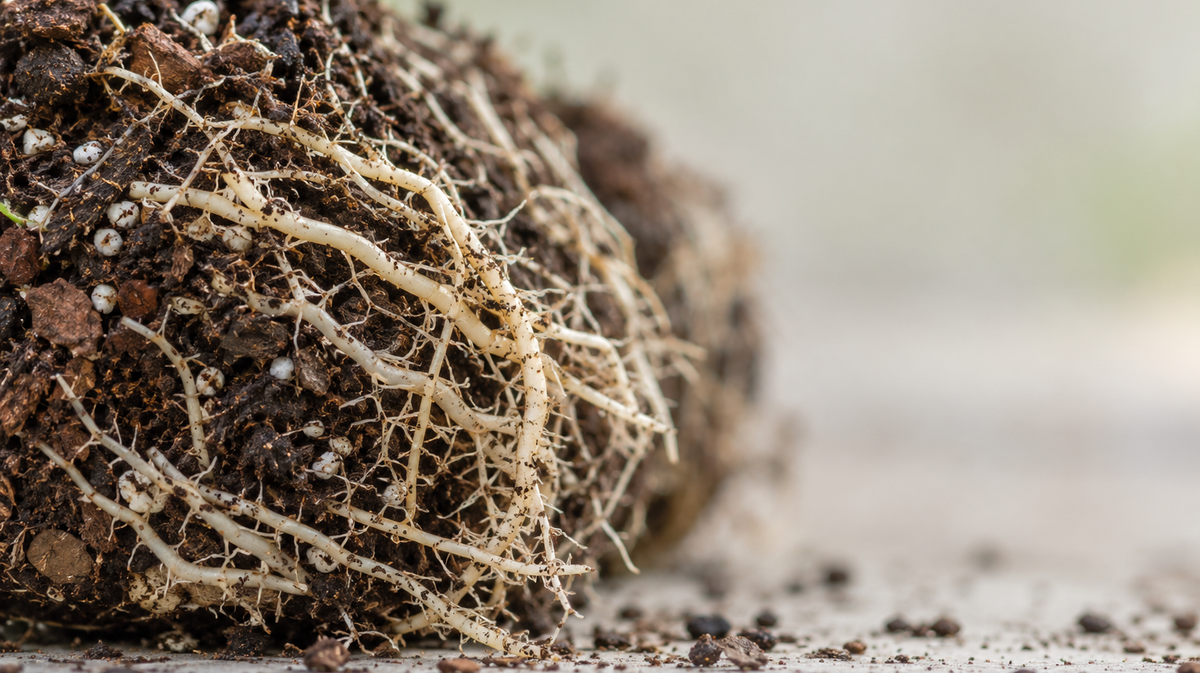
Mycorrhizal Fungi Work for Dinner
Roots can hire help. How mycorrhizal fungi extend their reach, what the plant pays in return, and what that partnership means when you repot.
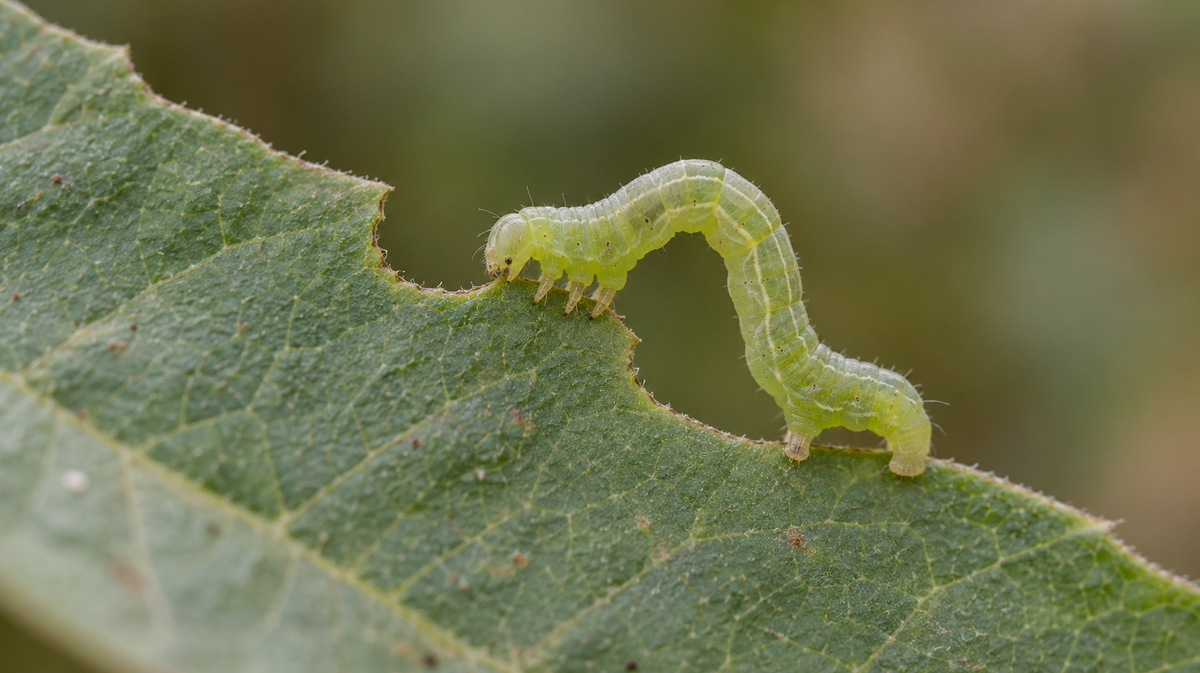
Your Plant Is Someone’s Lunch
How many plant pests are there? An illustrated guide to 44 groups, the damage they leave, and the look-alikes that can send you after the wrong suspect.
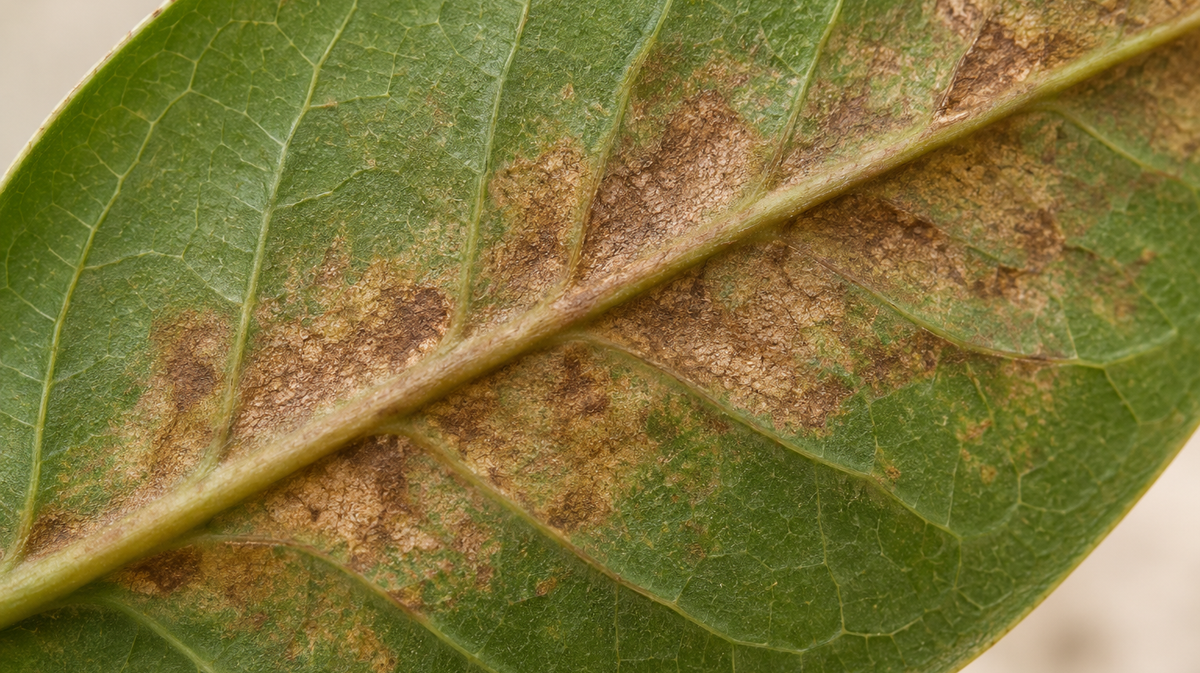
Flat Mites Keep a Low Profile
The plant looks wrong. The pests are nowhere to be seen. A closer look at flat mites—and how to get past the orange dot.
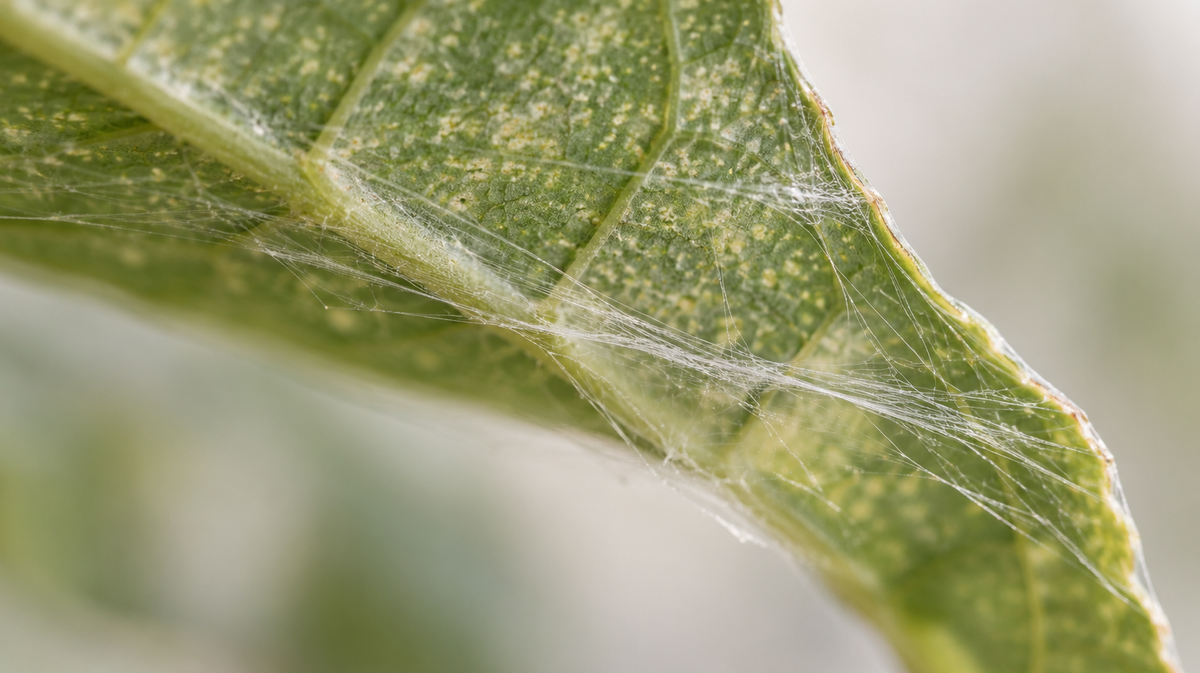
Spider Mites Brought Their Own Security
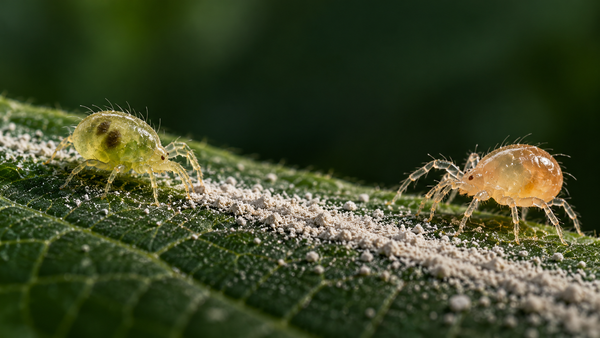
Why webbing protects the pest, and how some predators get through it
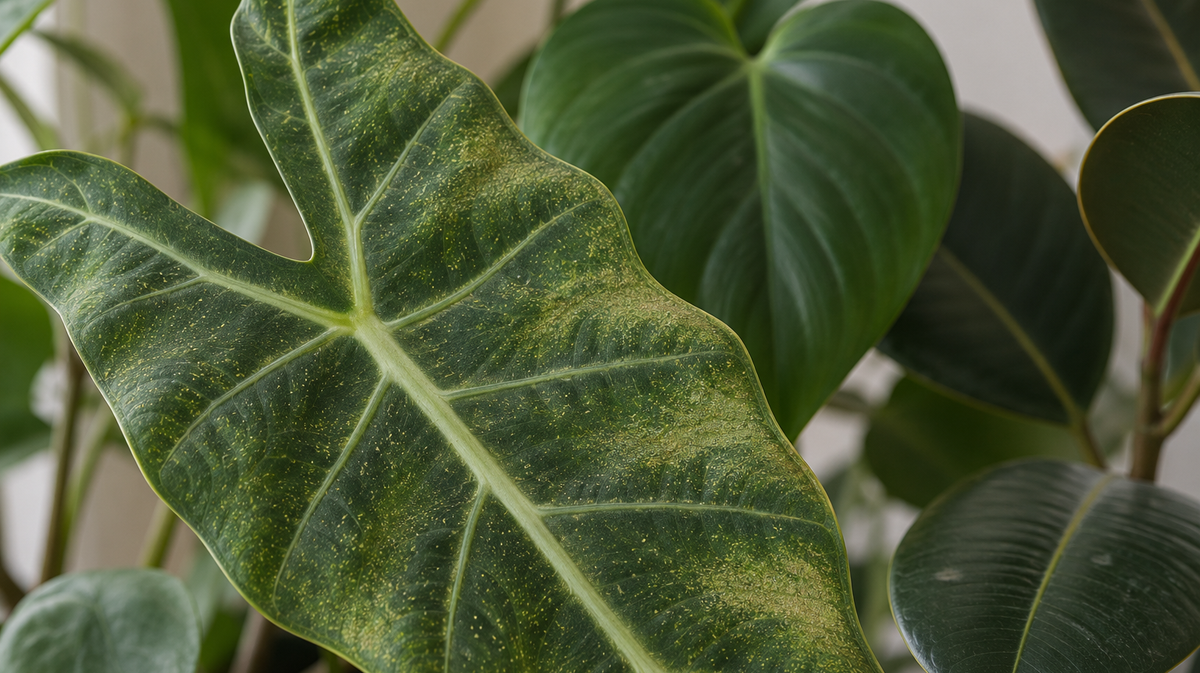
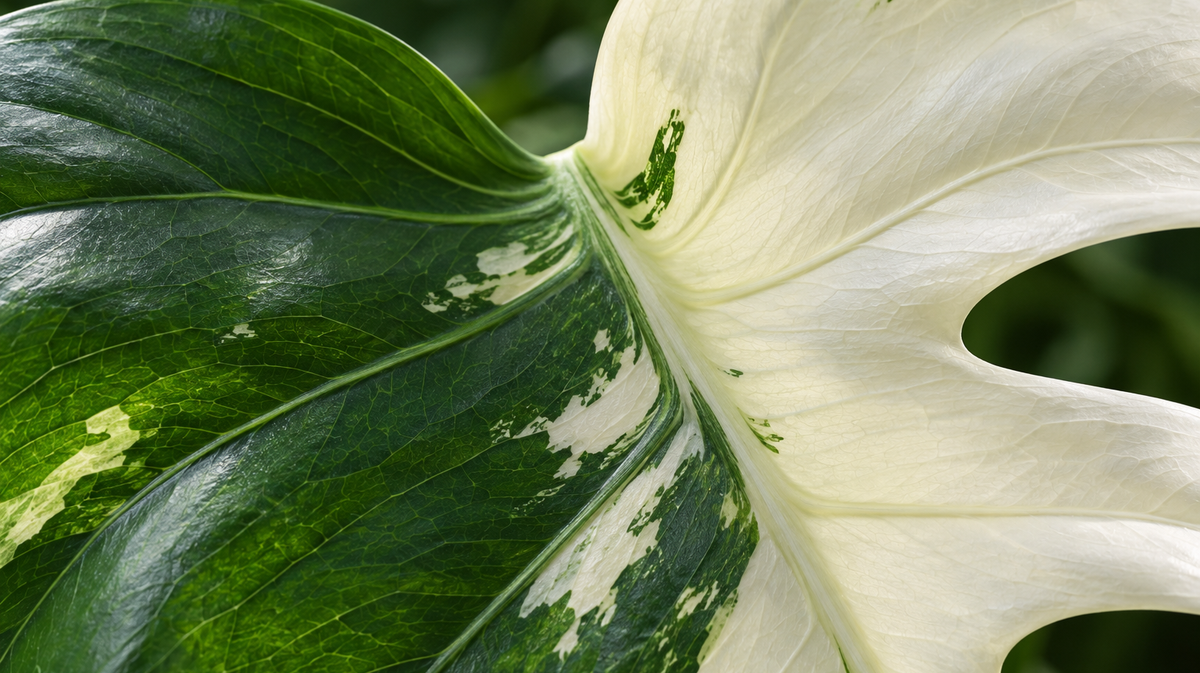
Variegated Plants Have Bills to Pay
The green tissue supports the white. Explore what that means for growth, light, and green shoots—and why silver Scindapsus plays by different rules.
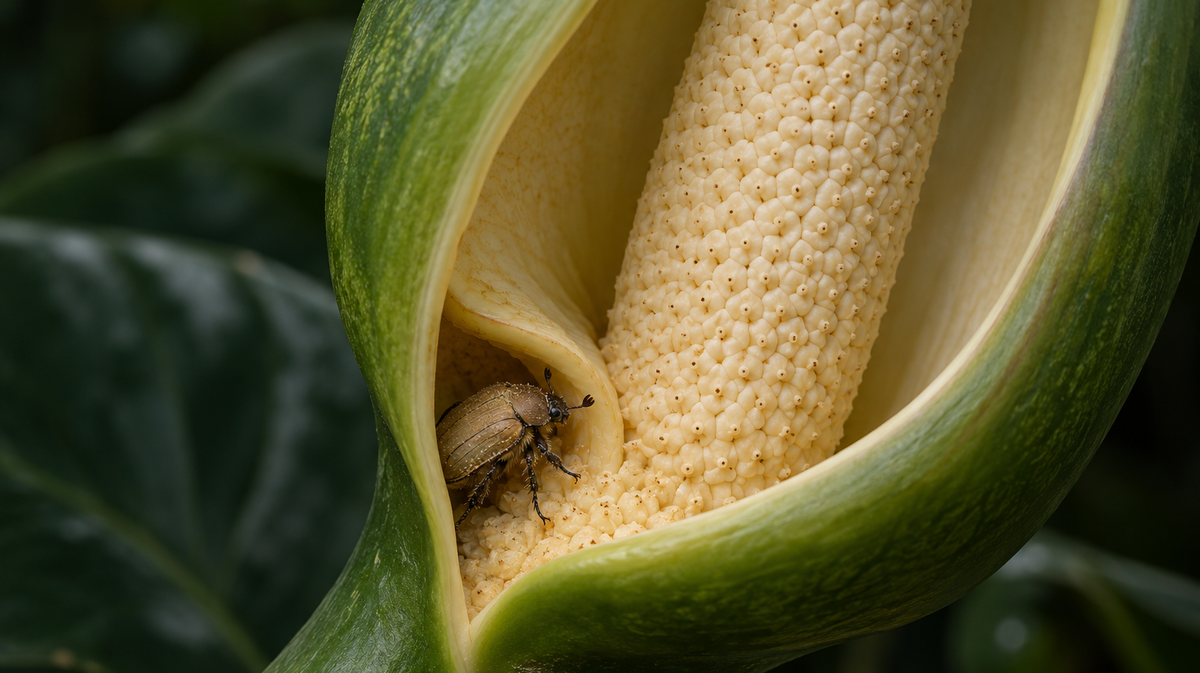
Philodendrons Have Heated Guest Rooms
Some philodendrons heat their blooms, invite scarab beetles inside, and send them away carrying pollen. The flowers are running a very different operation from the leaves.
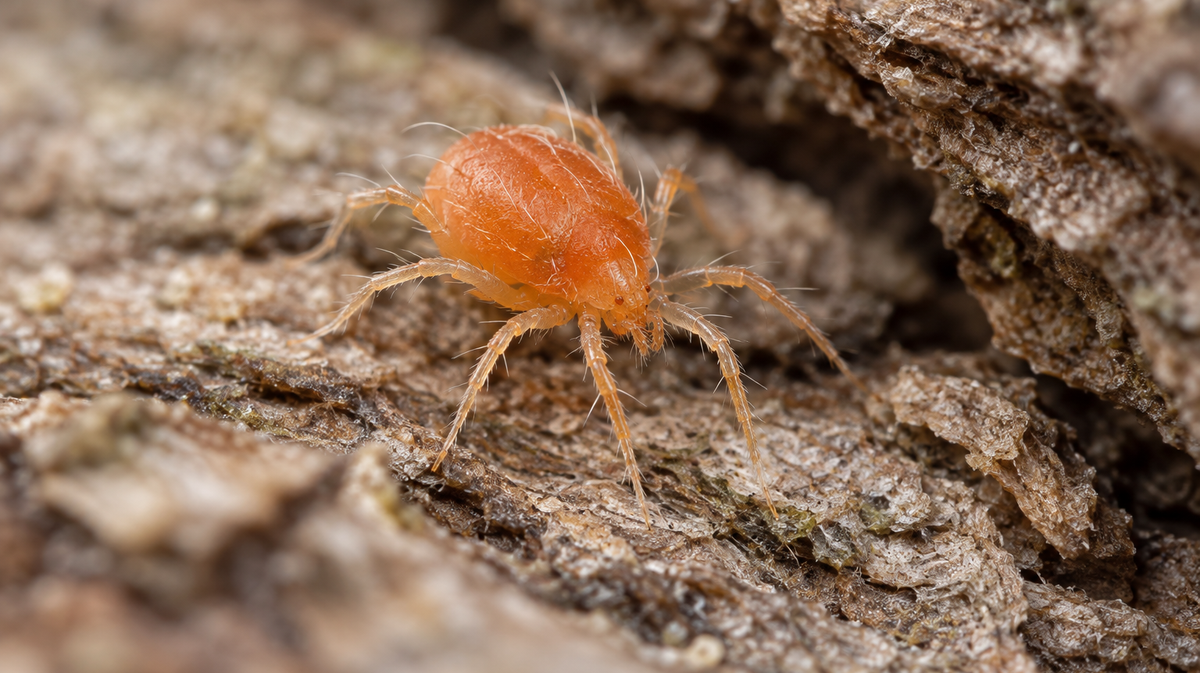
Spider Mites Have Winter Plans
Some spider mites turn orange as winter approaches. Behind the costume change is a survival strategy involving long nights, borrowed fungal genes, and plans for spring.
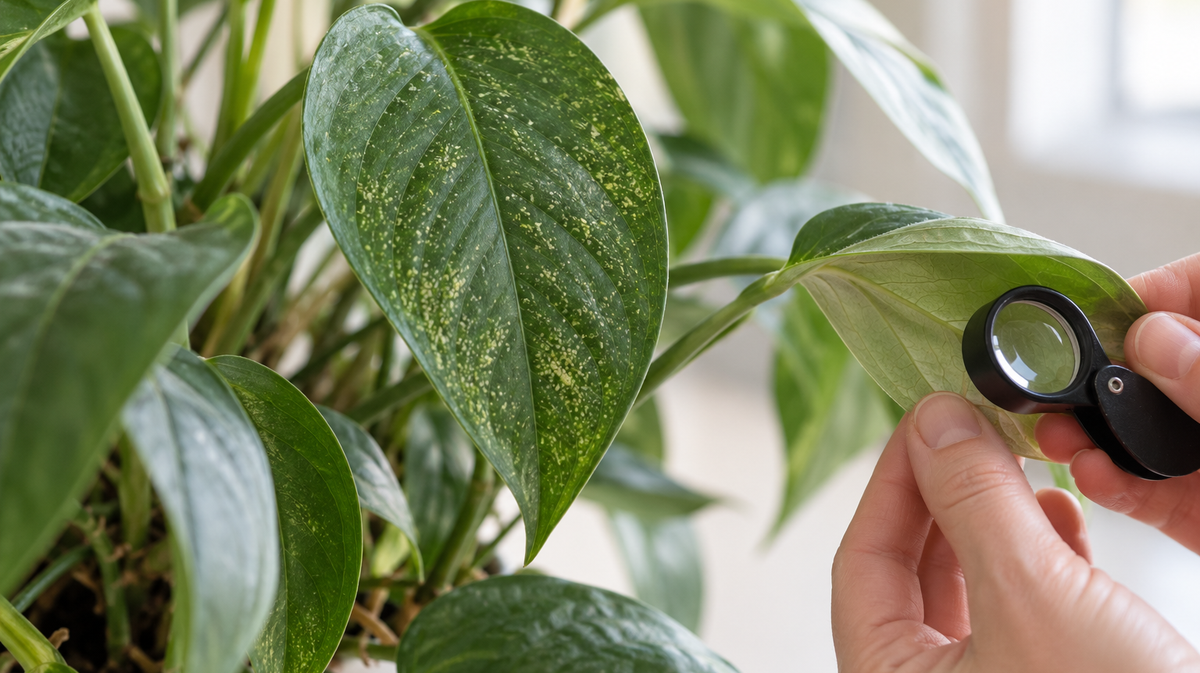
Spider Mites Are on the Menu
You released the predators. Your plant still looks terrible. Here’s how to tell whether the spider mites are losing ground—even before the leaves give you anything to celebrate.
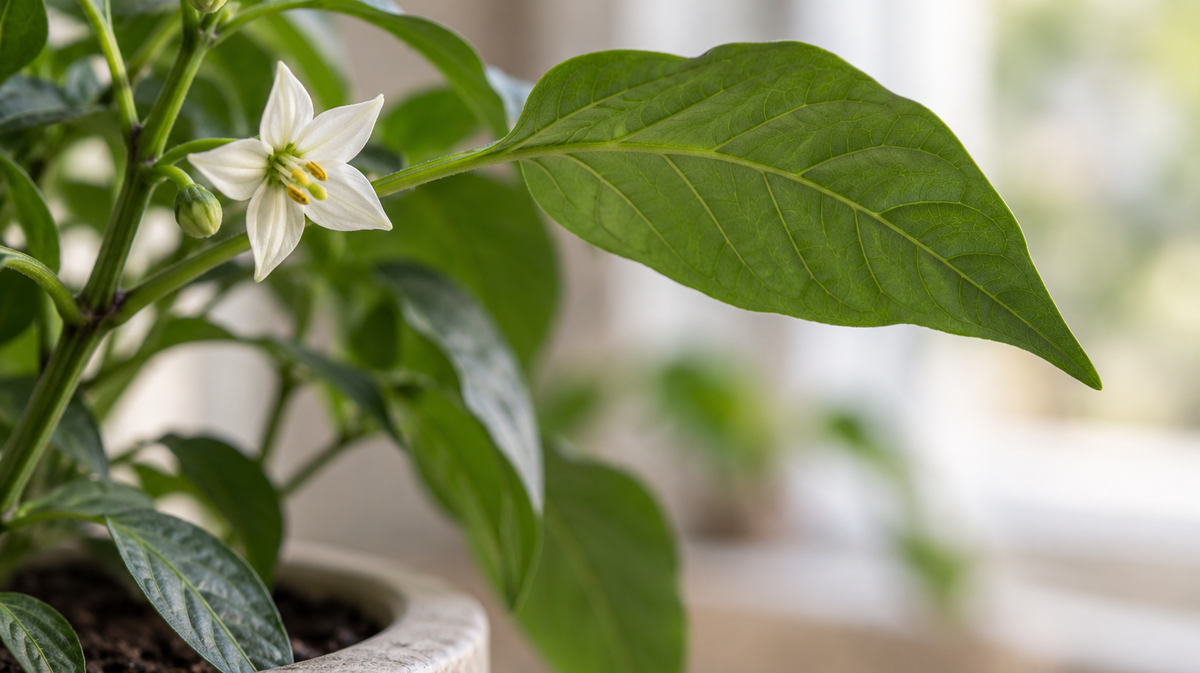
Thrips Have Their Own House Rules
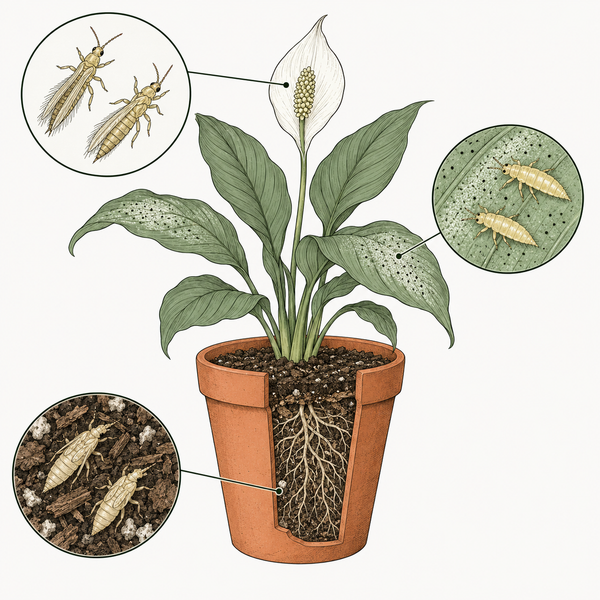
Thrips species do not all live the same way. Learn why their pupation sites and responses to predators can change your treatment plan.
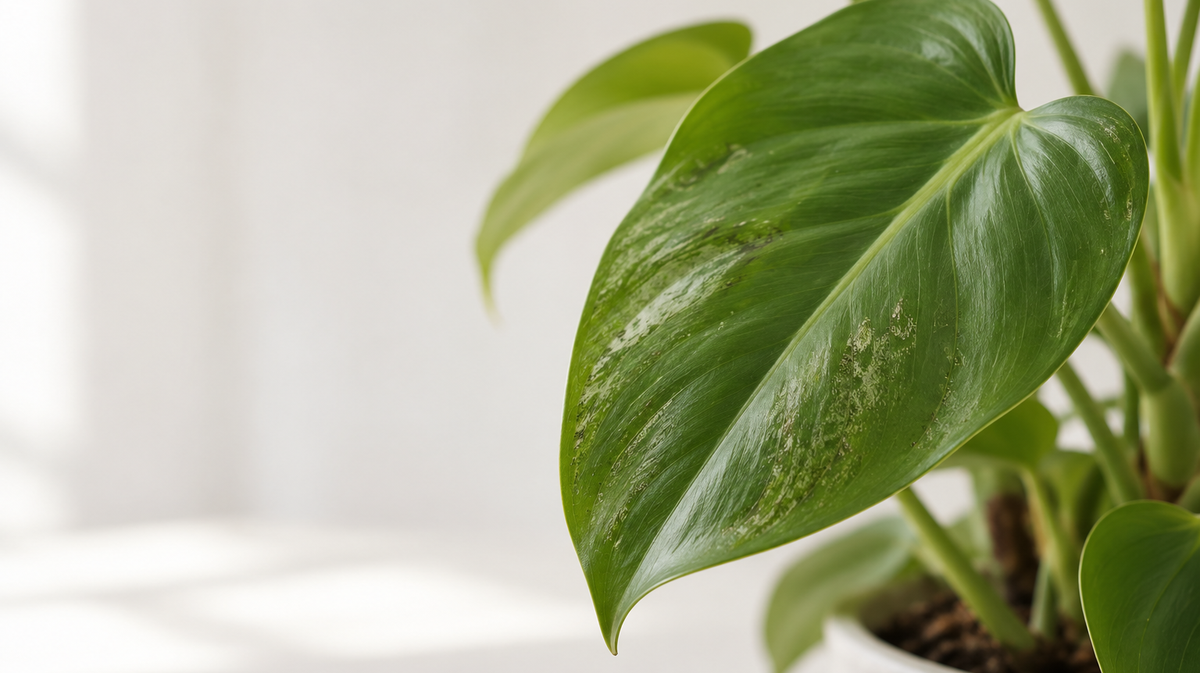
Those Might Be Thrips
Learn to recognize thrips adults and larvae, silvery marks and older scars—and tell adult thrips from fungus gnats.