



Bundle · Thrips
Thrips Ultimate Control - Heavy Pest Pressure System
The three-stage system with both ends upgraded — limonicus on the foliage, rove beetles in the soil, Orius on the adults.
$266.00
Free Shipping for all orders over $30
If something's wrong when it arrives, file a report within 72 hours of delivery for a replacement or store credit.
By placing your order you agree to our Shipping Policy and Live Delivery Guarantee.

How much, and how often
Two questions — how bad it is, and how many plants. You get a size and the dates to put it out.
How bad is it?
Pick the one that sounds like your room. If you are between two, take the higher.
How many plants are in the space?
Six-inch pots. Count a large specimen with a dense canopy as three or four.
Your size and schedule
More about this dose
The three things people ask once they have their size. Open any of them.
Am I light, moderate or heavy?
Light
- Silvering on several plants, not just the one you first noticed.
- Adults lift off when you disturb the canopy.
- Blue card counts climbing week to week.
- You have already tried something and it did not hold.
Moderate
- Whole leaves gone silver, flowers distorted before they open.
- Adults in numbers whenever you touch a plant.
- Blue cards fill between checks.
- Fungus gnats in the room as well, which usually means the media is carrying stages too.
Heavy
- You can see it from the doorway — the whole planting looks bleached.
- New growth is deformed on arrival, plant after plant.
- Cards are unreadable within days of going up.
- It has spread to everything in the room, touching or not.
Size to the whole room, not to the worst plants. Thrips pupae drop out of any canopy into whatever soil is underneath, so the beetles want every pot — and Orius will patrol the whole space whether you paid for that or not. This kit is the escalation: if you are choosing between two tiers because of price, the smaller tier of this beats the larger tier of a lighter kit.
By the time an infestation is this size, the usual reasons are these:
- A stage was left running. Treating the canopy while the soil keeps producing adults, or the reverse, is what turns a problem into a cycle.
- Damage is a record, not a reading. Silver scarring stays on the leaf long after every thrips that made it is dead, so the plant looks like it is still losing when it is not.
- Spray residue was still on the leaf. A release onto coated foliage does not establish, and that reads as a bad batch rather than as bad timing.
- The carrier was left in piles. Rove beetles hunt the ground and will eat the mites out of an open heap of bran. Spread it thin.
Why more than one round?
Putting it out
- Take the sticky cards down first. They catch Orius and adult rove beetles as efficiently as they catch thrips. Off for about a week, then back up so you can measure the trend.
- Release all three the day they arrive. Nothing in this box goes in the fridge and nothing holds well in a container.
- Dust the limonicus thinly over the canopy. Thinly, and not onto the soil — an open pile of carrier on the ground is where the rove beetles will find and eat them.
- Sprinkle the Dalotia onto moist soil surfaces and the base of each plant. They start hunting immediately, and they will not work dry substrate — keep the top layer damp for the first few weeks.
- Release the Orius into the flowers and buds, a few per plant, at dusk if you can. Give them fourteen hours of light or more, or they go dormant instead of hunting.
- Book the limonicus booster for two to three weeks out. The canopy is the half that needs a second pass on an infestation this size.
Everything else is optional. Get these four and the release has done what it can.
A cleaner way
On a display plant, tip small piles into bio-boxes or paper cups hung in the branches instead of dusting the foliage. Same dose, nothing visible on the leaf.
The failure is forgetting. Very few programs fail because the mite underperformed. They fail in week five, when the plants look fine, the reorder does not happen, and the population holding the line ages out with nothing behind it.
A schedule is the same decision, made once. A kit when it looks bad, then another when it looks bad again, is already a rhythm — just one you have to remember at the exact moment the plants look fine.
Change the size or the frequency, skip a box, pause or cancel from your account at any time.
Is this the right beneficial for your problem?
Five questions, in the order a grower actually asks them: what have you got, is this the answer to it, what will it eat, how does it do the killing, and will it survive your room.
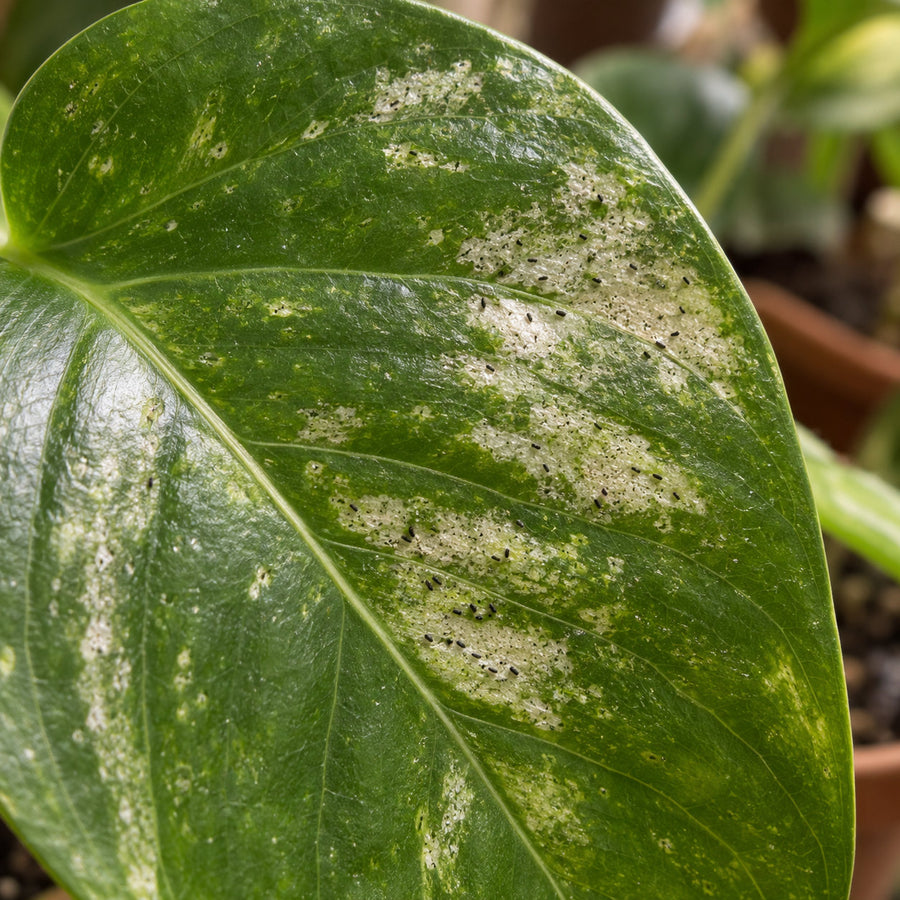
Is this your pest?
This is the escalation. Every part of the three-stage system is the heavier-hitting version, for an infestation that has already outpaced whatever you were doing about it.
Widespread silvering rather than a few flecks, flowers distorted before they open, new leaves arriving already marked, and adults lifting off whenever you touch a plant. High counts in the canopy and in the soil at the same time.
Three agents, both ends upgraded. Amblydromalus limonicus replaces the standard foliage mite — it came top of seven species on a single protocol for thrips larvae taken per day, and it is the fastest of them to establish. Dalotia coriaria rove beetles replace the soil nematodes, hunting across the soil surface and down into the root zone rather than waiting for the pest to come to them. Orius insidiosus stays on the adults, because nothing else takes them.
Then: is Ultimate Control the right answer to it?
Choose this if
Choose it for runaway thrips — heavy, visible damage, high numbers in both the canopy and the soil. Each agent here is the harder-working version of the one it replaces, and two of the three establish rather than simply being spent: the rove beetles breed and tend to persist for months on their own, and limonicus builds a population on the foliage. For a system this size it also asks remarkably little of you: nothing to mix, nothing to spray, no residue on the leaves, no re-entry interval and no reason to keep anyone out of the room. The beetles go onto the soil, the mites and the bugs onto the plants, and they take it from there — reaching the flowers, the leaf undersides and the root zone at the same time, which no spray programme does. Nothing in the box can be sprayed past or built up resistance to.
Choose something else if
At moderate pressure this is more kit than the problem needs — Thrips Total Control is the right size of answer there. It is also the wrong box for Echinothrips, which pupates on the leaf rather than dropping into the soil, leaving the rove beetles nothing to find. And it is the wrong week for it if the foliage is still carrying spray residue: nothing here will establish on a coated leaf.
What it kills, and what it won't
The soil half is the upgrade people underrate. Nematodes are applied, work for about a fortnight and are gone. Rove beetles are mobile predators that breed in the media and keep hunting for months — and they take fungus gnat larvae while they are down there, which is usually the other thing wrong with a soil that has been wet enough to grow a thrips problem.
How it works
What it does to the pest, what it does on the plant, and what that leaves you looking at.
Three places, all three upgraded
Limonicus on the foliage for the larvae, Orius in the flowers for the adults, Dalotia on the soil for the pupae. Release all three the day they arrive — none of them hold well in a container, and a stage left untreated is what refills the other two.
Two of the three settle in
Limonicus establishes faster than the other foliage mites, and the rove beetles breed in the media and usually persist for months without help. That is the difference between a treatment and a standing defence, and it is why this kit suits pressure that is going to keep coming.
A month to genuinely turn
Heavy infestations do not turn in a fortnight. Measure blue card counts and new leaves rather than old damage — silver scarring is a record, not a reading, and it stays on the plant after every thrips that made it is dead.
One handling note that changes the outcome. Spread the mites thinly across the foliage and keep the carrier off the soil surface. Rove beetles hunt the ground and will walk into an open pile of bran and eat the mites in it — in one measured comparison, open piles lost 92 to 100% of their mites while sealed releases grew. Orius will take mites too. Neither is a reason to skip an agent; both are reasons not to leave carrier sitting in a heap where the beetles patrol.
Will it work in your room?
Check the residue first, because this is the expensive way to find out. If the foliage is still coated, nothing here establishes. Insecticidal soap needs a day; spinosad 14 days; sulfur 21; a synthetic pyrethroid 8 to 12 weeks; bifenthrin 12 to 15. Neem and horticultural oil only need to be dry. And take the sticky cards down before you release, because they catch Orius and adult rove beetles as efficiently as they catch thrips.
About the Ultimate Control kit
The heavy version of the three-stage system. Limonicus instead of swirskii on the foliage because it eats more, rove beetles instead of nematodes in the soil because they establish and keep hunting, and Orius in the air for the adults.
New to beneficials?
Five things that catch almost everyone the first time.
After you release it
What actually changes, how fast, and why a month is the honest timescale.
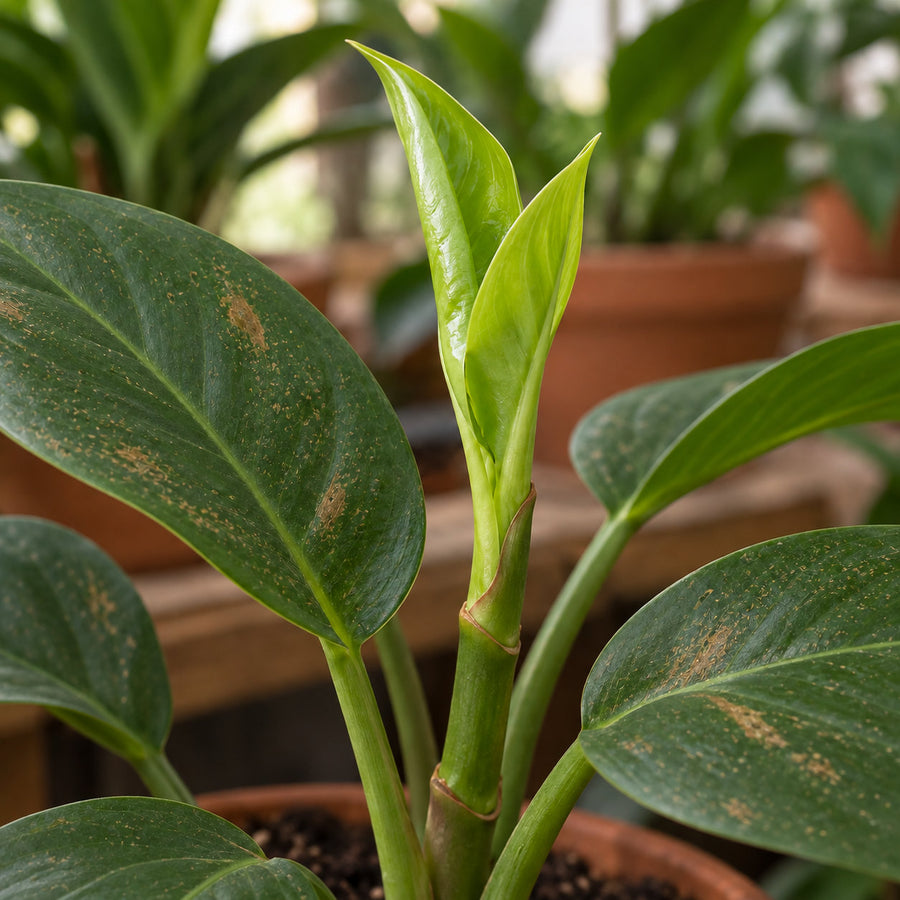
How you'll know it's working
Blue card counts falling as Orius works the adults, new growth coming in clean as limonicus holds the larvae, and the soil stage quietly disappearing as the beetles establish underneath.
Heavy infestations take about a month to genuinely turn, so the first fortnight is about the trend rather than the total. Put the sticky cards back up after a week off — they are how you measure whether any of this is working.
The canopy is the part that needs a second pass. Plan a booster release of limonicus at around two to three weeks. The soil and air halves usually establish on their own, which is why a reorder after this kit is normally just the mite half and fresh cards.
Getting it to you
What is in the box, how it travels, and what happens if it arrives wrong.
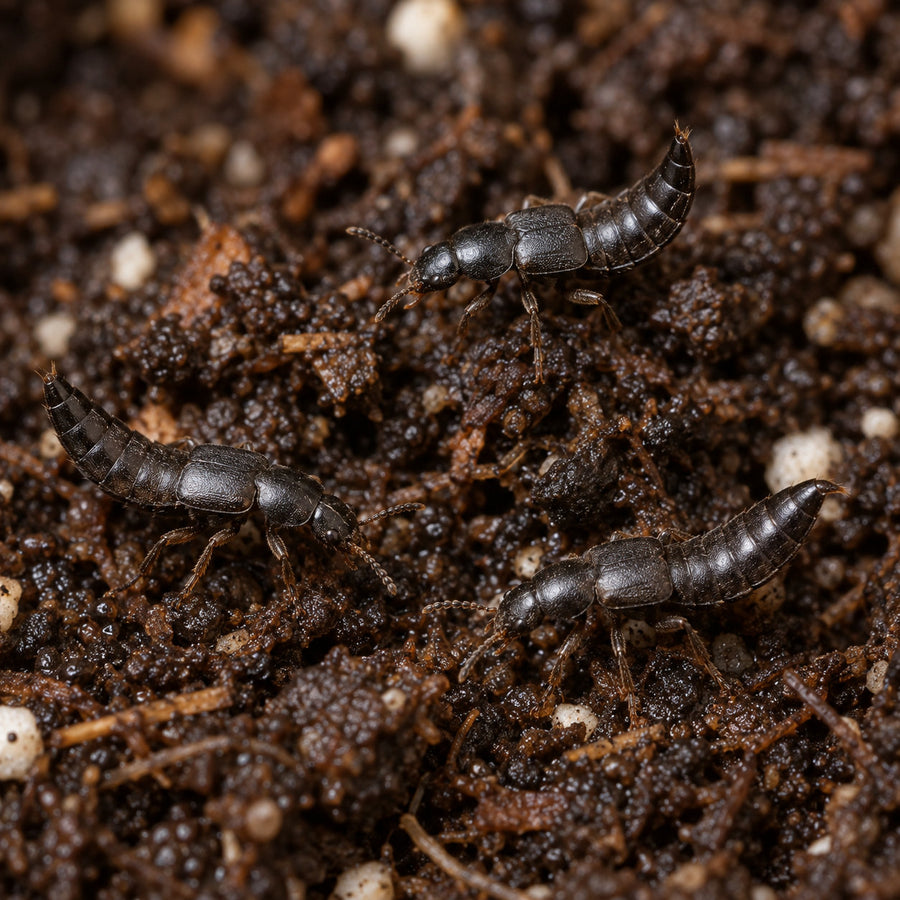
What arrives
Three separate products: a bottle of limonicus in carrier, rove beetles in a vermiculite or peat carrier, and live Orius.
Nothing here goes in the fridge. All three are alive, all three come out today, and the beetles will curl their tails at you when you tip them out.
All three the day it lands. None of them hold well in a container, and this is not the kit to buy if you are going away for the weekend.
When it ships, and when it lands
Shipping
We ship when they're ready to travel. Live orders go out Monday to Thursday. If a colony needs a beat to peak, or we're propagating a fresh batch, yours might hold up to a week. All mites and insects ship 2-day or Overnight depending on what's best for them.
When it lands
Open it the day it lands. Sticky cards down first. Dust the limonicus thinly over the canopy — thinly, and not onto the soil, because that is where the beetles will find them. Sprinkle the Dalotia straight onto moist soil surfaces and the base of each plant; they start hunting immediately. Then release the Orius into and around the flowers and buds, a few per plant, at dusk if you can.
About the ones that don't make it
Some of them die on the way. That is why we send more than you paid for.
A predatory mite is the size of a grain of table salt, and a rove beetle is a few millimetres. They ship in bottles, in a van, for two days.
Roughly 15% will not survive that. We cannot prevent it, so we price it in: the number on the label gets counted out, and then the cushion goes in on top of it.
Your 1,000-mite bottle and your 50 beetles both leave here holding more than the label says. The dead ones are already paid for.
If you can see them
Ladybugs, lacewing larvae, Orius — the minute pirate bug — and the beetles. Tip a few onto white paper and give them twenty minutes at room temperature before you judge anybody.
Cold insects are genuinely good at playing dead. The deceased have been known to get up and walk off the counter.
Still more than about one in seven not moving? Photograph them and file a report.
The photo is not us doubting you. It is how we tell a bad batch from a bad courier day from a mailbox that hit 104°F.
If you can't see them
Mites mostly, which is the limonicus bottle. A bottle of carrier looks the same whether it holds live mites or none, and no photograph settles that, so we don't ask you to take one for that half.
You file the report and our entomologist takes you through the diagnostic instead — the tap test on dark paper, where the box sat, what your room was doing, and then what the pest is doing about ten days later.
The beetles and the Orius are a different matter and you should check them: tip a few of each onto white paper and give them twenty minutes at room temperature. Cold insects are genuinely good at playing dead, so the twenty minutes is not optional — the deceased have been known to get up and walk off the counter.
Seventy-two hours from delivery, either way, with your order number. Replacement or store credit, your pick.
What it does not reach
Three gaps this page has already named, and the beneficial that closes each one.
Thrips Total Control
This is the escalation kit, and it is priced like one. If the damage is noticeable rather than widespread, Total Control covers the same three stages with swirskii on the foliage and Sf nematodes in the soil — the right size of answer for pressure that has not yet outrun you. Buying up is only worth it when the lighter version has already been outpaced.
Amblydromalus limonicus, on its own
The canopy is the half that needs a second pass, and it is the only half that usually does — the rove beetles breed in the media and Orius often establishes on its own. Ordering limonicus separately for the two-to-three-week booster is cheaper than a second whole kit, and it is what most people come back for.
Special Blend slow-release sachets
Once this has turned, the job changes from clearing to holding. Sachets hang a small breeding population on the plants for four to six weeks at a time — four species covering thrips, mites and whitefly between them — so the room you just fought for is not the one it starts in next season. Hang them five to seven days after the release.
Two cheap things that make the rest work harder. Blue cards give you the dated count this page keeps asking you to read. Breeder's Blend is pollen and Artemia; it keeps the population fed through the lull when prey gets scarce.
Questions
Why use this bundle instead of the Total Control bundle?
The Thrips Ultimate Control bundle is our high-intensity tactical solution. While the Total Control bundle is designed to manage moderate pest pressure, the Ultimate bundle is built for runaway, heavy infestations. By utilizing Amblydromalus limonicus (a more aggressive, larger mite) and Dalotia coriaria (highly mobile Rove Beetles), this bundle is engineered to tip the scales back in your favor immediately when pest populations are high.
Are the Rove Beetles (Dalotia) safe for my plants?
Yes, they are 100% safe. Rove Beetles are strictly predatory. They are hard-wired to hunt thrips pupae, fungus gnats, and shore flies. They are completely benign toward your plant roots, stems, and foliage, and they are harmless to humans and pets.
Do I need to re-apply this bundle?
In high-intensity infestation scenarios, we recommend a follow-up "booster" release of the predatory mites (Limonicus) about 3 weeks after your initial application. This ensures the predator population stays ahead of any lingering pests. The Rove Beetles (Dalotia) are exceptional at establishing themselves and will often persist in the soil for several months on their own.
Can I use this if I have already been spraying pesticides or oils?
You must wait. Any chemical pesticide, essential oil, or soap-based spray could kill these beneficial predators just as effectively as the pests. How long depends on what you sprayed: insecticidal soap is a day, spinosad 14 days, sulfur 21, a synthetic pyrethroid 8–12 weeks and bifenthrin 12–15. Neem and horticultural oil only need to be dry. If the foliage is coated in chemical residue, the bundle will not be able to establish.
Will the damage on my leaves disappear once I apply this bundle?
Unfortunately, no. Biological controls stop new damage by eliminating the pest population. Any existing silvering, scarring, or discoloration on your current leaves is permanent—plants do not "heal" their foliage. You will know the treatment is a success when you stop seeing new signs of damage on your fresh growth and when your sticky traps stop showing an increase in captured flying adults.
Can I hold onto these in the fridge if I’m not ready to apply them today?
We strongly advise against this. These are live, high-energy predators that require oxygen and specific environmental conditions to survive. Holding them for even 24 hours can significantly decrease their vitality and their ability to hunt. For the best results, plan your release for the same day your shipment arrives—the "fresher" the predators are, the faster they will get to work.