





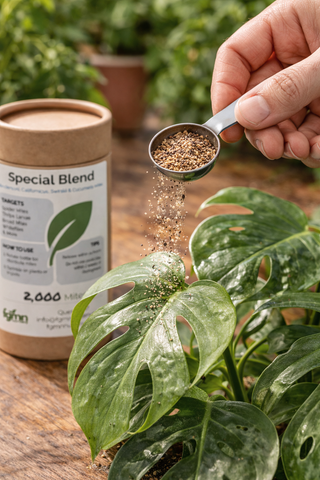
Generalist · Mixed Mites
Special Blend Predatory Mite Mix
Four predatory mites in one bottle, balanced as a single dose — so whatever the room is doing and whichever pest you have, someone in the bottle is thriving.
$75.00
Free Shipping for all orders over $30
If something's wrong when it arrives, file a report within 72 hours of delivery for a replacement or store credit.
By placing your order you agree to our Shipping Policy and Live Delivery Guarantee.

How much, and how often
Two questions — how bad it is, and how many plants. You get a size and the dates to put it out.
How bad is it?
Pick the one that sounds like your room. If you are between two, take the higher.
How many plants?
Six-inch pots. Count a large specimen with a dense canopy as three or four.
Your size and schedule
More about this dose
The three things people ask once they have their size. Open any of them.
Am I light, moderate or heavy?
Light
- You had to go looking for it — a little stippling underneath, or one silvered streak on an older leaf.
- Tap a growing tip over white paper: nothing falls, or almost nothing.
- No webbing, and new growth is coming in clean.
- One or two plants. The rest of the shelf is fine.
Moderate
- You notice it walking past, without stopping to inspect.
- Fine webbing at a leaf joint, or scarring on the newest leaves.
- The tap test drops something most times you try it.
- A few plants in the same area have it.
Heavy
- You saw it from across the room — whole leaves pale, bronzed or scarred.
- Webbing running up the growing tips, or new growth distorted.
- The tap test drops several at once.
- It has reached plants that were never touching.
Overshooting costs you very little — every species in this bottle holds on pollen when prey runs short, so a heavy dose on a light problem stays on as a standing guard. Under-dosing costs you the round.
Mixed pest pressure is built to be underestimated:
- Damage is a record, not a reading. Stippling and thrips scarring are scar tissue. They stay on the leaf long after the pest that made them has gone.
- The stages doing the damage are the ones you cannot see. Thrips larvae, broad mites and spider mite eggs are all below what the eye picks up.
- It travels before it shows. Plants touching an obviously bad one are usually already carrying it.
Why more than one round?
Putting it out
- Rotate, don't shake. End over end, gently — cucumeris settle at the top or bottom in transit, and the tumble evens the mix back out.
- Dust, do not pour. A pinch per plant spread over the canopy beats a heap on one leaf that mostly falls to the floor.
- Go for the new growth. Thrips and broad mites work the growing tip, and that is where the predators should land.
- Under the leaves too. Spider mites live on the undersides, so tip a little carrier there rather than only on top surfaces.
Everything else is optional. Get these four and the release has done what it can.
A cleaner way
On a display plant, tip small piles into bio-boxes or paper cups hung in the branches instead of dusting the foliage. Same dose, nothing visible on the leaf.
The failure is forgetting. Very few programs fail because the mite underperformed. They fail in week five, when the plants look fine, the reorder does not happen, and the population holding the line ages out with nothing behind it.
A schedule is the same decision, made once. A bottle when it looks bad, then another when it looks bad again, is already a rhythm — just one you have to remember at the exact moment the plants look fine.
Change the size or the frequency, skip a box, pause or cancel from your account at any time.
Is this the right beneficial for your problem?
Five questions, in the order a grower actually asks them: what have you got, is this the answer to it, what will it eat, how does it do the killing, and will it survive your room.
Is this your pest?
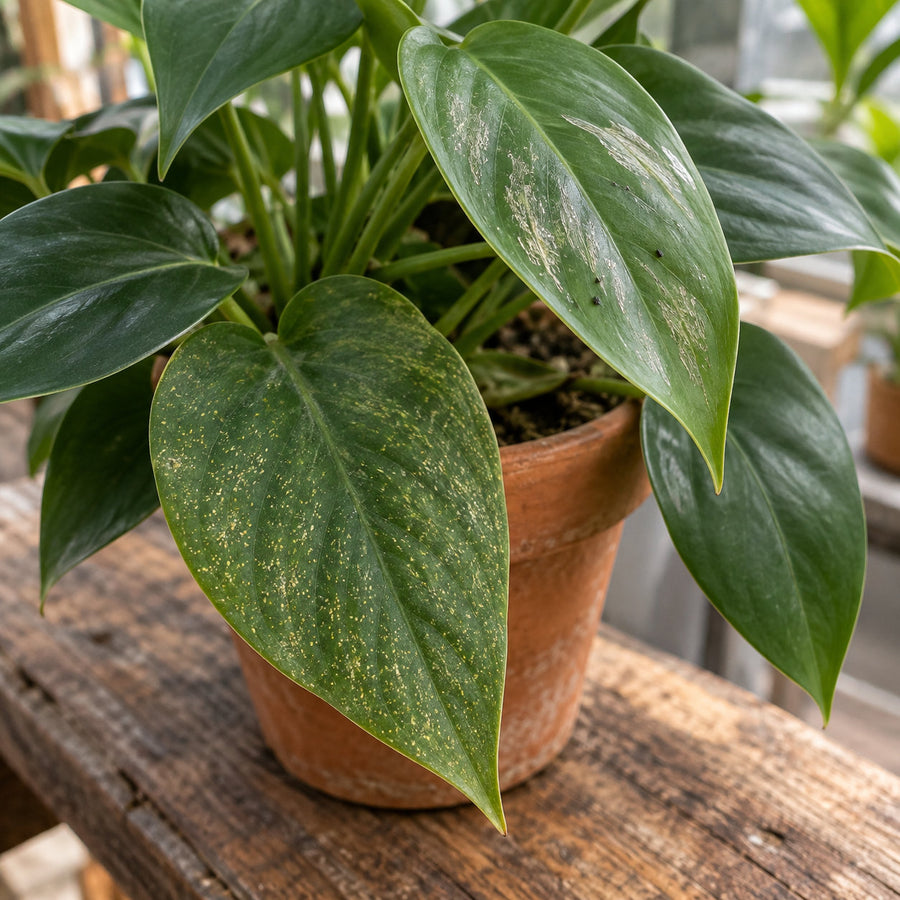
Special Blend treats five kinds of pest. It is the bottle for when you can see damage but cannot name what is doing it.
Mixed pressure rarely looks like one thing. Spider mites stipple and web from the leaf underside. Thrips scar the surface and leave black specks. Broad and cyclamen mites twist the new growth. Russet mites bronze and roughen the leaf with nothing visible on it at all.
Four species cover all of it. Neoseiulus californicus and Amblyseius andersoni take two-spotted spider mite. Amblyseius swirskii and Neoseiulus cucumeris take thrips at the first larval stage, before they grow wings. Swirskii clears whitefly eggs and crawlers. Cucumeris is the documented predator of broad and cyclamen mites. And andersoni reaches russet and rust mites — eriophyids, which almost nothing preys on and which none of the other three would touch.
Then: is Special Blend the right answer to it?
Choose this if
Choose Special Blend when the pest is unclear or the pressure is mixed. Four species is the widest coverage in a single bottle, and the climate band is the widest too: from 50°F to 95°F something in here is always working. When the room cools, andersoni, californicus and cucumeris keep hunting; when it spikes, swirskii comes into its prime and andersoni stays with it to 100°F. One species spans all three bands, so a swinging room never leaves a gap.
Choose something else if
Breadth is the trade. If spider mites are the only problem and they are heavy, Phytoseiulus persimilis is faster. If thrips are the only problem, the swirskii bottle is more concentrated. And if you want more predators of fewer species on the plant rather than four spread across the same dose, Ultimate Control is the denser mix.
What it kills, and what it won't
All four feed on pollen, which is not a pest — it is how the population holds on a clean plant between outbreaks instead of starving out. A specialist would be gone; these stay.
How it works
What it does to the pest, what it does on the plant, and what that leaves you looking at.
Four hunting styles, one dose
These are predators — not a poison, not a repellent, nothing systemic. Each species works a different pest and a different part of the plant, so the bottle covers the leaf underside, the growing tip and the flower at the same time. No residue, no re-entry interval, and nothing in here can be sprayed past or built up resistance to.
Thermal stacking
The reason the range is 50–95°F is that the species hand off to each other. Below 68°F andersoni, californicus and cucumeris carry it — they slow but they do not go dormant, and andersoni is still hunting at 43°F. Between 68°F and 82°F all four are reproducing hard. Above 82°F swirskii comes into its own. When one species stalls, another picks up.
Pest numbers, not mites
You will rarely watch this happen. All four are under half a millimetre, beige, and they work on leaf undersides and in the tight new growth. Judge it the way a grower does — webbing that stops spreading, new leaves coming in clean — rather than by trying to count predators on a leaf.
It is not a knockdown. The damage already on a leaf is permanent and stays there whatever happens next. What changes is the growth that comes after.
Will it work in your room?
If spider mites are the whole problem and there is visible webbing, this is not the fast answer — persimilis is. And if your plants are clean and you want a standing population rather than a dose, the sachets are the buy: bottles are adults only and release immediately.
About the blend
Four predatory mites in one bottle, balanced as a single dose rather than four programmes at once. All of them are under half a millimetre, hunt on leaves, and have no interest in your plant or in you.
New to beneficials?
Five things that catch almost everyone the first time.
After you release it
What actually changes, how fast, and the three things this one does not reach.
How you'll know it's working
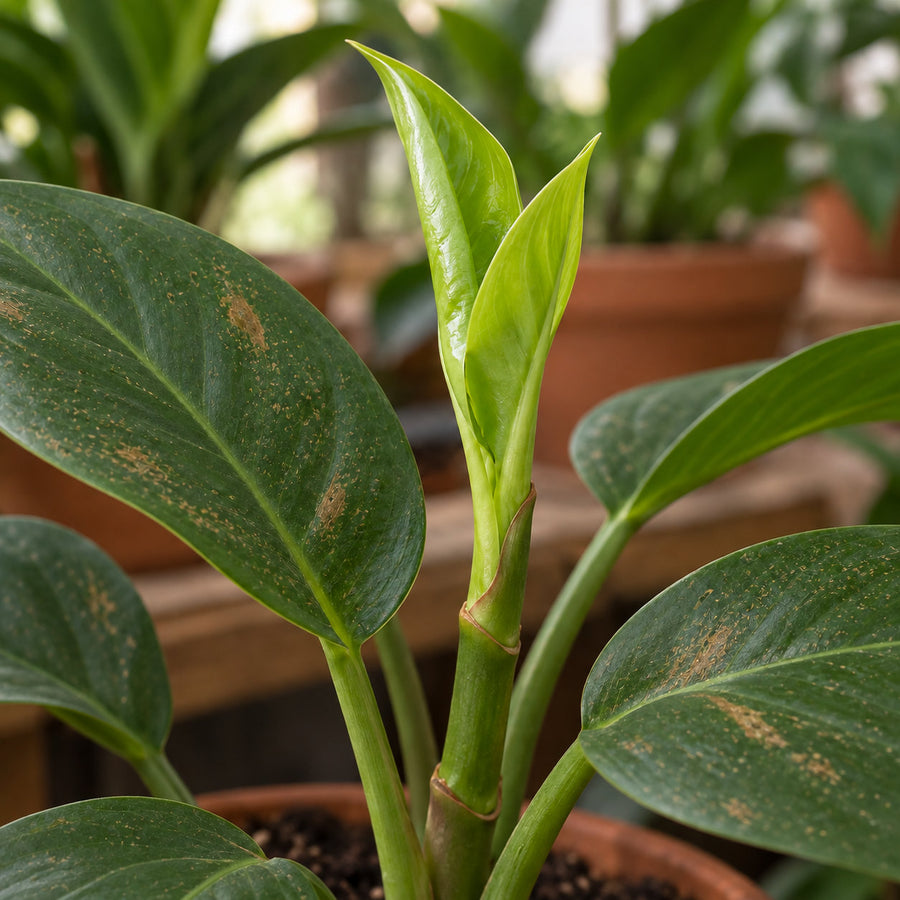
Existing damage does not heal. Stippling, scarring and twisted leaves stay exactly as they are after every pest on the plant is dead, because that is scar tissue and not an infestation.
So judge by three things instead: webbing that stops spreading, no fresh damage on new leaves, and falling counts on a dated sticky card.
Gradual rather than dramatic, and how long depends on how heavy it was. With four species you are watching several problems ease at different rates rather than one disappear.
Getting it to you
What is in the bottle, how it travels, and what happens if it arrives wrong.
What arrives
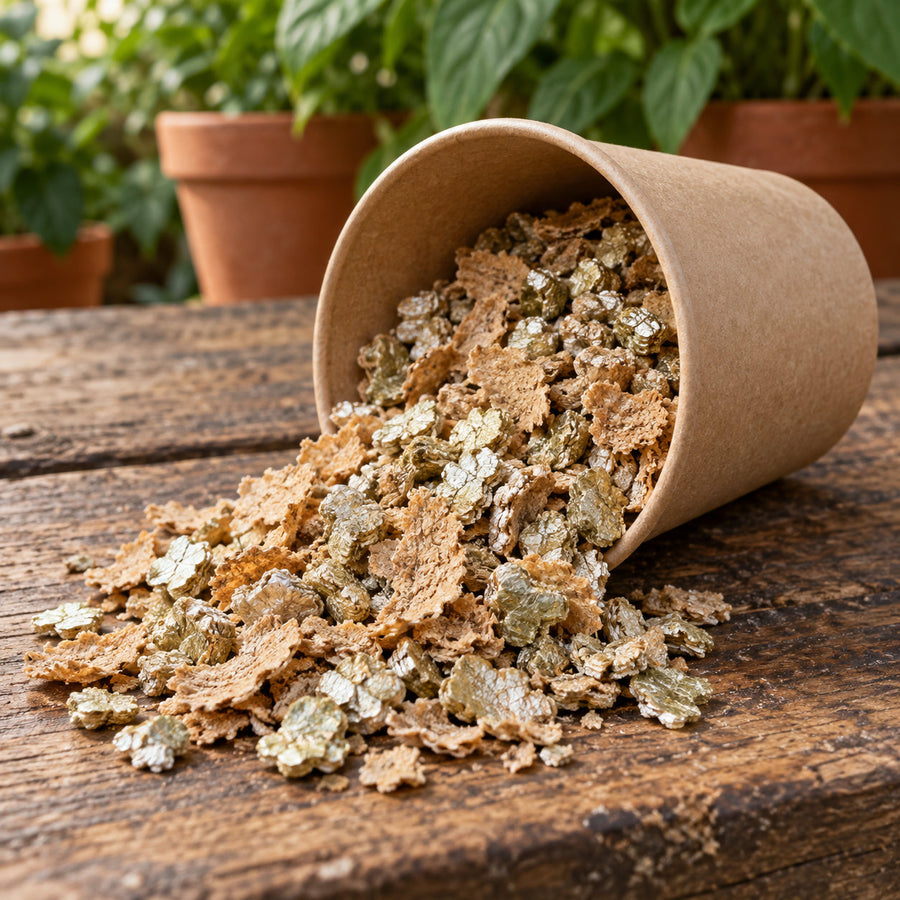
Adults of all four species through a bran and vermiculite carrier. The carrier is not filler — it is how mites travel without grinding each other down, and it goes out onto the plant with them.
You are unlikely to see movement, and that is normal at this size against a pale carrier. An unmoving bottle of carrier is the normal appearance of a live product.
Release on arrival. There is no holding option for loose mites — open the bottle the day it lands.
When it ships, and when it lands
Shipping
We ship when they're ready to travel. Live orders go out Monday to Thursday. If a colony needs a beat to peak, or we're propagating a fresh batch, yours might hold up to a week. All mites and insects ship 2-day or Overnight depending on what's best for them.
When it lands
Open it that day. Dust rather than pour — a pinch per plant spread across the canopy beats a heap on one leaf. Aim at the new growth where thrips and broad mites work, and tip some under the leaves where spider mites live.
About the ones that don't make it
Some of them die on the way. That is why we send more than you paid for.
A predatory mite is the size of a grain of table salt. It ships in a bottle, in a van, for two days.
Roughly 15% will not survive that. We cannot prevent it, so we price it in: the number on the label gets counted out, and then the cushion goes in on top of it.
Your 500-mite bottle leaves here holding more than 500. The dead ones are already paid for.
If you can see them
Ladybugs, lacewing larvae, Orius — the minute pirate bug — and the beetles. Tip a few onto white paper and give them twenty minutes at room temperature before you judge anybody.
Cold insects are genuinely good at playing dead. The deceased have been known to get up and walk off the counter.
Still more than about one in seven not moving? Photograph them and file a report.
The photo is not us doubting you. It is how we tell a bad batch from a bad courier day from a mailbox that hit 104°F.
If you can't see them
Mites, nematodes, eggs — most of what we sell, this one included. A bottle of carrier looks the same whether it holds 500 live mites or none, and no photograph settles that. So we don't ask you to take one.
You file the report and our entomologist takes you through the diagnostic instead — the tap test on dark paper, where the box sat, what your room was doing, and then what the pest is doing about ten days later.
Seventy-two hours from delivery, either way, with your order number. Replacement or store credit, your pick.
What it does not reach
Three gaps this page has already named, and the beneficial that closes each one.
Phytoseiulus persimilis
Four species spread across one dose is breadth, not speed. If spider mites are the only problem and they are already webbing, persimilis is stronger at that one job — it works from inside the web, and it works fast.
Orius insidiosus
The thrips predators in this bottle work the first larval stage — they eat the babies before they can grow wings. None of them will touch an adult. Orius will, and it hunts them in the flowers where they feed. Worth it when you can see them moving, not when you are working off damage alone.
Special Blend sachets
Bottles are adults, released all at once, built for treatment. Sachets are mixed stages releasing slowly over weeks, built to stop the rebound. Hang them five to seven days after the bottle goes out and they hold the ground you just took.
Two cheap things that make the rest work harder. Blue cards give you the dated count this page keeps asking you to read. Breeder's Blend is pollen and Artemia; it keeps the population fed through the lull when prey gets scarce.
Questions
How quickly do Special Blend Bottles work?
The mites begin hunting immediately. Visible pest reduction typically takes several days and depends on infestation severity.
When should I switch to sachets?
Once active pest pressure is reduced, many growers transition to Special Blend Sachets to maintain predator presence and prevent rebound.
Can I mix different predatory mite species together?
Yes. Different predatory mite species can be used together and often complement each other.
Special Blend already combines three species that work in different ways — some focus on thrips larvae, some on spider mites, and some provide broader mite coverage.
If you are adding another species, make sure it targets a different life stage or pest type. For example:
Add Orius if you are seeing adult thrips (flying stage)
Add Sf nematodes if soil-stage pests are involved
Avoid over-layering multiple species that do the exact same job unless pest pressure is severe.
When in doubt, choose one strong treatment strategy rather than stacking too many predators at once.
Can these be used indoors?
Yes. They are commonly used in indoor grow spaces, greenhouses, and home plant collections.
Will I see the mites after applying?
Maybe... you may see some movement briefly, but predatory mites are extremely small and disperse quickly. Not seeing them does not mean they are not working.
What if my plants are bigger or smaller than 6 inches?
Our coverage estimates are based on an average 6-inch potted plant.
If your plants are larger, bushier, or heavily infested, use slightly more per plant.
If your plants are smaller, more compact, or lightly infested, you can use slightly less.
The key factor is leaf surface area, not just pot size. Larger foliage requires more predators for effective coverage.
When in doubt, err slightly higher for active infestations.
It controlled the spider mites but they reappeared after a week
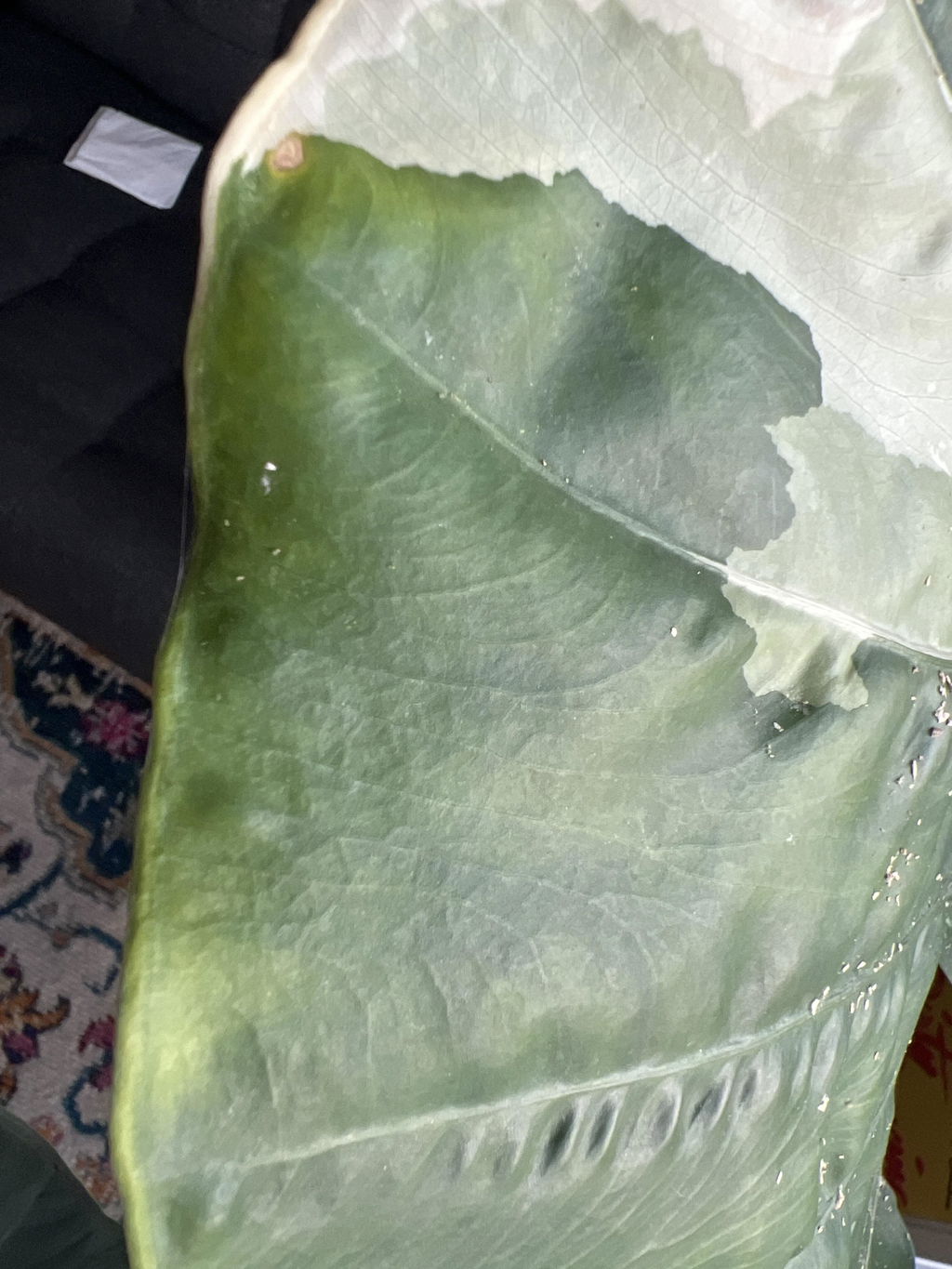
Hi Junaid, thanks for sharing your experience. What you experienced is known as the “ghost period”. During that time, your beneficial have eaten all of the spider mites, but the spider mite eggs remain behind. With nothing to eat your beneficials die off, leaving the spider mites eggs to hatch later with nothing there to eat the brand new spider mites. One reapplication (often not the same level) or the simultaneous use of the prevention sachets usually clean up that new hatch— and then it’s all done. Please reach out if you want any further information. :)
I saw a few mites but definitely not 2k when I released them.
I don't see any new webbing so maybe they are there working.
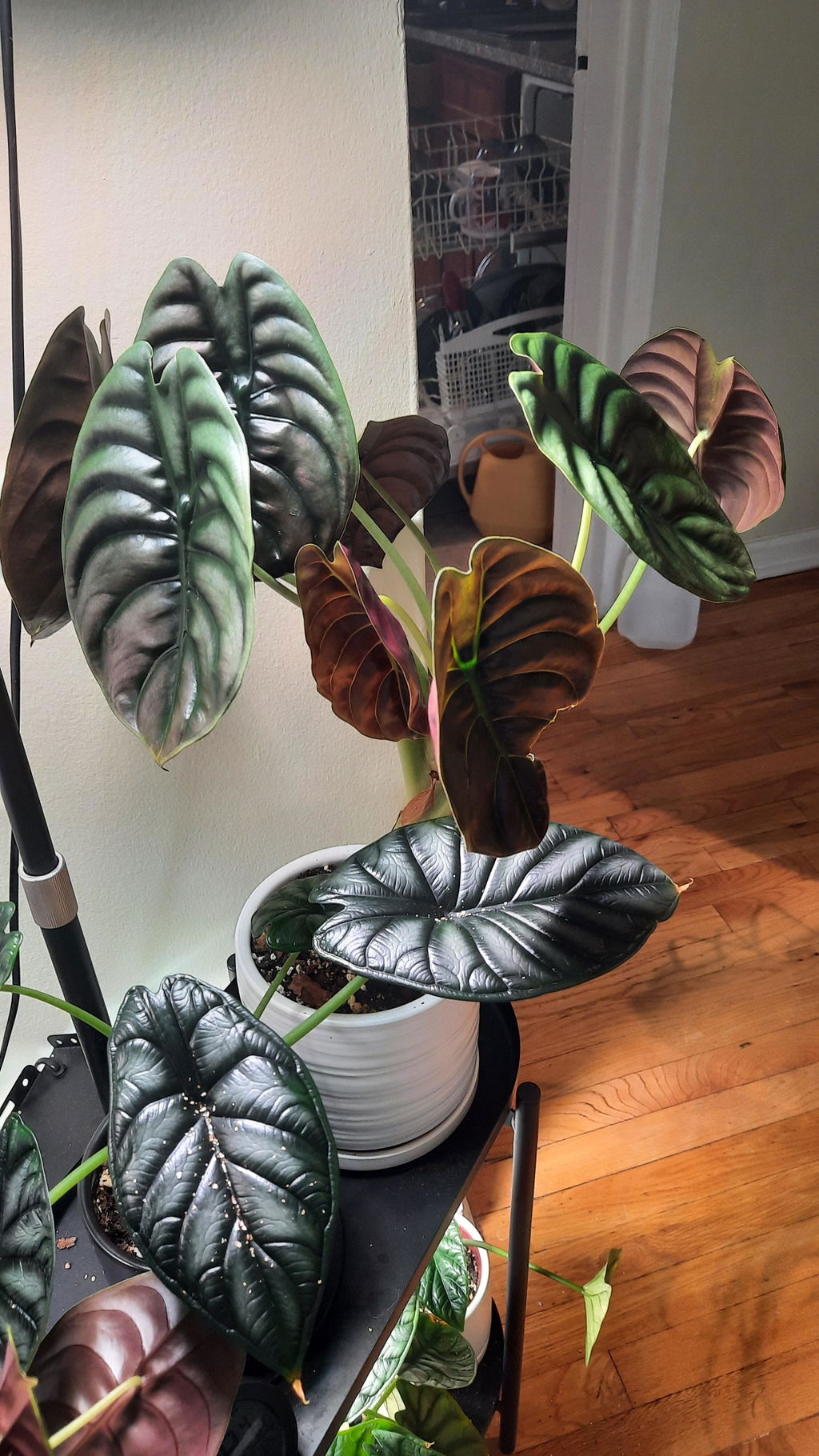
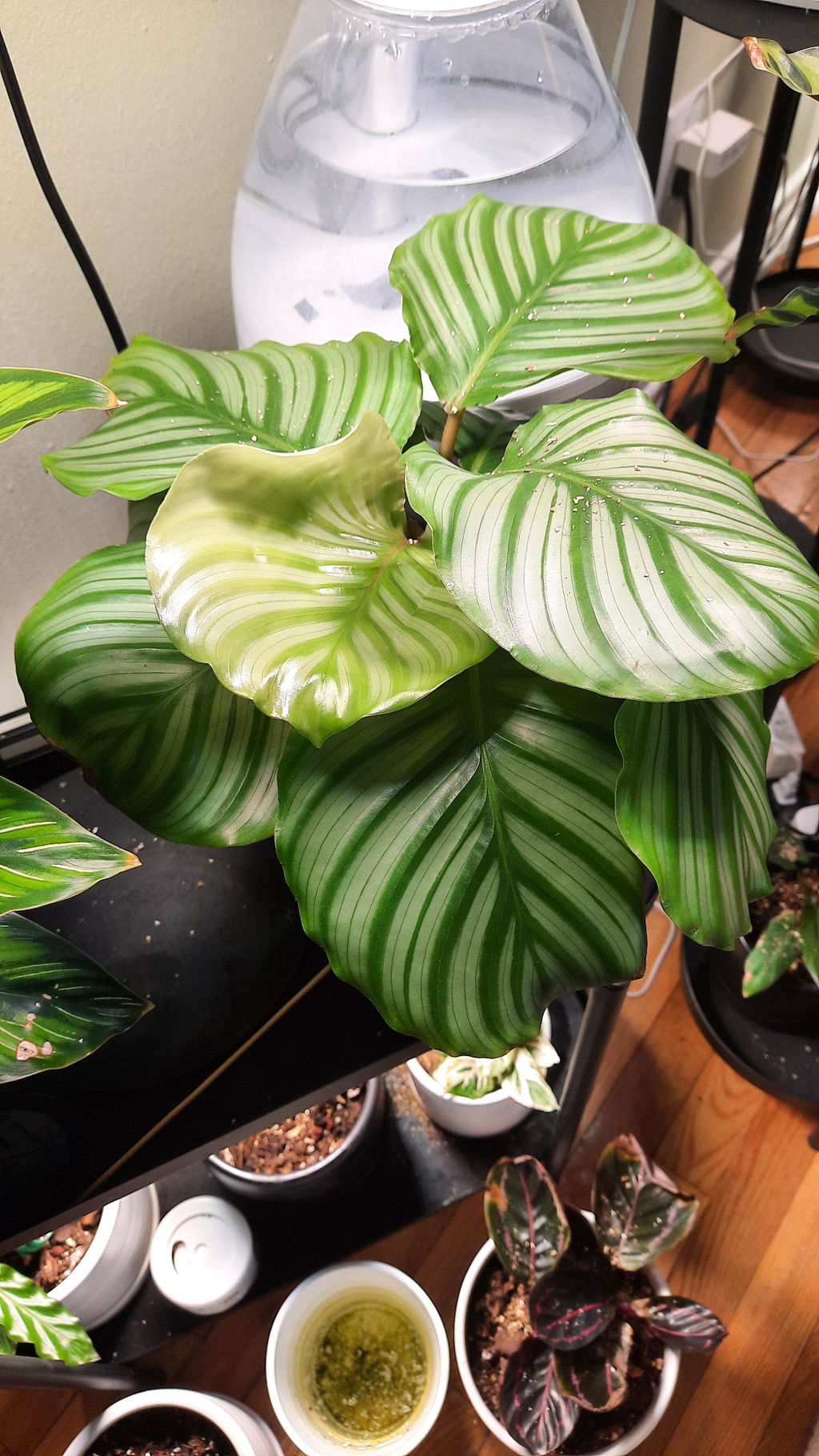
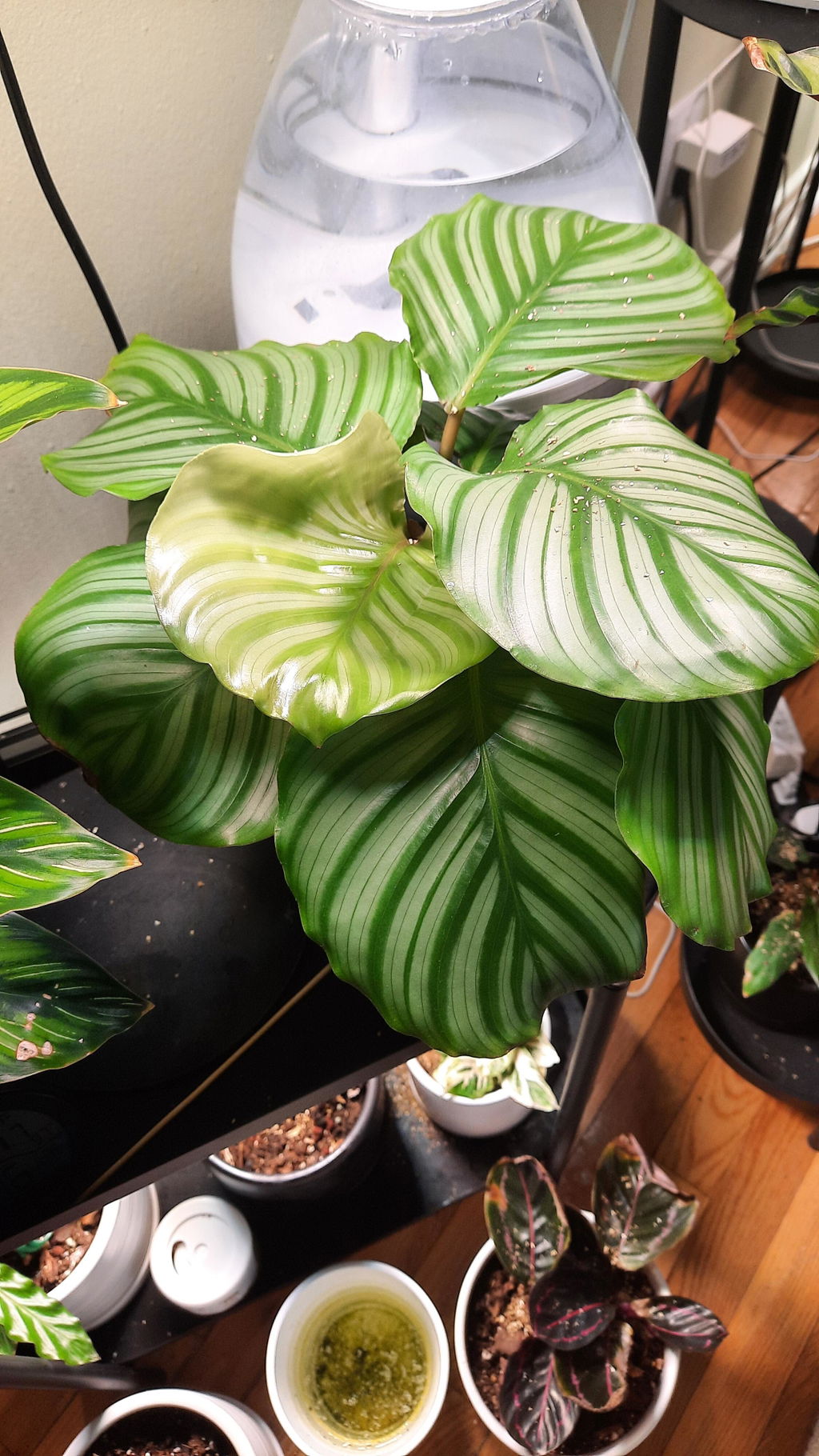
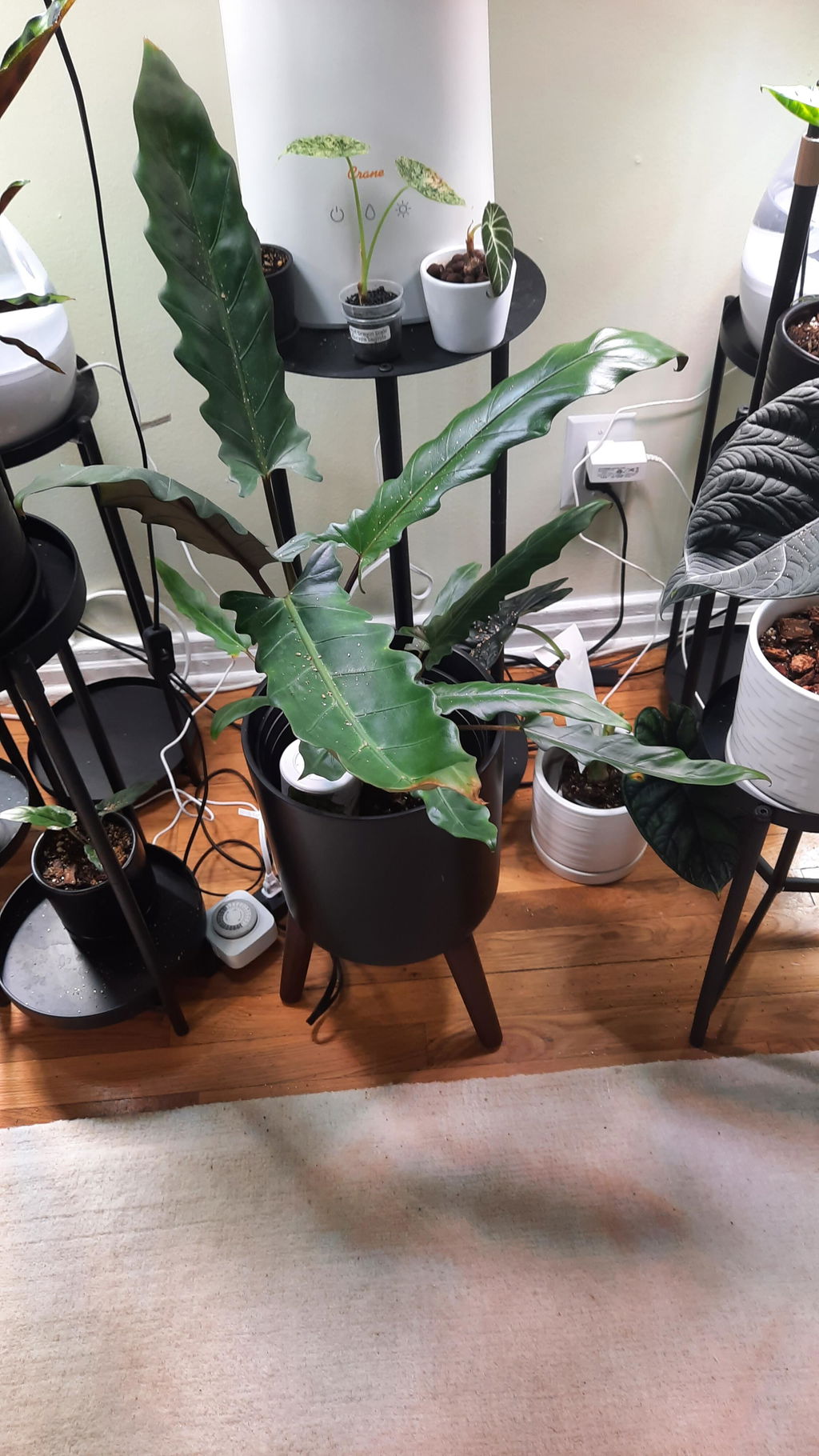
Hi Mary — thank you for the detailed review and photos.
Predatory mites are extremely small, so it’s normal to only see a handful at release even when thousands are present. Many remain in the carrier material or disperse quickly into the plant canopy and substrate. Unlike pests, they don’t congregate on leaf surfaces where they’re easy to spot.
The fact that you’re not seeing new webbing is actually a strong indicator that they’re active and feeding, even if they aren’t visible.
We truly appreciate you sharing your experience — real-world observations like this help set expectations for other growers as well.
I’ve been having trouble with spider mites especially here in Arizona(dry and dusty), I took the quiz and this one came as the best result for what I wanted. It was super easy to disperse them and I’ve already seen a difference! I also had ordered some beneficial bugs for mealy bugs and it barely took a week before I saw a major difference. Highly recommend
My mites took way longer than usual. Then when they arrived they are all dead no movement. I usually can slightly see some move. They have never come in this way.
Hi Caleb,
I'm sorry to hear about your shipping experience. Unfortunately, shipping can run into delays beyond anyone's control. Shop won't let us post links, but please file a report using the link provided, and our entomology team will help you out.
I'll admit they'll likely have you release them and monitor pressure. Not seeing them does not mean they're dead. Most people cannot see them, but they will burrow into the media if given some time (such as delayed shipping). In such circumstances, you wouldn't see them because they're not on the side of the tube like you're used to. They'll be happy to explain more!
I just applied the mites two days ago, I guess they're doing their job now.
The Buying experience was very nice, and the customer service was able to help me move my delivery date to one that suited my schedule.
My plants look so much healthier since I deployed the mites! The spider mites have noticeably decreased in my palms, which are already starting to bounce back from the infestation. Its new leaves look green and pest-free. My other plants (not affected by the spider mite infestation) look greener and noticeably happier as well! Couldn’t recommend this product enough!
Quick shipping, effective packaging, and lots of useful information included on the product and more. Everything seems to be good! Thank you!
They are tiny, but you can see them! So far so good
package arrived boiling hot - well above 100 degrees with a melted ice pack. dumped it on black cardboard paper with a magnifier and absolutely nothing was moving w tons of dead mites. they tried to tell me its a good thing that the ice pack was melted and it arrived hot. bad customer service. save your money and order from someone that properly ships live mites.
Hi Lauren,
Thanks for the feedback.
As we discussed, a thawed ice pack on arrival is expected. It slows how fast the box warms and raises humidity as it melts, which matters here because swirskii and cucumeris both struggle below about 60% RH. These are warm-climate mites — swirskii does best near 77°F and its numbers fall off as things cool, so shipping them chilled does more harm than good. The Journal of Integrated Pest Management's review of swirskii lays out the ranges if you'd like to read it.
A box that genuinely sat above 120°F is worth reporting, and that's what the live delivery guarantee is for. We've sent you the link — please feel free to report it. As we discussed, the entomologist is going to ask you file a report this week, will discuss it with you, and then ask you to file again in the future. Then you can compare and decide next steps together and how we can support them.
Second time ordering, careful packaging with a note in each order. I’m on automatic shipments now!
Arrived fast and alive.
Works like a charm every time. Lots of active bugs, gently packed with cute informational material. FGMN is by far my favorite supplier for beneficials. Thank you!
A.rrived quickly. Very satisfied
Quick shipping! I don't see any bugs buuuuuut the spider mites are gone! So something is doing some work, somewhere!!!
way more effective than neem oil. would highly recommend.
My plants are so much happier
FGMN sent out a new bottle because the shipping of the first bottle was delayed, I didn't even have to contact anyone! Great customer service, my plants are looking happier already. Thanks predatory mites!
The package was delivered exceptionally fast and the blend of mites were in great condition. They moved swiftly and hopefully descended on all pests with the fury of a thousand legs. Very happy with the bottle and sachets.
I have been battling spider mites endlessly for the past 3 months. These predatory mites resolved my pest problems in a week. Stop with the neem oil and buy some bugs!
Everything was great, only issue was part of my orderwas missing. But they were quick to respond
So far, so good.. introduced within hours or delivery
I can see predatory mites running everywhere.. turned off the lights, sprayed the plants with water, turned off the dehumidifiers.. time will tell..
I do not want to leave a bad review but I have to be honest, it was unsuccessful. I don’t know if I didn’t order enough mites or what or maybe I should have ordered sachets. I’m just disappointed in the amount I paid and seeing a bigger problem and population in spider mites since I didn’t mist my plants for 2 weeks in hopes of letting the predatory mites do their job.
Hi Tre — we appreciate your honest feedback. A 500-count bottle is generally best for smaller infestations or a few plants, but for larger collections or heavier spider mite pressure, that quantity may not be enough to bring populations under control. If you've gotten to the point where you had webbing, you will most likely need a medium to large bottle or multiple releases over the course of several weeks.
If you’re still seeing activity, adding a follow-up release or pairing bottles with prevention sachets usually helps stabilize the balance faster. We’re happy to help you calculate the right setup for your space anytime at info@FGMNNursery.com.
Wasn't happy that I received an out for delivery notification before receiving a shipping notification. Product wasn't delivered when it was supposed to. Contacted Karen and she wouldn't help, just kept saying she didn't own FedEx and I needed to contact FedEx. FedEx wouldn't help me as I wasn't the shipper. I let Karen know this and she wouldn't help. This was on a Friday. Saturday the package was delivered but not to my address. Contacted Karen again and she could've looked at their FedEx page to get the delivery confirmation picture but didn't. She then got shitty about the fact that she had to send a replacement. Even put a nice petty message on the invoice about how she paid for it. Original package was delivered on Tuesday and they were dead. She kept putting it on FedEx but the fault is on FGNM as they put the wrong address.
Super happy with my purchase. I was impressed they shipped/arrived super fast and they were very active. I think I will need more to eradicate and I won’t hesitate to order again from FGMN.
Great solution, excellent customer service.
Seems to be working.