




Field Notes
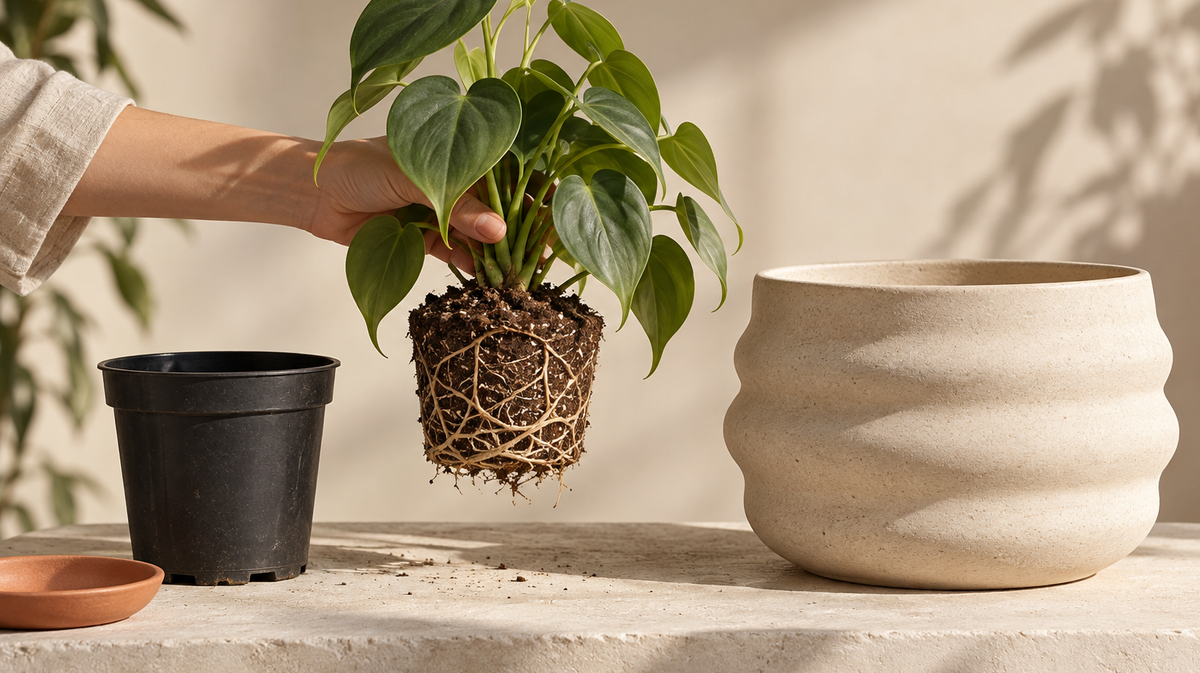
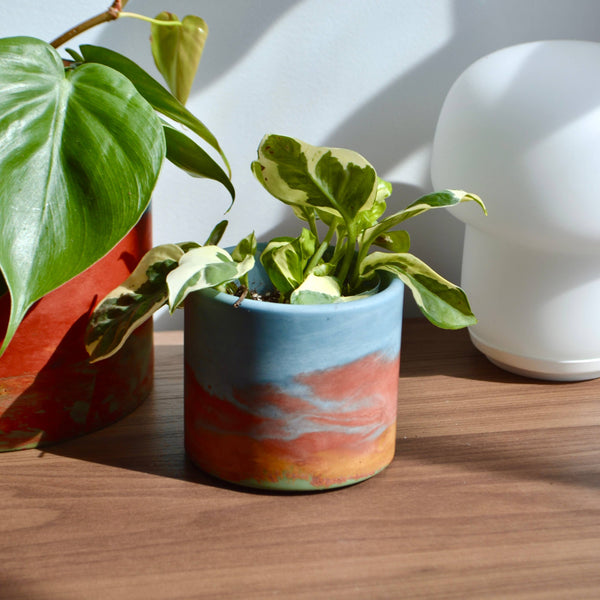
Your Plant Has Opinions About the Pot
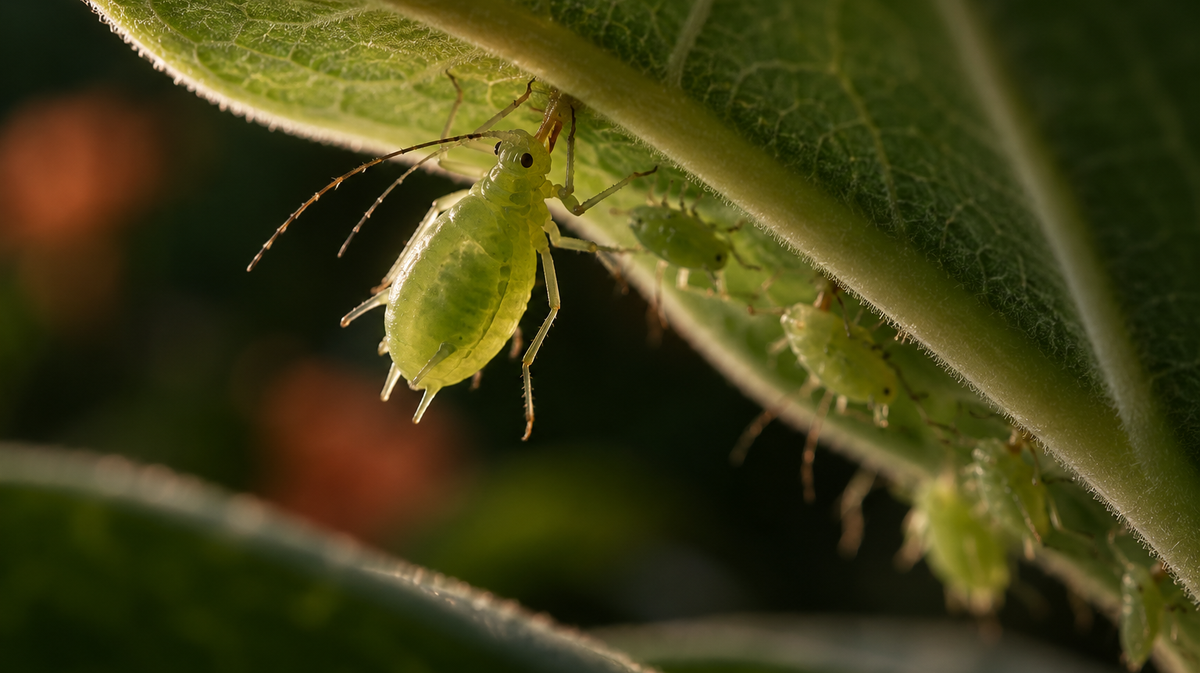
Systemic Granules Have Instructions
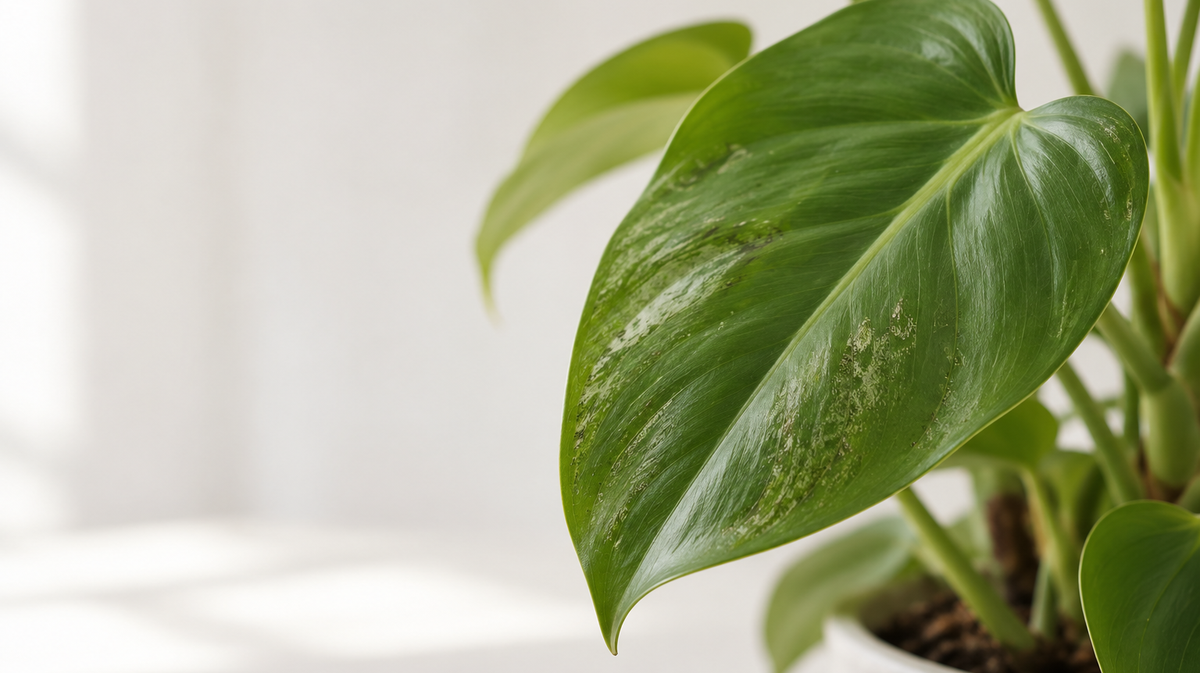
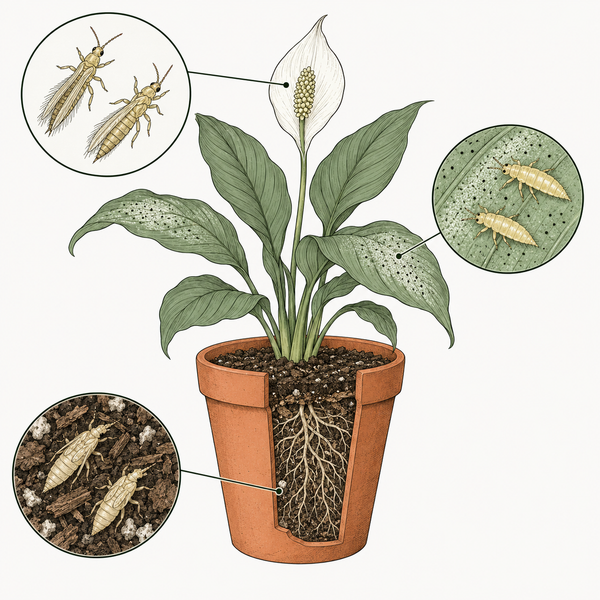
Those Might Be Thrips
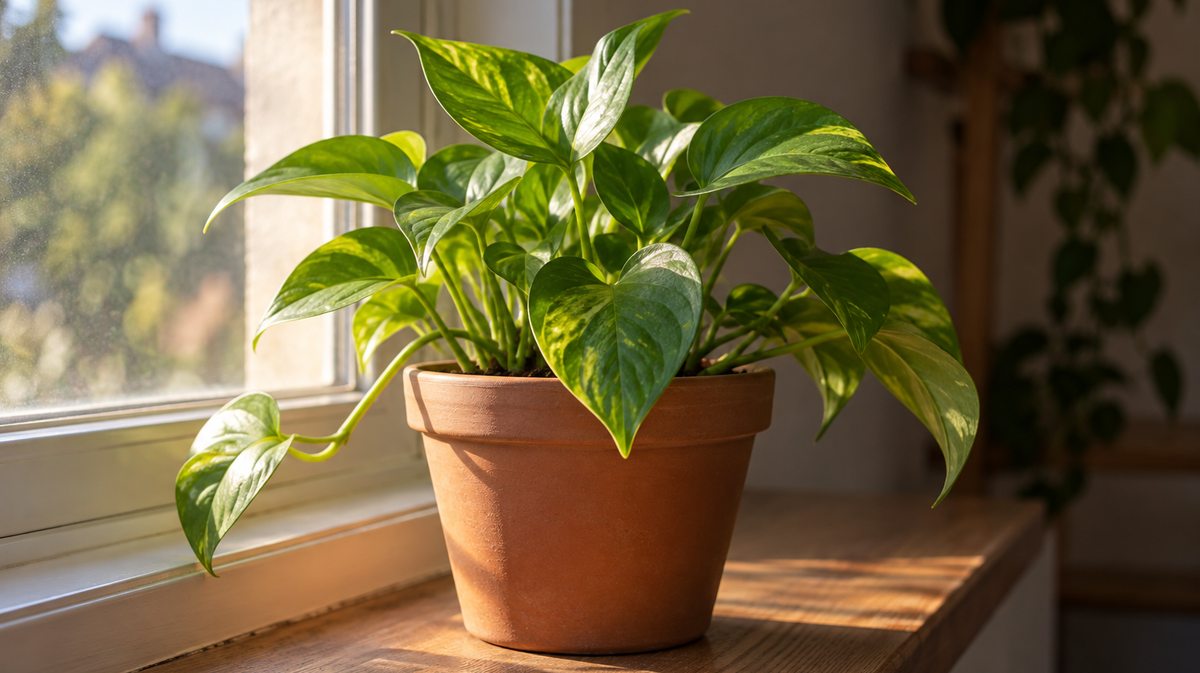
How Long Do Predatory Mites (and Other Beneficials) Work?
The lifespan on the label is not what decides how a release goes. What does is whether the beneficials leave, starve, dry out, get cold or get sprayed. Here are the lab lifespans we could find, and what nobody has measured yet.
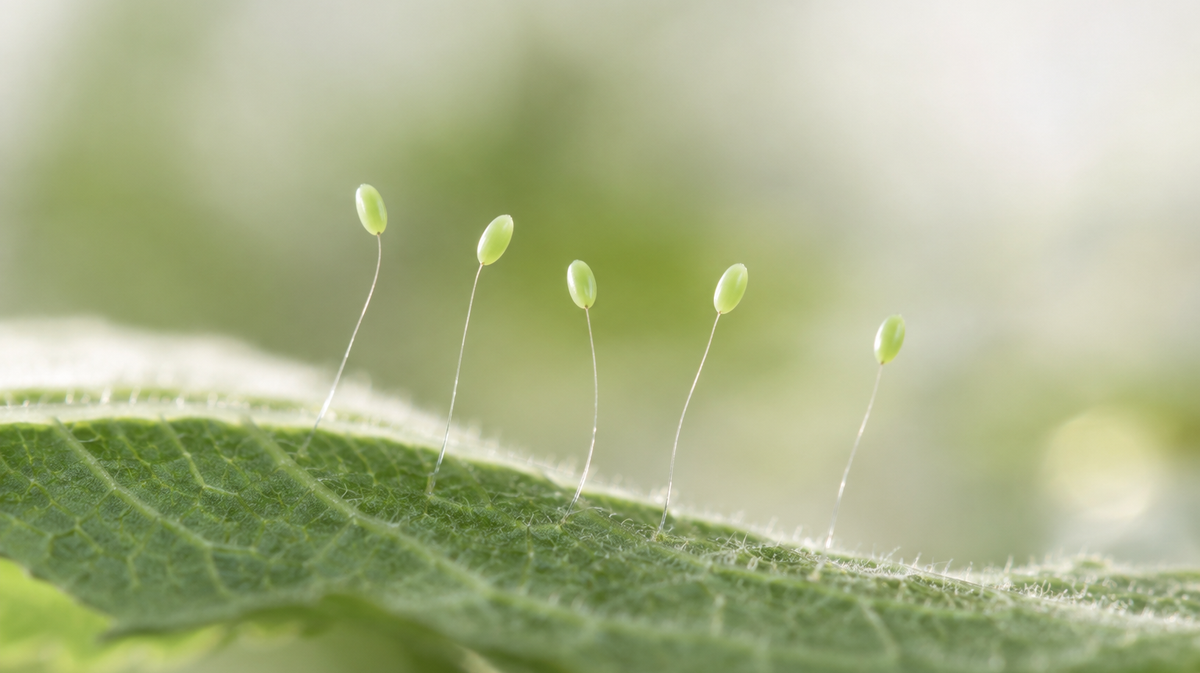
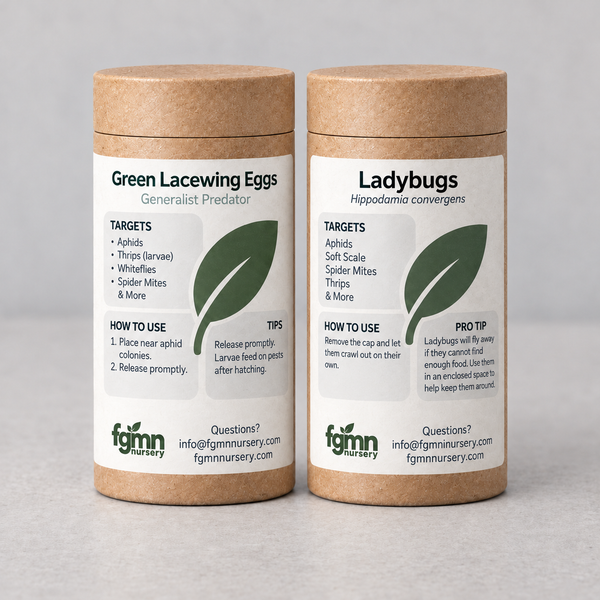
Eggs Cost Less. Larvae Are the Ones That Arrive.
The same insect is sold at two life stages for two very different prices, and the reason is not packaging. Most of the gap is attrition — what happens to an egg between the container and a larva that reaches a pest.

Root Aphids Sit Below Everything You Bought.
Root aphids are a different pest with a different answer, and the honest version of that answer is thinner than the product labels across this industry suggest. Here is what you are looking at, how to be sure, and what has actually been tested.
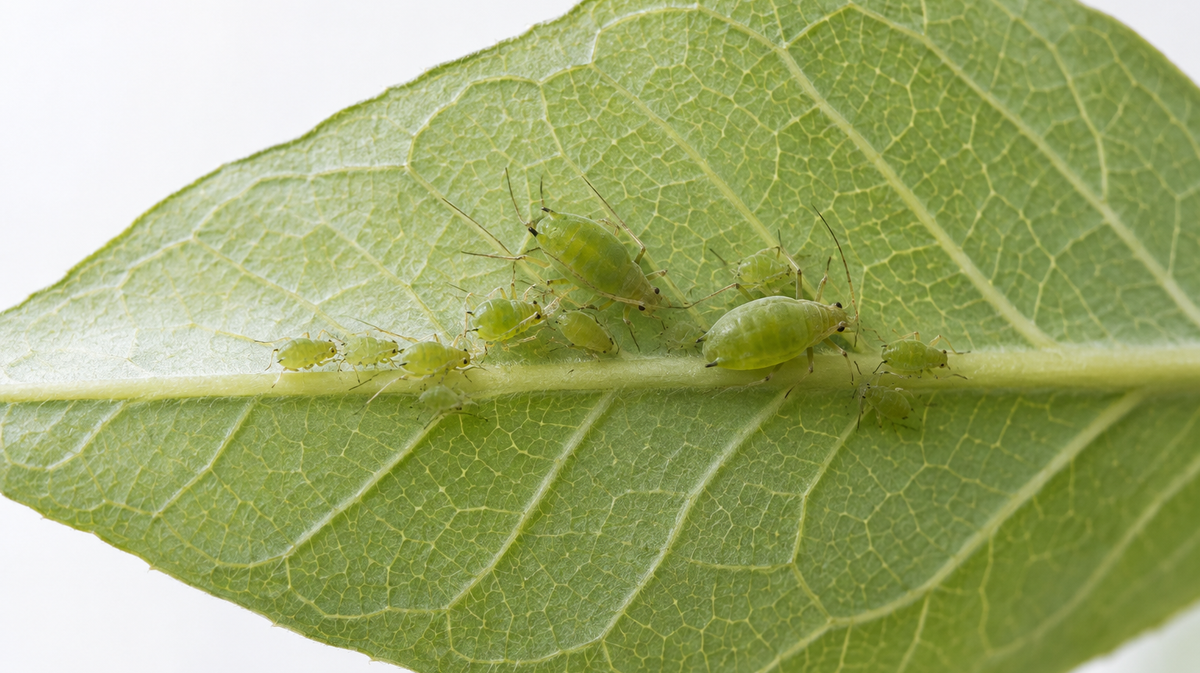
The Wasp Only Works on the Right Aphid.
Most aphid advice treats aphids as one pest. The parasitoid wasps do not. One of them will sting a potato aphid and be unable to develop inside it, which looks exactly like a release that did nothing. Here is how to tell which one you have.
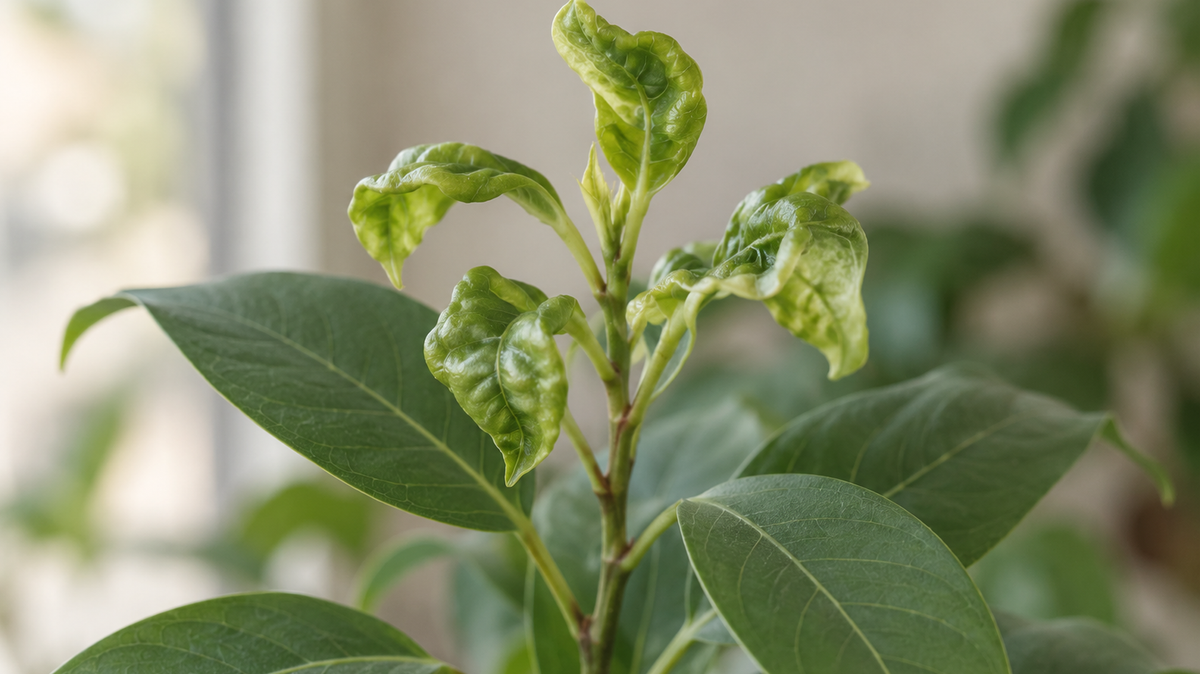
An Aphid Is Carrying Her Granddaughters.
Aphid numbers do not behave like insect numbers. A female gives birth to live daughters without mating, and those daughters already contain their own daughters before they are born. Everything else about aphids follows from that one fact.
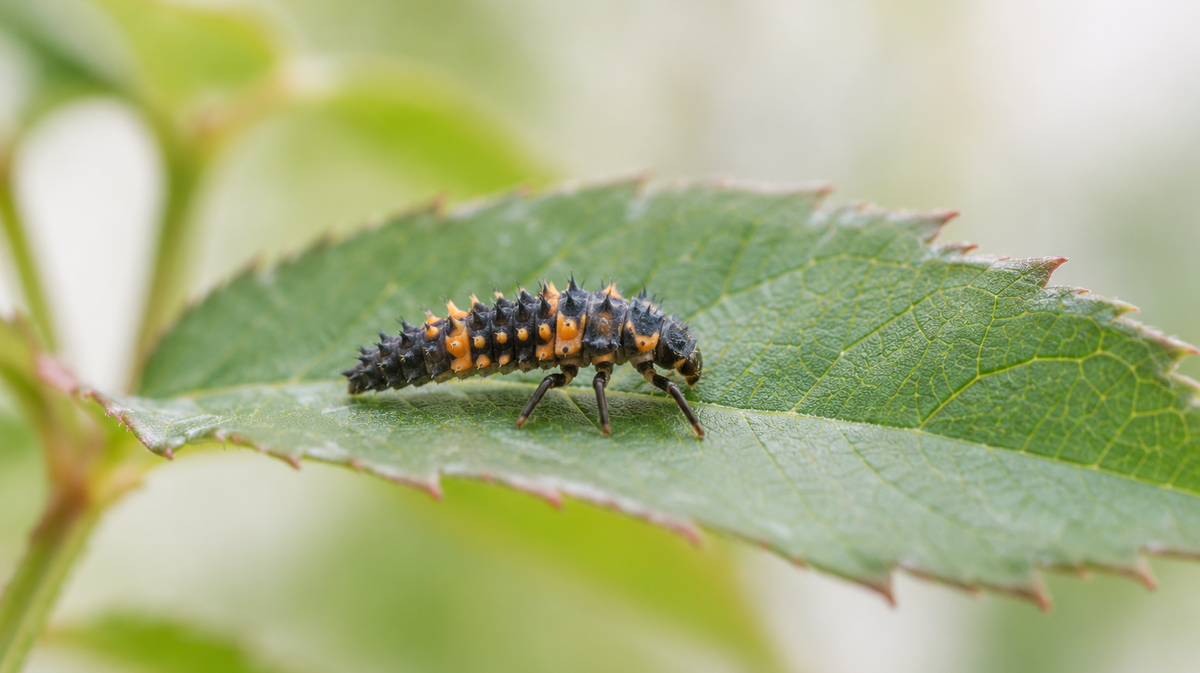
The Spiky Grubs Are The Ladybugs Working.
A week after a ladybug release most of the beetles are gone and something else is on the leaves: small, dark, spiky, moving with purpose. People spray them. They are the part of the release that cannot fly away, and they do most of the eating.
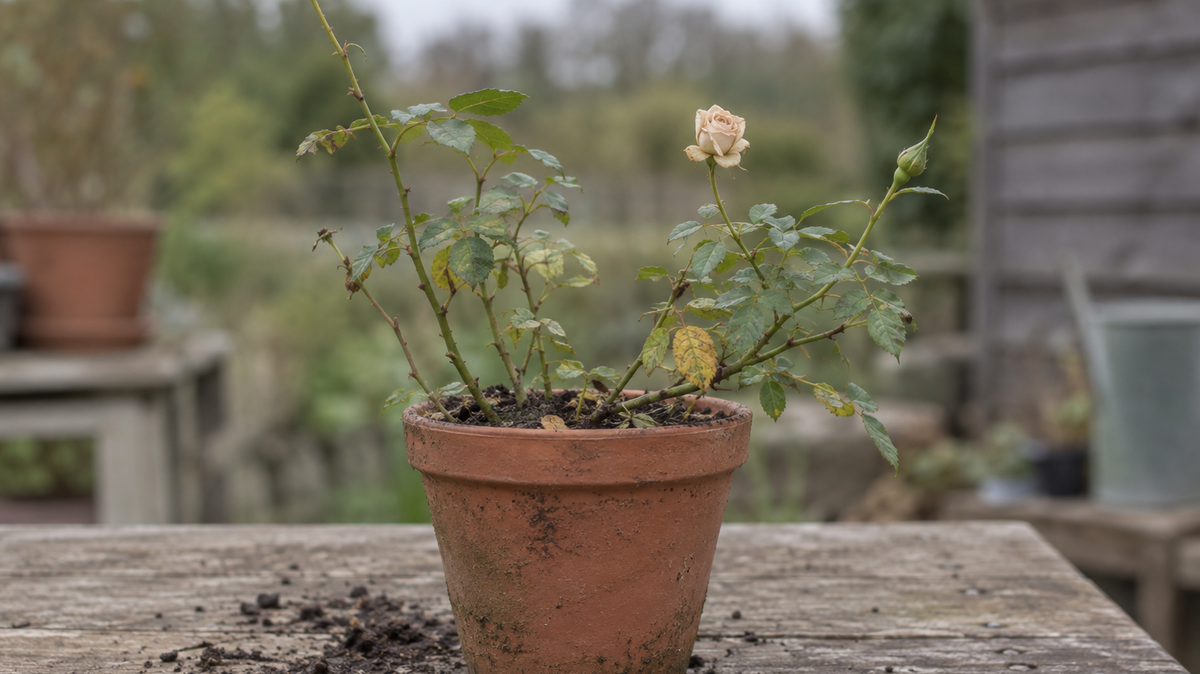
One Rose Bush Took 1,500 Ladybugs.
A light sprinkle of ladybugs over an infested plant is the standard advice and it is not close to the rate that has been shown to work. In the one peer-reviewed garden trial, single releases at the recommended rate did nothing measurable. Here is the number that did something.
Thrips Never Seem To Go Away
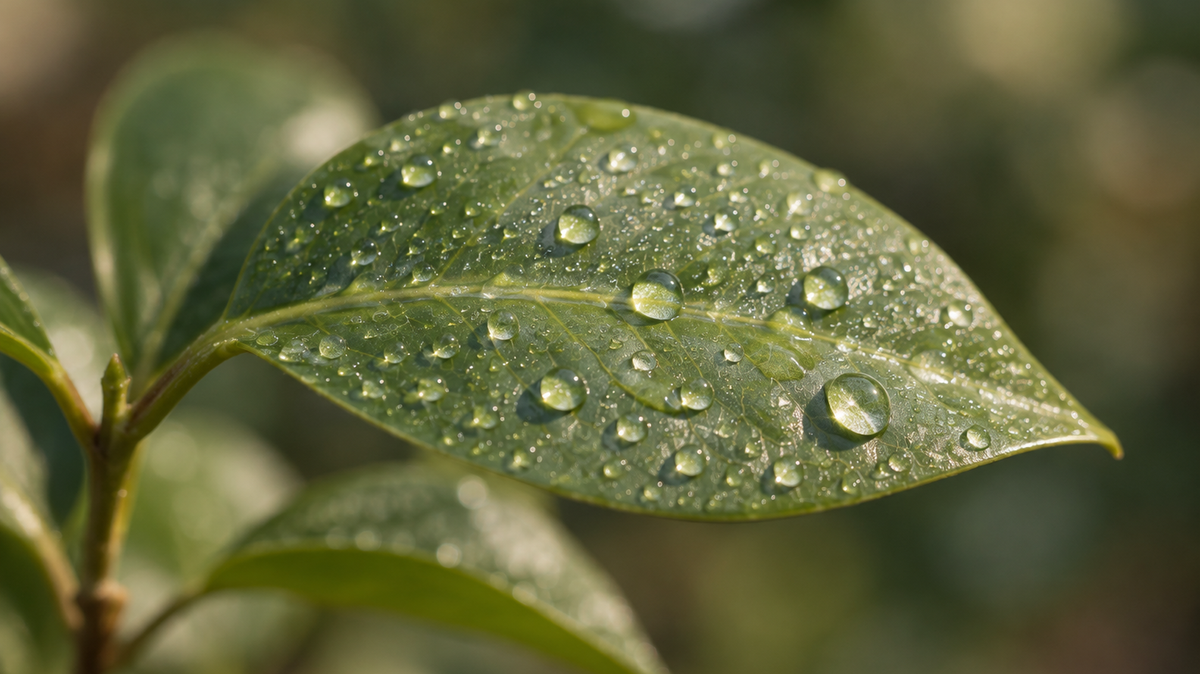
Not on the underside — inside it. Which means that when you sprayed, a large share of the thrips on that plant were sealed in plant tissue or sitting in the potting mix, where nothing applied to a leaf goes. They were never killed, and they arrived on schedule.