
Field Notes

Tissue Culture Is Easy. Keeping It Alive Is Not.

They Are Shipped Cold So They Do Not Move.
You open the box and the tube is a motionless ball of beetles. Nothing is walking, nothing is flying, and the obvious conclusion is that they died in transit. Almost always they did not, and the reason is that the shipping was designed to do this.

Eggs Are Cheaper. Larvae Are the Ones That Arrive.
The same insect is sold at two life stages for two very different prices, and the reason is not packaging. Most of the gap is attrition — what happens to an egg between the container and a larva that reaches a pest.

The Same Release Works in May and Fails in August.
The aphids change across the year and so does everything you would release at them. Most seasonal advice covers the first half. The half that decides whether an August release works is what the heat is doing to the predator.
The Ants Are Not Passing Through.
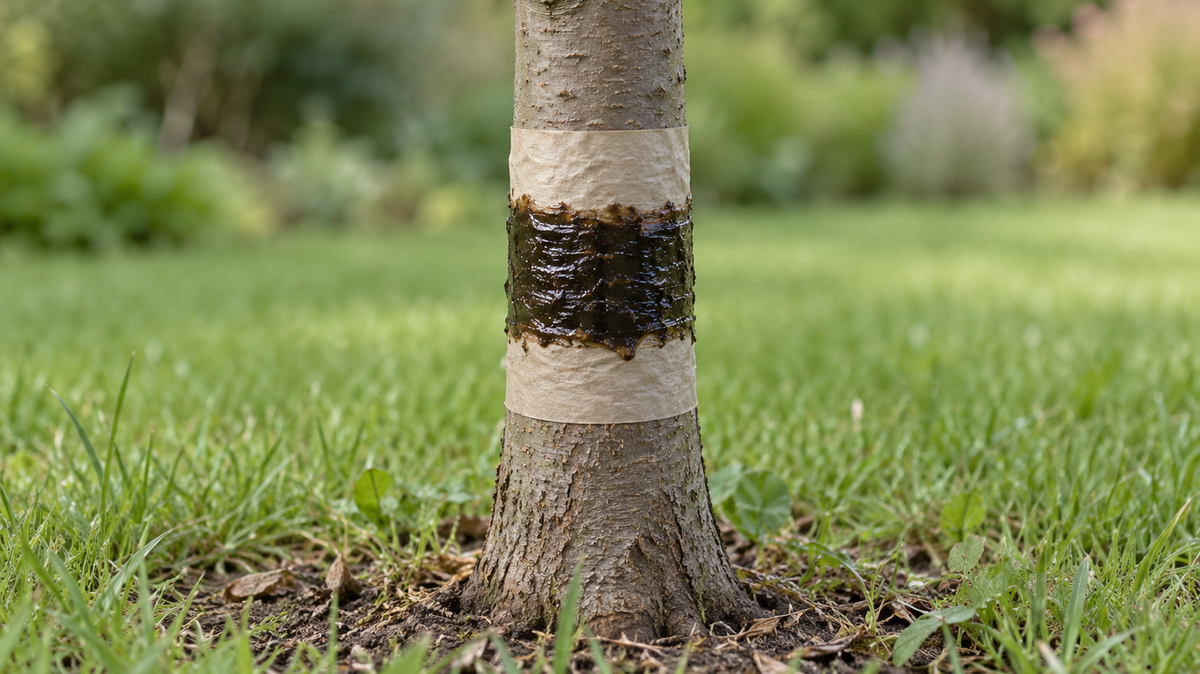
If there are ants going up and down the stem of a plant with aphids on it, they are not there by coincidence and they are not there for a look. They are farming, and they will defend the herd against anything you release.

Root Aphids Sit Below Everything You Bought.
Root aphids are a different pest with a different answer, and the honest version of that answer is thinner than the product labels across this industry suggest. Here is what you are looking at, how to be sure, and what has actually been tested.
An Aphid Is Carrying Her Granddaughters.
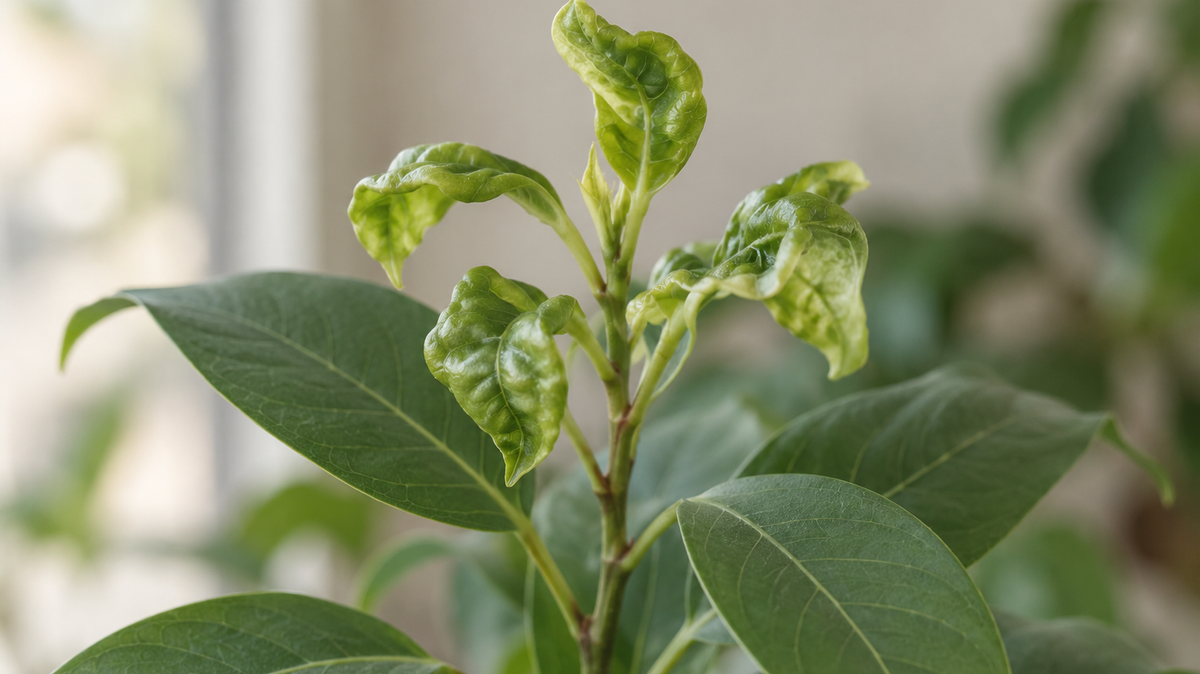
Aphid numbers do not behave like insect numbers. A female gives birth to live daughters without mating, and those daughters already contain their own daughters before they are born. Everything else about aphids follows from that one fact.

Every Other Beneficial We Sell Is Farmed. Ladybugs Are Caught.
Predatory mites are farmed. Nematodes are farmed. Lacewings, the aphid wasps, the mealybug destroyer — all farmed. Ladybugs are vacuumed off a mountain. That one difference explains most of what is strange about them, including the passengers.