





Field Notes
Systemic Granules Have Instructions
Californicus Is Tough, Not Indestructible
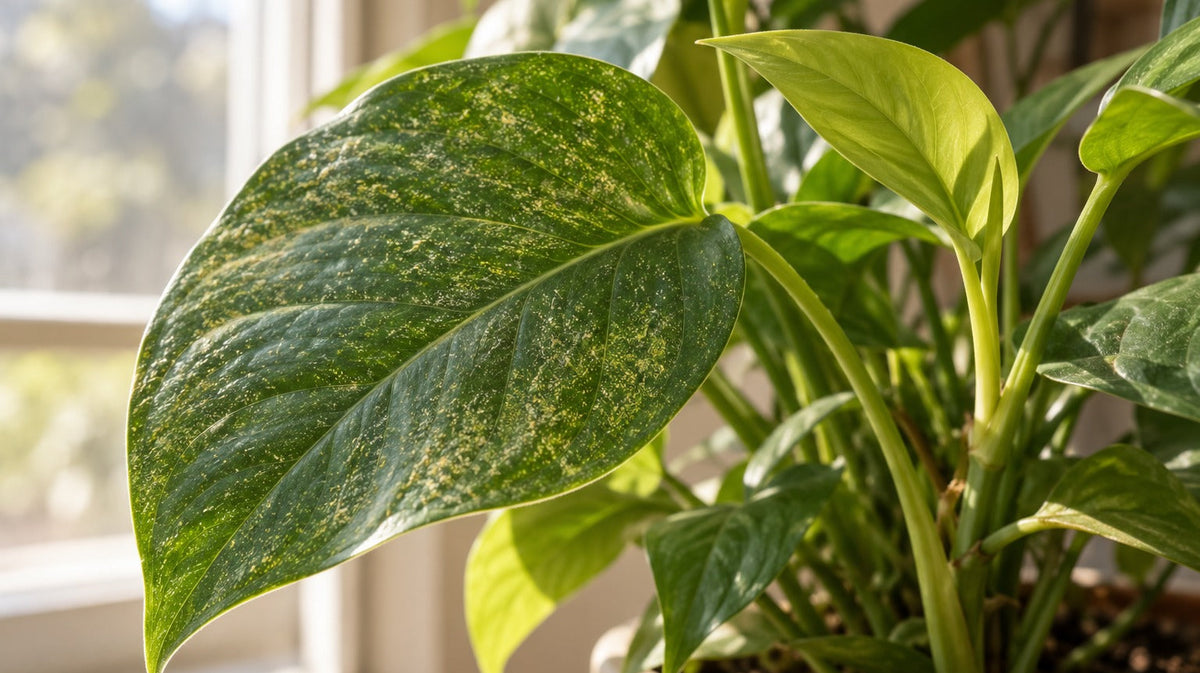
Troubleshoot returning spider mites by checking live pests, release coverage, heat, humidity, spray history, and gaps between prevention sachets.
Is Californicus Working?
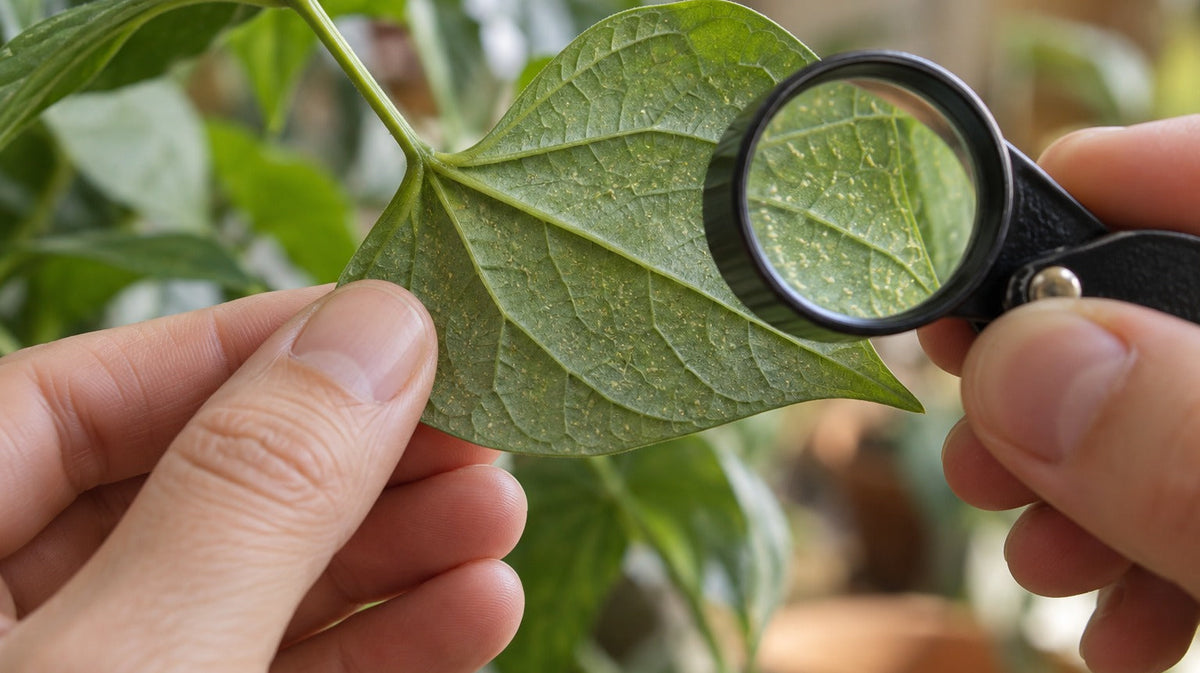
Judge Californicus by live spider mites, spreading damage, and new growth—not by whether old leaves heal or every predator stays visible.

Put Californicus Where the Mites Are
Use Californicus bottles for active spider mites and sachets for prevention. Learn placement, repeat-release planning, and how to protect the predators.
Californicus Has Options
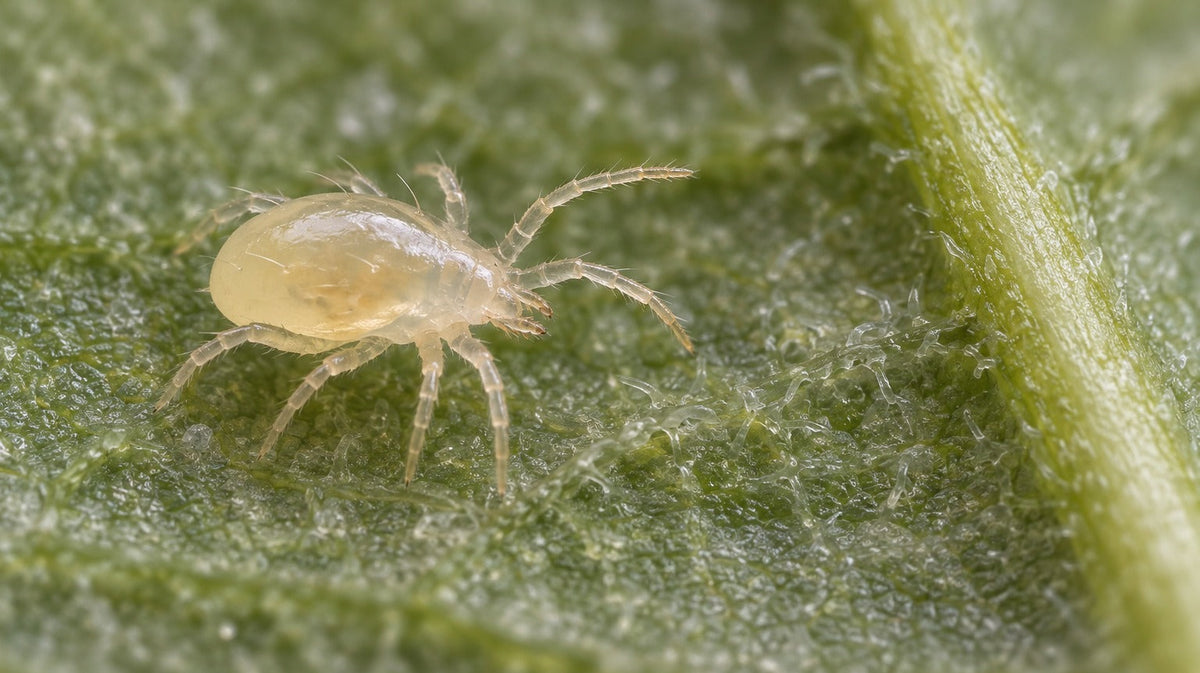
Meet Californicus, the predatory mite used against spider mites. Learn how it finds prey, what else it eats, and why staying power has limits.

Californicus or Persimilis?
You Cannot See Them. You Cannot See Them Working, Either.
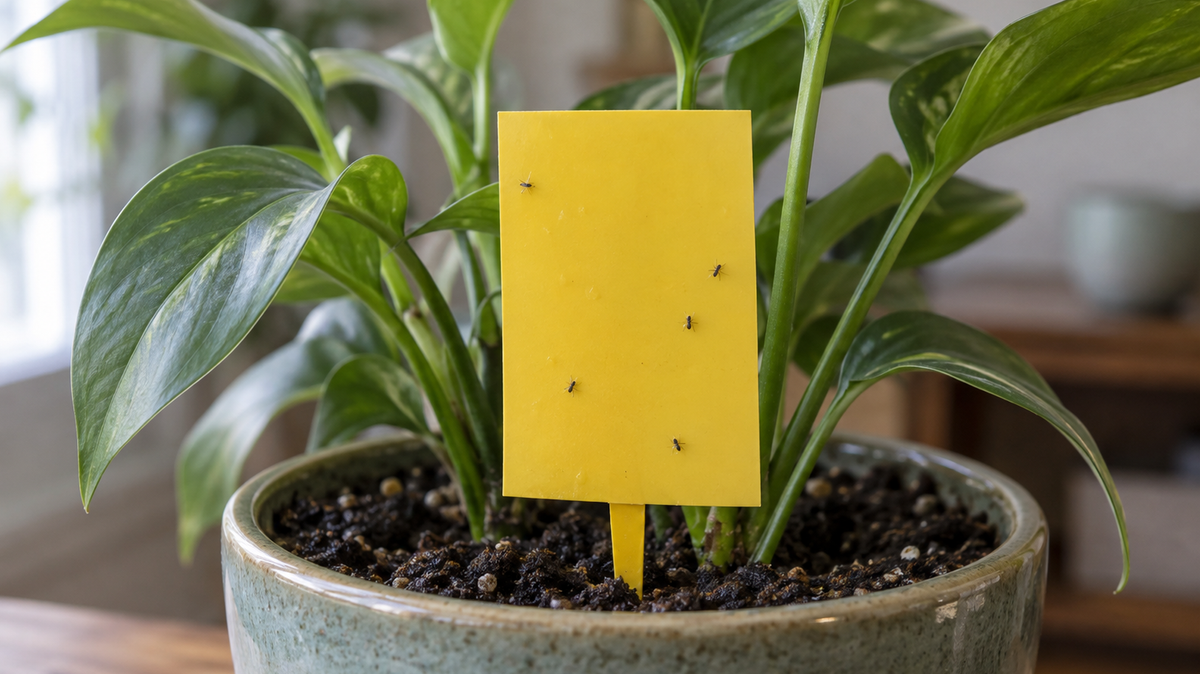
The Gnats You Can See Are Not the Ones You Treated.
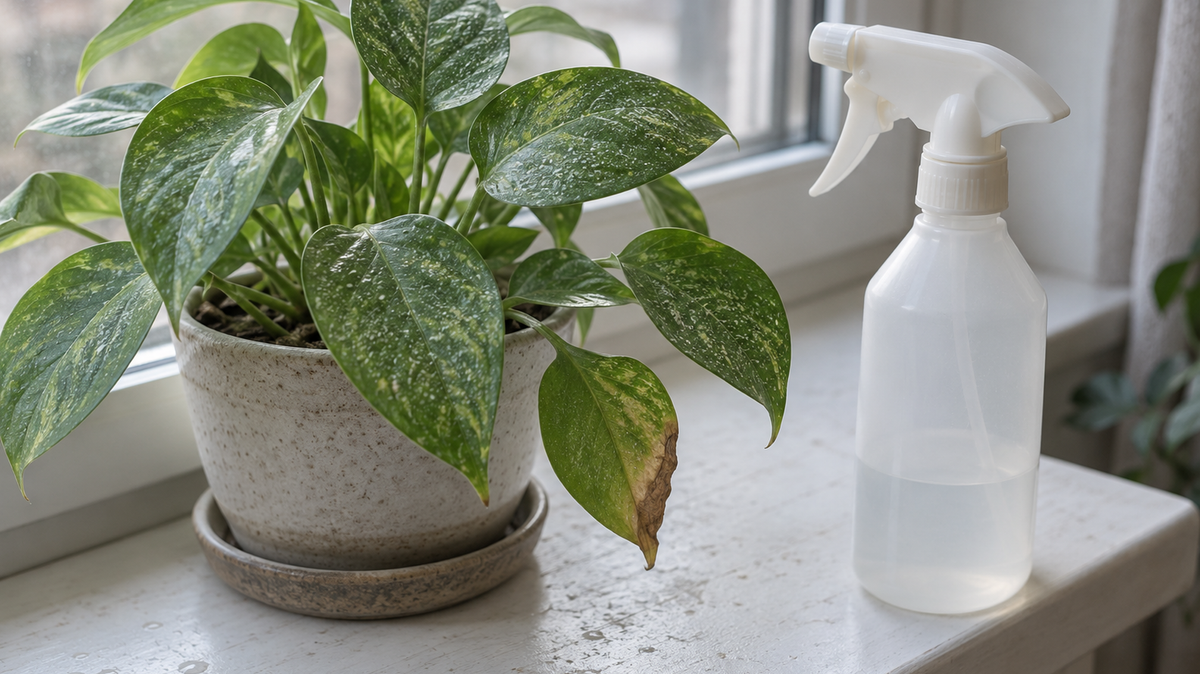
You Did Not Lose to a Spider Mite. You Lost to Ninety-Six of Them.

They Are Shipped Cold So They Do Not Move.
You open the box and the tube is a motionless ball of beetles. Nothing is walking, nothing is flying, and the obvious conclusion is that they died in transit. Almost always they did not, and the reason is that the shipping was designed to do this.
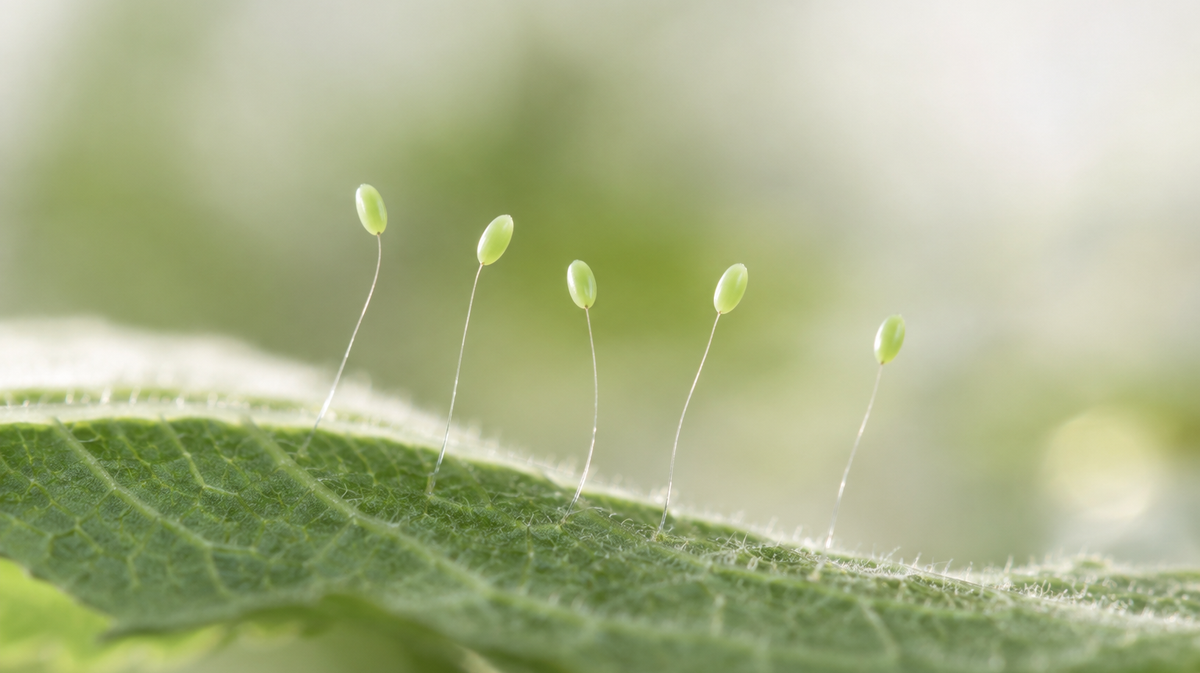
Eggs Cost Less. Larvae Are the Ones That Arrive.
The same insect is sold at two life stages for two very different prices, and the reason is not packaging. Most of the gap is attrition — what happens to an egg between the container and a larva that reaches a pest.
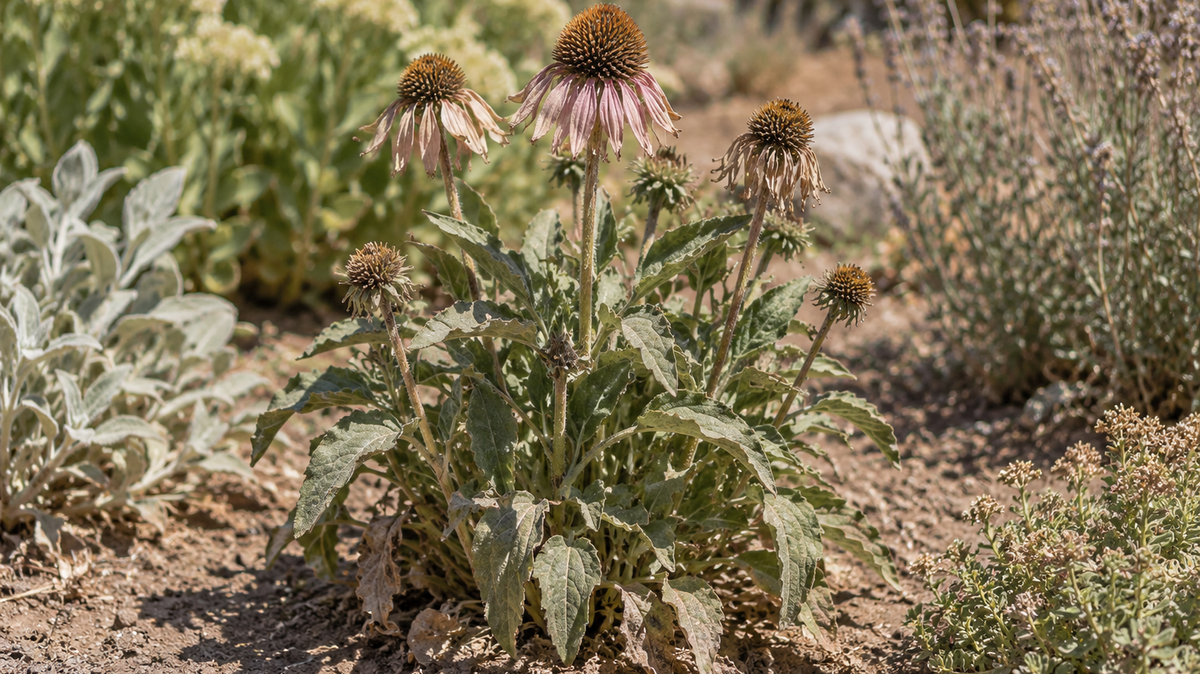
The Same Release Works in May and Fails in August.
The aphids change across the year and so does everything you would release at them. Most seasonal advice covers the first half. The half that decides whether an August release works is what the heat is doing to the predator.