



Field Notes
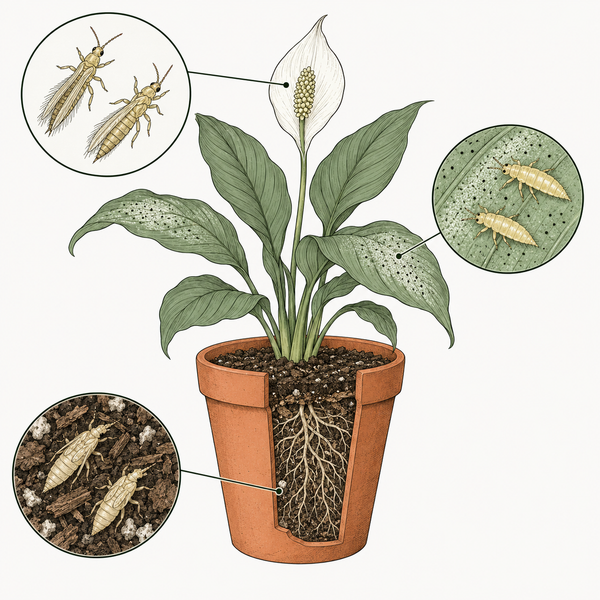
Thrips Have Their Own House Rules
Thrips species do not all live the same way. Learn why their pupation sites and responses to predators can change your treatment plan.
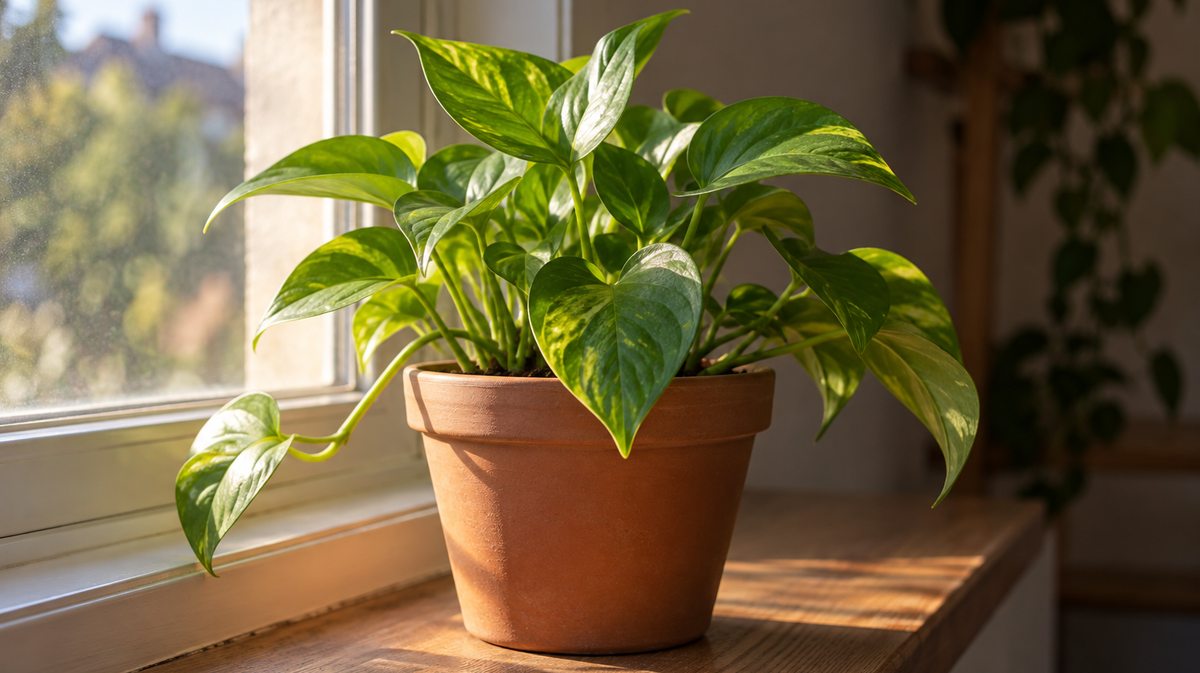
How Long Do Predatory Mites (and Other Beneficials) Work?
The lifespan on the label is not what decides how a release goes. What does is whether the beneficials leave, starve, dry out, get cold or get sprayed. Here are the lab lifespans we could find, and what nobody has measured yet.
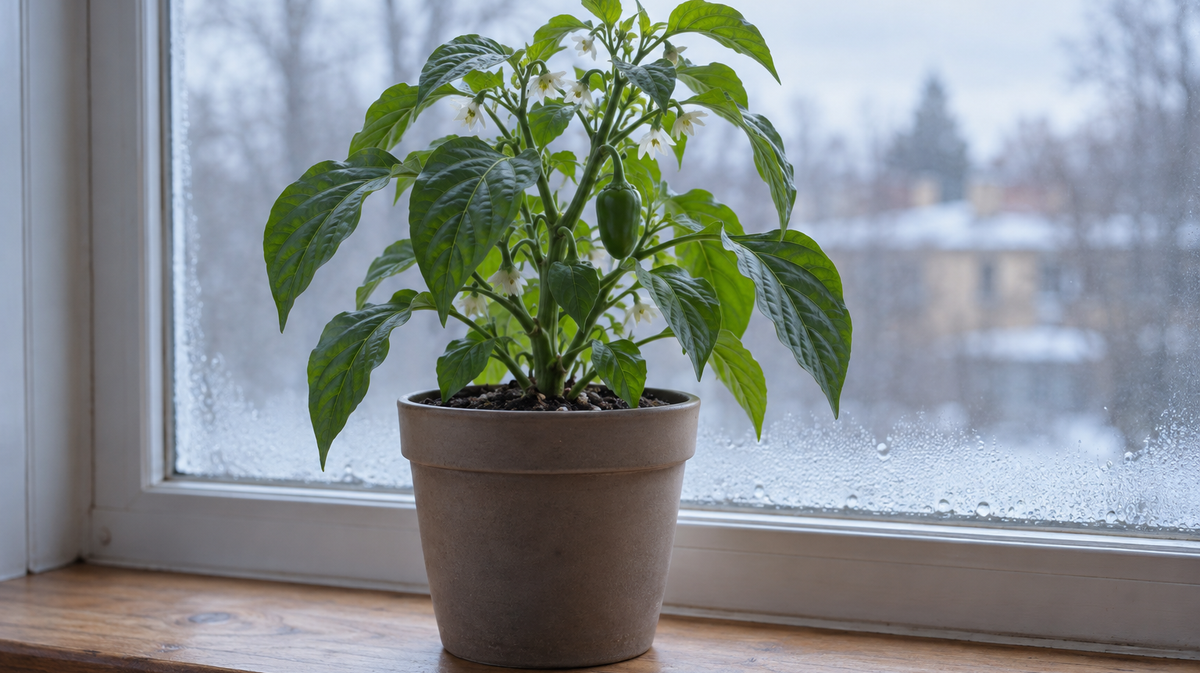
Swirskii Wants the Warm Room
Why a living swirskii mite is not the same as a growing colony, and how to interpret cool conditions around your plants.
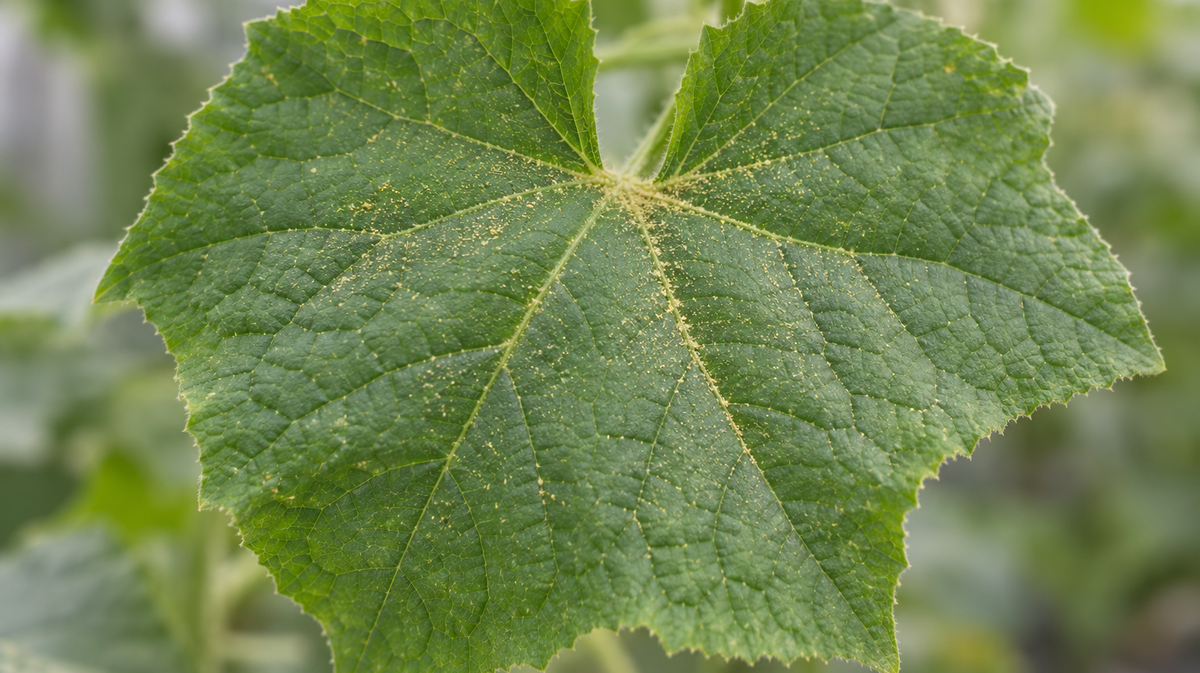
Pollen Feeds More Than Your Mites
A pollen-fed Amblyseius swirskii kills 34–60% fewer pests than a hungry one. Whitefly control improved anyway, because there were five times as many mites. That trade decides one thing for you immediately: if your pest is thrips, pollen is the wrong food, because thrips eat it too.
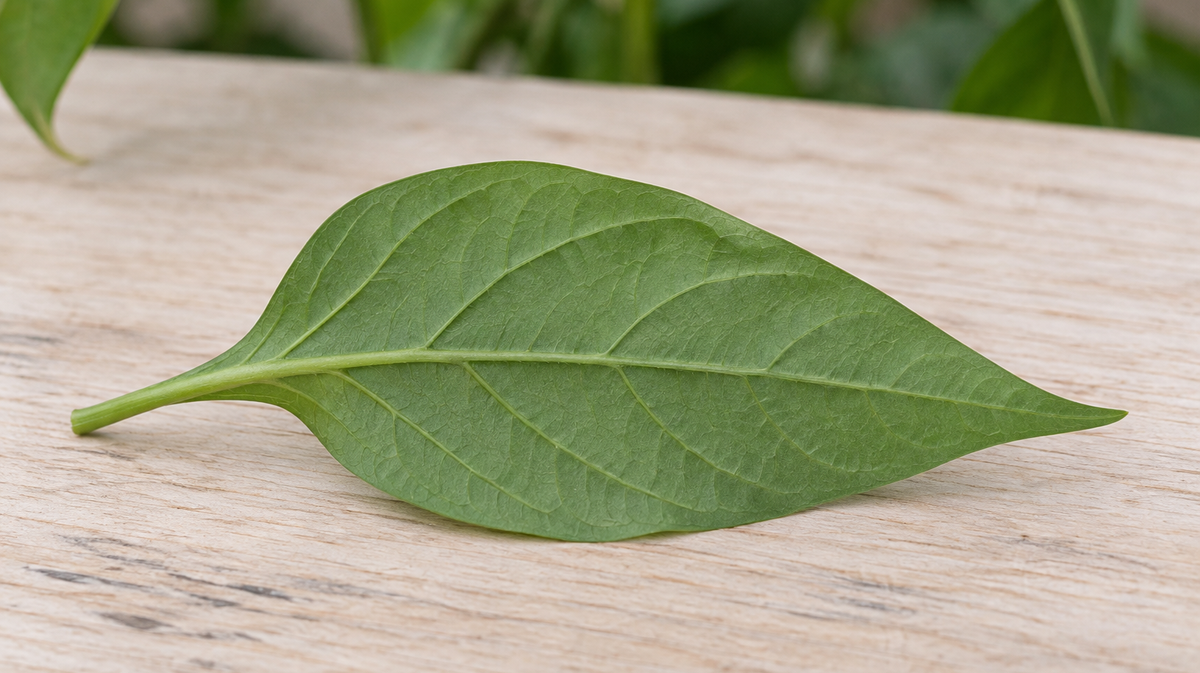
Swirskii Does Better With a Head Start
In a zucchini greenhouse, swirskii alone finished the season at 12.27 whiteflies per leaf against 41.97 for twice-weekly conventional spraying. The same trial measured virus, and there the spray programme was the one that lost less — so a density reduction and a disease reduction are two different purchases, and the bottle only buys the first.
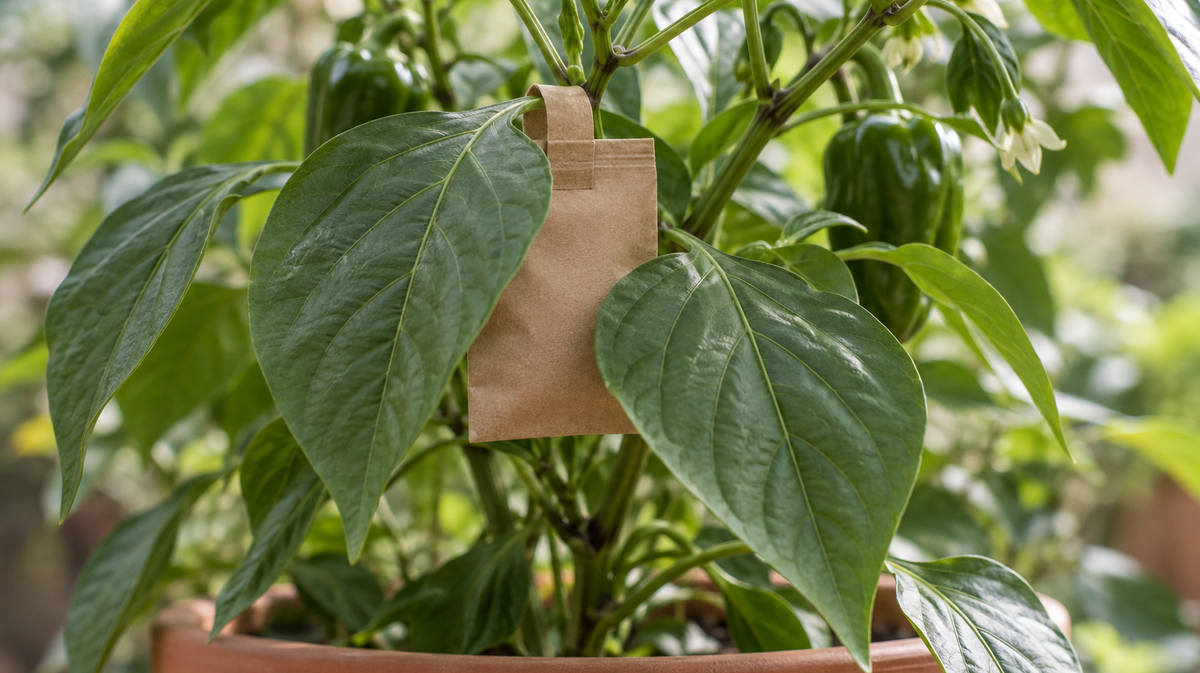
Is Your Swirskii Sachet Working
How to distinguish a living sachet colony from useful delivery onto plants, and what to observe without opening the packet.
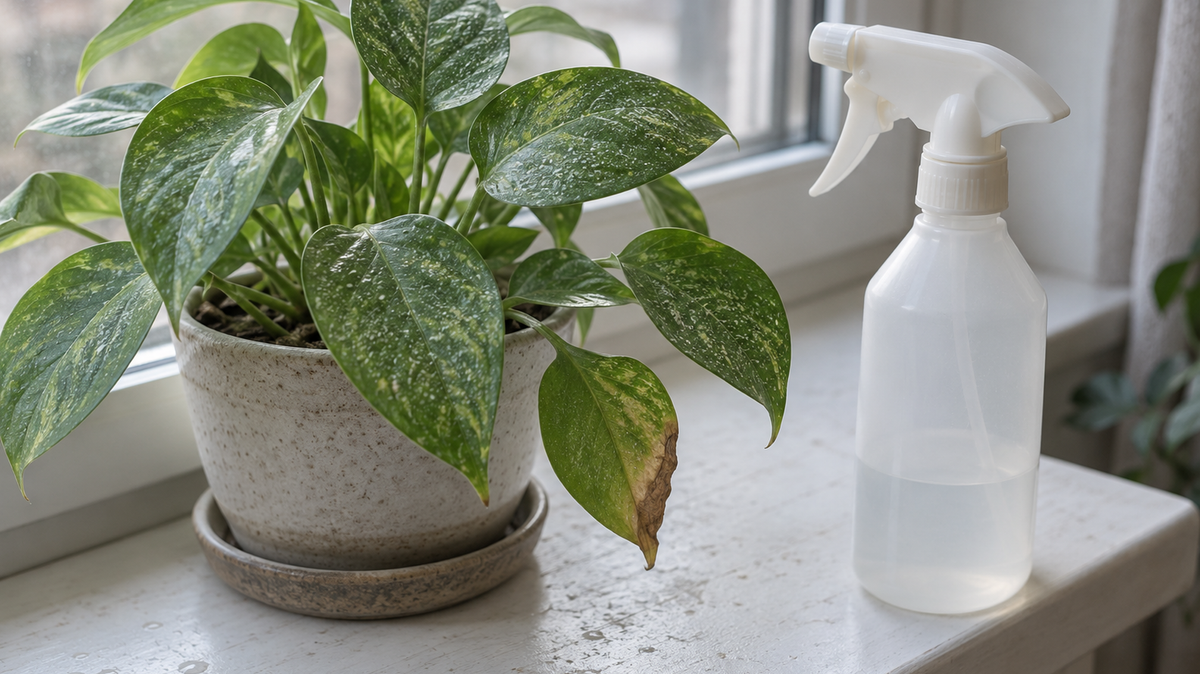
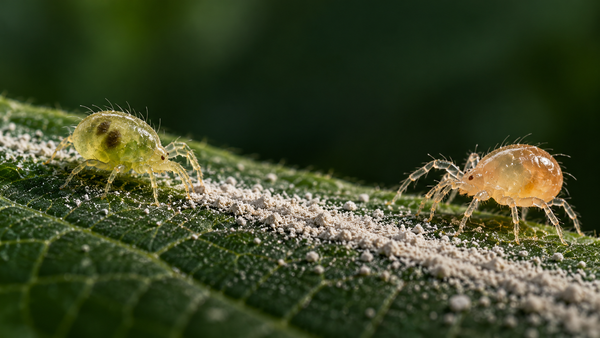
You Did Not Lose to a Spider Mite. You Lost to Ninety-Six of Them.
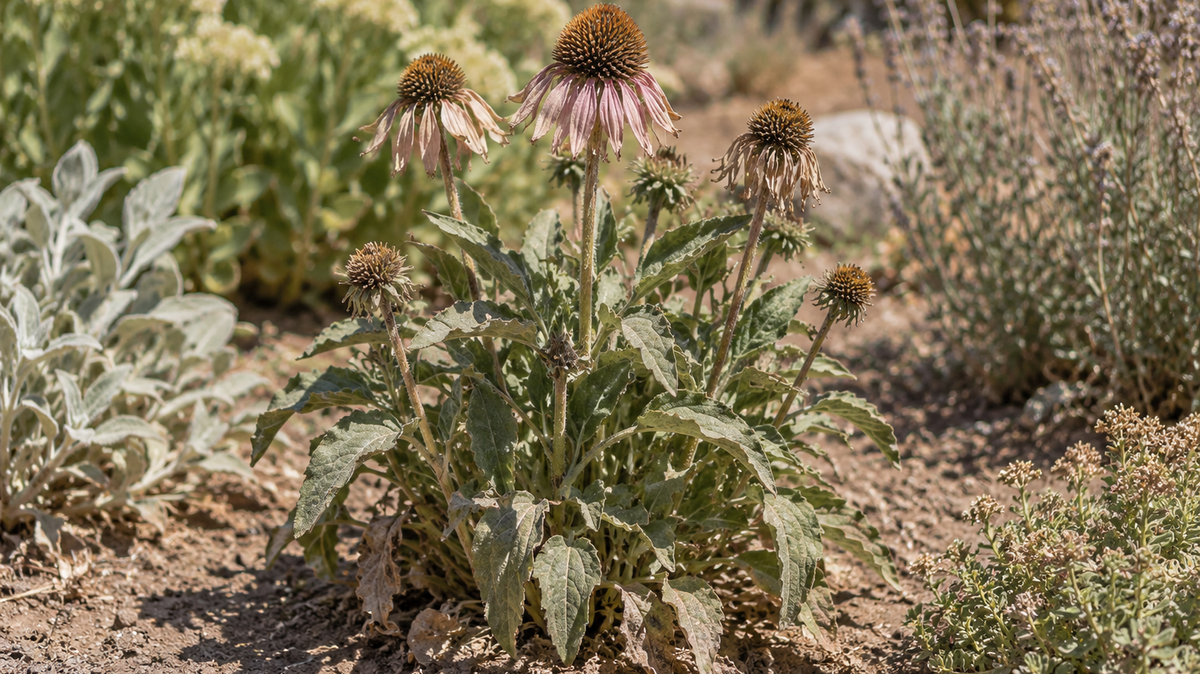
The Same Release Works in May and Fails in August.
The aphids change across the year and so does everything you would release at them. Most seasonal advice covers the first half. The half that decides whether an August release works is what the heat is doing to the predator.
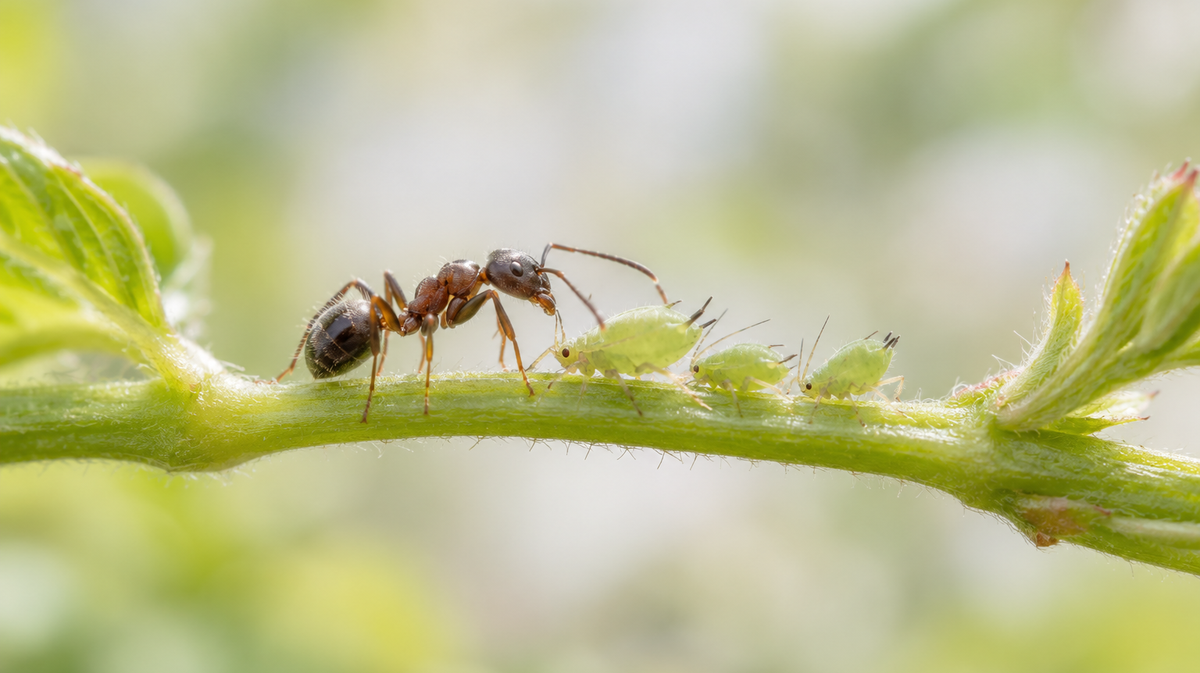
The Ants Are Not Passing Through.
If there are ants going up and down the stem of a plant with aphids on it, they are not there by coincidence and they are not there for a look. They are farming, and they will defend the herd against anything you release.

Root Aphids Sit Below Everything You Bought.
Root aphids are a different pest with a different answer, and the honest version of that answer is thinner than the product labels across this industry suggest. Here is what you are looking at, how to be sure, and what has actually been tested.
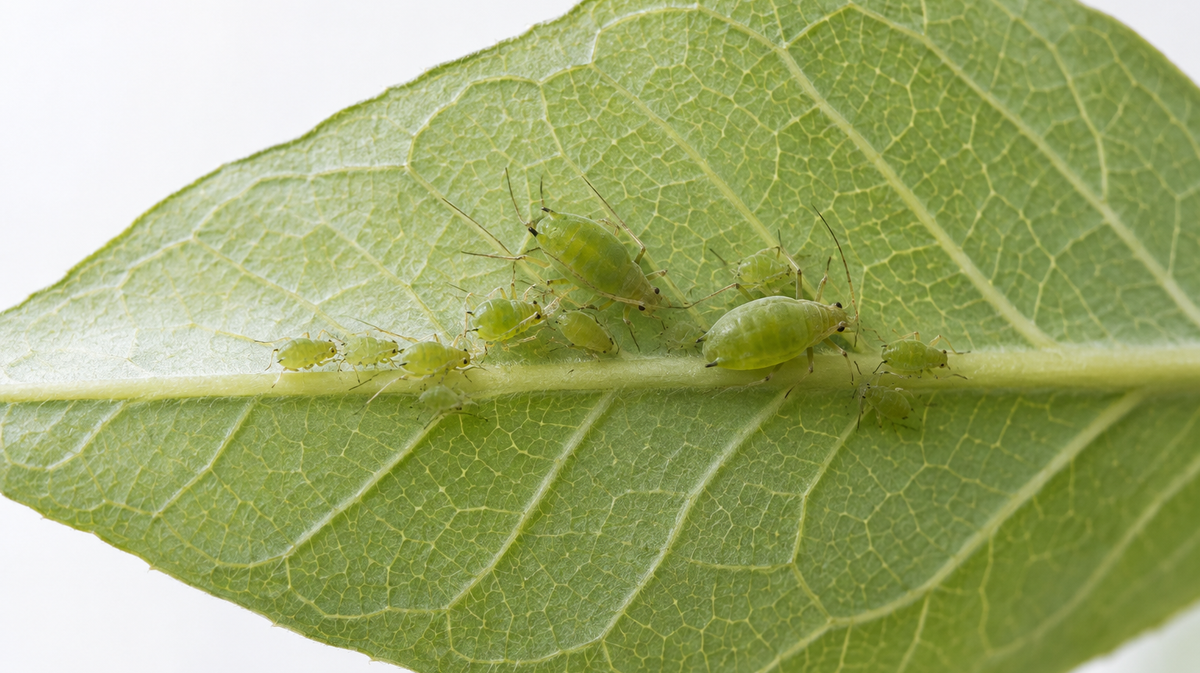
The Wasp Only Works on the Right Aphid.
Most aphid advice treats aphids as one pest. The parasitoid wasps do not. One of them will sting a potato aphid and be unable to develop inside it, which looks exactly like a release that did nothing. Here is how to tell which one you have.
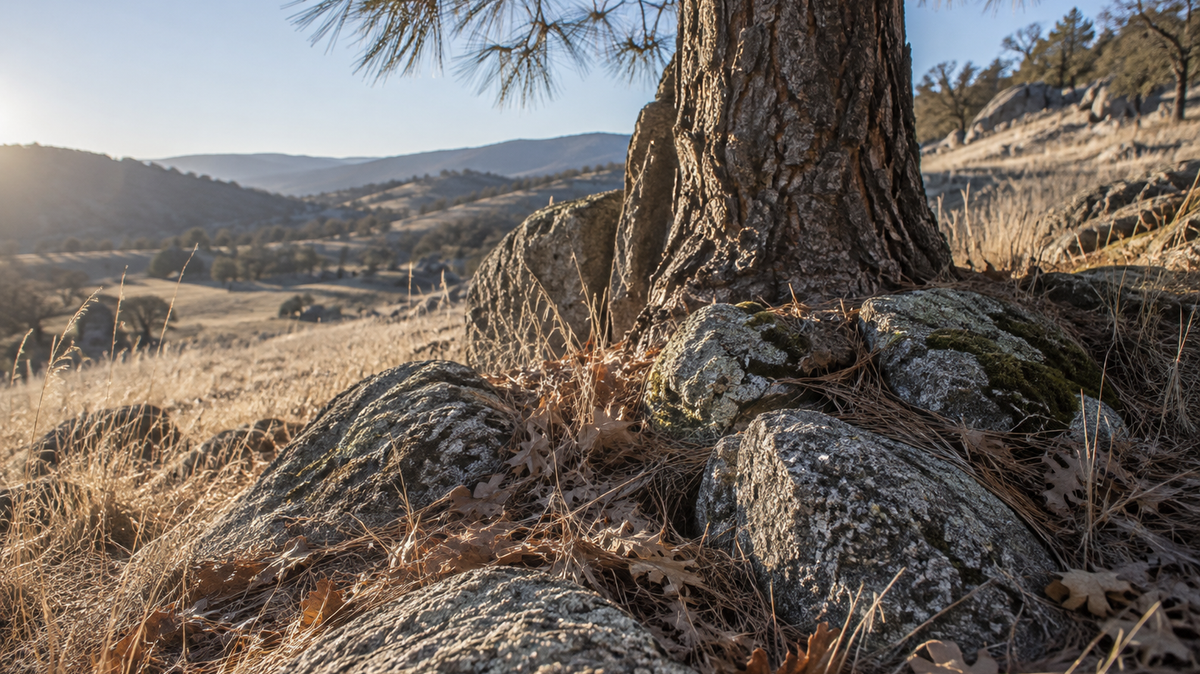
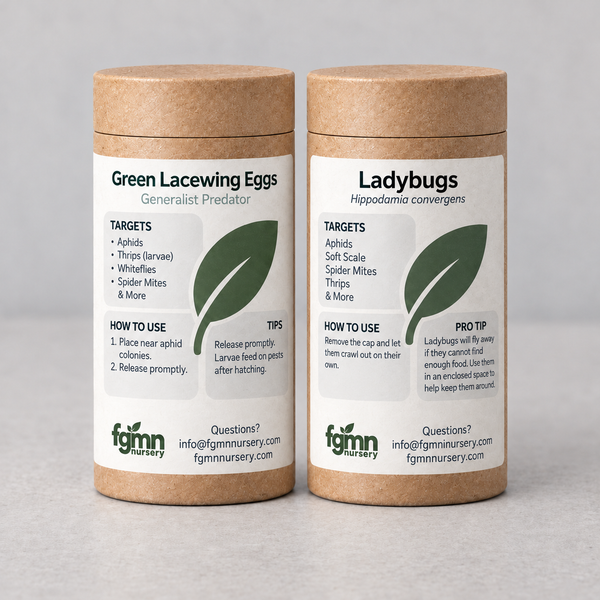
Every Other Beneficial We Sell Is Farmed. Ladybugs Are Caught.
Predatory mites are farmed. Nematodes are farmed. Lacewings, the aphid wasps, the mealybug destroyer — all farmed. Ladybugs are vacuumed off a mountain. That one difference explains most of what is strange about them, including the passengers.