

Specialist · Spider Mites
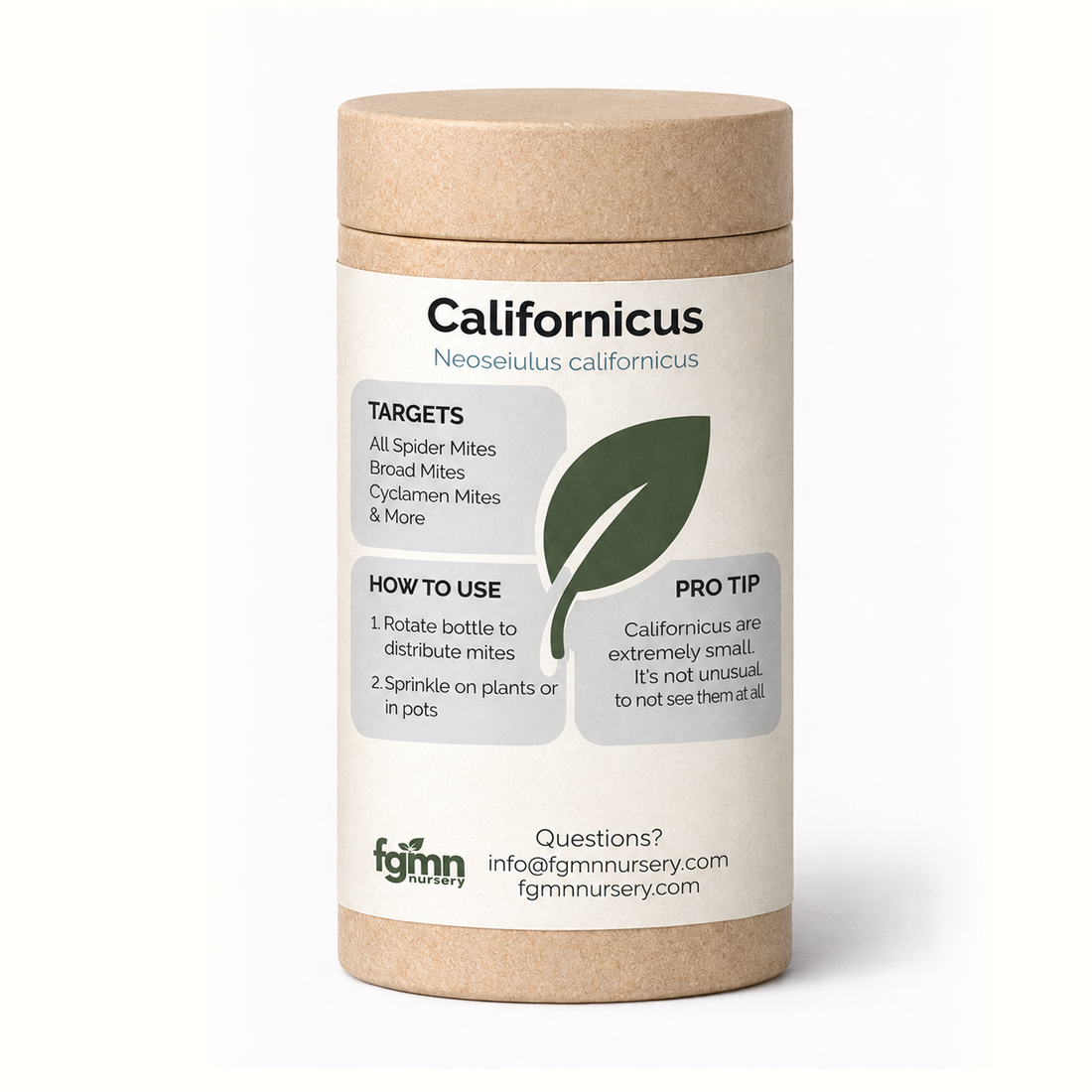
Neoseiulus californicus
The survivalist. Hunts spider mites like a specialist but eats like a generalist, so it is still on the plant a month later — and hot, dry, brightly lit rooms are where it beats every other option.
$75.00
Free Shipping for all orders over $30
If something's wrong when it arrives, file a report within 72 hours of delivery for a replacement or store credit.
By placing your order you agree to our Shipping Policy and Live Delivery Guarantee.
How much, and how often
Two questions — how bad it is, and how many plants. You get a size and the dates to put it out.
How bad is it?
Pick the one that sounds like your room. If you are between two, take the higher.
How many plants?
Six-inch pots. Count a large specimen with a dense canopy as three or four.
Your size and schedule
More about this dose
The three things people ask once they have their size. Open any of them.
Am I light, moderate or heavy?
Light
- You had to turn a leaf over to find it — a few pale specks that read as dust.
- No webbing anywhere, at any angle to the light.
- New growth is coming in clean.
- One or two plants. The rest of the shelf is fine.
Moderate
- You notice the stippling walking past, without stopping to inspect.
- Fine webbing where a leaf meets the stem, or between two leaf tips.
- Undersides show live mites when you tap a leaf over white paper.
- A few plants in the same area have it.
Heavy
- You saw it from across the room — whole leaves gone pale or bronze.
- Webbing strung between leaves and running up the growing tips.
- Tapping a leaf over white paper drops mites you can watch move.
- It has reached plants that were never touching.
Overshooting costs you very little — californicus holds on pollen and other small arthropods when prey runs short, so a heavy dose on a light problem simply becomes a standing guard. Under-dosing costs you the round.
Spider mites are built to be underestimated:
- Damage is a record, not a reading. Stippling is scar tissue. It stays on the leaf long after every mite that made it is dead.
- They feed underneath. By the time the top of the leaf looks wrong, the colony on the other side has been there a while.
- Webbing means it has already moved. Plants touching an obviously bad one are usually already carrying it.
Why more than one round?
Putting it out
- Rotate, don't shake. End over end for about thirty seconds, so the mites are spread through the carrier rather than sitting in the bottom third.
- Hot-spot first. A generous amount onto the leaves that are already stippled or lightly webbed.
- Then sweep the rest. A light dusting across the neighbouring plants sets a perimeter before the colony moves.
- Undersides, not tops. Spider mites feed under the leaf, and carrier dusted only on top surfaces mostly lands on the floor.
Everything else is optional. Get these four and the release has done what it can.
A cleaner way
On a display plant, tip small piles into bio-boxes or paper cups hung in the branches instead of dusting the foliage. Same dose, nothing visible on the leaf.
The failure is forgetting. Very few programs fail because the mite underperformed. They fail in week five, when the plants look fine, the reorder does not happen, and the population holding the line ages out with nothing behind it.
A schedule is the same decision, made once. A bottle when it looks bad, then another when it looks bad again, is already a rhythm — just one you have to remember at the exact moment the plants look fine.
Change the size or the frequency, skip a box, pause or cancel from your account at any time.
Is this the right beneficial for your problem?
Five questions, in the order a grower actually asks them: what have you got, is this the answer to it, what will it eat, how does it do the killing, and will it survive your room.
Is this your pest?
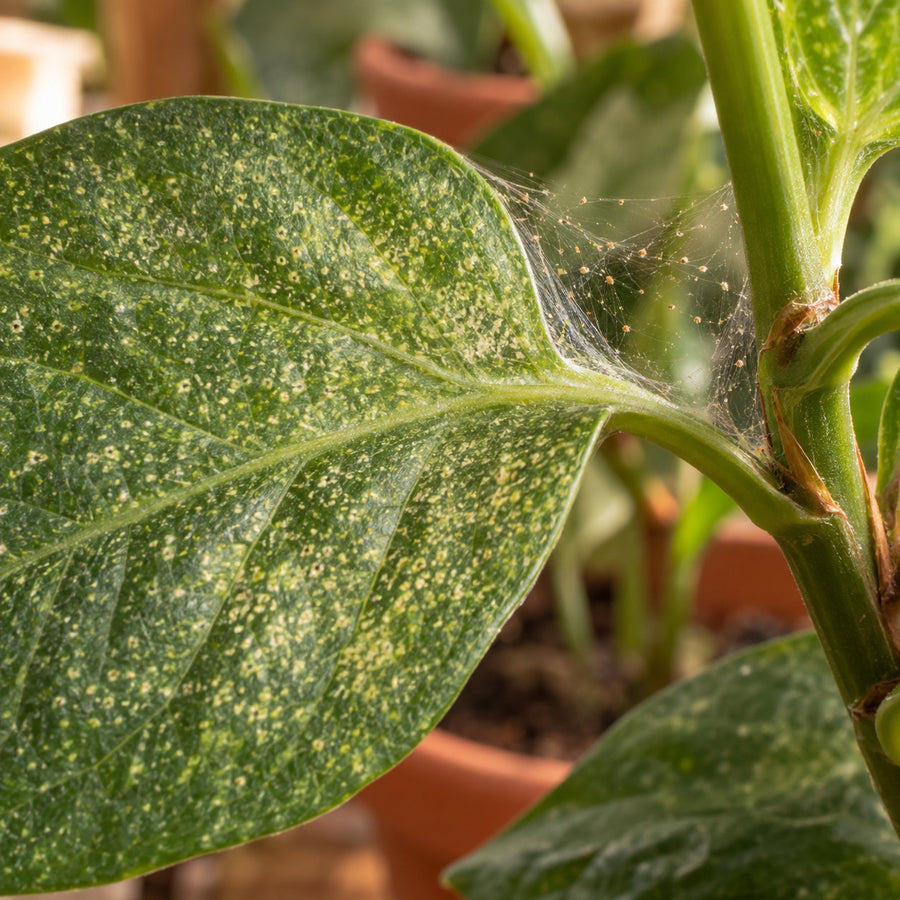
Californicus treats one pest properly and two more as a bonus. If your plant does not look like this, the product you want is a different one.
Two-spotted spider mites feed from underneath and leave a fine pale stippling that reads as dust until you turn the leaf over. Under pressure the stippling goes bronze, and fine webbing starts to string between the leaf edges and the growing tips.
Californicus takes two-spotted spider mites at every life stage — eggs, larvae and adults — and pierces light webbing to work a colony from the inside. It hunts broad and cyclamen mites too, though that is a bonus rather than a reason to buy: if broad mites are the problem, Amblyseius cucumeris is the one with the record. Russet and rust mites are eriophyids and a different job — Amblyseius andersoni is the predator there.
Then: is californicus the right answer to it?
Choose this if
Choose californicus for a room that runs hot, dry or brightly lit — a heated house in winter, a grow tent in August, a south window in full sun. It stays active and reproductive from 50°F to 95°F, through the mid-day heat spikes that stall other predatory mites, and it holds down to 40% relative humidity. It is also the one to choose if you want predators still on the plant in a month: it feeds on pollen and other small arthropods, so a clean plant does not starve it out.
Choose something else if
Speed is the trade. Against an outbreak already spreading — heavy webbing, bronzing across whole leaves — californicus is the marathon runner and Phytoseiulus persimilis is the sprinter. Under real pressure run both: persimilis into the colony, californicus behind it to hold the ground. And in a space that sits below about 50°F, it is the wrong season for any of them.
What it kills, and what it won't
It also feeds on pollen and other small arthropods, which is not a pest — it is how the population holds on a clean plant between outbreaks instead of starving out. That is the whole reason it works as a standing shield rather than a one-off treatment.
How it works
What it does to the pest, what it does on the plant, and what that leaves you looking at.
It hunts at every stage
Californicus is a predator — not a poison, not a repellent, nothing systemic. It walks the leaf, finds a spider mite egg, a larva or an adult, and feeds on it directly. It pierces light webbing to reach a colony rather than being turned back at the edge of it. There is no residue on the plant afterwards, no re-entry interval, and spider mites cannot develop resistance to being eaten.
It stays when the food runs out
What you release is the start of the population, not the whole of it. Californicus lays on the leaf and the next generation does a large part of the work — and unlike a specialist, it does not vanish when the last spider mite does. It feeds on pollen and other small arthropods, so it can sit on a plant for weeks with almost nothing to eat and still be there when the mites return.
Pest numbers, not mites
You will rarely watch this happen. They are under half a millimetre and they work on leaf undersides. Judge it the way a grower does — webbing that stops spreading, new growth coming in clean — rather than by trying to count predators on a leaf.
It is not a knockdown. The stippling already on a leaf is permanent damage and it stays there whatever happens next. The first thing that actually changes is the growth that comes after.
Will it work in your room?
If the colony is already spreading and you can see webbing, this is not the fast answer. Californicus will get there, but Phytoseiulus persimilis gets there first. Run persimilis into the outbreak and californicus behind it.
About californicus
A predatory mite about half a millimetre long that hunts on leaves. It has no interest in your plant and no interest in you — it eats other arthropods, and when there are none left it eats pollen until there are.
New to beneficials?
Five things that catch almost everyone the first time.
After you release it
What actually changes, how fast, and the three things this one does not reach.
How you'll know it's working
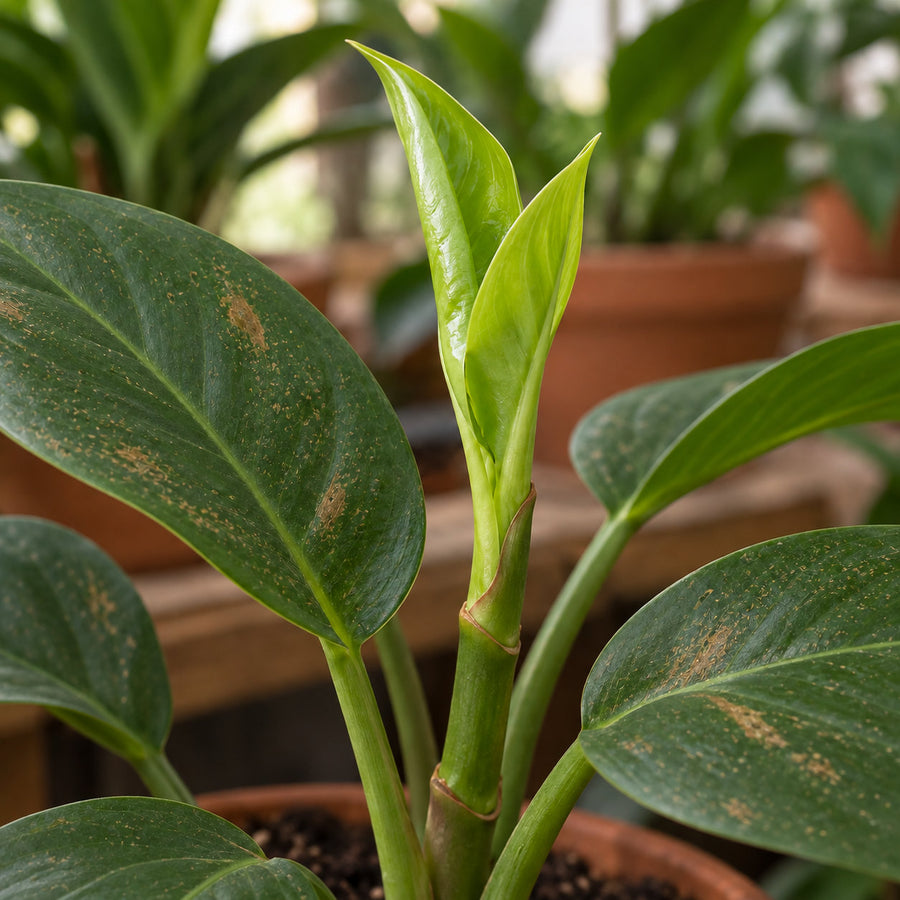
Existing damage does not heal. A leaf that was stippled stays stippled after every spider mite on it is dead, because that is scar tissue and not an infestation.
So judge by three things instead: webbing that stops spreading, no fresh stippling on new leaves, and fewer live mites when you tap a leaf over white paper.
Reinspect at 7–10 days. Californicus is slower than persimilis by design — a decline that looks gradual is the expected shape, not a failure.
Getting it to you
What is in the bottle, how it travels, and what happens if it arrives wrong.
What arrives
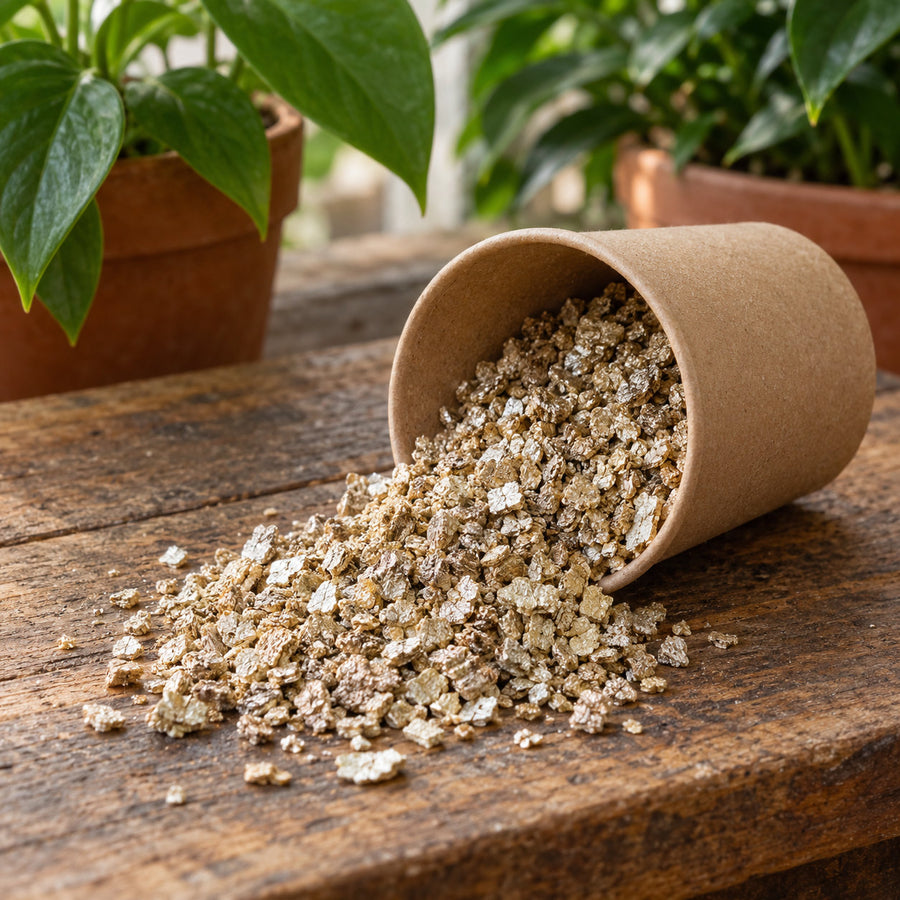
Loose mites in a vermiculite carrier, mixed stages — eggs, nymphs and adults together. Under half a millimetre and pale, so a bottle that appears to be nothing but grit is a bottle working exactly as intended.
You are unlikely to see movement, and that is normal for a mite this small against a pale carrier. It is not a sign that anything is wrong.
Release on arrival. There is no holding option for loose mites — open the bottle the day it lands.
When it ships, and when it lands
Shipping
We ship when they're ready to travel. Live orders go out Monday to Thursday. If a colony needs a beat to peak, or we're propagating a fresh batch, yours might hold up to a week. All mites and insects ship 2-day or Overnight depending on what's best for them.
When it lands
Open it that day. Loose mites have no holding option, so release on arrival — and tip the carrier onto the leaf undersides where spider mites actually feed, rather than onto the top surface.
About the ones that don't make it
Some of them die on the way. That is why we send more than you paid for.
A predatory mite is the size of a grain of table salt. It ships in a bottle, in a van, for two days.
Roughly 15% will not survive that. We cannot prevent it, so we price it in: the number on the label gets counted out, and then the cushion goes in on top of it.
Your 500-mite bottle leaves here holding more than 500. The dead ones are already paid for.
If you can see them
Ladybugs, lacewing larvae, Orius — the minute pirate bug — and the beetles. Tip a few onto white paper and give them twenty minutes at room temperature before you judge anybody.
Cold insects are genuinely good at playing dead. The deceased have been known to get up and walk off the counter.
Still more than about one in seven not moving? Photograph them and file a report.
The photo is not us doubting you. It is how we tell a bad batch from a bad courier day from a mailbox that hit 104°F.
If you can't see them
Mites, nematodes, eggs — most of what we sell, this one included. A bottle of carrier looks the same whether it holds 500 live mites or none, and no photograph settles that. So we don't ask you to take one.
You file the report and our entomologist takes you through the diagnostic instead — the tap test on dark paper, where the box sat, what your room was doing, and then what the pest is doing about ten days later.
Seventy-two hours from delivery, either way, with your order number. Replacement or store credit, your pick.
What it does not reach
Three gaps this page has already named, and the beneficial that closes each one.
Phytoseiulus persimilis
Californicus is the marathon runner. Against a colony already spreading — webbing, bronzing across whole leaves — persimilis gets there first, and it works from inside the web rather than being turned back at the edge of it. Run persimilis into the outbreak and californicus behind it to hold the ground.
Amblyseius andersoni
Russet and rust mites are eriophyids — a different family from spider mites, and californicus does not take them. Andersoni is the predator we reach for there, and almost nothing else preys on them at all.
Californicus sachets
The bottle puts a working population on the plant this week. A sachet is a breeding colony that keeps a smaller one arriving for weeks, so the plant is still guarded once the bottle's generation ages out. For a hot dry room this is the low-effort version of the same decision.
Two cheap things that make the rest work harder. Blue cards give you the dated count this page keeps asking you to read. Breeder's Blend is pollen and Artemia; it keeps the population fed through the lull when prey gets scarce.
Questions
Why should I use a bottle instead of sachets?
Bottles allow for an "instant release" of a large population, which is necessary for fighting an active infestation. Sachets are for slow-release prevention.
Will they get rid of heavy webbing?
No predator can easily navigate heavy spider mite webbing. If you see thick webs, manually remove them or spray them off with water before releasing Californicus.
How long do they live?
Adults live for about 20 days. If they have food (mites or pollen), they will lay eggs and continue to protect your garden.
Can I use them with other beneficials?
Yes. They work perfectly with Orius or Cucumeris for a multi-layered IPM strategy.
Is it safe for my pets?
Yes. These mites are harmless to humans, dogs, cats, and other animals.
Can I spray my plants?
Neem and horticultural oil kill on contact and leave nothing behind once dry; insecticidal soap needs a day before release. Avoid spraying for 14 days after release, while the population establishes.
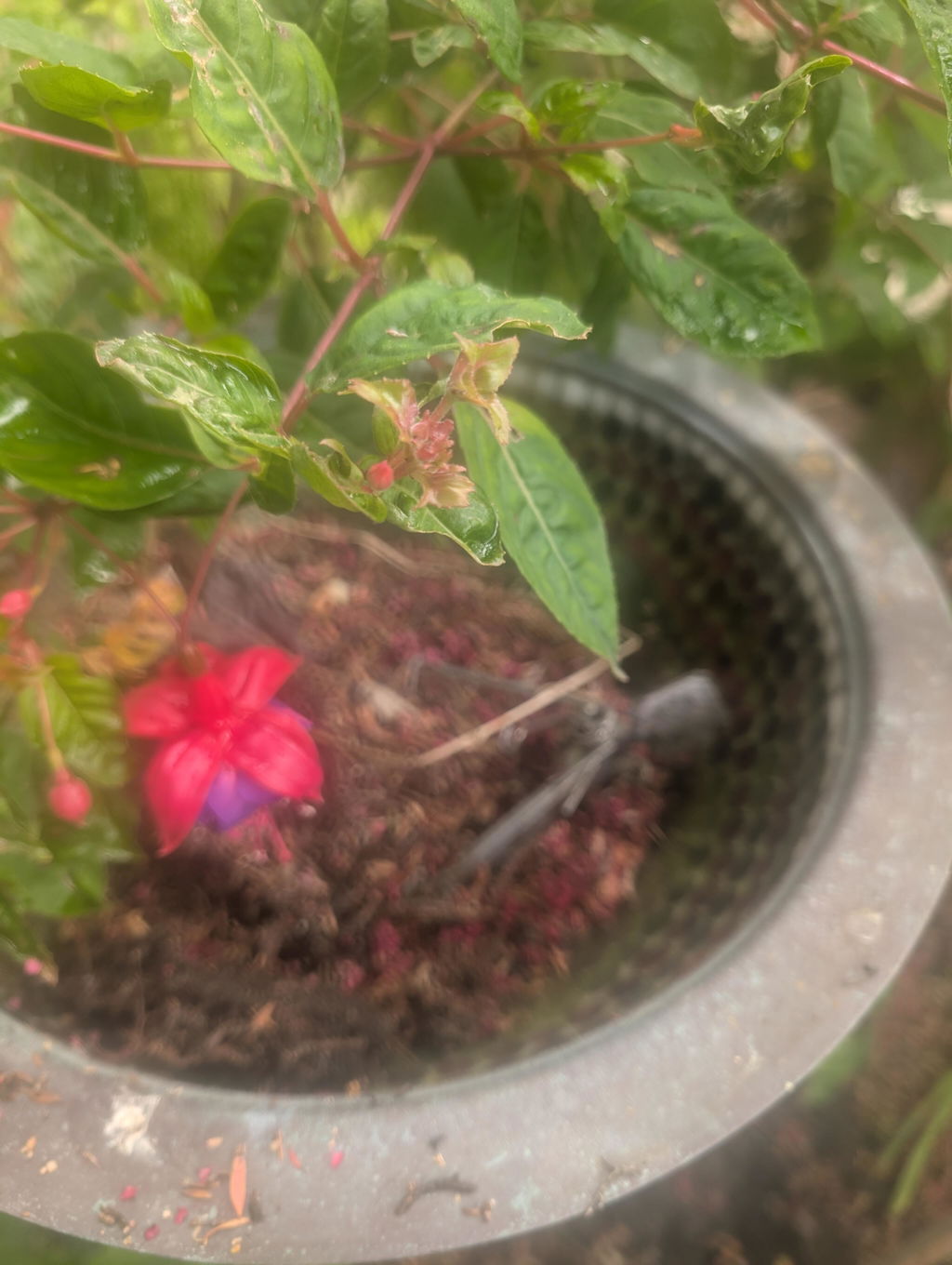
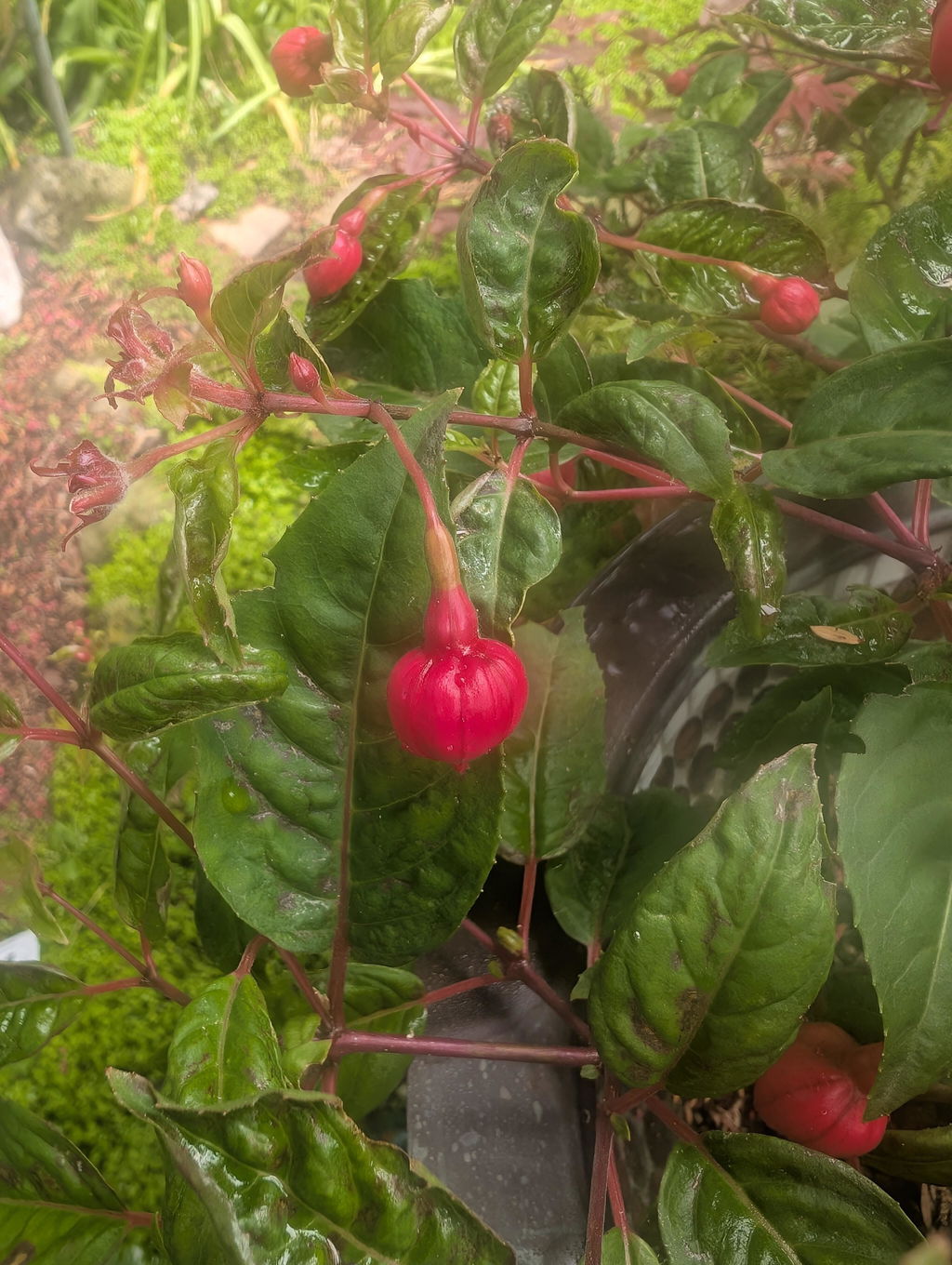
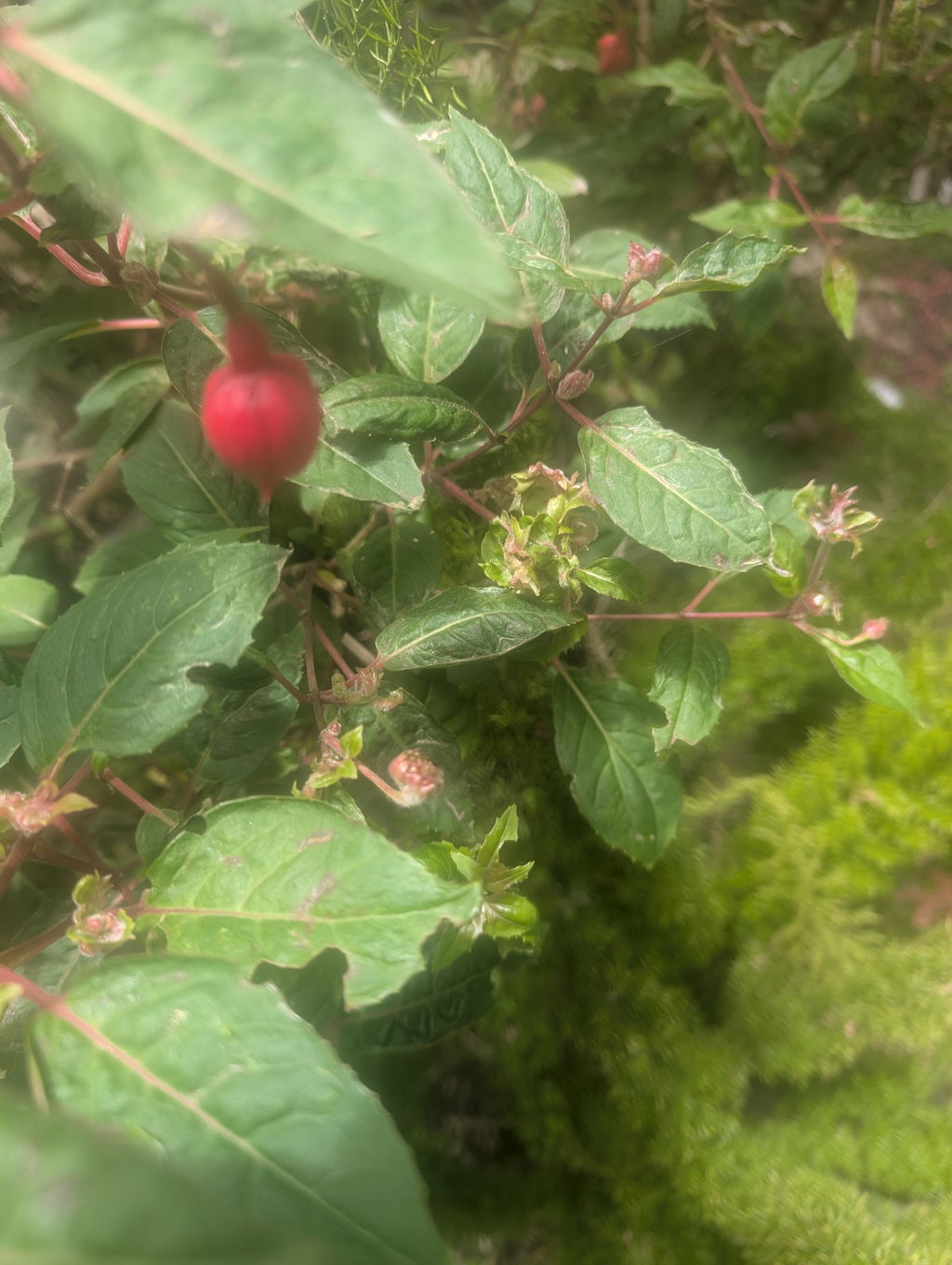
I have an established fuscia garden that until this yearIhave been able to manage the mites by removing the damageand adjacent nodes but I don't know if it'sthe warmer weather/climatechange but had an explosion of mites this year including plants not previously impacted. I am on my third round of dosing ànd not sure ifIam seeing much improvement yet, but it's worth trying to keep up with the mites cause the incecticides are so darn toxic.
They have really good customer service and they will attempt to replace your order for you however if you live far from New Jersey I wouldn't suggest trying this it seemed both times all my bugs were Dead on Arrival I essentially paid $80 for a tube of sawdust
Hi Joel,
I'm sure not seeing the mites has been very distressing. Rest assured, it's not unusual nor a sign that they're dead. Most people cannot see the mites.
It sounds like you're working with our customer service team, and I trust they'll be able to help you figure out what might be going on. Or... you may just be in that dreaded phase where you have to wait for them to do their thing. That period of time is absolutely the worst, but the results at the end always make it worth it.
Once again, I'm deeply sorry this has been anxiety-inducing.
Took a couple of weeks but my plants are looking healthy again. Thanks for the advice about which predator to get. Already recommended to a friend!
Hi Stephanie! We're so glad to hear your plants are thriving again and that our advice helped. Thanks for recommending us! We appreciate you.
I was having issues with my Hoya collection not producing any new growth for months. I finally purchased a microscope and found 10 plants covered in spider mites. Last year I dealt with aphids chemically and did not want to repeat that nightmare so I decided to try beneficials. FGMN has been incredible with their customer service. They answered all of my questions, studied my scope photos, guided me through the process and honestly, treated me like a friend in crisis when my frustration nearly got the best of me.
Beneficials have always arrived active and ready to do battle, and I'm happy to report I'm finally seeing new growth on all of my Hoya.
A PSA for those who've not used beneficials before: it takes time and a good deal of patience when working with them. The best thing you can do is just apply and then leave them to do their business. It took weeks before I saw any improvement, but it was better than dealing with chemicals and spraying each plant from top to bottom over and over again; I'm done with that. This is the way to go for me from now on, and this is the only company I'll use.
I can’t write a good review. I can’t write a bad review. I was battling spider mites and I purchased some predatory mites to fight them. However, maybe I bought too little and it was too late. I seemed to still be inundated with The spider mites. Definitely will have to try a biological again in the future as it seems like the better alternative to poison.
This nursery is invaluable to my collection! Their commitment to keeping it bug free goes just as deep as mine does! I have over 200 plants that they are helping me combat the inevitability of pests with, and their guidance/ passion for the work has been an absolute lifesaver! The one-on-one help from customers support, and the encouraging words have really helped me not just knock the pests out, but keep my spirits up! I will be continuing to use them for sure!
This is what they recommended for a spider mite problem, and it’s been over a week with no improvement in the spider mite situation. I have two tomato plants that are hanging on by a thread. For $75 I am very disappointed
Thank you for the feedback — I’m sorry the results haven’t matched what you were hoping for, and I understand the frustration when plants you care about are struggling.
A week is typically too early to judge predatory mite results. Californicus needs 2–3 weeks to visibly bring down a spider mite population, and the heavier the infestation, the longer it takes. If your tomatoes were already badly damaged at release, the mites may also not have had enough healthy tissue to establish on — which is a separate problem from whether they’re working.
I’d really like to take a closer look. Please email us at info@fgmnnursery.com with a few photos of the plants and the leaves (top and underside), and we’ll figure out whether the population needs reinforcement or whether something else is going on.
Great! Solved my spider mites problem quickly
Thank goodness for a type of mite that will work in the hot, DRY Colorado heat! My little mites have been hard at work and I couldn't be happier! Product came fast and well packed. They were coming out the second I opened everything!