


Specialist · Caterpillars
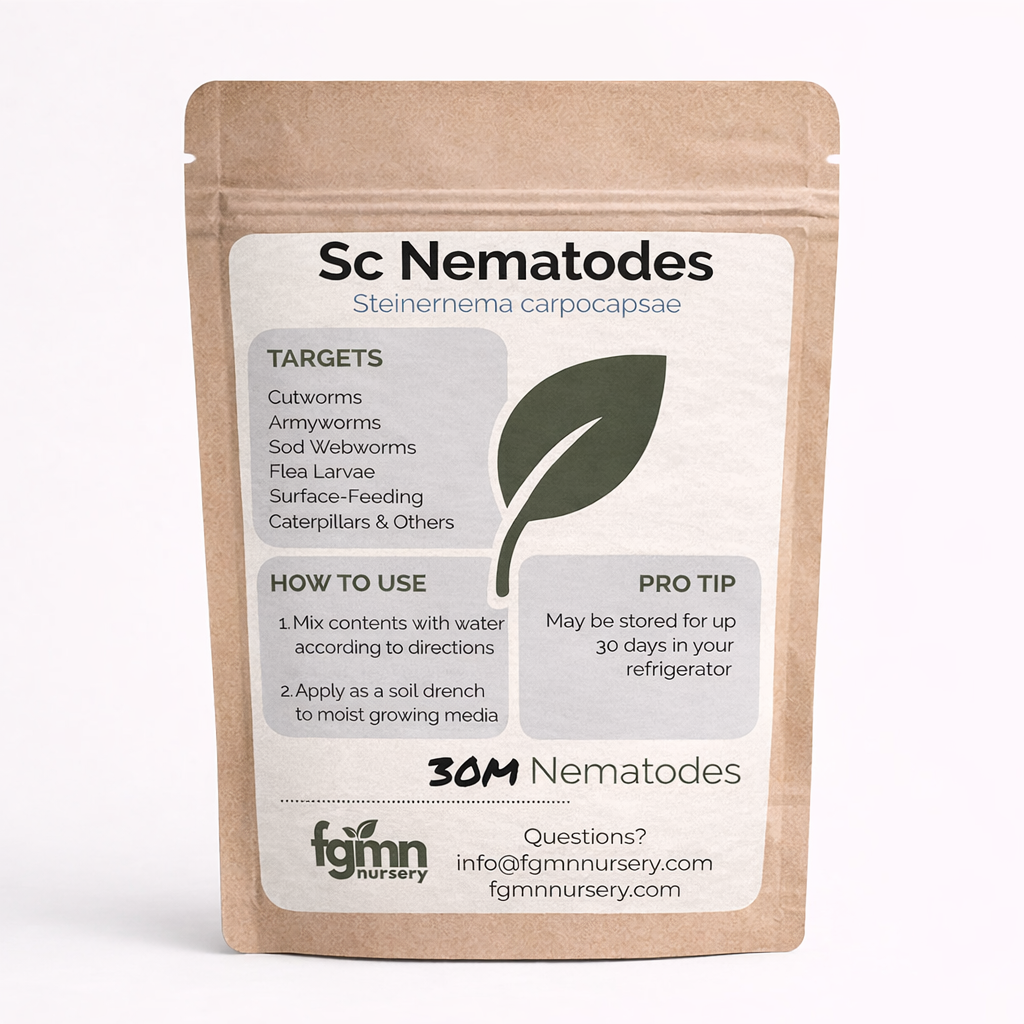
Sc Nematodes
The ambusher — it waits in the thatch for what walks past, which makes it the answer to fleas and caterpillars rather than grubs.
$55.00
Free Shipping for all orders over $30
If something's wrong when it arrives, file a report within 72 hours of delivery for a replacement or store credit.
By placing your order you agree to our Shipping Policy and Live Delivery Guarantee.

How much, and how often
Two questions — how bad it is, and how many plants. You get a size and the dates to put it out.
How bad is it?
Pick the one that sounds like your room. If you are between two, take the higher.
How many square feet?
Six-inch pots. Count a large specimen with a dense canopy as three or four.
Your size and schedule
More about this dose
The three things people ask once they have their size. Open any of them.
Am I light, moderate or heavy?
Light
- The odd flea on the animal after time outside
- A chewed seedling here and there
- You are treating ahead of the season
Moderate
- Fleas turning up indoors regularly
- Seedlings cut off at the base overnight
- Ragged patches appearing in the turf
- Damage spreading week to week
Heavy
- The animal is scratching constantly
- Whole rows of seedlings gone in a night
- Turf thinning across a large area
- Birds working the lawn hard
For fleas, the area that matters is not the whole yard — it is the shaded ground, the space under a porch and the dog run. Concentrating the same pack on those is worth far more than spreading it thin over lawn the animal never lies on.
On an active infestation the curative rate is a different application, not a bigger one: the same package over half the area, repeated. Spreading a preventative dose across a yard that already has a flea problem is the classic way to spend the money and not fix it — the nematodes are real, there are simply too few per square foot to meet anything.
Why more than one round?
Putting it out
- Mow to expose the thatch layer and water the ground lightly first.
- Dissolve the carrier in dechlorinated water and stir vigorously. Mix and apply within a few hours — the suspension does not store.
- Apply at dusk or with the lights off. Sunlight kills exposed juveniles faster than anything except drought. Remove any filter finer than 50 mesh.
- Aim at where the pests actually are: shaded ground, under porches, along dog runs. Agitate as you go, because they settle within minutes.
- Water in immediately to wash them off the grass blades and into the thatch — then keep the soil moist for at least two weeks.
Everything else is optional. Get these four and the release has done what it can.
A cleaner way
On a display plant, tip small piles into bio-boxes or paper cups hung in the branches instead of dusting the foliage. Same dose, nothing visible on the leaf.
The failure is forgetting. Very few programs fail because the mite underperformed. They fail in week five, when the plants look fine, the reorder does not happen, and the population holding the line ages out with nothing behind it.
A schedule is the same decision, made once. A pack when it looks bad, then another when it looks bad again, is already a rhythm — just one you have to remember at the exact moment the plants look fine.
Change the size or the frequency, skip a box, pause or cancel from your account at any time.
Is this the right beneficial for your problem?
Five questions, in the order a grower actually asks them: what have you got, is this the answer to it, what will it eat, how does it do the killing, and will it survive your room.
Is this your pest?
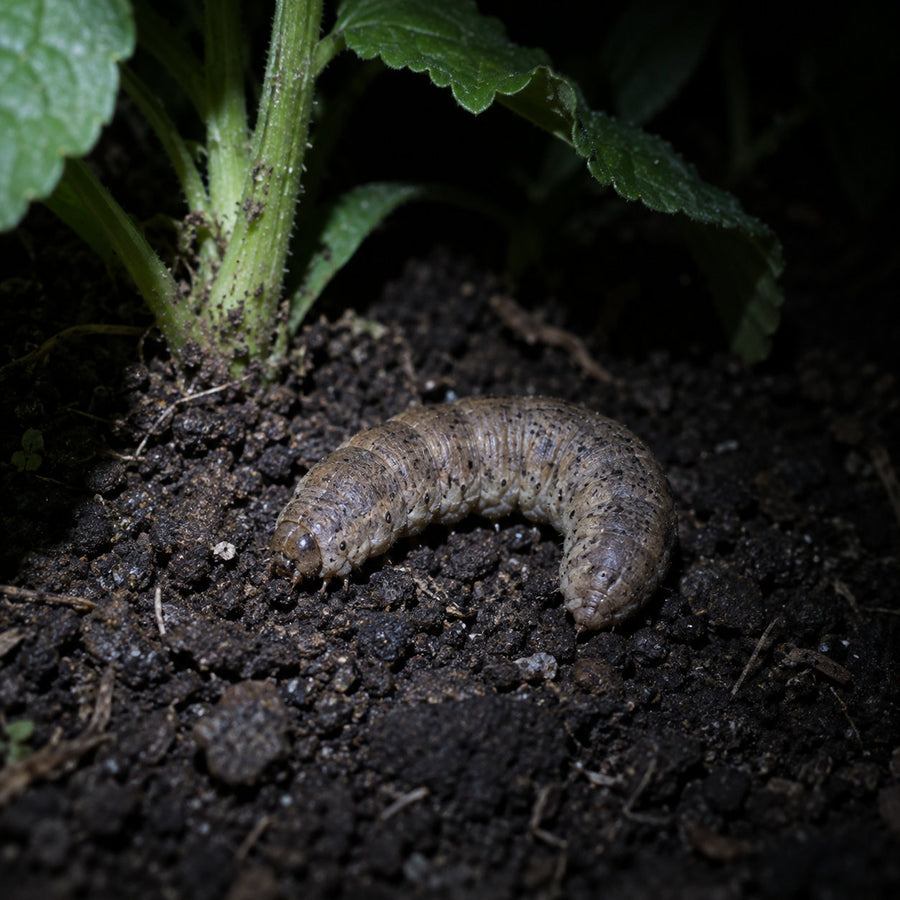
Sc is built for pests that move. Everything on its list crosses the soil surface or lives in the thatch layer of a lawn, and that habit is what makes them catchable.
Fleas announce themselves on the animal rather than in the yard, but the larvae and pupae are outside — in shaded ground, under porches, along dog runs. Caterpillar damage is different: cutworms take seedlings off at the base overnight, sod webworms and armyworms leave ragged patches and chewed blades that were not there yesterday.
Crane fly larvae, peach tree borers and some weevils are on the list too. And uniquely among the nematodes, Sc is the one people inject straight into borer holes.
Then: are Sc nematodes the right answer to it?
Choose this if
Choose Sc for fleas and caterpillars. It is the ambusher — it stands on its tail near the surface and waits for something mobile to brush past, then latches on. Against a pest that travels, that is a far more efficient strategy than searching, and it is why Sc is the undisputed answer for flea larvae in a yard. Completely harmless to mammals, and pets can be back on the grass the moment you have watered it in.
Choose something else if
It does not chase. Deep sedentary grubs sit six inches down and never walk into it, so those want Hb. Fungus gnats in potting soil are Sf's job. It needs a moist thatch layer to stand up in without drying out, and activity falls off sharply below 55°F.
What it kills, and what it won't
It will not touch the fleas already on your dog — nematodes live in the soil, not on the animal. What they do is kill the larvae and pupae in the ground so the next generation never jumps. You still treat the dog; this breaks the cycle in the yard.
How it works
What it does to the pest, what it does in the soil, and what that leaves you looking at.
It waits, then latches on
When a cutworm or armyworm crawls over the soil at night, the nematodes attach to its underside, enter the body and release their bacteria. The host dies within 24 to 72 hours. No poison on your lawn, no residue, and nothing for a pest to develop resistance to.
It stays in the top inch or two
Sc does not tunnel. It holds position in the topsoil and thatch, which is exactly where flea larvae develop and where caterpillars travel — and exactly why it is the wrong species for something living six inches down.
Damage that stops appearing
You will not witness any of the killing. What changes is that new chewing stops showing up: no fresh seedlings cut off at the base, no new ragged patches in the turf, and far fewer fleas coming indoors on the animal.
They cycle while hosts last, then die out. This is a treatment rather than a standing population, which is why the preventative rate repeats every four to six weeks through the season rather than once.
Will it work in your soil?
One honest warning about indoor use. Sc can kill fleas in carpet, but only if you keep that carpet damp for three days or more, which is a mould and mildew problem you do not want. Use nematodes outdoors to stop fleas getting in, and dry methods — vacuuming and steaming — indoors.
About Sc nematodes
Microscopic roundworms that hunt by ambush in the top inch of soil and thatch. Millions of them arrive in a package that weighs almost nothing, and they are alive.
New to beneficials?
Five things that catch almost everyone the first time.
After you apply it
What actually changes, in what order, and what this one does not cover.
How you'll know it's working
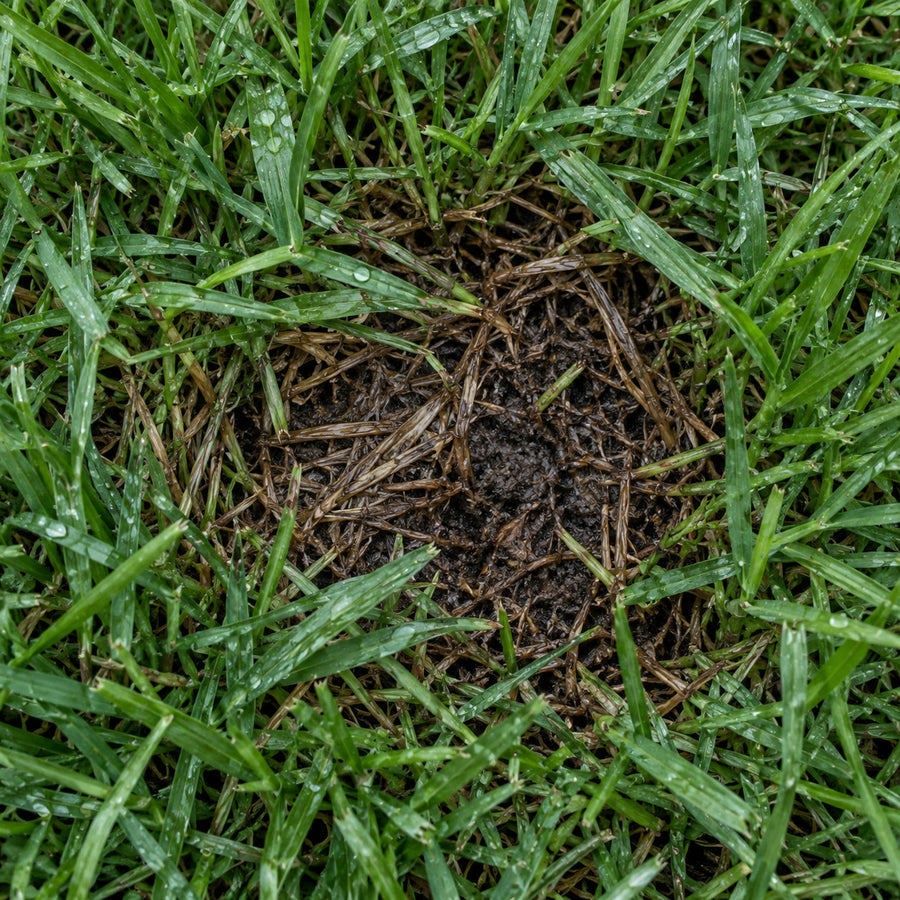
Susceptible hosts die within 24 to 72 hours, and you will witness none of it. The measure is negative: new damage stops appearing.
No fresh seedlings cut off at the base overnight. No new ragged patches in the turf. And with fleas, fewer arriving indoors on the animal — though the adults already on the dog are a separate job, because nematodes live in the soil rather than on a pet.
They cycle while hosts last and then die out, so this is a treatment rather than a standing population. Through flea and caterpillar season the preventative rate repeats every four to six weeks.
Getting it to you
What is in the pack, how it travels, and what happens if it arrives wrong.

What arrives
Live infective juveniles on a moist inert carrier, shipped dormant. It looks like a dusty paste or powder, and it wakes up when it meets water.
Nothing looks alive, and nothing should. There is no test you can run on the pack.
Into the fridge on arrival. 38–42°F, and never the freezer. They hold about four weeks chilled and decline quickly at room temperature, so the cold chain is genuinely the whole job on your end.
When it ships, and when it lands
Shipping
We ship when they're ready to travel. Live orders go out Monday to Thursday. If a colony needs a beat to peak, or we're propagating a fresh batch, yours might hold up to a week. All mites and insects ship 2-day or Overnight depending on what's best for them.
When it lands
Fridge first, then an evening job. Mow to expose the thatch and water lightly. Dissolve the carrier in dechlorinated water and stir vigorously. Apply with a hose-end sprayer or watering can, filter removed, concentrating on shaded ground, under porches and along dog runs where fleas congregate. Then water in immediately and keep the soil moist for a fortnight.
About the ones that don't make it
Some of them die on the way. That is why we send more than you paid for.
A nematode is microscopic, and it ships dormant in a pouch, in a van, for two days.
Roughly 15% will not survive that. We cannot prevent it, so we price it in: the number on the label gets counted out, and then the cushion goes in on top of it.
Your 80-million pack leaves here holding more than 80 million. The dead ones are already paid for.
If you can see them
Ladybugs, lacewing larvae, Orius — the minute pirate bug — and the beetles. Tip a few onto white paper and give them twenty minutes at room temperature before you judge anybody.
Cold insects are genuinely good at playing dead. The deceased have been known to get up and walk off the counter.
Still more than about one in seven not moving? Photograph them and file a report.
The photo is not us doubting you. It is how we tell a bad batch from a bad courier day from a mailbox that hit 104°F.
If you can't see them
Mites, nematodes, eggs — most of what we sell, and this one more than any of it. A pouch of carrier looks identical whether it holds 80 million live nematodes or none, and no photograph settles that. So we don't ask you to take one.
You file the report and our entomologist takes you through the diagnostic instead — the tap test on dark paper, where the box sat, what your room was doing, and then what the pest is doing about ten days later.
Worth saying plainly: a pack that spent an afternoon in a hot mailbox is a real failure mode, and it is one we would rather hear about than have you drench and wonder.
Seventy-two hours from delivery, either way, with your order number. Replacement or store credit, your pick.
What it does not reach
Three gaps this page has already named, and the beneficial that closes each one.
A grub will never walk into an ambush
Sc waits at the surface for something mobile to brush past. Japanese beetle grubs sit six inches down and barely move, so they simply never meet it. Heterorhabditis bacteriophora is the cruiser that goes down and finds them instead — same idea, opposite hunting style.
Sc can; Sf does it better
Sc will kill fungus gnat larvae, but Steinernema feltiae is more aggressive against the specific larvae that live in potting soil, and it stays active at the cooler temperatures an indoor pot actually sits at. If houseplants are the problem rather than a yard, buy that one.
Three hunting styles in one drench
The three species differ by hunting style rather than by strength — ambusher at the surface, patroller through the root zone, cruiser deep down. For a whole yard, where fleas are in the thatch and grubs are under the turf at the same time, the Triple Blend covers all three depths in one application.
Two cheap things that make the rest work harder. Blue cards give you the dated count this page keeps asking you to read. Breeder's Blend is pollen and Artemia; it keeps the population fed through the lull when prey gets scarce.
Questions
Will this kill adult fleas on my dog?
No. Nematodes live in the soil, not on your pet. They kill the flea larvae and pupae in the ground, stopping the next generation from jumping onto your dog. You still need to treat the dog for adults, but the nematodes break the life cycle in the yard.
Can I use them on indoor carpet?
We generally advise against it. While they can kill fleas in carpet, you must keep the carpet damp for 3+ days for them to work, which creates a high risk of mold and mildew. We recommend using nematodes outdoors to stop fleas from entering, and using dry methods (vacuuming/steaming) indoors.
How do they kill caterpillars?
When a cutworm or armyworm crawls over the soil surface at night, the Sc nematodes latch onto its belly, enter the body, and release bacteria that kills the caterpillar within 48 hours.
Can I inject them into trees?
Yes! For borers (like Iris Borers or Peach Tree Borers), you can use a syringe to squirt a concentrated nematode solution directly into the borer holes. Plug the hole with clay or wax afterwards to keep moisture in.
Are they safe for my cat/dog to walk on?
Yes, immediately. Sc nematodes are completely harmless to mammals. Your pets can play in the yard right after you water them in.
Do they work on Ticks?
Sc has some effect on ticks, but Steinernema feltiae (Sf) or a Triple Blend is generally considered slightly better for tick control. However, Sc is the undisputed king of Flea control.