






Field Notes

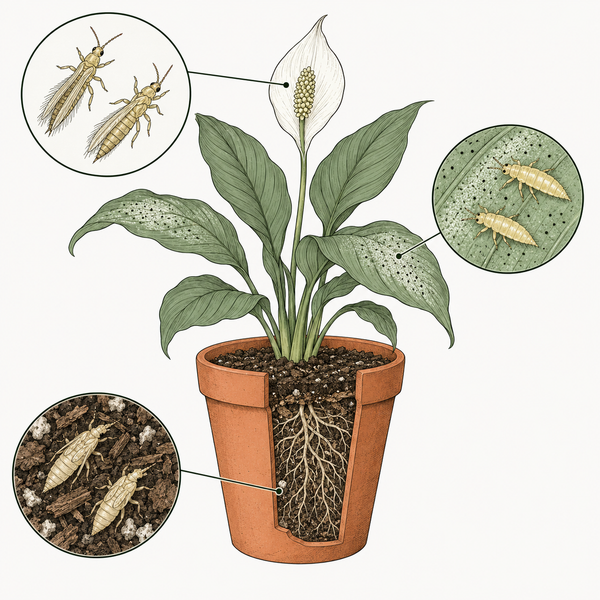
How Did Thrips Get In Here?
Found thrips? Follow the possible routes from new plants, flowers, outdoors, and growing media—and understand why discovery can come long after arrival.
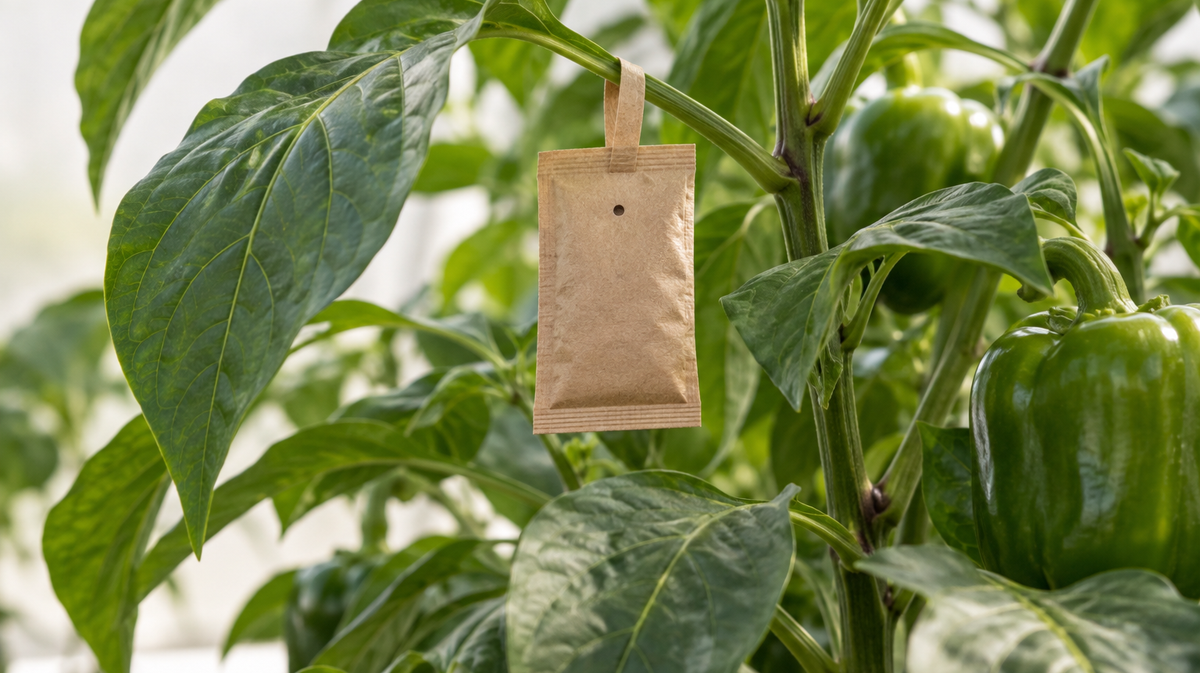
What’s Really Inside a Predatory Mite Sachet?
Predatory mite sachets may look empty at first glance, but inside is a carefully balanced ecosystem of carrier material, feeder mites, and predatory mite eggs or juveniles. Rather than flooding plants with adults all at once, sachets are designed to release beneficial mites gradually over four to six weeks, keeping pest populations under control. This invisible, slow-release system is what makes sachets so effective for long-term prevention—even if you never spot a mite with the naked eye.