
Field Notes
Beneficials Aren't OMRI Listed. That's The Point.
Go looking for an OMRI seal on a tube of predatory mites and you will not find one — on ours or on anybody's. The usual explanation is that you cannot certify something alive, and that explanation is wrong. Releasing beneficials is a practice rather than an input, and a practice has nothing in it for anyone to review.
Thrips Never Seem To Go Away
Not on the underside — inside it. Which means that when you sprayed, a large share of the thrips on that plant were sealed in plant tissue or sitting in the potting mix, where nothing applied to a leaf goes. They were never killed, and they arrived on schedule.
Are Your Thrips Winning?
Things look better for a few days, then get worse around week two. That is the eggs that were already on your plants hatching on schedule — and it is the exact moment most people switch products, which resets the clock to zero.
Seven Ways To Waste Your First Mite Release
Nearly all of these are decisions rather than products, which is the good news: a decision can be made differently next time. The most expensive one is buying a second lot to fix a first lot, when the room was the problem both times.
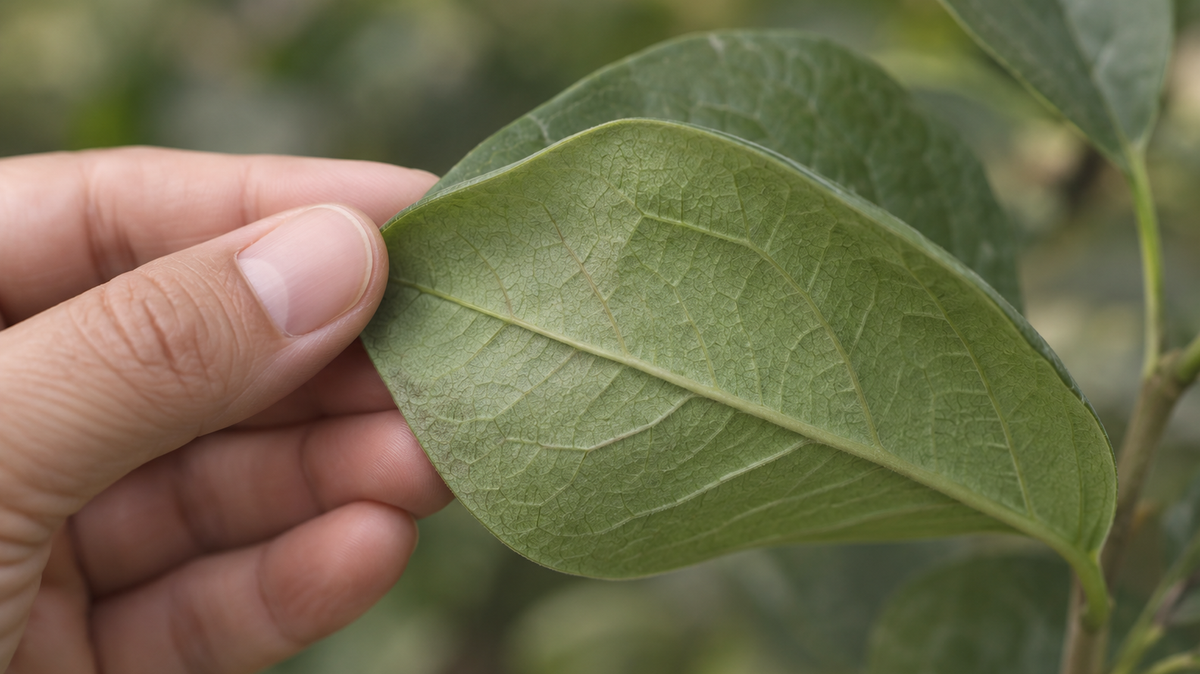
You'll Never Find Your Predatory Mites
Almost nobody finds them, including people who have been doing this for years. The problem is that not-finding-them feels like evidence, and it isn't. What to measure instead, and the point at which you should genuinely start investigating.
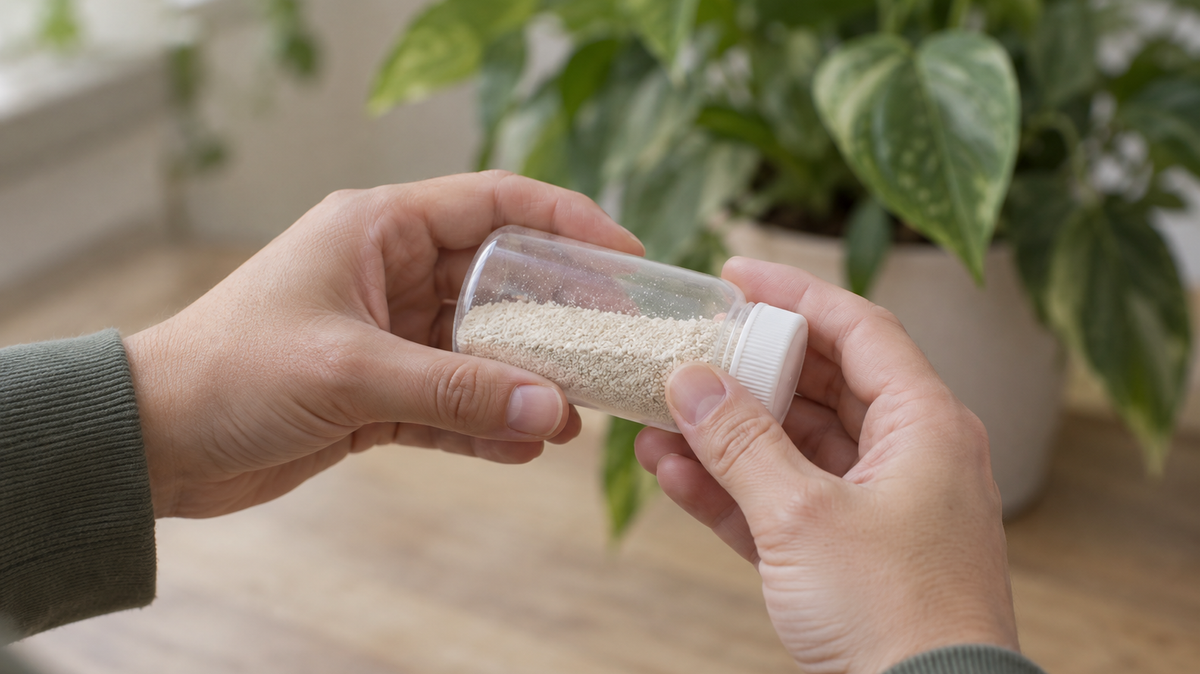
Roll Your Swirskii Bottle Before You Open It
The bottle needs rolling before you open it, because the mites settle in transit and the top third is mostly bran. That one step is the difference between dosing your first plant properly and dosing it with sawdust.
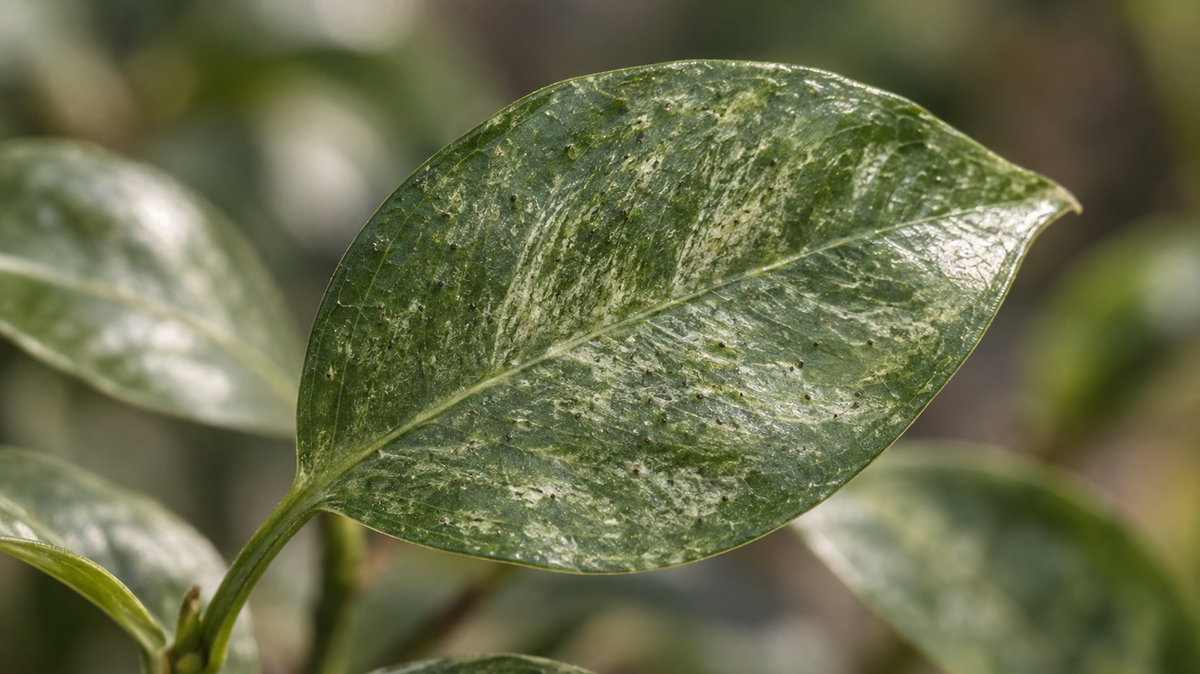
Most People Buy Swirskii For The Wrong Problem
Swirskii is the right animal for a narrower set of situations than its packaging suggests. Four things disqualify it, they are independent of each other, and three of them have nothing to do with which pest you have.
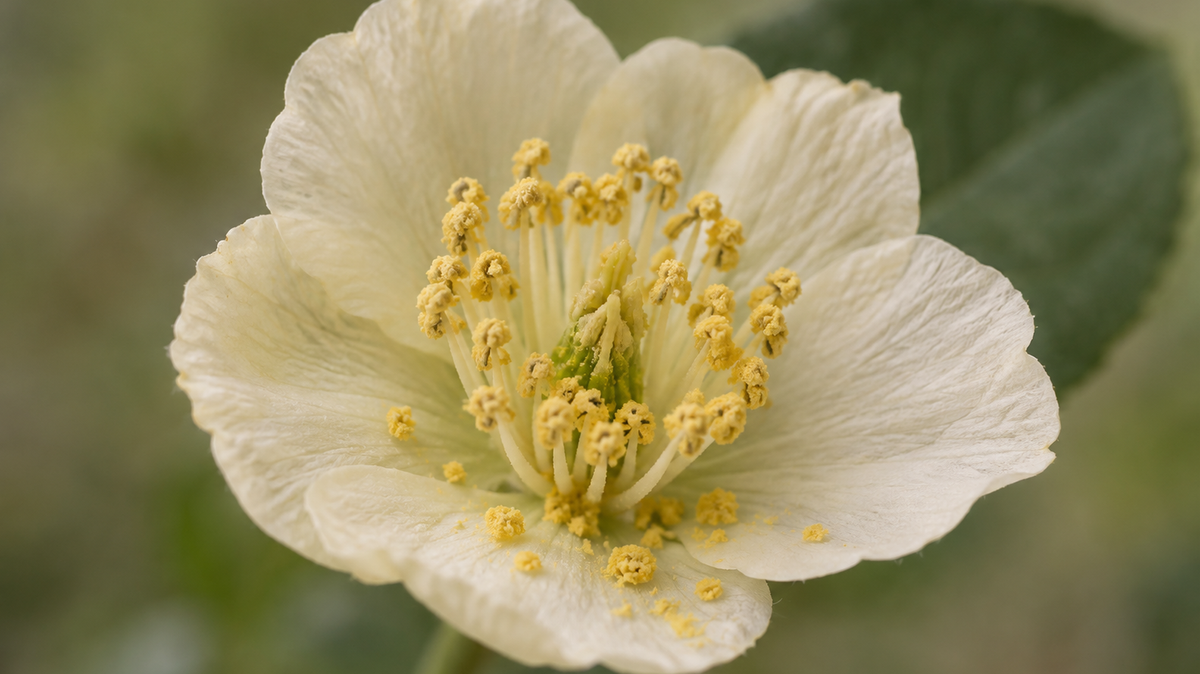
Amblyseius Swirskii Eats Pollen.
It is about half a millimeter long, and it eats pollen as happily as it eats pests. That second fact is the whole reason anyone buys it — a predator that can feed itself on a clean plant is already there when the thrips arrive.