





Field Notes

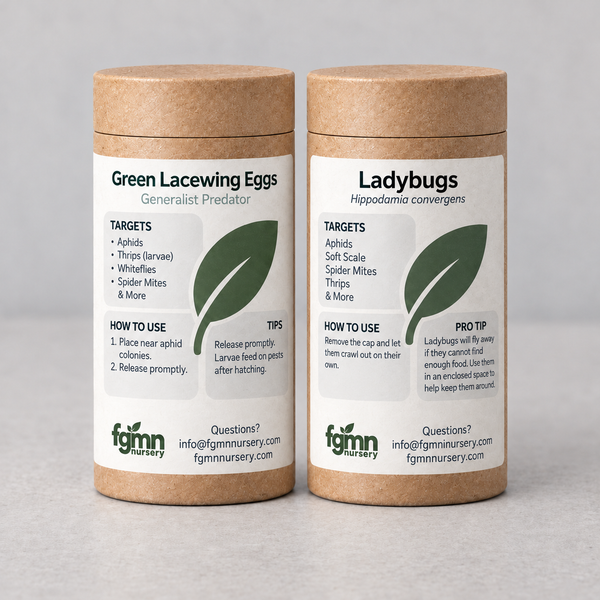
They Are Shipped Cold So They Do Not Move.
You open the box and the tube is a motionless ball of beetles. Nothing is walking, nothing is flying, and the obvious conclusion is that they died in transit. Almost always they did not, and the reason is that the shipping was designed to do this.
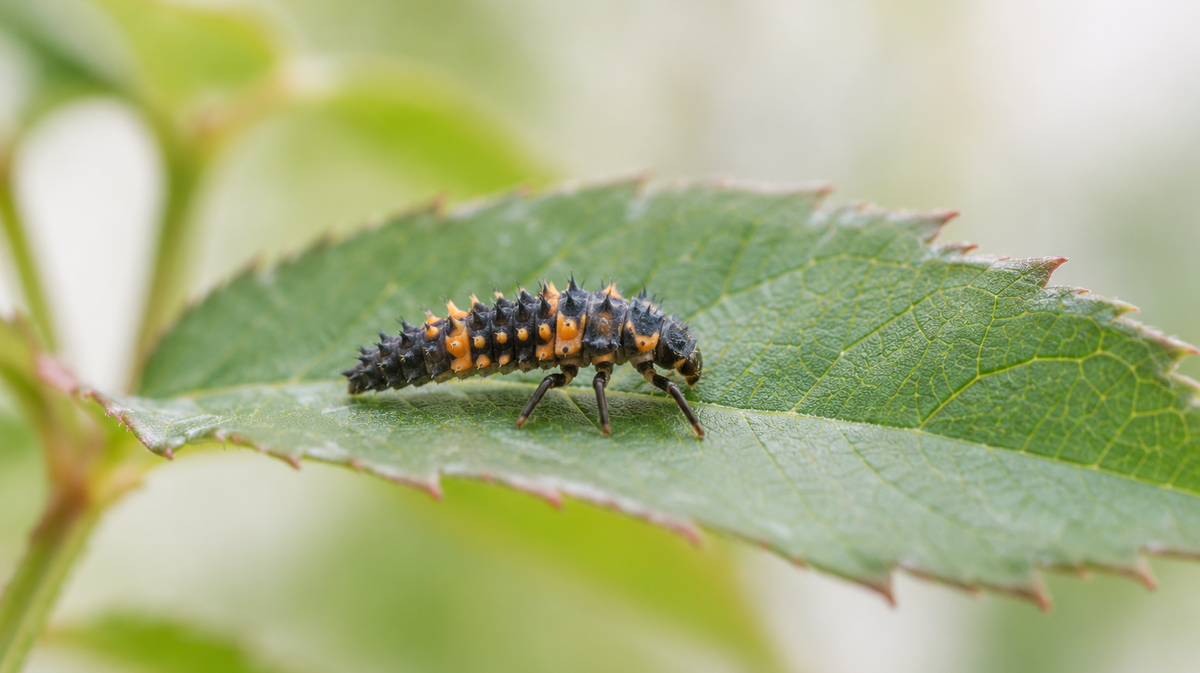
The Spiky Grubs Are The Ladybugs Working.
A week after a ladybug release most of the beetles are gone and something else is on the leaves: small, dark, spiky, moving with purpose. People spray them. They are the part of the release that cannot fly away, and they do most of the eating.
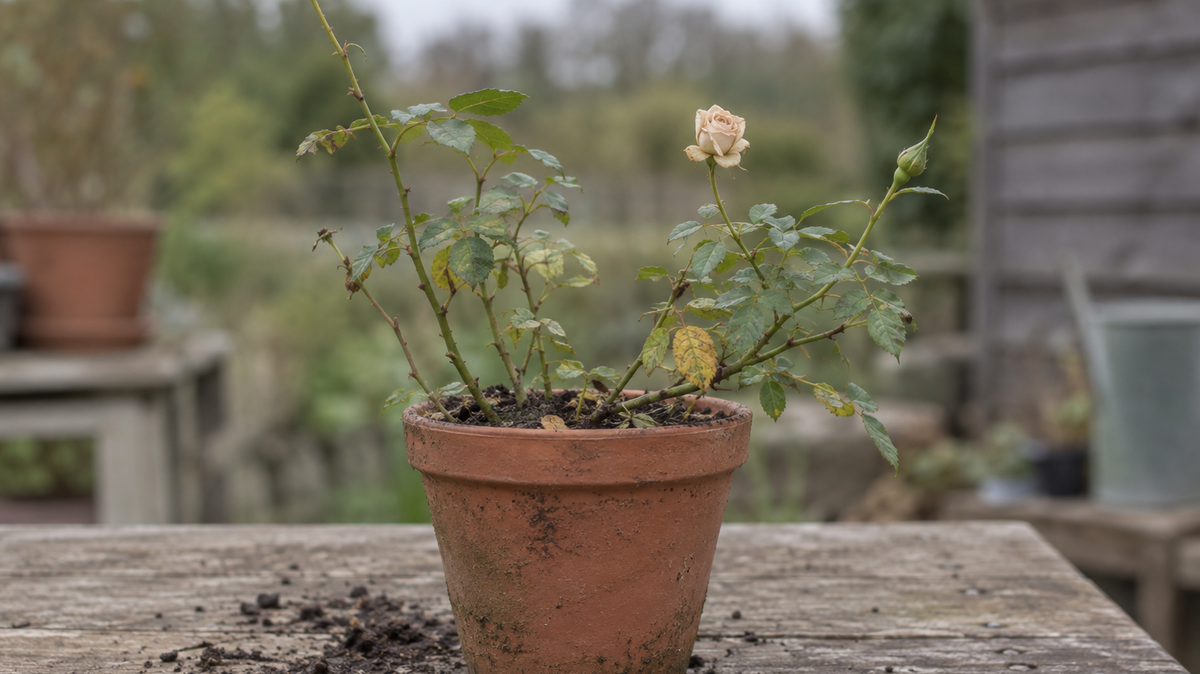
One Rose Bush Took 1,500 Ladybugs.
A light sprinkle of ladybugs over an infested plant is the standard advice and it is not close to the rate that has been shown to work. In the one peer-reviewed garden trial, single releases at the recommended rate did nothing measurable. Here is the number that did something.

Beneficials Aren't OMRI Listed. That's The Point.
Go looking for an OMRI seal on a tube of predatory mites and you will not find one — on ours or on anybody's. The usual explanation is that you cannot certify something alive, and that explanation is wrong. Releasing beneficials is a practice rather than an input, and a practice has nothing in it for anyone to review.

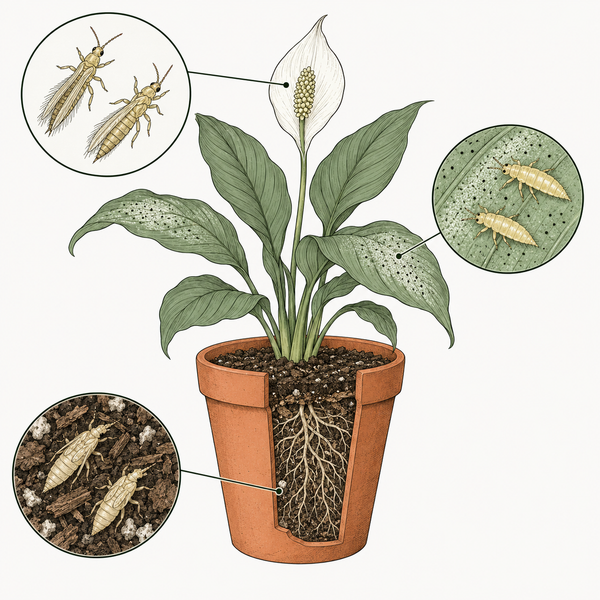
Thrips Never Seem To Go Away
Not on the underside — inside it. Which means that when you sprayed, a large share of the thrips on that plant were sealed in plant tissue or sitting in the potting mix, where nothing applied to a leaf goes. They were never killed, and they arrived on schedule.

Seven Ways To Waste Your First Mite Release
Nearly all of these are decisions rather than products, which is the good news: a decision can be made differently next time. The most expensive one is buying a second lot to fix a first lot, when the room was the problem both times.
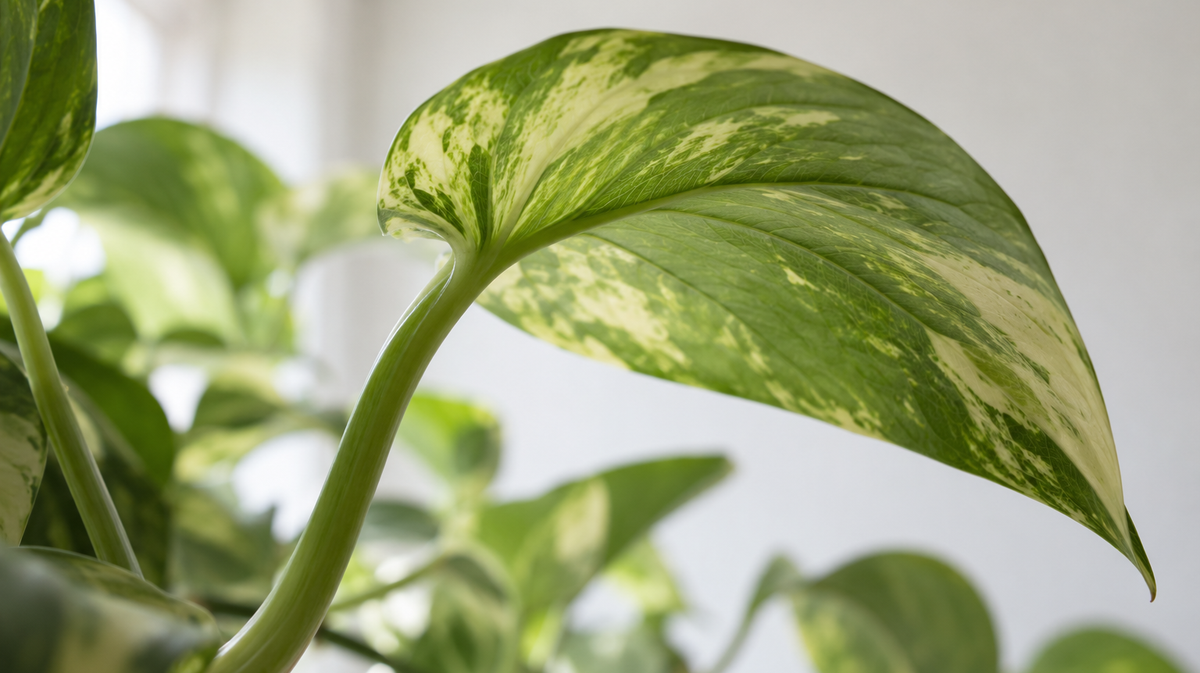
Follow the Pests After Release
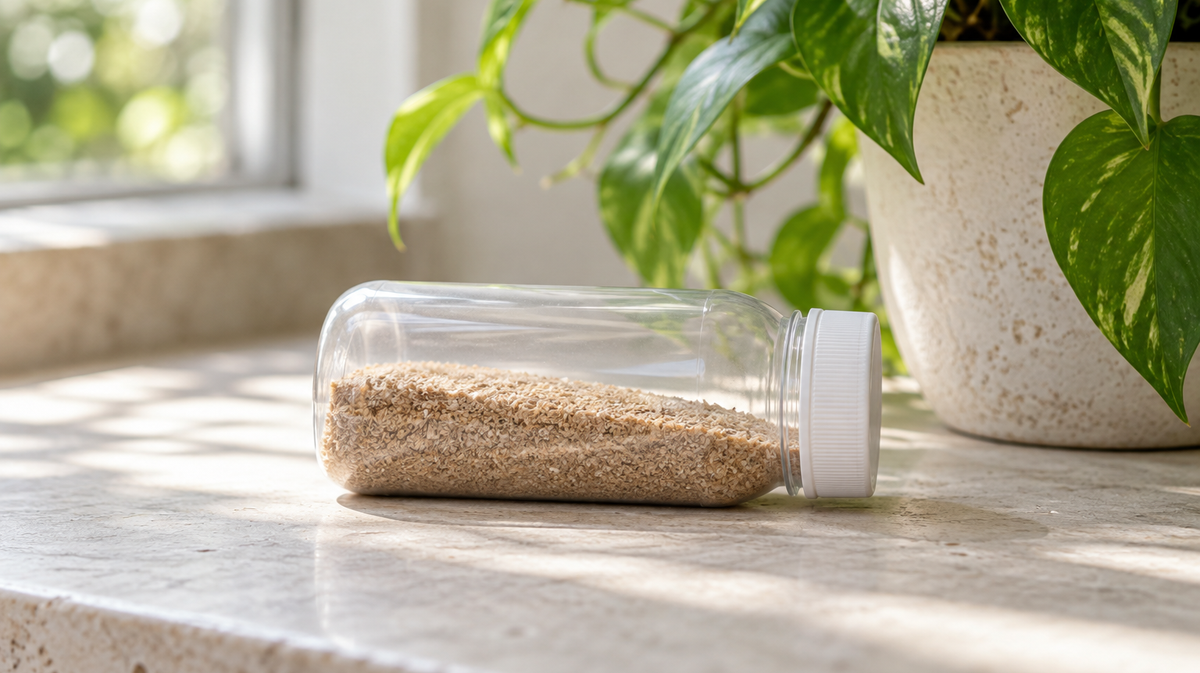
Roll Your Swirskii Bottle Before You Open It
The bottle needs rolling before you open it, because the mites settle in transit and the top third is mostly bran. That one step is the difference between dosing your first plant properly and dosing it with sawdust.
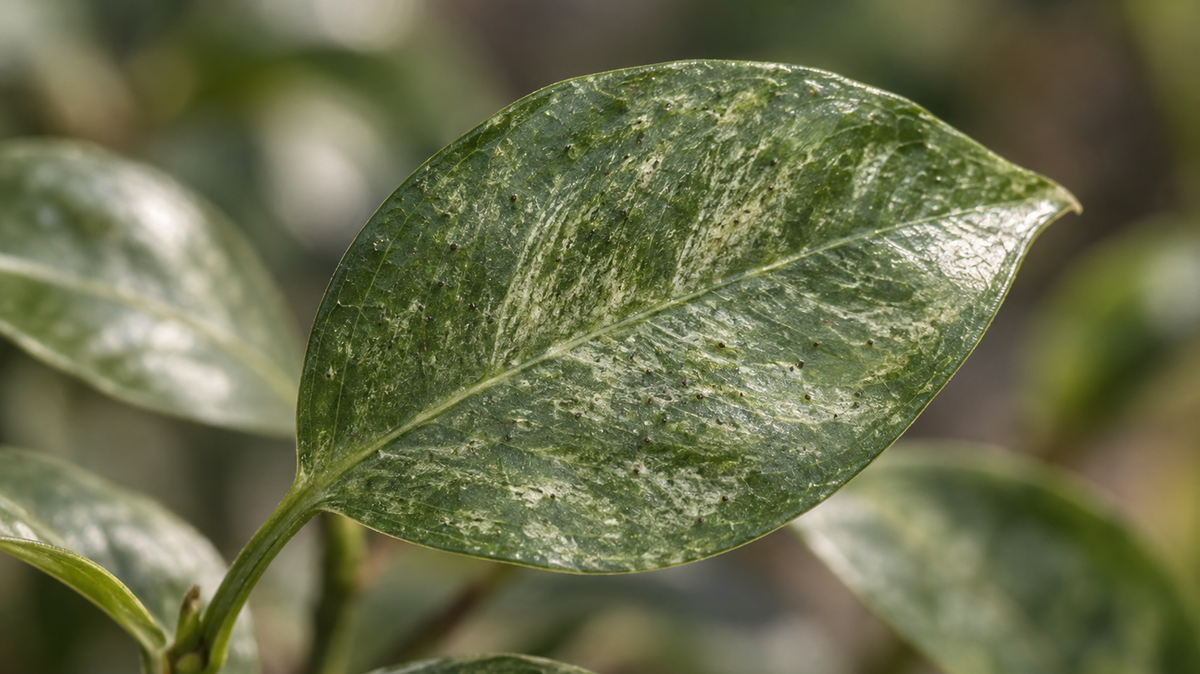
Swirskii Needs the Right Job
Choose swirskii by the pest stage, plant, growing environment, and treatment goal—not the prey list alone.
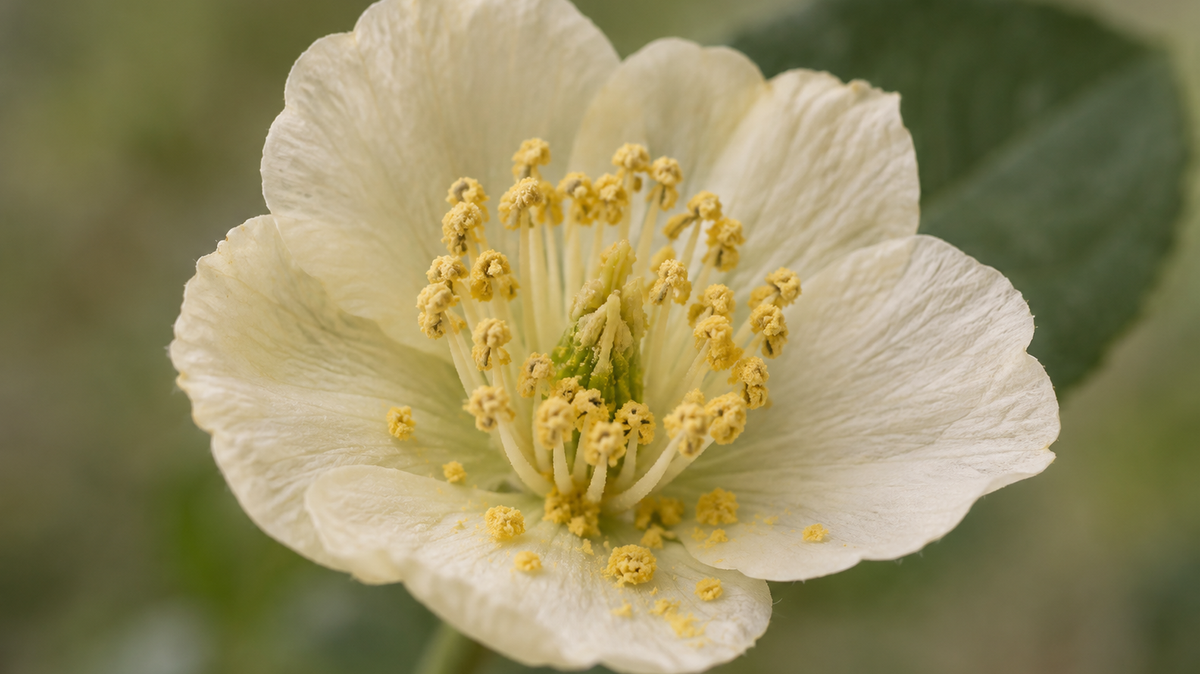
Swirskii Eats More Than Pests
It is about half a millimeter long, and it eats pollen as happily as it eats pests. That second fact is the whole reason anyone buys it — a predator that can feed itself on a clean plant is already there when the thrips arrive.

Are Predatory Mites Right for You?
The honest answer is: it depends. Predatory mites work exceptionally well under the right conditions — and fail predictably under the wrong ones. Here's how to know which situation you're in before you spend anything.
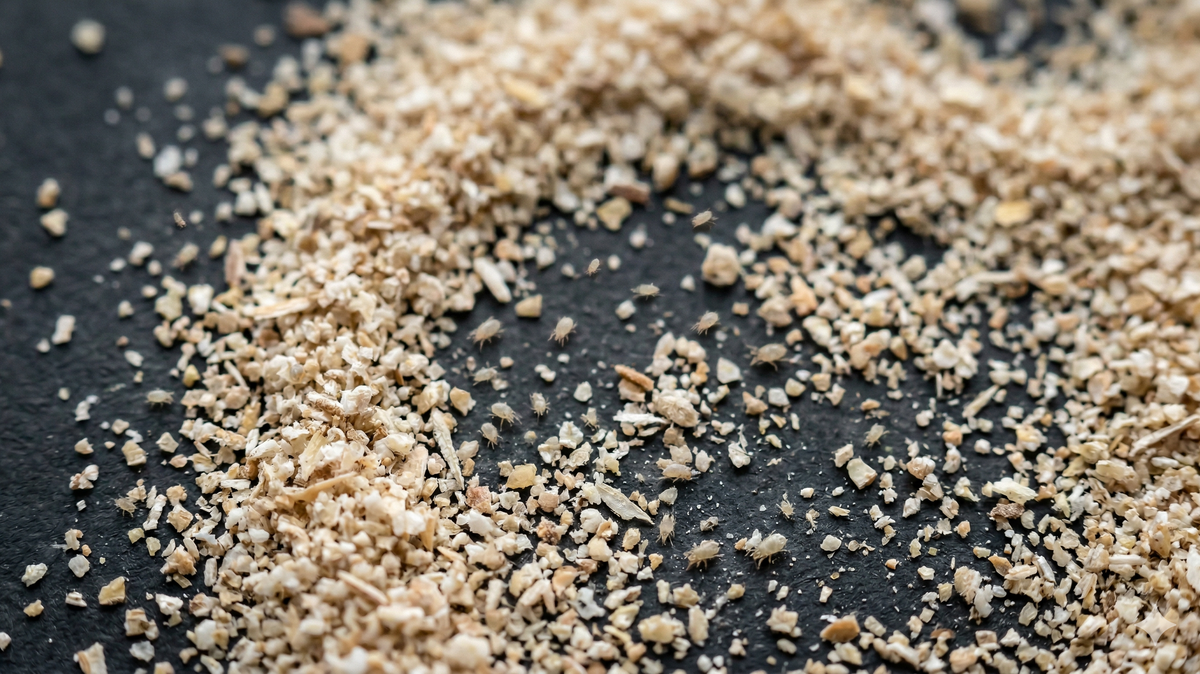
They Eat Pests for a Living. You're Welcome.
Predatory mites are the biological control solution to spider mites, thrips, broad mites, fungus gnats, and more — and they don't harm plants, people, or pets. If someone has suggested you add more mites to fix your mite problem, this is the article that explains why that's actually correct.