


Field Notes
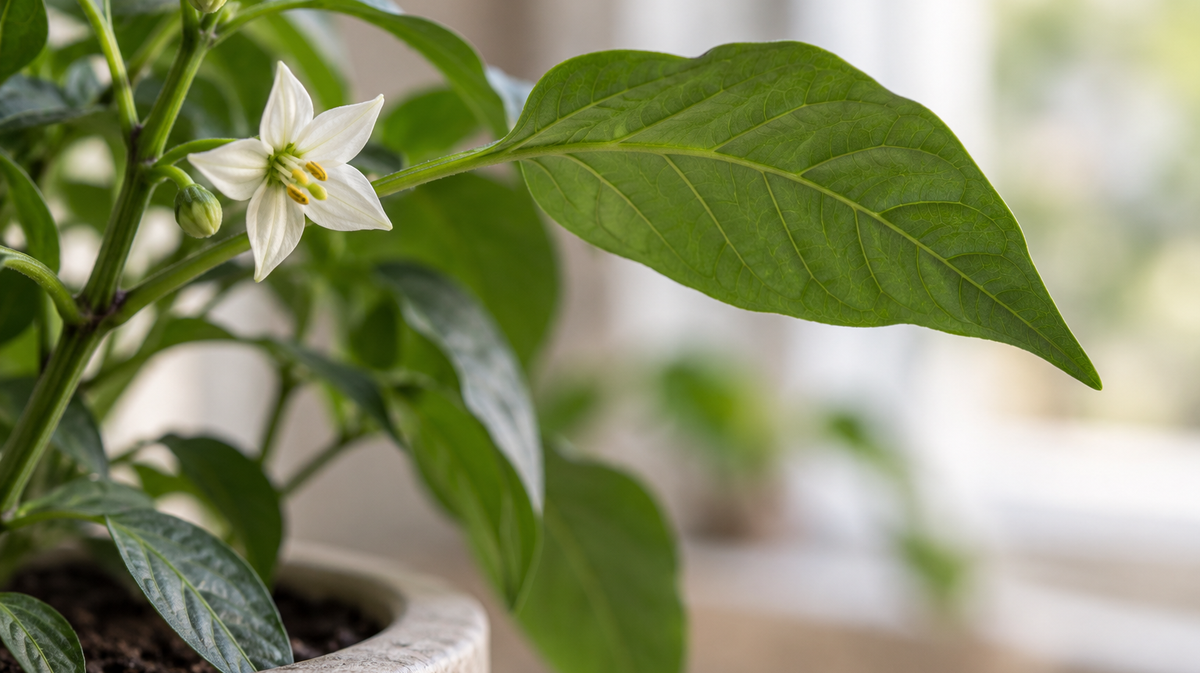
Thrips Have Their Own House Rules
Thrips species do not all live the same way. Learn why their pupation sites and responses to predators can change your treatment plan.
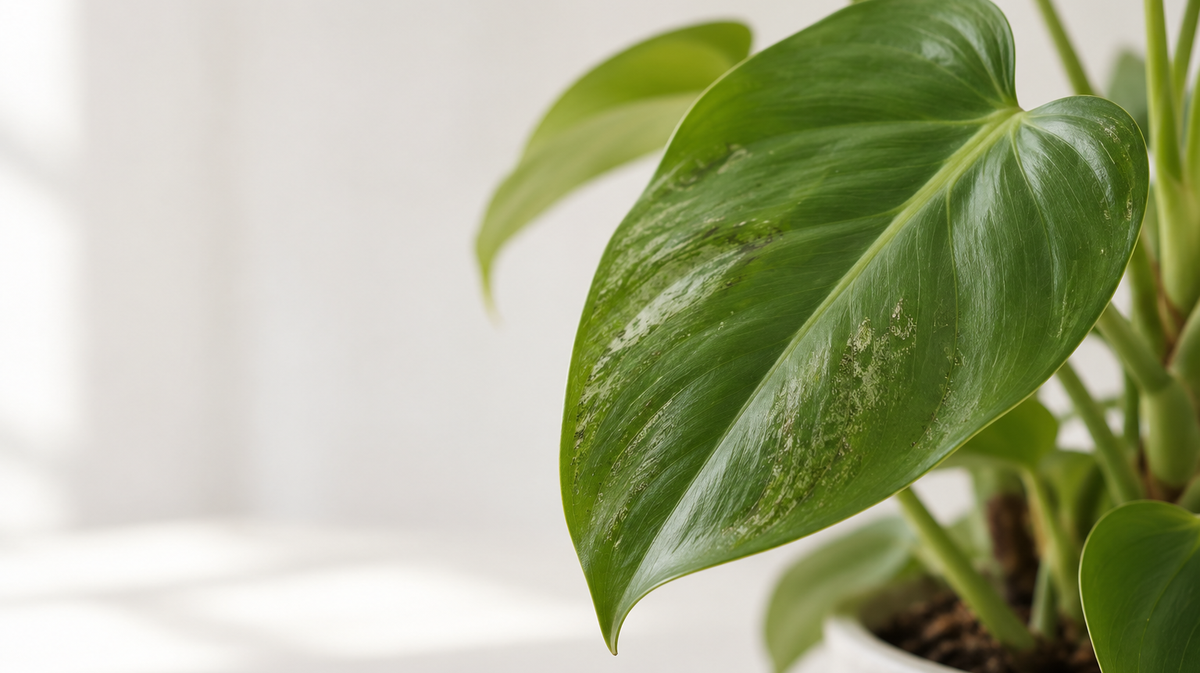
Those Might Be Thrips
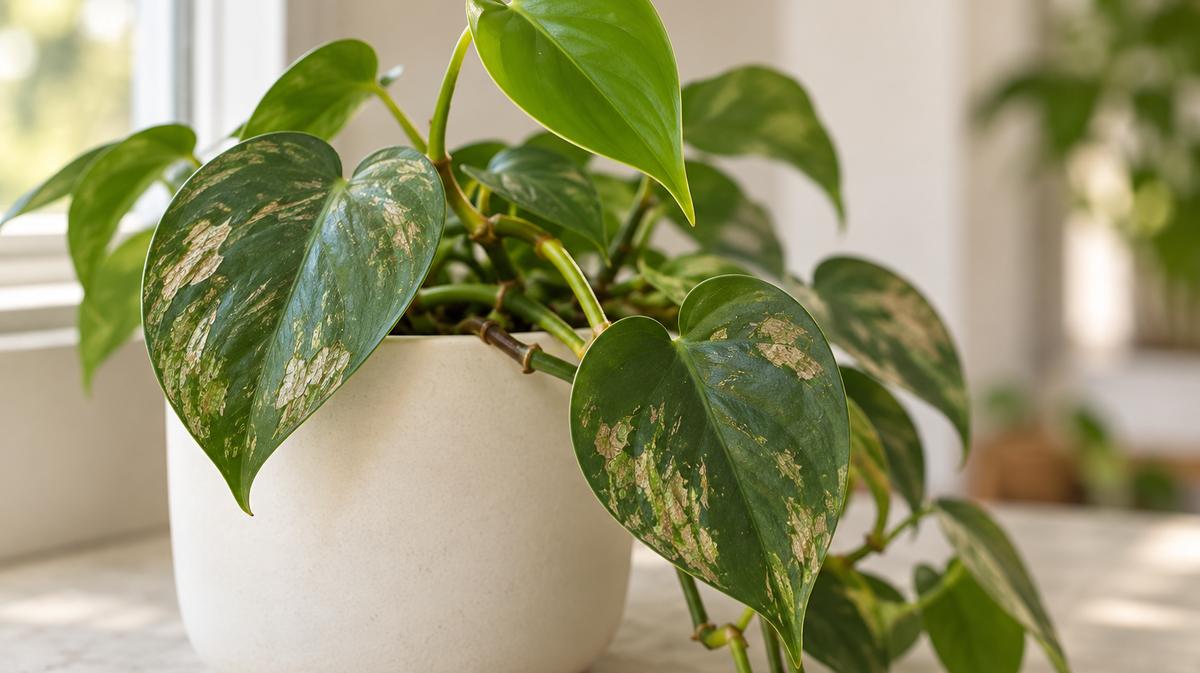
Your Thrips Treatment Doesn’t Include Leaf Repair
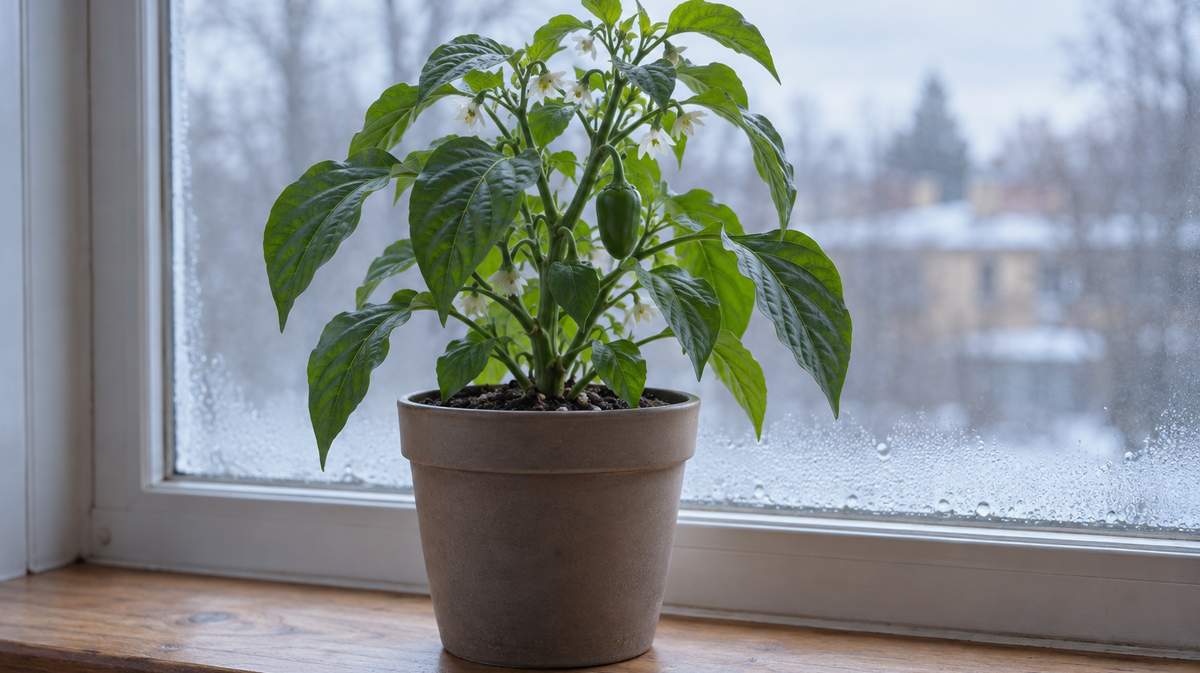
Swirskii Wants the Warm Room
Why a living swirskii mite is not the same as a growing colony, and how to interpret cool conditions around your plants.
Pollen Feeds More Than Your Mites
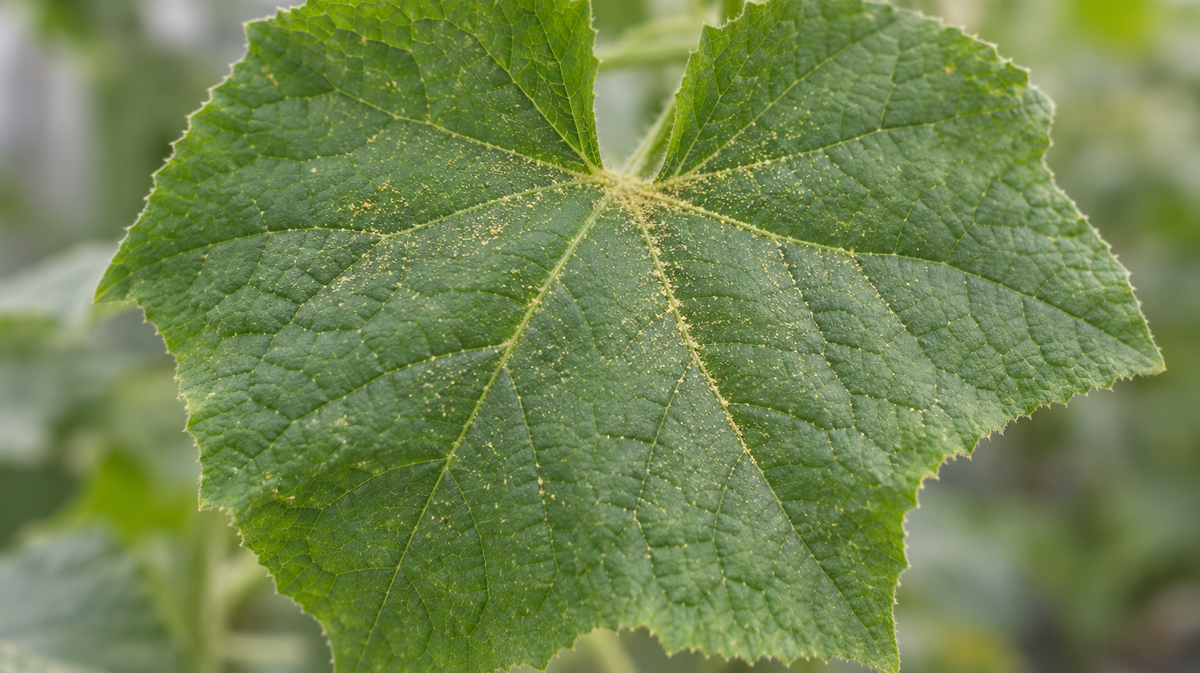
A pollen-fed Amblyseius swirskii kills 34–60% fewer pests than a hungry one. Whitefly control improved anyway, because there were five times as many mites. That trade decides one thing for you immediately: if your pest is thrips, pollen is the wrong food, because thrips eat it too.
Swirskii Does Better With a Head Start
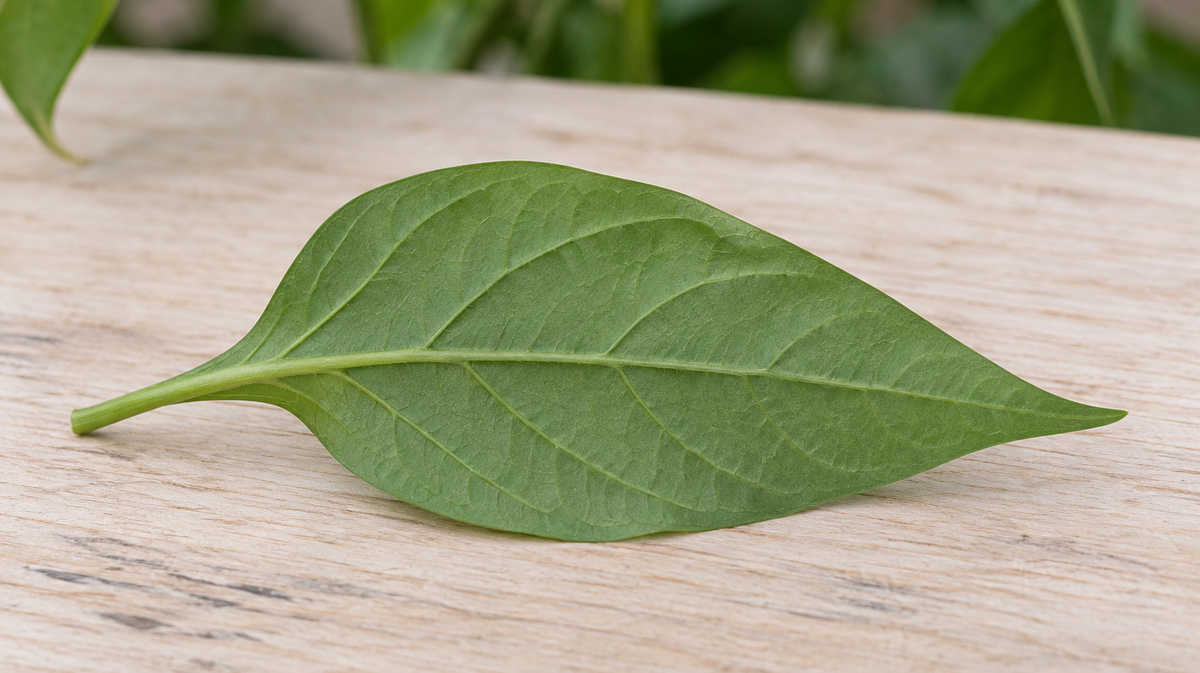
In a zucchini greenhouse, swirskii alone finished the season at 12.27 whiteflies per leaf against 41.97 for twice-weekly conventional spraying. The same trial measured virus, and there the spray programme was the one that lost less — so a density reduction and a disease reduction are two different purchases, and the bottle only buys the first.
Is Your Swirskii Sachet Working
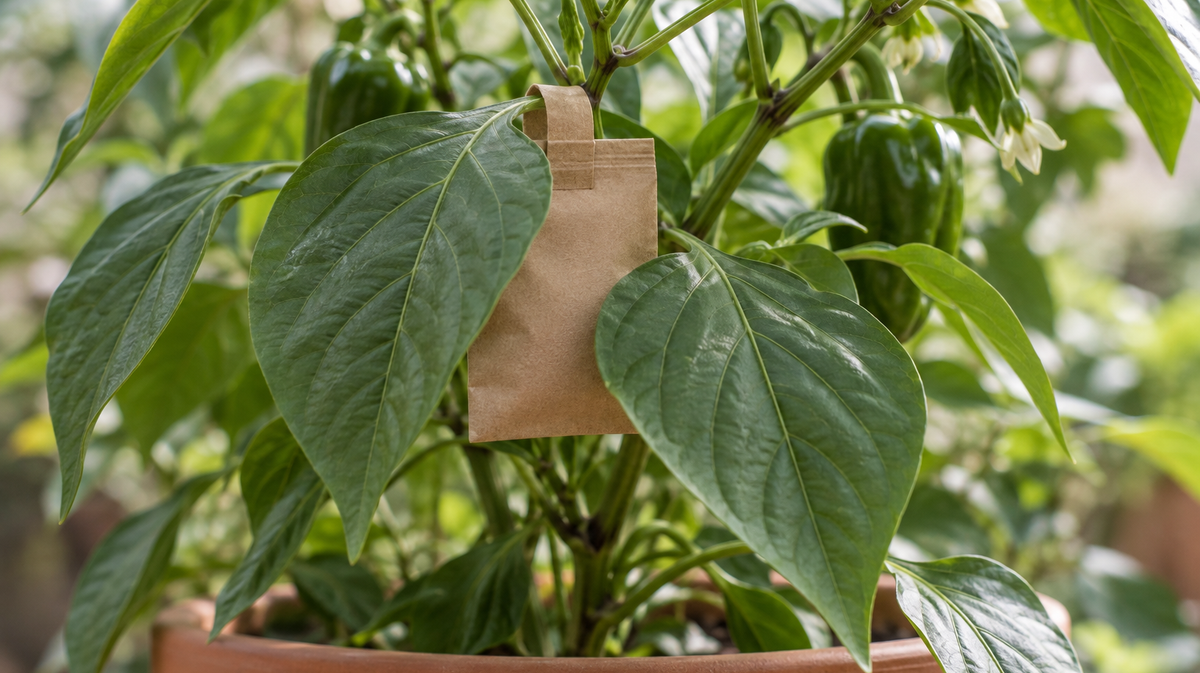
How to distinguish a living sachet colony from useful delivery onto plants, and what to observe without opening the packet.
Thrips Never Seem To Go Away
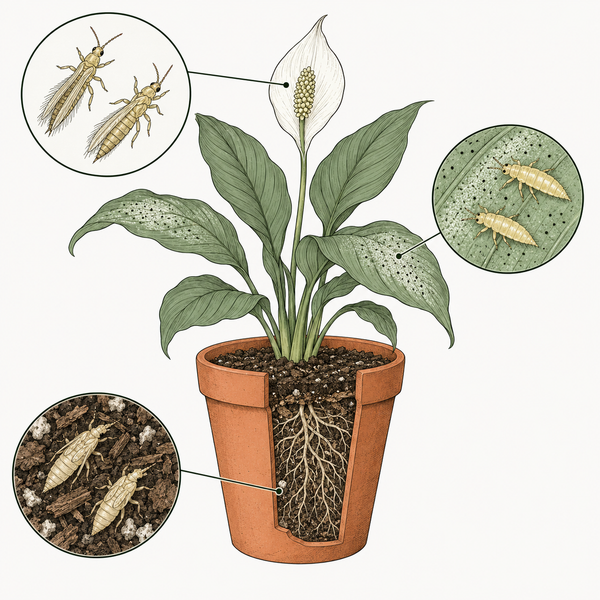
Not on the underside — inside it. Which means that when you sprayed, a large share of the thrips on that plant were sealed in plant tissue or sitting in the potting mix, where nothing applied to a leaf goes. They were never killed, and they arrived on schedule.
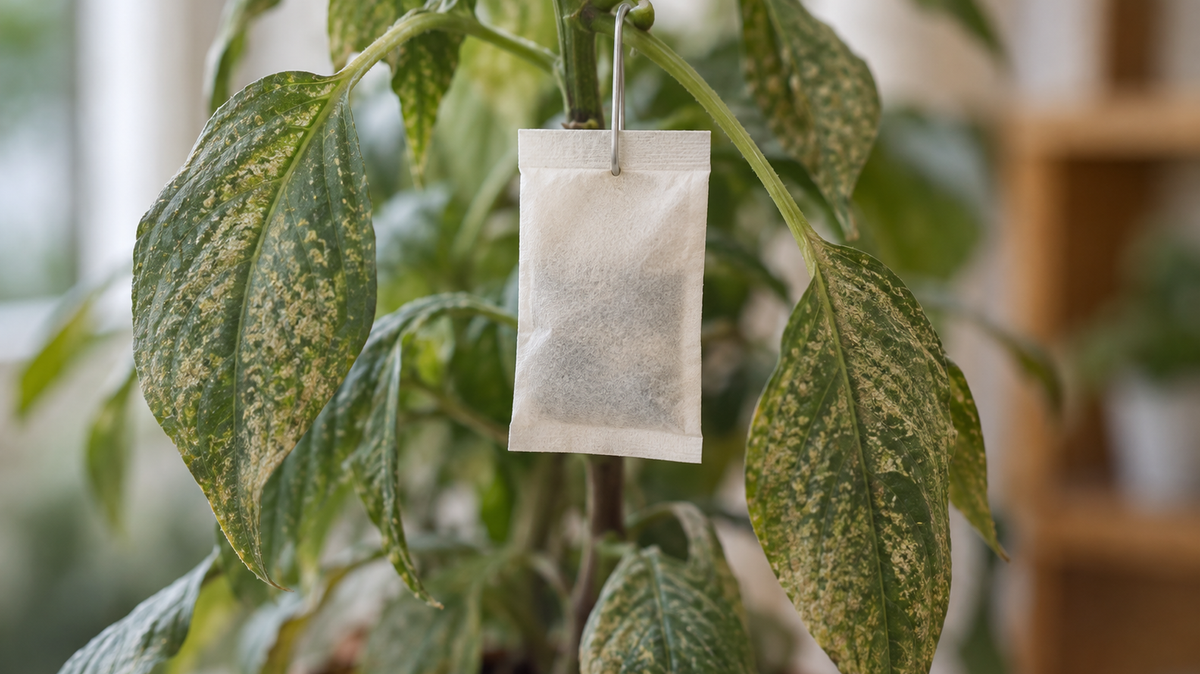
When Swirskii Is Not Keeping Up
Trace an unsuccessful swirskii release from pest trends through delivery, conditions, and treatment coverage before repeating it.
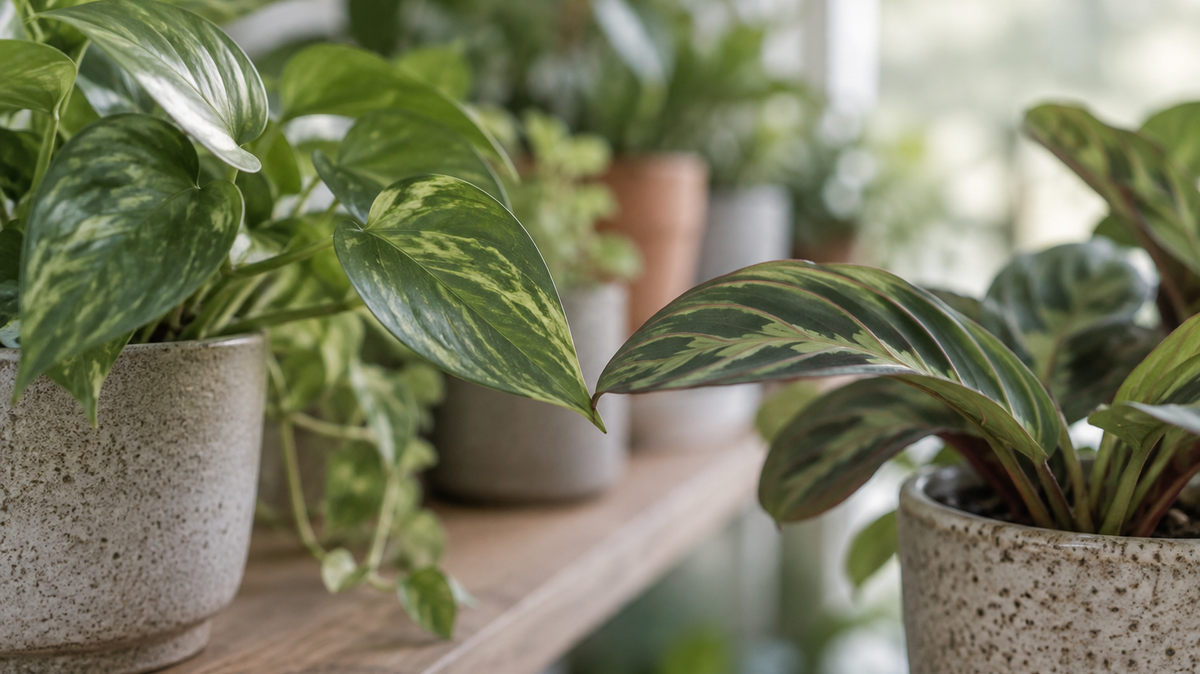
Swirskii Per Plant Or Per Square Foot?
Every commercial rate for this animal is written per unit of area, because a greenhouse bench is one continuous canopy. Convert that onto a shelf of separate pots and the arithmetic gives you a comfortable number while most of your plants get nothing.
Seven Ways To Waste Your First Mite Release
Nearly all of these are decisions rather than products, which is the good news: a decision can be made differently next time. The most expensive one is buying a second lot to fix a first lot, when the room was the problem both times.