
Mite Matters
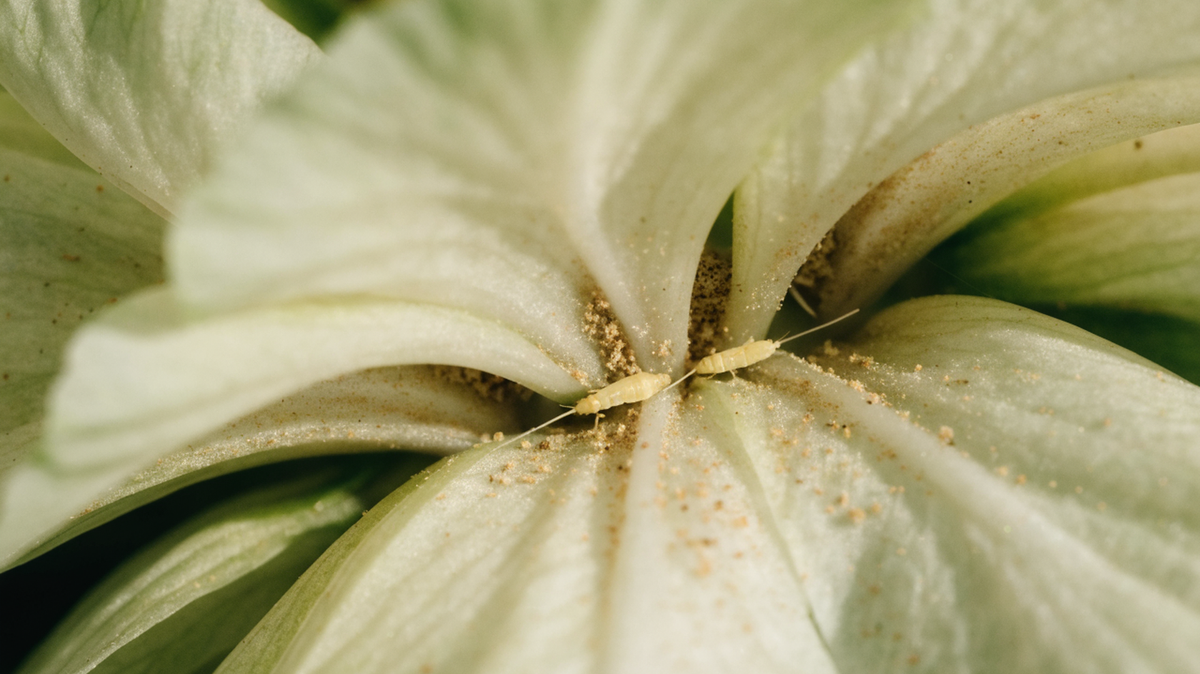
Six Stages. It Reaches One.
A thrips passes through six life stages and cucumeris can kill one of them. Second instars do not just survive the attack — they fight it off, and they destroy the predator's eggs on the way past. That single fact explains the lag, the reservoir, and most of the disappointment.
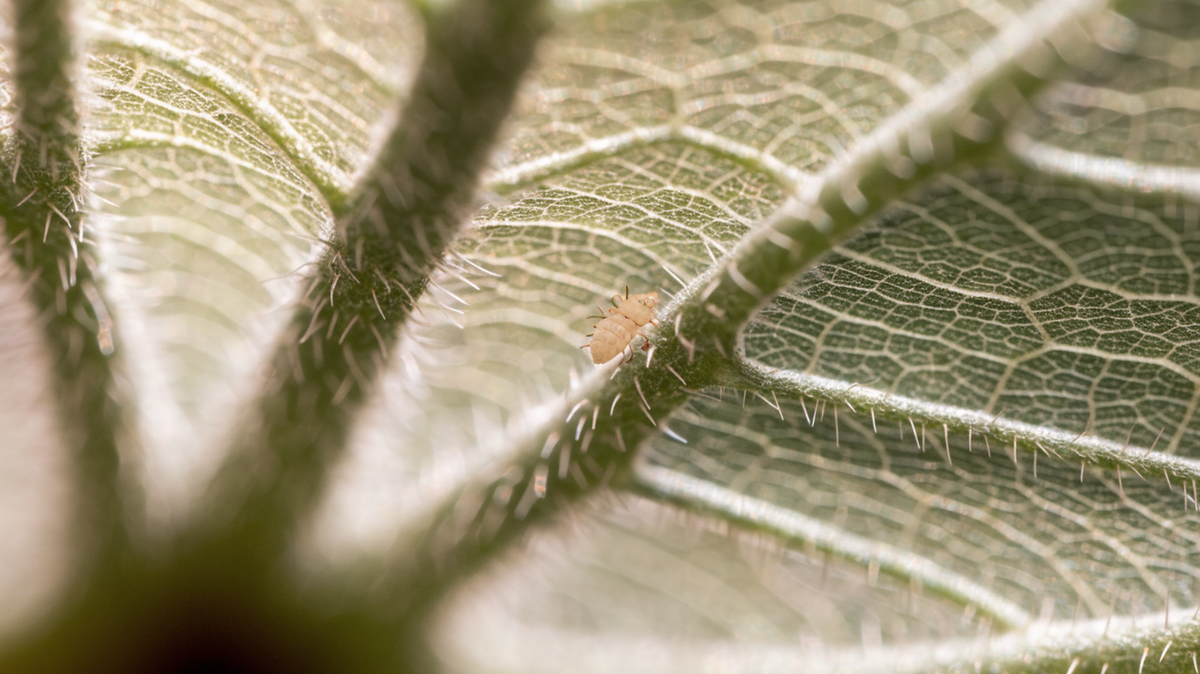
Two of These Four Columns Are Guesses.
Every supplier prints the same four-column comparison table. We went and read the papers behind each cell. One column rests on unpublished company data, one species has never been trialled against thrips at all, and the humidity row is backwards. Here is that table with the guesses marked.
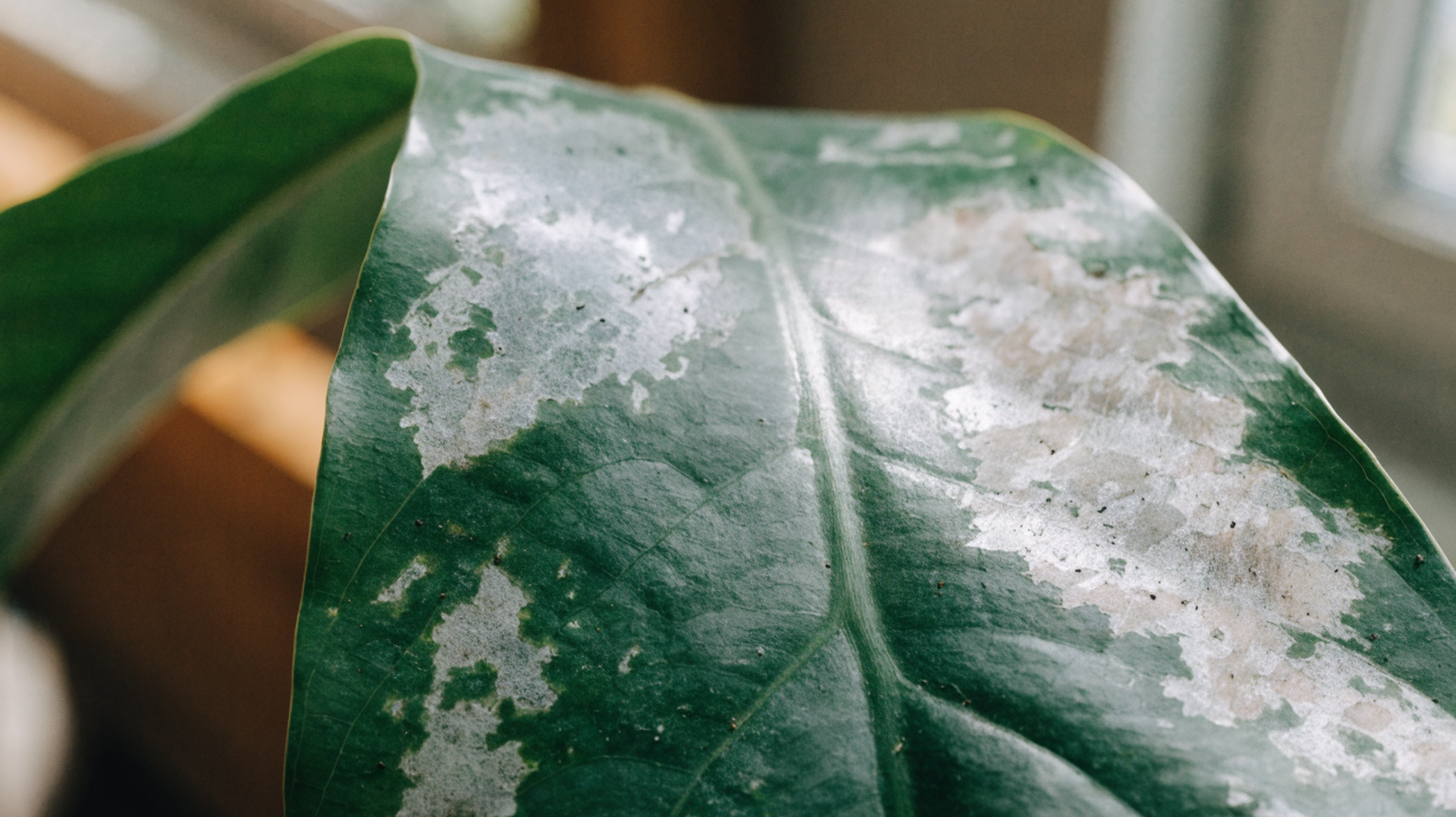
The Mites Are Alive. The Thrips Are Winning.
Your mites are alive. Your thrips are also alive. That combination has eleven documented causes, and what the mites are doing — where they are, what they are sitting next to — narrows it to one or two in about five minutes.

Slow Release Is a Placement, Not a Product.
Hang the same sachet on a bench instead of in the canopy and you have bought a different product — one that empties in a week and stops breeding. Where to put them, how many you need, and why nobody in the trade will tell you how many mites are actually in the box.