

Generalist · Soil Pests
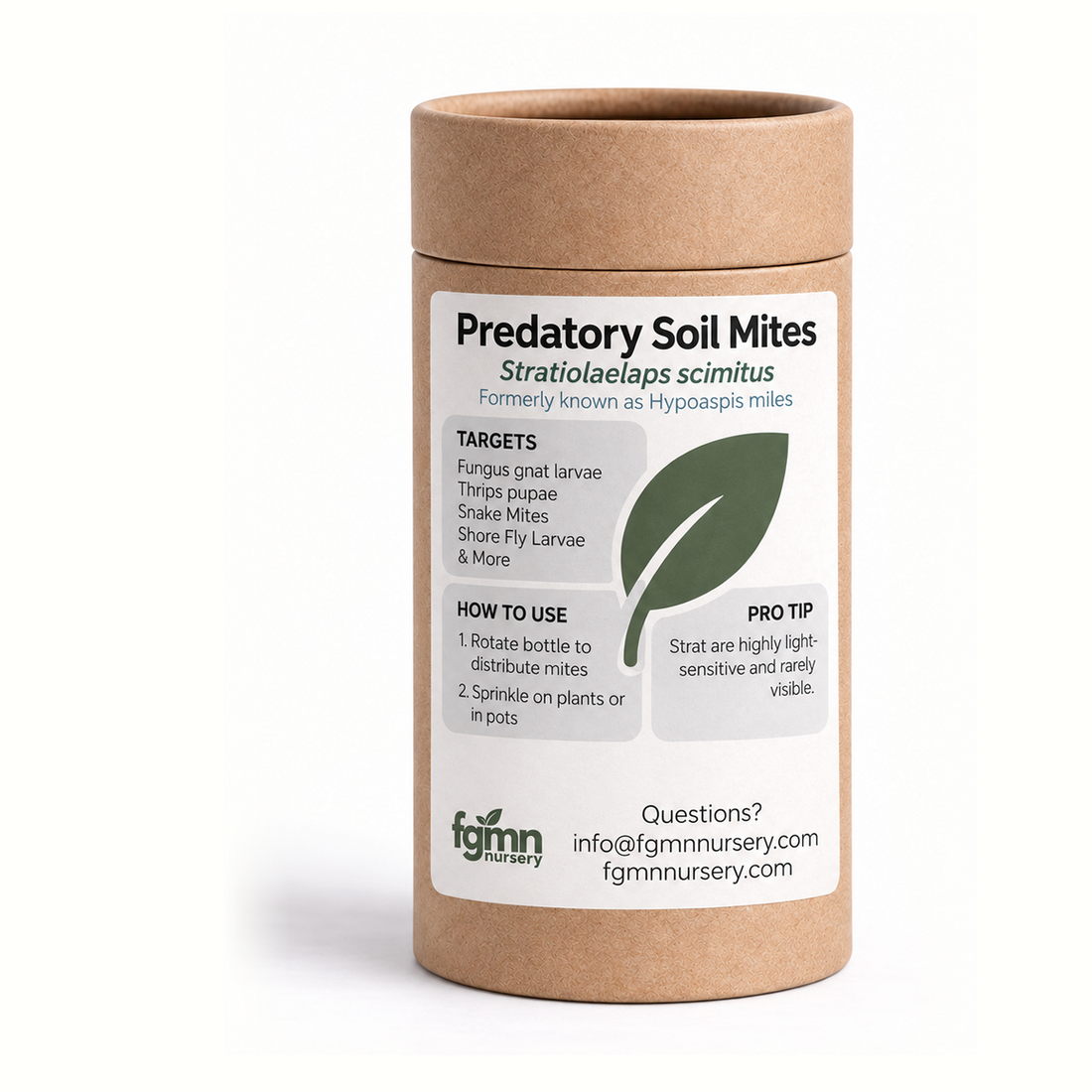
Stratiolaelaps scimitus
The one that stays. It lives on debris when there are no pests at all, so it is already in the pot when the next wave arrives.
$50.00
Free Shipping for all orders over $30
If something's wrong when it arrives, file a report within 72 hours of delivery for a replacement or store credit.
By placing your order you agree to our Shipping Policy and Live Delivery Guarantee.
How much, and how often
Two questions — how bad it is, and how many plants. You get a size and the dates to put it out.
How bad is it?
Pick the one that sounds like your room. If you are between two, take the higher.
How many plants?
Six-inch pots. Count a large specimen with a dense canopy as three or four.
Your size and schedule
More about this dose
The three things people ask once they have their size. Open any of them.
Am I light, moderate or heavy?
Light
- A few gnats lifting off when you water
- One or two on a yellow card a week
- Only the wettest pot affected
- Nothing on the animal, but you want cover
Moderate
- Gnats up whenever you disturb a pot
- Cards filling steadily between checks
- Several pots affected across a shelf
- Seedlings or cuttings stalling for no obvious reason
Heavy
- Gnats in the air without anyone touching a plant
- Cards black between checks
- Larvae visible in the top layer when you scrape it back
- Snake mites visible on the animal or in the water bowl
Count pots rather than plants, and count all of them — these mites stay where you put them, so a pot you skipped is a pot with no cover in it. For a reptile enclosure, treat the whole substrate as one and take the size that matches its footprint.
Fungus gnat numbers are almost always worse than they look, because what flies up when you water is a fraction of what is in the media. Taking the higher level costs a little more once; taking the lower one usually means the population never quite gets ahead of the hatch, and you spend the same money twice.
Why more than one round?
Putting it out
- Make sure the substrate is slightly moist before you start. Moist, not saturated.
- Rotate the bottle gently for twenty or thirty seconds to mix the mites evenly back through the moss.
- Sprinkle about a teaspoon per plant onto the soil surface, at the base of the stem. In a reptile enclosure, pour it over the bedding or pile it in the corners.
- Leave the carrier where it lands. It is cover for them while they work their way down. Nothing goes on the foliage — this is a ground predator.
- Water lightly afterwards, but do not flood. They travel down through the media themselves; flushing them out of the drainage holes helps nobody.
Everything else is optional. Get these four and the release has done what it can.
A cleaner way
On a display plant, tip small piles into bio-boxes or paper cups hung in the branches instead of dusting the foliage. Same dose, nothing visible on the leaf.
The failure is forgetting. Very few programs fail because the mite underperformed. They fail in week five, when the plants look fine, the reorder does not happen, and the population holding the line ages out with nothing behind it.
A schedule is the same decision, made once. A bottle when it looks bad, then another when it looks bad again, is already a rhythm — just one you have to remember at the exact moment the plants look fine.
Change the size or the frequency, skip a box, pause or cancel from your account at any time.
Is this the right beneficial for your problem?
Five questions, in the order a grower actually asks them: what have you got, is this the answer to it, what will it eat, how does it do the killing, and will it survive your room.
Is this your pest?
Everything scimitus hunts lives in the top inch of a substrate — soil, coco, moss, or reptile bedding. If your problem is on the leaves, the product you want is a different one.
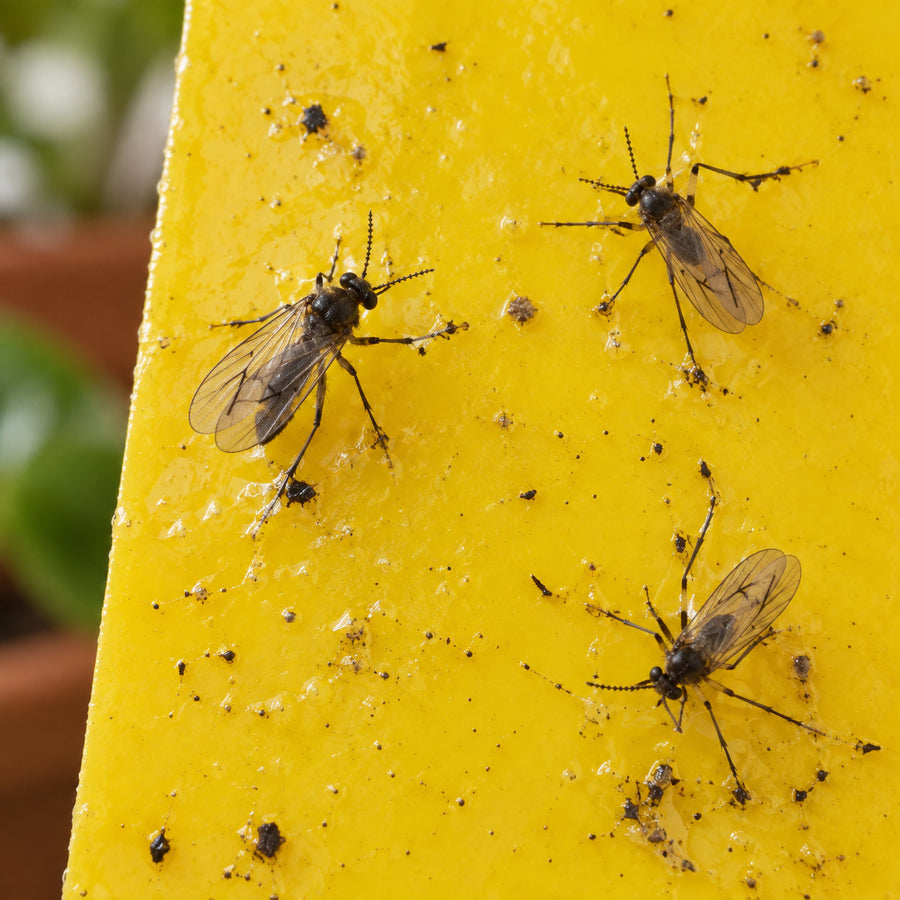
Fungus gnats are the small dark flies that lift off the soil when you water; the larvae in the media are the ones eating fine roots, and seedlings and cuttings are where that actually costs you something. Thrips pupae are down there too — the stage that survives everything you spray on the canopy.
And in a reptile enclosure this is the standard answer to snake mites. Where a chemical spray can be toxic to a sensitive animal, scimitus goes after the mites in the bedding where they breed, and breaks the cycle there instead.
Then: is scimitus the right answer to it?
Choose this if
Choose scimitus when you want a living shield rather than a treatment. It is unusually durable — it holds on debris, algae and other soil organisms for weeks with no pest at all — which means you can put it in before anything arrives and it will still be there when something does. That is why it is the standard for bioactive setups, and why it is the cost-effective choice for pots and terrariums. Nothing to mix, nothing to spray, and it is safe with every reptile and amphibian.
Choose something else if
It needs a substrate to burrow, hide and breed in: on paper towels or bare glass it dehydrates quickly, so a sterile quarantine setup is not the place for it. It will not work a bone-dry top layer either. And diatomaceous earth cuts beneficial mites exactly as efficiently as it cuts pests — the two cannot be run together.
What it kills, and what it won't
It also takes springtails on encounter, which matters if you keep a bioactive enclosure with a springtail cleanup crew. And being straight about root aphids: the evidence there is thinner than this industry's labels suggest — scimitus is the one agent with a published field trial against one, and that was a single significant season out of two. Worth trying, not a cure.
How it works
What it does to the pest, what it does on the plant, and what that leaves you looking at.
It patrols the top inch
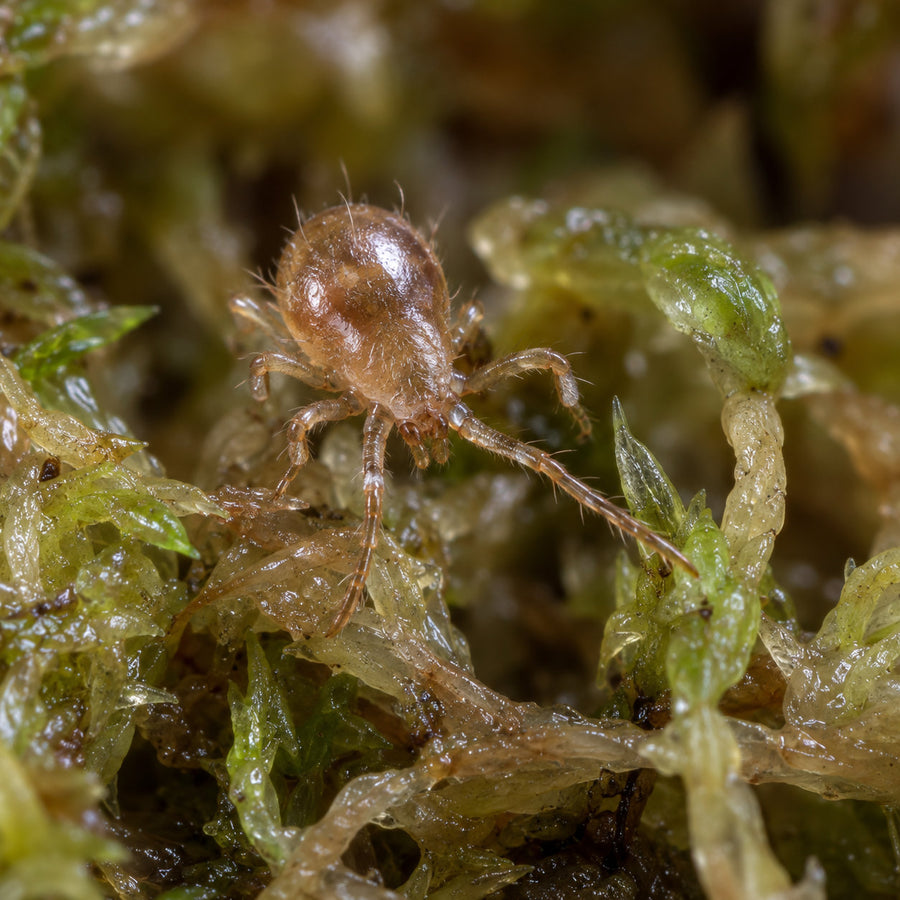
A small tan mite that hunts through the surface layer of the media, eating soft-bodied things smaller than itself — gnat larvae, thrips pupae, mites in bedding. No poison, no residue, no re-entry interval, and nothing for a pest to become resistant to.
It stays when the pests are gone
This is the unusual part. Most predators starve out once they have won; scimitus survives on debris and other soil organisms, so the population persists in the pot and meets the next wave on arrival. In a bioactive terrarium or organic garden bed it can hold for months or years.
Nothing, and that is the point
You will almost certainly never see them again after release. The evidence is negative: fewer flying adults, because the larvae never became any. Judge it on trap counts coming down rather than on a date in the calendar.
Top-dress, do not water in. They travel down through the media themselves. Flushing them through the drainage holes does not help either of you.
Will it work in your room?
Two things will stop this working. A sterile setup — paper towel, bare glass — gives them nowhere to burrow and they dehydrate. And diatomaceous earth slices beneficial mites just as readily as pests, so it cannot be in the pot. They are fine alongside Bacillus thuringiensis (Mosquito Bits and Dunks) applied carefully.
About Stratiolaelaps scimitus
A soil mite that patrols the top inch of your media. Strictly carnivorous, strictly small invertebrates, and entirely uninterested in plant tissue, people or pets.
New to beneficials?
Five things that catch almost everyone the first time.
After you release it
What actually changes, how to measure it, and why this one stays.
How you'll know it's working
You almost certainly will not see the mites again. The sign of success is the absence of something: fewer flying adults, because the larvae never became any.
Measure it on a yellow card rather than by eye. For snake mites, watch for fewer mites on the animal and in the water bowl. How long either takes depends on how heavy the infestation was — judge it on counts coming down rather than on a date.
Because they survive on debris, a scimitus population stays in your pots long after the gnats are gone. That persistence is the whole reason to choose them over a one-shot treatment.
Getting it to you
What is in the bottle, how it travels, and what happens if it arrives wrong.
What arrives
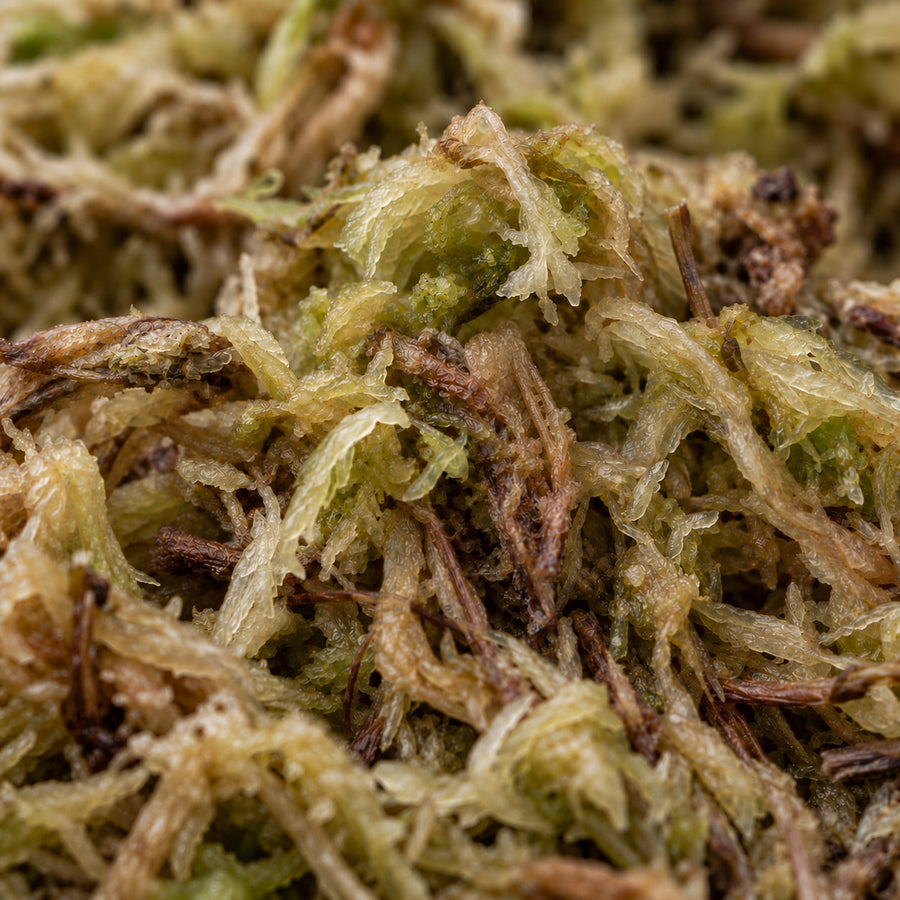
Loose mites through a moss-based medium, shipped 2-day express. The bottle holds a mix of adults, nymphs and eggs, so what you are releasing is a population rather than a single generation.
The whole container goes onto the soil surface, medium included — it gives them cover to shelter in while they work their way down into your mix.
Open it on arrival. Loose mites are not a product you can hold for a week. If you truly must wait, keep the bottle horizontal in a cool dark place at 50–60°F for up to 24 hours — and never the fridge.
When it ships, and when it lands
Shipping
We ship when they're ready to travel. Live orders go out Monday to Thursday. If a colony needs a beat to peak, or we're propagating a fresh batch, yours might hold up to a week. All mites and insects ship 2-day or Overnight depending on what's best for them.
When it lands
Open it that day. Make sure the substrate is slightly moist first. Rotate the bottle gently for twenty or thirty seconds to mix the mites back through the carrier, then sprinkle roughly a teaspoon onto the soil surface of each pot, concentrating at the stem base. In a reptile enclosure, pour it straight over the bedding or pile it in the corners.
About the ones that don't make it
Some of them die on the way. That is why we send more than you paid for.
A predatory mite is the size of a grain of table salt. It ships in a bottle, in a van, for two days.
Roughly 15% will not survive that. We cannot prevent it, so we price it in: the number on the label gets counted out, and then the cushion goes in on top of it.
Your 7,500-mite bottle leaves here holding more than 7,500. The dead ones are already paid for.
If you can see them
Ladybugs, lacewing larvae, Orius — the minute pirate bug — and the beetles. Tip a few onto white paper and give them twenty minutes at room temperature before you judge anybody.
Cold insects are genuinely good at playing dead. The deceased have been known to get up and walk off the counter.
Still more than about one in seven not moving? Photograph them and file a report.
The photo is not us doubting you. It is how we tell a bad batch from a bad courier day from a mailbox that hit 104°F.
If you can't see them
Mites, nematodes, eggs — most of what we sell, this one included. A bottle of moss looks the same whether it holds 7,500 live mites or none, and no photograph settles that. So we don't ask you to take one.
You file the report and our entomologist takes you through the diagnostic instead — the tap test on dark paper, where the box sat, what your room was doing, and then what the pest is doing about ten days later.
Let them warm to room temperature before you judge. Cold from transit slows them right down, and a lack of immediate movement is usually just mites hiding in the carrier.
Seventy-two hours from delivery, either way, with your order number. Replacement or store credit, your pick.
What it does not reach
Three gaps this page has already named, and the beneficial that closes each one.
Nematodes crash it; scimitus keeps it down
Sf nematodes go in as a drench and work faster than anything else we sell on an active fungus gnat wave, but they die off once they run out of food — they are a treatment, not a population. Nematodes to kill the larvae deeper in the pot, scimitus to work the surface and stay there afterwards. They do not interfere with each other.
A mite stays in the pot; a beetle finds the pot you forgot
Scimitus is the cost-effective choice for smaller containers and reptile tanks, because staying put is exactly what you want there. Rove beetles fly, which makes them the better answer across a greenhouse or disconnected shelves. One honest caveat if you run both: Dalotia competes with scimitus and will eat some. Commercial programmes do it anyway — just do not expect two full populations out of one substrate.
You will never see the mites, so count the gnats
Judging a fungus gnat population by how many fly up when you water is a reliable way to convince yourself nothing has changed. A yellow card gives you a number instead, week over week, and the mites are far too small and too well hidden to assess any other way.
Two cheap things that make the rest work harder. Blue cards give you the dated count this page keeps asking you to read. Breeder's Blend is pollen and Artemia; it keeps the population fed through the lull when prey gets scarce.
Questions
Can I use Stratiolaelaps with diatomaceous earth (DE) or pesticides?
No. Diatomaceous earth is a mechanical killer that will slice the exoskeletons of your beneficial mites just as easily as it kills pests. Chemical pesticides run longer than most people expect: permethrin is a pyrethroid, 8–12 weeks; imidacloprid is a neonicotinoid, 21 days after a foliar spray and 4 weeks after a soil drench. However, they are generally compatible with Bacillus thuringiensis (Mosquito Bits/Dunks) if applied carefully.
Will they bite me, my pets, or my plants?
Absolutely not. Stratiolaelaps scimitus are strict carnivores of small invertebrates. They have no interest in biting humans, cats, dogs, or plant tissue. If you see them crawling on your reptile, they are hunting the parasites on the animal, not harming the animal itself.
I don't see them moving in the bottle. Are they dead?
They are very small and often hide within the carrier material. The best way to check for life is to pour a small amount of the carrier onto a white sheet of paper and use a magnifying glass or macro lens. Watch for tiny, tan-colored specks moving quickly across the surface. A lack of immediate movement is often just them hiding, and cold from transit slows them down — let them warm to room temperature before judging.
If you're still not sure, don't try to diagnose it yourself. Take a photo and file a report — assessing condition is our job.
Do I need to reapply them?
It depends on your setup. In a bioactive terrarium or a permanent garden bed with organic soil, Stratiolaelaps can establish a breeding colony and persist for months or even years. In potted plants with sterile soil or temporary setups, they may eventually die out once the pests are gone, requiring re-application every 6–8 weeks for prevention.
Can I use them in a sterile setup (like paper towels)?
Not effectively. Stratiolaelaps need a substrate (soil, coco, bedding) to burrow, hide, and reproduce. On paper towels or bare glass, they will dehydrate and die very quickly. If you have a quarantine setup with paper towels, you are better off using predatory mites that live on the animal or using chemical treatments until you move them to a substrate-based enclosure.
How do I know if they are working?
You likely won't see the mites themselves after release. The sign of success is the absence of pests. For fungus gnats, watch for fewer flying adults, since the mites eat the larvae and stop new adults emerging. For snake mites, watch for fewer mites on your animal and in the water bowl. How long either takes depends on how heavy the infestation is — judge it on counts coming down rather than on a date.
The packaging is nice and secure and so cute!! Got it just in time and no issues!!
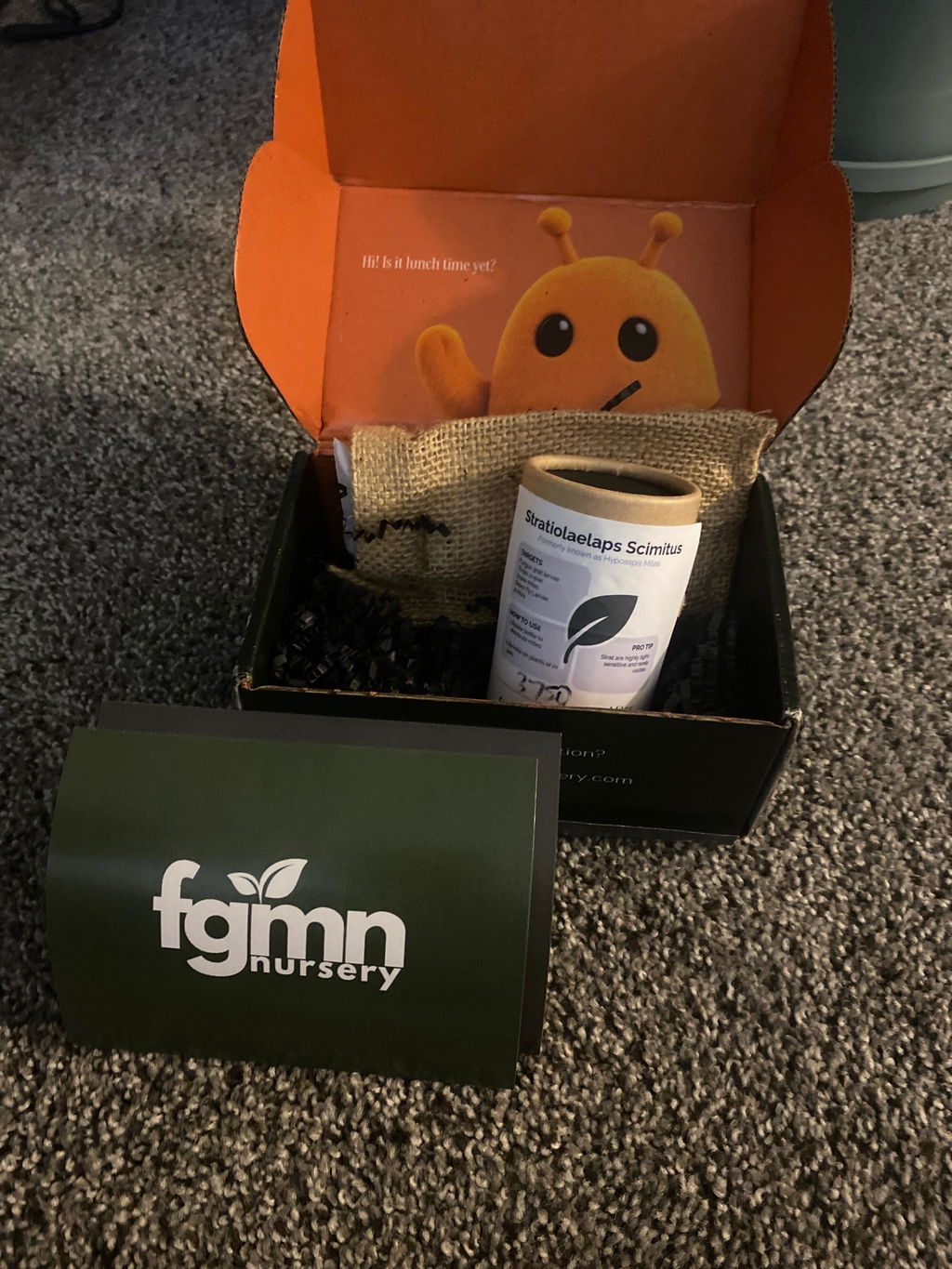
They arrived on time and well packaged!
Excellent service and product. I received notifications at each step of processing and shipping.
This place was great to work with. We had a small mistake in the beginning and they communicated quickly and was very friendly. They were fast to correct the issue and was great to work with. I plan to come back in the future. The predatory mites I ordered were great. I obviously could not see them but I can see their work in my snake enclosures. I have happy snakes now. Thank you!
Arrived in great condition as per usual....but it's been two weeks in and still a bit too early to tell if the fungus gnats are decreasing in number, as I'm still catching hundreds of them on sticky traps. I assume it'll take a bit longer, so finger's crossed!
Still have a few fungus gnats but overall it worked really great. Will be getting again to help manage the gnat population
Always happy with my orders
Recommend to all plant parents. Best way to attack a big issue and to prevent future issues
Excellent customer service folks and the shipments are always bursting with live, healthy and hungry predatory mites. Very pleased with this company. Thank you, I'll be back!! ♡
Product failed to work as expevred, despite following included instructions. Disappointing and expensive.
Hi Tanya,
Sorry to hear it didn’t go the way you hoped. We don’t have any record of you reaching out to us about this order, and we’d really love the chance to help diagnose what happened — Stratiolaelaps targets soil-stage pests specifically (fungus gnat larvae, thrips pupae, soil-dwelling mites), so if the pest pressure was on foliage or another stage of the lifecycle, that would explain a mismatch in results.
Please reach out to us at customer service email (we’d include it, but Shop won’t let us) with a bit of context about what you were targeting and your setup, and we’ll work with you to figure out what went wrong and get you on the right track.
Great process..still struggling with thrips though. I’m going to reorder.
Came wonderfully packed and the mites were happy and super active upon opening! It’s been too soon to see them do their job yet, but I’ve got full faith in the lil guys
Solved my snake mite problem 🐍
Haven’t been able to see what they’ve done yet but what an awesome product, shipped and arrived in less than 2 days. Will probably try this with nematodes next time!
Arrived quickly and had great customer service
Packaged well and arrived quickly. I applied them as directed and I am awaiting the results. Hoping for the best. Will definitely purchase again from them if needed.
Came in secure and great condition
I had a great experience purchasing my predatory mites, and the only hickup I experienced due to my own mistake with the address. I emailed and explained the deal and they responded very quickly and helped come up query solutions. All my mites were alive and well.
I had some issues with my first order and Karen was more than helpful and informative. I couldn't be happier with the service and knowledge of this shop.
Il leefinitely be a returning customer :)
Highly recommend!
These worked great. Had an idea to see if these will control Chiggers/red mites here in the south east. If anyone has ever hiked thru a pine forest in the south during summertime you know exactly what i am talking about. They make mosquitos look like butterflies!
They showed up very alive (even in my AZ heat) and on time!! My snake was a rescue and came with mites. After many soaks and quarantine I just wanted to be extra safe by adding in these little guys to his newly set up enclosure. As far as I can tell they are doing their job :)
I am excited to try these! Thank you!
The H. miles are so versatile. We can't wait to hear what you choose to do with them. Sincerely, thank you for shopping with us.
These mites have definitely put a dent into the snake mite infestation my blue tongue skink had. Also Karen was very helpful throughout the whole process! Thank you Karen
Yay! So happy to hear!!! I've wondered often how it turned out after that whole shipping mishap. Keep in touch! - Karen
They don't seem to be helping. I used the whole order on 10 plants in 7 gallon buckets. I had only seen 1 root aphid in 1 of the containers, but thought it best to treat all. The 1 I did find I only saw after checking multiple times too. I removed that plant and pot and treated the area with 50% bleach and water. I have been checking all the plants 5-7 times a day and this morningI found several root aphids in plants that I hadn't seen them it before, so I would say the product has been no help at all.
Hi!
Oh no! We agree, this wouldn't be our first pick for root aphids; that would be nematodes. They'll help eventually, but they're not diehard fans of root aphids. If you'll reach out to us at info@fgmnnursery.com, I'm sure we can help you out with them in some way.
Excellent service. They came alive and very active. Thanks.
Thank you so much! Keep us apprised of how it goes and let us know if we can do anything more to help.
Arrived alive and well and have helped with my grain nights and fungus gnats in just a few days :).
Will mosquito bits harm them ?
Hi!
They will not! Most mosquito bits are also a beneficial and they work along side each other. Great question!
Hi i placed an order for predatory mites. Is it possible to cancel my order? Its going to take to long to get them sorry
Hi Margo,
Ever so sorry, but this question block isn't our customer service team. Would you mind reaching out to them at info@fgmnnursery.com? They'll be happy to help you.