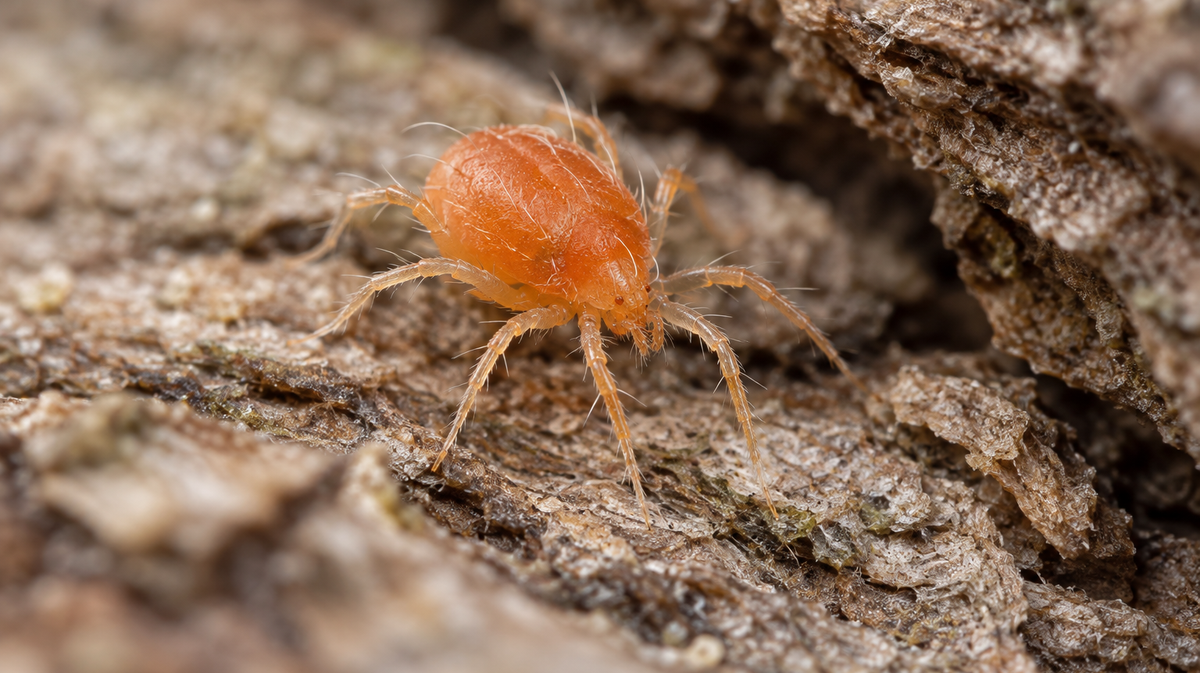
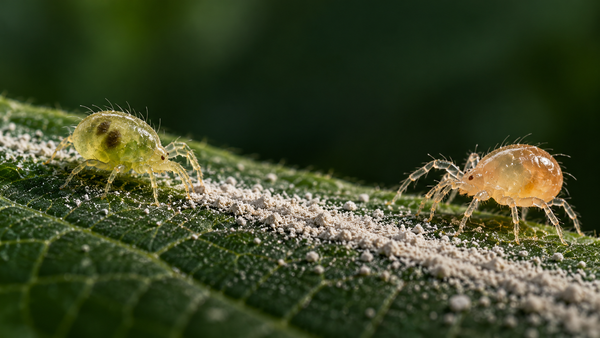

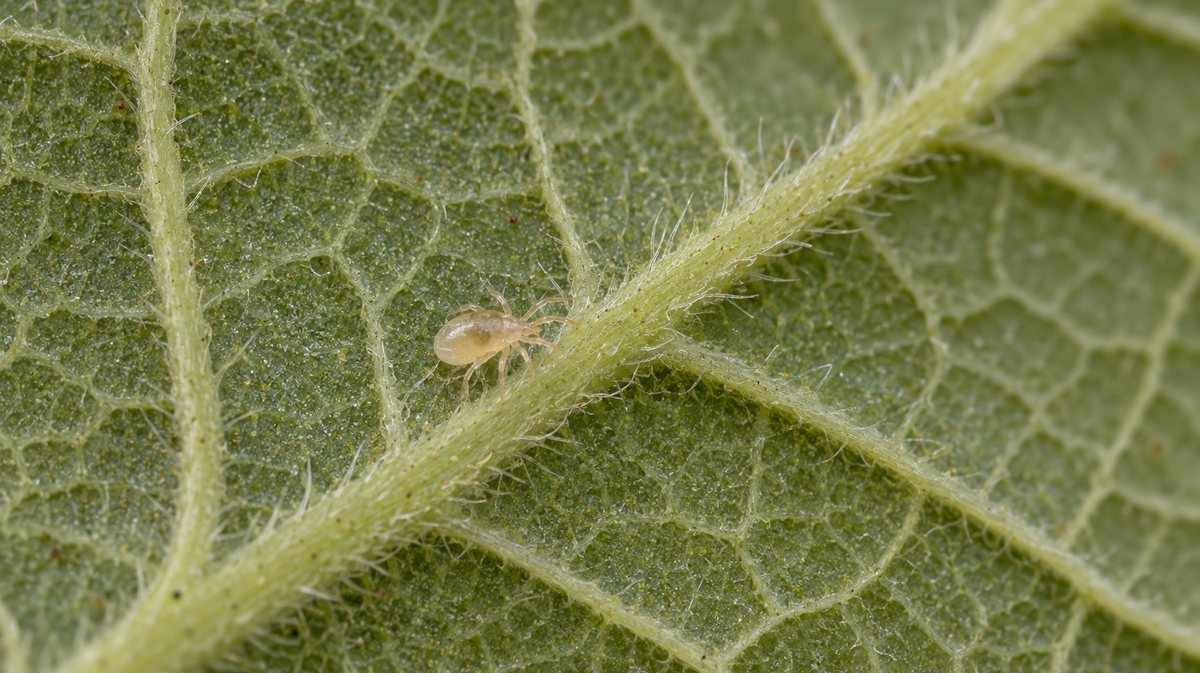
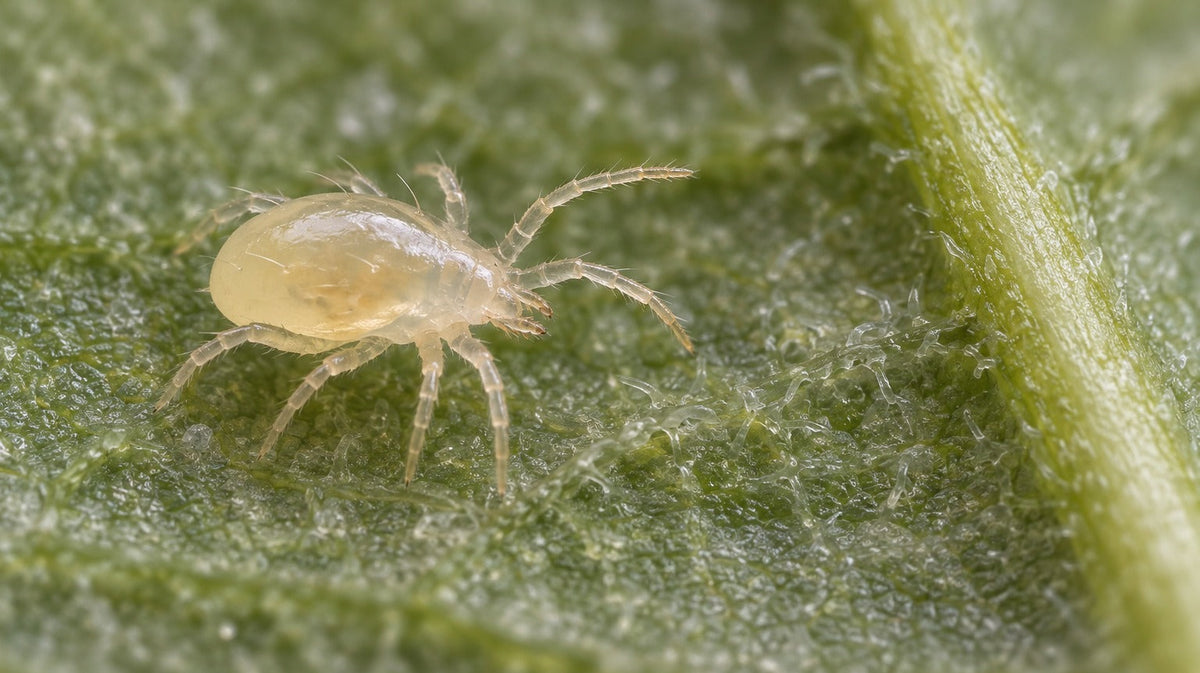
AI-generated macro illustration in photographic style of a pale predatory mite beside a leaf vein.

Andersoni Has Other Dinner Plans

— Karen Horn
What makes Andersoni different from other predatory mites, how its life unfolds beneath a leaf, and why a broad diet only helps when the food is there.
Read more
AI-generated editorial image for Californicus Is Tough, Not Indestructible

Californicus Is Tough, Not Indestructible

— Karen Horn

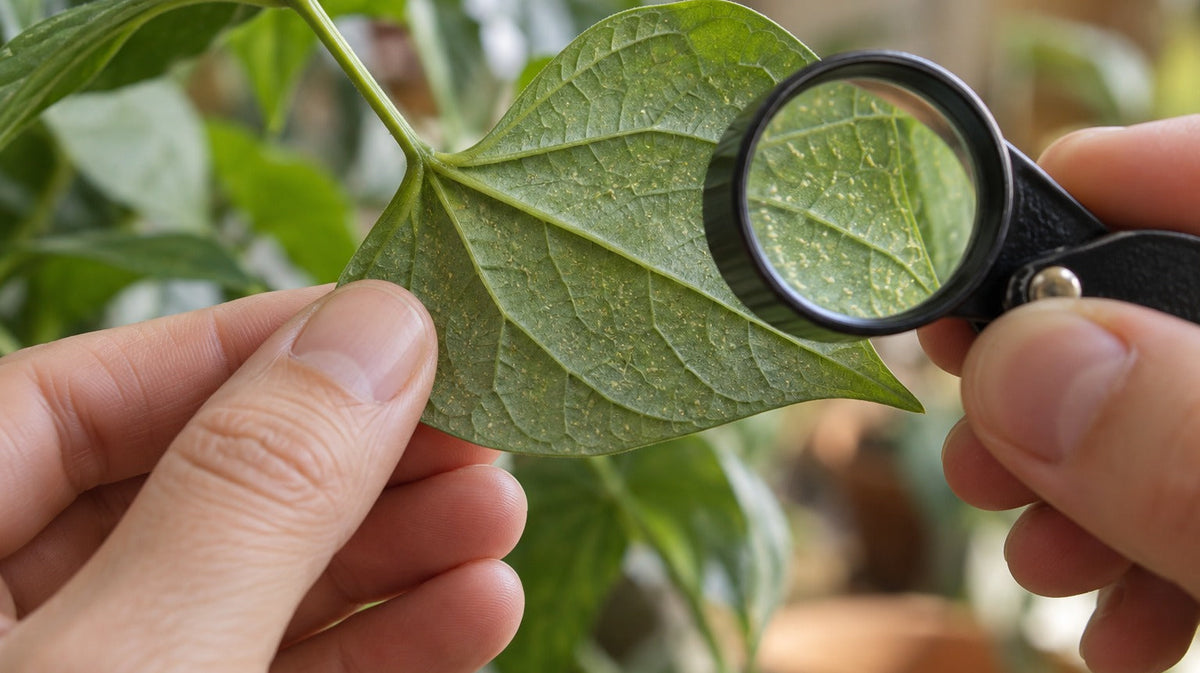
Troubleshoot returning spider mites by checking live pests, release coverage, heat, humidity, spray history, and gaps between prevention sachets.
Read more
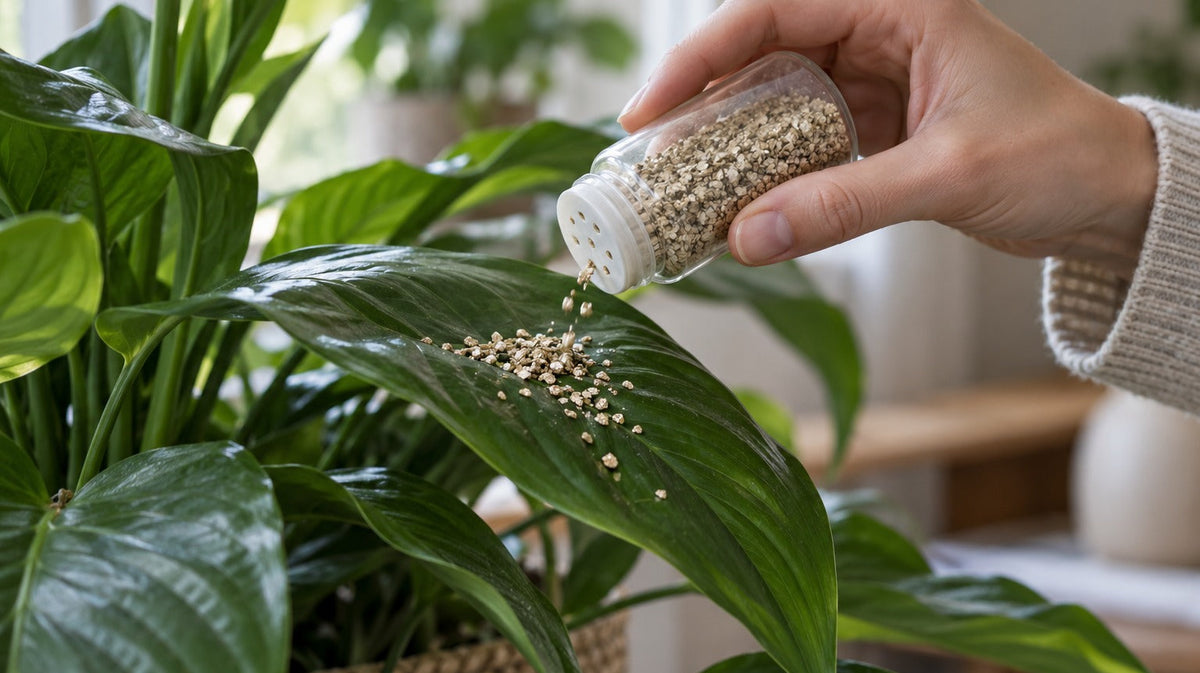
AI-generated editorial image for Is Californicus Working?

Is Californicus Working?

— Karen Horn

Judge Californicus by live spider mites, spreading damage, and new growth—not by whether old leaves heal or every predator stays visible.
Read more
AI-generated editorial image for Put Californicus Where the Mites Are

Put Californicus Where the Mites Are

— Karen Horn

Use Californicus bottles for active spider mites and sachets for prevention. Learn placement, repeat-release planning, and how to protect the predators.
Read more
AI-generated editorial image for Californicus Has Options

Californicus Has Options

— Karen Horn

Meet Californicus, the predatory mite used against spider mites. Learn how it finds prey, what else it eats, and why staying power has limits.
Read more
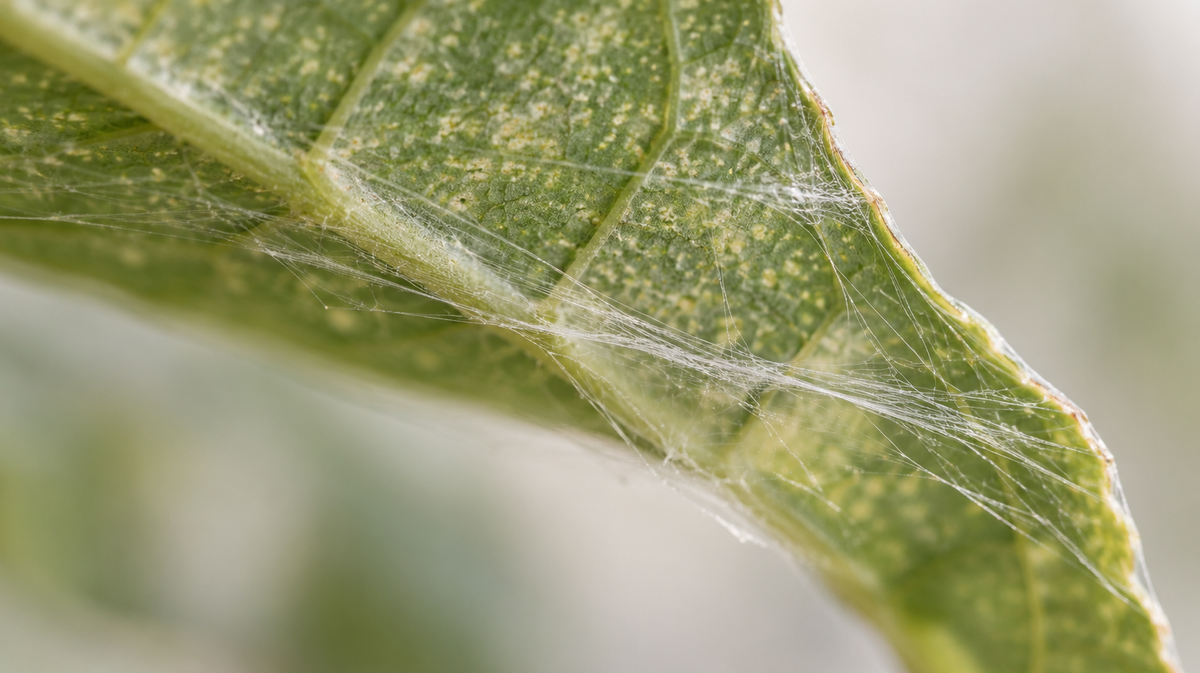
Fine spider mite webbing along the underside of a leaf.

Spider Mites Brought Their Own Security
— Karen Horn
Why webbing protects the pest, and how some predators get through it
Read more
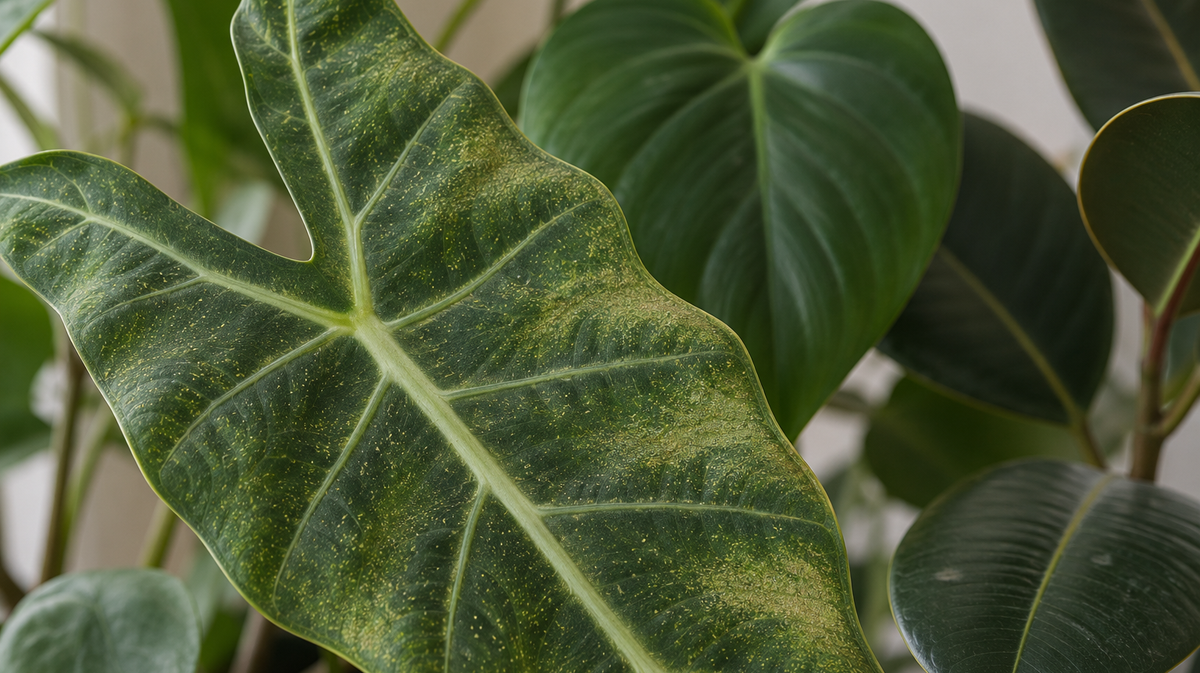
Fine pale stippling on an Alocasia leaf beside green neighboring plants.

Spider Mites Have a Type

— Karen Horn
Why one plant keeps getting hit while its neighbors look fine
Read more
Photorealistic illustration of an orange overwintering spider mite on bark beside a sheltered crevice.

Spider Mites Have Winter Plans

— Karen Horn

Some spider mites turn orange as winter approaches. Behind the costume change is a survival strategy involving long nights, borrowed fungal genes, and plans for spring.
Read more
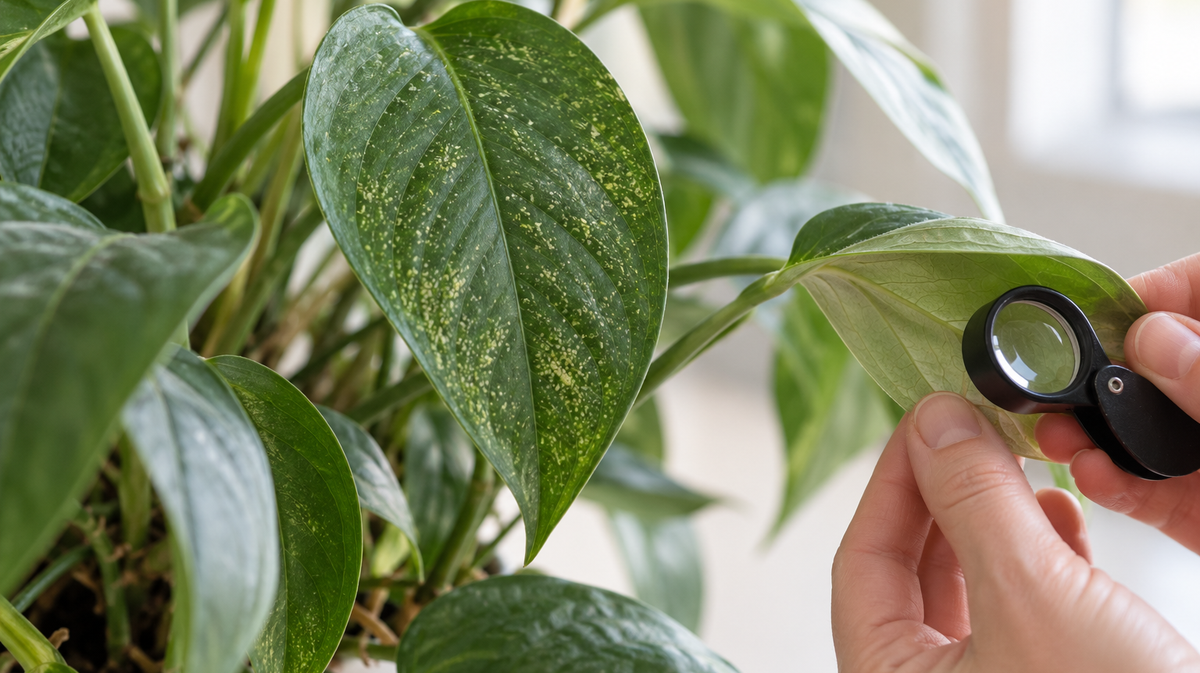
Close inspection of stippled houseplant foliage with a hand lens.

Spider Mites Are on the Menu

— Karen Horn

You released the predators. Your plant still looks terrible. Here’s how to tell whether the spider mites are losing ground—even before the leaves give you anything to celebrate.
Read more
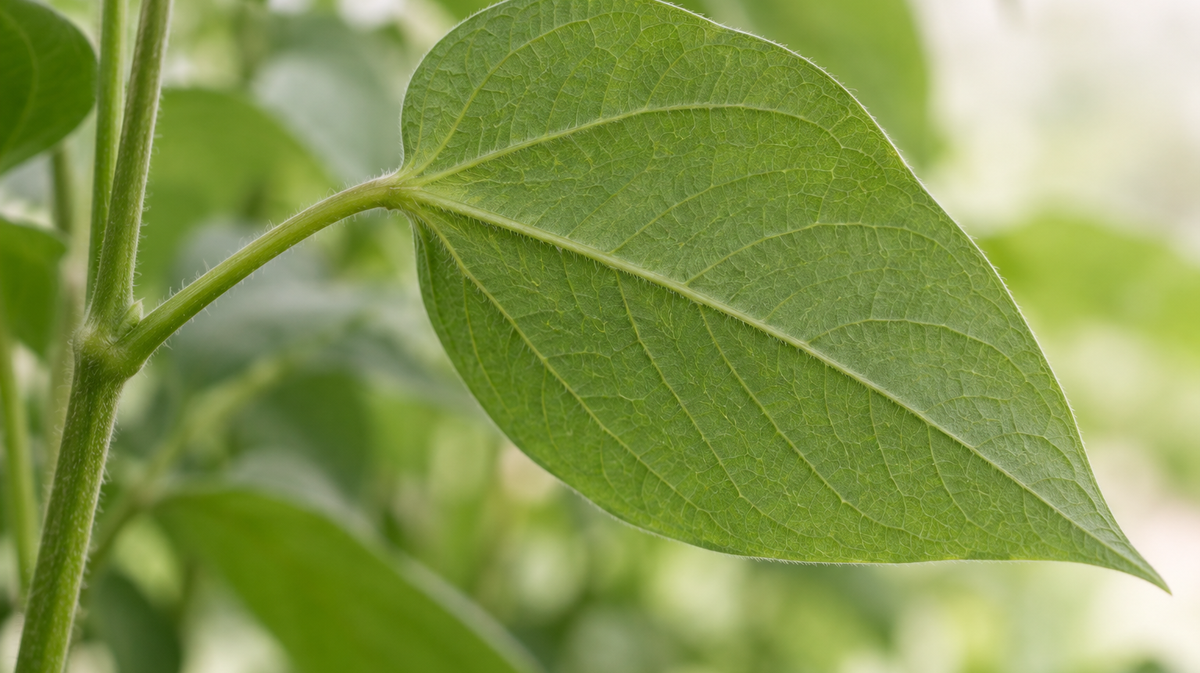
Underside of a green bean leaf with its veins and petiole in focus.

Californicus or Persimilis?

— FGMN Nursery
One of them clears a heavy infestation faster than anything else available. The other one is still there in a month.
Read more
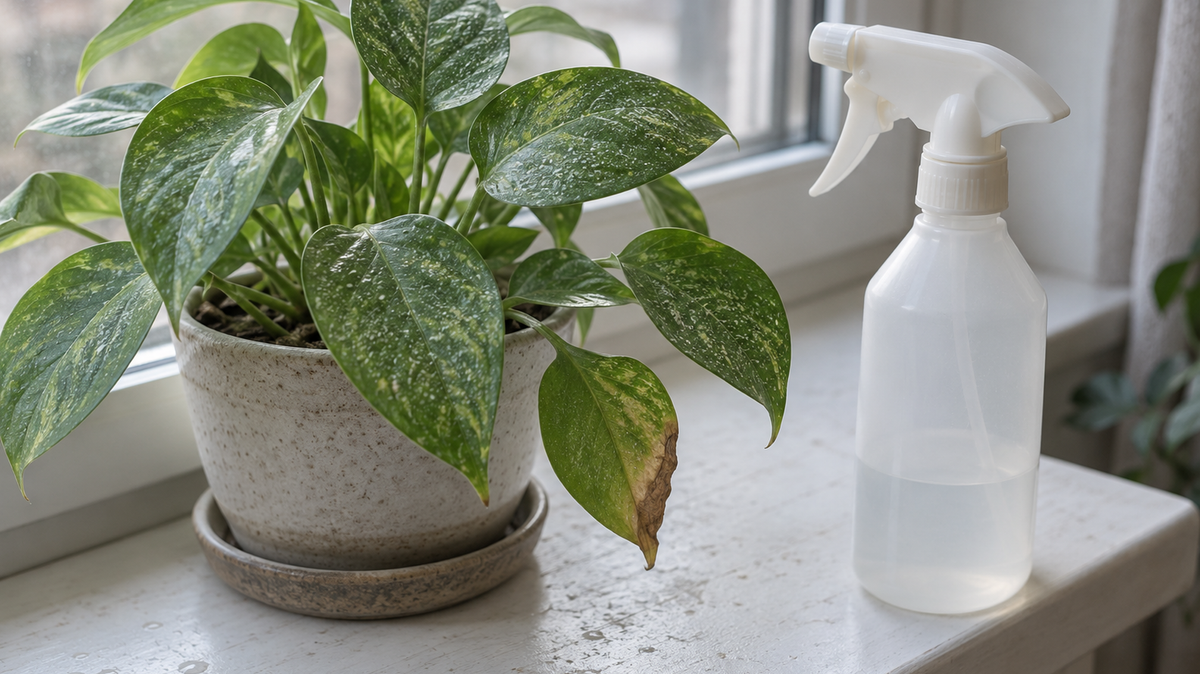
A variegated pothos in a speckled ceramic pot on a white windowsill, its leaves marked with dried spray droplets and pale mottling and one lower leaf yellowing to a brown tip. A plain unlabelled trigger spray bottle, about a third full, stands beside it.

You Did Not Lose to a Spider Mite. You Lost to Ninety-Six of Them.
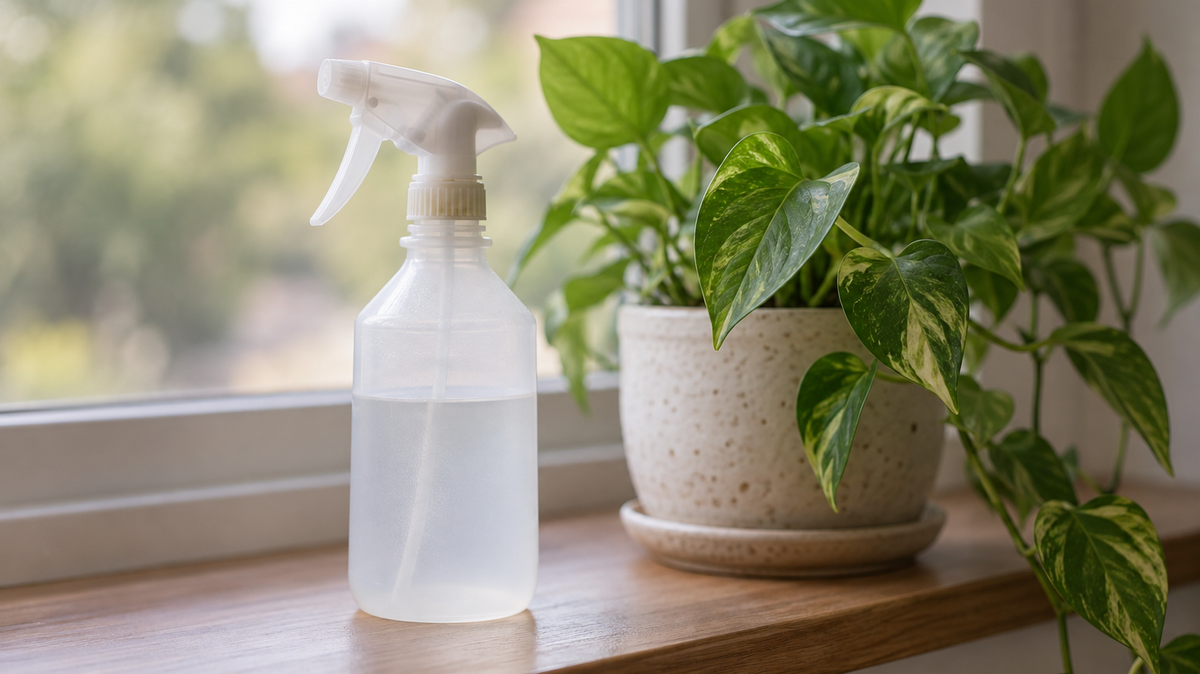
You sprayed. They went. They came back. That is not a story about you being careless — it is a story about the second most pesticide-resistant arthropod on the planet, and about what a spray does to everything that was eating it.
Read more
Photograph of a plain plastic trigger spray bottle on a windowsill beside a leafy potted houseplant in soft window light.

Seven Ways To Waste Your First Mite Release

Nearly all of these are decisions rather than products, which is the good news: a decision can be made differently next time. The most expensive one is buying a second lot to fix a first lot, when the room was the problem both times.

Read more