




Field Notes
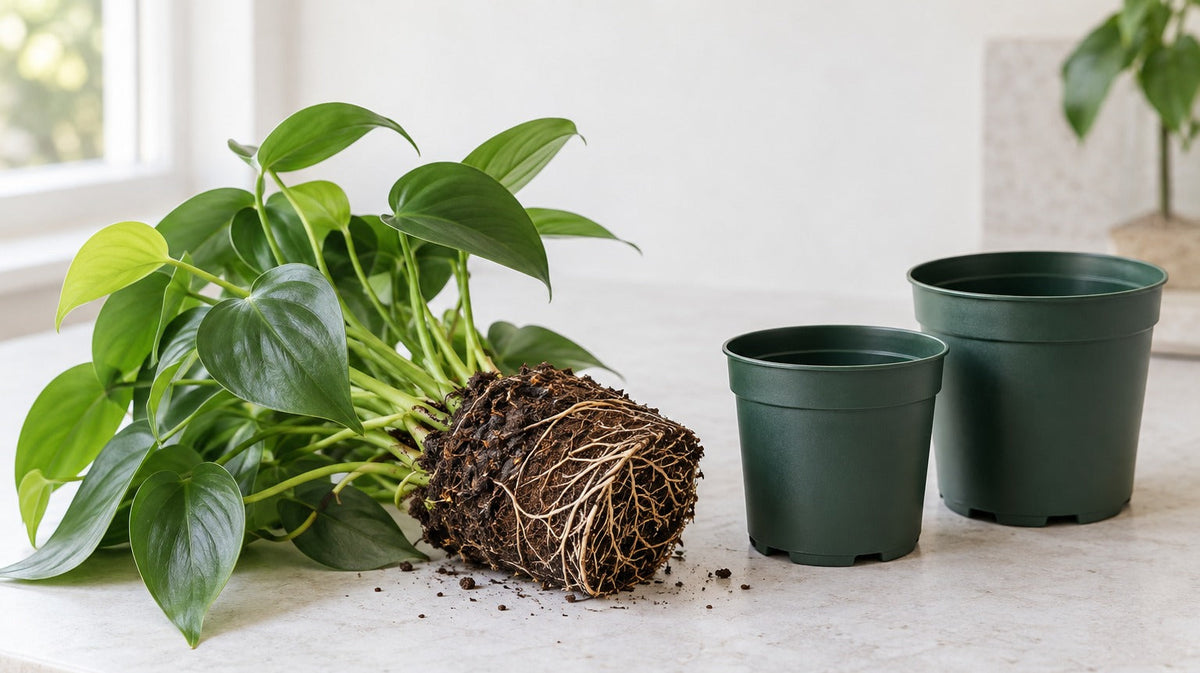
How Big Should the Next Pot Be?
One root at a drainage hole does not get to sign a new lease. Learn what pot size changes, when more space helps, and how to choose the next container.
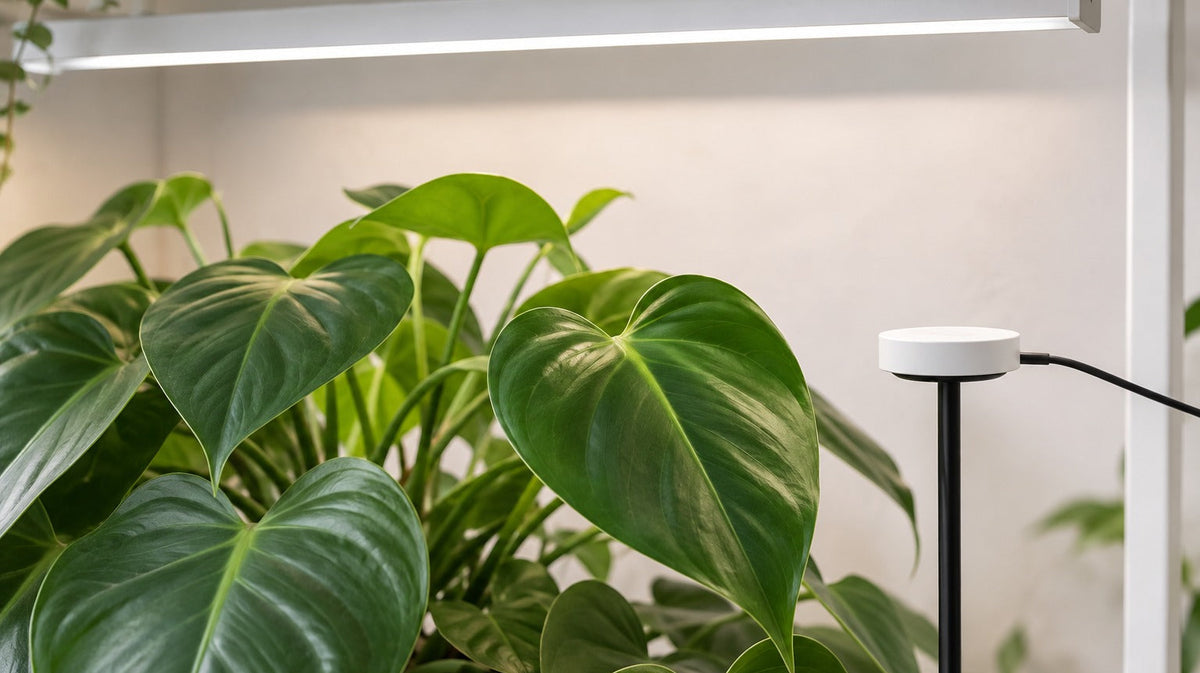
Is Your Grow Light Reaching the Leaves?
A lamp can look excellent and deliver very little. Learn how to measure what reaches the leaves—and what those numbers can actually tell you.
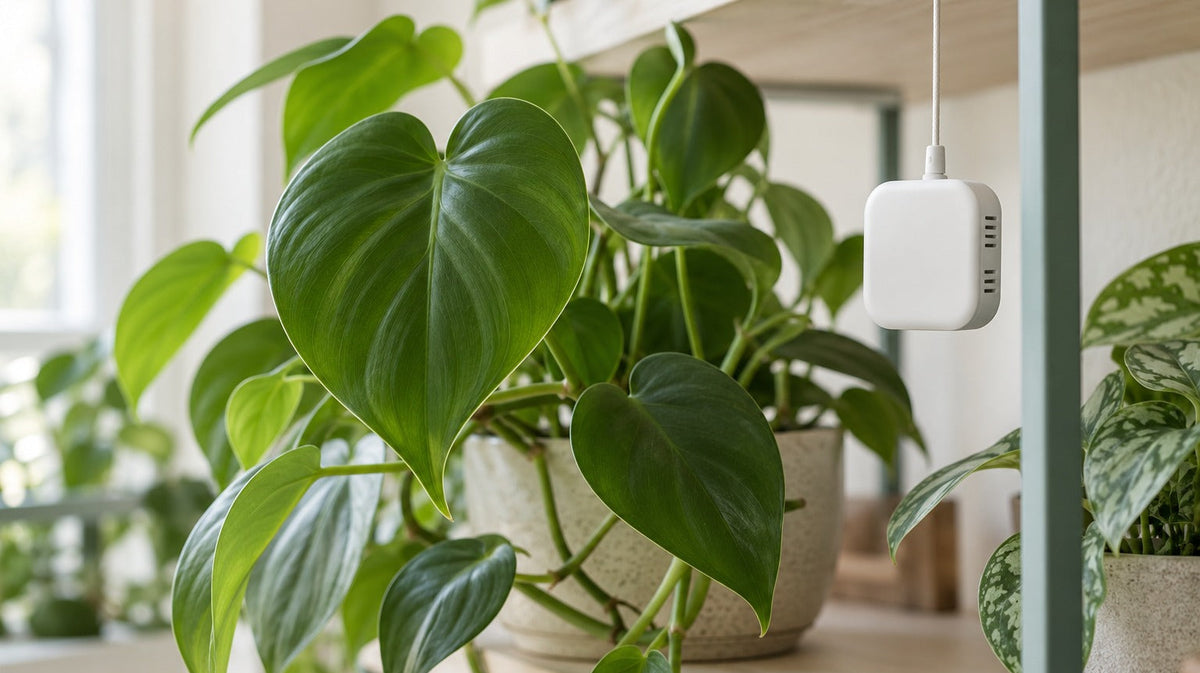
Humidity Is Only Half a Number
60% humidity can describe very different growing conditions. Temperature—and the leaf itself—would like a word.
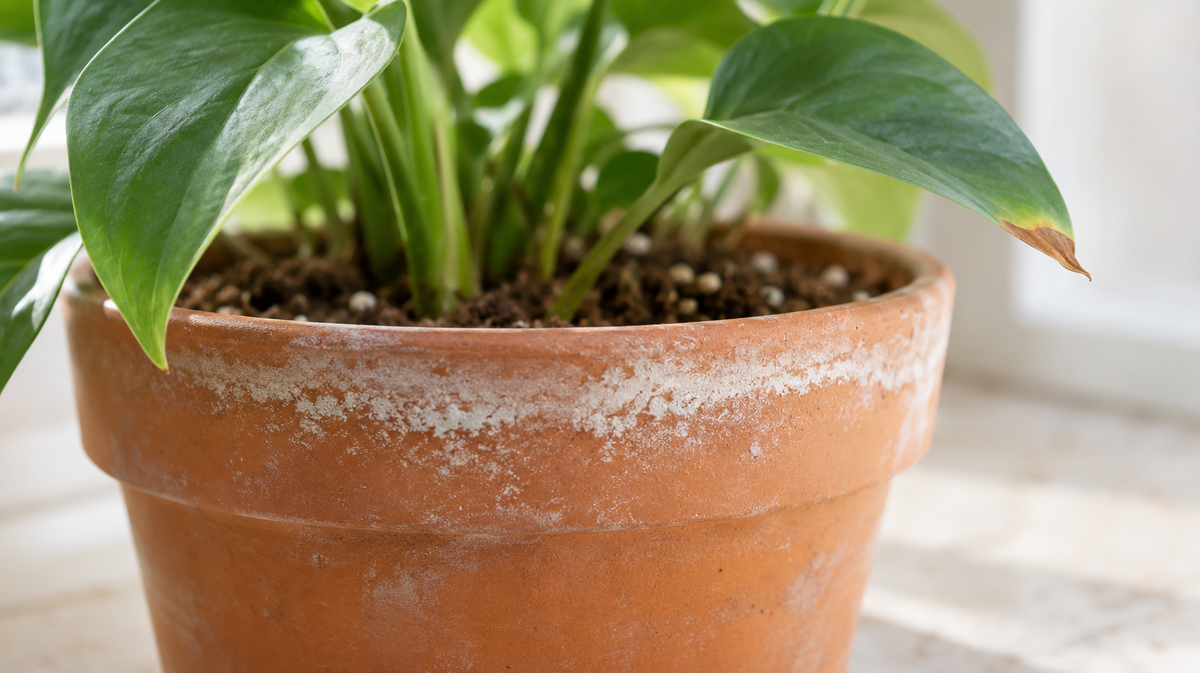
When Fertilizer Is the Problem
More fertilizer does not mean more care. Learn what EC measures, how salts become concentrated, and why a respectable reading can still hide a problem.

What's Really in Your Tap Water
Clear water can carry a complicated chemistry lesson. Here is why the pH in your jug cannot tell you the whole story of your pot.
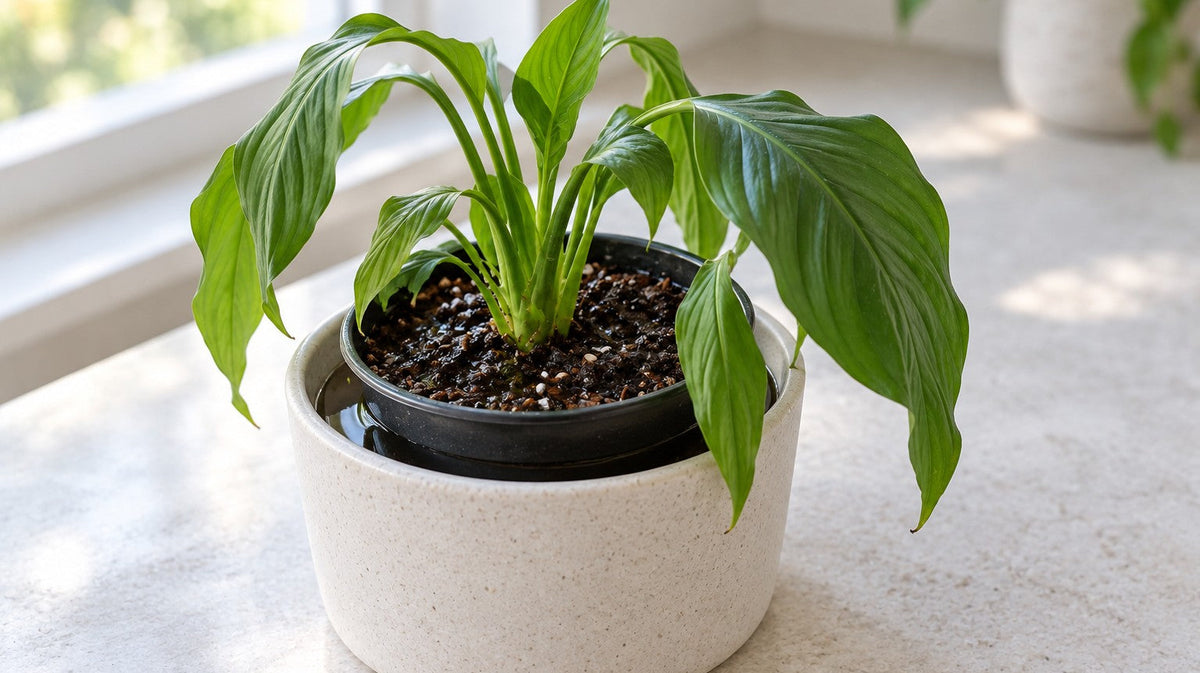
Wilting in Wet Soil?
The pot is wet. The leaves are limp. Before you reach for the watering can again, here is how to work out what the roots are actually dealing with.
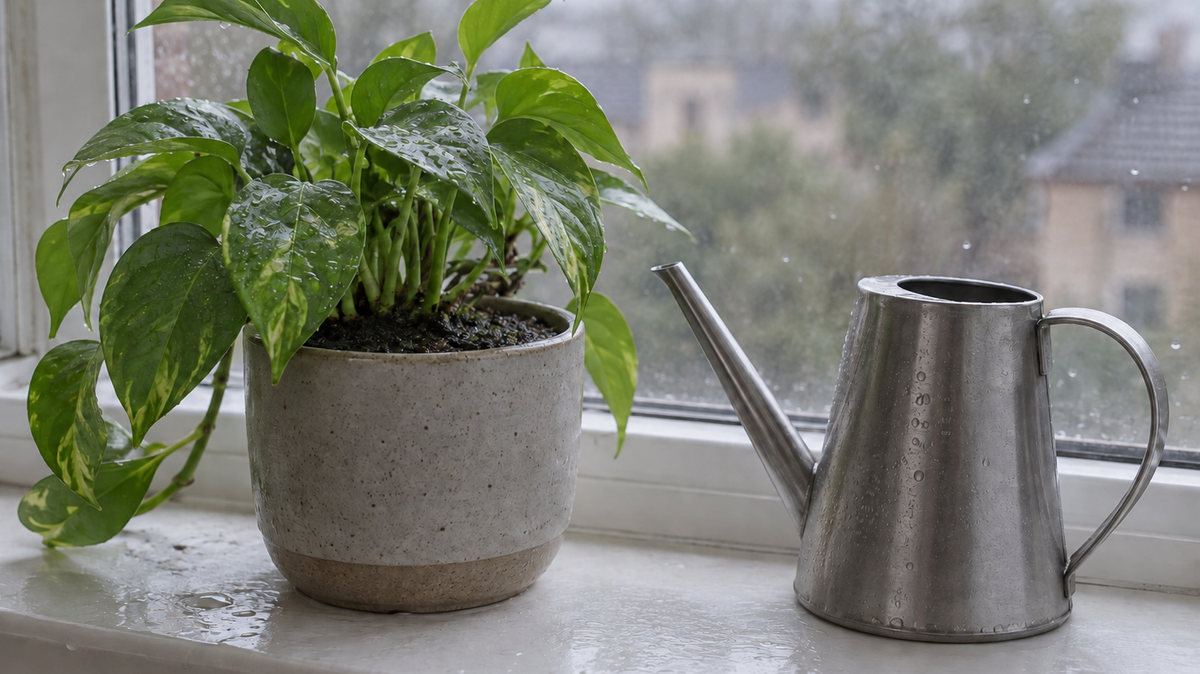
You Cannot See Them. You Cannot See Them Working, Either.
You watered in something you could not see, to kill something you could not see, in a part of the pot you cannot look into. There is no way to watch it happen — but there is a measurement that answers the question properly.
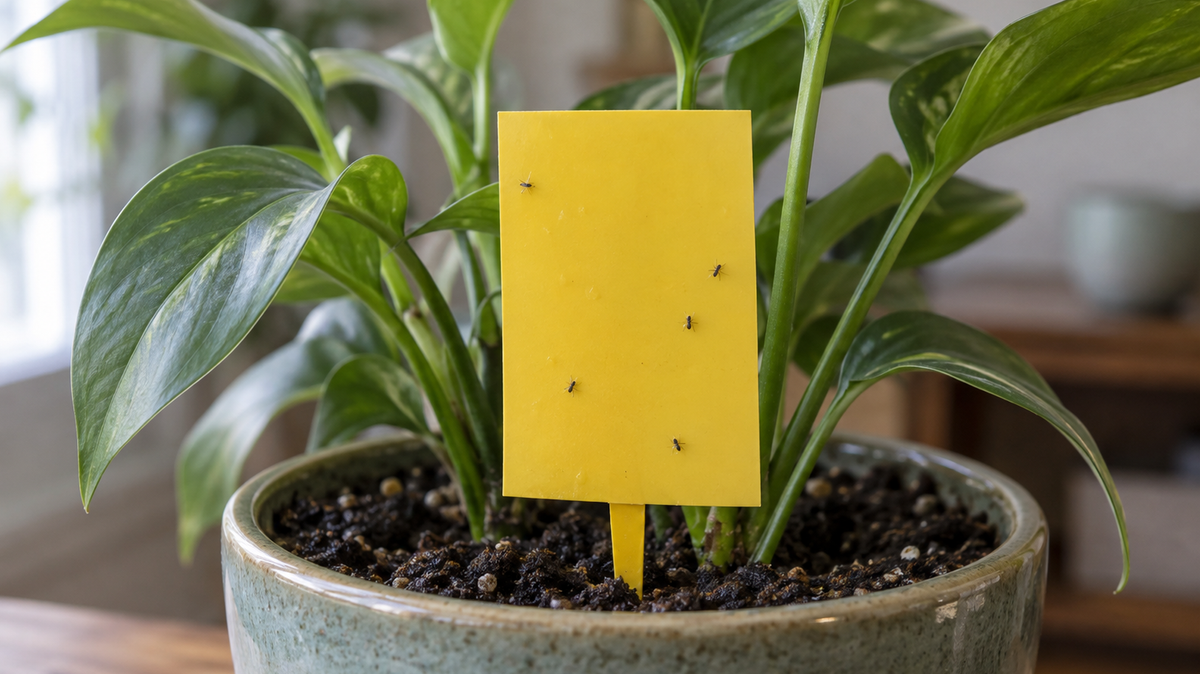
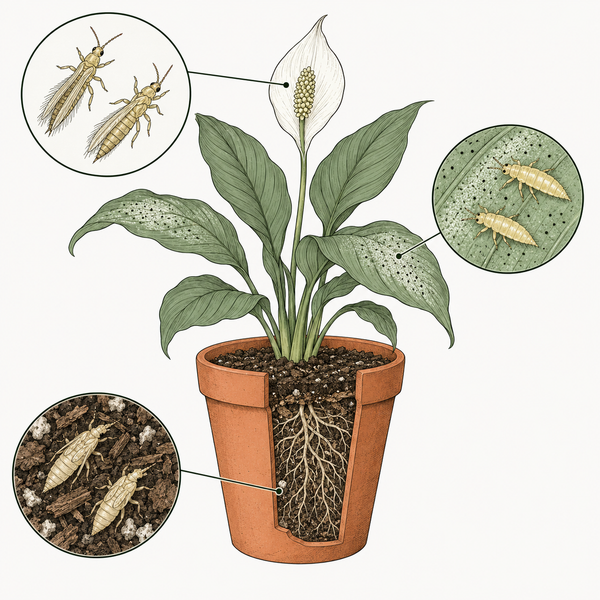
The Gnats You Can See Are Not the Ones You Treated.
You treated the soil and there are still gnats in the air. That is what a working treatment looks like in week one — because the thing you treated and the thing you can see are two different stages of the same insect.
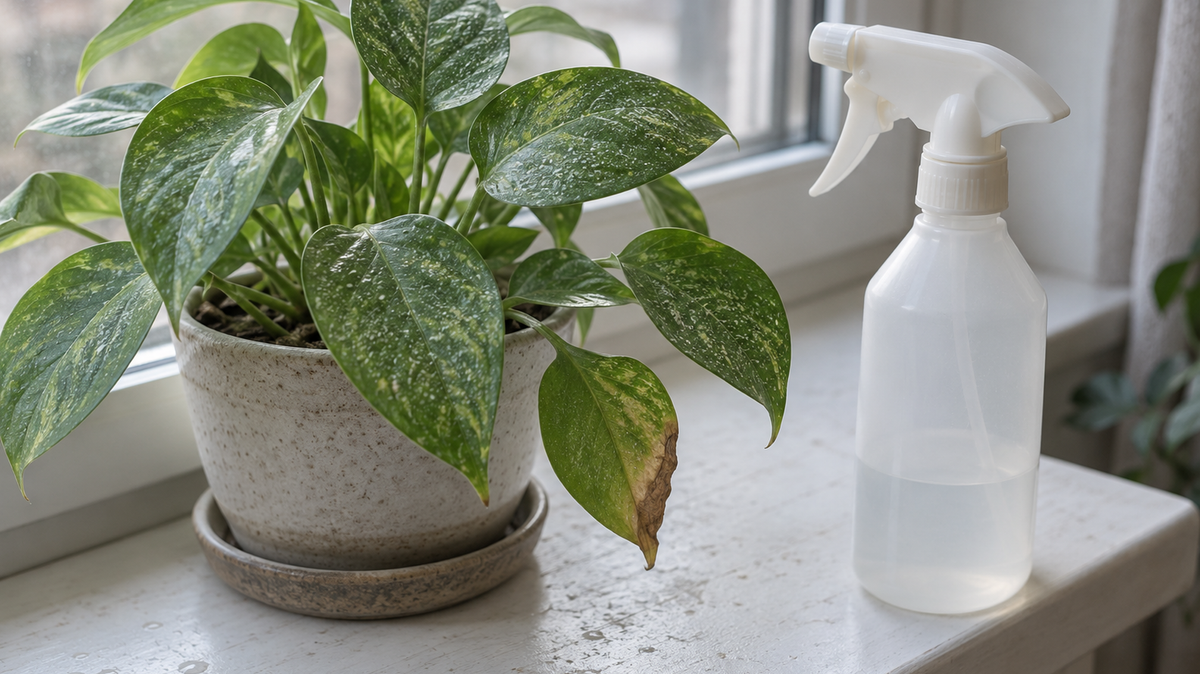
You Did Not Lose to a Spider Mite. You Lost to Ninety-Six of Them.
You sprayed. They went. They came back. That is not a story about you being careless — it is a story about the second most pesticide-resistant arthropod on the planet, and about what a spray does to everything that was eating it.
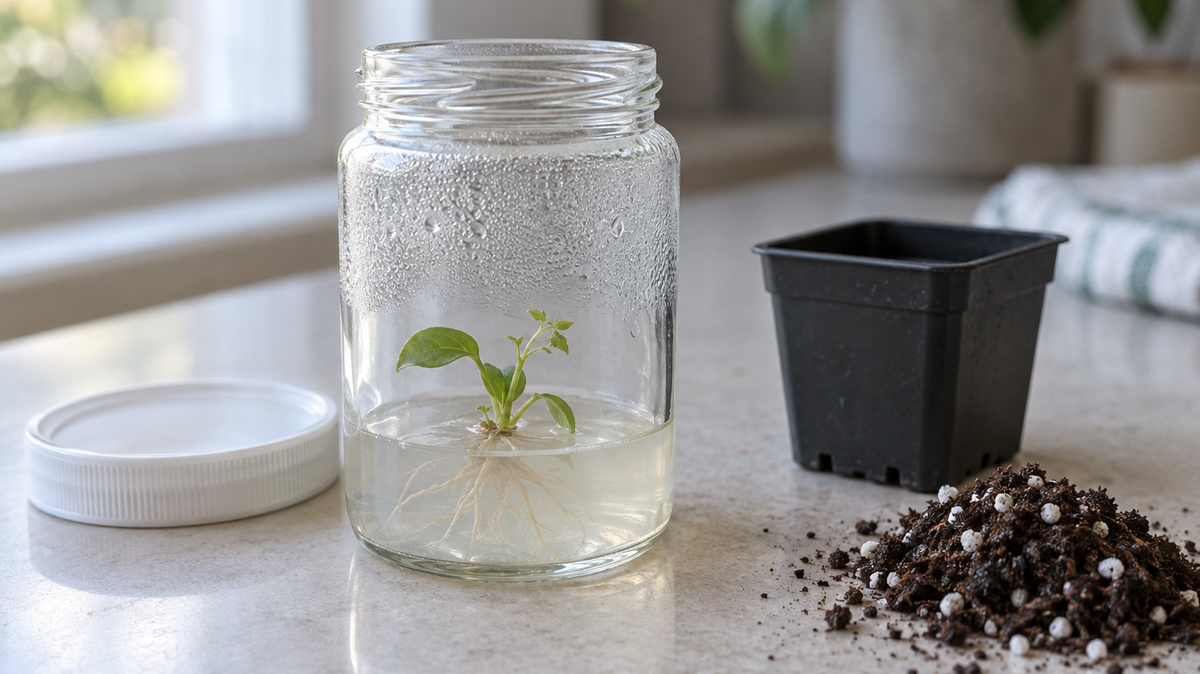
Tissue Culture Is Easy. Keeping It Alive Is Not.
A tissue culture plant is a small miracle in a jar. It emerges with roots, leaves, and a total absence of any of the biology it will need to survive outside the jar. Which is where most of them die.

They Are Shipped Cold So They Do Not Move.
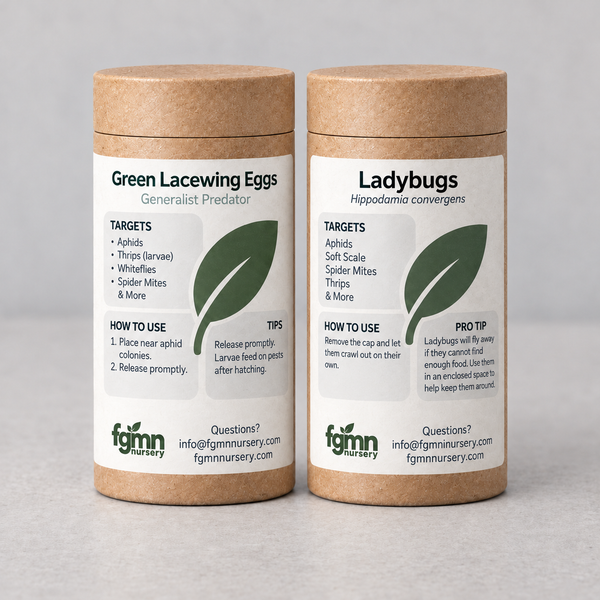
You open the box and the tube is a motionless ball of beetles. Nothing is walking, nothing is flying, and the obvious conclusion is that they died in transit. Almost always they did not, and the reason is that the shipping was designed to do this.
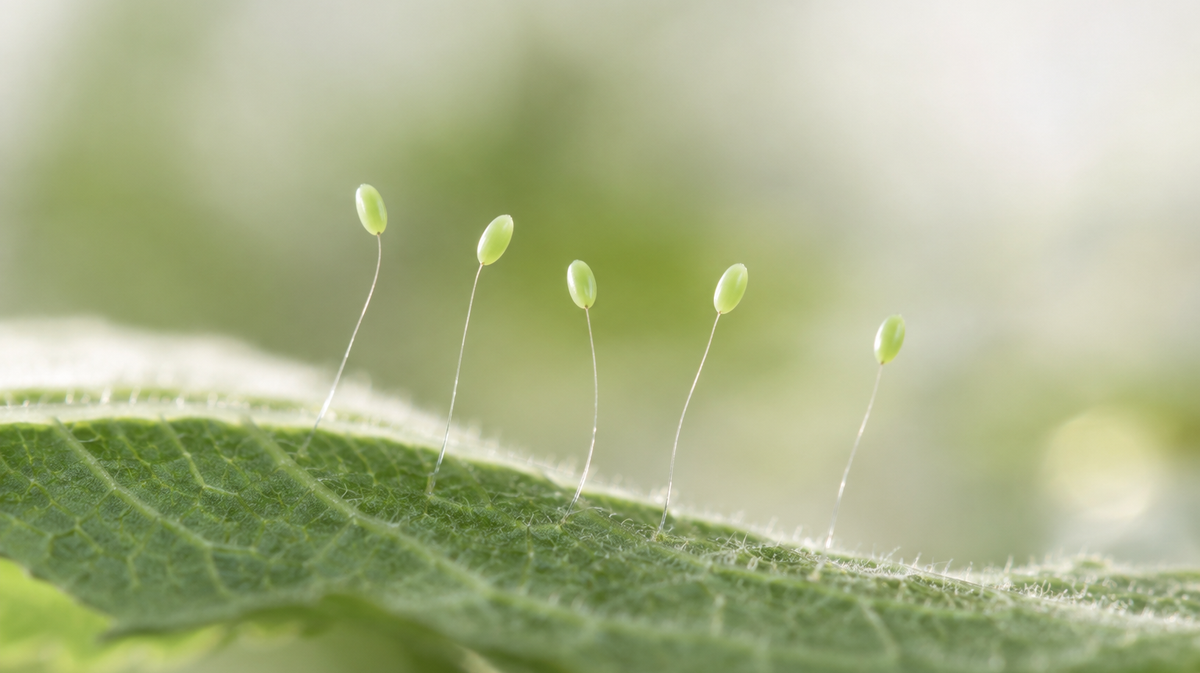
Eggs Cost Less. Larvae Are the Ones That Arrive.
The same insect is sold at two life stages for two very different prices, and the reason is not packaging. Most of the gap is attrition — what happens to an egg between the container and a larva that reaches a pest.