


Amblyseius andersoni
Andersoni is throwing a temper tantrum and refusing to work.
We don't know when they'll be back in stock. In the meantime, meet Neoseiulus californicus — not nearly so finicky, and happy to work in just about any room you put them in as long as there's a spider mite to be found. Broad mites and cyclamen mites too. Thrips aren't their thing.
Fighting more than spider mites? Special Blend — californicus, swirskii and cucumeris in one bottle.
Not sure which to pick? Ask our bug pros — tell them what the plant looks like and what the room runs at, and they'll tell you what to send.
Amblyseius andersoni
Not available — what to use instead
Andersoni is throwing a temper tantrum
They're refusing to work, so we're not shipping them. We don't know when they'll be back in stock.
The honest bit: no single mite we sell does exactly what Andersoni did. Its trick was the temperature range — it kept working in a cool room where most predators slow down. Here's what covers the same pests, and where each one is better or worse than what you're used to.
In the meantime
Neoseiulus californicus — not nearly so finicky
Happy to work in just about any room you put them in, as long as there's a spider mite to be found.
Same core pests: two-spotted spider mites, broad mites and cyclamen mites.
Handles dry air better than any other predatory mite we carry — heated room in winter, air conditioning in summer, they don't mind either.
Like Andersoni, they stick around on pollen and alternative prey once the pests are gone, so they don't vanish the moment they win.
Where they differ: thrips aren't their thing. If thrips were part of why you bought Andersoni, pair them up or use the blend below.
Special Blend — more than one pest, or you're not sure what you've got
Californicus, swirskii and cucumeris in one bottle: spider mites, broad mites, russet mites, cyclamen mites, thrips larvae and whitefly immatures.
The nearest thing to Andersoni's covers-a-bit-of-everything role, and what we'd reach for on a mixed problem.
Amblydromalus limonicus — for a cool, less humid room
Stays active in a cooler house, which is the part of Andersoni people miss most.
They're after thrips and whitefly rather than spider mites, so it's a substitute for the climate, not for the pest list.
Amblyseius swirskii — for a warm, humid room
Thrips larvae and whitefly eggs, at their best above 68°F with decent humidity. The opposite end of the range from limonicus.
Still not sure?
Reach out to our bug pros at fgmnnursery.com/order-support. Tell them what the plant looks like and what the room runs at, and they'll tell you which one to send. If you'd rather work it out yourself, the Mite Matchmaker will get you there too.
Existing orders and past deliveries are unaffected. Our live delivery guarantee still covers anything you've already received.
Target Pests
Environmental Needs
Selection Guide
How to Use
How They're Shipped
I had spider mites. I added this and they got worse! All my hopes are gonna burn with my plants. This colony has got to go
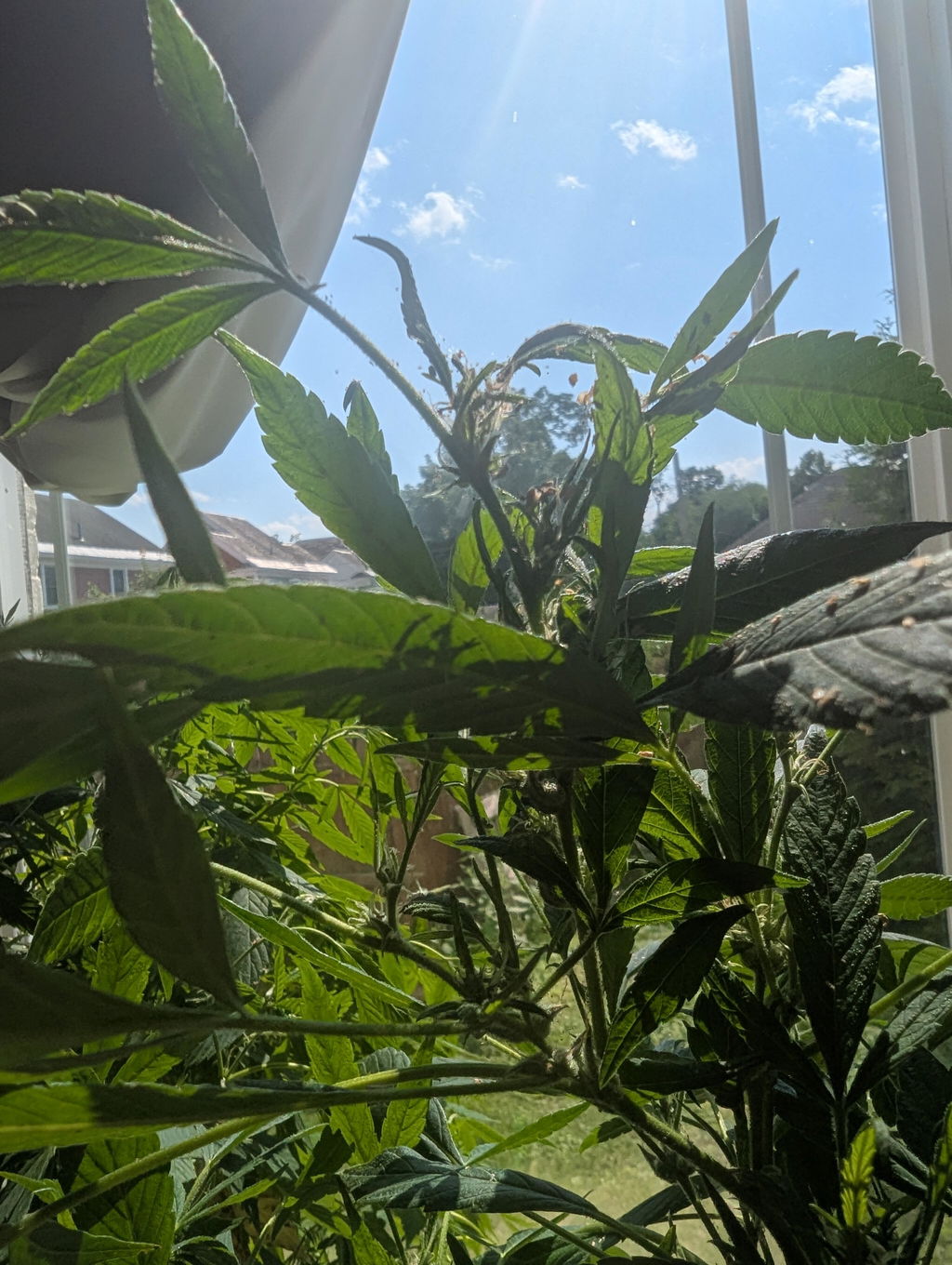

Hi Bakedj, thank you for the feedback, and we're sorry the mites have been winning so far. Spider mites reproduce fast — there's a point where they can nearly double day over day. If your beneficials arrived right as that surge hit, and the dose was matched to the smaller population you had before it, they'd be behind from the start and stay behind, since predators don't breed as fast as the mites do. Plenty of other things can play a part too — a sudden temperature swing or leftover pesticide residue can knock beneficials back — but the one thing that's true is this isn't lost yet. If you'd like help diagnosing what happened and figuring out where to go next, we're glad to talk it through. Our customer service team is at info@fgmnnursery.com.
Amazing customer service
This was my first time buying bugs. I used their find a bug search which had me put it the type of infestation and the type of environment the crop is in. They pointed me to the bugs I needed and shipped out the following day. The bugs showed up in the morning next day deliver for the predatory mites. There was a mix up on the amount of mites they sent, sent out they missing containers the next day.
It’s been a few days and the predatory mites have laid a beat down on the two spotted spider mites and should save me from having to spray anything while I flower.
I will be returning every season. They even have bugs to get after caterpillar.
I honestly can't tell because it seems like the spider mite damage continues . My humidity is very high when the lights are on so maybe it decreased the ipm mites.
Hi! When you say 'very high humidity' how high is that? Andersonii performs best 40%-80%, with 80% being the highest they will tolerate. Is it possible your humidity is too high?