



Generalist · Thrips
Orius insidiosus
The one thing in our range that takes adult thrips — the flying, feeding, egg-laying stage a predatory mite cannot catch.
$68.00
Free Shipping for all orders over $30
If something's wrong when it arrives, file a report within 72 hours of delivery for a replacement or store credit.
By placing your order you agree to our Shipping Policy and Live Delivery Guarantee.

How much, and how often
Two questions — how bad it is, and how many plants. You get a size and the dates to put it out.
How bad is it?
Pick the one that sounds like your room. If you are between two, take the higher.
How many plants?
Six-inch pots. Count a large specimen with a dense canopy as three or four.
Your size and schedule
More about this dose
The three things people ask once they have their size. Open any of them.
Am I light, moderate or heavy?
Light
- A few silvery specks on the newest growth
- One or two thrips a week on a blue card
- Nothing lifts off when you disturb the plant
Moderate
- Silvering spreading across new leaves
- Black frass specks where the scarring is
- Something lifts off when you lean into a flower
Heavy
- Scarring on most of the new growth
- Adults visible in the flowers without looking hard
- Blue cards filling between checks
- New leaves coming in hardened and distorted
Between two levels? Take the higher one. Adult thrips lay into the leaf tissue, so the generation you can see is never the whole of what you are dealing with.
Under-dosing an active thrips population is the expensive mistake, not over-dosing. Adult thrips lay inside the leaf tissue, so the ones you can see are never the whole population — and every one you miss lays again. The higher level costs a little more once. The lower one costs you another release.
Why more than one round?
Putting it out
- Pull yellow and blue sticky cards first. They catch Orius as fast as they catch thrips. Leave them down for about a week.
- Wait for late evening, or just before lights-out. Released under high light they fly to the lamps and the windows rather than the plants.
- Rotate the bottle gently to mix the bugs back through the carrier.
- Tip a few onto each plant, flowers first. That is where the adult thrips are, and it is also where the pollen is.
- Or use release cups. Pour the mixture into small cups tucked into the foliage, which keeps the bugs and the carrier off the floor.
Everything else is optional. Get these four and the release has done what it can.
A cleaner way
On a display plant, tip small piles into bio-boxes or paper cups hung in the branches instead of dusting the foliage. Same dose, nothing visible on the leaf.
The failure is forgetting. Very few programs fail because the mite underperformed. They fail in week five, when the plants look fine, the reorder does not happen, and the population holding the line ages out with nothing behind it.
A schedule is the same decision, made once. A bottle when it looks bad, then another when it looks bad again, is already a rhythm — just one you have to remember at the exact moment the plants look fine.
Change the size or the frequency, skip a box, pause or cancel from your account at any time.
Is this the right beneficial for your problem?
Five questions, in the order a grower actually asks them: what have you got, is this the answer to it, what will it eat, how does it do the killing, and will it survive your room.
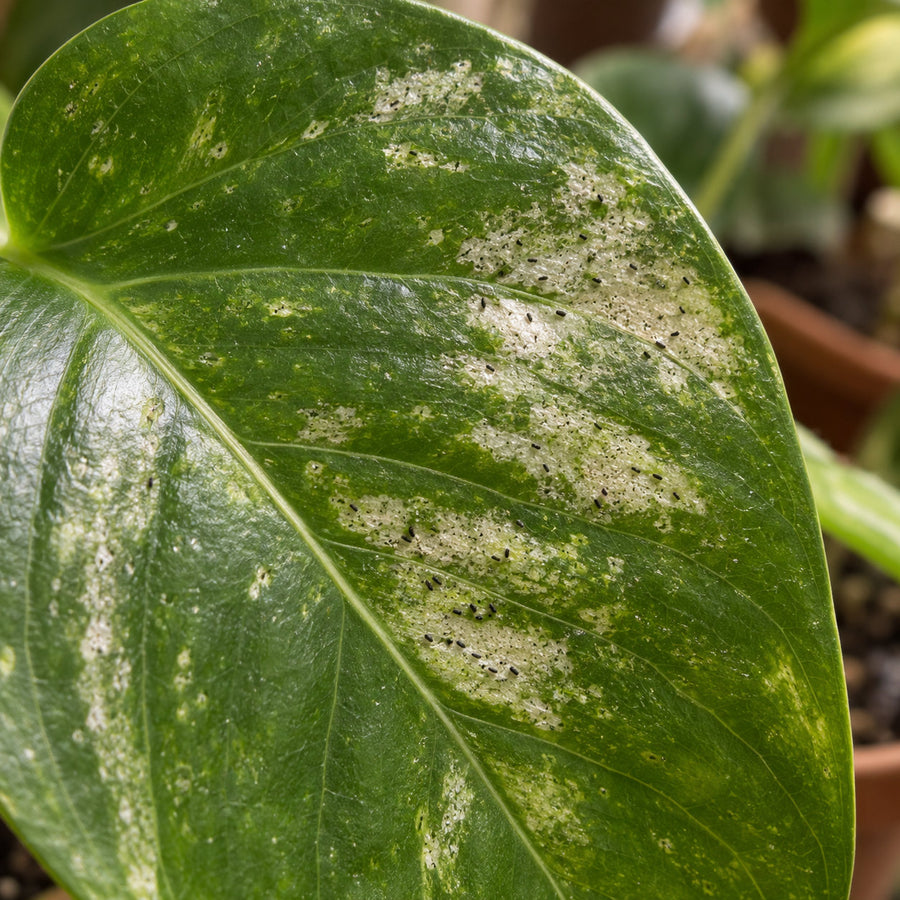
Is this your pest?
Orius takes one pest above all others, and it takes the stage nothing else in the catalogue reaches. If adult thrips are not what you are looking at, the product you want is a different one.
Thrips rasp the leaf surface and leave silvery scarring with black frass specks, worst on the newest tissue. The adults are the stage doing the flying, the feeding and the egg-laying — small, quick, and gone the moment you lean in. If something has ever lifted off a flower when you moved, that was an adult thrips.
Orius takes adult thrips, and the larvae too, but the adults are the point — that is the stage a predatory mite cannot catch. It does not reach the pupae in the soil: that is Sf nematodes. It also takes aphids, spider mites, whiteflies and moth eggs when it finds them.
Then: is Orius the right answer to it?
Choose this if
Choose Orius when you can see adult thrips, when the scarring is spreading faster than a mite release is closing it down, or when the plants are large and dense. Because it flies, it searches the whole grow space instead of waiting on one leaf — it reaches hot spots a crawling mite may never cross. A single one routinely kills more thrips than it actually eats. Nothing to mix, nothing to spray, no residue and no re-entry interval.
Choose something else if
It wants long days and a warm room: at least 12 to 14 hours of light, and 70 to 90°F. Under short winter daylengths it may enter diapause and stop hunting, and it slows markedly below 60°F. If the thrips you have are all soil-stage pupae, nematodes are what that needs instead.
What it kills, and what it won't
It also feeds on pollen, which is not a pest — it is how the population holds on a clean plant instead of leaving. Flowering plants keep Orius in the room when pest numbers are low.
How it works
What it does to the pest, what it does on the plant, and what that leaves you looking at.
It hunts, and it flies
Orius is a predator — no poison, no residue on the leaves, no re-entry interval. It finds an adult thrips and drains it. Because it flies rather than crawls, it searches the whole grow space: the top of a tall plant, the far side of a dense one, the hot spot you have not found yet. And thrips cannot develop resistance to being hunted.
It stays while there is food
It feeds on pollen as well as prey, so a flowering plant holds the population between outbreaks rather than starving it out. Long days keep it active and breeding — twelve to fourteen hours or more. With the pests gone and nothing in flower, it may move on to find food elsewhere.
You get to watch this one
About 3mm, dark, shield-shaped and fast. That is large enough to see with the naked eye, which almost nothing else in this catalogue is. Look in the flowers and on new growth for small dark bugs moving with purpose.
It does not reach the soil. Most thrips drop down to pupate, and that stage is out of reach. Orius on the adults in the canopy, a predatory mite on the larvae on the leaves, nematodes on the pupae in the soil — pair them rather than substitute.
Will it work in your room?
Two things to check first. Your lights need to run twelve to fourteen hours a day or longer, because under short winter days Orius can enter diapause and stop hunting. And yellow and blue sticky cards catch Orius as efficiently as they catch thrips, so they come down for about a week around the release.
About Orius
A 3mm predatory bug — the minute pirate bug, which is a good name for something that size that hunts down flying adult thrips and drains them. It has no interest in your plants and none in you. It eats other arthropods, and pollen when there are none.
New to beneficials?
Five things that catch almost everyone the first time.
After you release it
What actually changes, how fast, and the one stage this one does not reach.
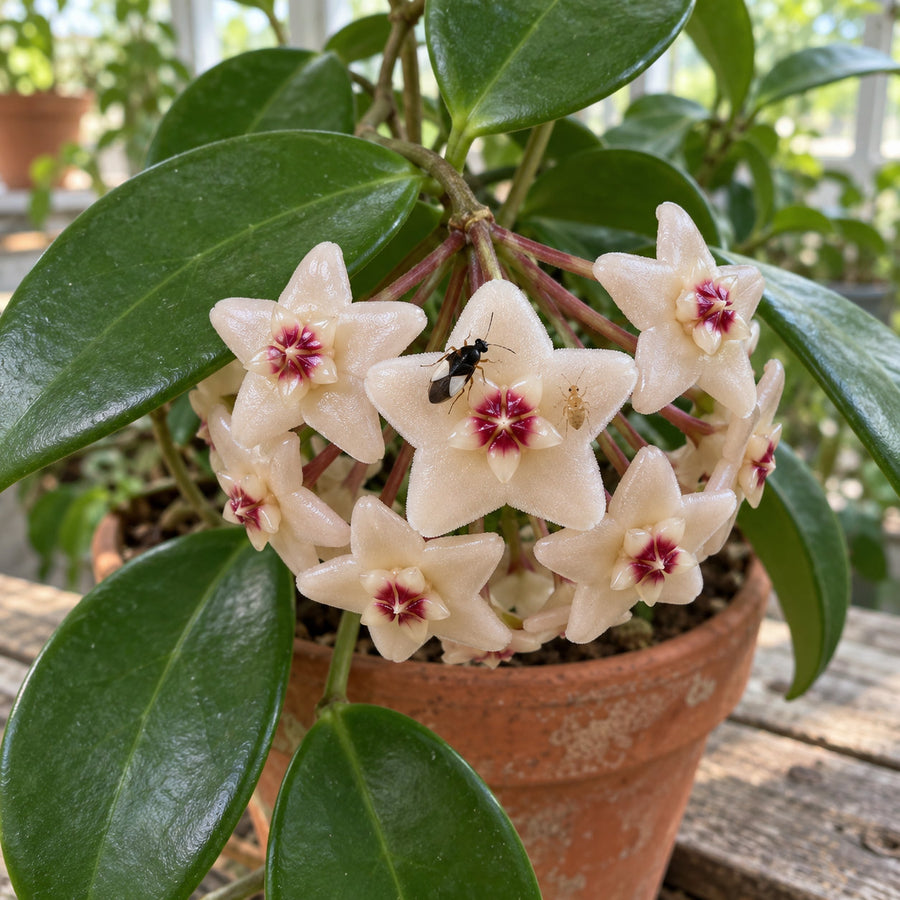
How you'll know it's working
You will actually see these ones, which is rare. Watch the flowers and the new growth for small dark bugs moving with purpose.
Then judge it the way a grower does: adult thrips numbers on your blue cards falling once the cards go back up, and new leaves coming in clean. The scarring already on a leaf is scar tissue and stays there whatever happens next.
Reinspect at about 14 days. New growth improving while larvae still turn up on the leaves means the adults are being handled and the larvae are not — that is a predatory mite's job, not an Orius failure.
Getting it to you
What is in the bottle, how it travels, and what happens if it arrives wrong.
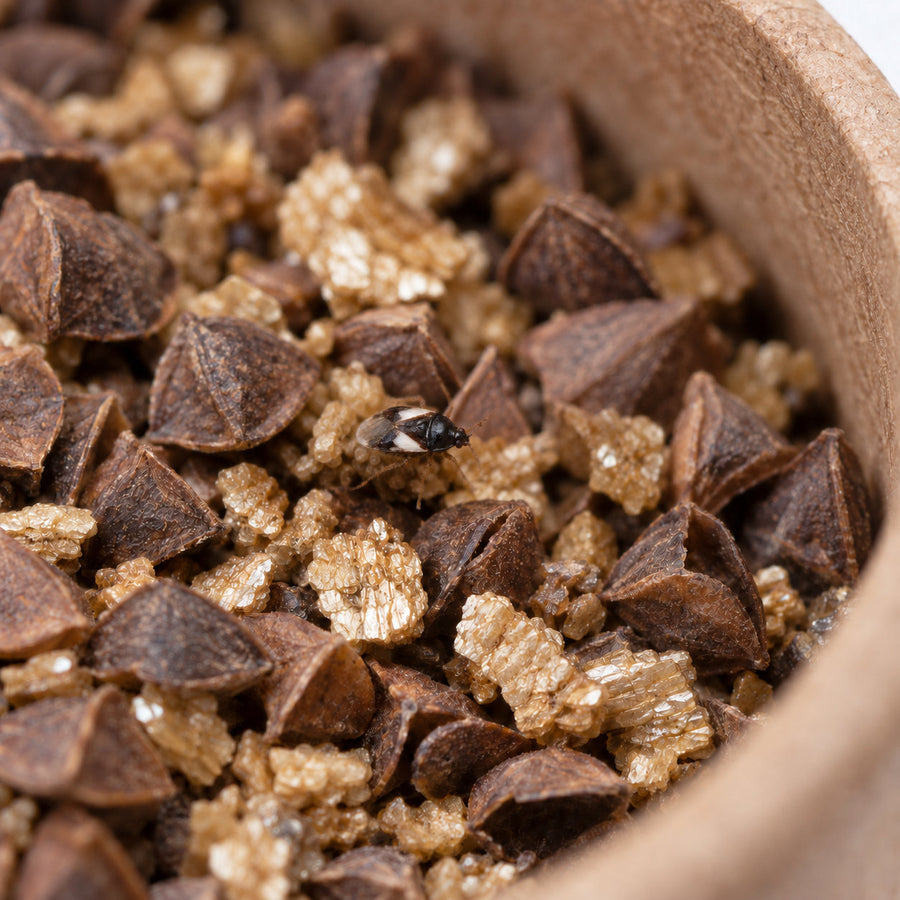
What arrives
A bottle of live adults and nymphs in a carrier of buckwheat hulls and vermiculite, with a food source packed in to keep them fed on the way.
Expect movement when you open it, and expect some carrier to come out with them. Both are normal, and the movement is the point — this is one of the few you can verify by eye.
Release the day they arrive. Orius has a high metabolism and cannot be stored. Release late evening or just before lights-out — under high light they fly toward the lamps and the windows instead of settling on the plants.
When it ships, and when it lands
Shipping
We ship when they're ready to travel. Live orders go out Monday to Thursday. If a colony needs a beat to peak, or we're propagating a fresh batch, yours might hold up to a week. All mites and insects ship 2-day or Overnight depending on what's best for them.
When it lands
Open it that day. Pull your yellow and blue cards first. Rotate the bottle gently to mix the bugs through the carrier, then tip them onto foliage and into flowers, a few per plant — flowers first, because that is where the adult thrips are.
About the ones that don't make it
Some of them die on the way. That is why we send more than you paid for.
A 3mm insect with a high metabolism ships in a bottle, in a van, for two days, with food packed in beside it.
Roughly 15% will not survive that. We cannot prevent it, so we price it in: the number on the label gets counted out, and then the cushion goes in on top of it.
Your 500-Orius bottle leaves here holding more than 500. The dead ones are already paid for.
If you can see them
Ladybugs, lacewing larvae, Orius — the minute pirate bug — and the beetles. Tip a few onto white paper and give them twenty minutes at room temperature before you judge anybody.
Cold insects are genuinely good at playing dead. The deceased have been known to get up and walk off the counter.
Still more than about one in seven not moving? Photograph them and file a report.
The photo is not us doubting you. It is how we tell a bad batch from a bad courier day from a mailbox that hit 104°F.
If you can't see them
Mites, nematodes and eggs — most of what we sell. Not this one: Orius is 3mm, dark and moving, so the paper test above is the one that applies to you.
You file the report and our entomologist takes you through the diagnostic instead — the tap test on dark paper, where the box sat, what your room was doing, and then what the pest is doing about ten days later.
We spell the other half out here so you can see the policy is the same either way.
Seventy-two hours from delivery, either way, with your order number. Replacement or store credit, your pick.
What it does not reach
Three gaps this page has already named, and the beneficial that closes each one.
Orius takes the adults. Swirskii takes the larvae.
Adult thrips fly; first-stage larvae sit on the leaf. Orius is built for the first and a predatory mite for the second, and running only one of them leaves a stage breeding. Swirskii is the warm-room choice — it keeps hunting above 75°F, which is the same air Orius wants.
Most thrips drop to the soil to pupate
That stage is out of reach of anything in the canopy, and it is the reason a thrips problem comes back a fortnight after it looked solved. Sf nematodes go into the top of the soil and take the pupae there. Orius above, nematodes below, and the cycle has nowhere left to close.
Blue cards are how you'll know it worked
Adult thrips counts on a blue card are the clearest before-and-after you will get, because the scarring on a leaf never heals and cannot tell you anything. Two notes: the cards come down for about a week around an Orius release, since they catch Orius just as well — then they go back up, and the numbers on them are your answer.
Two cheap things that make the rest work harder. Blue cards give you the dated count this page keeps asking you to read. Breeder's Blend is pollen and Artemia; it keeps the population fed through the lull when prey gets scarce.
Questions
How many thrips can one Orius kill?
A single Orius is a voracious feeder and routinely kills more thrips than it actually eats, which makes them incredibly efficient for rapid knockdown of infestations.
Will they stay in my grow room?
Orius will stay as long as there is food (thrips, mites, aphids) or pollen. If the pests are gone and your plants aren't flowering, they may fly away to find a new food source.
What environmental conditions do they need?
They perform best between 70°F and 90°F with at least 12–14 hours of light. In winter months with short days, they may stop breeding and go dormant.
Can I use Orius with other beneficials?
Yes. For the "Total Thrips Eradication" strategy, we recommend a "Triple Threat" approach:
- Orius for the adults in the canopy.
- Swirskii Mites for the larvae on the leaves.
- SF Nematodes for the pupae in the soil.
How do I know they arrived alive?
Because Orius are visible to the naked eye (roughly 3mm), they are easy to verify. Gently shake a small amount of the carrier material onto a white piece of paper. You will see dark, fast-moving, shield-shaped insects scurrying—these are your hunters.
Do Orius bugs bite humans?
Orius are "Pirate Bugs," and while they are completely harmless to humans and pets, they can occasionally give a tiny "test nip" if they land on your skin. It feels like a small pinprick and does not cause lasting irritation or inject any venom.
I have shopped with yall before, i wen my to spread them out, and noticed everything single big is dead,would like a return , would rather just get an order back i can send video?
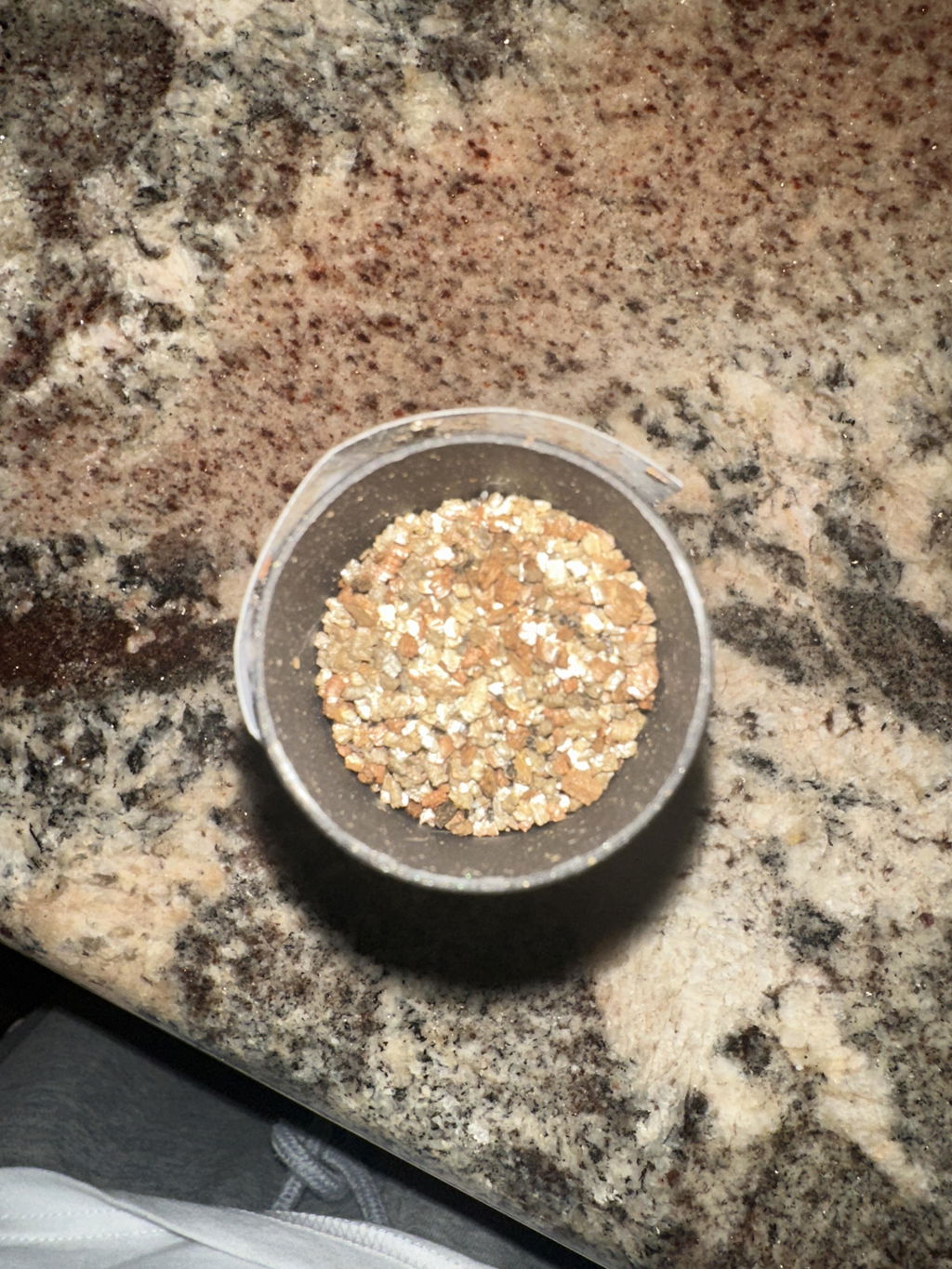
Hi Sonny,
I'm so sorry to hear they arrived dead! The live guarantee would be absolutely come into play here. To make that happen, can you please email the Customer Service team at info@fgmnnursery.com this picture and they'll be happy to issue a store credit or replacement order. Thank you!
This seemed to take care of 90% of my bugs super fast and with zero work from my part.. only ordering of course. But I never had any issues in my grow cabinets until now.. I didn’t sprinkle any in there and it seems all the pests have now found their way in them and are destroying my most prized plants!!! I will be ordering again just for my cabinets.. sad day.
I received my package, I think the day after I ordered it.
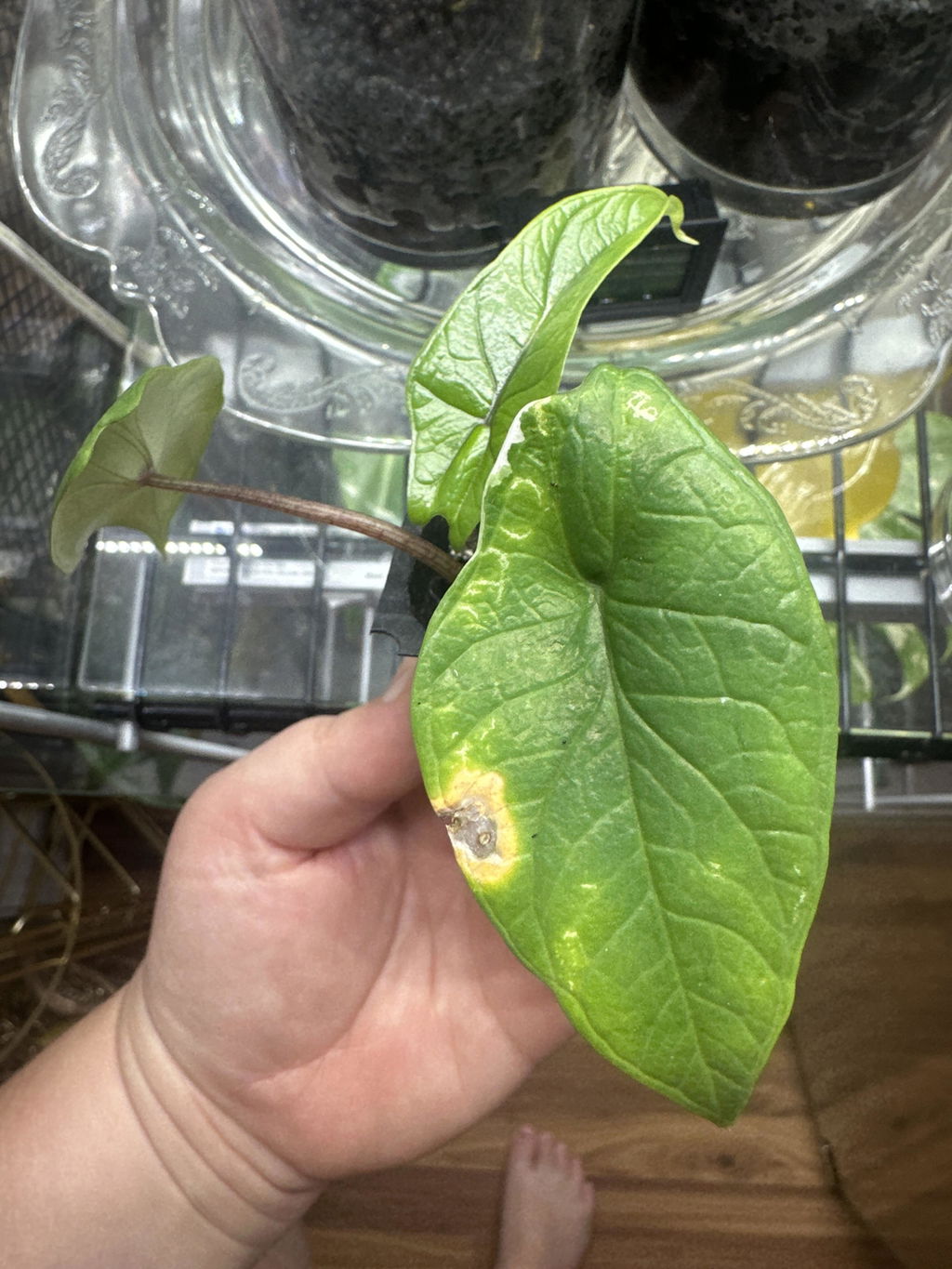
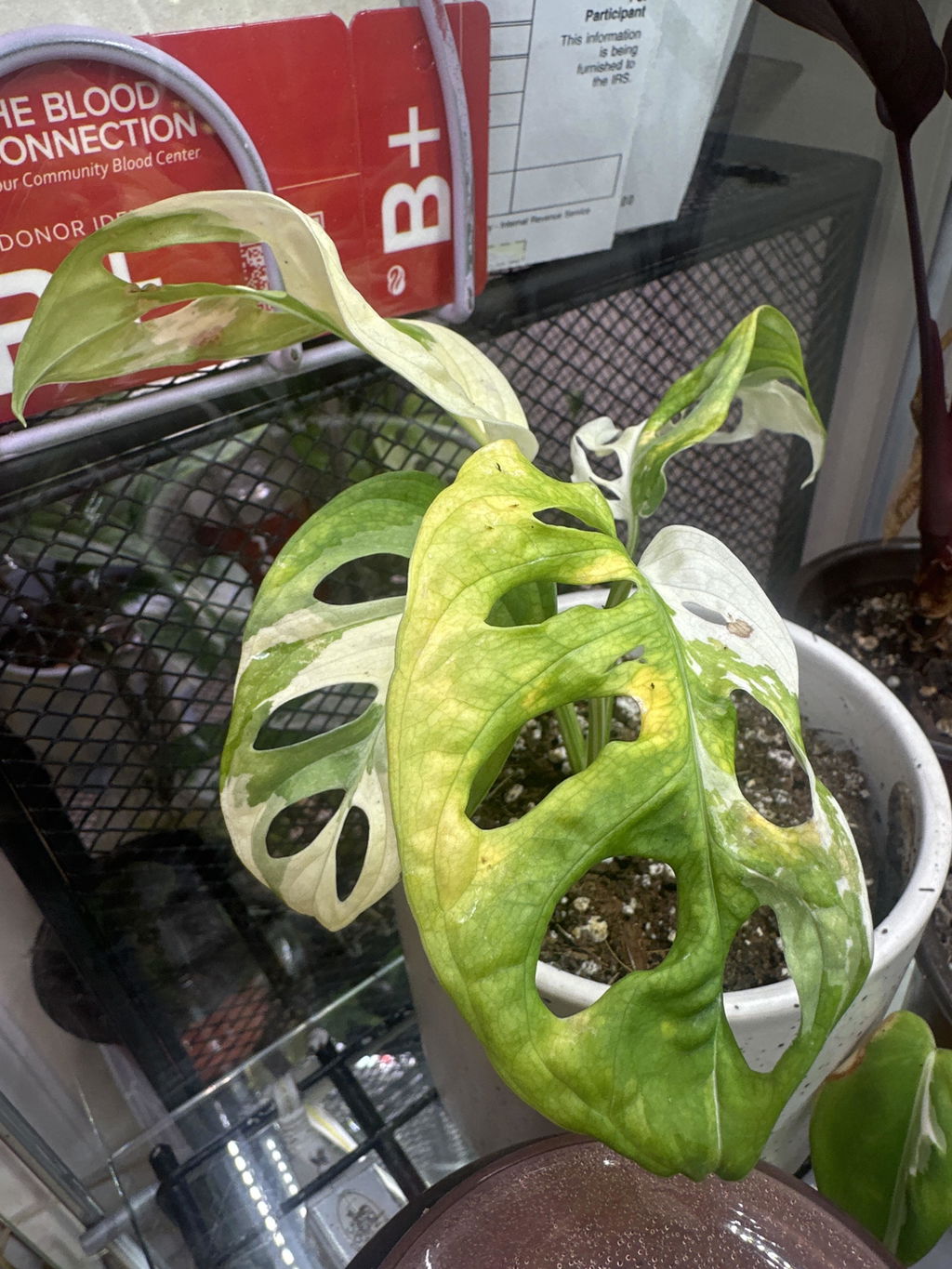
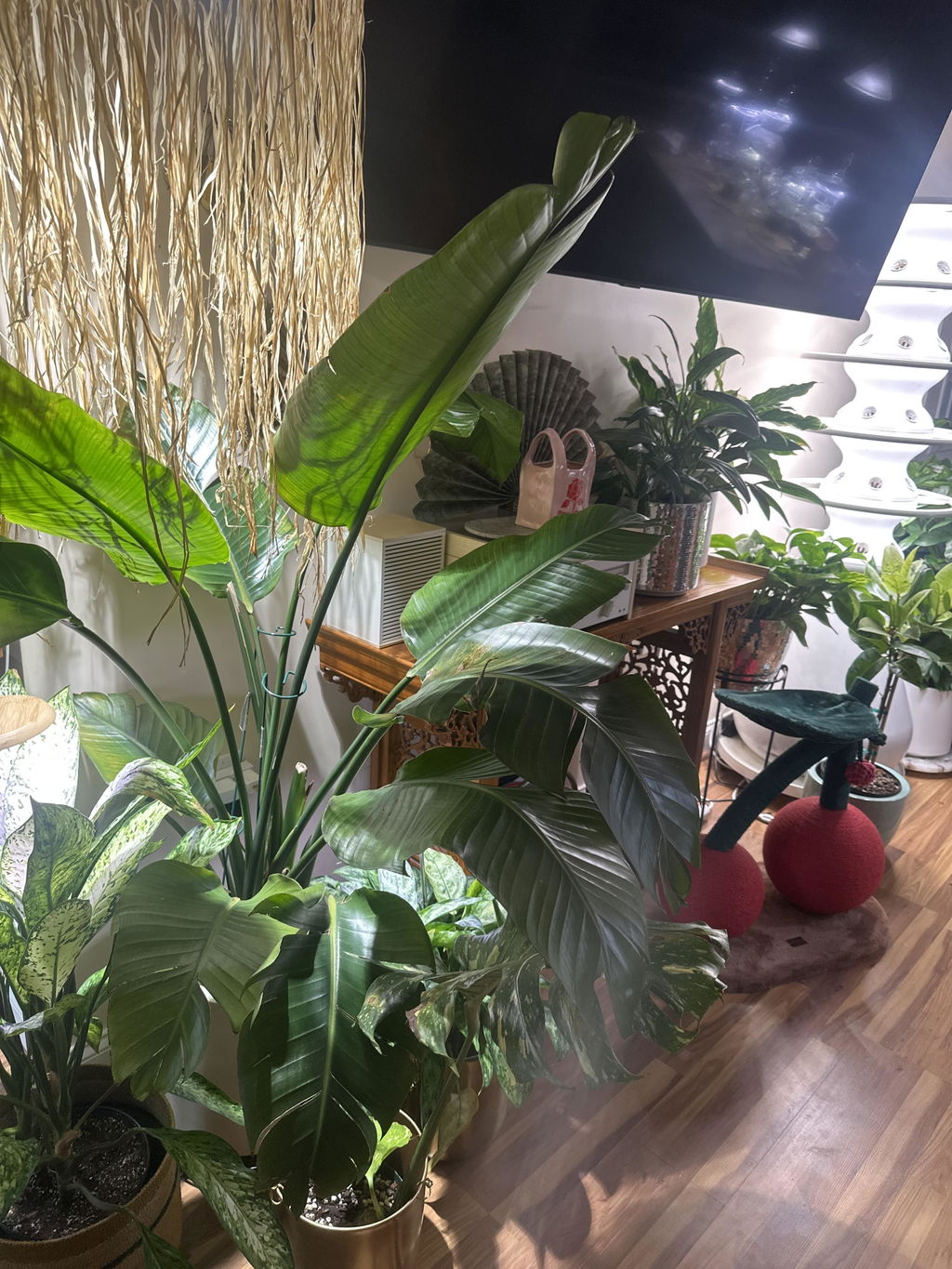
My ice pack was warm, which the directions said was how it was supposed to be. I opened the container a few hours after getting it onto the bush I was treating for thrips. I did not see any Orius in the tube or as I was rotating it onto the shrub. The next day, there were just as many thrips as before, but then the day after that, the thrip count went down quite a bit. Hopefully some were alive in the tube & took care of the thrips.
Hi there, thank you for sharing your experience. We're glad to hear the thrips count decreased, and hope the Orius are working well for you. If you have any further questions or need assistance, feel free to reach out!
No live critters in tube. Report dismissed by reviewer.
Hi Lewis, thank you for sharing your feedback. We understand it can be startling when you don’t see movement immediately! Orius insidiosus (Minute Pirate Bugs) are incredibly small—about the size of a gnat—and are expert hiders.
As Karen mentioned in her email, these beneficial insects are highly active. Once the tube is opened or they are distributed, they often fly off instantly to find shade and prey. Because they are smaller than the carrier material they ship in, they are nearly impossible to spot once they’re on the move. The fact that you didn't see any 'expired' bugs in the media is actually the best indicator that they arrived healthy and dispersed quickly into your garden to start hunting thrips!
Seem to be very helpful
Very lively bugs and they get to work right away!!! They’ve worked really well at getting rid of the thrips problem I have!
Excellent
Great little guys and I will keep ordering
I received my order quickly after ordering, and the little 'buggers' were ready to come out of the bottle as soon as I opened it - before I could even begin shaking it they were crawling out. I'm confident theyre making a difference in my and my neighbor's yards and I've noticed a marked decline in thrip damage on my plants.
These guys definitely killed all the thrips!