



Field Notes

They Are Shipped Cold So They Do Not Move.
You open the box and the tube is a motionless ball of beetles. Nothing is walking, nothing is flying, and the obvious conclusion is that they died in transit. Almost always they did not, and the reason is that the shipping was designed to do this.

Every Other Beneficial We Sell Is Farmed. Ladybugs Are Caught.
Predatory mites are farmed. Nematodes are farmed. Lacewings, the aphid wasps, the mealybug destroyer — all farmed. Ladybugs are vacuumed off a mountain. That one difference explains most of what is strange about them, including the passengers.
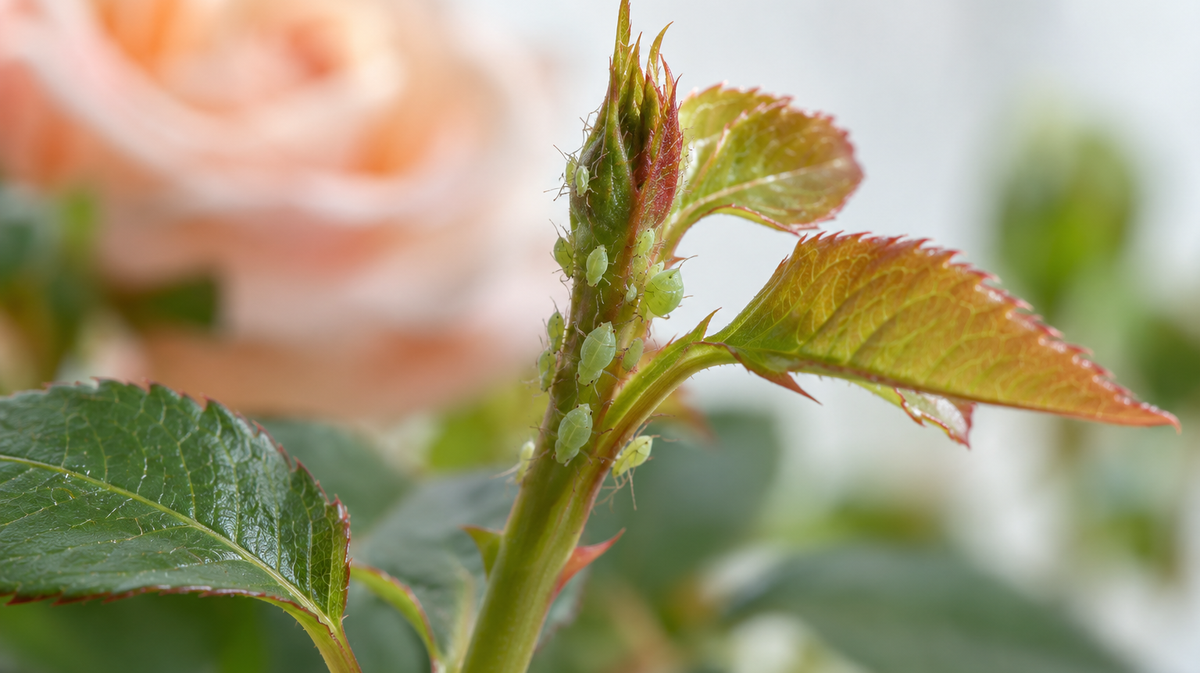
Four Ways to Ruin an Aphid's Day
Ladybugs, lacewing larvae, Aphidius wasps and Aphidoletes midges are not four strengths of the same thing. Three of them arrive, work and are finished. One of them leaves a next generation inside the colony, which is the difference that decides most cases.
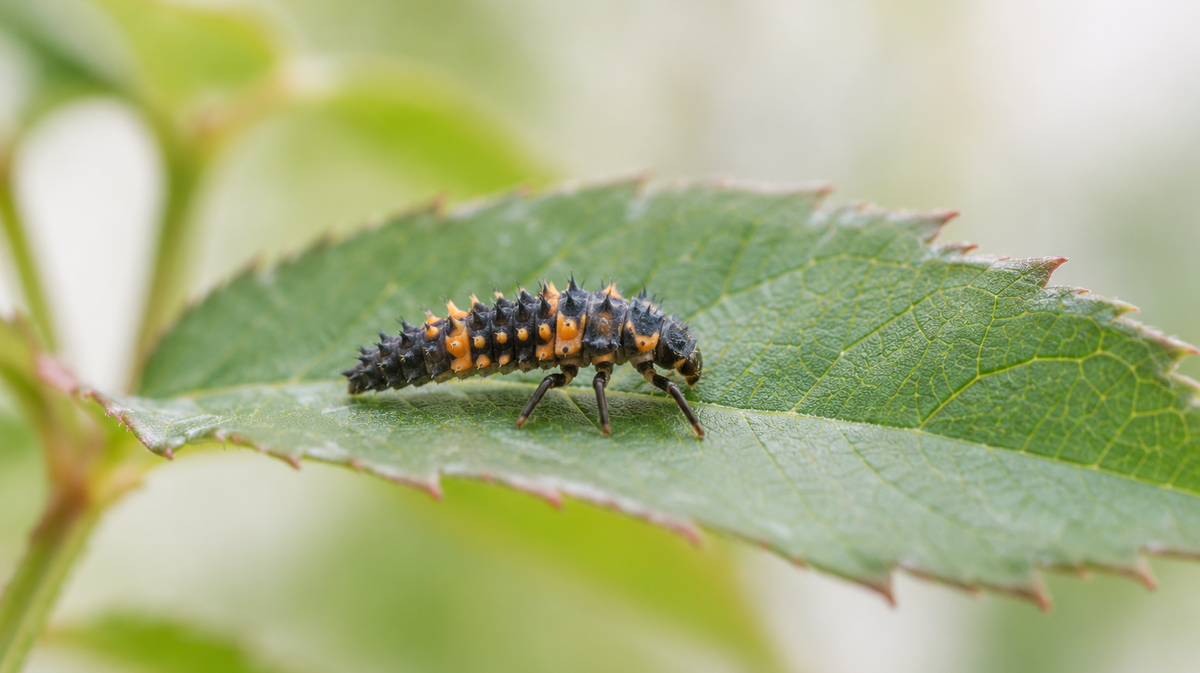
The Spiky Grubs Are The Ladybugs Working.
A week after a ladybug release most of the beetles are gone and something else is on the leaves: small, dark, spiky, moving with purpose. People spray them. They are the part of the release that cannot fly away, and they do most of the eating.
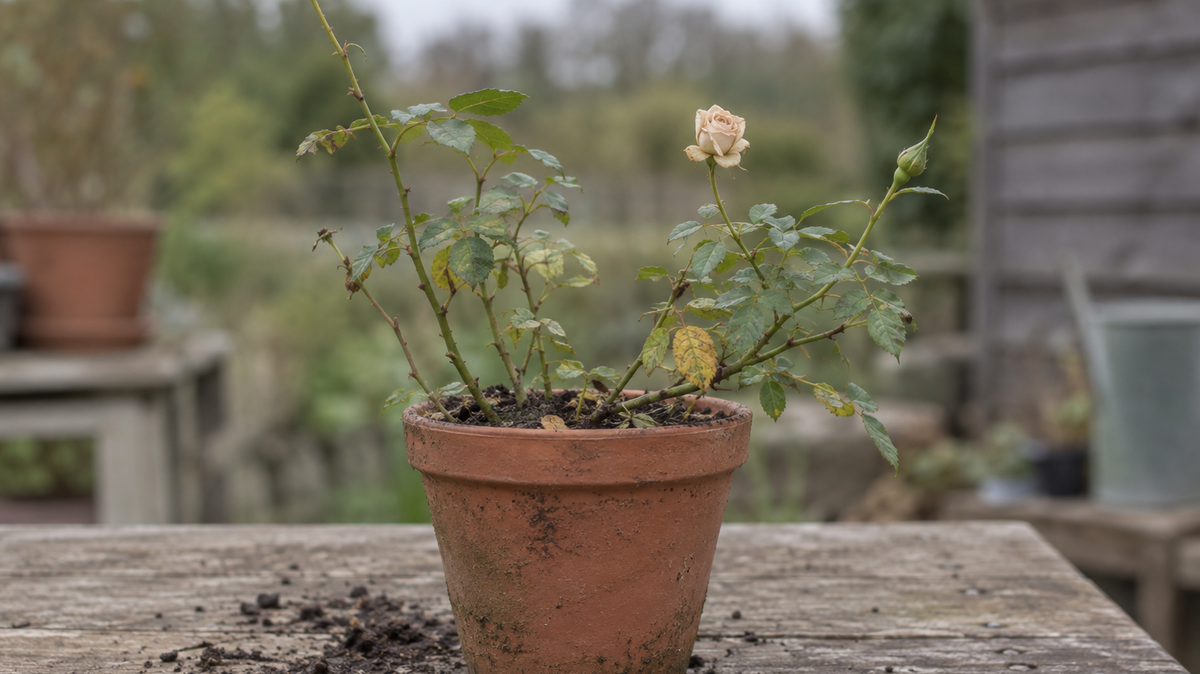
One Rose Bush Took 1,500 Ladybugs.
A light sprinkle of ladybugs over an infested plant is the standard advice and it is not close to the rate that has been shown to work. In the one peer-reviewed garden trial, single releases at the recommended rate did nothing measurable. Here is the number that did something.

Native vs Invasive Ladybugs
Most ladybugs you'll encounter are red with black dots — and that description fits native, introduced, and invasive species equally. Here's how to actually tell them apart, what the harlequin ladybug has been doing to native populations, and where the real ecological concerns are.
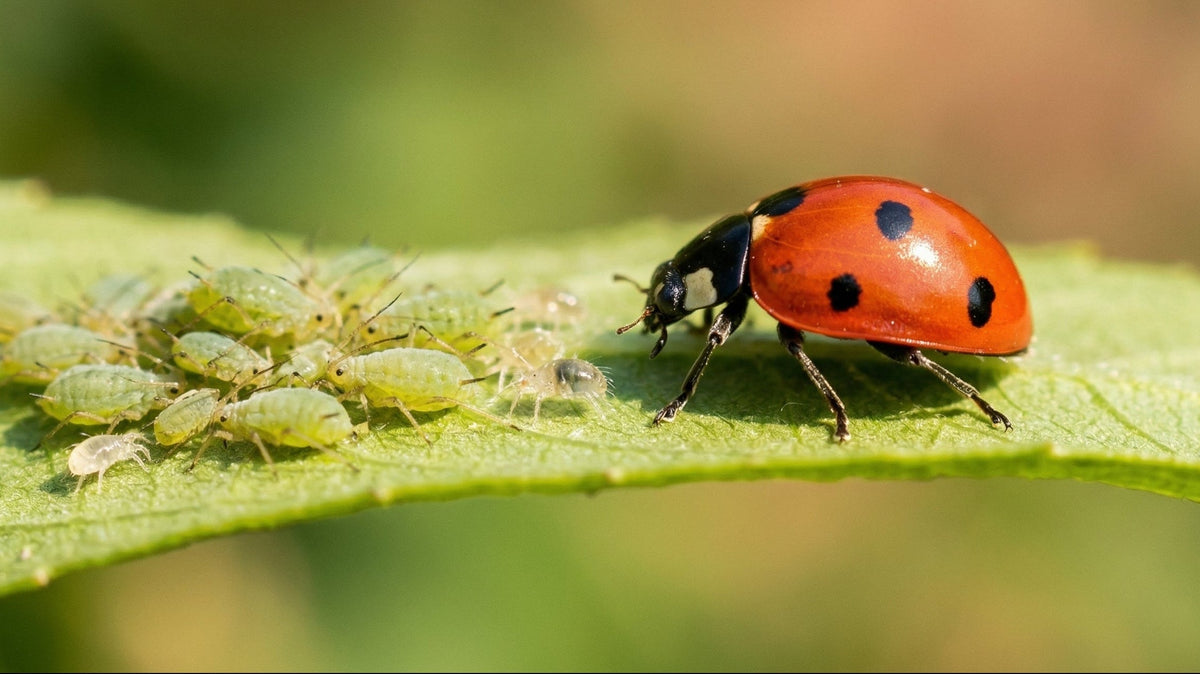
One Eats Aphids. One Eats Mites. Carry On.
Ladybugs and predatory mites can run in the same space without meaningfully interfering with each other — but they're not doing the same job, and one won't cover for the other. Here's when the combination makes sense and when it's just extra cost.
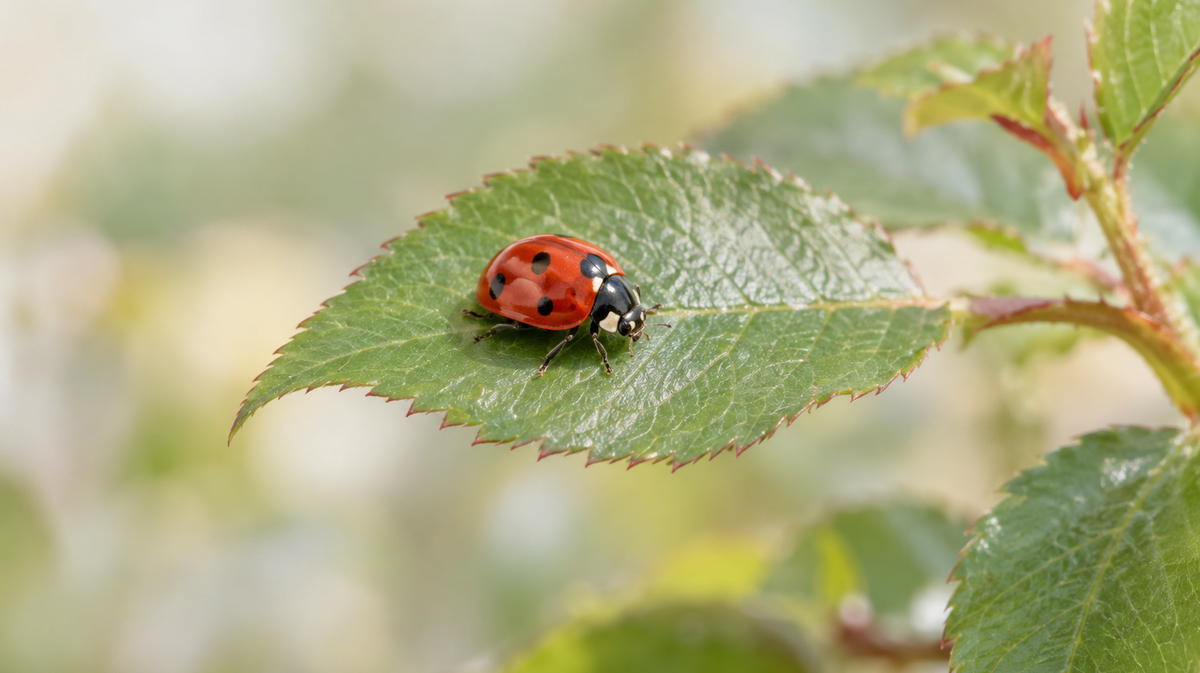
If Ladybugs Are Just Going to Fly Away, Why Use Them?
They do fly away, and not because your plant disappointed them. Most are gone inside 48 hours whether or not there are aphids left to eat. That is worth understanding before you decide whether it makes them worth buying.