



Field Notes
Swirskii Wants the Warm Room
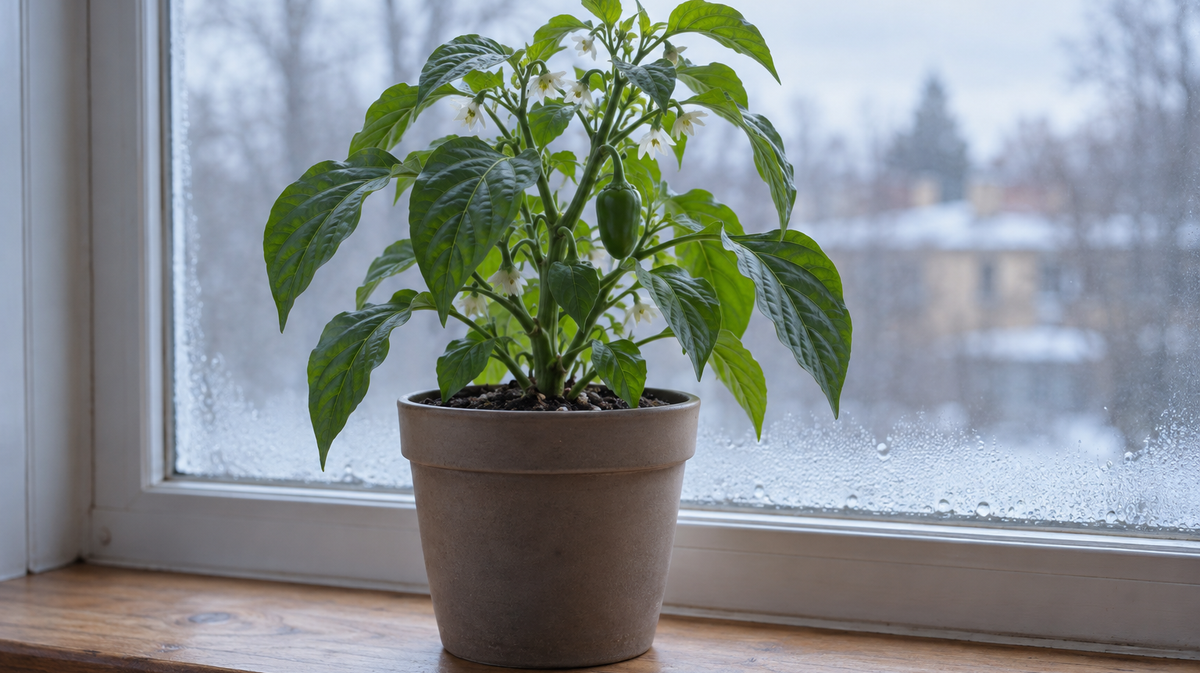
Why a living swirskii mite is not the same as a growing colony, and how to interpret cool conditions around your plants.
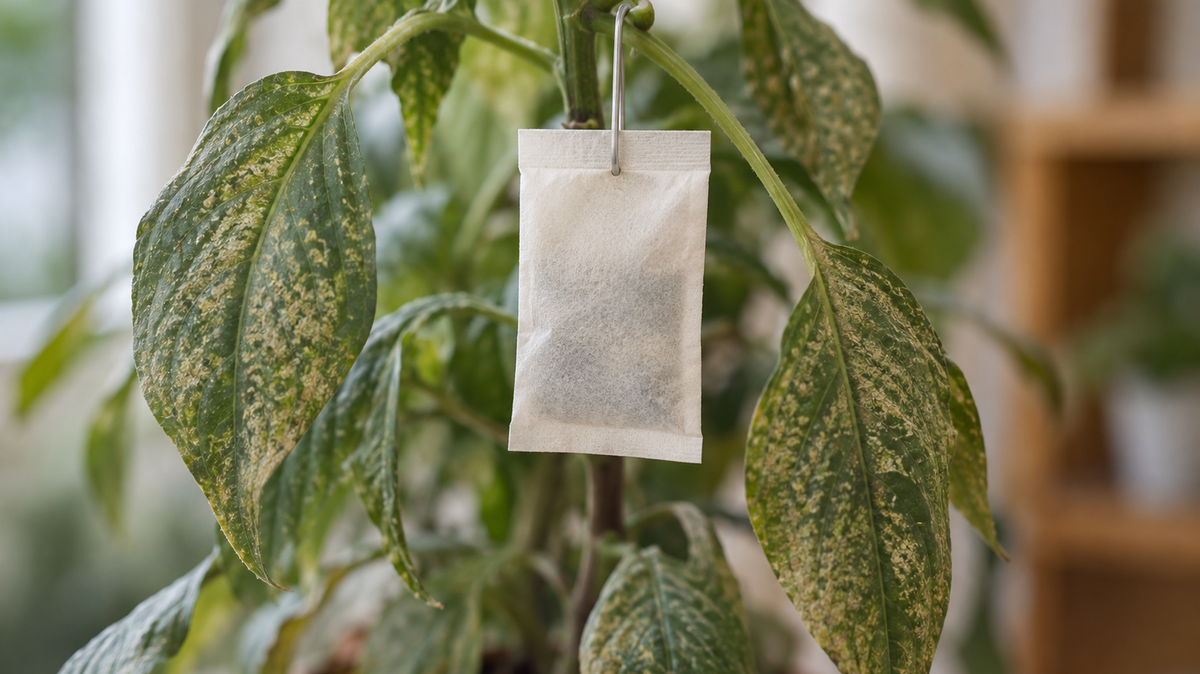
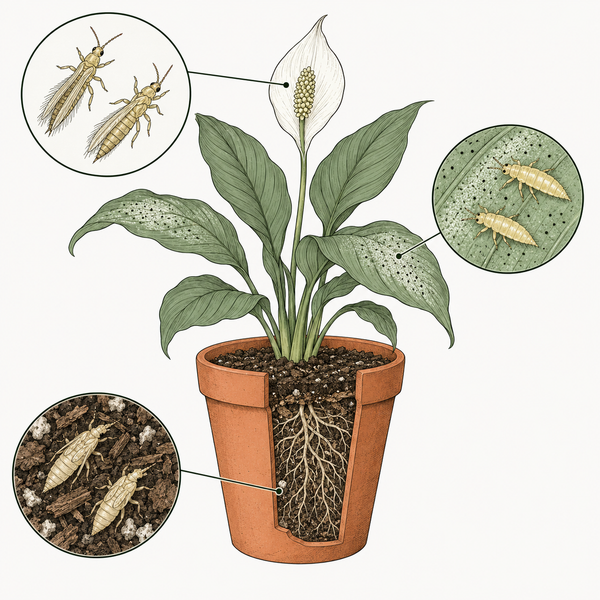
When Swirskii Is Not Keeping Up
Trace an unsuccessful swirskii release from pest trends through delivery, conditions, and treatment coverage before repeating it.
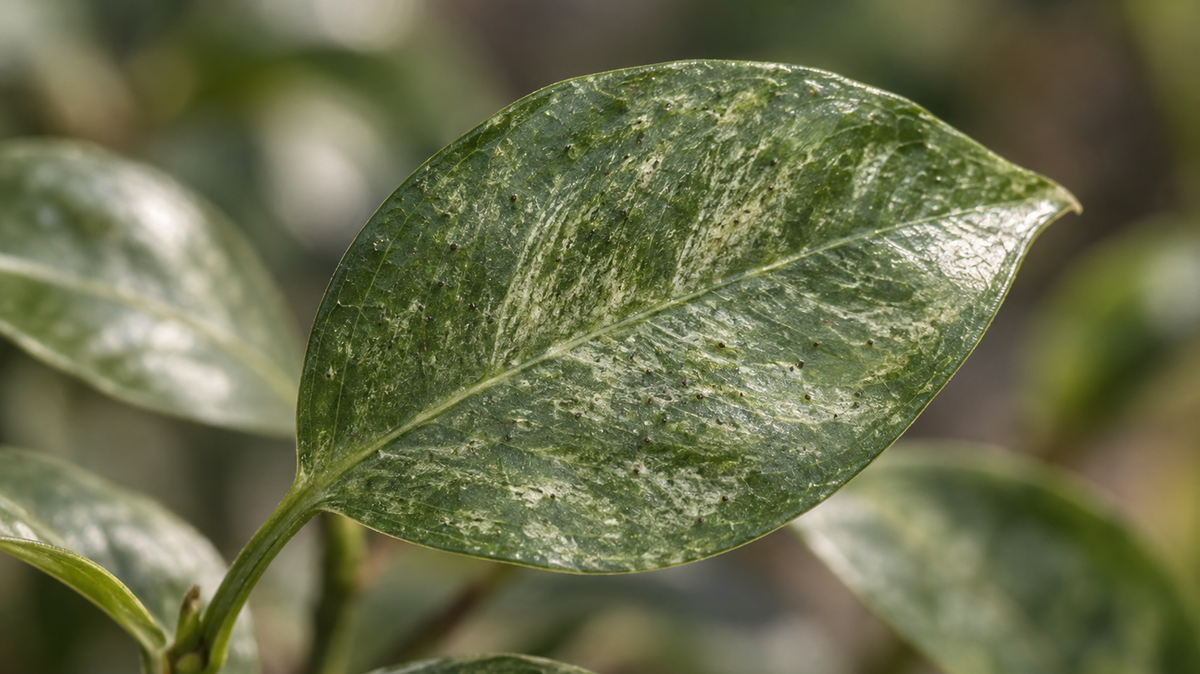
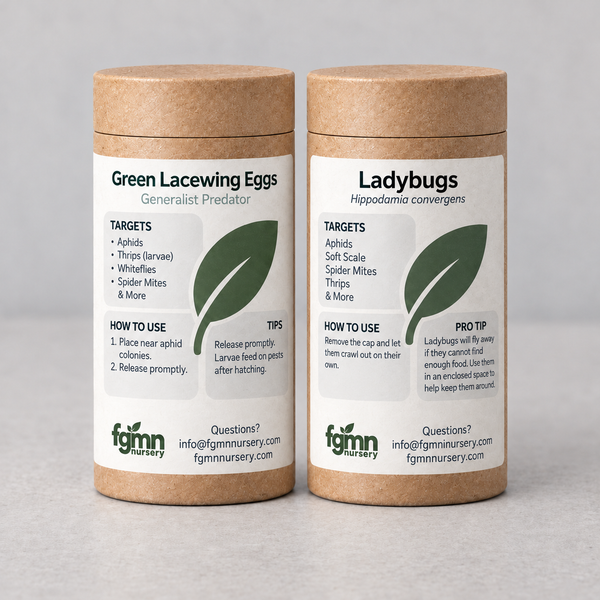
Swirskii Needs the Right Job
Choose swirskii by the pest stage, plant, growing environment, and treatment goal—not the prey list alone.
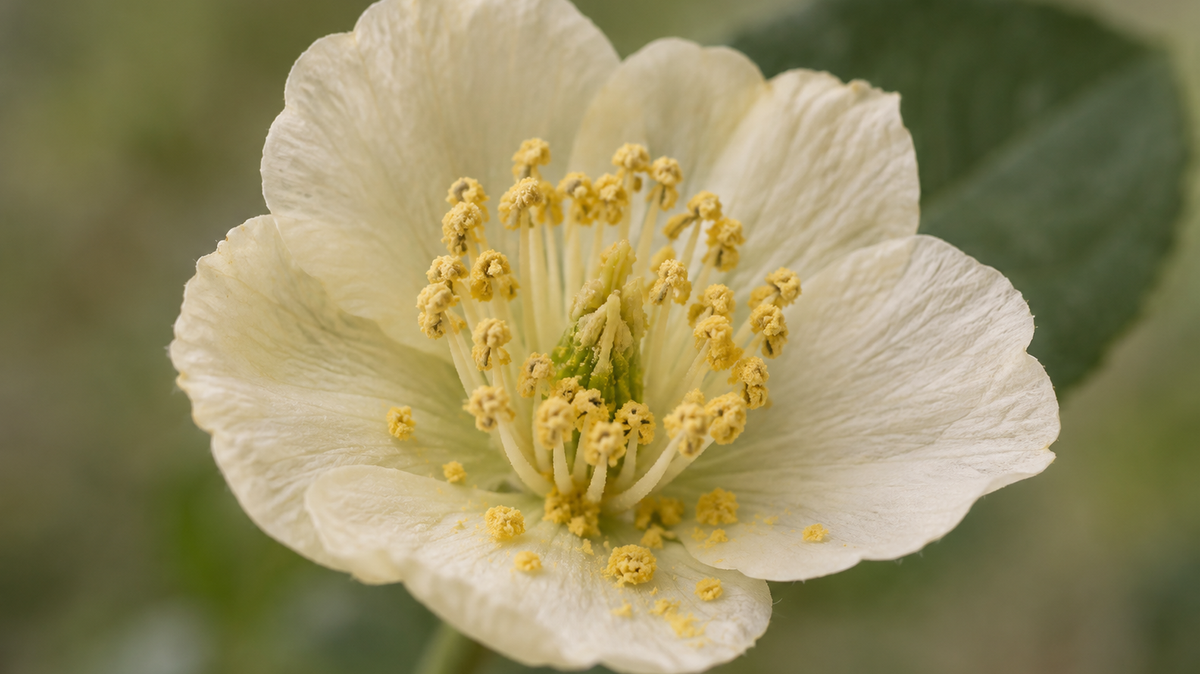
Swirskii Eats More Than Pests
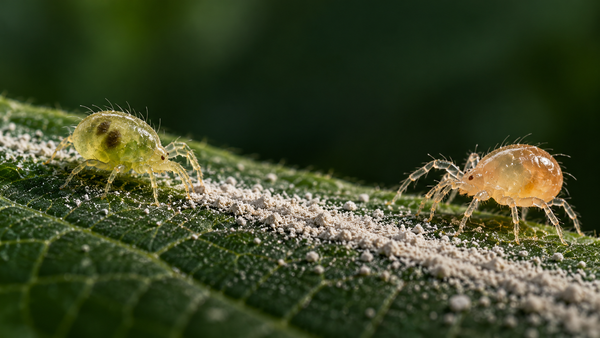
It is about half a millimeter long, and it eats pollen as happily as it eats pests. That second fact is the whole reason anyone buys it — a predator that can feed itself on a clean plant is already there when the thrips arrive.
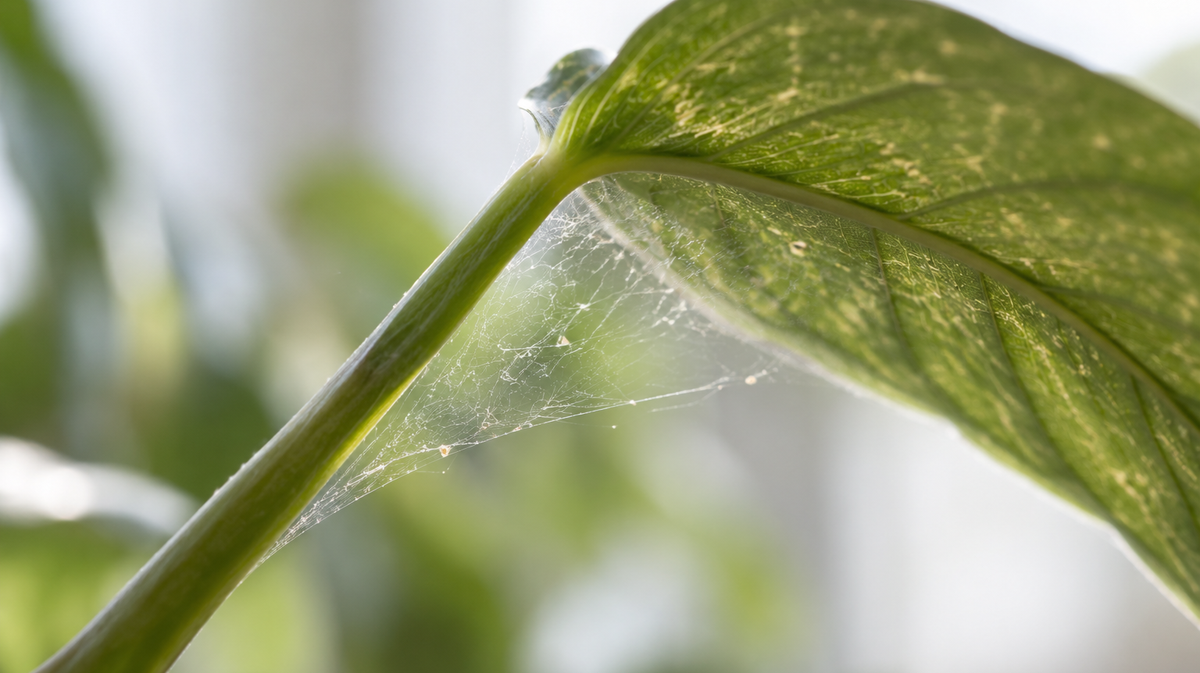
My Plant Has Webbing. Help.
Webbing on a plant isn't always spider mites — and the mite that causes the most damage indoors doesn't produce webbing at all. Here's how to tell what you're actually looking at before you treat.
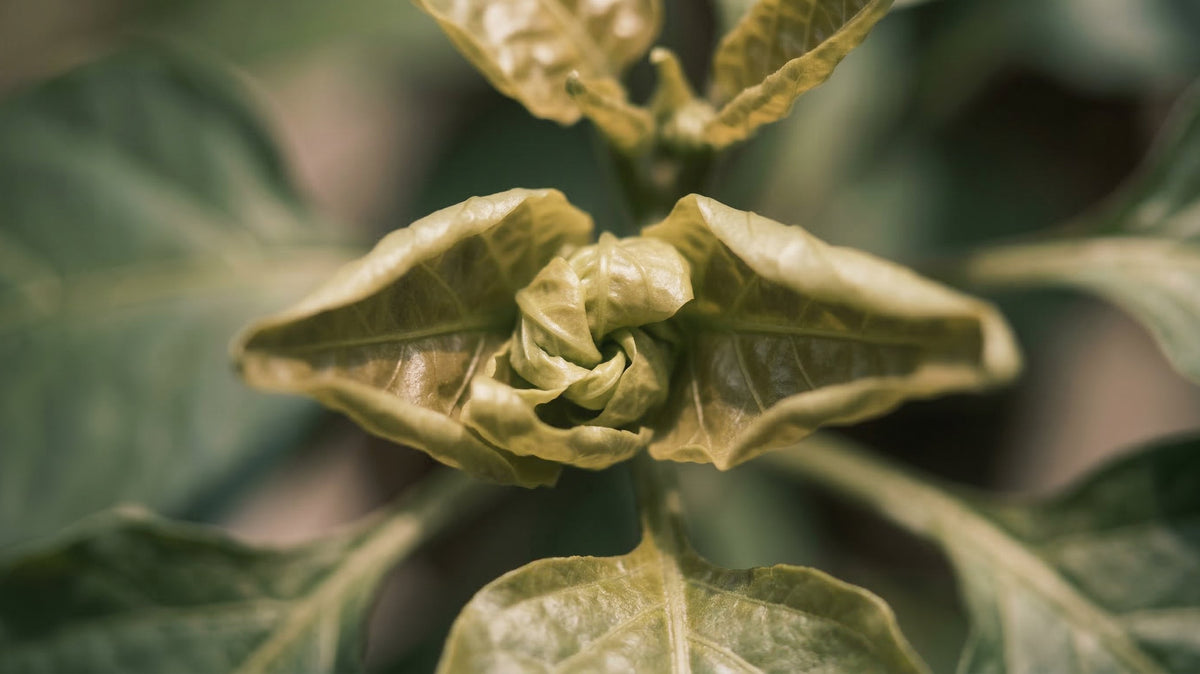
No Webbing. No Warning. No Fun.
Broad mites are microscopic pest mites that cause twisted, bronzed new growth on peppers, cannabis, hoyas, and dozens of other plants — and they're almost always misdiagnosed first. No webbing, no visible culprit, just a plant that keeps getting worse while you adjust the pH. Here's what they actually are, how to identify the damage, and how to get rid of them for good.